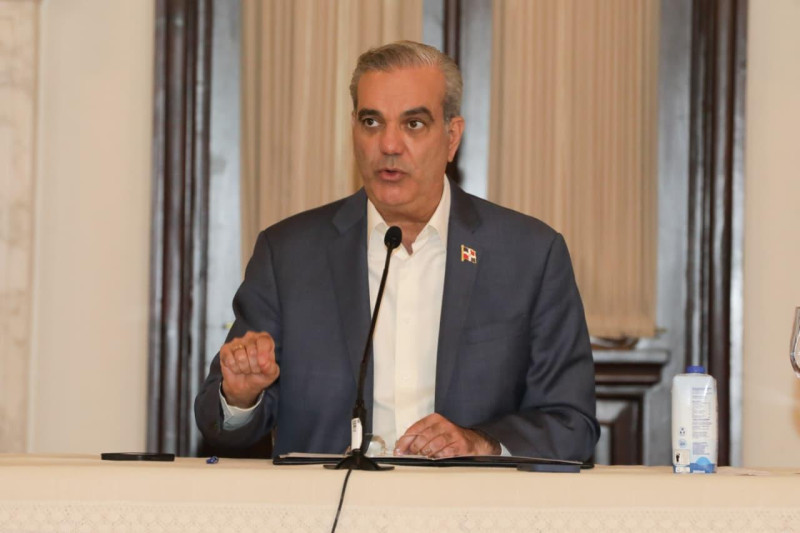
Santo Domingo, DR—President Luis Abinader addressed the growing controversy surrounding the exclusion of Venezuela, Nicaragua, and Cuba from the upcoming Summit of the Americas, set to take place in Punta Cana during the first week of December. During a radio interview on Friday, Abinader downplayed the situation, attributing the tensions to political and ideological divisions. He emphasized that such exclusions are not unprecedented and expressed hope for the summit’s success despite the absences of leaders from Mexico and Colombia, who withdrew in protest. Abinader reiterated the Dominican Republic’s commitment to dialogue, democracy, and human rights as the core principles of the summit. The decision to exclude the three nations, announced in September, mirrors the stance taken at the 2022 summit in Los Angeles, where they were labeled as dictatorial regimes. Mexican President Claudia Sheinbaum and Colombian President Gustavo Petro publicly criticized the exclusion, with Petro stating, ‘Dialogue does not begin with exclusions.’ Abinader responded to Sheinbaum’s remarks with a cryptic ‘No comments,’ while reaffirming the summit’s focus on fostering unity and cooperation among the majority of attending nations.
分类: politics
-
Prince Andrew gives up royal titles after string of scand
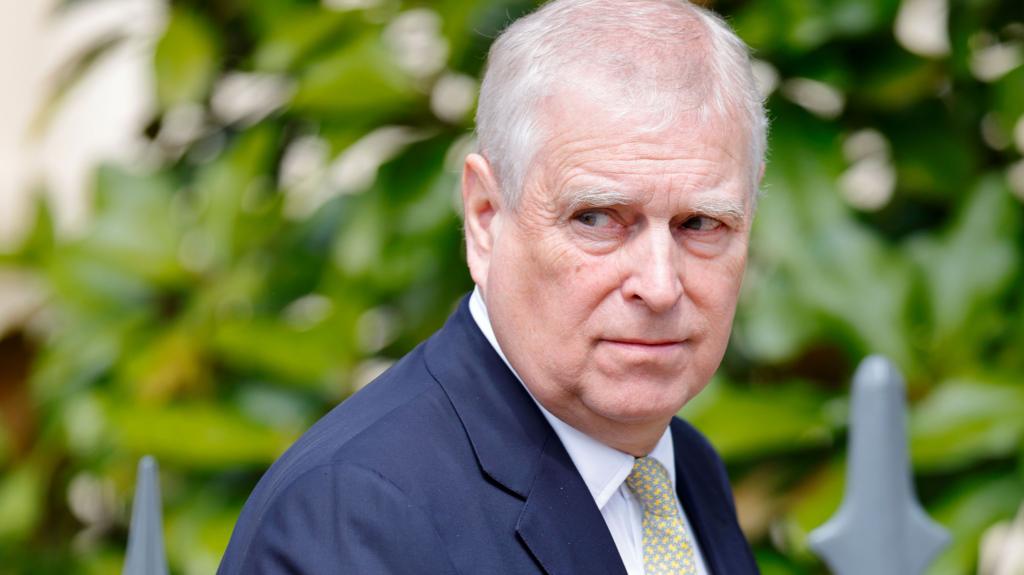
In a significant development within the British Royal Family, Prince Andrew has announced his decision to relinquish the use of his royal titles, including the Duke of York, following discussions with King Charles III. The announcement, made on Friday, marks a pivotal moment in the prince’s tumultuous journey, which has been marred by controversies and legal battles.
-
Fitz is right back where he belongs
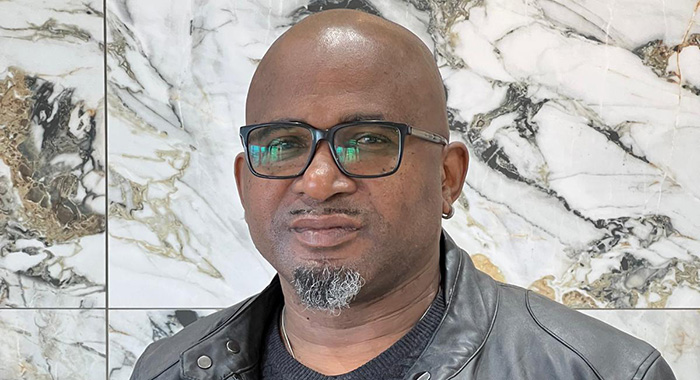
In a candid reflection on the state of diplomatic relations between St. Vincent and the Grenadines (SVG) and Canada, entrepreneur and construction worker Marlon Bute has expressed his relief at the departure of Fitz Huggins, the former consul general to Canada. Bute, who is deeply committed to self-employment and entrepreneurship, emphasizes the importance of skill acquisition for young people, urging them to learn trades that can ensure both sustenance and prosperity. He sees immense potential for SVG to benefit from Canada’s wealth, innovation, and investment opportunities, but laments that this potential was squandered under Huggins’ leadership. Bute criticizes Huggins for prioritizing political loyalty and self-promotion over fostering meaningful economic partnerships. Instead of attracting substantial Canadian investments, Huggins focused on soliciting donations of corned beef, sardines, and outdated vehicles, which Bute describes as environmentally reckless and symbolically representative of a failed diplomatic vision. The importation of gas-guzzling, decommissioned vehicles, he argues, not only burdens SVG’s fragile environment but also contradicts the nation’s calls for climate action. Bute calls for a more coherent and forward-thinking foreign policy, emphasizing that diplomatic postings should serve as instruments for national development rather than rewards for party loyalty. With Huggins’ departure, Bute hopes for a new era of SVG-Canada relations, led by a capable and visionary diplomat who can unlock the untapped potential of this partnership. He concludes by thanking Canada for ending Huggins’ tenure, marking a long-overdue step toward progress.
-

Make Suriname Shine: diplomatieke opleiding van start
The Ministry of Foreign Affairs, International Trade, and Cooperation (BIS) officially inaugurated the Suriname Diplomatic Course 2025 on Friday, marking the start of an intensive training program for aspiring diplomats and consular staff. Organized by the Suriname Diplomatic Institute (SDI), the initiative is part of a broader strategy to enhance the nation’s diplomatic capabilities.
Miriam Mac Intosh, Director of Foreign Affairs, emphasized that the program focuses on equipping participants with strategic knowledge and skills essential for navigating a complex international landscape. Key areas of training include international relations, negotiation techniques, protocol, cultural sensitivity, and crisis management. “Diplomats must stay abreast of geopolitical developments and represent their country with precision,” she stated.
Minister Melvin Bouva highlighted that the training signifies a new phase in the professionalization of Suriname’s diplomacy. He referenced the foreign policy outlined in President Jennifer Simons’ recent annual address, which prioritizes active, assertive, and economically focused diplomacy. “Diplomats are not mere messengers; they are strategists and bridge-builders. Their mission remains to make Suriname shine,” Bouva asserted.
Additionally, he underscored the importance of strengthening Suriname’s international standing on critical issues such as climate policy, digitalization, cybersecurity, and migration. Bouva also highlighted Suriname’s unique advantage as a carbon-negative country, positioning it as a leader in global environmental efforts.
-
CARICOM leaders, except Trinidad, speak out on US military build-up in Caribbean
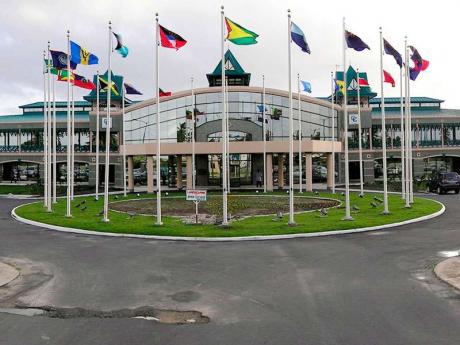
Amid heightened security concerns, leaders of the Caribbean Community (CARICOM) have voiced their stance on the United States’ military build-up in the region, emphasizing the need for adherence to international law. The discussions took place during a virtual meeting held on Thursday, where CARICOM Heads of Government reiterated their commitment to combating narcotrafficking and the illegal trade of small arms and light weapons, which pose significant threats to the region. While Trinidad and Tobago chose to reserve its position, other leaders reaffirmed the Caribbean as a zone of peace, stressing the importance of dialogue and peaceful conflict resolution. Guyana’s President Irfaan Ali expressed support for both regional peace and the fight against transnational crimes, including narco-trafficking. Meanwhile, Trinidad and Tobago’s Prime Minister Kamla Persad-Bissessar openly endorsed US military operations targeting narco-terrorists, which have resulted in the destruction of several boats and fatalities in international waters. The US Embassy in Trinidad and Tobago has advised the public to avoid all US government facilities through the weekend due to a heightened state of alert, coinciding with the Hindu festival of Deepavali. CARICOM remains committed to assisting in achieving regional security objectives.
-

PM Says Government Will Repair Its Own Derelict Buildings
Prime Minister Gaston Browne has unveiled a significant initiative aimed at urban renewal and beautification across Antigua. During a parliamentary debate on the Tax Administration and Procedure (Amendment) Bill 2025, Browne emphasized the government’s commitment to restoring its own derelict buildings as part of a broader effort to enhance community aesthetics and enforce property upkeep standards. The Prime Minister stated that the Cabinet had unanimously agreed to prioritize the repair and repurposing of government-owned properties in poor condition, setting a precedent for private property owners to follow. Browne argued that the government must ‘lead by example’ in maintaining public spaces and infrastructure. The initiative is part of a comprehensive urban renewal drive that also addresses abandoned lots, derelict houses, and unkempt government facilities. The goal is to foster cleaner, safer, and more livable neighborhoods while ensuring accountability among both public and private property owners. Browne defended the property tax amendment, which grants authorities enhanced powers to tackle chronic neglect and dereliction, dismissing opposition claims that the bill is overly harsh. He clarified that the legislation targets long-term defaulters and abandoned properties, not ordinary homeowners. This move underscores the government’s dedication to improving the nation’s physical landscape and promoting compliance with property maintenance regulations.
-

Trinidad and Tobago reserves position as CARICOM reaffirms Caribbean as Zone of Peace
The Heads of Government of the Caribbean Community (CARICOM), with the exception of Trinidad and Tobago, have unanimously reaffirmed their dedication to preserving the Caribbean as a Zone of Peace. This declaration comes amidst heightened US military presence in the region, including the deployment of eight warships, a nuclear-powered submarine, and fighter jets, as well as a request to Grenada for the installation of radar and other equipment. Trinidad and Tobago, however, has reserved its position on the matters discussed during the recent meeting.
-
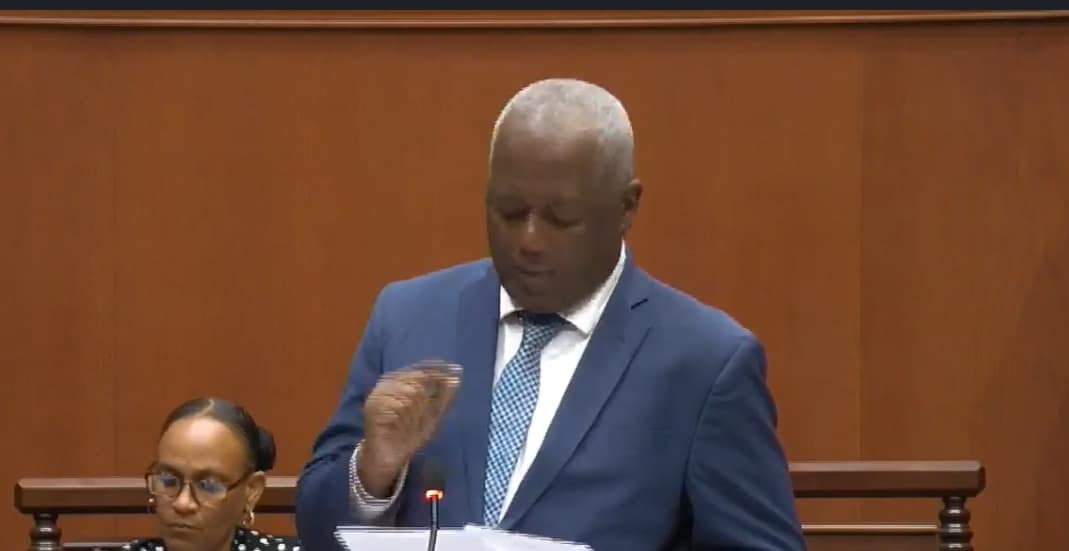
VIDEO: Bowen Calls Property Tax Bill ‘Draconian,’ Urges Safeguards for Homeowners
In a heated parliamentary debate on Thursday, Opposition MP Sherfield Bowen vehemently criticized the Tax Administration and Procedure (Amendment) Bill 2025, labeling it as ‘draconian’ for granting the government excessive powers to seize and sell private property over unpaid taxes. Representing St. Philip’s South, Bowen argued that the bill, ostensibly designed to address derelict and abandoned properties, could unfairly penalize homeowners who fall behind on tax payments, even by a single installment. He emphasized that the legislation lacks a crucial precondition: the property must be officially declared derelict or abandoned before any sale is considered. Bowen proposed several amendments to ensure fairness, including a mandatory five-year period of government-maintained property cleaning and maintenance, with costs charged to the land, before any sale is pursued. He also objected to the bill’s provision allowing tax collection after a mere 30-day notice, deeming it unreasonable and advocating for a more extended grace period of at least one year. Additionally, Bowen called for multiple written notices and personal service to homeowners before enforcement actions are taken. Despite his impassioned arguments and calls for stronger homeowner protections, the bill passed later that day with government support.
-
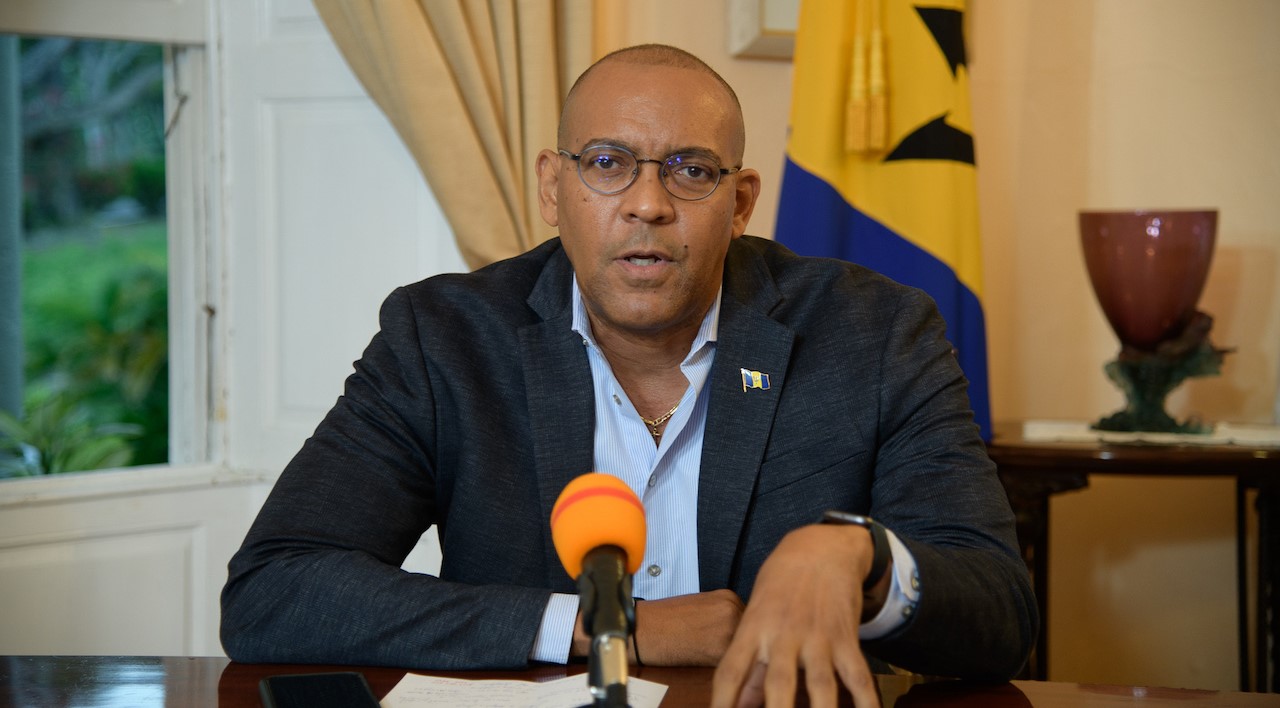
Symmonds slams “malicious rumours” of U.S. arrest
Barbados’ Minister of Foreign Affairs and Foreign Trade, Kerrie Symmonds, has vehemently refuted baseless rumors alleging his detainment in the United States and the involvement of Attorney General Dale Marshall in resolving the purported issue. Addressing the unfounded claims circulating online, Symmonds clarified that he is actively performing his duties in Barbados and remains in his constituency of St James Central. In a formal statement, Symmonds labeled the rumors as ‘vicious, nasty, and unfortunate,’ emphasizing their malicious intent. He criticized the spread of such falsehoods, stating, ‘In this day and age, it is clear that some individuals have nothing better to do than create scandal, and that scandal does not lack for a carrier.’ Symmonds further asserted his presence in Barbados, declaring, ‘Unfortunately for those who published the scandal, I am not overseas at this point, and I’m here for all to see.’ The unverified reports, which began circulating on social media late last week, falsely claimed that Symmonds had been ‘locked up in the USA’ and that Marshall had traveled abroad to address the situation. These claims have been dismissed as entirely fabricated.
-
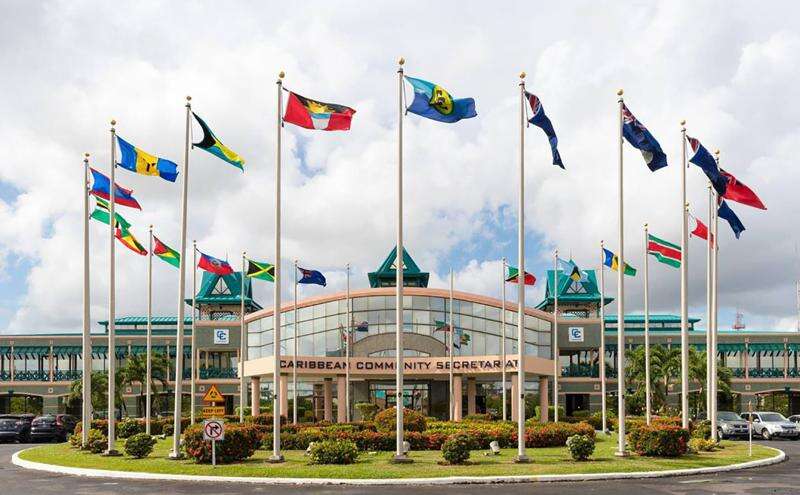
T&T opts not to endorse Caricom position amid US military strikes
In a notable divergence from its Caribbean Community (Caricom) counterparts, Trinidad and Tobago has opted not to endorse a unified regional stance on critical security and stability matters, particularly concerning the increasing presence of U.S. military forces in the Caribbean. This decision emerged during a recent Caricom meeting where regional leaders convened to address pressing issues, including the security buildup in parts of the Caribbean and its implications for member states. While other Caricom nations reaffirmed their commitment to maintaining the Caribbean as a Zone of Peace and emphasized dialogue and peaceful conflict resolution, Trinidad and Tobago reserved its position, offering no immediate explanation for its dissent. The meeting followed a series of U.S. military strikes targeting suspected drug-trafficking vessels off the Venezuelan coast, which reportedly resulted in the deaths of two Trinidad and Tobago nationals. Caricom leaders also reiterated their dedication to combating narcotics trafficking and the illegal arms trade, underscoring the need for international cooperation and adherence to international law. Trinidadian Prime Minister Kamla Persad-Bissessar has remained silent on both the regional security discussions and the fatalities, drawing criticism from opposition figures who have accused her of evading her responsibilities. Persad-Bissessar has previously expressed support for the U.S. military campaign, praising its efforts to curb drug trafficking and protect regional stability.