
The VHP, once a beacon of honest governance, reform, and innovation, appears to have lost its moral compass entirely. Over the five years it held power, the party failed to prioritize the public interest, instead functioning as a network of influential figures, friends, families, and confidants who shielded one another from accountability. Since its electoral defeat on May 25, this image has only grown clearer. The VHP is no longer a national people’s party but a collection of individuals hiding under the same orange umbrella. Principles have been overshadowed by personalities, particularly those who thrive on applause and affirmation. While the party projects an image of internal harmony, a closer look reveals division, bruised egos, and a fear of challenging leadership. The cracks are now impossible to ignore. What stands out most is the party’s opportunistic opposition tactics since its defeat. Issues it could have resolved with its previous majority are now loudly condemned, while problems it once oversaw are disingenuously blamed on others. As society yearns for mature political self-reflection, the VHP prefers to plant political bombs—not to build, but to destroy. Chairman Chan Santokhi seems trapped in his own reality, dismissing the defeat with comforting falsehoods, as if the electorate misunderstood his achievements rather than the party itself. Outside the party’s walls, this belief has long evaporated. The lack of honesty was evident this week when spokesperson Dew Sharman questioned the integrity of Starnieuws, denying a report about the departure of senior board member Sidik Moertabat, who had confirmed his exit in an interview. Instead of acknowledging the facts, Sharman chose denial and discredited the media—a telling sign of the party’s character. This is not an isolated incident. Whenever internal issues arise, the VHP avoids political reality, addressing it opportunistically, as seen in its political appointments and dismissals of loyalists. This behavior reflects arrogance—a mix of power, self-deception, and fear of the truth. A party that claims to uphold values should know better. Democracy demands not compliance but courage—the courage to face the truth, even when it’s painful.
分类: politics
-
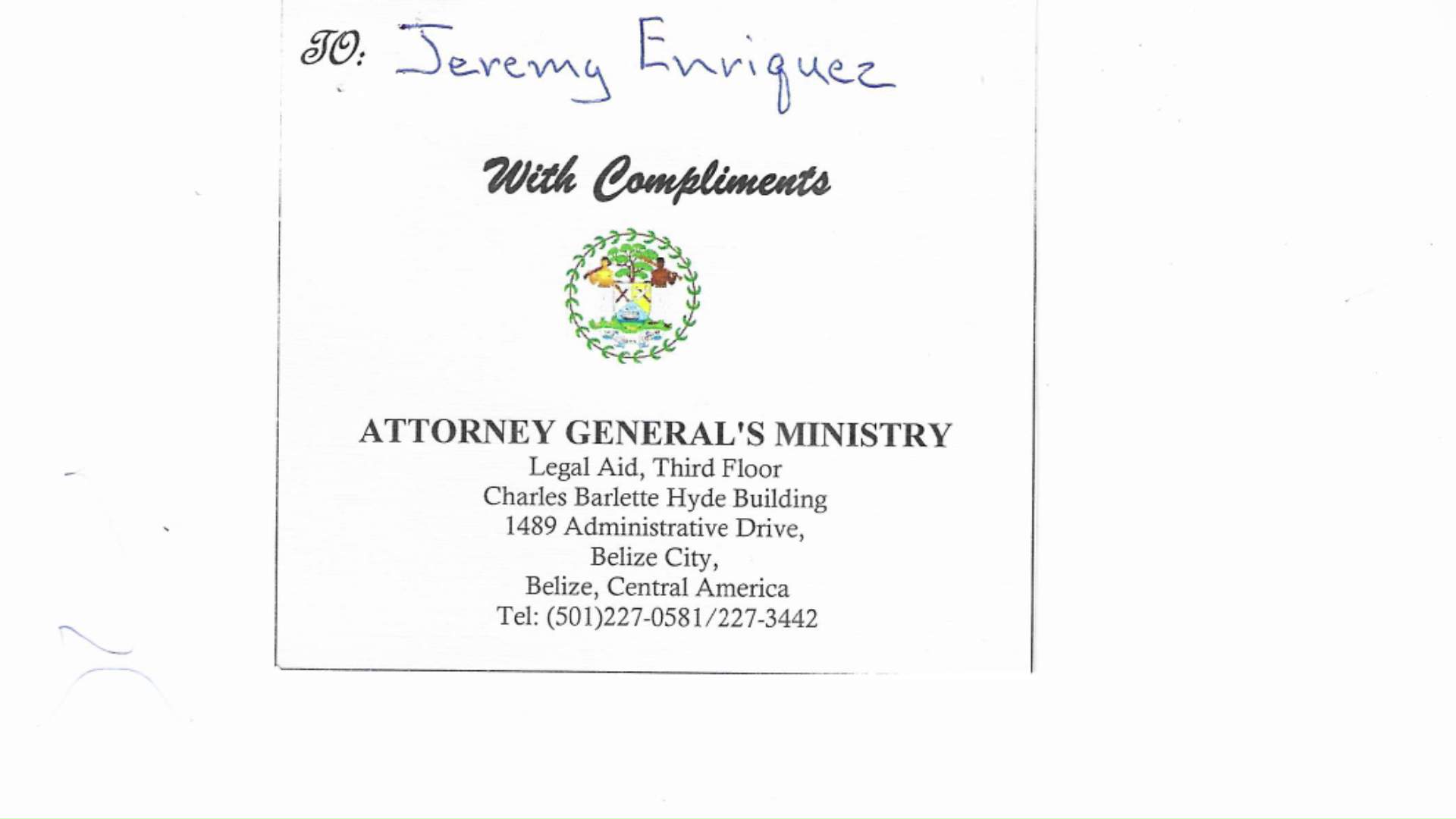
Briceño Administration Takes Ombudsman to Court Over FOIA Battle
The Briceño Administration of Belize has escalated a transparency dispute by taking the Ombudsman to court. The conflict began when social activist Jeremy Enriquez filed a Freedom of Information Act (FOIA) request seeking details on legal fees related to the redistricting case. The Attorney General initially denied the request, prompting Enriquez to appeal to the Ombudsman, Gilbert Swaso, who ruled in favor of partial disclosure. However, the Attorney General is now challenging this decision in court, arguing for its dismissal. This legal battle highlights a broader struggle over government transparency and accountability. Enriquez expressed concern over the Prime Minister’s efforts to suppress information about government spending on legal fees, emphasizing the need for public accountability. He described the administration’s actions as a corrupt attempt to intimidate the Ombudsman and conceal financial dealings. This case sets a significant precedent in Belize’s ongoing fight for governmental transparency and the public’s right to information.
-
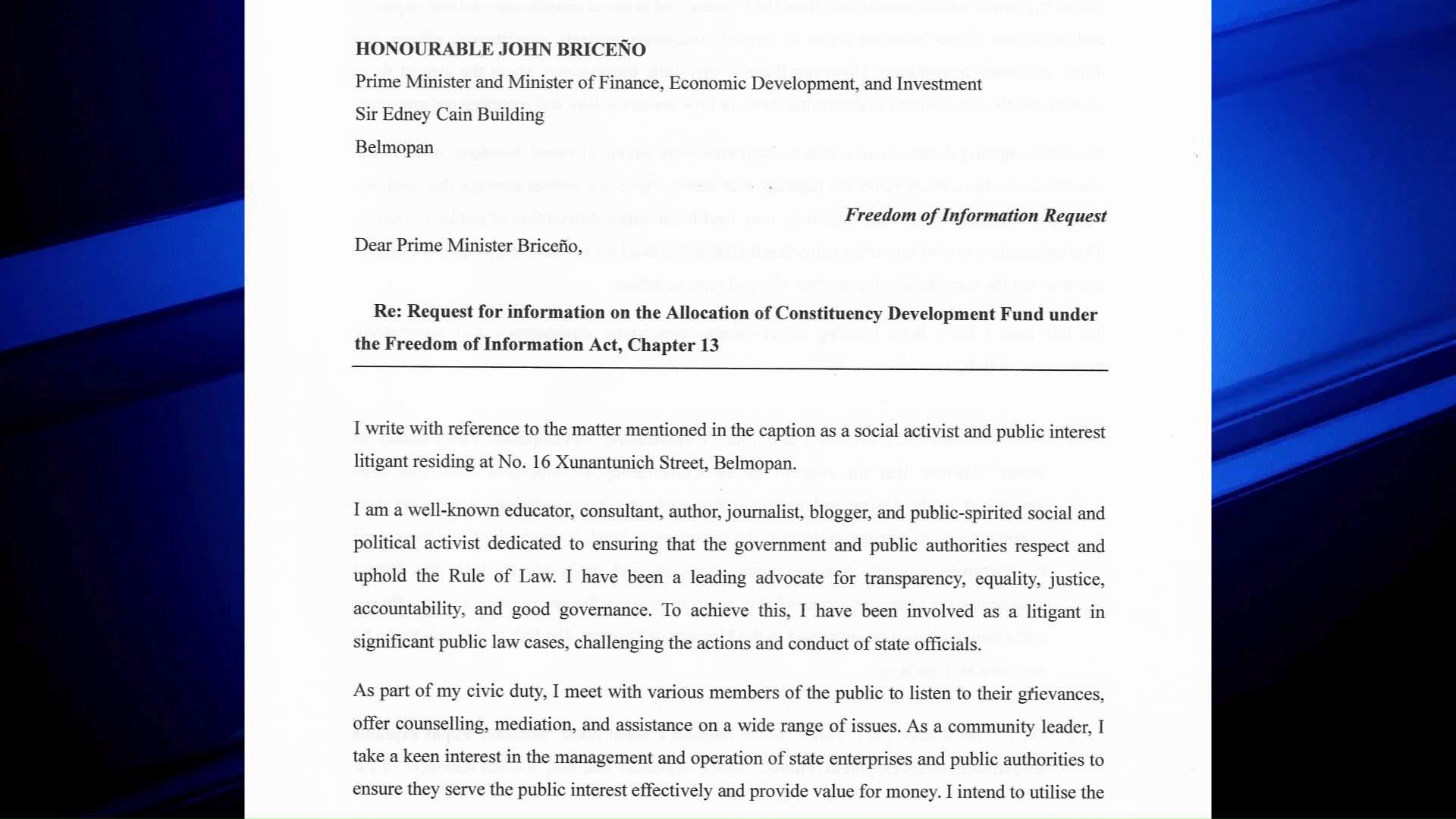
Enriquez’s Second FOIA Targets Constituency Fund Spending
Jeremy Enriquez, a prominent social activist, has filed a second Freedom of Information Act (FOIA) request targeting the allocation of the Constituency Development Fund. Despite facing legal challenges with his initial request, Enriquez remains steadfast in his mission to promote transparency and accountability within the government. His latest submission, directed to the Office of the Prime Minister, seeks detailed information on how funds are distributed across electoral divisions, how they are utilized, and the mechanisms in place to ensure accountability. Enriquez emphasized that these requests are not frivolous but are aimed at holding the government to its promise of good governance, as outlined in their political manifesto. He stressed that secrecy breeds corruption and called for a shift away from this culture. This move comes amidst growing public scrutiny over government spending and the need for greater fiscal transparency.
-
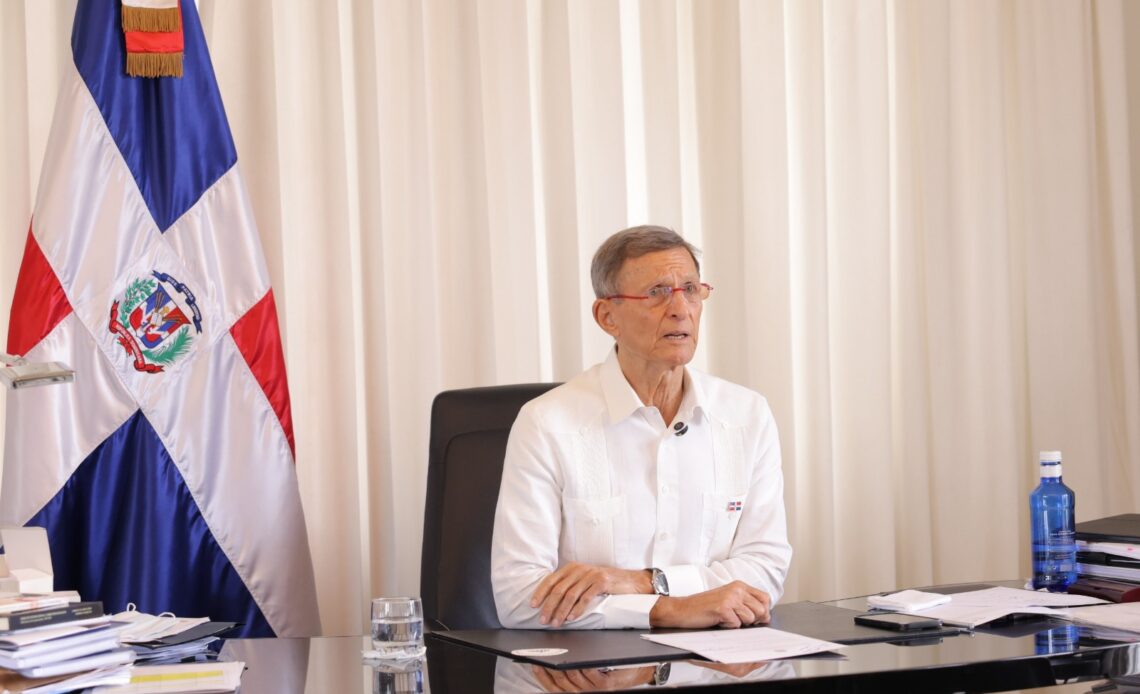
Dominican Republic reaffirms support for Guatemala’s democracy and urges OAS action
The Dominican Republic has reiterated its unwavering support for Guatemala’s democratic process and President-elect Bernardo Arévalo, following the August 2023 elections, which were widely acknowledged as free and fair by international observers. In a virtual address to the Permanent Council of the Organization of American States (OAS), Dominican Foreign Minister Roberto Álvarez condemned recent efforts to undermine the presidential and vice-presidential mandates in Guatemala through dubious legal tactics. Álvarez underscored that such maneuvers not only infringe upon the sovereignty of the Guatemalan people but also contravene the democratic principles outlined in the Inter-American Democratic Charter. He echoed President Luis Abinader’s stance that no governmental authority has the right to override the electorate’s will, emphasizing that the Dominican Republic would refuse to recognize any de facto government arising from a violation of constitutional order. Álvarez called on the OAS and the global community to take decisive action to safeguard democratic institutions in Guatemala and across the Americas, leveraging all available mechanisms within the OAS framework and the Inter-American Democratic Charter.
-
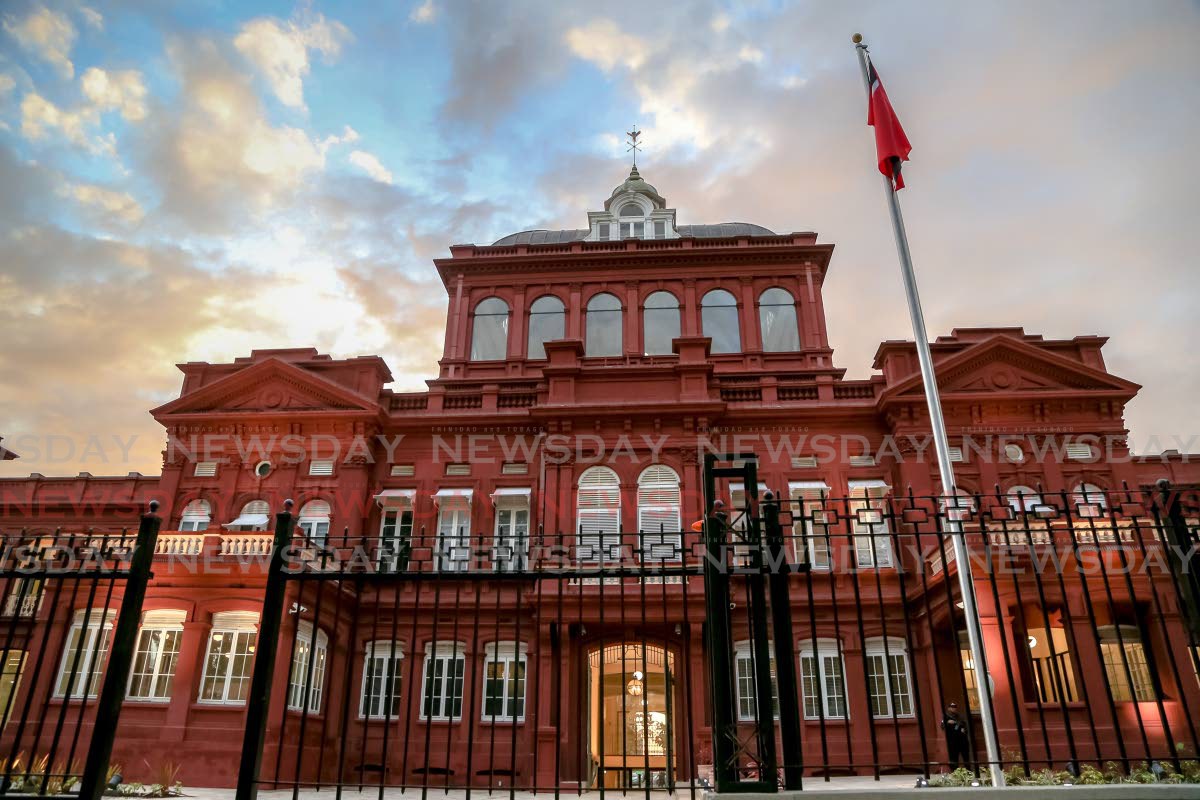
House to debate SoE extension on October 31
Members of Parliament (MPs) in Trinidad and Tobago are set to convene on October 31 to deliberate on the government’s proposal for a second extension of the state of emergency (SoE). The decision, which requires only a simple majority in the House of Representatives, appears to be a foregone conclusion, as both government and opposition MPs have remained tight-lipped in their responses to media inquiries. The motion does not necessitate approval from the Senate, where independent benches hold moderating influence. The issue was expected to be addressed during a post-Cabinet briefing on October 30 at the Diplomatic Centre in St. Ann’s. Opposition Leader Pennelope Beckles, when contacted via WhatsApp, indicated that her MPs would caucus that afternoon to discuss the matter. The SoE was initially declared on July 18 following a public statement by Commissioner of Police Allister Guevarro, who warned of criminal gangs targeting public figures in politics and criminal justice. The House previously extended the SoE by three months on July 28, and MPs will now decide whether to grant another three-month extension. The Trinidad and Tobago Constitution outlines the procedure for extending the SoE, with the first two extensions requiring only a simple majority. However, any third extension would demand a special majority in the House and Senate approval. Attorney General John Jeremie’s motion will argue that the extension is ‘necessary and expedient.’ Meanwhile, government MPs have not responded to media inquiries, leaving reporters to await clarification at the post-Cabinet briefing. During the briefing, officials highlighted measurable decreases in crime as justification for the extension, while dismissing any connection to US-Venezuela tensions.
-
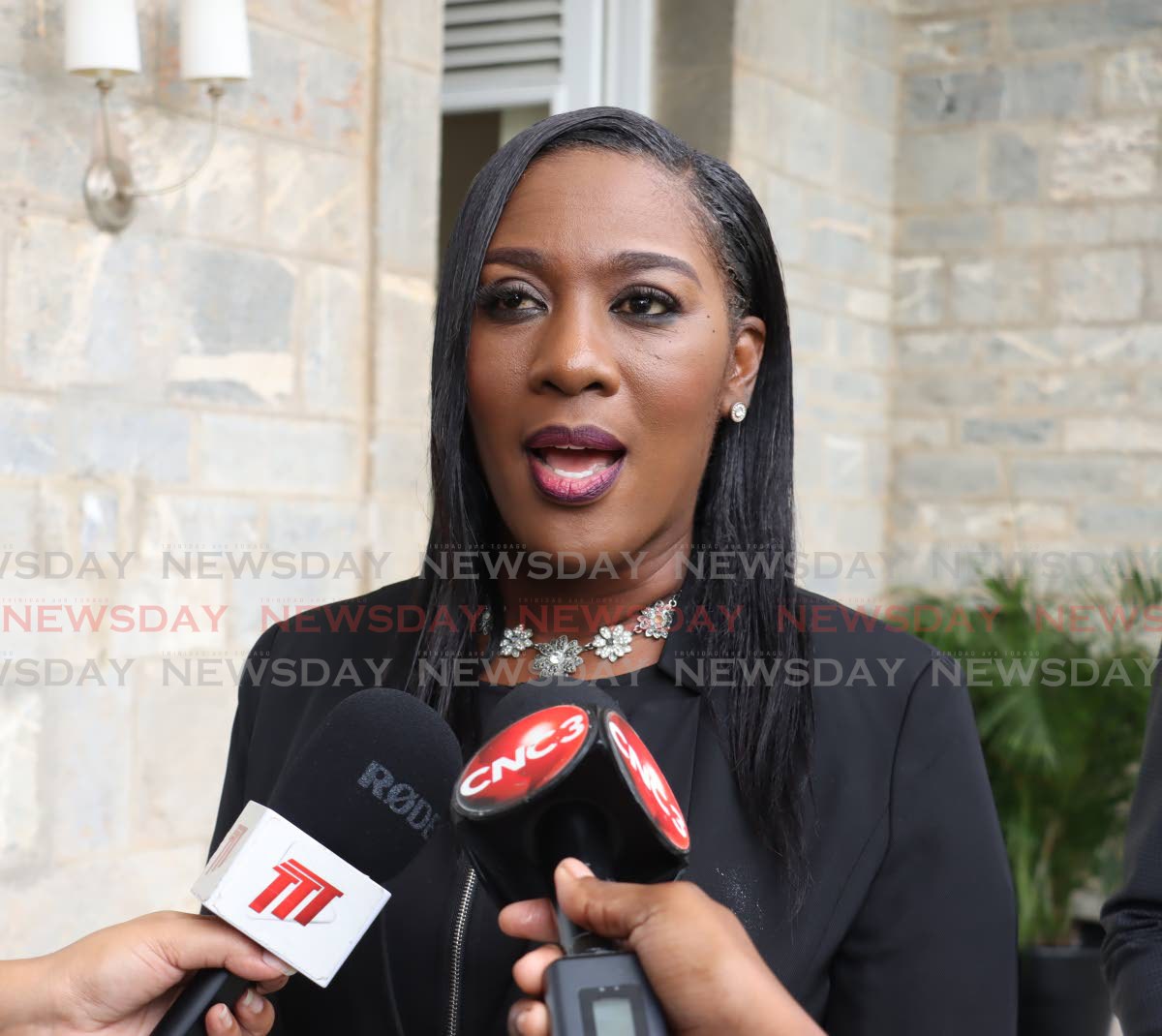
Finance Secretary: THA aims to curb expenditure in 2026
The Tobago House of Assembly (THA) has called on its divisions to limit their expenditures for the fiscal year 2026. This directive was announced by THA Secretary of Finance, Trade, and Economy, Petal Ann Roberts, during a media briefing following a post-budget retreat held at the Mt Irvine Bay Hotel on October 29. The retreat, chaired by THA Chief Secretary Farley Augustine, focused on the fiscal 2026 budget allocations and the assembly’s five percent share of the national budget. Discussions included last year’s achievements and challenges, as well as future policies and actions. Roberts emphasized the retreat’s inclusive nature, with inputs from all secretaries, assistant secretaries, and administrators on their achievements, strategies, and cost-saving measures. The THA has received a total of $2.96 billion, including allocations for Cepep and URP programs, which are crucial for Tobago’s development. The strategy discussed aims to constrain expenditures to fiscal 2025 levels, with a shift of approximately $300 million from recurrent to development, bringing the revised development allocation to $501 million. Six priority areas were identified: tourism, agriculture, digital transformation, human capital development, investment in micro, small, and medium enterprises, and infrastructure. Health, education, and community development were also highlighted as critical areas. Roberts will present a revised budget detailing the projects, their impact, and costs at an upcoming house sitting. Augustine confirmed that a full re-prioritization will be provided within two weeks from October 29.
-
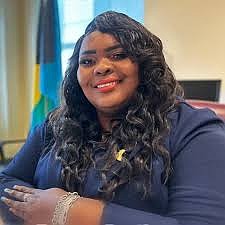
‘Stop overlooking residents in Abaco’
The political discourse in North Abaco remains heavily influenced by ongoing infrastructure challenges and public dissatisfaction, as newly ratified Free National Movement (FNM) candidate Terrece Bootle-Laing steps into the electoral race. Bootle-Laing, a long-time resident of Abaco, has vowed to amplify the voices of constituents who feel neglected by current leadership. She has highlighted critical issues such as deteriorating roads, the stalled reconstruction of Treasure Cay International Airport and Cooperstown Clinic, and unmaintained verges—problems that have persisted since Hurricane Dorian devastated the island in 2019. Bootle-Laing emphasized that residents often feel their concerns are only addressed after significant public outcry, with many believing their voices are inadequately represented in Parliament. The incumbent, Progressive Liberal Party (PLP) MP Kirk Cornish, has announced his intention to seek renomination despite a controversial tenure. Cornish was acquitted of rape and assault charges in 2024 and faced backlash in 2023 for self-proclaiming the title ‘Prime Minister of Abaco,’ for which he later apologized. During her campaign, Bootle-Laing has engaged with residents who have raised issues ranging from the proliferation of shanty towns and inadequate street lighting to sea wall erosion in the cays. If elected, she plans to prioritize infrastructure repair and youth empowerment initiatives.
-
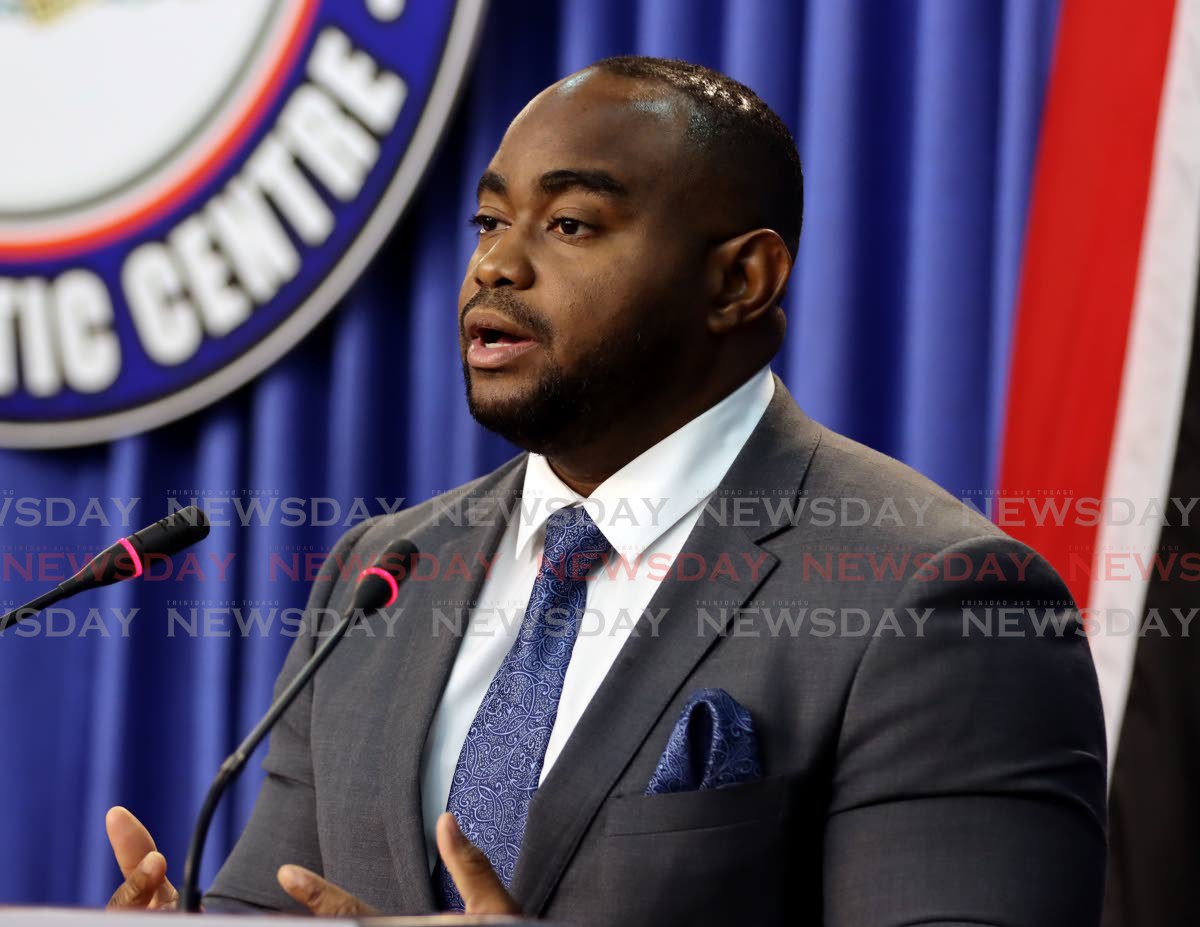
Sobers digs in against illegal migrants
In a recent post-cabinet press briefing held at the Diplomatic Centre in St Ann’s, Trinidad and Tobago’s Minister of Foreign and Caricom Affairs, Sean Sobers, reaffirmed the government’s uncompromising stance on the deportation of illegal migrants. The briefing, attended by Local Government Minister Khadijah Ameen and Nicholas Morris, parliamentary secretary in the Office of the Prime Minister, saw Sobers address concerns raised by Newsday regarding the government’s hard-line position on mass deportations. Sobers emphasized that the government’s policy aligns with the Immigration Act, which categorizes illegal entry and overstaying as criminal offenses, warranting deportation. He dismissed suggestions to soften the approach, stating that the government stands by the position articulated by Minister of Homeland Security Roger Alexander. Sobers also addressed concerns about the treatment of migrants, drawing parallels to controversial practices in the United States, but maintained that Trinidad and Tobago’s immigration authorities operate within normal legal frameworks. Additionally, he responded to reports of Trinidadian nationals allegedly killed in US military strikes on drug boats, promising to investigate but cautioning against unfounded allegations. Sobers also commented on recent political tensions with Venezuela, including the Venezuelan National Assembly’s criticism of Prime Minister Kamla Persad-Bissessar, and reiterated Trinidad and Tobago’s commitment to democratic principles.
-
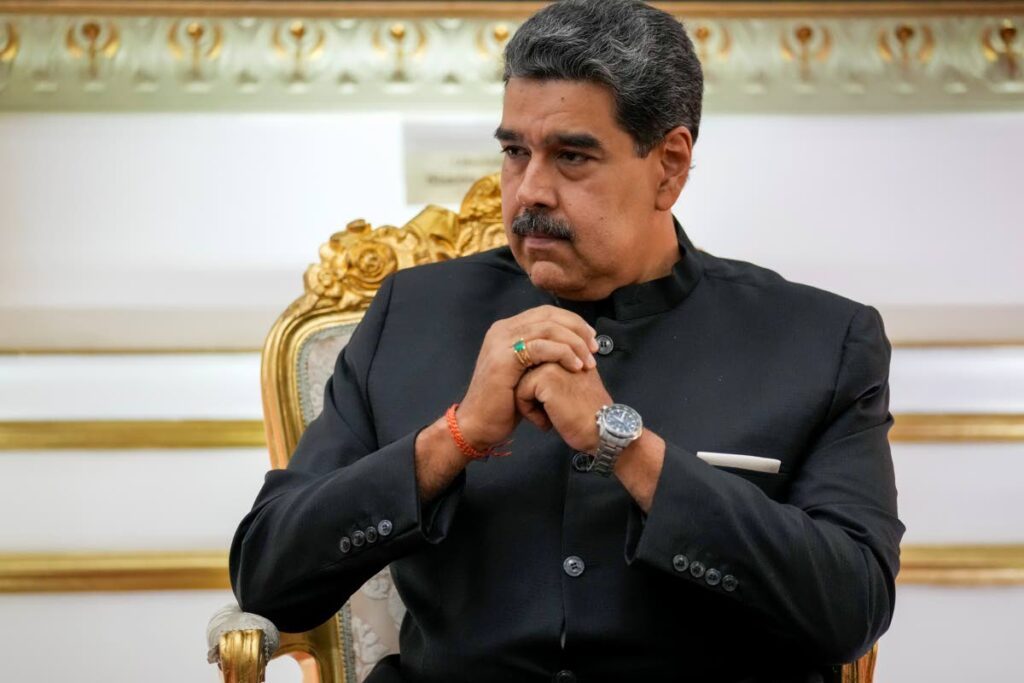
Don’t lectureto us, Maduro
In a bold and unflinching open letter addressed to Venezuelan President Nicolás Maduro, Curtis A. Obrady of Arima, Trinidad and Tobago (TT), delivers a scathing critique of the Venezuelan leader and his regime. The letter, published in Newsday, accuses Maduro of transforming Venezuela into a ‘living hell,’ forcing millions to flee due to hunger, fear, violence, and political persecution. Obrady highlights the hypocrisy of Maduro’s regime, which has been accused of silencing dissent, imprisoning journalists, and driving families to seek refuge abroad, now attempting to lecture TT on humanity and deportations. The author emphasizes that TT has shown compassion by welcoming Venezuelan refugees, providing them with safety, dignity, and support—actions starkly contrasting with Maduro’s oppressive governance. However, Obrady asserts that compassion does not equate to weakness, defending TT Prime Minister Kamla Persad-Bissessar’s right to enforce border security and protect the nation’s interests. The letter concludes with a powerful reminder that Venezuelans fled to TT seeking leadership, order, and humanity—qualities absent under Maduro’s rule. Obrady urges Maduro to address his own human rights violations before criticizing others, reaffirming TT’s unwavering support for its Prime Minister and its commitment to standing tall against dictators.
-
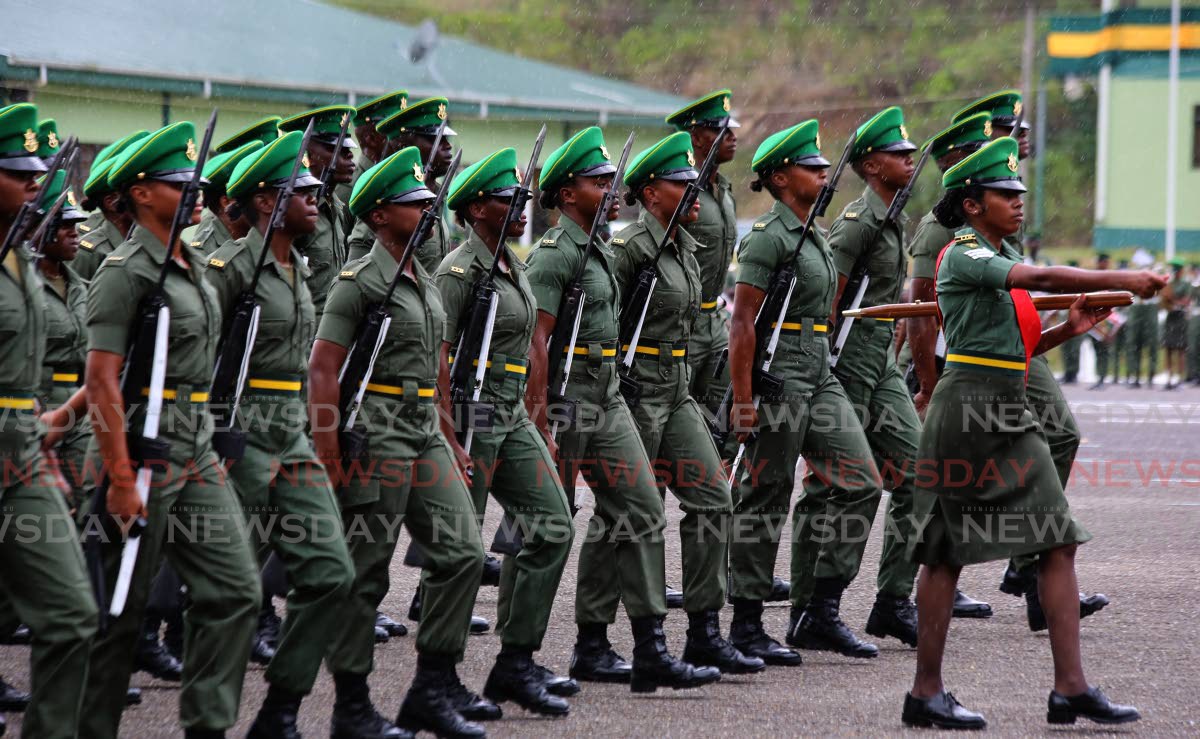
Back to base: Soldiers, sailors on high alert
The Trinidad and Tobago Defence Force has been placed on heightened alert as Parliament prepares to debate an extension of the state of emergency. This development coincides with international media reports suggesting an imminent US military strike against Venezuelan targets. The immediate call for all active soldiers, sailors, and air guard officers to report to their encampments has sparked widespread anxiety and a surge of rumors. An internal directive ordered all military personnel to report to their respective bases by 6 pm on October 31, including those on pre-retirement leave, sick leave, or vacation, who were instructed to remain on standby. The message emphasized, ‘This is not a drill,’ urging personnel to make necessary personal arrangements. Reports from the Miami Herald and Bloomberg, citing anonymous sources, indicate that the Trump administration is preparing to escalate its campaign against Venezuela’s Maduro government, accused of facilitating narco-trafficking. Bloomberg noted that President Trump hinted at potential military operations, stating, ‘The land is going to be next,’ following a series of maritime strikes against suspected drug-running vessels in the Caribbean and eastern Pacific since mid-September. These operations are part of Trump’s renewed anti-narcotics drive targeting alleged drug trafficking routes linked to Venezuela and regional criminal networks.