
Prime Minister Kamla Persad-Bissessar is set to deliver a pivotal address at the Tobago House of Assembly (THA) in Scarborough on November 4, focusing on Tobago’s longstanding quest for autonomy and other critical issues facing the island. The special sitting, commencing at 2 pm, marks her first official appearance before the THA since her UNC-led coalition secured victory in the April 28 general election, winning 26 seats compared to the PNM’s 13 and the Tobago People’s Party’s two. This visit also signifies her inaugural official trip to Tobago post-election. Accompanied by a high-level ministerial delegation, including Attorney General John Jeremie, Finance Minister Davendranath Tancoo, and Homeland Security Minister Roger Alexander, among others, Persad-Bissessar aims to strengthen governance, foster inter-island collaboration, and accelerate shared development goals. The invitation, extended by THA Chief Secretary Farley Augustine under Act 40 of 1996, underscores the government’s commitment to national outreach and partnership with Tobago’s business and institutional stakeholders. The event is expected to drive inclusive growth and reinforce national progress.
分类: politics
-
DOMA head: Nothing good comes from panic
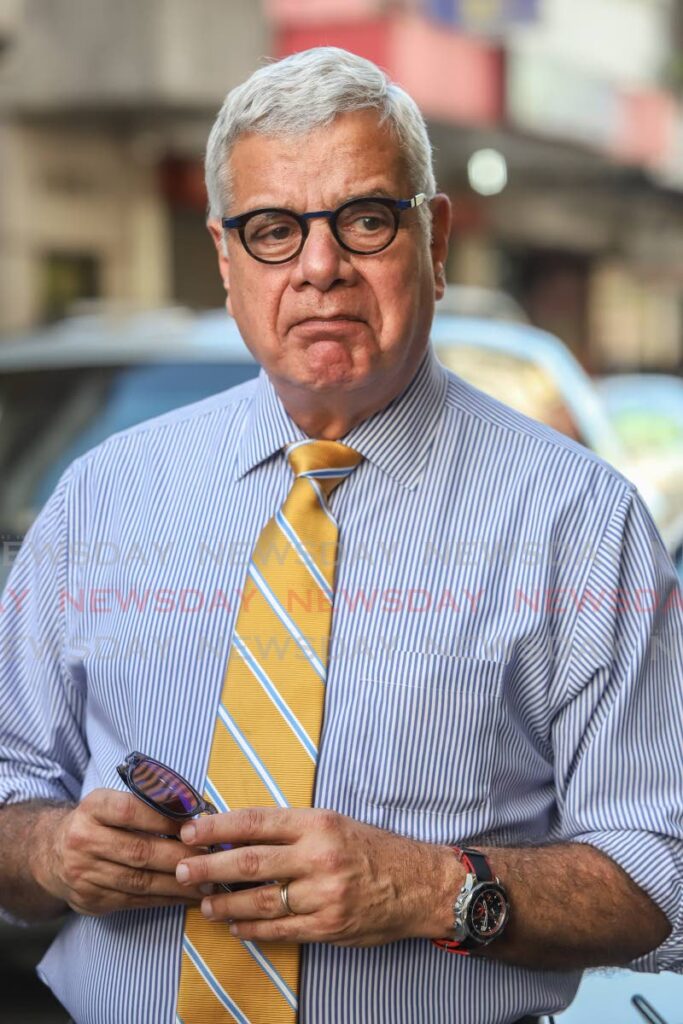
Gregory Aboud, President of the Downtown Owners and Merchants Association (DOMA), emphasized the importance of maintaining composure in the face of heightened military alertness and public speculation. In a phone interview on November 2, Aboud reflected on the recent order for all military personnel to report to their bases on October 31, stating that the mobilization of police and military forces did not directly disrupt Port of Spain. Instead, he attributed the unrest to the public’s reaction to the situation. Aboud dismissed the notion of impending danger, pointing out that the atmosphere was dominated by threats and counter-threats between the US and Venezuela, along with increased military presence. He questioned the logic behind fears that Venezuela might retaliate against Trinidad and Tobago (TT) if the US took military action, calling such assumptions unrealistic. Aboud stressed the need for rationality and calm, highlighting TT’s longstanding issues with porous borders that facilitate the illegal trade of drugs and firearms. He expressed concern over the spread of inaccurate stories and rumors, which have damaged reputations and deterred good citizens from participating in national development. Aboud voiced support for robust national defense measures to secure TT’s borders and curb the societal corruption fueled by illicit activities. He acknowledged the government’s stance on American intervention in the region, viewing it as a potential means to disrupt the damaging illegal trade that has plagued TT for decades. Aboud concluded by advocating for greater transparency and information sharing, where possible, to alleviate public panic and foster a more informed society.
-
Former Prince Andrew to lose his last military rank
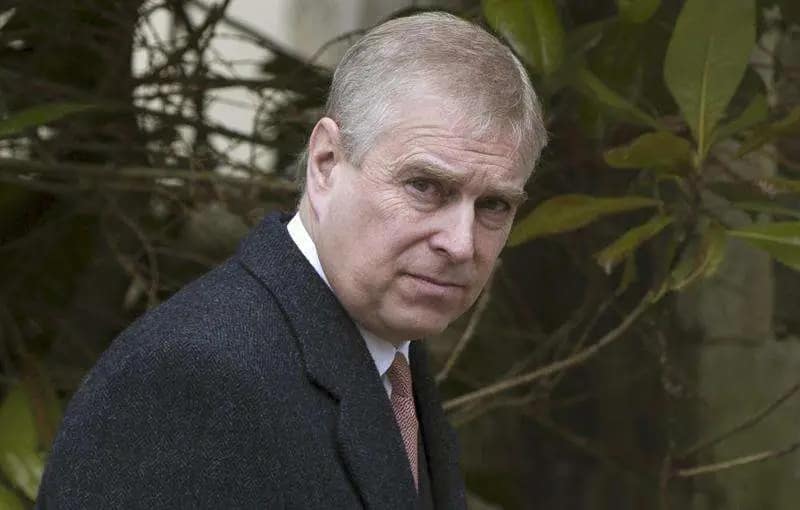
The United Kingdom government announced on Sunday its intention to revoke Prince Andrew’s honorary title of vice-admiral, marking the final step in stripping him of all military ranks. This decision follows King Charles III’s recent removal of Andrew’s remaining royal titles and honors, a move that underscores the monarchy’s response to public outrage over Andrew’s association with convicted sex offender Jeffrey Epstein. Defence Minister John Healey confirmed the government’s actions during an interview with the BBC, stating that the process is being guided by the king. Healey also indicated that discussions are ongoing regarding whether Andrew should forfeit his military medals. Once celebrated for his service as a Royal Navy helicopter pilot during the 1982 Falklands War, Andrew retired in 2001 after 22 years of military service. The latest developments come in the wake of Andrew’s 2022 loss of honorary military titles, which were rescinded by his late mother, Queen Elizabeth II, after he faced a lawsuit from Virginia Giuffre, Epstein’s primary accuser. The ongoing fallout from the Epstein scandal continues to cast a shadow over Andrew’s legacy and the British monarchy.
-
The U.S. military has now carried out at least 15 strikes across the Caribbean and eastern Pacific, killing 64 people
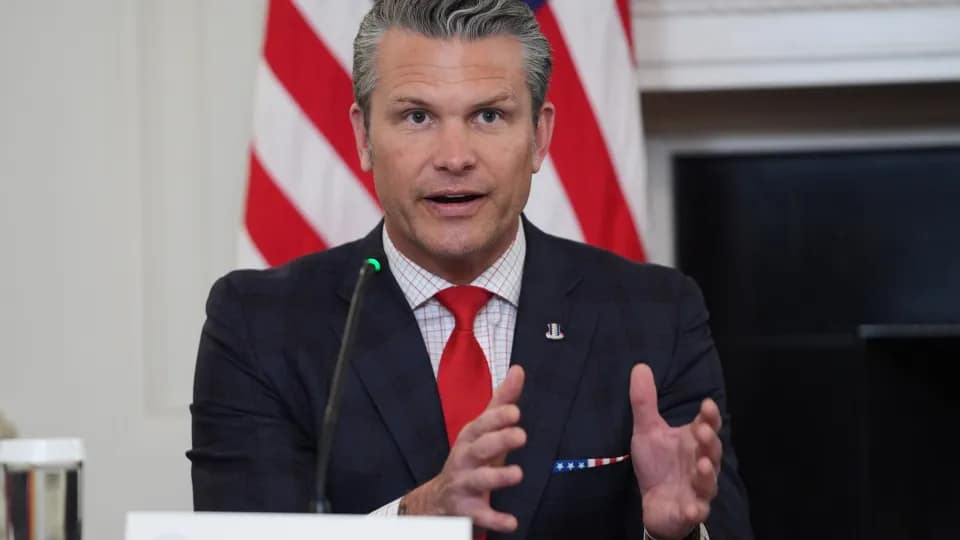
The U.S. military has intensified its campaign against drug smuggling in the Caribbean Sea, executing yet another lethal strike on Saturday, as confirmed by Defense Secretary Pete Hegseth. This marks at least the 15th such operation since early September, targeting vessels allegedly involved in narcotics trafficking. Hegseth emphasized that the targeted vessel was identified through intelligence as part of illicit drug smuggling activities, navigating a known trafficking route while carrying narcotics. To date, these strikes have resulted in the deaths of at least 64 individuals. President Trump has defended these actions as a necessary escalation to curb the flow of drugs into the United States, framing the operations as part of an ‘armed conflict’ with drug cartels. This justification draws parallels to the legal authority invoked by the Bush administration during the post-9/11 war on terrorism. However, the administration faces mounting scrutiny from U.S. lawmakers, who have repeatedly demanded greater transparency regarding the legal basis for the strikes, the specific cartels targeted, and the identities of those killed. Senate Democrats, including Minority Leader Chuck Schumer and Sens. Jack Reed, Jeanne Shaheen, Mark Warner, Chris Coons, Patty Murray, and Brian Schatz, have renewed their call for detailed information in a letter to key officials. They criticized the administration for selectively sharing inconsistent information with some lawmakers while excluding others. Earlier on Friday, bipartisan leaders of the Senate Armed Services Committee also sought clarity on the legal rationale and the list of cartels designated as terrorist organizations. Hegseth, in his announcement, likened the threat posed by ‘narco-terrorists’ to that of Al-Qaeda, vowing to treat them with equal severity.
-
Government passes landmark Environmental Management Act in Saint Kitts and Nevis — paving the way to a Sustainable Island State
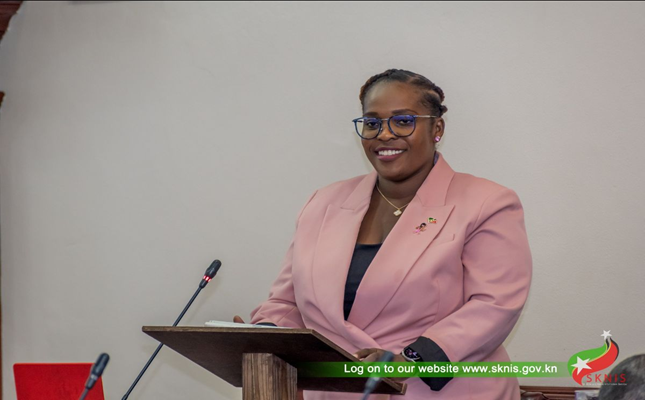
In a historic move toward sustainable development, the Government of Saint Kitts and Nevis has passed the National Conservation and Environmental Management Act (NCEMA). Introduced by the Minister of Sustainable Development, Environment and Climate Action, Dr. Joyelle Clarke, this landmark legislation replaces the outdated National Conservation and Environment Protection Act of 1987. The NCEMA establishes a modern, science-based framework for environmental conservation, aligning with the Sustainable Island State Agenda (SISA) and the United Nations Sustainable Development Goals (SDGs). Minister Clarke highlighted the Act’s role in bridging a 38-year legislative gap, emphasizing its focus on climate resilience, biodiversity conservation, and intergenerational equity. The NCEMA strengthens the nation’s capacity to protect coastal and marine environments, manage pollution, and safeguard natural and cultural heritage. It also advances progress toward key SDGs, including Climate Action, Life Below Water, and Sustainable Cities and Communities. The Act represents a cultural shift in how citizens perceive their environment, fostering a deeper understanding of interconnectedness. The government reaffirms its commitment to environmental stewardship and sustainable development, positioning Saint Kitts and Nevis as a regional leader in addressing climate change through innovation and responsible governance.
-
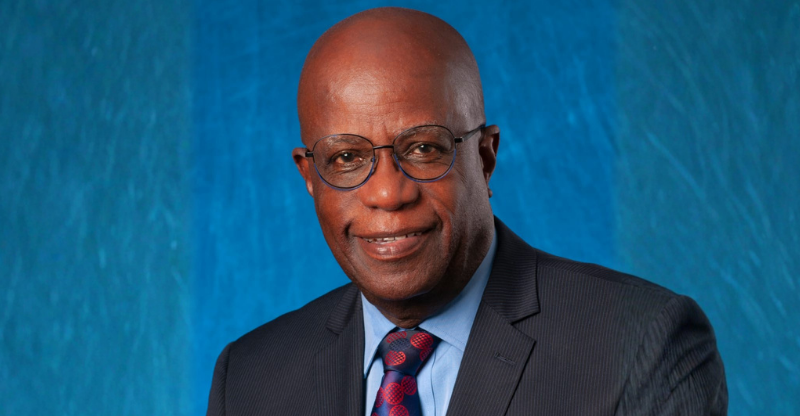
Julian Rogers on free movement: ‘It’s taken us 70 years, let’s not waste it’
Julian Rogers, a Barbadian-born broadcaster and regional commentator now residing in Belize, has lived and worked across the Caribbean, making him uniquely qualified to speak on Caribbean integration. His life has been shaped by the same movement that CARICOM is now formalizing through its Free Movement initiative, which he describes as “music to my ears.” The initiative, which allows citizens of member states to live and work freely across borders, was fully implemented on October 1 by Belize, Dominica, St Vincent and the Grenadines, and Barbados. Rogers refers to these nations as “the quartet in this choir of the Caribbean,” emphasizing their role in promoting regional unity. For Rogers, the initiative is deeply personal. “When I arrive at the airport in Belize, I’m stamped as a free movement person, entitled to all the benefits of a citizen,” he said. “No hassle. We are all one family.” Despite the clear benefits, 11 of the 15 CARICOM countries have hesitated to fully adopt the initiative. Rogers attributes this to bureaucratic hurdles rather than genuine risks. “We’ve implemented many measures administratively. You agree today, you act tomorrow, and Parliament follows,” he explained. Concerns about potential migrant influxes, particularly in Barbados, have proven unfounded. “In the first week, there were ten people,” Rogers noted. “People don’t just move without jobs, schools, or a way to sustain themselves.” For Rogers, the value of free movement extends beyond trade and policy—it’s about opportunity, especially for the region’s youth. “I moved out of Barbados at 20 and haven’t regretted it. This is an opportunity for young people to explore the Caribbean,” he said. He also highlighted the complementary economies of CARICOM nations, such as Belize’s agriculture and Barbados’ tourism, fostering a cycle of trade and innovation. While challenges remain, Rogers is optimistic. “I’ve seen it work. Immigration officers in Jamaica say, ‘Welcome home.’ CARICOM has conducted exercises to make this seamless,” he said. Despite recent diplomatic tensions, Rogers views free movement as a reminder of the importance of regional solidarity. “We are one Caribbean. Everyone outside the region sees us as one,” he concluded, urging collective effort to realize the dream of a borderless Caribbean.
-
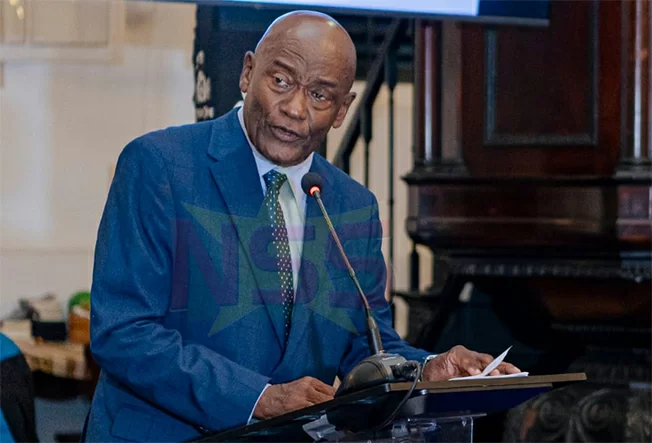
Hans Breeveld: Onafhankelijkheid is geen moment, maar een proces en een voortdurende uitdaging
During the 57th Dies Natalis celebration of the Anton de Kom University of Suriname (AdeKUS), political scientist Hans Breeveld delivered an insightful lecture titled ‘The Independence of Suriname: A Process and a Challenge.’ His speech took the audience on a historical and political journey, tracing Suriname’s evolution from its colonial past to its present-day independence. Breeveld highlighted key moments, such as Prime Minister Henck Arron’s declaration in 1974 that Suriname would achieve sovereignty by 1975, and Queen Wilhelmina’s 1942 radio address, which hinted at greater autonomy for Dutch colonies. He emphasized the role of early nationalist movements like Uni Suriname and the Hindostaans-Javaanse Centrale Raad in fostering a sense of unity and preparing the nation for self-governance. Breeveld also discussed the post-war Round Table Conferences, which led to universal suffrage and the establishment of political parties, including the National Party of Suriname (NPS). Despite challenges, such as the 1980 military coup and the subsequent internal conflict, Breeveld noted Suriname’s resilience and progress, including the establishment of Staatsolie and the restoration of democracy in 1987. He concluded by urging a renewed focus on national unity, economic development, and environmental protection, framing independence as an ongoing process rather than a one-time achievement.
-

PM Reaffirms Zero-Tolerance Policy on Corruption
In a resolute Independence Day address, Prime Minister Gaston Browne reaffirmed his government’s unwavering commitment to combating corruption, emphasizing a zero-tolerance approach. Browne declared that neither he nor any member of his household is permitted to engage in government contracts, ensuring the Office of the Prime Minister remains beyond reproach. He highlighted that all irregular transactions will be met with restitution or criminal prosecution, underscoring the administration’s dedication to integrity and transparency. Browne cited a recent case of unauthorized government vehicle transactions, where immediate corrective actions were taken, including a Ministry of Finance review and restitution to the Treasury. He stressed that no favoritism or cover-ups were tolerated. To further prevent abuse, oversight mechanisms across customs and procurement systems are being strengthened, with repeat offenses to be pursued criminally. Browne asserted that his government will never defend wrongdoing but will correct it, imposing heavy penalties and directing proceeds as monetary restitution to the Treasury. He concluded by stating that good governance is not merely a slogan but the standard by which a nation protects its integrity and earns public confidence.
-

Mohameds’ lawyer provides evidence to rubbish Datadin’s ‘no bail’ for persons awaiting extradition
A heated legal debate has erupted in Guyana over the granting of bail to individuals awaiting extradition, following the case of Azruddin and Nazar Mohamed, who are wanted in the United States for alleged financial crimes. Attorney-at-Law Siand Dhurjon, representing the Mohameds, has challenged the claims made by Attorney-at-Law Sanjeev Datadin, who argued that bail should not be granted to fugitives due to constitutional prohibitions. Mr. Dhurjon countered that the High Court, under the Fugitive Offenders Act, has the authority to grant bail, and cited Section 3(1)(b) of the Bail Act, which explicitly allows bail in extradition cases. The Mohameds were each granted GY$150,000 bail by Principal Magistrate Judy Latchman on Friday, pending the hearing of the US extradition request. Mr. Datadin referenced Article 139(i) of Guyana’s Constitution, which permits the loss of liberty in extradition proceedings, but Mr. Dhurjon pointed to precedents where bail was granted in similar cases, including Junior Da Silva’s extradition proceedings earlier this year. He also highlighted Section 15(2) of the Fugitive Offenders Act, which grants magistrates the power to remand or admit to bail in extradition cases. Attorney General Anil Nandlall emphasized that the next step is for the State to disclose the US-provided evidence to the defense lawyers, ensuring a fair hearing. The Mohameds, sanctioned by the US Treasury Department in June 2024 for alleged tax evasion on gold exports, are set to return to court on November 10, 2025. Mr. Nandlall dismissed claims of political motivation behind the case, asserting that the government has engaged Jamaican lawyers to ensure impartiality.
-
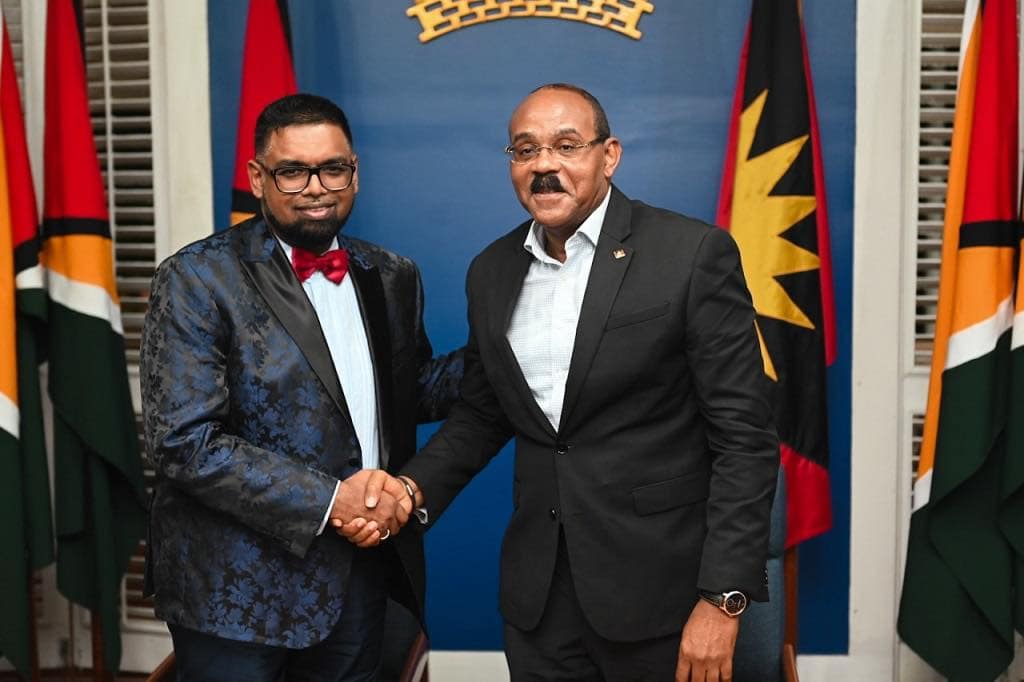
Guyana’s President Extends Independence Congratulations to Antigua and Barbuda
In a heartfelt message, Guyana’s President Dr. Irfaan Ali extended warm congratulations to Antigua and Barbuda on the occasion of their 44th Independence Anniversary. President Ali emphasized the deep-rooted friendship and shared values between the two nations, highlighting their mutual dedication to regional unity and prosperity. He underscored Guyana’s unwavering commitment to fostering a stronger and more integrated Caribbean community, describing the partnership as a cornerstone of their collective vision. President Ali expressed his wishes for Antigua and Barbuda’s continued progress and success, stating, “May Antigua and Barbuda continue to prosper, and may the aspirations of your people continue to be fulfilled.” This message not only celebrated a significant milestone for Antigua and Barbuda but also reinforced the enduring bond between the two nations, reflecting their collaborative efforts toward regional resilience and development.