分类: politics

  • Cabinet Moves to Keep Cuban Doctors, Eyes Foreign Nurses

    Cabinet Moves to Keep Cuban Doctors, Eyes Foreign Nurses

    As Belize grapples with a strained public healthcare system facing persistent staffing gaps, the country’s Cabinet has launched targeted efforts to retain a cohort of Cuban medical professionals whose bilateral work agreement recently expired. Faced with dual pressures of growing international pressure from the United States and deepening domestic alarm over healthcare workforce shortages, the Briceño administration has instructed the Ministry of Foreign Affairs and the Ministry of Health and Wellness to collaborate on negotiating a new framework to keep 92 Cuban medical workers – 45 of whom are practicing doctors – in the country. These professionals, many of whom fill critical care roles in underserved rural communities that struggle to attract local physicians, remain central to Belize’s ability to deliver consistent primary care to its population, according to senior government officials.

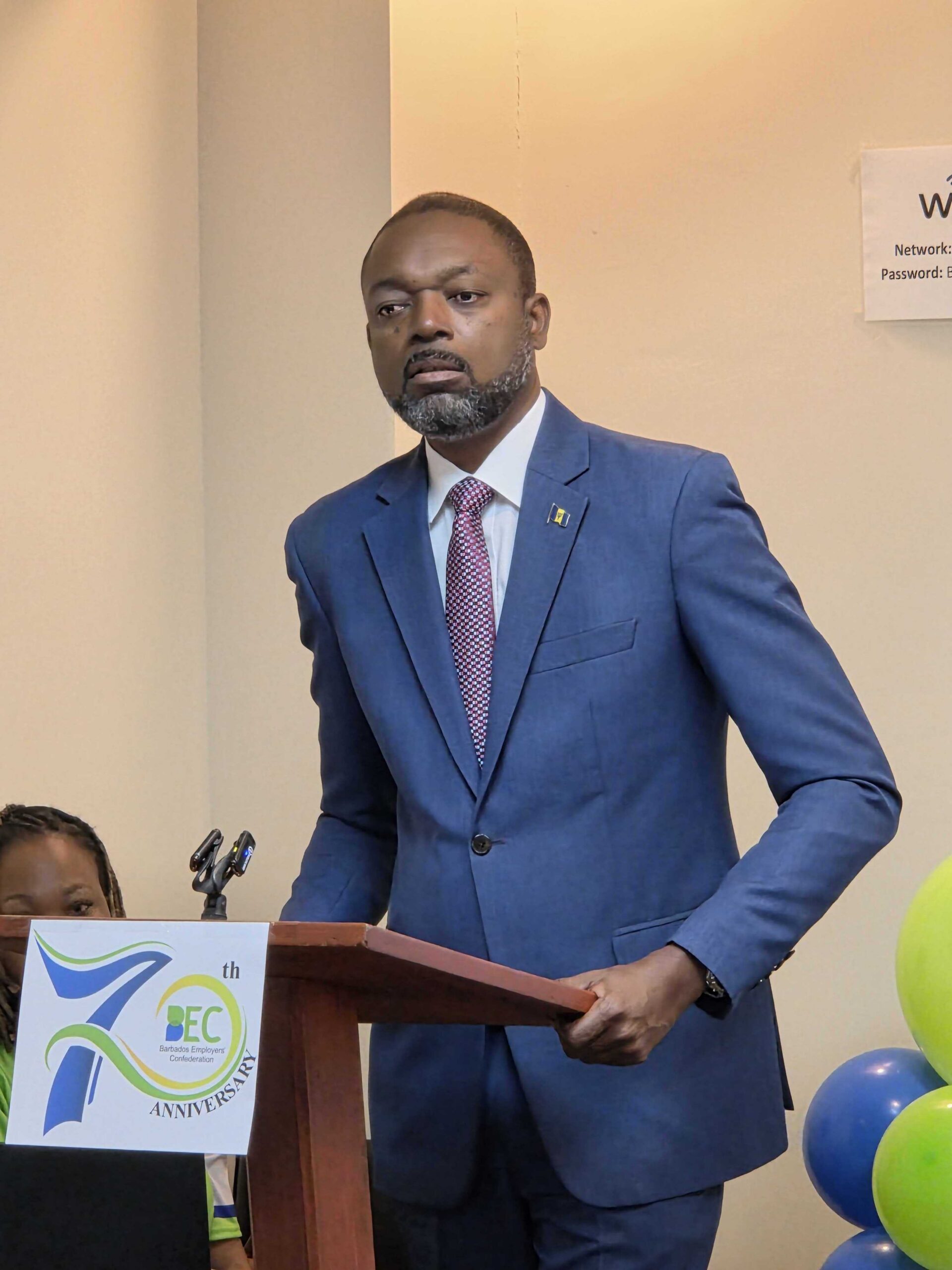
    In a public press briefing, Foreign Minister Francis Fonseca clarified the government’s priorities, confirming that interagency teams are currently drafting new proposed arrangements and holding active talks with Cuban authorities to reach a mutually acceptable deal. “Our clear objective is to maintain the presence of these Cuban doctors in Belize,” Fonseca explained. “They play an irreplaceable role in our health system, with many serving remote rural areas that would otherwise face extended gaps in care. We are working urgently to map out all possible pathways to keep them here under a new agreement.”

    Beyond efforts to retain the existing Cuban medical team, the administration is simultaneously pursuing parallel plans to expand Belize’s healthcare workforce by recruiting foreign nursing staff from new source countries. When asked by reporters whether the government was actively pursuing recruitment of nurses from the Philippines, Fonseca confirmed that the option is under active consideration. “Even with the Cuban doctors already on the ground, we face an ongoing, unmet need for qualified nursing staff across all levels of our healthcare system,” he noted. In addition to the Philippines, the government is also exploring recruitment deals to bring nurses from Nicaragua to address persistent staffing shortfalls.

    This development comes as Belize navigates complex diplomatic crosscurrents, as Washington has ramped up pressure on Caribbean and Latin American governments to end medical cooperation agreements with Cuba in recent years. For Belize, however, the practical reality of healthcare access has taken policy priority, as the country continues to struggle to train and retain enough domestic medical staff to meet population health needs, particularly in low-population rural regions.

  • Belize Backs Barnett Amid CARICOM Reappointment Questions

    Belize Backs Barnett Amid CARICOM Reappointment Questions

    Amid growing regional diplomatic tension over the leadership of the Caribbean Community (CARICOM), the Central American nation of Belize has issued an unambiguous endorsement of Dr. Carla Barnett’s bid to retain her post as the bloc’s secretary general. Questions surrounding Barnett’s reappointment emerged this week after Trinidad and Tobago raised formal procedural objections to her renomination for a second term, kicking off a public debate that has exposed subtle divisions within the 15-member regional integration body.

    In a public statement laying out Belize’s official position, Foreign Affairs Minister Francis Fonseca confirmed that the Belizean government stands firmly behind Barnett, emphasizing that broad regional support for her continued leadership far outweighs the procedural concerns raised by a single member state. Fonseca argued that institutional continuity is a critical priority for CARICOM right now, as the bloc navigates overlapping shared challenges ranging from uneven post-pandemic economic recovery to shifting global geopolitical dynamics that disproportionately impact small island and coastal developing states in the Caribbean.

    Fonseca’s remarks clarified a common misperception that has muddled early public discussion of the reappointment process: Barnett’s current five-year term is not set to expire until August 2026, meaning no final vote on her reappointment was scheduled for the recent CARICOM leaders’ retreat. Instead, the retreat served as an informal space for heads of government to signal their positions on the nomination, and the vast majority of participating leaders already expressed clear backing for Barnett to stay on.

    “The procedural concerns Trinidad and Tobago has raised deserve to be addressed properly through CARICOM’s established internal processes, we do not dispute that,” Fonseca stated. “But that does not change Belize’s unwavering support for Dr. Barnett’s reappointment. We are confident that the great majority of CARICOM member states stand with us on this.”

    Formal action on the reappointment will be delayed until the bloc’s next scheduled full meeting in July, where members will complete the official confirmation process. Fonseca acknowledged that the issue remains unresolved as of this stage, with closed-door high-level negotiations expected to continue in the months leading up to the July gathering to align member positions before the formal vote.

  • Education Loses Ground as Energy Gains in MCC Deal

    Education Loses Ground as Energy Gains in MCC Deal

    After months of uncertain stagnation, Belize’s long-debated Millennium Challenge Compact (MCC) with the United States has received the green light to move forward — but not without significant changes to its funding allocation. The $125 million development deal survived intensive negotiations with the new U.S. administration, but the compromise has reshaped its core priorities: education programs will see a sharp funding cut, while investment in the energy sector will see a near-doubling.

    Originally, the compact allocated $74 million of the total budget to education initiatives, with just $21 million earmarked for energy projects. Under the revised terms, education funding will drop to $54 million, while energy investment will rise to $42 million, shifting the split from an 80-20 education-energy breakdown to a 60-40 split.

    Belize’s Foreign Affairs Minister Francis Fonseca confirmed in an official statement that the reallocation was a non-negotiable compromise required to save the entire agreement. After the new U.S. administration took office, it launched a full review of all existing MCC compacts, leaving Belize’s deal in limbo for months with no clarity on whether the program would move forward at all.

    “As someone who also worked closely with the original education-focused framework, I was very supportive of the original structure that directed the vast majority of funds to education,” Fonseca explained. “But after the U.S. leadership transition, a full review was inevitable, and we faced a choice: accept targeted adjustments to keep the compact alive, or lose the entire $125 million development package entirely. We are pleased that we reached a mutually agreeable outcome through diplomatic dialogue that allows the program to proceed.”

    Fonseca emphasized that despite the funding shift, Belize will still derive substantial net benefits from the compact. With the deal now back on solid footing, attention has turned to the next critical phase: implementing the revised framework and delivering tangible, on-the-ground results for Belizean communities. The revised compact’s larger energy focus is expected to expand access to reliable power across the country, while the reduced education allocation will still support ongoing workforce and learning improvements, albeit at a smaller scale than initially planned.

  • Belize–Taiwan Relations Gain New Energy Under Ambassador Amino Chi

    Belize–Taiwan Relations Gain New Energy Under Ambassador Amino Chi

    Nearly two weeks after formally presenting his diplomatic credentials to Belizean authorities in late March 2026, Taiwan’s new ambassador to Belize, Amino Chi, has already begun advancing bilateral cooperation through introductory meetings with senior Belizean government leaders, breathing new energy into the decades-long diplomatic partnership between the two sides.

    Belize’s Minister of Foreign Affairs Francis Fonseca highlighted in a recent statement that Chi is far from an unfamiliar figure to the Central American nation, bringing both deep professional experience and personal ties to the role. Chi has previously held multiple postings in Belize throughout his diplomatic career, and his children even completed their schooling in the country. Fonseca noted that Chi has built a profound understanding of Belize’s national context, alongside a genuine affection for the country, putting him in an ideal position to expand the already robust bilateral partnership.

    For Belize, Taiwan has long held status as a critical development partner, with bilateral collaboration centered on advancing Belize’s national development priorities. With Chi now at the helm of Taiwan’s diplomatic mission in Belize, Belizean officials expect the renewed leadership will open new doors for deeper bilateral cooperation and sustained development support from Taiwan in the coming years.

  • Dominican government to consult former presidents on Middle East crisis impact

    Dominican government to consult former presidents on Middle East crisis impact

    Starting this Friday, the Dominican government will launch a series of high-level meetings with national political leaders—including two former heads of state, Danilo Medina and Leonel Fernández—aimed at building a shared national strategy to address the cross-border economic and social ripple effects stemming from the ongoing Middle East conflict, government officials confirmed this week.

    José Ignacio Paliza, the country’s Minister of the Presidency, explained that the cross-sector talks are a core component of a wider national consultation push. The process is designed to gather actionable input from all key national stakeholders as the current administration works to model and mitigate potential disruptions driven by the volatile global situation tied to the Middle East crisis.

    The planned political dialogue builds on recently completed discussions between senior government officials and leaders from the Dominican business community, which were held at the Ministry of Finance. According to government statements, the consultation process will expand in the coming days to include representatives from additional civil society and industry sectors. The overarching goal of the outreach is to bolster the Dominican Republic’s preparedness and response capacity to navigate the heightened uncertainty of the current global economic and geopolitical landscape.

  • Government presents Puerto Plata Territorial Planning Plan to regulate urban growth

    Government presents Puerto Plata Territorial Planning Plan to regulate urban growth

    On Thursday, authorities in the Dominican Republic launched a long-awaited municipal territorial planning framework for Puerto Plata, one of the nation’s most densely populated provinces, designed to bring structured regulation to both urban expansion and environmental stewardship across the region.

    José Paliza, the country’s Minister of the Presidency, outlined that the new Puerto Plata plan is a core component of a sweeping national land-use planning initiative supported by funding and technical backing from the World Bank. The overarching strategy targets the rollout of standardized planning frameworks across more than 60 municipalities and high-priority strategic territories throughout the Dominican Republic by the end of 2028. Paliza added that precursor planning projects for the municipalities of Verón and Ocoa have already been finalized, with comparable frameworks for San Cristóbal and Neyba currently in the development pipeline and set for completion in the near term.

    According to Paliza, the Puerto Plata plan required 18 months of collaborative technical work to finalize, integrating robust guidelines across three critical domains: urban design, environmental protection, and regulatory technical standards. Before it can be formally enacted by the Puerto Plata City Council, the draft proposal will enter a period of open public consultation, designed to collect input from local residents, business owners, non-governmental organizations, and other key stakeholders to address community concerns before final approval.

    Government officials emphasize that the framework fills a critical gap in regional governance, addressing the pressures of rapid projected population growth in the province. Official demographic projections show Puerto Plata’s population will climb from 162,093 recorded in 2022 to more than 186,000 by 2035, a shift that would strain unregulated land use and infrastructure without proactive planning. By formalizing clear land-use rules, cutting red tape for development permitting, and clarifying what types of construction and land modification are permitted for property owners, the plan will deliver long-awaited legal clarity for both domestic and foreign investors and local residents alike.

  • Belize High Court Makes First Referral to CCJ

    Belize High Court Makes First Referral to CCJ

    After decades of sitting as a dormant framework within the Caribbean Community (CARICOM) legal architecture, a long-awaited milestone has finally been reached for regional judicial integration: the Caribbean Court of Justice (CCJ) has accepted its very first reference question from a national member state court, opening a new chapter for cross-border legal consistency across the bloc.

    The landmark referral originated from Belize’s highest domestic court, which formally submitted the interpretation question to the Trinidad-based regional tribunal on March 3, 2026, tied to an ongoing domestic commercial dispute: *G. Anwar Barrow et al v. Financial Services Commission of Belize and Attorney General of Belize*. One month later, on April 7, 2026, the CCJ convened its first official case management conference to move the process forward, confirming the historic nature of the request.

    At the core of the question sent to the CCJ is a conflict of legal interpretation: domestic judges hearing the commercial case need clarity on how to align specific provisions of Belize’s national Companies Act with existing competition rules enshrined in the Revised Treaty of Chaguaramas (RTC), CARICOM’s foundational governing document for regional integration. The RTC bans anti-competitive business practices across the CARICOM Single Market and Economy (CSME), the bloc’s flagship project to create a unified, free-flowing economic space for member states.

    Under the CCJ’s constitutionally granted Original Jurisdiction, the tribunal holds exclusive authority to interpret and apply provisions of the RTC. A long-standing mandatory rule requires any CARICOM national court hearing a domestic case that raises questions of RTC interpretation to refer that specific legal question to the CCJ before issuing a final ruling. Once the CCJ delivers its authoritative interpretation, the matter is sent back to the originating national court, which integrates the regional ruling into its final judgment on the case’s facts.

    Despite this referral mechanism being written into CARICOM’s legal framework for years, no national court across the 15-member bloc had ever utilized the process until Belize’s 2026 submission. For years, legal practitioners and regional integration advocates cited low awareness among national judges, lawyers and business stakeholders as the key barrier to activating the mechanism.

    To address this gap, the CCJ launched a multi-year regional public education and outreach initiative, backed by financial support from the 11th European Development Fund, to train judicial officers, legal professionals and business leaders across the Caribbean on the mechanics and purpose of the referral process. The campaign rolled out first in Belize back in 2022, before expanding to six other CARICOM members: Barbados, Guyana, Jamaica, Saint Lucia, Suriname, and Trinidad and Tobago. Beyond judicial training, the CCJ also partnered with private sector associations to spread awareness of the legal rights and economic guarantees available to businesses operating under the CSME framework.

    Legal analysts and regional integration leaders now frame Belize’s referral as a pivotal moment for CARICOM’s institutional development. The long-awaited activation of the referral process will give the CCJ its first opportunity to deliver binding guidance on how regional trade and competition rules should be integrated into domestic legal proceedings, setting a precedent for future cross-border legal disputes and strengthening the consistency of economic regulation across the Caribbean single market.

  • Belize Stands Strong Behind Dr Barnett While T&T Challenges Her Reappointment

    Belize Stands Strong Behind Dr Barnett While T&T Challenges Her Reappointment

    A regional political dispute has emerged within the Caribbean Community (CARICOM) over the reappointment of current Secretary-General Dr. Carla Barnett, with Belize standing firmly in support of her second term while Trinidad and Tobago has formally raised objections to the move.

    Belize’s Minister of Foreign Affairs Francis Fonseca confirmed the unwavering stance of his government in a press briefing, acknowledging that Trinidad and Tobago has raised specific concerns that will need to be addressed through internal CARICOM processes, but emphasizing that Belize’s endorsement of Dr. Barnett remains unchanged.

    Dr. Barnett’s current five-year term as the head of the CARICOM Secretariat is set to conclude in August 2026. While regional heads of government already discussed the reappointment during their most recent collective meeting, the formal vote and confirmation of her second term will not take place until the next scheduled CARICOM Heads of Government Conference set for July 2026. According to Fonseca, a majority of regional leaders have already signaled their verbal support for extending Barnett’s tenure, and the upcoming July meeting will only serve to formalize that broad backing.

    Fonseca pushed back against suggestions that Trinidad and Tobago’s opposition amounts to a targeted attack on Belize, noting that the criticism has no connection to Barnett’s nationality or her individual performance in the role. He explained that the grievance held by Trinidad and Tobago’s current administration traces back to a 2022 incident, when a Trinidadian national was arrested as part of an ongoing criminal investigation. The Caribbean nation has held the CARICOM Secretariat accountable for its handling of that incident, and the current dispute over reappointment stems from that long-running tensions, not Barnett’s work.

    In addition, Fonseca clarified the institutional role of the CARICOM Secretary-General to reporters, noting that while the position carries critical responsibility for informing regional policy and supporting member state leaders, all major collective decisions rest with the leaders of the organization’s member countries. “Secretaries-General play a critical role in informing and supporting leaders so that we are better positioned to make proper decisions,” he said.

    As the region prepares for the formal reappointment vote in July, early indications suggest that Dr. Barnett retains the support of a large majority of CARICOM’s 15 member states, putting her on track to secure a second term despite the public opposition from Trinidad and Tobago.

  • Venezuela’s acting president Rodriguez in Grenada for first foreign visit

    Venezuela’s acting president Rodriguez in Grenada for first foreign visit

    Against a backdrop of growing regional collaboration across the Caribbean basin, Venezuelan Acting President Delcy Rodríguez’s official visit to Grenada has emerged as a landmark moment for deepening bilateral bonds and advancing the vision of Bolivarian Diplomacy of Peace, a foreign policy framework centered on cross-regional unity and shared, inclusive development. This trip builds directly on the momentum generated by Grenadian Prime Minister Dickon Mitchell’s 2025 visit to Caracas, where the two nations signed a foundational bilateral cooperation roadmap, and aims to lock in progress on the mutually beneficial commitments laid out in that agreement.

    Upon Rodríguez’s arrival at Maurice Bishop International Airport in St. George’s, Grenadian government officials greeted the Venezuelan delegation with full ceremonial honors, a gesture that highlighted the long-standing ties of solidarity and mutual respect that have defined relations between the two countries since their formal establishment of diplomatic ties in 1977. Over the past four decades, diplomatic engagement has accelerated steadily, with growing mutual trust, consistent high-level exchanges, and aligned commitments to regional stability and equitable socio-economic progress shaping the partnership. This is not Rodríguez’s first official engagement with Grenada: in April 2024, while serving as Venezuela’s Executive Vice President, she joined Grenadian citizens for celebrations marking the 50th anniversary of the nation’s independence, underscoring the deep personal and political connections that anchor the bilateral relationship.

    As Acting President, Rodríguez framed the visit as an opportunity to consolidate comprehensive, win-win cooperation between the two nations, reaffirming Caracas’ unwavering commitment to building mutually respectful relationships that deliver tangible improvements to the quality of life for both Venezuelan and Grenadian citizens. This focus on shared benefit and collective progress is a core tenet of Venezuela’s Caribbean-focused foreign policy, which frames regional solidarity and joint action as essential tools for overcoming both regional and global challenges.

    A centerpiece of the visit was a formal meeting between Rodríguez and Grenada’s Governor-General Cécile La Grenade, the first woman and scientist to hold the post of Head of State since 2013. The discussions took place in a warm, constructive atmosphere, with both sides agreeing to expand direct communication channels to strengthen technical and political cooperation in the coming years, ensuring that joint development initiatives are implemented efficiently and effectively.

    Both nations share a common goal of advancing broader Latin American and Caribbean integration to collectively address pressing transnational challenges, ranging from accelerating climate change and persistent global economic instability to coercive external pressures. They also align on the critical importance of maintaining regional geopolitical stability, noting that stable regional conditions allow governments to redirect resources and policy focus toward inclusive sustainable development that lifts citizen quality of life.

    Later in the visit, Rodríguez traveled to Grenada’s Parliament, where she held talks with Prime Minister Dickon Mitchell and the nation’s top legislative leaders. The discussions centered on advancing the terms of the cooperation roadmap signed during Mitchell’s April 2025 trip to Caracas, keeping the bilateral partnership on track to deliver on its stated goals. Rodríguez was joined on the visit by a high-level, cross-sector Venezuelan delegation that included Foreign Minister Yván Gil, Minister of Popular Power for Productive Agriculture and Lands Julio León Heredia, and Minister of Popular Power for Fisheries and Aquaculture Juan Carlos Loyo. This broad, multi-ministerial representation underscores the multi-faceted nature of the deepening strategic partnership, which spans core economic sectors critical to both nations’ development, food security, and long-term prosperity, including agriculture, fisheries, and diplomatic cooperation. The delegation’s collective work during the visit is focused on expanding and strengthening strategic ties between the two countries, laying the groundwork for a future of deeper collaboration and shared regional solidarity.

  • Trump dreigt met 50% invoerheffingen op landen die Iran bewapenen

    Trump dreigt met 50% invoerheffingen op landen die Iran bewapenen

    Just hours after the United States and Iran announced a landmark two-week ceasefire in their long-running escalating conflict, U.S. President Donald Trump has sent shockwaves through the international community with a sharp new threat: immediate 50% import tariffs on all goods from any nation that supplies military weapons to Iran.

    The announcement, made via Trump’s own social media platform, made clear no exceptions would be granted to the measure, in an explicit warning to major powers China and Russia, both of which have a history of supporting Iran’s military capacity building through past deliveries of missile technology and air defense systems. While both Beijing and Moscow have repeatedly denied supplying new weaponry to Iran in recent months, unsubstantiated accusations of ongoing military assistance to Tehran continue to circulate against Russia.

    A key legal caveat complicates Trump’s ability to implement the proposed tariffs, however. Back in February, the U.S. Supreme Court rolled back part of the broad trade authority the president had previously claimed to impose sweeping tariffs, significantly limiting his executive power to enact such measures. As a result, trade experts widely predict Trump will attempt to push the new restrictions through alternative trade policy mechanisms rather than relying on his earlier executive authority.

    The tariff threat has already put new strain on U.S.-China relations, one of the world’s most consequential bilateral trade partnerships. Policy analysts note that despite the hardline rhetoric directed at Beijing over the Iran issue, Trump is likely eager to avoid derailing his planned upcoming visit to China, leaving his next moves uncertain. On Thursday morning, China’s Ministry of Defense rejected accusations that Chinese entities have supplied Iran with advanced chip manufacturing equipment or satellite imagery, reiterating that Beijing maintains a neutral, peaceful stance on the Iran conflict and has repeatedly called for all parties to resolve disputes through diplomatic dialogue.

    The newly announced two-week ceasefire between the U.S. and Iran remains fragile, with both sides continuing to frame themselves as victors of the recent open conflict that sent global oil prices soaring and disrupted international financial markets. As a core condition of the truce, Iran has agreed to temporarily reopen the Strait of Hormuz, the vital chokepoint through which roughly a fifth of the world’s daily oil supplies pass.

    Tehran has put forward a 10-point framework for reaching a permanent end to hostilities, with key demands including the full lifting of international sanctions on Iran, permanent Iranian sovereignty and control over the Strait of Hormuz, and the complete withdrawal of U.S. military forces from the broader Middle East region. U.S. negotiators have called the Iranian plan “generally feasible” but noted that several core provisions remain unacceptable to Washington.

    Formal peace negotiations between U.S. and Iranian delegations are scheduled to kick off Friday in Islamabad, Pakistan, with the Pakistani government serving as the official neutral mediator. Both sides have publicly stated their goal of reaching a durable, long-term peace agreement within the 14-day ceasefire window.

    The truce faces an early major test, however. On Thursday, Iranian President Masoud Pezeshkian condemned the latest large-scale Israeli airstrikes on Lebanon, saying the attacks directly violate the newly signed ceasefire agreement and would render upcoming peace talks meaningless. He added that Iran would not abandon the Lebanese people in the face of the assault. Pezeshkian’s remarks came after the deadliest single day of Israeli attacks on Lebanon since the outbreak of conflict with Hezbollah last month, which killed more than 250 people on Wednesday alone.

    Beyond the geopolitical tensions, Trump’s new tariff threat represents a continuation of his administration’s strategy of using trade measures as a tool of geopolitical pressure on Iran’s global partners. If implemented, the new tariffs would further complicate already strained global trade relations that have been roiled by repeated tariff disputes and sanctions in recent years.

    U.S. imports from China have already fallen dramatically since the start of Trump’s first trade war with Beijing, dropping from a 2018 peak of $538.5 billion to just $308.4 billion in 2025. Imports from Russia have also plummeted following sweeping sanctions imposed after the 2022 invasion of Ukraine, though certain key strategic commodities such as palladium still enter the U.S. market. The U.S. Chamber of Commerce is currently preparing new additional tariffs on Russian palladium imports, in response to alleged dumping practices by Russian exporters.