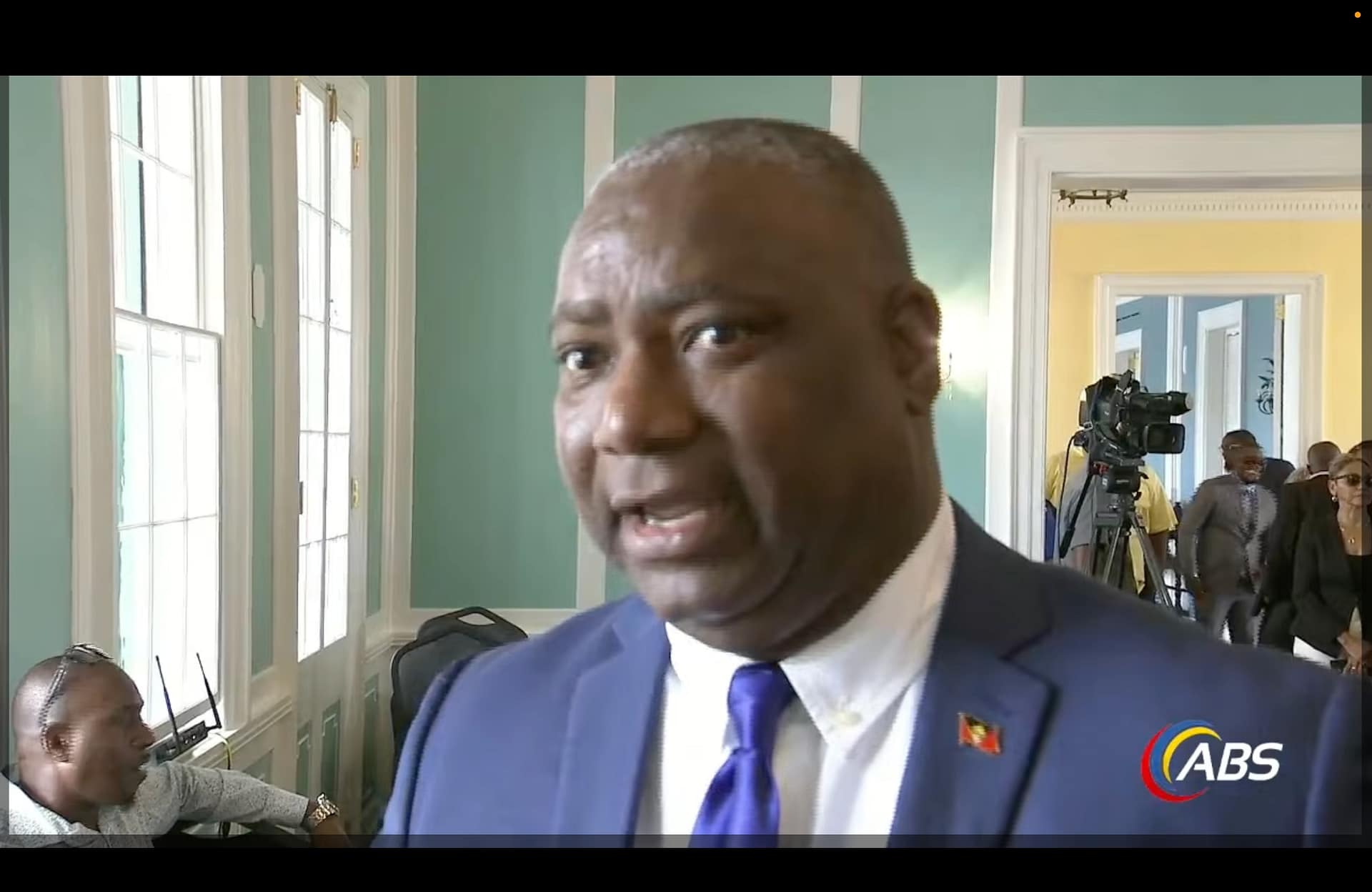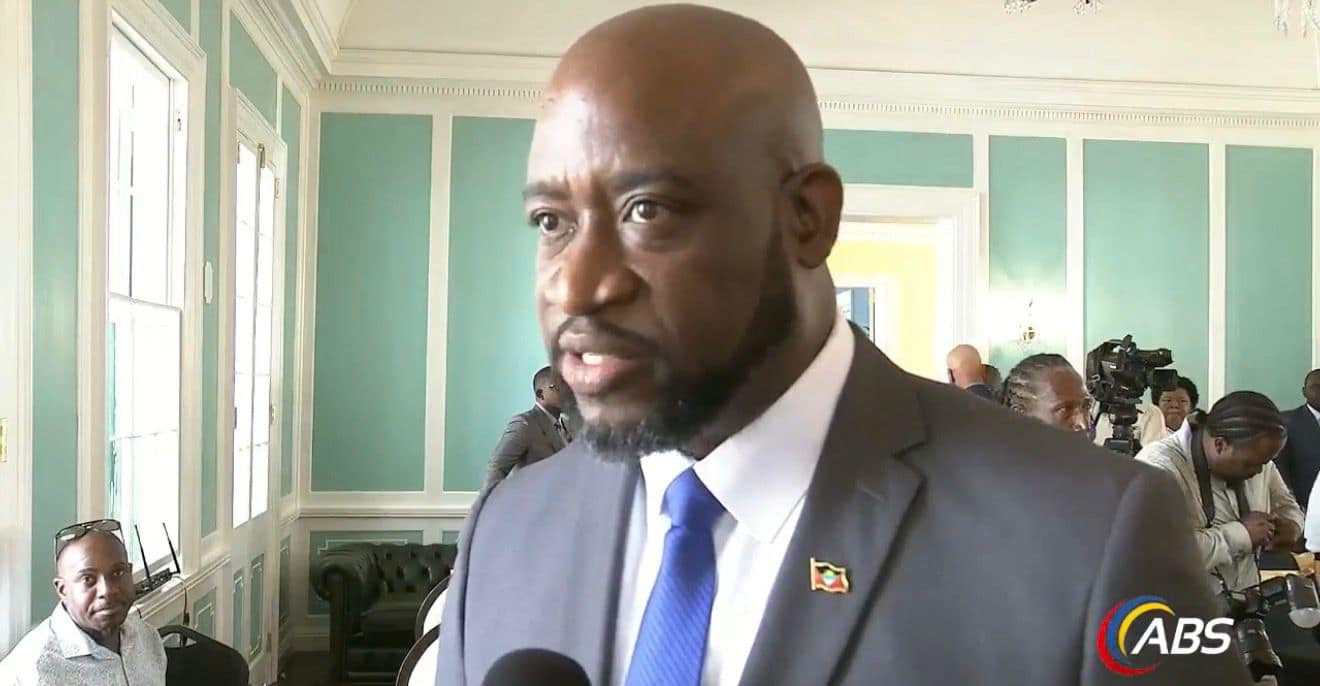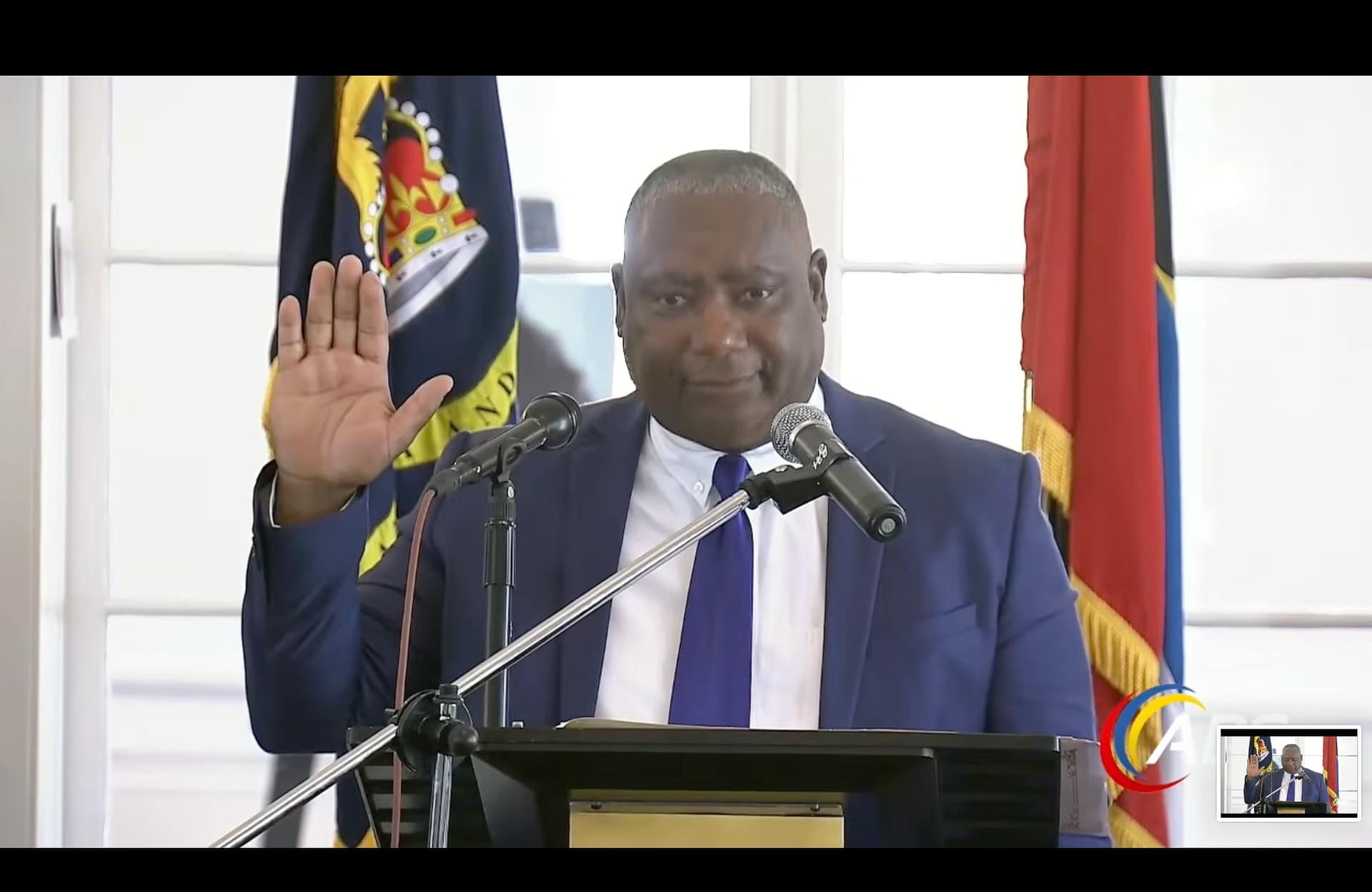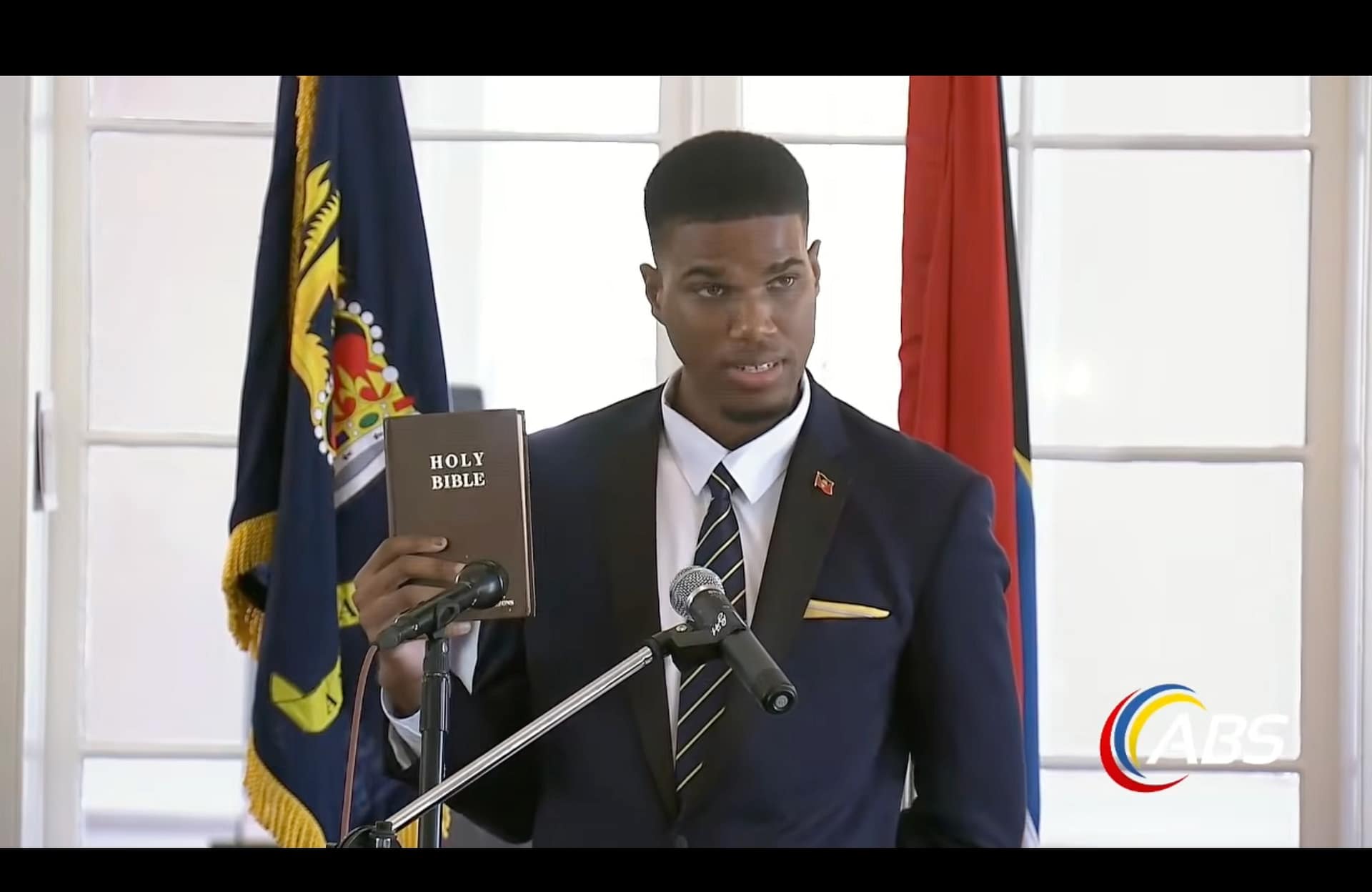
Port-au-Prince, January 26, 2026 – In a significant demonstration of governmental solidarity, Haiti’s transitional leadership conducted a high-profile visit to Armed Forces headquarters to reinforce state backing for military operations against rampant gang violence. Laurent Saint-Cyr, President pro tempore and Coordinator of the Transition Council, led the delegation alongside Prime Minister Alix Didier Fils-Aimé and Defense Minister Jean Michel Moïse. The high-level delegation engaged in extensive discussions with Armed Forces Commander-in-Chief Lieutenant-General Derby Guerrier, Deputy General Jean Jonas, and senior military officials. During the strategic meeting, Saint-Cyr emphatically praised the military’s professionalism and disciplinary standards while emphasizing their crucial role in national stabilization efforts. He articulated the government’s unwavering commitment to modernizing Haiti’s military infrastructure, stating that national recovery remains unattainable without a robust and respected military institution. The Transition Council coordinator specifically highlighted the necessity of absolute political neutrality within armed forces to maintain public trust and international credibility. Prime Minister Fils-Aimé concurrently declared the administration’s determined focus on enhancing operational, logistical, and human resource capacities within military structures. The Prime Minister characterized the security crisis as an absolute priority that is fundamentally interconnected with national unity objectives and institutional stability. Both leaders reiterated their commitment to restoring state authority across all territories while maintaining strict adherence to constitutional principles and rule of law protocols.
分类: politics
-

ULP gov’t covered up true situation in Southern Grenadines — journalist
A veteran journalist with extensive experience covering the Southern Grenadines has revealed a startling disparity between political narratives and on-ground reality following Hurricane Beryl’s devastation. Lyf Compton, a media professional with three decades of experience, accompanied the new government’s delegation to assess reconstruction progress and discovered conditions dramatically different from previous official accounts.
Compton, who works for the state-owned Agency for Public Information, made more than ten visits to the region under the previous Unity Labour Party (ULP) administration. His most recent assessment with Housing Minister Andrew John and Southern Grenadines Representative Terrance Ollivierre uncovered persistent humanitarian challenges that contradict earlier government claims of successful reconstruction.
The islands of Canouan, Mayreau, and Union Island—where Hurricane Beryl damaged or destroyed over 90% of buildings on July 1, 2024—continue to host residents living in temporary tents despite the approaching hurricane season. Compton observed numerous structures that remain incomplete shells without internal fittings, doors, or windows, rendering them uninhabitable despite exterior appearances.
The journalist’s revelations come after Vincentian voters ended the ULP’s 25-year governance in November 2024, granting 14 of 15 parliamentary seats to the New Democratic Party (NDP). Compton now describes the new administration’s task as “monumental,” noting that approximately 700 displaced residents remain in government-funded rental accommodations on St. Vincent at a monthly cost of nearly EC$1 million.
Infrastructure concerns extend beyond housing, with main jetties and wharves requiring urgent attention. Compton noted that some docking facilities appear structurally compromised and might collapse if confronted by large vessels.
Funding challenges compound the reconstruction effort. While the government delegation included World Bank representatives, potentially indicating international funding avenues, Compton expressed skepticism about financial resources. The proposed citizenship-by-investment program faces significant implementation hurdles, and the journalist acknowledged the constraints of St. Vincent’s developing economy.
Compton highlighted additional complications including land ownership disputes, absentee property owners, and landlords using hurricane damage as justification for long-desired evictions. These factors create complex barriers to comprehensive reconstruction that extend beyond mere construction capabilities.
The journalist emphasized that his experience demonstrates the critical importance of independent verification of political claims, stating: “Perception is something else. You need to go out and investigate and see things for yourself.”
-

Senator Chanona: ‘Public Consultation Strengthens Democracy’
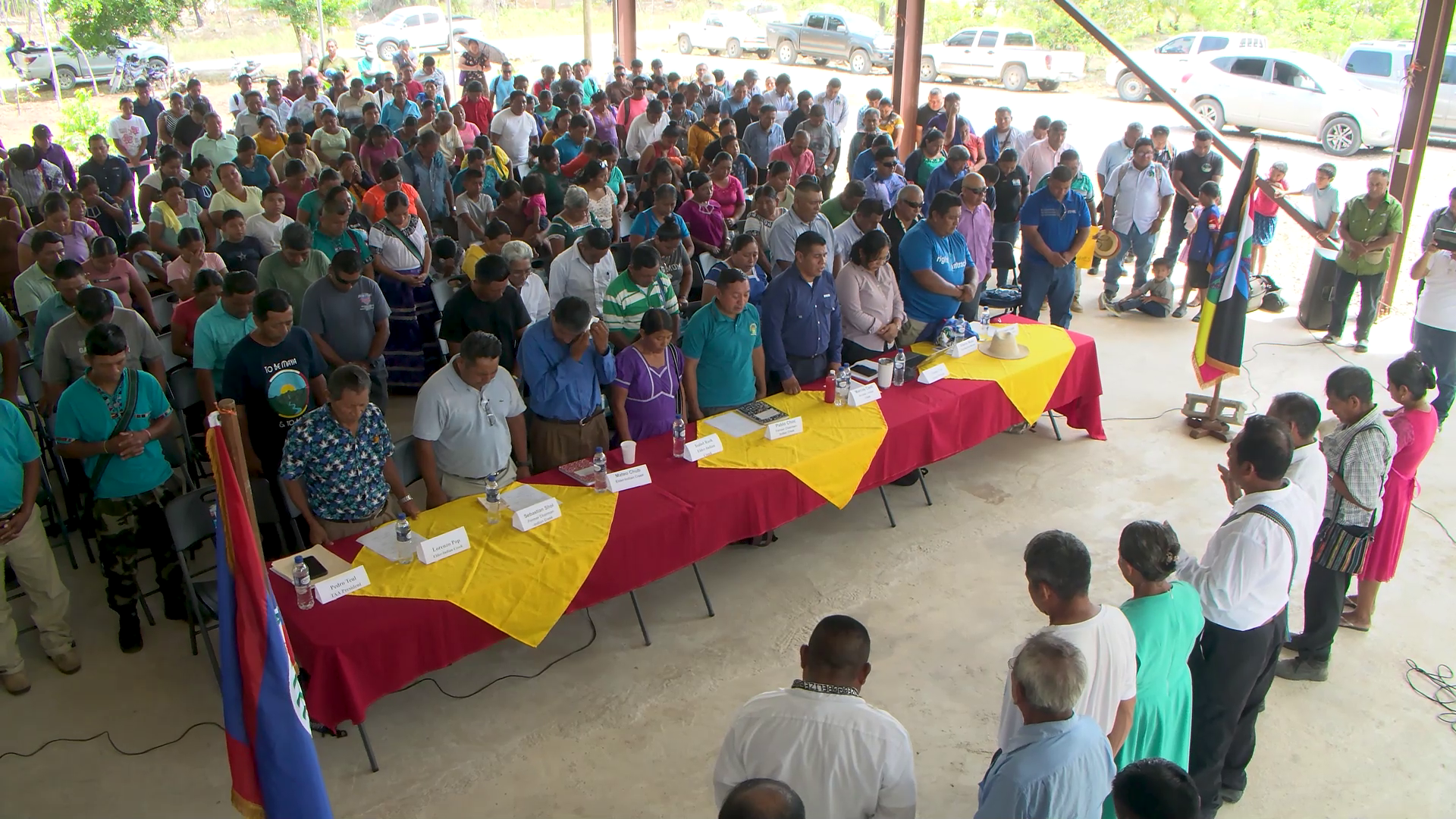
BELIZE CITY – In a significant address addressing democratic processes, Senator Janelle Chanona has emphasized the critical importance of substantive public consultation in national decision-making. The remarks come amid mounting concerns regarding Belize Telemedia Limited’s proposed acquisition of Speednet/SMART, a transaction that would fundamentally transform the nation’s telecommunications landscape.
Senator Chanona, representing NGO interests, articulated that authentic consultation must constitute a genuine two-way dialogue rather than perfunctory engagement. She stressed that elected officials must actively listen to and thoroughly consider stakeholder perspectives before reaching irreversible determinations that affect public interests.
The senator further highlighted journalism’s vital role in democratic oversight, noting that media platforms frequently become essential channels for public discourse when formal consultation mechanisms prove inadequate. She cautioned against the problematic pattern where consultation only occurs amidst emerging scandals, by which point public trust has already been substantially eroded.
Addressing criticisms that consultation impedes governance, Chanona firmly rejected assertions that public engagement is unnecessarily costly, time-consuming, or constitutes personal attacks on officials. Her position aligns with recent statements by Dr. Louis Zabaneh characterizing consultation as “the heart of our modern democracy.”
This philosophical stance gains practical significance as major Belizean institutions including the Belize Chamber of Commerce and Industry and the National Trade Union Congress of Belize demand suspension of binding decisions until comprehensive consultations are finalized. Both organizations have emphasized transparency necessities and warned against precipitous actions regarding the telecommunications consolidation.
-

UPP praises government’s Agricultural Land Lease, scrutinizes terms
In a significant political development on January 26, 2026, the United Progressive Party (UPP) has extended conditional support to the Dominican government’s newly announced Agricultural Land Lease Facility. Under the leadership of attorney Joshua Francis, the opposition party acknowledged the potential merits of the program designed to facilitate young farmers’ access to agricultural land at dramatically reduced costs.
The groundbreaking initiative, championed by Agriculture Minister Hon. Roland Royer as “a doorway to food security and economic growth,” offers agricultural parcels at a symbolic lease rate of just EC$1.00 per acre annually during an initial five-year term, with provisions for renewal. This unprecedented pricing structure represents a deliberate strategy to eliminate financial barriers that traditionally prevent youth from entering the agricultural sector.
Despite endorsing the concept’s fundamental principles, UPP leader Francis issued a comprehensive critique regarding the program’s implementation framework. In an official party release, Francis questioned whether the initiative constitutes a genuine economic development strategy or merely represents political maneuvering to bolster support for the ruling Dominica Labour Party.
“Access to land is only the first step,” Francis emphasized. “Without adequate training, resources, and market access, we risk setting up our young farmers for failure rather than success.”
The UPP’s analysis identified six critical areas requiring immediate governmental clarification and commitment:
1. Technical Education: The necessity for structured agricultural education programs covering modern farming techniques, soil management, pest control, and sustainable practices, alongside available extension services and expert mentorship.
2. Resource Allocation: Financial and material support mechanisms for initial farming activities, including seeds, fertilizers, equipment, and irrigation systems that remain prohibitively expensive for new entrants.
3. Market Security: Pre-arranged sales channels through agreements with local retailers, hospitality establishments, and export partners to guarantee produce distribution.
4. Income Bridging: Support systems during cultivation periods when crops mature, addressing both personal and operational expenses.
5. Infrastructure Development: Commitments to essential infrastructure including farm access roads, water supply systems, and post-harvest facilities.
6. Risk Mitigation: Insurance options and disaster relief programs specifically designed to protect against Dominica’s vulnerability to hurricanes and tropical storms.
Francis highlighted historical precedents where well-intentioned programs failed due to inadequate planning and execution. He urged the government to present a detailed implementation blueprint addressing these concerns before encouraging young farmers to participate.
The UPP reaffirmed its commitment to agricultural development as fundamental to Dominica’s food security, rural enterprise growth, economic resilience, and employment generation. Expressing willingness to collaborate constructively with government and stakeholders, Francis called for active engagement with farmers’ associations and agricultural experts to develop a comprehensive support framework that ensures the Land Lease Facility becomes a genuine catalyst for positive transformation rather than another missed opportunity.
The party concluded by reiterating its dedication to policies fostering economic growth, social justice, and sustainable development for all Dominican citizens.
-

APNU backpedals and boycotts vote for Azruddin Mohamed but he was still elected Opposition Leader
In a dramatic parliamentary session on Monday, Azruddin Mohamed was elected as Guyana’s Opposition Leader despite a boycott by the 12-seat A Partnership for National Unity (APNU). The election proceeded with Mohamed’s We Invest in Nationhood (WIN) party leveraging its 16-seat majority, supplemented by a crucial vote from the Forward Guyana Movement (FGM).
APNU parliamentary leader Dr. Terrence Campbell justified the walkout, stating his bloc exited once nominations closed with Mohamed as the sole candidate. ‘There was one nomination for the position of Leader of the Opposition. Nominations were closed and, as we’ve said, there is no need for a vote so we left the Assembly,’ Campbell explained. Despite the boycott, he expressed hope for improved future collaboration between APNU and WIN.
The election occurred under the shadow of US sanctions against Mohamed, who faces indictment by a US Grand Jury for alleged financial crimes including mail fraud, wire fraud, and money laundering related to his gold trading business. House Speaker Manzoor Nadir convened the meeting following international pressure to complete democratic processes after last September’s elections.
FGM Leader Amanza Walton-Desir, whose single vote contributed to Mohamed’s election, suggested APNU’s absence could be interpreted as abstention. Meanwhile, Mohamed acknowledged his new role doesn’t grant immunity from extradition but vowed to combat corruption by the ruling People’s Progressive Party Civic administration.
The development sets the stage for potential electoral reforms, with APNU indicating willingness to collaborate on implementing digitalized biometrics for future elections. Questions remain about WIN’s representation on the seven-member Guyana Elections Commission now that it assumes main opposition status.
-

Venezuela’s Acting Leader Tired of U.S. Interference
Venezuelan Interim President Delcy Rodríguez delivered a forceful rebuke of United States interference in her nation’s domestic politics during a public address on Sunday. Speaking to oil industry workers in Puerto La Cruz, Rodríguez declared that Venezuela has reached its limit with Washington’s directives regarding internal governance.
“We have endured sufficient imposition of Washington’s commands upon Venezuelan politicians,” Rodríguez stated in televised remarks. “Venezuelan politics must be permitted to resolve our own differences and internal conflicts without external pressure.”
This diplomatic confrontation emerges approximately one month after US forces conducted a military operation that resulted in the capture of former President Nicolás Maduro and his wife Cilia Flores. Following this intervention, the US administration has intensified pressure on Caracas to restart oil production operations and sever international alliances with China, Russia, Iran, and Cuba.
Initial US positioning suggested Washington would oversee Venezuela’s political transition, with President Donald Trump previously stating the United States would “run” the country. However, diplomatic dynamics appear to have shifted following a telephone conversation between Trump and Rodríguez earlier this month, during which the American president described his Venezuelan counterpart as a “terrific person” and noted they were “developing positive relations.”
-

Trump rebukes armed protesters after Minnesota shooting
WASHINGTON—President Donald Trump has ignited a fierce constitutional debate by declaring that individuals “can’t walk in with guns” at public protests, following the fatal shooting of a legally armed nurse by federal authorities in Minnesota. This position places the administration in direct conflict with its traditional gun rights allies, creating one of the most significant political challenges of Trump’s presidency.
The controversy stems from the death of Alex Pretti, a 37-year-old intensive care nurse who was carrying a handgun legally when border agents subdued, disarmed, and killed him during a Minneapolis protest on Saturday. This incident occurred just days after immigration agents fatally shot unarmed activist Renee Good as she attempted to drive away from a demonstration.
Trump attempted to navigate the delicate situation by calling the shooting “a very unfortunate incident” while simultaneously maintaining that firearms have no place in protest settings. This stance has drawn immediate condemnation from powerful gun rights organizations, including the National Rifle Association, which labeled administration suggestions that Pretti’s legal firearm possession justified the shooting as “dangerous and wrong.”
Gun Owners of America reinforced the constitutional argument that Americans do not forfeit their Second Amendment rights when exercising their First Amendment right to peaceful assembly. The debate has exposed significant fractures within Trump’s political coalition, with libertarian-leaning Republicans like Kentucky Congressman Thomas Massie arguing that “carrying a firearm is not a death sentence.”
The administration itself displayed internal divisions, as Trump distanced himself from Deputy Chief of Staff Stephen Miller’s baseless characterization of Pretti as an “assassin,” while still supporting the broader premise that armed protesters inherently threaten law enforcement.
This position has revived accusations of hypocrisy from Trump critics, who note the stark contrast with the administration’s defense of armed conservatives like Kyle Rittenhouse, acquitted after killing two people with an AR-15 rifle at a 2020 protest. Further damaging testimony emerged from the January 6th committee, revealing Trump knew some supporters at his rally were armed but demanded reduced security checks before urging them to march on the Capitol.
The escalating controversy has sharpened Democratic attacks and created unease within Trump’s base, potentially threatening one of his most reliable political alliances as the nation grapples with balancing gun rights and public safety.
-

Dwyane Vaz threatens legal action against Julian Chang over sexual harassment claims
KINGSTON, Jamaica — A significant political dispute has erupted in Westmoreland Central following sexual harassment allegations between two prominent figures. Member of Parliament Dwayne Vaz has formally threatened legal proceedings against Councillor Julian Chang of the People’s National Party (PNP), representing the Savanna-la-Mar Division, over what Vaz claims are entirely fabricated accusations.
Through his legal representatives at Knight, Junior, and Samuels, Vaz issued a formal demand letter to Chang on Tuesday. The attorneys categorically refuted allegations made by Chang during a recent radio interview, characterizing them as both ‘defamatory’ and ‘factually incorrect.’ The legal notice demands a full public retraction and formal apology from Chang by January 30.
The contested statements include Chang’s claim that Vaz made unwanted sexual advances and threatened his political career when these advances were rejected. Additionally, Chang alleged that Vaz accused him of preferentially maintaining roads in Labour Party areas and subsequently orchestrated his removal as chairman of the Savanna-la-Mar division.
Vaz’s legal team presented a counter-narrative, emphasizing that Chang participated in a division election but failed to secure nomination or election to any leadership position through the democratic process. The attorneys argue these allegations have inflicted substantial and ongoing damage to Vaz’s professional reputation and public standing.
The political context adds complexity to the confrontation: Vaz recently reclaimed the Westmoreland Central constituency in the 2025 General Election, defeating Jamaica Labour Party’s George Wright by a margin exceeding 1,500 votes. This victory marked a reversal of the 2020 election outcome where Wright previously defeated Vaz with 53.76% of the vote.