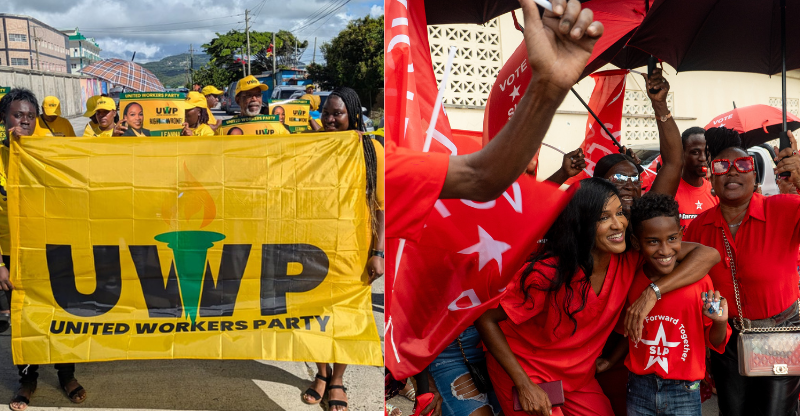
As St. Lucia’s general election on December 1 approaches, the national spotlight has shifted to several pivotal constituencies that could determine the election’s outcome. From Castries East and Micoud South, where incumbent leaders defend their seats, to Choiseul, Vieux Fort South, Dennery South, and Soufriere, these races provide critical insights into the island’s evolving political landscape. In Castries East, Philip J. Pierre faces political newcomer Peter Chiquot, who emphasizes community service over personal ambition. Meanwhile, in Micoud South, Allen Chastanet contends with Shanda Lee Harracksingh, who challenges his representation record and advocates for youth development and agricultural support. Choiseul features a dynamic contest between Keithson ‘Kiffo’ Charles and Bradley Felix, both beloved by constituents and focused on infrastructure and economic development. Vieux Fort South, transitioning after the exit of former Prime Minister Dr. Kenny Anthony, sees a clash between seasoned campaign manager Danny Butcher and media personality Leanna ‘Lady Lee’ Johannes-Paul. Dennery South has gained attention due to a high-profile political defection, with Alfred Prospere and Benson Emile vying for votes on platforms of agricultural support and youth empowerment. In Soufriere, Emma Hippolyte and Herod Stanislas face off in a rematch centered on tourism, economic stability, and community development. Across these constituencies, voters prioritize infrastructure, economic opportunities, and leadership capable of delivering tangible improvements. These local issues, combined with national concerns, will shape the election’s outcome on December 1.
分类: politics
-
How to prepare to vote in Saint Lucia’s upcoming general election
As Saint Lucia gears up for its forthcoming general elections, citizens are urged to ensure they are fully prepared to exercise their democratic rights. The Electoral Department has outlined essential steps for voters to verify their eligibility and registration status. Citizens who possess a Saint Lucian national identification card or participated in the previous general election are already registered. Eligibility extends to Saint Lucian citizens and Commonwealth citizens who have resided in the country for at least seven years and in an electoral district for a minimum of two months, provided they are 18 years or older. However, individuals declared of unsound mind, imprisoned, or under a death sentence are ineligible to register. To register, voters must visit the Electoral Department at #23 High Street, Castries, in the Godfrey James Building, bringing necessary documents such as a birth certificate, National Insurance Card, and, if applicable, a marriage certificate. Non-native citizens must present a Certificate of Registration or Naturalisation from the Ministry of Home Affairs. Voters who have relocated must update their registration to reflect their new address. Saint Lucia is divided into 17 electoral districts, with the Electoral Department revising the register annually and publishing supplementary lists twice a year. These lists are available for public review, and citizens have 12 days post-publication to file claims or objections. By January 31 each year, the register is updated to include new electors and remove ineligible names. Voters can confirm their registration details and access additional information via the Electoral Department’s website at https://www.sluelectoral.com/electoral/voter-record-search/.
-
More diversity needed in SVG’s political candidates
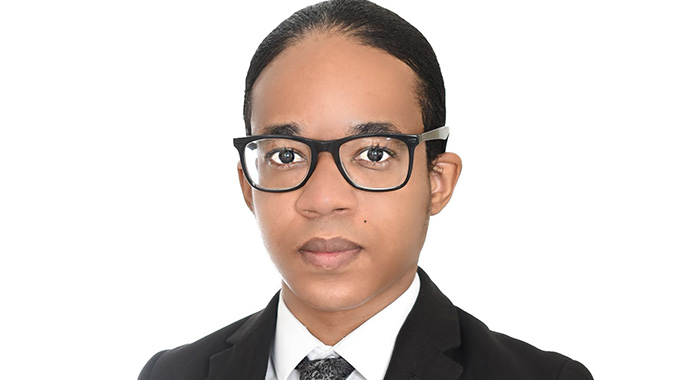
As St. Vincent and the Grenadines (SVG) gears up for the 2025 general elections, the selection of candidates by the two dominant political parties—the ruling Unity Labour Party (ULP) and the opposition New Democratic Party (NDP)—reveals persistent patterns of underrepresentation across various demographics. Despite the significant contributions of women to Vincentian society, only five women are contesting across 15 constituencies, with three representing the ULP and two for the NDP. Both parties, historically led by male lawyers, continue to reflect a lack of gender diversity in leadership roles. The dominance of legal professionals among candidates further highlights the need for broader occupational representation, including health professionals, engineers, and environmental specialists, to address the multifaceted challenges facing SVG. Age diversity also remains a concern, with party leaders in their 60s and 80s, though the ULP has made strides in fielding younger candidates. Racial, ethnic, and religious diversity among candidates is notably limited, with the majority being of Afro-descendant heritage and Christian backgrounds. LGBTQ+ representation is absent, and persons with disabilities are also underrepresented. While diversity alone does not guarantee effective governance, it ensures that the voices of all societal groups are heard in shaping national development. Moving forward, there is an urgent need for more inclusive candidate selection processes to better reflect the rich diversity of SVG’s population.
-
Ecuadorian group affirms blockade on Cuba violates rights
In a recent communication to Alena Douhan, the UN Special Rapporteur on unilateral coercive measures, the Ecuadorian organization CPAZ highlighted the detrimental effects of the U.S. economic embargo on Cuba. The embargo, which has been in place for over six decades, has been described by CPAZ as ‘an act of genocide and the principal violation of human rights’ against the Cuban population. The group emphasized that the sanctions, particularly those reinforced between March 2024 and February 2025, severely impact essential sectors such as health, food, education, and technology access. CPAZ pointed out that these measures prevent Cuba from obtaining critical resources like medicines, medical equipment, agricultural inputs, credit, and advanced technologies. Additionally, the organization criticized the extraterritorial provisions of the Helms-Burton Act, which deter foreign investment and penalize third-country companies engaging with Cuba. The statement underscored the dire consequences for Cubans, including restricted access to cancer medications, HIV/AIDS treatments, diagnostic equipment, and surgical supplies, as international suppliers avoid trade with Cuba due to fear of U.S. sanctions.
-
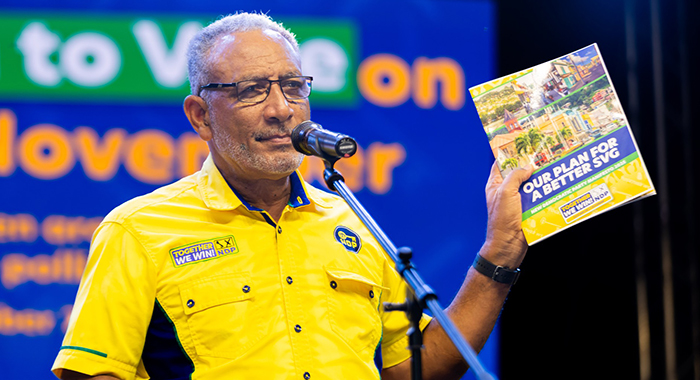
NDP launches manifesto of ‘bold, transformative plans’
The New Democratic Party (NDP), the primary opposition in St. Vincent and the Grenadines (SVG), has officially launched its manifesto for the upcoming general election. Party leader Godwin Friday described the document as a blueprint for \”bold, transformative plans\” aimed at reshaping the nation over the next five years. Speaking to supporters in Keartons, Barrouallie, Friday emphasized that the manifesto encapsulates the party’s vision for economic growth, public safety, and infrastructure development.
-
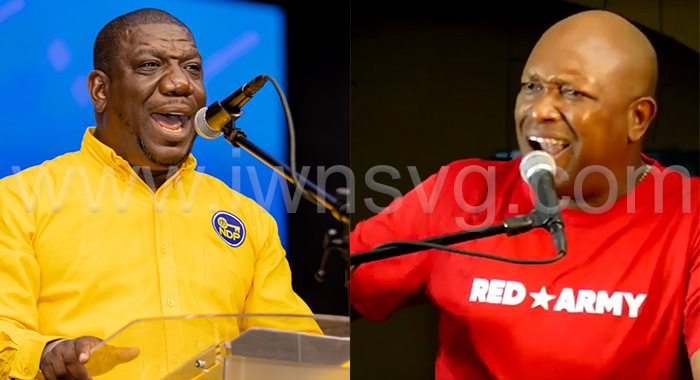
Israel challenges Sabby: ‘Tell them pull me file’
The political contest in South Central Windward has intensified as opposition candidate Israel Bruce demands incumbent Saboto Caesar to clarify allegations surrounding Bruce’s removal as a teacher from North Union Secondary School. Bruce, representing the New Democratic Party (NDP), challenged Caesar during a radio interview on Hot 97 FM, urging him to disclose the details he has hinted at. This marks Bruce’s second attempt to unseat Caesar, who is vying for a fourth consecutive term. Bruce dismissed the allegations, stating that teacher transfers are a routine matter under the Ministry of Education’s policies and do not require justification. He further challenged Caesar to produce his employment records, emphasizing that the Ministry maintains staff files. The rivalry between the two candidates has grown increasingly personal, with Caesar criticizing Bruce for his legal representation of individuals accused of robbing Caesar’s wife in 2018. However, Caesar did not mention that his wife later withdrew the charges voluntarily. Bruce, in turn, accused Caesar of neglecting the needs of South Central Windward, particularly regarding unemployment among young men and challenges faced by farmers. The exchange highlights the deepening animosity between the candidates as the election approaches.
-
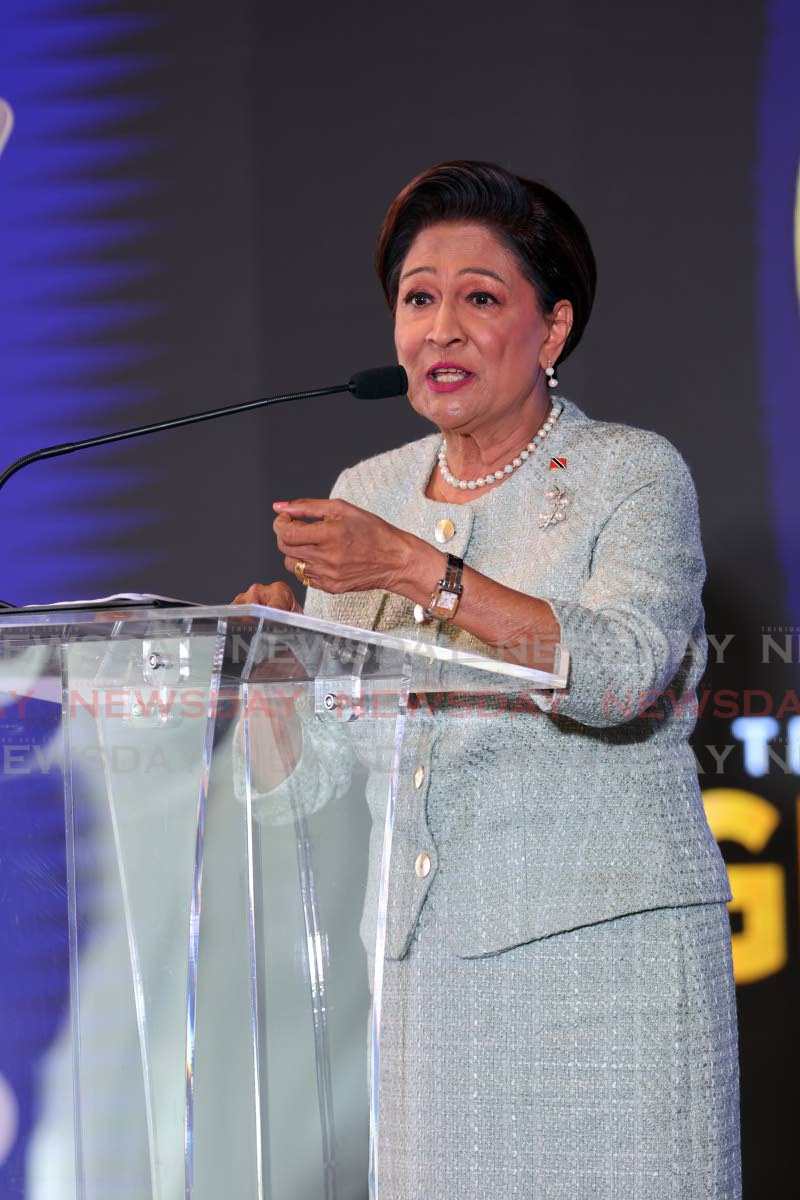
Padarath defends PM: She meant cuffing Imbert ‘politically’
In a heated parliamentary session on November 21, Prime Minister Kamla Persad-Bissessar of Trinidad and Tobago found herself at the center of a political storm. The incident, involving Diego Martin North/East MP Colm Imbert, has sparked a robust defense from the United National Congress (UNC) leadership and its women’s league. Barry Padarath, Leader of Government Business and Public Utilities Minister, firmly stated that Persad-Bissessar has no need to apologize for her remarks, emphasizing that the UNC will not tolerate intimidation from any quarter. Padarath described the exchange as a response to what he termed ‘political molestation’ by Imbert, asserting that the Prime Minister stood up for herself and others who have faced similar denigration from the People’s National Movement (PNM). He highlighted a history of ‘disgusting and vile attacks’ by the PNM, questioning the silence of civil society during such incidents. The UNC Women’s League echoed Padarath’s sentiments, praising Persad-Bissessar for her strength and composure under provocation. They criticized the PNM Women’s League for demanding an apology, labeling it a misogynistic double standard. The league argued that the video evidence clearly showed Imbert’s behavior as the root of the conflict, characterizing it as ‘male intimidation’ rather than parliamentary debate. The incident unfolded during a debate on the virtual assets bill, where Persad-Bissessar and Imbert clashed over procedural matters. Imbert’s pointed remarks led to Persad-Bissessar’s sharp retort, ‘Because I will cuff you down,’ which has since become a focal point of the controversy. Padarath reiterated that the UNC will not apologize for defending itself, signaling a shift in the political dynamics of Trinidad and Tobago.
-
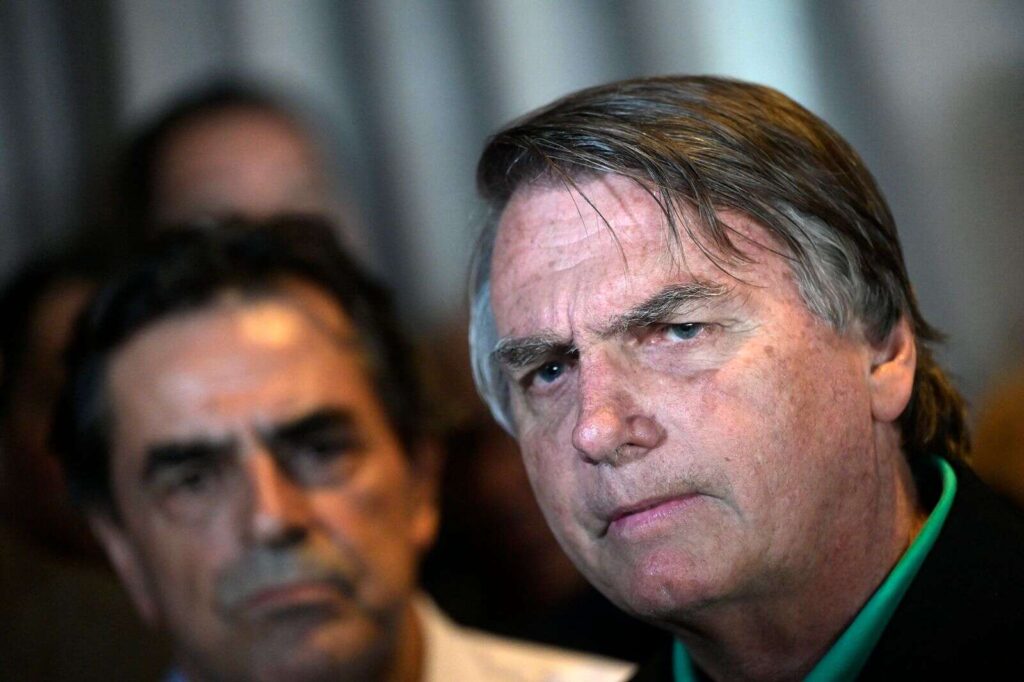
Brazil’s Bolsonaro detained for trying to break ankle bracelet and flee
Brazil’s former president Jair Bolsonaro was taken into custody on Saturday after the Supreme Court determined he posed a significant flight risk. Bolsonaro, who is under house arrest while appealing a 27-year prison sentence for his role in a foiled coup attempt, allegedly tried to disable his ankle monitor to escape. The court revealed that Bolsonaro used a soldering iron on the device, which he claimed was out of “curiosity.” Despite the damage, the monitor remained functional. Supreme Court judge Alexandre de Moraes ordered the detention as a preventive measure, citing concerns over a planned vigil organized by Bolsonaro’s son, Flavio, which could create chaos and facilitate an escape. Bolsonaro, who governed Brazil from 2019 to 2022, has been confined to an upscale condominium in Brasilia since August. Moraes also highlighted the proximity of Bolsonaro’s residence to the US embassy, raising fears he might seek asylum. Bolsonaro, a former army captain and ally of ex-US President Donald Trump, has faced widespread criticism for his handling of the Amazon deforestation and the COVID-19 pandemic. His conviction in September accused him of leading a criminal organization to maintain authoritarian power. The case has left Brazil’s conservative electorate without a clear leader ahead of the 2026 presidential elections, where leftist Luiz Inacio Lula da Silva plans to run for a fourth term. Bolsonaro’s legal team has vowed to appeal the detention, citing his alleged frail health due to a 2018 stabbing incident. Meanwhile, reactions to his imprisonment have been polarized, with supporters decrying it as political persecution and opponents celebrating his downfall.
-
G20 grapples with splintering world order
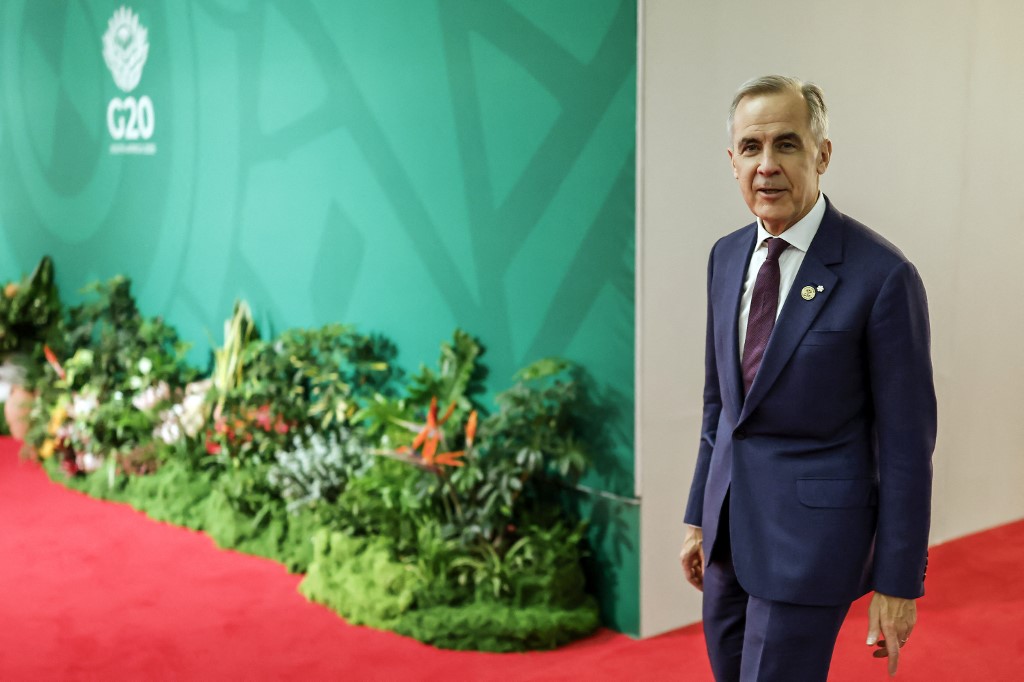
JOHANNESBURG, South Africa (AFP)—As the G20 summit concluded in South Africa on Sunday, leaders emphasized the importance of multilateralism, even as they grappled with a rapidly evolving global landscape marked by unilateral U.S. policies, escalating conflicts, and intensifying geopolitical rivalries. Canadian Prime Minister Mark Carney remarked, ‘Too many nations are retreating into protectionist blocs or geopolitical battlegrounds. What we’re witnessing is not a transition but a rupture.’ The summit, notably boycotted by the United States, sparked intense discussions on the future of the G20 in an increasingly fragmented world. South African President Cyril Ramaphosa, in his closing remarks, described the gathering as ‘crucial,’ noting the growing global demand for progress on pressing issues. Despite the challenges to international cooperation, the G20 leaders reaffirmed their commitment to multilateralism in a joint declaration, asserting that shared goals outweigh differences. Attendees included representatives from Europe, China, India, Japan, Turkey, Brazil, and Australia, marking the first G20 summit hosted in Africa. The leaders acknowledged the backdrop of rising geopolitical tensions, economic instability, and inequality. French President Emmanuel Macron warned that the G20 might be nearing the end of an era, suggesting a refocus on strategic economic issues. The G20, established after the 1997-1998 Asian financial crisis, was initially designed to enhance global economic stability. However, the U.S. absence, attributed to policy disagreements with South Africa, cast a shadow over the event. Emerging economies and the Global South were highlighted as increasingly pivotal within the G20 framework. Brazilian President Luiz Inacio Lula da Silva asserted that multilateralism remains robust, despite efforts to undermine it. German Chancellor Friedrich Merz expressed disappointment over the U.S. decision to skip the summit but noted the emergence of new global alliances.
-
Gadsby-Dolly: PM must apologise for threat to ‘cuff down’ Imbert
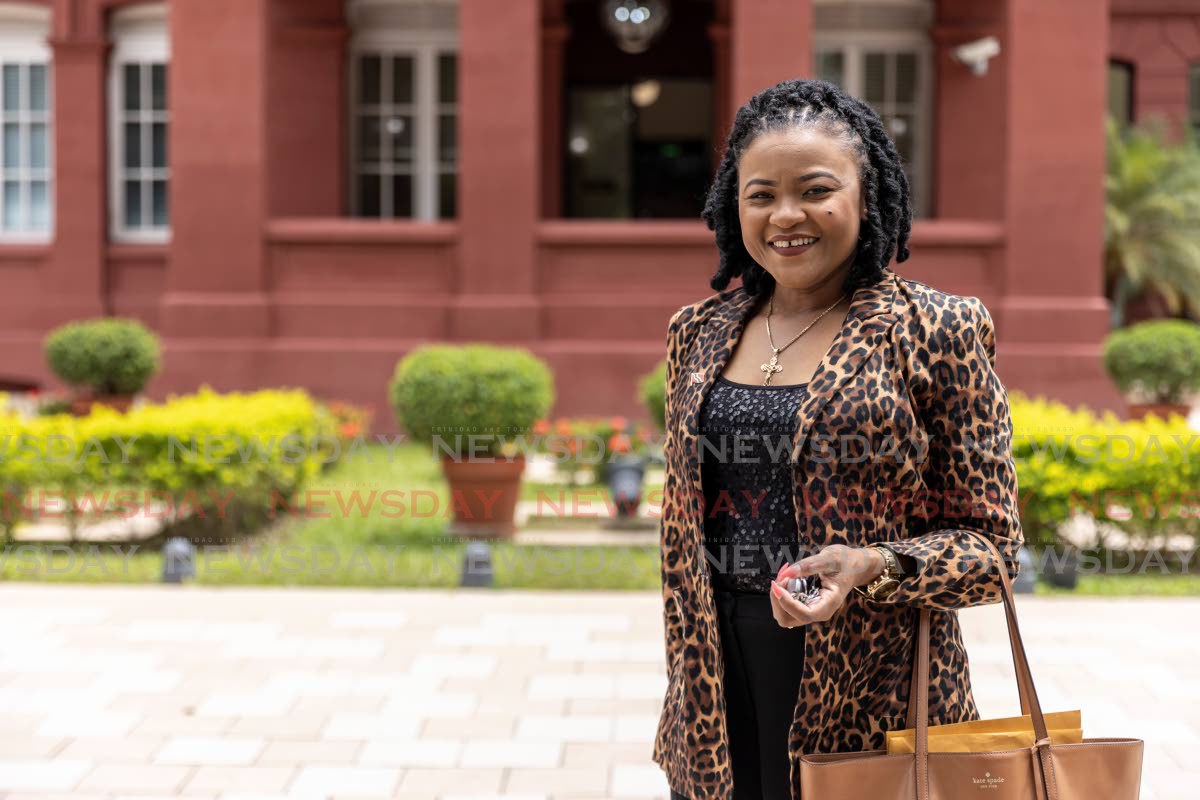
St Ann’s East MP Dr Nyan Gadsby-Dolly has publicly criticized Prime Minister Kamla Persad-Bissessar for what she described as a violent threat directed at Diego Martin North/East MP Colm Imbert during a House of Representatives session on November 21. Gadsby-Dolly, a former education minister, called for an immediate apology from the Prime Minister, emphasizing the inappropriateness of such behavior from a national leader. In a video from the session, Persad-Bissessar is heard saying, ‘Don’t point at me,’ followed by a comment that was obscured by loud reactions from government MPs. Gadsby-Dolly expressed her disappointment in a Facebook post, stating that the Prime Minister’s conduct was embarrassing and set a poor example for young women and aspiring female politicians. She accused Persad-Bissessar of threatening to ‘cuff down’ Imbert, a statement made in full view of the Parliament. Gadsby-Dolly stressed that this incident transcends party politics and warned that such language sows seeds of violence. She questioned how the Prime Minister could advocate for non-violence among students while engaging in such behavior. The PNM’s Women’s League echoed these concerns, urging Persad-Bissessar to reflect on the impact of her words and the example they set for the nation. This incident follows a previous controversy involving then-energy minister Stuart Young, who apologized for disparaging remarks made about Persad-Bissessar and other UNC MPs during a House meeting last October.