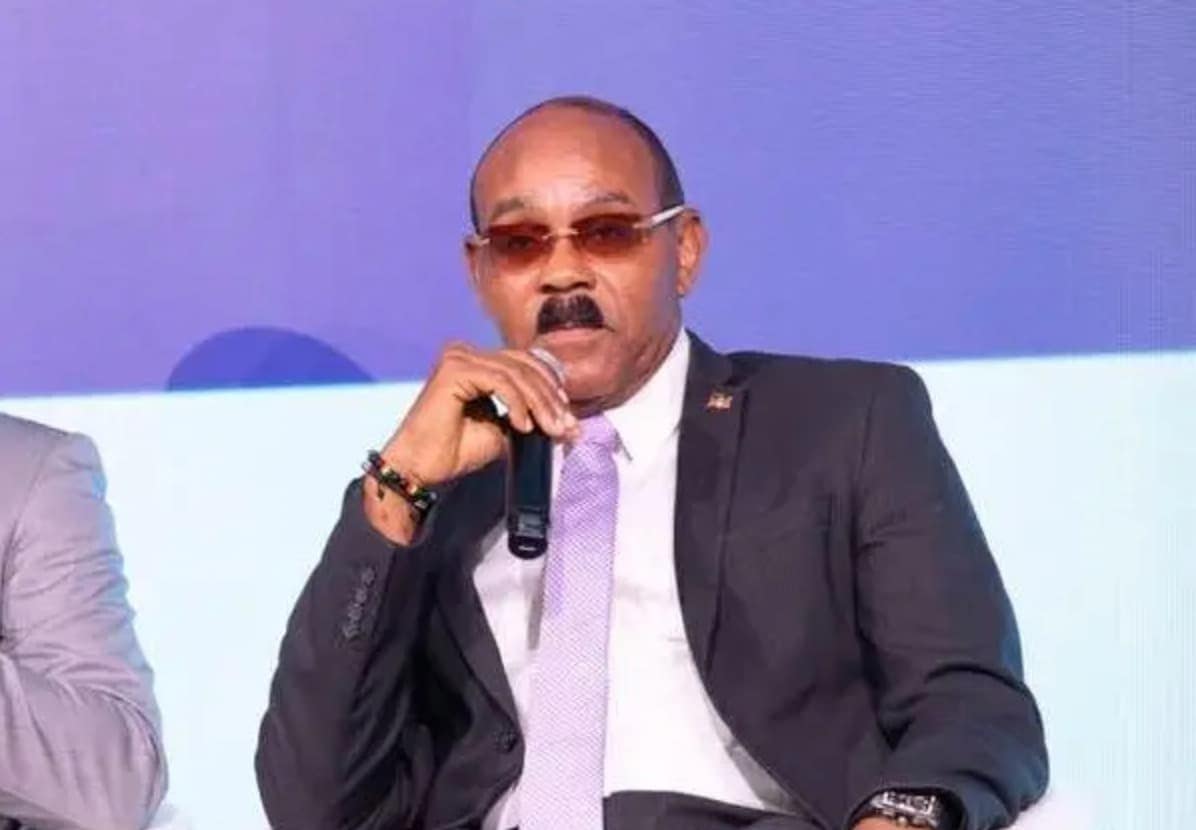
The Prime Minister of Antigua and Barbuda has announced that his U.S. attorney is drafting a pre-action letter to the prominent American law firm Boies Schiller Flexner, seeking $10 million in damages for alleged defamation tied to what he describes as the “Alfa Nero fabrication.” In an online statement, the Prime Minister revealed that the letter will be delivered within 48 hours to David Boies, a partner at the firm. While specific details of the defamatory statements were not disclosed, the Prime Minister accused the firm of disseminating false information related to the ongoing Alfa Nero controversy. The statement also hinted at potential legal action against Harold Lovell, a former political leader, suggesting a broader legal strategy. The Alfa Nero, a superyacht seized in Antigua in 2023 and subsequently sold by the government, has been at the heart of political, legal, and international disputes, leading to numerous court challenges and public debates. Further details on the planned legal action remain undisclosed.
分类: politics
-
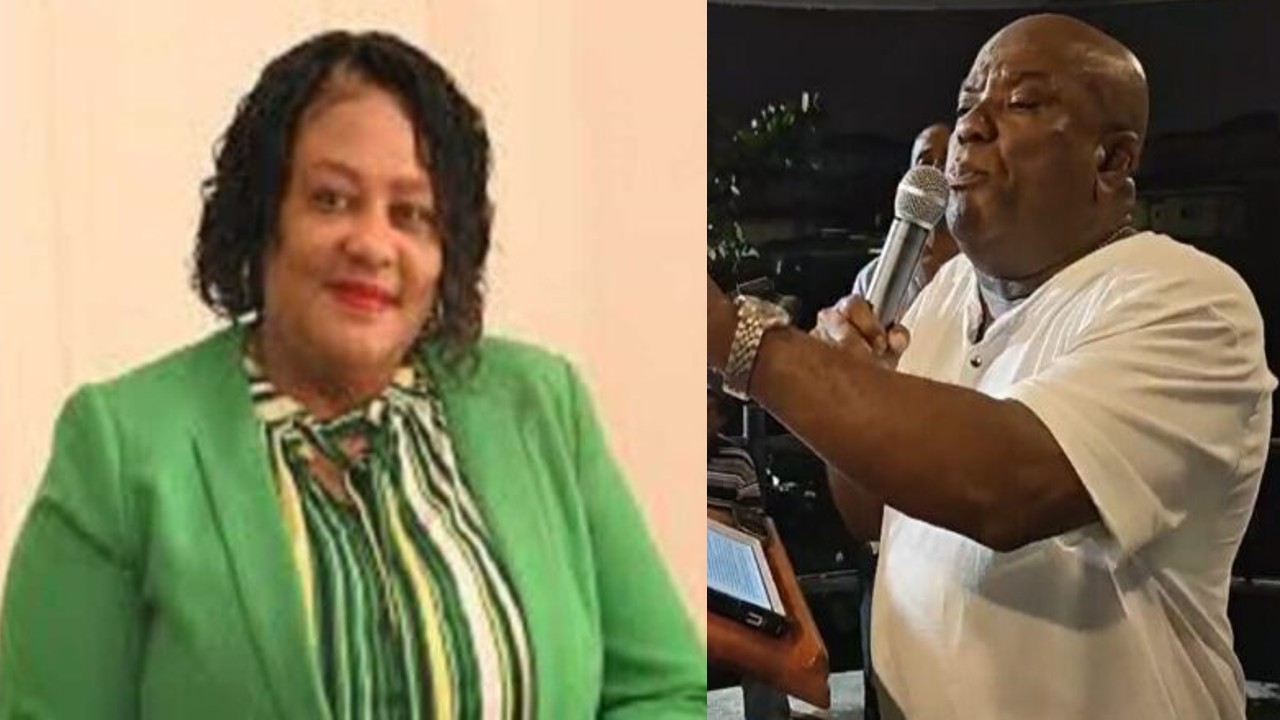
Dominica joins regional election observation mission, move criticized at home
The Electoral Office of Dominica has announced its participation in a regional election observation mission to St. Vincent and the Grenadines, reflecting the Caribbean’s unified commitment to upholding democratic integrity. The Caribbean Community (CARICOM) has formed a ten-member CARICOM Election Observation Mission (CEOM) to oversee the General Elections in St. Vincent and the Grenadines, set for November 27, 2025. Dominica’s Chief Elections Officer, Ms. Anthea Joseph, will be among the observers, collaborating with regional counterparts to evaluate the electoral process. This initiative coincides with Dominica’s ongoing voter confirmation process, highlighting the importance of regional cooperation and the exchange of best practices in strengthening electoral systems. Ms. Joseph emphasized the mission’s role in promoting transparent and accountable elections, stating, ‘By learning from our Caribbean neighbors, we can enhance our own electoral processes.’ The CEOM will engage with electoral authorities, political parties, and civil society groups in St. Vincent and the Grenadines, providing impartial assessments to ensure fairness and transparency. The Electoral Office described the mission as a demonstration of solidarity and shared responsibility for safeguarding democracy in the Caribbean. However, the initiative has faced criticism domestically. Pastor Randy Rodney questioned the timing and purpose of Ms. Joseph’s participation, arguing that her role is more about learning than observation, given her recent appointment. Rodney criticized the government’s decision to appoint an inexperienced leader to the electoral office during a period of reform, suggesting that the former Chief Elections Officer’s expertise would have been more valuable. He also raised concerns about Dominica’s voter confirmation process, arguing that it fails to produce a clean voters list. Rodney highlighted issues such as outdated registrations and deceased individuals still on the electoral list, urging Dominicans to focus on these problems rather than what he termed ‘gerrymandering.’ As Ms. Joseph joins the mission in Kingstown, the initiative underscores both the potential and challenges of electoral reform in the Caribbean, sparking debates about leadership, timing, and the integrity of Dominica’s electoral process.
-
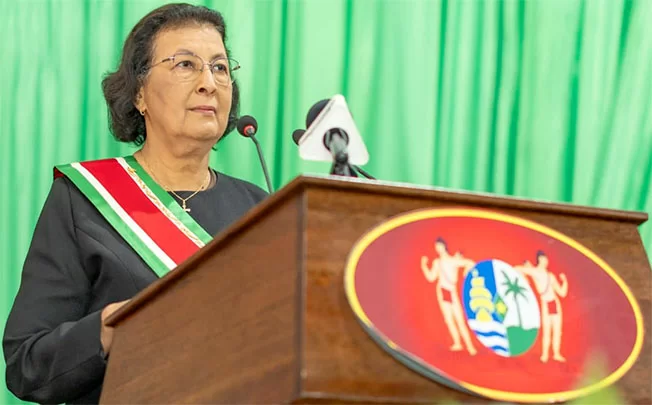
President: De viering is voor vandaag; vanaf morgen bouwen we aan onze roadmap
In a landmark address during the extraordinary session of the National Assembly commemorating Suriname’s 50th anniversary of independence, President Jennifer Simons urged the nation to embark on a new phase of collective development. Speaking to a diverse audience, the President emphasized the need for unity beyond political and ethnic divides, advocating for the creation of a long-awaited national roadmap.
Reflecting on the historical significance of November 25, 1975, President Simons acknowledged the challenges Suriname faced in its early years, including internal tensions and political struggles, which hindered the establishment of a unified national vision. “Fifty years later, the time has come to finally achieve this,” she declared.
The President highlighted the importance of serious reflection, evaluation, and shared responsibility in shaping Suriname’s future. She called on all citizens, regardless of political affiliation, origin, or residence, to participate in crafting a vision centered on social justice and well-being. While recognizing the country’s economic potential, she cautioned about the need to navigate global power dynamics realistically.
President Simons stressed that the true work begins now, urging Surinamers to focus on a shared future where everyone can thrive. She reminded the nation of its inherited responsibility to build a socially just society that prioritizes the welfare of its people.
The President outlined three pillars of independence—political, economic, and psychological—that Suriname must strive to achieve. She introduced the concept of ‘Srefidenki,’ a collective awareness necessary to transform today’s opportunities into benefits for all citizens.
Concluding her speech, President Simons delivered a powerful message: “The struggle is not against others. It is against everything that hinders us from achieving our goals—within ourselves and in our society. By confronting these challenges and bringing out the best in ourselves, we can develop this nation.”
-
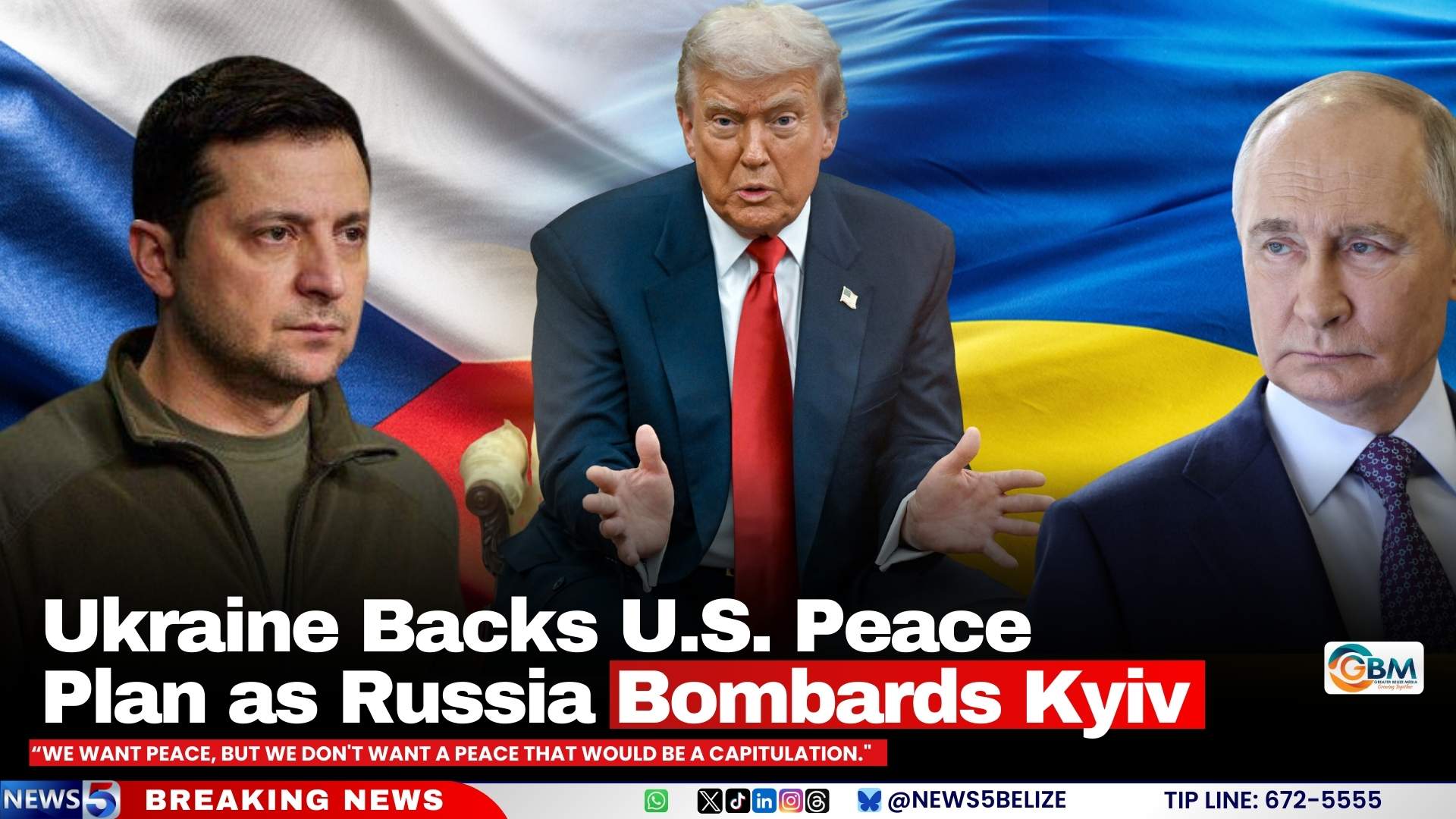
Ukraine Backs U.S. Peace Plan as Russia Bombards Kyiv
Ukraine has expressed its backing for a U.S.-proposed peace plan with Russia, even as missile and drone strikes continue to wreak havoc in Kyiv. President Volodymyr Zelenskiy is set to engage in critical discussions with U.S. President Donald Trump in the coming days to address unresolved issues. This development follows recent talks between U.S. and Ukrainian officials in Geneva, as well as meetings between U.S. Army Secretary Dan Driscoll and Russian representatives in Abu Dhabi. White House press secretary Karoline Leavitt highlighted significant progress towards a peace agreement, emphasizing that while some sensitive details remain, they are not insurmountable. The urgency for a resolution is underscored by ongoing Russian assaults on Ukraine, which have resulted in casualties and disrupted essential services in Kyiv. French President Emmanuel Macron acknowledged the potential of the U.S. plan but stressed the importance of ensuring that peace does not equate to capitulation. Russian Foreign Minister Sergei Lavrov reiterated that any revised peace proposal must align with the agreements made during the Alaska summit between Putin and Trump.
-
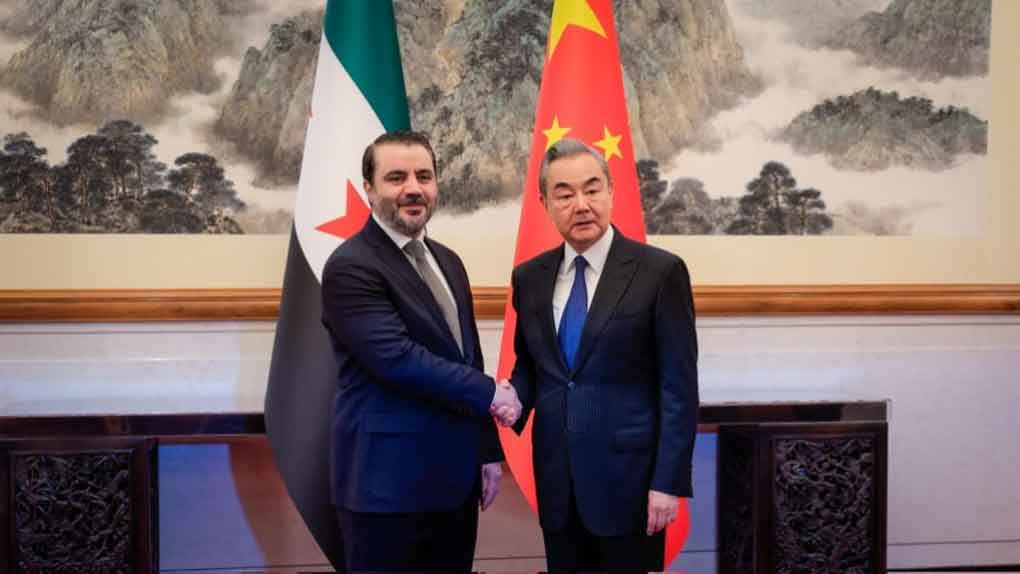
China to reopen its embassy in Damascus in early 2026
In a significant development for Syria’s foreign policy, a high-level delegation led by Foreign Minister Assad Hassan Shaybani recently concluded a pivotal visit to Beijing. The trip, described by Syrian officials as the dawn of a “new era,” marks a strategic shift in Syria’s international relations, particularly with China, a permanent member of the UN Security Council. The visit focused on revitalizing bilateral trade, reopening diplomatic missions, and securing Chinese support for Syria’s reconstruction efforts. Officials highlighted that pre-2011 trade between the two nations exceeded $1.5 billion, accounting for nearly 9% of Syria’s national budget. Today, Syria urgently seeks Chinese products, technology, and investment to aid its post-conflict recovery. During the talks, China pledged a substantial humanitarian aid package and expedited preparations for reopening its embassy in Damascus. Additionally, Syrian officials denied claims by AFP regarding the alleged transfer of 400 Uighur fighters to China, stating the issue was never discussed. The delegation emphasized the importance of detailed discussions on security and operational logistics for Chinese companies interested in participating in Syria’s reconstruction. The recent absence of Chinese vetoes in UN Security Council resolutions favorable to Syria was attributed to the steady progress of bilateral agreements and Beijing’s commitment to safeguarding its citizens and investments in the region. Syrian leaders reiterated their commitment to ensuring that Syria poses no threat to any nation, including China, and that its territory will not be used against third parties.
-
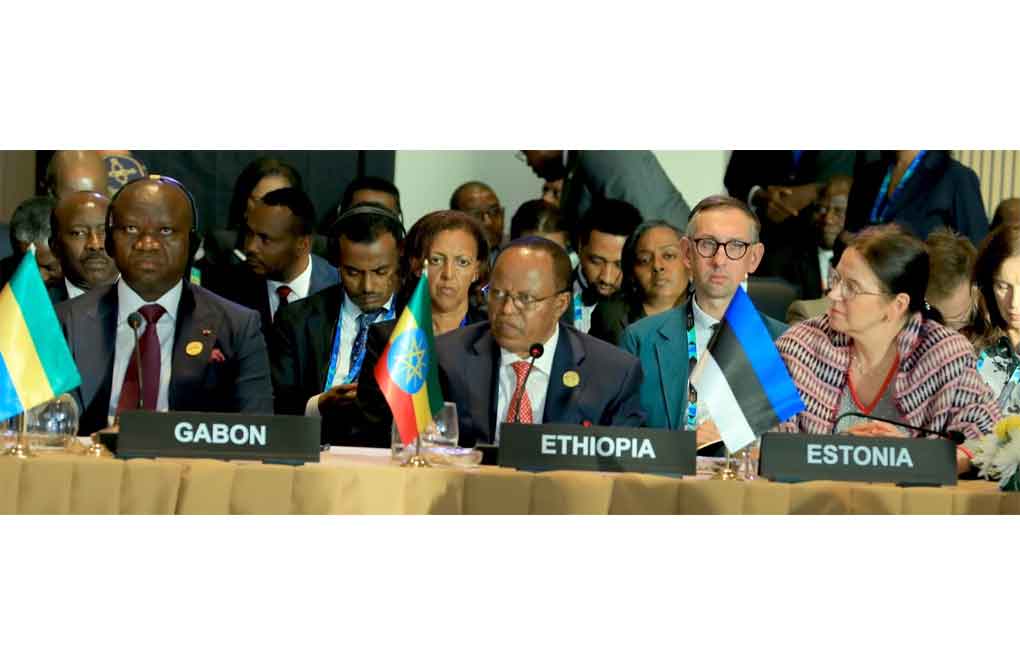
Ethiopia emphasized importance of multilateralism at AU-EU Summit
At the VII African Union-European Union Summit held on November 24 and 25, African leaders emphasized the urgent need for global reforms to ensure equitable representation and decision-making power for developing nations. Selassie, a prominent voice at the summit, highlighted the necessity for Africa and other developing regions to have a permanent and influential role in global governance. He specifically called for structural changes in international institutions, including a permanent seat for Africa on the United Nations Security Council and the modernization of multilateral financial systems to better address the needs of these nations. The summit, which brought together leaders from the African Union and European Union member states, focused on critical issues such as peace, security, climate action, economic integration, and global governance. Local authorities reported a record-breaking attendance of over 80 delegations, underscoring the event’s significance. African leaders also urged for fairer financial support, accelerated implementation of joint initiatives, and a more robust presence in international institutions. Additionally, they emphasized the importance of increased investment in clean energy and sustainable development to foster long-term growth and stability.
-
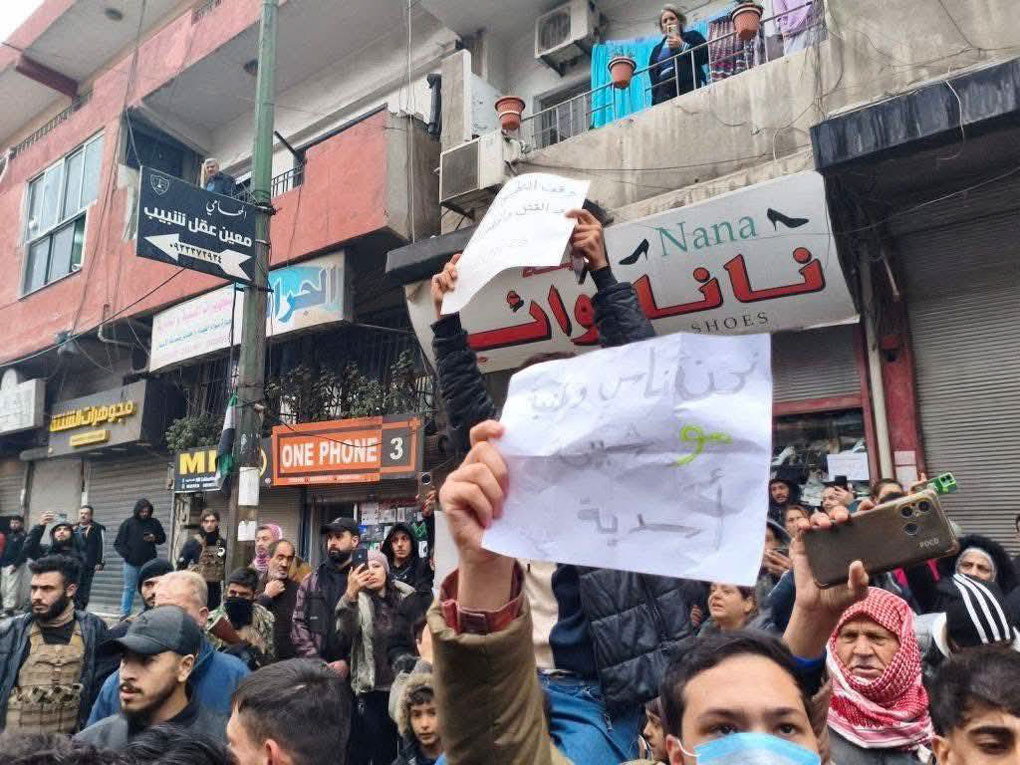
Protests on Syrian coast demand decentralization (+Photos)
In a significant display of public dissent, demonstrations unfolded across several provincial capitals in Syria, including Tartus, Latakia, and Homs. Participants, hailing from both rural and urban areas, united to voice their grievances. The protests were marked by chants condemning violence and advocating for enhanced administrative decentralization. Additionally, demonstrators called for the release of former military personnel currently held in detention. The Syrian state news agency, SANA, responded by publishing images of security forces deployed in these areas, emphasizing that their presence was aimed at safeguarding citizens and public infrastructure. The protests were catalyzed by a video message from Sheikh Ghazal Ghazal, president of the Alawite Supreme Islamic Council. In his address, Ghazal criticized what he described as ‘sectarian score-settling’ and urged the implementation of federalism and political decentralization as measures to protect the rights of all communities, particularly the Alawite minority.
-

Cuba’s Ambassador to Nicaragua highlights Fidel Castro legacy
In a recent interview with Canal 4’s Live Magazine, Ambassador Fonseca emphasized the enduring legacy of Fidel Castro, whose influence transcends national boundaries and serves as a model for social justice, revolutionary change, and the defense of marginalized communities across Latin America, the Caribbean, and the world. Fonseca highlighted Castro’s unwavering commitment to these ideals, which began during his formative years in high school and university, where he first demonstrated a profound sensitivity to social injustices and a relentless pursuit of solutions to improve the lives of the Cuban people. This dedication culminated in the revolutionary triumph of January 1, 1959, marking a pivotal moment in Cuban history. Fonseca also noted that Castro’s vision, articulated in his 1953 plea ‘La Historia me absolverá’ following the Moncada assault, laid the groundwork for the transformative policies of the Cuban Revolution. These policies encompassed economic, social, cultural, sporting, and scientific advancements, leaving a lasting impact on the nation. Beyond Cuba, Castro’s internationalist approach positioned the Revolution as a beacon of solidarity for Latin America and the global community. Fonseca underscored Castro’s emphasis on communication as a critical tool in the fight for truth, particularly through the establishment of Prensa Latina, an agency dedicated to providing accurate information about Cuba and the region. In today’s digital age, this battle continues on social media platforms, where efforts to counter misinformation and present the reality of Cuba remain vital. Fonseca also condemned the U.S. blockade on Cuba, describing it as ‘cruel and genocidal,’ and expressed confidence that the resilience of the Cuban people and the enduring legacy of Castro’s ideals will ultimately lead to a brighter future, sustained by collective commitment and the defense of revolutionary achievements.
-
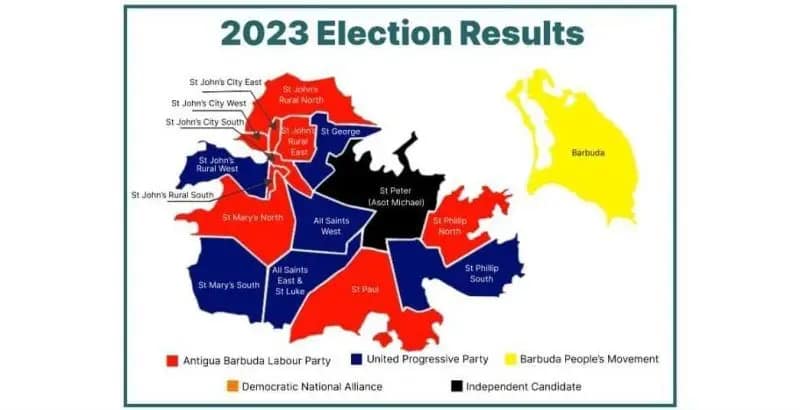
Boundaries Commission Begins Comprehensive Review of Constituency Lines
The Boundaries Commission of Antigua and Barbuda has announced a nationwide review of constituency boundaries, emphasizing its constitutional duty to uphold fair representation and electoral integrity. In a bid to foster transparency and inclusivity, the Commission is extending an invitation to key stakeholders and interest groups to participate in a pivotal consultation session. This initiative underscores the Commission’s commitment to civic engagement and democratic principles. The consultation, scheduled for December 12, 2025, at 4:00 PM, will take place at the John E. St. Luce Finance & Conference Centre. The primary focus will be on gathering insights and recommendations regarding proposed adjustments to constituency boundaries. The Commission has highlighted the importance of community perspectives in shaping decisions that directly impact local representation. Stakeholders are encouraged to share their views on the necessary revisions and the implications for affected communities. For further inquiries, Chairman Mr. Danley Philip and Secretary Ms. Nicole Edwards can be contacted at 4648565 and 4645286, respectively. The Commission has requested confirmation of attendance by December 8, 2025, and expressed gratitude for the ongoing support of democratic governance in Antigua and Barbuda.
-
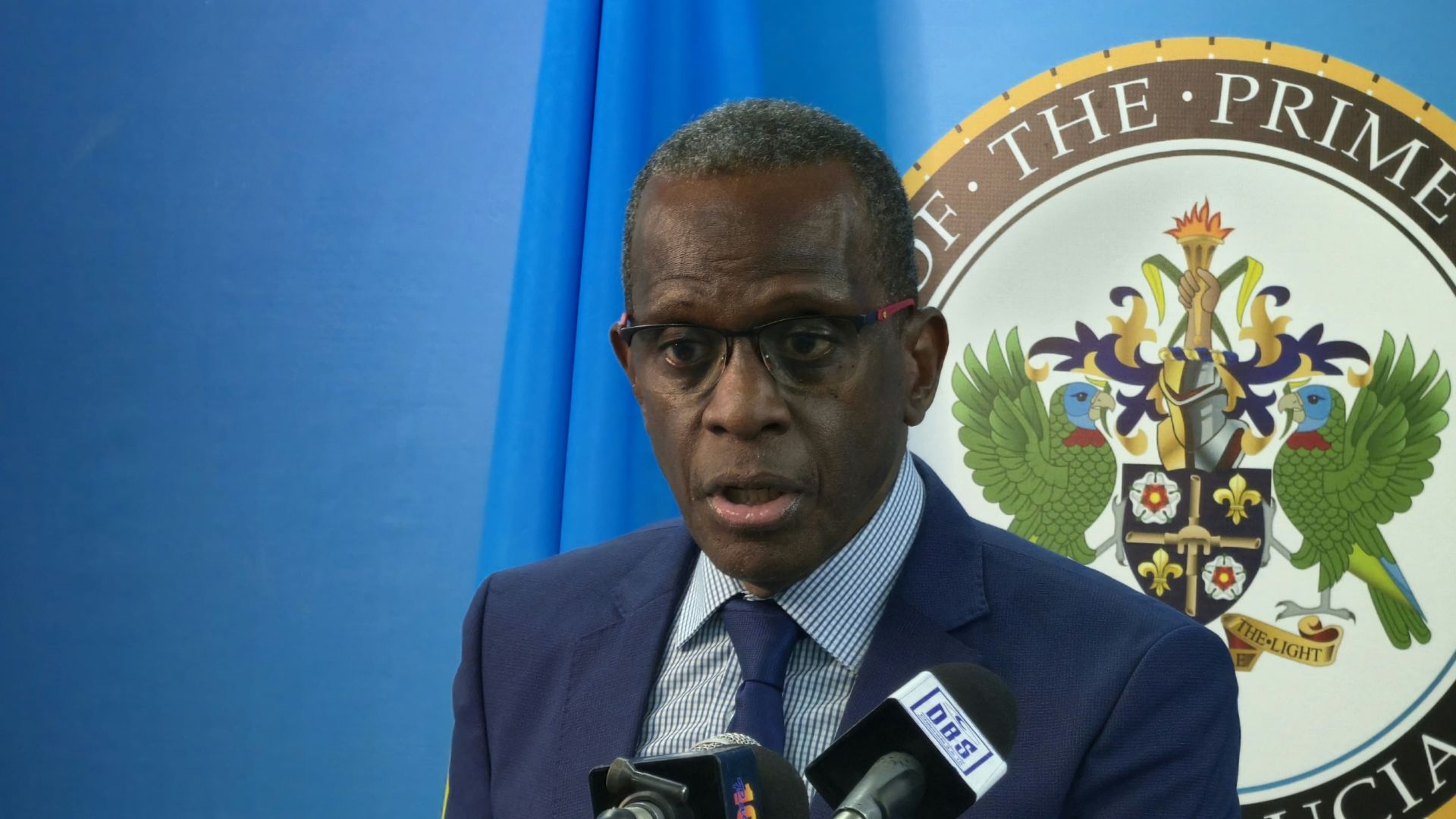
Pierre defends students’ Nomination Day cheers amid public debate
A recent incident involving schoolchildren chanting for political candidates has ignited a heated national debate about the appropriateness of minors engaging in partisan politics. Last Friday, videos surfaced on social media showing students from Ave Maria Girls School enthusiastically chanting ‘SLP! SLP!’ as Saint Lucia Labour Party (SLP) candidate Richard Frederick and his entourage passed by on their way to a nomination center. The footage has drawn mixed reactions, with some condemning the act as inappropriate, while others defend it as a form of civic education. Critics, including radio host Timothy Poleon, argue that involving children in partisan activities sets a dangerous precedent. ‘It ought not to be partisan,’ Poleon emphasized, questioning whether parents were consulted. Meanwhile, Prime Minister Philip J. Pierre dismissed the criticism, framing the outcry as politically motivated. He defended the children’s right to express their political preferences, linking their support for SLP to his administration’s education policies, such as covering CXC subject fees and providing material allowances for teachers. The National Principals Association and the Ministry of Education have yet to comment on the matter, leaving the debate unresolved.