分类: politics

  • ABEC Commences Training for St. Philip North By-Election Workers

    ABEC Commences Training for St. Philip North By-Election Workers

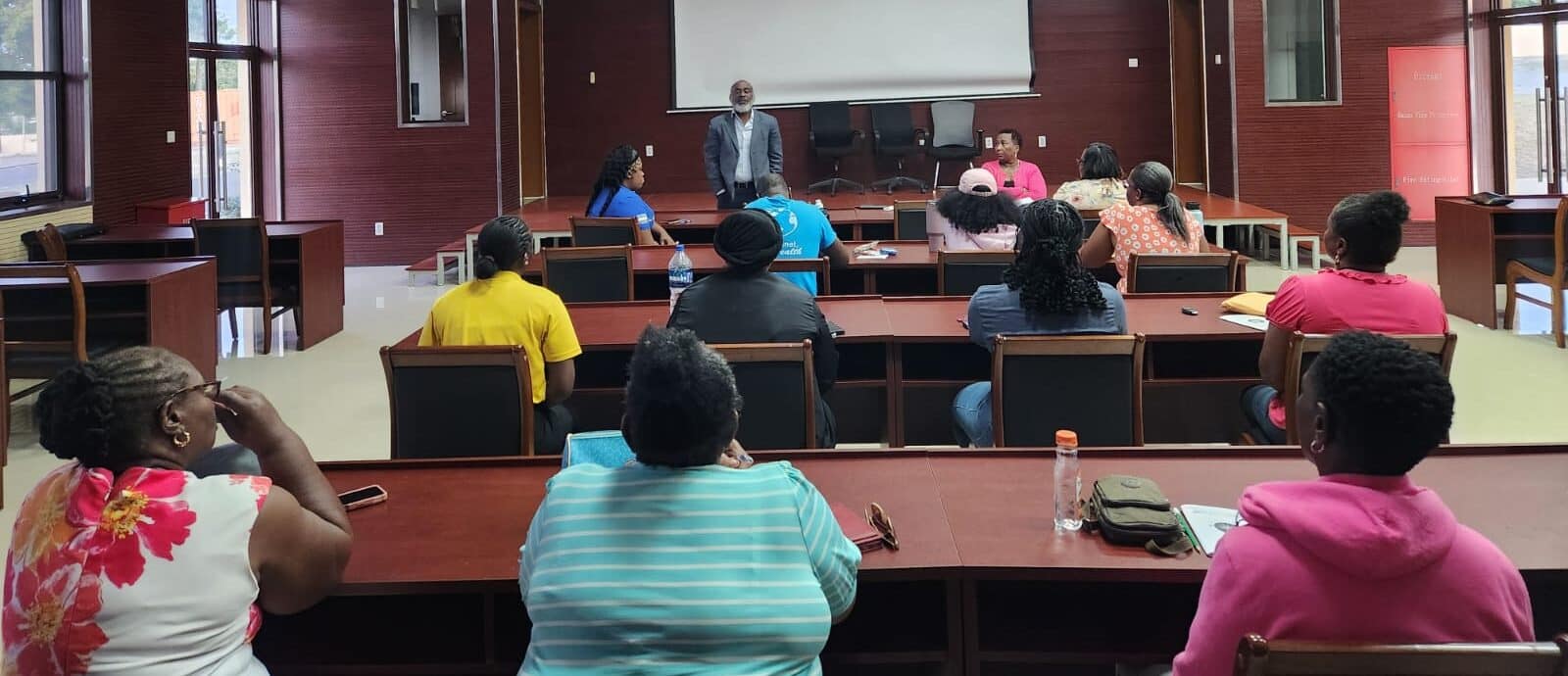
    The Antigua and Barbuda Electoral Commission (ABEC) has initiated a comprehensive training program for electoral staff in preparation for the upcoming St. Philip North by-election scheduled for March 16, 2026. The inaugural sessions commenced on Monday at the Glanvilles Community Centre under the direction of Returning Officer Ms. Avonella Benjamin.

    This specialized training curriculum is designed to equip election day personnel with the necessary technical knowledge and procedural expertise to conduct polling operations with maximum efficiency. Participants include presiding officers, poll clerks, customer service representatives, and auxiliary polling staff who will serve as critical components in the electoral machinery.

    Supervisor of Elections Mr. Ian S. Hughes emphasized the foundational importance of these preparatory exercises, stating: ‘Training constitutes an indispensable element of the electoral framework. Through meticulous preparation of every election worker regarding their specific duties and mandated procedures, we collectively reinforce the integrity, transparency, and operational effectiveness of the voting process. The Commission remains dedicated to administering the St. Philip North By-Election pursuant to the most rigorous standards.’

    The instructional program encompasses multifaceted components including polling station management protocols, voter identification verification systems, secure ballot handling procedures, systematic counting methodologies, and accurate completion of statutory election documentation. Particular emphasis is being placed on maintaining unwavering standards of transparency, precision, and professional conduct throughout all phases of the electoral process.
  • Somohardjo: Laat mij in staat van beschuldiging worden gesteld

    Somohardjo: Laat mij in staat van beschuldiging worden gesteld

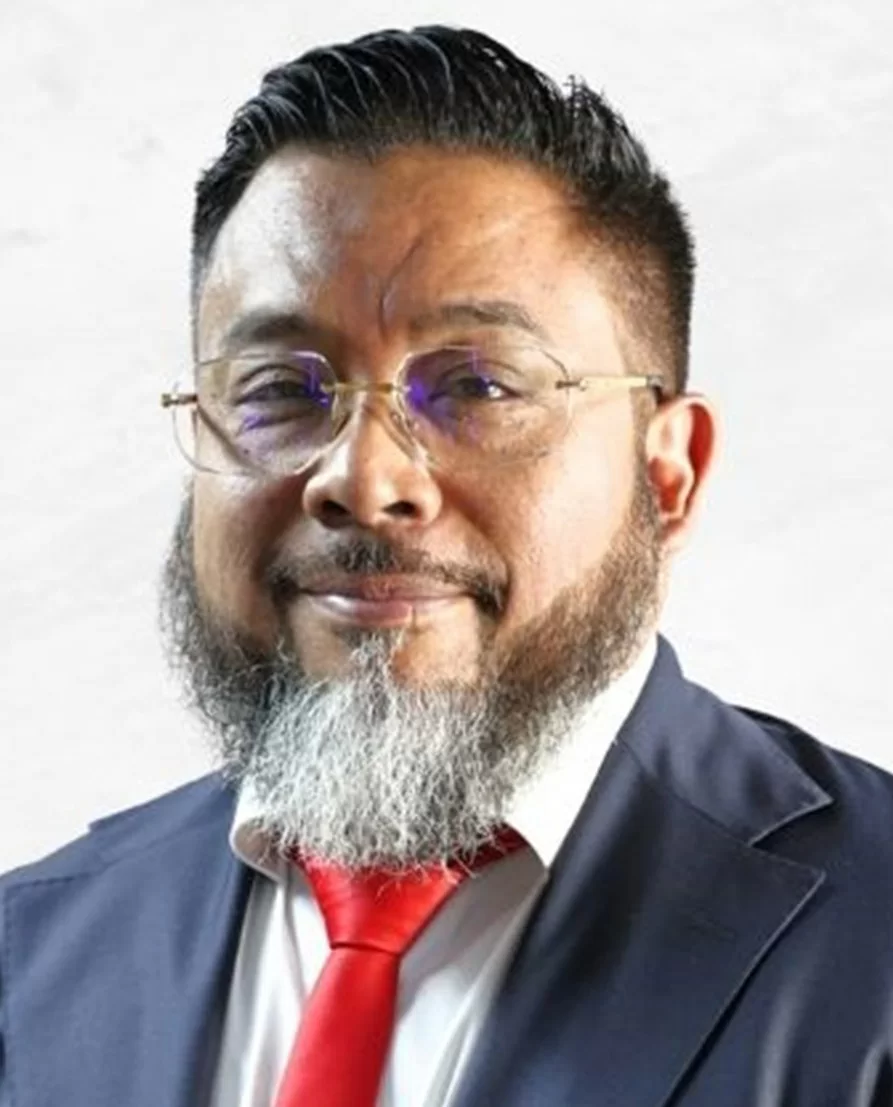
    PARAMARIBO – Bronto Somohardjo, parliamentary leader of the Pertjajah Luhur (PL) party and former minister, has publicly declared his full cooperation with the Public Prosecutor’s Office’s request to bring formal charges against him. In a striking political development, Somohardjo insists the National Assembly should process the prosecution request without hesitation or procedural delays.

    “I welcome being formally charged. I have nothing to conceal and fear no outcome. If the Public Prosecutor’s Office believes they have a case, let it be thoroughly investigated,” stated Somohardjo, demonstrating unprecedented openness toward judicial proceedings.

    The veteran politician emphatically rejected any intention to seek protection under political immunity or procedural technicalities. “I will not hide behind immunity or political safeguards. Let the complete truth emerge through proper legal channels,” he asserted during his press address.

    However, Somohardjo issued a significant caveat regarding the proper use of judicial authority: “What I will not accept is the weaponization of the Public Prosecutor’s Office to inflict political damage upon the coalition government. The justice system exists to administer fairness, not to wage political warfare.”

    The former minister concluded with a confident challenge to the judiciary: “Let the investigation proceed unimpeded. I remain unafraid of the truth, and ultimately it will demonstrate I have nothing to hide.”

  • Jamaica Reveals Reason Behind Cuba Medical Programme Collapse

    Jamaica Reveals Reason Behind Cuba Medical Programme Collapse

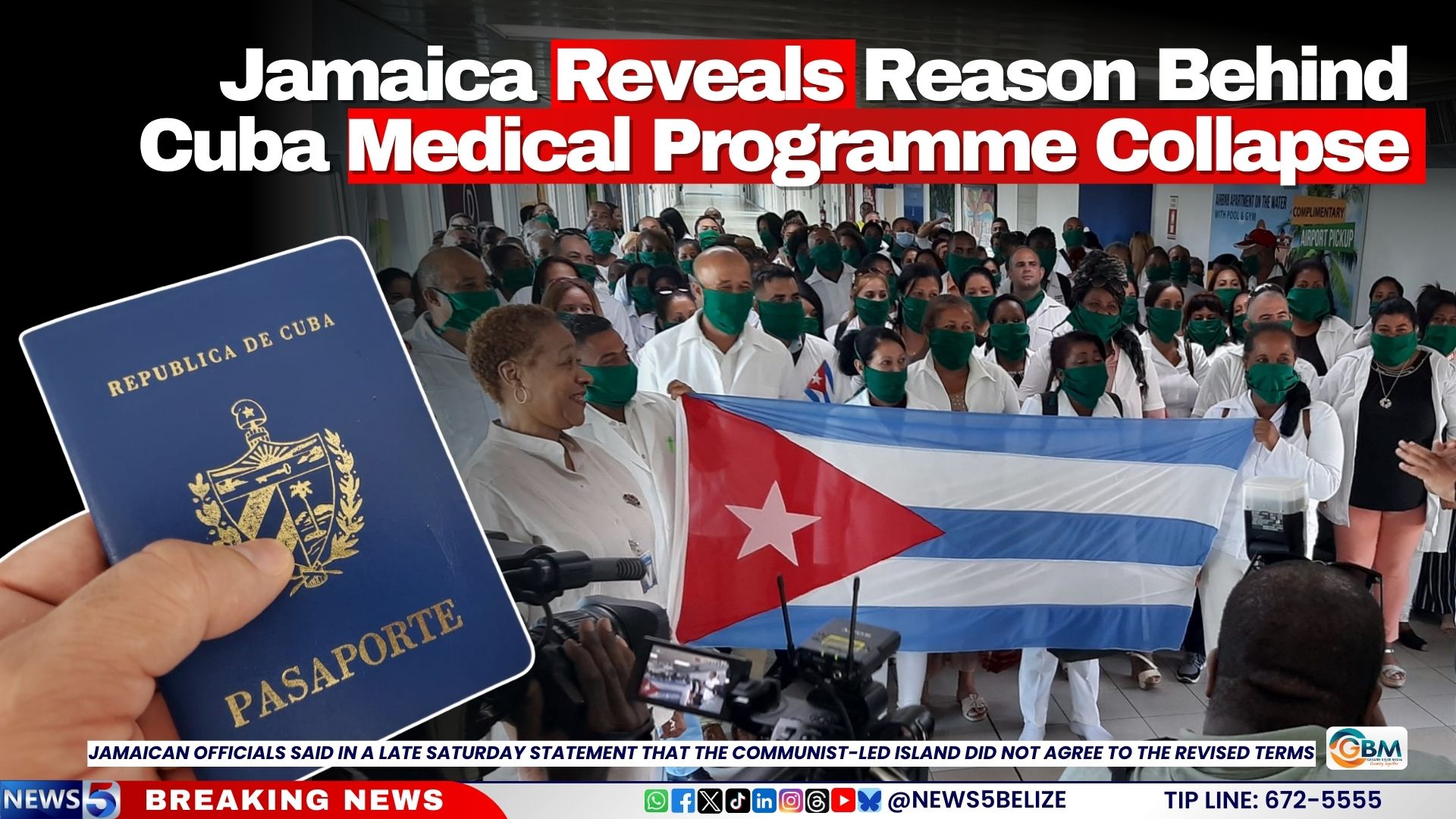
    Jamaica’s government has formally attributed the termination of its five-decade medical cooperation agreement with Cuba to fundamental violations of national law and international labor standards. The breakdown occurred after a comprehensive review by Jamaica’s Ministry of Foreign Affairs and Foreign Trade identified systemic issues that Havana ultimately refused to rectify through renegotiated terms.

    The investigation revealed two primary concerns: Cuban medical personnel were systematically denied possession of their own passports, and compensation arrangements violated basic labor principles. While Jamaican authorities calculated salaries at parity with local medical professionals, these payments were directed to the Cuban government in U.S. dollars rather than to the individual doctors. Only overtime payments were disbursed directly to personnel, with no transparent accounting for what portion of their base salaries they actually received.

    Jamaican officials emphasized that despite these contractual deficiencies, Cuban medical workers were treated well regarding accommodation, leave entitlements, and freedom of movement. The government acted promptly to address the passport issue by engaging both immigration authorities and Cuban officials to ensure workers could hold their travel documents.

    Following months of unsuccessful renegotiation attempts—including Jamaica’s proposal to pay medical workers directly—Cuba unilaterally withdrew its medical brigade from the island. Jamaica expressed disappointment at this decision, noting that the requested terms aligned with agreements Cuba has accepted with other Caribbean nations.

  • Randy Baltimore Campaign Rolls Out Week of Activities Ahead of March 16 By-Election

    Randy Baltimore Campaign Rolls Out Week of Activities Ahead of March 16 By-Election

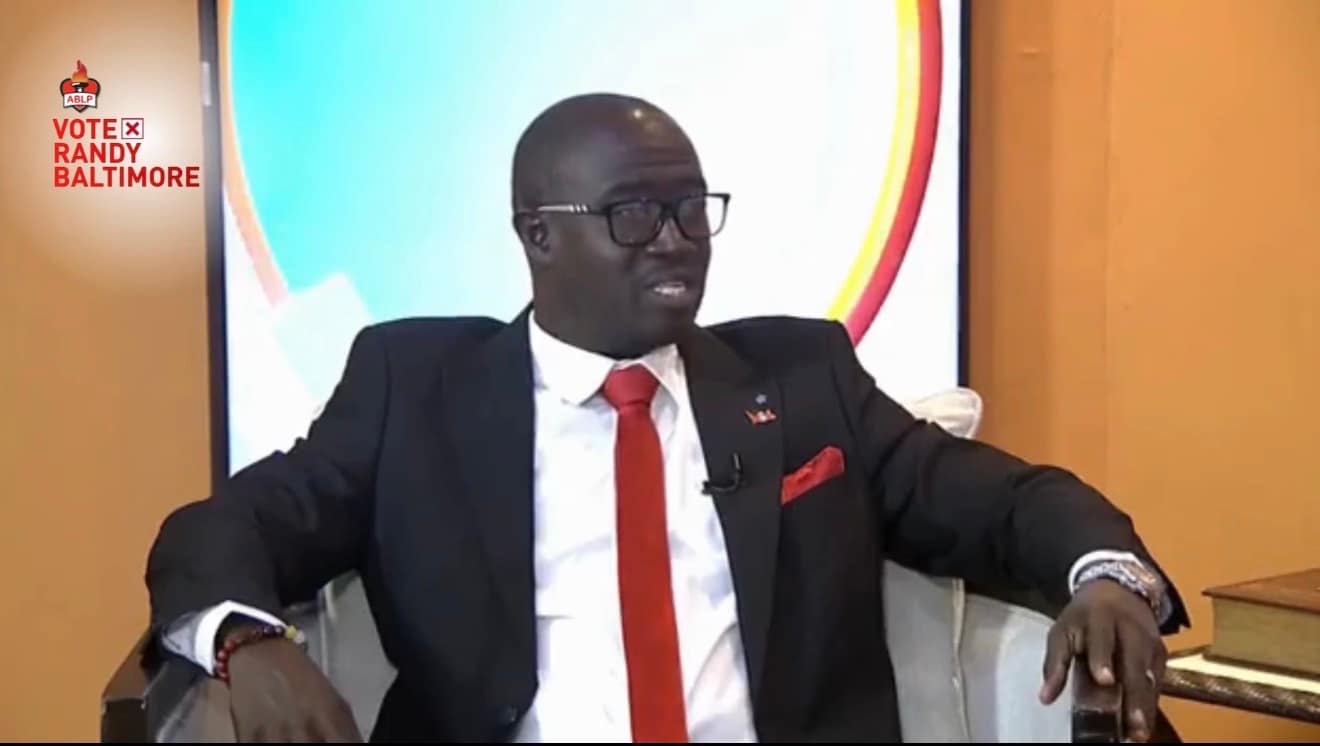
    With the pivotal March 16 by-election in St. Philip’s North constituency approaching, candidate Randy Baltimore’s campaign has unveiled an intensive schedule of voter engagement activities during the critical final week. The comprehensive outreach strategy encompasses town hall meetings, community spot gatherings, and a widespread motorcade campaign blitz across multiple villages within the constituency.

    The campaign initiative commences on Tuesday, March 10, with a town hall meeting scheduled at the Polyclinic from 6:00 p.m. to 9:00 p.m. This event will provide constituents with direct access to the candidate and create a platform for discussing community-specific concerns and policy priorities.

    Additional engagement activities continue on Thursday, March 12, featuring a corner blitz and spot meeting in Seatons Village from 5:00 p.m. to 11:00 p.m. Similar grassroots outreach events are planned for Friday, March 13, targeting both Glanvilles and Seatons areas between 6:30 p.m. and 11:00 p.m.

    The campaign intensifies on Saturday, March 14, with another corner blitz and spot meeting focusing on the Glanvilles and Seatons communities. The week-long campaign effort will reach its climax on Sunday, March 15, with an extensive motorcade and campaign blitz initiating at Parham Corner. The planned route will traverse Pares Main Road, continue along Collins Main Road to Newfield Village, and proceed through Seatons, Glanvilles, and Willikies before concluding at the St. Philip’s North branch office.

    These coordinated activities represent Baltimore’s final strategic push to connect with voters before they cast their ballots to elect a new parliamentary representative for the constituency, marking a significant moment in the region’s political landscape.

  • ‘Any time I want it to end, it will end’, Trump says on Iran war

    ‘Any time I want it to end, it will end’, Trump says on Iran war

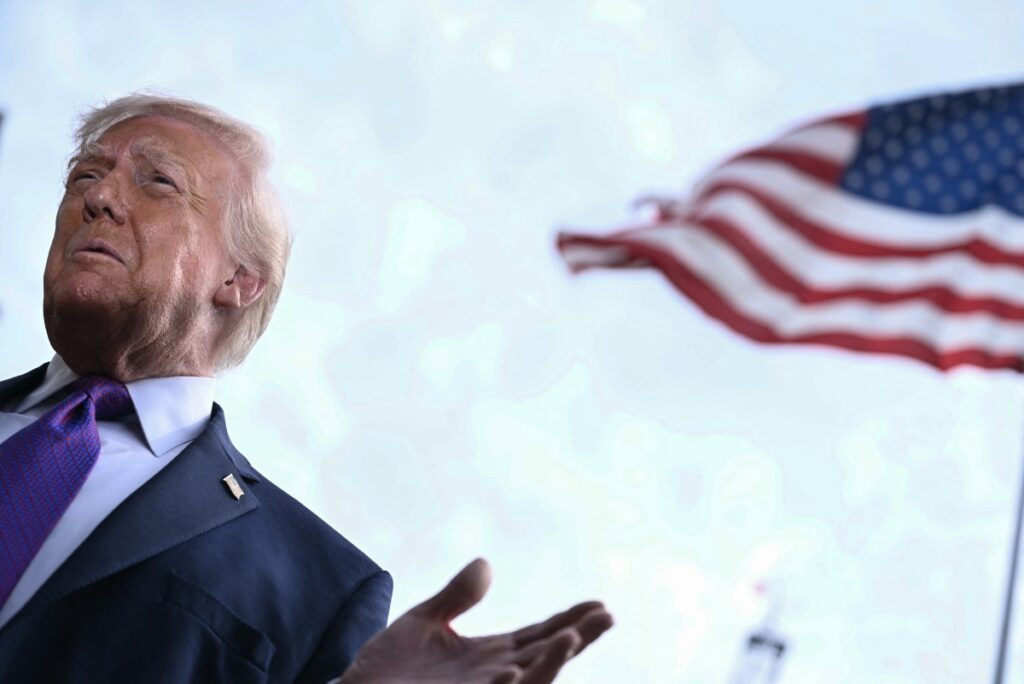
    WASHINGTON — In a recent interview with Axios, U.S. President Donald Trump suggested that the military engagement with Iran could conclude imminently, stating that there is “practically nothing left to target” and emphasizing that the conflict would end “soon.” Trump asserted unilateral control over the timeline, remarking, “Any time I want it to end, it will end.”

    The war, which commenced on February 28, has been characterized by ambiguous strategic objectives and fluctuating rhetoric from the White House. Mounting political pressure and accusations of inadequate preparedness have placed the administration under scrutiny, particularly as Iran’s disruptive actions in the Strait of Hormuz trigger global oil price surges.

    On Wednesday, Iranian forces attacked two commercial vessels in the Gulf, igniting at least one ship. In response, Trump assured rapid restoration of safety in the region while en route to an economy-focused event. He claimed that U.S. forces had incapacitated most of Iran’s mine-laying capabilities in a single night, though he noted no evidence of actual mine deployment.

    Trump further declared that Iran’s military infrastructure—including its navy, air force, and air defenses—had been largely neutralized, and its leadership significantly degraded. However, he cautioned, “we’re not finished yet.”

    The administration’s stated war aims include preventing nuclear weapon development and dismantling Iran’s ballistic missile program. While regime change has not been explicitly declared, the killing of former Supreme Leader Ali Khamenei has fueled speculation. Trump declined to comment on whether victory would be proclaimed while Mojtaba Khamenei, his successor, remains in power.

    Earlier on Wednesday, U.S. Central Command warned that Iranian civilian ports in the Strait of Hormuz could be treated as legitimate military targets, alleging their use for hostile operations. This comes amid reports of a U.S. missile striking an Iranian elementary school due to a targeting error—an incident Trump claimed no knowledge of when questioned.

    As November midterm elections approach, analysts suggest Trump may seek a swift resolution to mitigate political fallout. Nonetheless, Israeli Defense Minister Israel Katz affirmed that operations would continue indefinitely until all objectives are met. Iran’s Revolutionary Guards reiterated their readiness to retaliate, underscoring the persistent volatility in the region.

  • UN Security Council demands Iran halt attacks on Gulf states

    UN Security Council demands Iran halt attacks on Gulf states

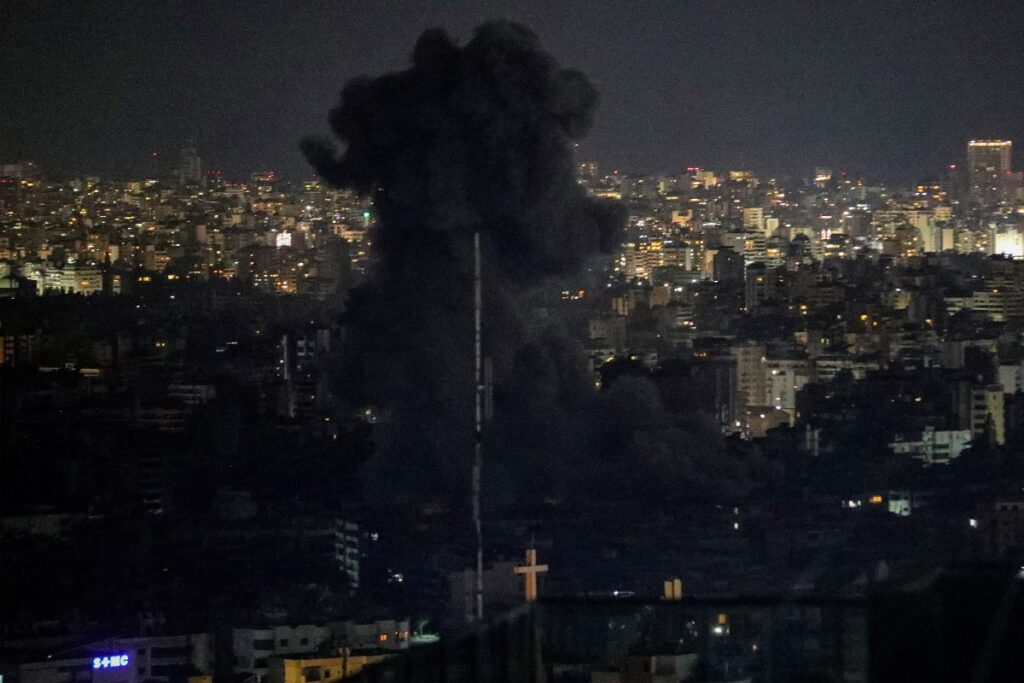
    The United Nations Security Council has issued a formal resolution demanding Iran cease all military operations against Gulf Cooperation Council states, citing violations of international law and threats to global stability. During Wednesday’s session at UN headquarters in New York, the measure received overwhelming support with 13 member nations voting in favor and two abstaining.

    The resolution explicitly calls for the immediate termination of Iranian attacks targeting Bahrain, Kuwait, Oman, Qatar, Saudi Arabia, the United Arab Emirates, and Jordan. Additionally, the Council condemned Tehran’s actions and threats toward international maritime navigation, particularly through the strategic Strait of Hormuz—a vital corridor for global energy transportation.

    According to diplomatic sources, Iran’s aggressive maneuvers represent retaliatory measures for recent joint American-Israeli operations that resulted in the death of Ayatollah Ali Khamenei, Iran’s supreme leader. In response to these developments, Iranian forces have targeted commercial vessels transiting the Hormuz Strait, attempting to disrupt international energy markets and inflict economic pressure on Western nations.

    The resolution emphasizes that such activities constitute a severe threat to international peace and security, urging all parties to exercise restraint and pursue diplomatic solutions. Security Council members expressed particular concern about potential escalation patterns that could destabilize regional security architectures and impact global economic stability through disrupted energy supplies.

  • Former PM calls for probe into politicians’ sharp rise in wealth

    Former PM calls for probe into politicians’ sharp rise in wealth

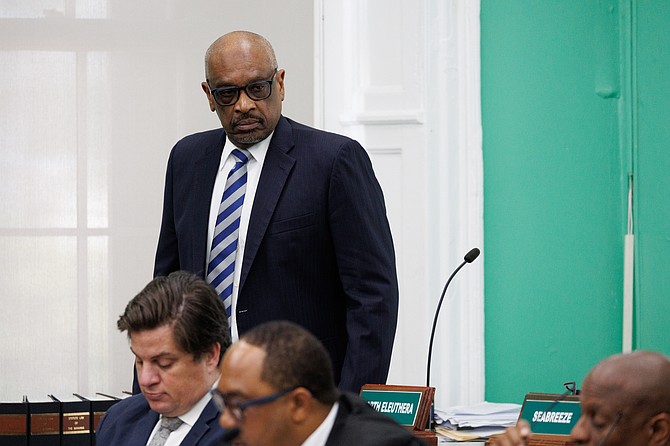
    In a striking address to the House of Assembly, former Prime Minister Dr. Hubert Minnis has issued a forceful challenge regarding the substantial and unexplained accumulation of wealth among elected officials during their terms. Speaking shortly after the annual financial disclosure deadline, Dr. Minnis highlighted a concerning pattern where individuals enter political life with modest assets, only to amass millions within a few years, describing such cases as deeply strange.

    Using his own financial declaration as a benchmark for transparency, Dr. Minnis revealed his reported assets increased to over $14 million. He argued that in a nation governed by the rule of law, such a significant jump should automatically trigger an official inquiry into the sources of that wealth—a standard he insists must be applied universally, regardless of political stature. His self-referential example was presented to preempt accusations of partisan targeting and to underscore a systemic failure in enforcement.

    The core of his critique centers on the nation’s notoriously lax financial disclosure system. While public officials are legally mandated to submit annual declarations of assets and liabilities, there exists no robust mechanism to verify the accuracy of these claims, creating an environment ripe for potential abuse.

    In related developments, several government ministers, including National Security Minister Wayne Munroe and Environment Minister Zane Lightbourne, confirmed they had requested deadline extensions for their filings. Conversely, a number of high-profile figures, such as Deputy Prime Minister Chester Cooper and multiple cabinet ministers, asserted they met the original deadline. A Free National Movement official claimed full compliance from all party members, though numerous elected officials remained unresponsive to inquiries about their disclosure status nearly four days after being contacted.

  • White House area shut down after van breaches security barricade

    White House area shut down after van breaches security barricade

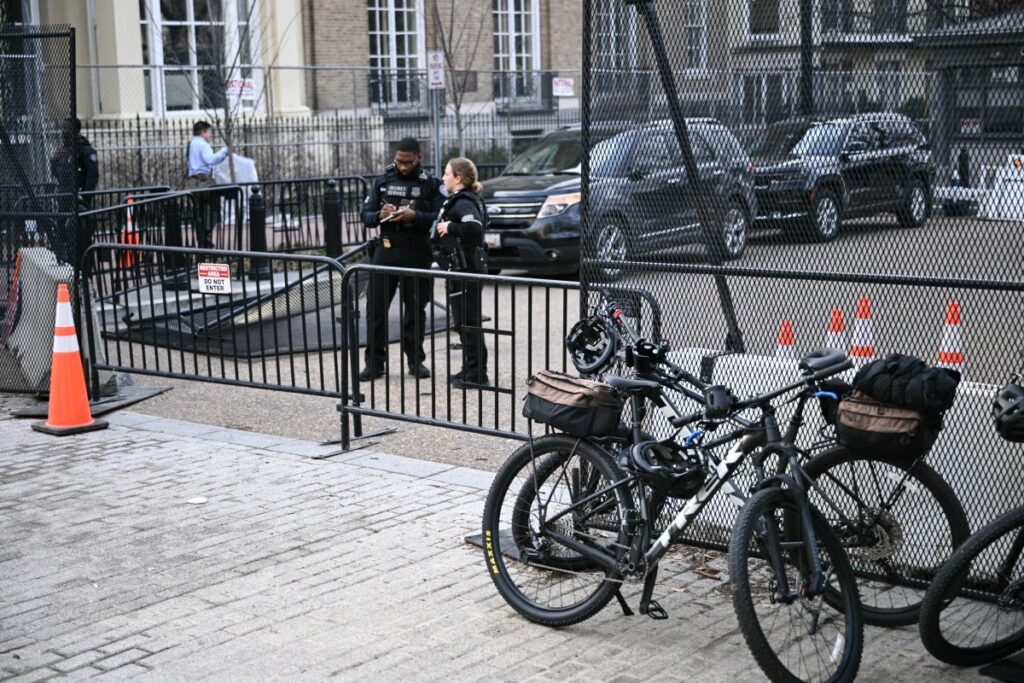
    WASHINGTON — A heightened security alert gripped the nation’s capital early Wednesday morning after a vehicle breached a protective barricade near the White House complex. The incident, occurring in the pre-dawn hours at Lafayette Square, prompted an immediate and large-scale response from federal and local law enforcement agencies.

    According to the United States Secret Service, the agency responsible for presidential security, personnel responded to a report of a suspicious vehicle. The driver was swiftly apprehended at the scene and taken into custody for interrogation. Official statements confirmed that no injuries were reported from the encounter.

    The security breach triggered extensive road closures throughout the downtown corridor during the morning rush hour, severely disrupting traffic and preventing government employees from accessing their offices. The area was flooded with dozens of emergency vehicles, their lights illuminating the cordoned-off streets as tourists and confused residents sought information on their mobile devices.

    This event unfolds against a backdrop of elevated security protocols in Washington D.C., measures that have been intensified due to ongoing international tensions involving the United States, Israel, and Iran. The swift containment of the situation demonstrated the reinforced security apparatus designed to protect the capital’s core institutions.

  • Trinidad says US providing names linked to illegal drug trade

    Trinidad says US providing names linked to illegal drug trade

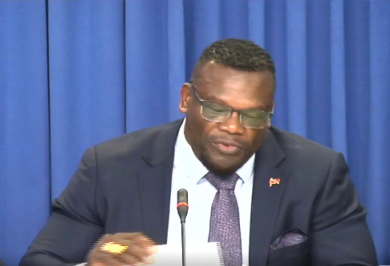
    TRINIDAD AND TOBAGO – In a significant development for regional security cooperation, Trinidad’s Homeland Security Minister Roger Alexander has confirmed that the United States has furnished the Caribbean nation with a comprehensive list of individuals linked to narcotics trafficking, illegal firearms, and organized violence. The intelligence sharing occurs under the framework of the Americas Counter Cartel Coalition, a multilateral initiative spearheaded by former US President Donald Trump.

    Minister Alexander, while maintaining discretion regarding specific operational details for national security reasons, emphasized the profound strategic importance of this collaboration in an interview with the Express newspaper. He articulated that public commentary often overlooks the critical significance of Trinidad and Tobago’s status as a signatory to this coalition, which facilitates coordinated intelligence exchange, joint law enforcement actions, and combined military operations among member states.

    This coalition currently comprises 19 nations, with Trinidad and Tobago and Guyana standing as the sole Caribbean representatives amidst 17 Latin American members. Alexander expressed profound personal conviction regarding this partnership, stating the initiative’s unique character and its alignment with the current government’s strategic direction under Prime Minister Kamla Persad-Bissessar.

    The Minister highlighted the United States’ extensive global intelligence capabilities, noting that American authorities meticulously assess potential international partners based on reliability and trustworthiness in joint security endeavors. This foundation has led to a clear expression of US confidence in collaborating with the Trinidad and Tobago government.

    This enhanced cooperation unfolds against a backdrop of intensified US counter-narcotics operations in the region, including kinetic military strikes against suspected drug trafficking vessels since September 2025. These operations have reportedly resulted in over 100 casualties, including citizens from Trinidad and Tobago and St. Lucia.

    Minister Alexander defended the principled use of force within legal boundaries as essential for confronting severe criminality. He voiced strong support for aggressive measures against traffickers whose activities perpetuate violence and societal decay, particularly impacting youth development. With Trinidad and Tobago currently operating under a state of emergency, Alexander positioned the US alliance as a pivotal mechanism for confronting national security threats, predicting this partnership will forge a new chapter in the nation’s history.

  • Davis: Fake voter cards pose no systemic threat

    Davis: Fake voter cards pose no systemic threat

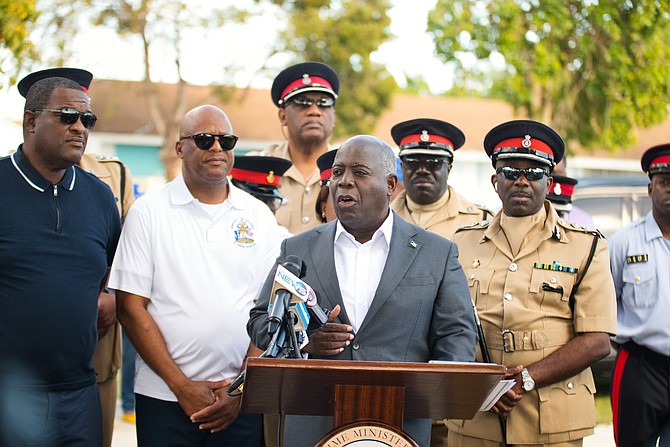
    Prime Minister Philip ‘Brave’ Davis has asserted that recent fraud cases involving Bahamian passports and voter identification documents do not represent a systemic threat to the nation’s credential integrity, despite multiple criminal proceedings involving forged official documents. This declaration comes during the ongoing rollout of new biometric voter cards designed to enhance election security.

    Recent court cases have highlighted several instances of document fraud, including an 18-year-old Haitian national remanded to prison for allegedly obtaining Bahamian passports and voter cards fraudulently. In separate cases, a woman of Haitian descent received bail for possessing a counterfeit passport, while another Haitian man was sentenced to two years imprisonment for fraudulently acquiring multiple Bahamian documents.

    While acknowledging the troubling nature of these incidents, Prime Minister Davis emphasized that the relatively limited number of cases doesn’t jeopardize the international credibility of Bahamian documents. ‘I don’t consider it an existential threat per se,’ Davis stated, ‘though any fraudulent government document potentially undermines system integrity. We’re addressing how our official instruments are being misused, and police are actively developing countermeasures.’

    The opposition Free National Movement, through Deputy Leader Shanendon Cartwright, has raised concerns about election technology and identification systems as the nation approaches voting periods. Cartwright emphasized that electoral integrity remains paramount for national development and democratic identity, calling for government attention to public concerns regarding voting safeguards.

    The Parliamentary Registration Department maintains that robust security measures protect the electoral process, despite opposition concerns that repeated fraud instances could erode public trust. Notably, Cartwright revealed he hasn’t yet applied for the new biometric card, preferring traditional paper documentation while clarifying his personal choice doesn’t indicate opposition to the biometric system.

    Government officials have consistently argued that laminated voter cards are obsolete and vulnerable to forgery, citing international observers who have identified weaknesses in registration and identity verification processes. Recent reforms aim to modernize voter registration while preserving manual voting and counting procedures to maintain electoral transparency.