分类: politics

  • If you can’t govern them, silence them

    If you can’t govern them, silence them

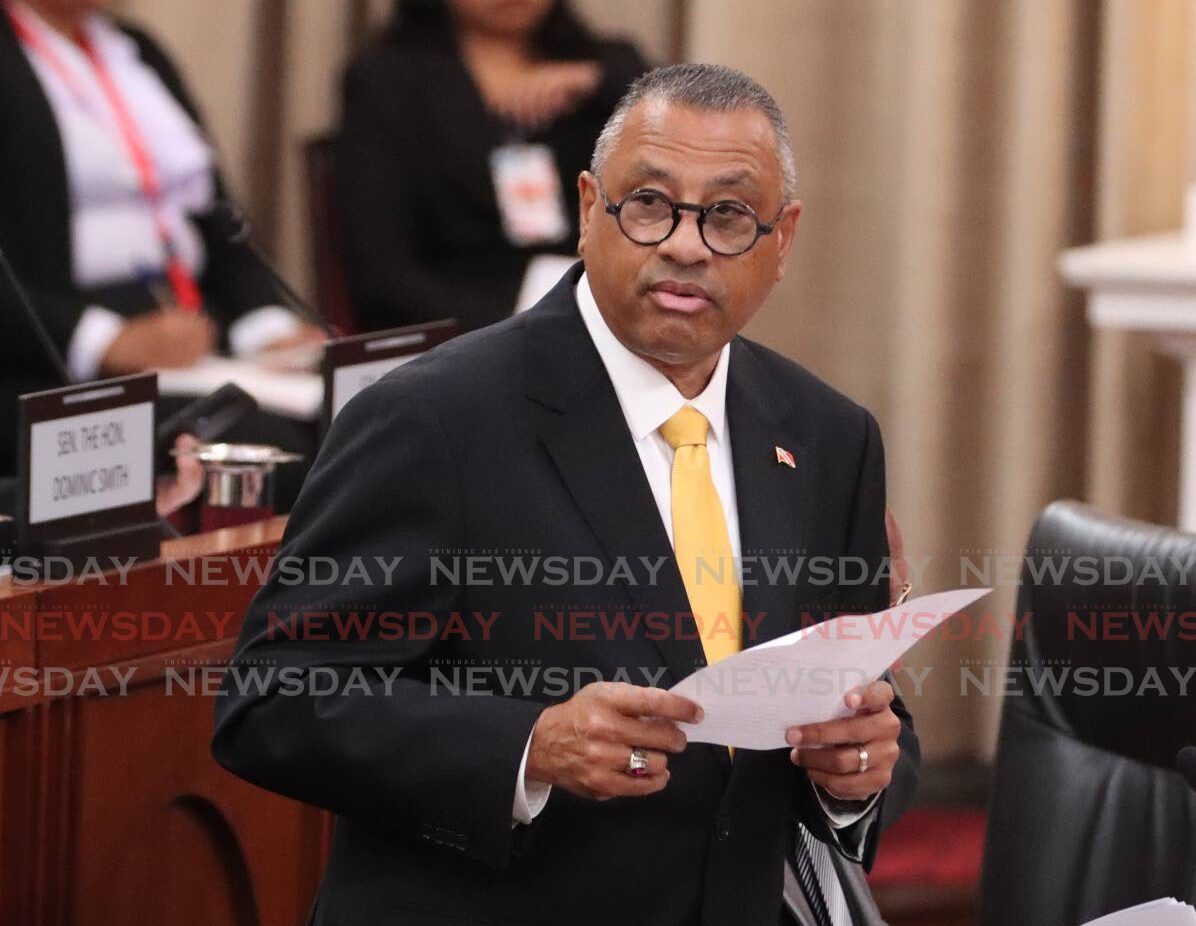
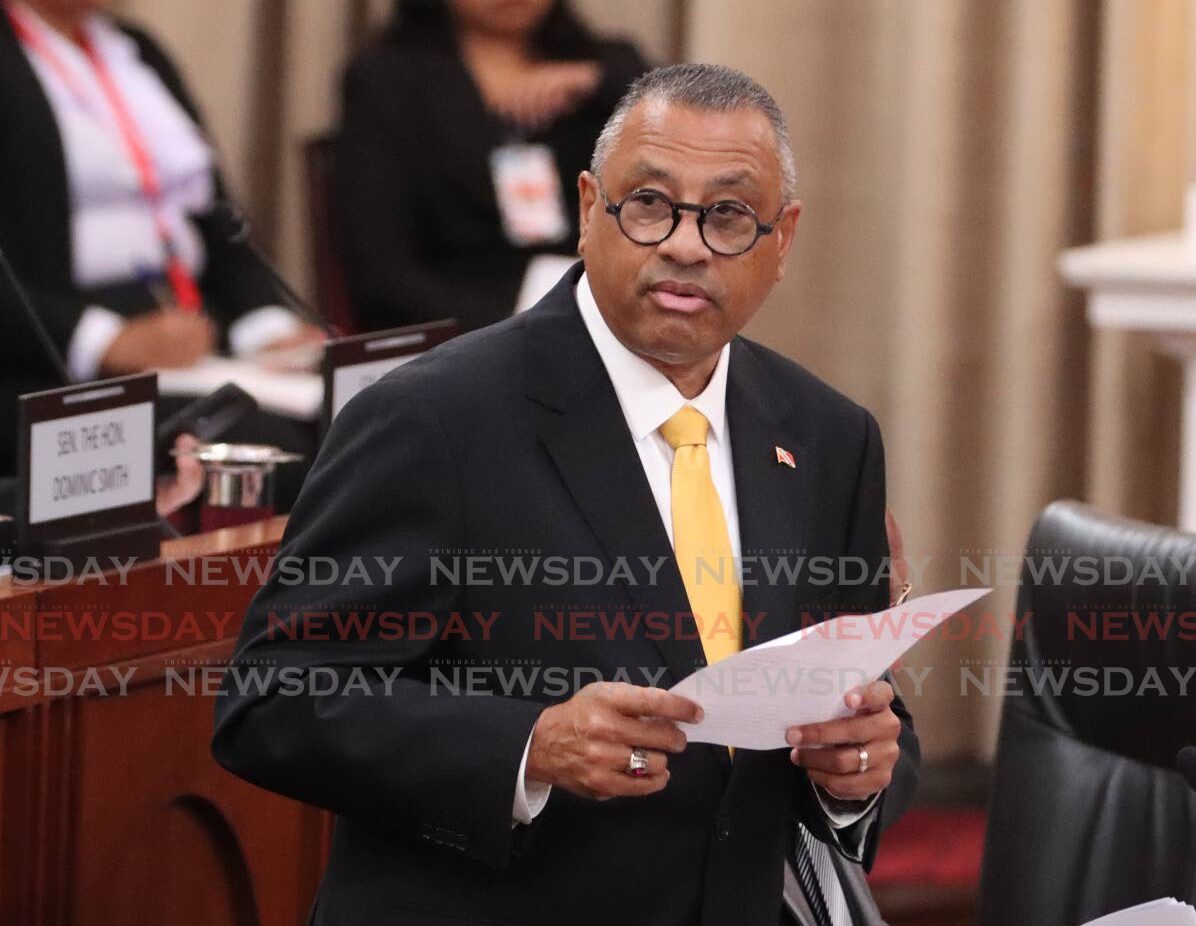
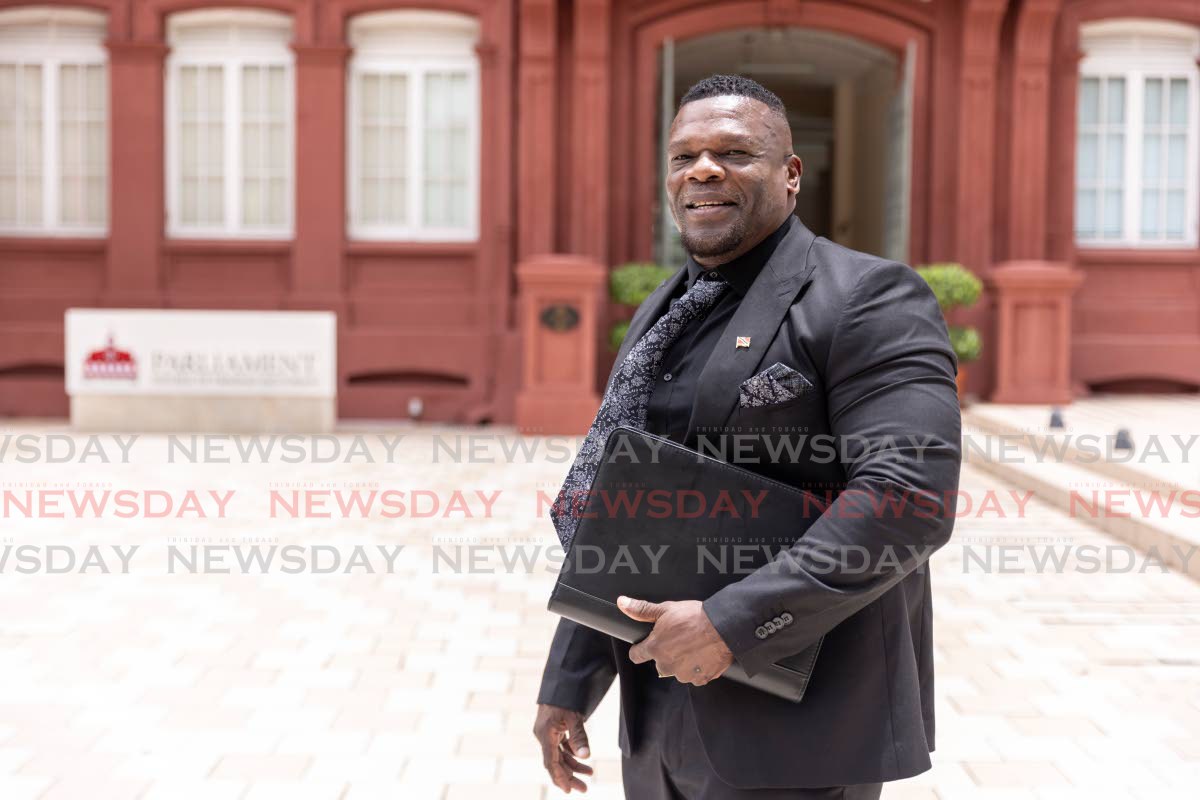
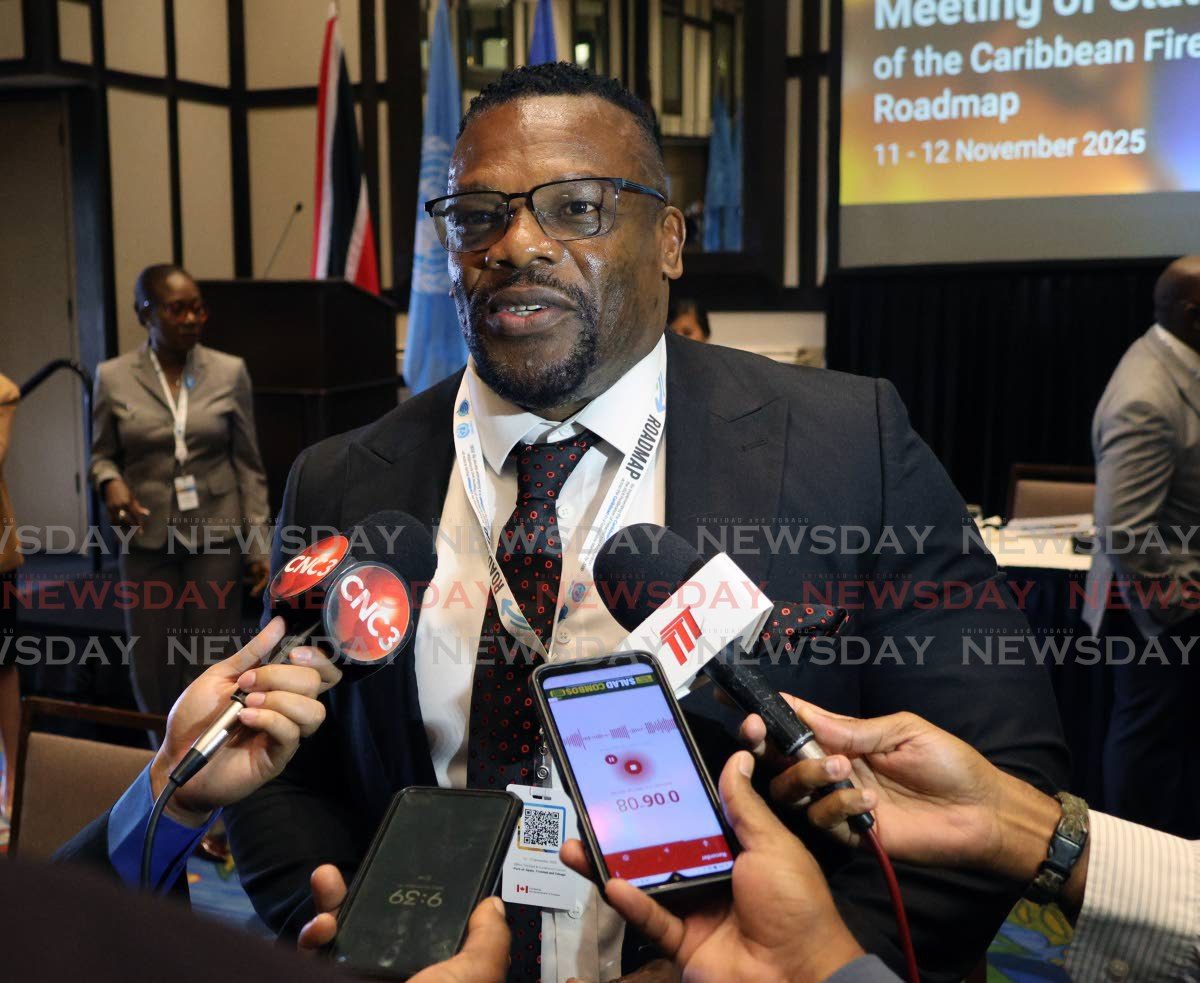
    A controversial attempt by Trinidad and Tobago’s Homeland Security Minister Roger Alexander to petition the US Embassy for revoking visas of American-based critics has ignited profound concerns about democratic erosion in the Caribbean nation. The move, revealed through official ministry correspondence, suggests an alarming trend toward authoritarian tactics reminiscent of Venezuela’s Nicolás Maduro regime.

    The minister’s justification centers on claims that YouTube commentators and dual nationals are destabilizing the country—a narrative that critics argue externalizes governmental failures rather than addressing legitimate governance shortcomings. This approach mirrors the playbook of authoritarian leaders who silence dissent rather than engage with substantive criticism.

    Political analysts note the extraordinary nature of a sitting minister seeking foreign intervention to police Trinidadian speech abroad, effectively acknowledging the weakness of domestic democratic institutions. The situation represents a dangerous precedent where sovereignty is weaponized against citizens rather than protecting their fundamental rights.

    All eyes now turn to Prime Minister Keith Rowley, whose response—or lack thereof—will signal whether this represents isolated ministerial overreach or official state policy. The silence from the administration’s highest office risks validating what many fear constitutes a systematic dismantling of democratic norms through increasingly authoritarian measures.

    The developing situation reflects broader regional patterns where democratic facades crumble under the weight of leadership that prioritizes narrative control over transparent governance and accountability.
  • Comrade Ralph falls

    Comrade Ralph falls

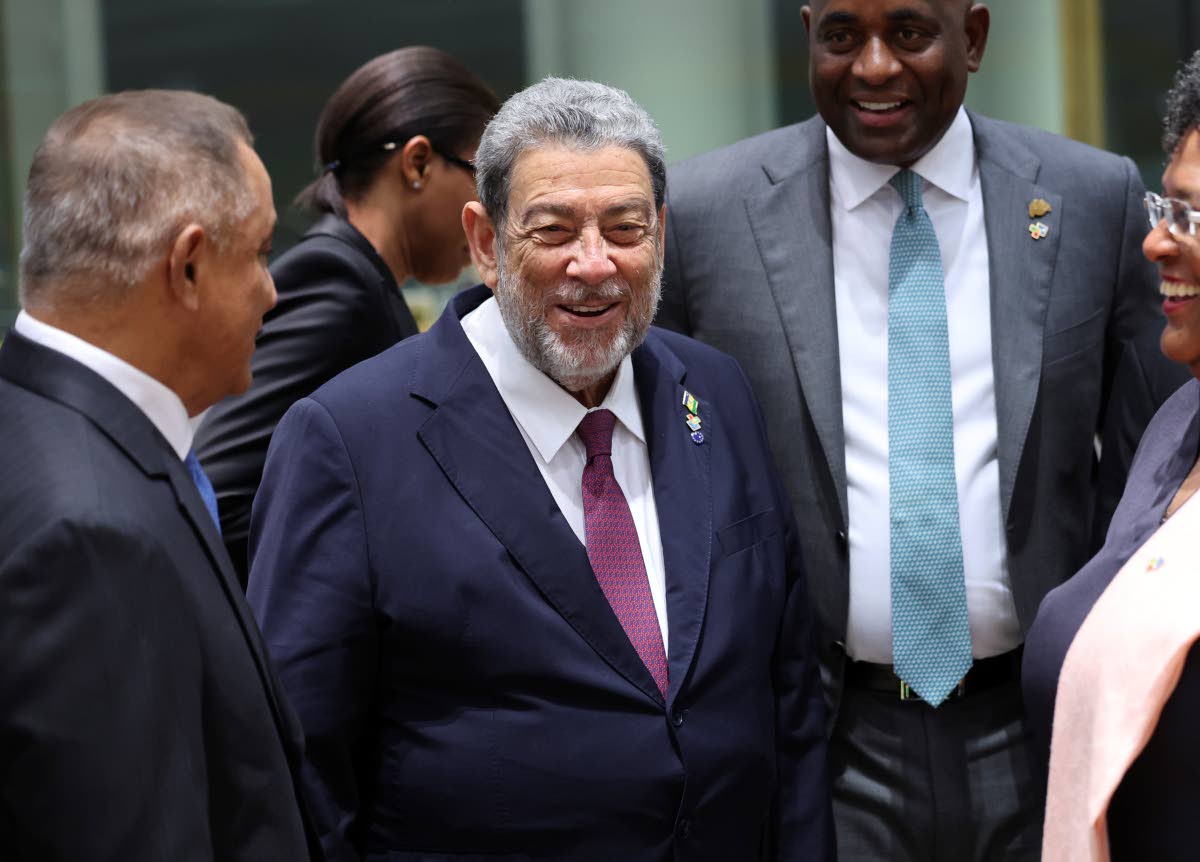
    The Caribbean political landscape has undergone a seismic shift with the decisive electoral outcome in St Vincent and the Grenadines. On November 27, voters delivered a stunning rebuke to incumbent Prime Minister Ralph Gonsalves and his United Labour Party (ULP), ending their 23-year governance with a resounding 14-1 parliamentary victory for opposition leader Godwin Friday’s New Democratic Party (NDP).

    This electoral result marks the most conclusive victory in the nation’s history since 1989, when the NDP previously secured all parliamentary seats under James Mitchell’s leadership. For Dr. Friday, aged 66, this triumph represents the culmination of a methodical political ascent. Conversely, for the 79-year-old Dr. Gonsalves, the defeat signals the conclusion of an extraordinary political era that began in 2001.

    While regional leaders including Trinidad and Tobago’s Prime Minister Kamla Persad-Bissessar celebrated the outcome as a “resounding democratic mandate,” constituency-level results reveal a nation characterized by deep political divisions. Despite his party’s overwhelming defeat, Dr. Gonsalves retained his own seat with 2,577 votes against 996 for his opponent. The ULP secured 27,148 total votes compared to the NDP’s 37,002, with overall voter participation declining to 62% from 67% in the previous election.

    The incoming administration campaigned on ambitious promises including economic revitalization, job creation with improved wages, addressing escalating crime rates, and enhancing national infrastructure. Potentially most significant internationally is the NDP’s historical commitment to sever diplomatic relations with Taiwan in favor of establishing ties with China—a geopolitical maneuver that would reduce Taiwan’s diplomatic partners to merely 12 nations worldwide.

    Dr. Gonsalves leaves behind substantial shoes to fill within CARICOM frameworks, where he served as a prominent advocate for climate justice, slavery reparations, and regional mediation efforts—most notably contributing to the Argyle Decree. His departure, combined with potential foreign policy recalibrations in Trinidad and Tobago, Guyana, and now St Vincent, may signal broader geopolitical realignments within the Caribbean bloc, all while the United States under the Trump administration maintains its assertive stance toward Cuba and Venezuela.

    The veteran leader’s legacy includes steering the nation through multiple crises including the global financial downturn, COVID-19 pandemic, La Soufrière volcanic eruption, and Hurricane Beryl. He also presided over the development of the country’s inaugural international airport. However, his implementation of vaccine mandates eroded support among certain constituencies, and many voters ultimately believed his time in leadership had naturally concluded. Dr. Gonsalves’ anticipated role as opposition leader now presents an intriguing dynamic for the nation’s political future.

  • Don’t scold citizens, Alexander

    Don’t scold citizens, Alexander

    In a striking display of political irony, Homeland Security Minister Roger Alexander has drawn sharp criticism for his recent admonishment of citizens and media outlets utilizing social platforms for information gathering regarding national affairs. The minister’s reprimand appears particularly contradictory given his own government’s extensive reliance on these very channels for official communications.

    The controversy stems from Alexander’s expressed frustration with the public’s growing dependence on digital platforms to stay informed about Trinidad and Tobago’s current socio-political climate. Critics argue this stance ignores the fundamental reality that citizens have turned to alternative information sources precisely due to the government’s inadequate official communication strategies.

    This situation grows more paradoxical when examining the political history of Alexander’s United National Congress (UNC) party. During their time in opposition, the UNC actively leveraged social media influencers to disseminate narratives targeting various institutions including the judiciary, previous administration, law enforcement, and private sector entities. Now holding governing power, the party confronts the amplified consequences of these very tactics they once employed.

    The UNC maintains the most substantial social media footprint among Trinidad and Tobago’s political organizations, with countless supporters daily amplifying party messages. Notably, significant governmental announcements—including the recent budget date revelation—frequently debut on UNC-affiliated digital platforms before appearing on official ministry channels. Even Prime Ministerial decisions, such as the prohibition of Carnival celebrations at state-owned venues, have been communicated primarily through social media.

    Commentator Nigel Seenathsingh of San Fernando emphasizes that responsible social media regulation requires public consultation rather than ministerial reproach. While acknowledging current challenges with digital discourse, including cyberbullying and hate speech, he invokes Albert Einstein’s wisdom that problems cannot be resolved using the same mindset that created them. The solution, he suggests, lies in collaborative efforts to establish fair usage guidelines rather than chastising citizens for embracing communication channels the government itself actively employs.

  • Swaratsingh: TT will hear soon where $$$ to pay PSA workers will come from

    Swaratsingh: TT will hear soon where $$$ to pay PSA workers will come from

    The Trinidad and Tobago government confronts a significant fiscal challenge as it seeks sources for $3.8 billion required to fulfill back pay obligations to public servants. This financial commitment follows the recent settlement between the Public Services Association (PSA) and the Chief Personnel Officer (CPO) regarding a ten percent salary increase promised during the April general election campaign.

    Dr. Kennedy Swaratsingh, Minister of Planning, Economic Affairs and Development, indicated that funding details would emerge “soon enough” when briefly addressing reporters outside the Red House on November 28. The agreement, reached on November 27, structures the increase across a five-year period with one percent annually from 2014 to 2018 and five percent in 2019.

    The settlement is projected to increase recurrent government expenditure by $420 million annually. CPO Dr. Daryl Dindial confirmed plans to formalize the agreement through a memorandum of understanding with PSA representatives on December 1, followed by expedited Cabinet ratification potentially as early as December 4.

    Opposition Chief Whip Marvin Gonzales expressed cautious optimism about the settlement while emphasizing the need for transparency regarding funding mechanisms. Meanwhile, former finance minister Colm Imbert raised concerns about potential ripple effects, warning that similar demands from other unions could escalate the state’s financial burden to approximately $20 billion in back pay and $2 billion in additional annual expenditure.

    Minister in the Ministry of Public Utilities Clyde Elder cautioned against renegotiation attempts from other unions, noting that organizations that previously accepted four percent settlements should not expect retroactive adjustments based on the PSA’s outcome. Elder highlighted the PSA’s particular struggles during previous administrations and deferred payment timing decisions to Finance Minister Davendranath Tancoo.

  • Ameen: Boundaries should not split communities

    Ameen: Boundaries should not split communities

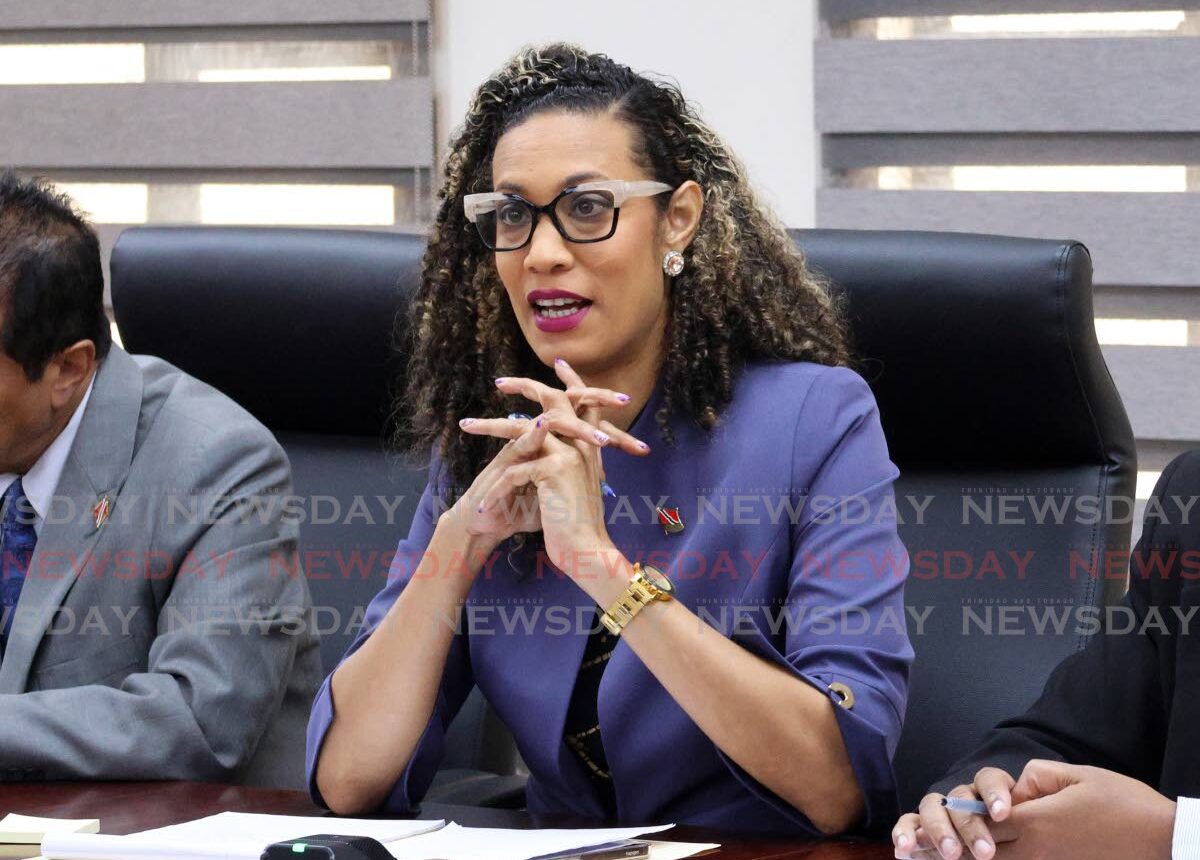
    In a significant address at Kent House in Maraval on November 28, Minister of Rural Development and Local Government Khadijah Ameen issued clear directives to eleven newly appointed boundary committee members. Emphasizing the critical importance of preserving community integrity, Minister Ameen stressed that municipal boundaries must adhere to natural divisions rather than artificially splitting villages and communities.

    The Minister highlighted substantial disparities in current electoral representation across different regions. Data reveals concerning imbalances where individual councillors represent populations ranging dramatically from 3,800 to over 15,700 citizens depending on their corporation. This variation, according to Ameen, creates fundamental inequities in governance and resource allocation that must be addressed through boundary reform.

    Demographic distribution emerged as another crucial factor in the boundary determination process. Minister Ameen noted that while some municipal areas contain merely 2-4% of the national population, others such as Tunapuna/Piarco account for significantly higher percentages at 17% and 14% respectively. Geographic size variations further complicate the landscape, with municipalities spanning from compact 12 square kilometer areas to expansive 927 square kilometer regions like Sangre Grande.

    The Minister articulated the direct connection between equitable boundary division and fair funding distribution, stating that proportional resource allocation remains impossible without geographic and demographic balance. While expressing confidence in the committee’s ability to fulfill its mandate, Ameen clarified the procedural framework: the committee’s recommendations will proceed to Cabinet, though ultimate authority rests with Parliament regarding municipal boundaries, while the Elections and Boundaries Commission maintains jurisdiction over electoral districts.

    Ameen encouraged committee members to utilize available demographic data and community consultations to inform their decisions, particularly emphasizing the need to create sub-regions based on development priorities where necessary. This approach aligns with the Prime Minister’s longstanding concerns regarding funding disparities resulting from inequitable boundary divisions.

  • Swaratsingh: ‘TT will hear soon where $$$ to pay PSA workers will come from’

    Swaratsingh: ‘TT will hear soon where $$$ to pay PSA workers will come from’

    The Trinidadian government confronts a substantial financial challenge as it seeks to secure $3.8 billion to fulfill back payment obligations to public servants following a recently concluded wage agreement. Minister of Planning, Economic Affairs and Development Dr. Kennedy Swaratsingh has indicated that funding details will emerge “soon enough,” offering limited commentary while entering the Red House on November 28.

    The breakthrough occurred on November 27 when the Public Services Association (PSA) and the Chief Personnel Officer finalized an agreement granting union members a ten percent salary increase—a commitment originally made by the United National Congress during April’s general election campaign. The compensation package allocates one percent for each year between 2014 and 2018, plus five percent for 2019, collectively adding approximately $420 million to recurrent annual expenditures.

    Chief Personnel Officer Dr. Daryl Dindial confirmed plans to formalize the agreement through a memorandum of understanding with PSA representatives on December 1, preceding Cabinet submission for ratification. The Cabinet Secretary has reportedly expedited the process, allowing for consideration via an ad hoc note during the December 4 session.

    Opposition figures expressed cautious optimism alongside fiscal concerns. Chief Whip Marvin Gonzales acknowledged satisfaction with the resolution while emphasizing the need for transparency regarding funding mechanisms. Former Finance Minister Colm Imbert raised alarms about potential domino effects, projecting that similar settlements across public sector unions could escalate liabilities to approximately $20 billion in back pay and $2 billion in additional annual wage expenditures.

    Minister in the Ministry of Public Utilities Clyde Elder cautioned against renegotiations, stating that unions which previously accepted four percent agreements should not expect retrospective adjustments based on the PSA outcome. Elder highlighted the PSA’s particular struggles during previous administrations and noted that payment scheduling would fall under Finance Minister Davendranath Tancoo’s purview.

  • Trump ramps up Venezuela threats, warns airspace ‘closed’

    Trump ramps up Venezuela threats, warns airspace ‘closed’

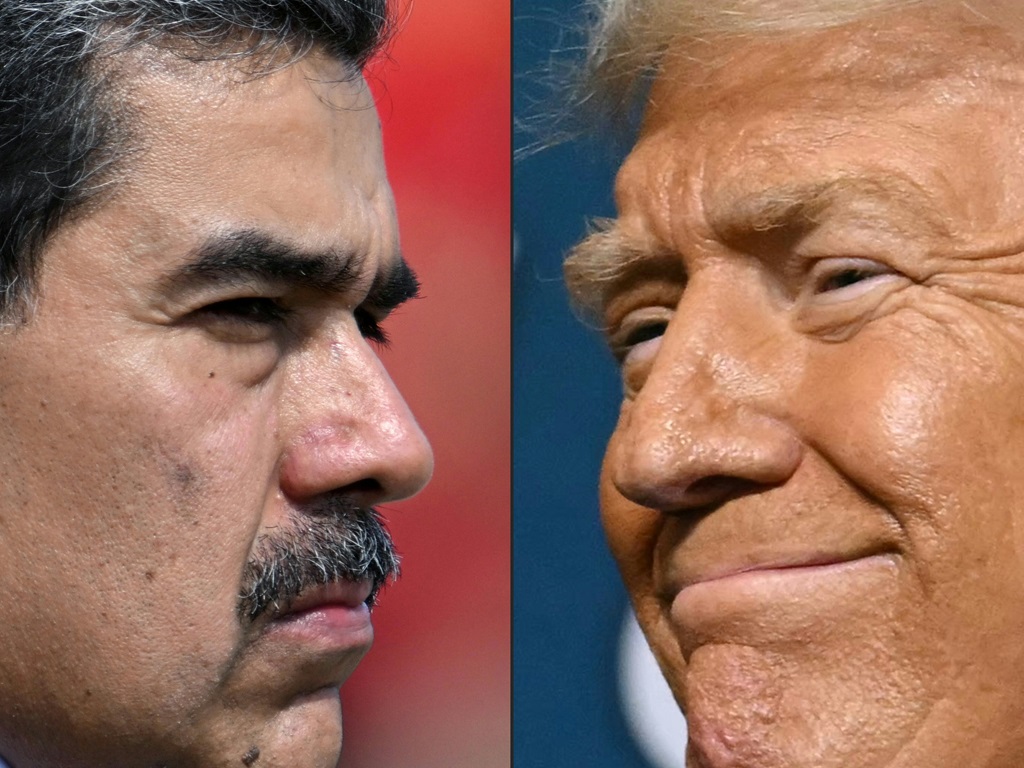
    PALM BEACH, United States — President Donald Trump dramatically intensified geopolitical tensions with Venezuela on Saturday by issuing an unprecedented warning declaring the nation’s airspace “closed in its entirety.” The provocative statement, posted on Trump’s Truth Social platform, specifically addressed “all Airlines, Pilots, Drug Dealers, and Human Traffickers” without providing further elaboration.

    This escalation comes amid a substantial US military buildup in the Caribbean region that Caracas characterizes as a colonialist pressure campaign targeting President Nicolás Maduro’s administration. The Venezuelan foreign ministry condemned Trump’s declaration as “a new extravagant, illegal, and unjustified aggression against the people of Venezuela,” framing it as part of broader coercive measures.

    The aviation sector has already felt the impact of rising tensions. Multiple major carriers suspended Venezuelan operations following cautionary advisories from US aviation regulators regarding heightened military activity. FlightRadar24 data revealed only minimal air traffic over Venezuela by mid-afternoon Saturday.

    Washington maintains that its enhanced military presence, which includes the world’s largest aircraft carrier, primarily targets drug trafficking operations. However, Venezuelan officials insist the true objective is regime change. Since early September, US forces have conducted strikes against more than 20 vessels allegedly involved in drug smuggling, resulting in at least 83 fatalities, though concrete evidence linking these vessels to trafficking remains undisclosed.

    The geopolitical standoff has drawn in regional actors, with the Dominican Republic permitting US use of airport facilities and Trinidad and Tobago hosting US Marine Corps exercises. The situation has further complicated repatriation efforts for Venezuelan migrants from the United States.

    Adding to the complexity, The New York Times reported that Trump and Maduro held a phone conversation last week discussing a potential meeting in the United States, suggesting diplomatic channels remain active despite public confrontations. Maduro’s government has responded to US pressure with military exercises and mass rallies, projecting defiance and domestic support amid international isolation following his widely disputed re-election.

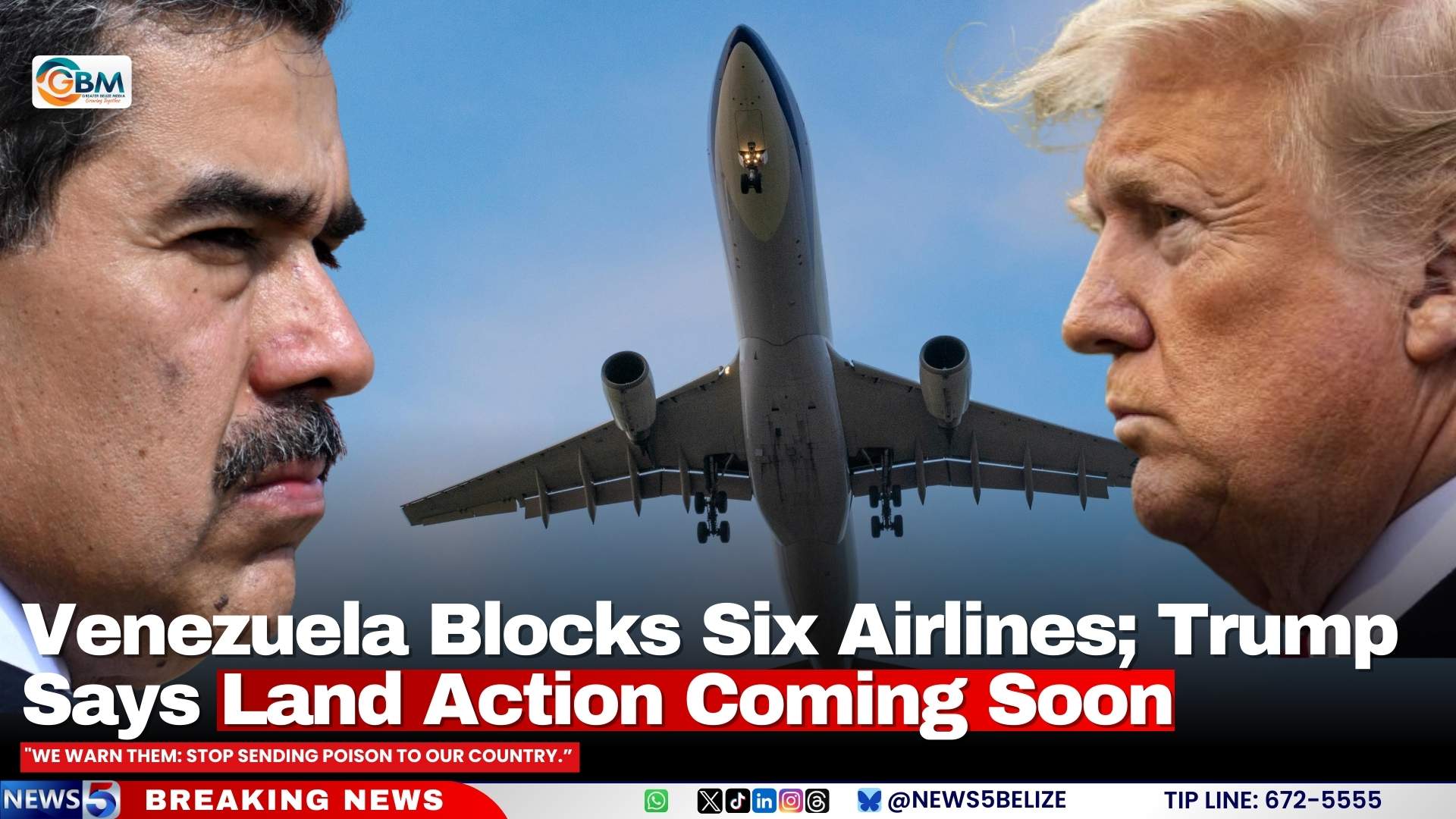
  • Venezuela Blocks Six Airlines; Trump Says Land Action Coming Soon

    Venezuela Blocks Six Airlines; Trump Says Land Action Coming Soon

    Venezuela has imposed a comprehensive ban on six major international carriers after they declined to resume operations within a government-mandated 48-hour window. The aviation blockade comes in direct response to the airlines’ decision to halt services following a U.S. Federal Aviation Administration (FAA) security advisory highlighting ‘heightened military activity’ and potential hazards within Venezuelan airspace.

    Caracas officials have condemned the flight suspensions as acts of ‘state terrorism,’ asserting that the FAA possesses no jurisdictional authority over Venezuelan territory. The escalating aviation conflict coincides with heightened geopolitical tensions between the two nations.

    In a parallel development, U.S. President Donald Trump indicated forthcoming expansion of anti-narcotics operations targeting alleged drug trafficking networks originating from Venezuela. During a Thanksgiving conference call with military personnel, Trump revealed plans for imminent land-based interventions, stating: ‘We’ll be starting to stop them by land also. The land is easier, but that’s going to start very soon.’

    The President issued a direct warning to alleged traffickers: ‘We warn them: Stop sending poison to our country.’ These remarks signal a potential escalation in the administration’s pressure campaign against the Maduro government.

    Venezuelan President Nicolás Maduro has consistently denied any governmental involvement in narcotics trafficking and characterizes U.S. allegations as politically motivated attempts to destabilize his administration. The converging aviation and narcotics disputes reflect deteriorating bilateral relations and suggest increasing regional tensions.

  • Smooth start to polling as essential workers vote in Castries

    Smooth start to polling as essential workers vote in Castries

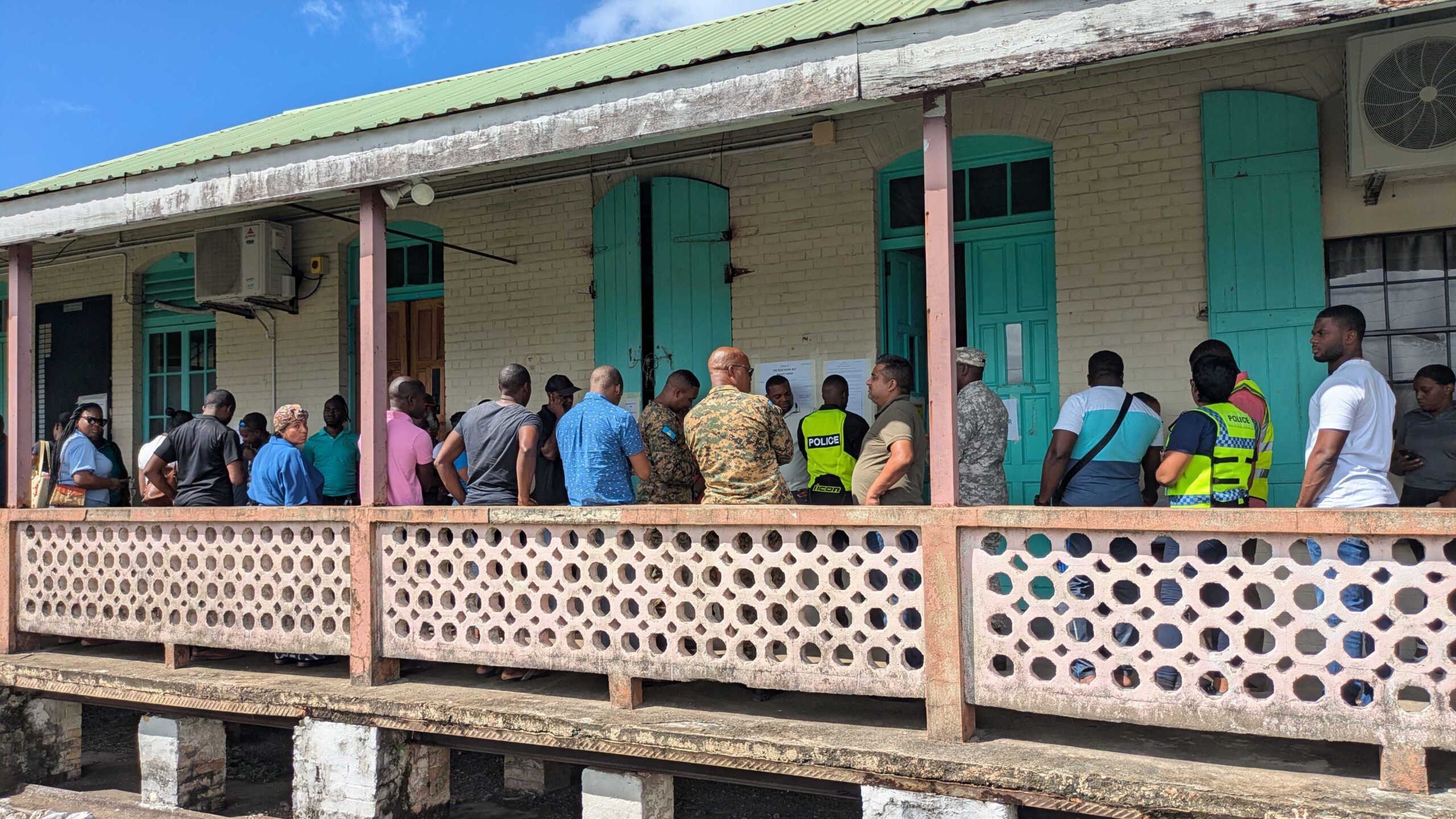
    Critical infrastructure personnel across six electoral districts in Saint Lucia participated in special advance voting proceedings on Friday morning. The designated polling venue at the Police Training School in La Toc, Castries, accommodated essential workers from Castries East, Castries Central, Castries South, Anse La Raye, Dennery North, and Castries South East constituencies.

    Uniformed services formed a significant portion of the early electorate, with substantial representation from the Royal Saint Lucia Police Force and the Saint Lucia Fire Service. Personnel from other government agencies also joined the advanced polling exercise aimed at ensuring continuity of essential services during general elections.

    Assistant Commissioner of Police Dr. Mashama Sealy supervised the proceedings across two operational polling stations at the facility. The electoral process commenced precisely at 6:30 AM according to established schedules. In a mid-morning assessment, Dr. Sealy reported exceptionally smooth operations with efficiently moving queues.

    “The polling stations opened punctually and have maintained seamless operations since commencement,” Dr. Sealy confirmed during an interim review. “Voter throughput has been particularly rapid at one station due to a smaller registered voter allocation per poll.”

    The advanced voting proceedings concluded without significant disruptions, marked by an orderly atmosphere and minimal grievances from both electoral participants and administrative officials. The successful execution demonstrates Saint Lucia’s electoral system capacity to accommodate specialized voting arrangements while maintaining procedural integrity.

  • Skerrit points to lesson in people-centered politics after St. Vincent election upset

    Skerrit points to lesson in people-centered politics after St. Vincent election upset

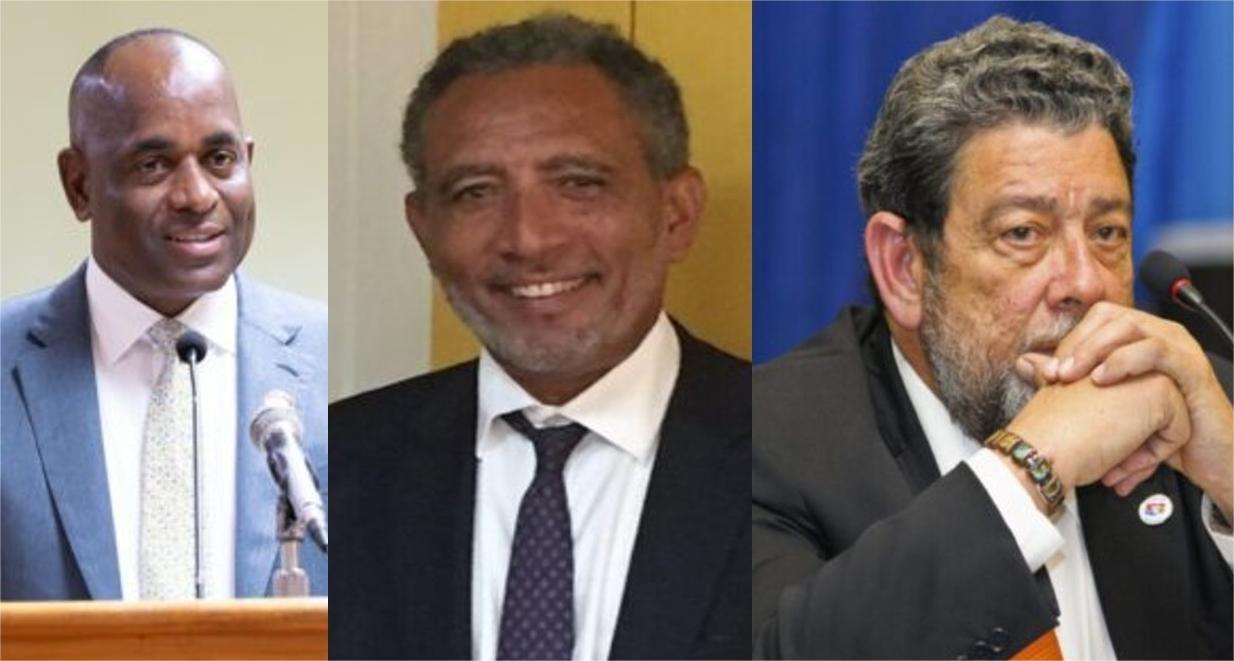
    In the wake of a seismic political transformation in St. Vincent and the Grenadines, regional leaders are contemplating the fundamental nature of democratic accountability. Prime Minister Roosevelt Skerrit of Dominica delivered a profound commentary on state-owned DBS Radio, emphasizing that “politics is about people” while extending congratulations to Dr. Godwin Friday and his New Democratic Party (NDP) for their landslide electoral triumph.

    The political landscape experienced a dramatic reversal as Dr. Friday’s NDP secured 14 of the 15 parliamentary seats, conclusively ending the two-decade governance of Dr. Ralph Gonsalves and his Unity Labour Party (ULP). This decisive outcome represents not merely a change in administration but a significant recalibration of the nation’s political direction.

    Prime Minister Skerrit articulated the delicate relationship between leadership and constituency, noting, “The power rests with people. People lend us the power… If you try to believe that it’s not being used properly, to their benefit, then they withdraw it.” His remarks served as both commentary on the election results and a cautionary note to sitting politicians throughout the Caribbean region regarding the perils of becoming disconnected from their electorate.

    The Dominican leader further warned against the tendency of officials to become inaccessible once assuming office, stating, “You always have to make time for the people. The people put you there, therefore you have to live in custody. If that is not done, then the people will relieve you of the burden.”

    Simultaneously, Skerrit extended diplomatic courtesy to the outgoing administration, acknowledging Dr. Gonsalves’ “impressive impact on the region and the world” during his lengthy tenure. The prime minister expressed anticipation for continued positive bilateral relations between Dominica and St. Vincent under the new government.

    Prime Minister-designate Friday struck a conciliatory tone in his initial address, declaring an immediate public holiday and calling for national unity. “The election is behind us now and I want to see that this country comes together,” he told reporters, emphasizing his commitment to implementing the NDP’s 60-day action plan without delay.

    This political transition marks a historic moment for the Eastern Caribbean nation, with regional observers noting the demonstration of democratic maturity through peaceful power transfer. The comprehensive nature of the electoral outcome suggests a clear public mandate for the incoming administration’s policy platform and governance approach.