The French occupation of Tobago left a profound impact on the island, marked by humiliation and anxiety over potential recurrence. In the aftermath of its end in 1793, Tobago’s administration faced the urgent task of fortifying governance to prevent the infiltration of revolutionary ideas from France and its colonies. Lieutenant Governor George Poyntz Ricketts spearheaded efforts in 1794 to establish a constitution, proposing regulations for the Tobago House of Assembly and seeking royal approval for their implementation. The reforms aimed to create a free and independent legislative body while safeguarding against corruption and factional influence. The assembly’s structure included representatives from Scarborough, Plymouth, and seven parishes, with stringent eligibility criteria based on property ownership, race, gender, and age. Only white Protestant males over 21, possessing significant land or property, could participate. The electoral process emphasized loyalty to Britain, requiring oaths of allegiance and renunciation of foreign ideologies. These measures reflected broader concerns, including France’s lingering ambitions, anti-slave-trade sentiments, and the challenges posed by the island’s demographic and economic realities. The reforms sought to stabilize Tobago’s governance and secure its future amidst ongoing threats and internal resistance.
分类: politics
-

Birchwood: No apprenticeship programmes targeting at-risk youth in budget
In a passionate address during the House of Representatives’ budget debate on October 17, Laventille East/Morvant MP Christian Birchwood voiced his concerns over the 2026 national budget’s failure to include apprenticeship initiatives aimed at engaging youth from at-risk communities in state-funded projects. Birchwood, an engineer by profession, highlighted the Finance Minister Davendranath Tancoo’s acknowledgment of a significant contraction in the labor market, with nearly 70,000 jobs lost over the past decade and labor force participation dropping from 62% to below 55%. Birchwood argued that these statistics should serve as a benchmark to evaluate the government’s employment initiatives and hold them accountable. He questioned the absence of targeted apprenticeship programs and community job centers in the new budget, which he believes are crucial for connecting young people from high-need districts to state-funded projects. Birchwood urged Tancoo to ensure that residents from Laventille and surrounding communities are employed in infrastructure and development programs across the northwest corridor. He emphasized the importance of linking public spending to local participation to prevent the Employment Fund from becoming a mere line item rather than a tool for empowerment. Birchwood also called for measures to guard against bureaucracy and ensure fair access for single-parent households, micro-entrepreneurs, and youth start-ups as the country transitions from the Cepep and URP models to the Employment Fund. He concluded by stressing that infrastructure projects should bring dignity to the people on the ground, not remain abstract statistics.
-

President: Geen militaire acties in de regio; wel strijd tegen drugs
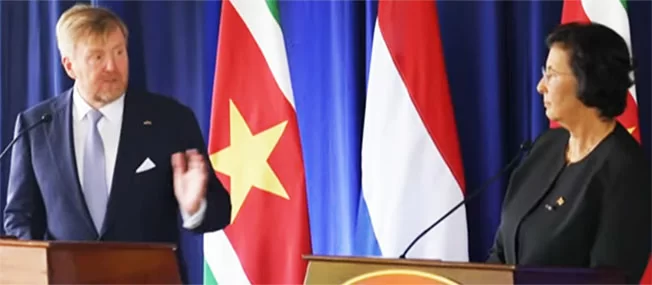
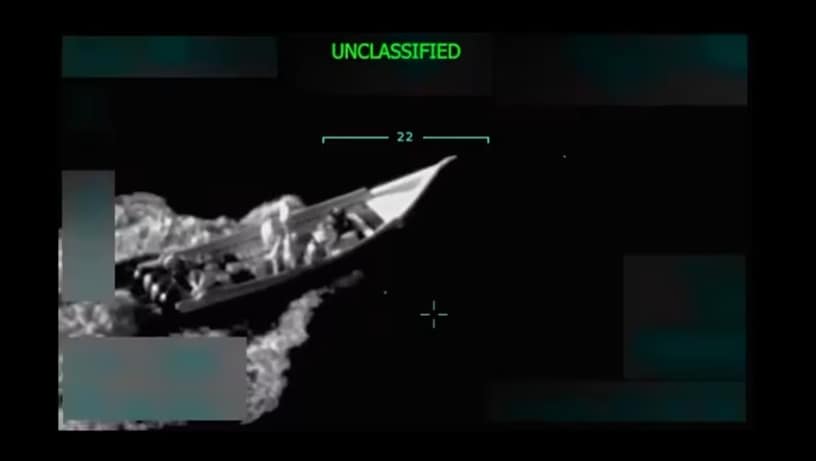
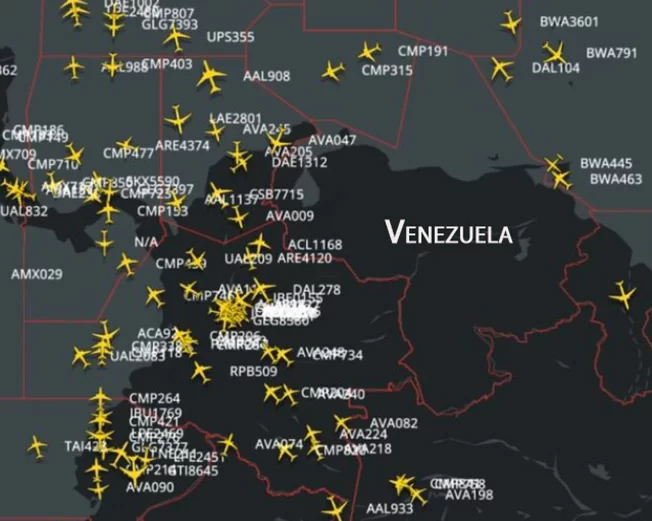
In a firm statement during a press conference on Friday, President Jennifer Simons of Suriname unequivocally declared that her country will not support any military intervention by the United States against Venezuela. This announcement comes amid reports that the US has conducted six attacks on vessels in Venezuelan waters, resulting in at least 27 fatalities, as part of what has been labeled as ‘counter-narcotics operations’ by international media outlets. President Simons emphasized that Suriname’s foreign policy remains steadfastly rooted in principles of non-intervention, neutrality, and peaceful conflict resolution. ‘We are friends with both the United States and Venezuela, as well as Guyana and Trinidad. Suriname’s sole desire is to foster a region of peace. We do not want war in the Caribbean or South America,’ she stated. While acknowledging the importance of international cooperation in combating drug trafficking, the President underscored that such efforts must adhere to the rule of law and respect for human rights. ‘We have abolished the death penalty. Even those guilty of drug trafficking face imprisonment, not execution. Extrajudicial killings are not our way,’ she added. The issue has been extensively discussed within the Caribbean Community (Caricom), with President Simons expressing understanding for the pressures faced by some governments but reiterating Suriname’s refusal to endorse any stance that legitimizes war. The core of Suriname’s position, as outlined by the President, includes: no military escalation or invasion in the region, active support for combating drug-related crime, and a commitment to peaceful diplomacy within the framework of international law. ‘We urge all parties to engage in dialogue. No to war. Yes to cooperation against drugs—but never through extrajudicial executions or armed interventions,’ she concluded.