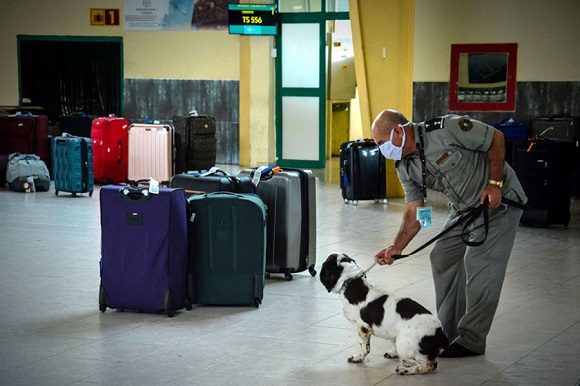
Cuban Foreign Minister Bruno Rodriguez has publicly reaffirmed his nation’s vigorous and systematic campaign against narcotics trafficking, while simultaneously leveling criticism at the United States for allegedly undermining bilateral cooperation. Through a statement on the social media platform X, Rodriguez detailed Cuba’s comprehensive governmental strategy designed to combat drug-related crimes through multi-faceted approaches. The minister highlighted that Cuba has entered into numerous intergovernmental agreements, demonstrating a steadfast commitment to fulfilling both these bilateral pacts and its obligations under international multilateral frameworks. Rodriguez specifically noted that such cooperative instruments include partnerships with various regional nations, explicitly mentioning the United States. However, he expressed profound regret, accusing the US—which he identified as the primary source of drugs reaching Cuban shores—of making a deliberate decision to halt and obstruct this crucial collaboration and the associated bilateral exchanges on narcotics control. This declaration underscores a significant diplomatic friction point between the two nations concerning a shared regional security challenge.
分类: politics
-
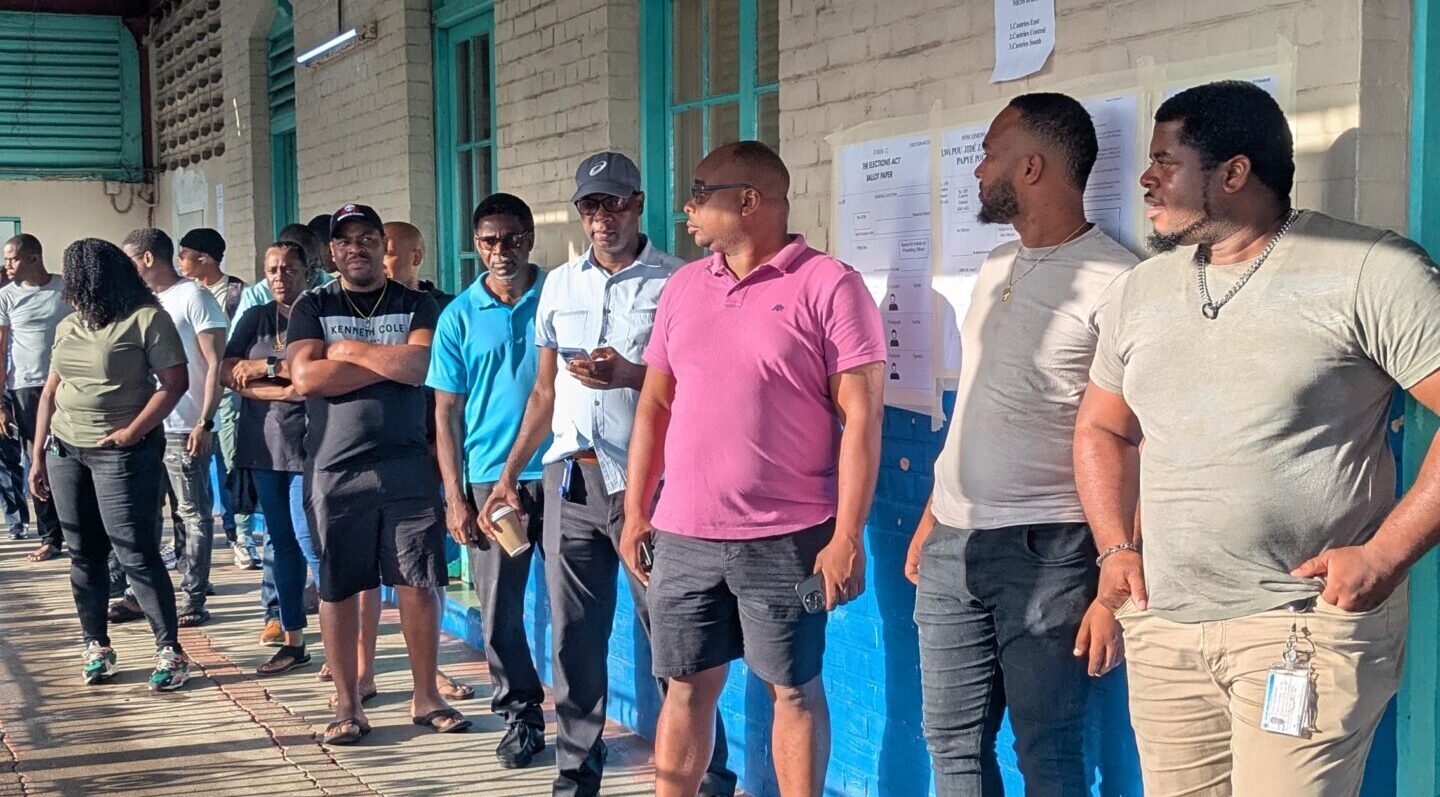
Turnout, results, rejected ballots: How Saint Lucians voted
The Saint Lucia Labour Party (SLP) has achieved a commanding victory in the December 1 general election, capturing 14 of the 17 parliamentary seats according to preliminary results released by the Electoral Department. The United Workers Party (UWP) managed to secure just one seat, while two independent candidates successfully retained their positions.
Voter participation data reveals that 89,448 registered electors exercised their democratic rights out of a total electorate of 184,654. However, election officials have expressed serious concern over a significant increase in rejected ballots, which climbed to 1,980 compared to 1,694 during the previous electoral process.
Herman St. Helen, head of the Electoral Department, characterized the situation as particularly troubling during a press briefing. “This is too many, way too many,” St. Helen stated, referencing the rejected ballots. He suggested that reverting to voting stamps instead of current marking methods could substantially reduce the number of invalidated votes in future elections.
Constituency-level analysis demonstrates several notable electoral outcomes. In Gros Islet, the nation’s largest voting district, SLP incumbent Kenson Casimir secured a decisive victory with 8,175 votes against challenger Marcella Johnson’s 3,861 votes. This constituency also recorded the highest number of rejected ballots at 314.
The Castries North constituency witnessed independent incumbent Stephenson King successfully defend his seat with 3,485 votes (66%) against four challengers. Meanwhile, SLP leader Philip J. Pierre achieved a landslide victory in Castries East, capturing 77.8% of the vote.
Micoud South emerged as the sole constituency where UWP leader Allen Chastanet maintained his party’s presence in parliament, defeating SLP candidate Shanda Harracksingh by 673 votes. The closest contest occurred in Dennery South, where SLP incumbent Alfred Prospere retained his seat by a narrow margin of just 59 votes following a recount.
Electoral participation varied significantly across constituencies, with turnout rates ranging from 40% in Castries Central to 56% in Dennery South. The overall election results signal a substantial political realignment in Saint Lucia’s parliamentary landscape.
-
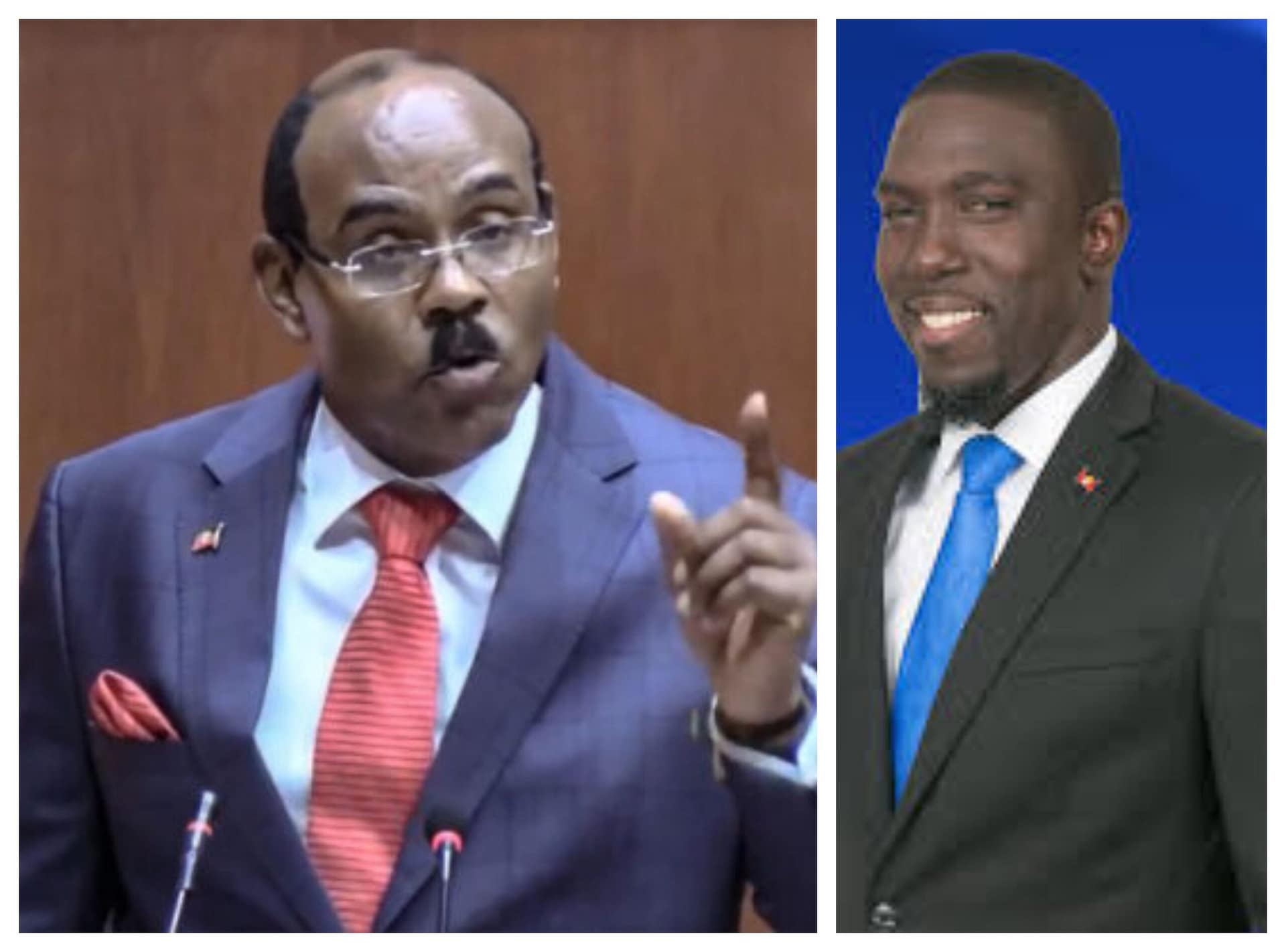
Polls conducted in 8 constituencies show swing towards ABLP ahead of the next general election
Recent polling data collected across eight strategic constituencies indicates a significant political shift favoring the Antigua and Barbuda Labour Party (ABLP) in the lead-up to the nation’s next general election. The comprehensive surveys reveal a notable swing in voter sentiment that could substantially alter the electoral landscape.
The findings suggest that the ABLP has successfully gained traction among undecided voters and made inroads in constituencies previously considered competitive or leaning toward opposition parties. This surge in support appears to be driven by multiple factors, including recent policy initiatives, economic developments, and strategic campaigning efforts that have resonated with the electorate.
Political analysts note that the timing of this swing is particularly crucial, as it comes during the critical pre-election period when voter opinions typically crystallize. The data demonstrates changing demographic patterns and geographic distributions of support that could prove decisive in determining the election outcome.
While opposition parties continue to maintain strongholds in certain regions, the polling suggests the ABLP has successfully expanded its coalition, potentially putting several additional constituencies within reach. The party’s messaging on economic stability, social programs, and infrastructure development appears to be connecting with voters across diverse demographic groups.
These polling results provide the most current snapshot of the evolving political landscape as the nation moves closer to election day, offering valuable insights into voter behavior and potential electoral outcomes.
-
Honduran ruling party analyzes US interference in elections
The Honduran political landscape is reeling from what leaders are calling an unprecedented act of foreign intervention, prompting an emergency meeting of the LIBRE party’s National Coordinating Committee. Former Honduran President Manuel Zelaya (2006-2009), who currently leads the left-wing LIBRE party, convened the urgent session in Tegucigalpa to formulate a response to what he characterized as deliberately hostile acts by former U.S. President Donald Trump.
The crisis stems from multiple interventions during Honduras’s recent presidential elections. Seventy-two hours before polls opened, Trump published three separate messages endorsing Nasry Asfura, the presidential candidate of the right-wing National Party (PN). In a more direct intervention, Trump explicitly urged Honduran voters to reject LIBRE’s candidate, Rixi Moncada, and threatened to cut U.S. economic aid to Honduras if voters supported the left-wing party.
The situation escalated further when Trump announced on December 1st the pardon of former Honduran President Juan Orlando Hernández (2014-2022), who had been convicted by a New York court and sentenced to 45 years in prison for trafficking more than 400 tons of cocaine into the United States. This pardon, combined with the electoral interference, has been condemned as a direct attack on Honduran sovereignty.
Zelaya, communicating through his X account on December 3rd, asserted that these actions constituted serious harm to the Honduran people and demanded a firm, decisive, and patriotic response. The LIBRE party is now considering appropriate political, legal, and diplomatic actions to defend national dignity, democratic processes, and the integrity of the popular vote in Honduras.
-
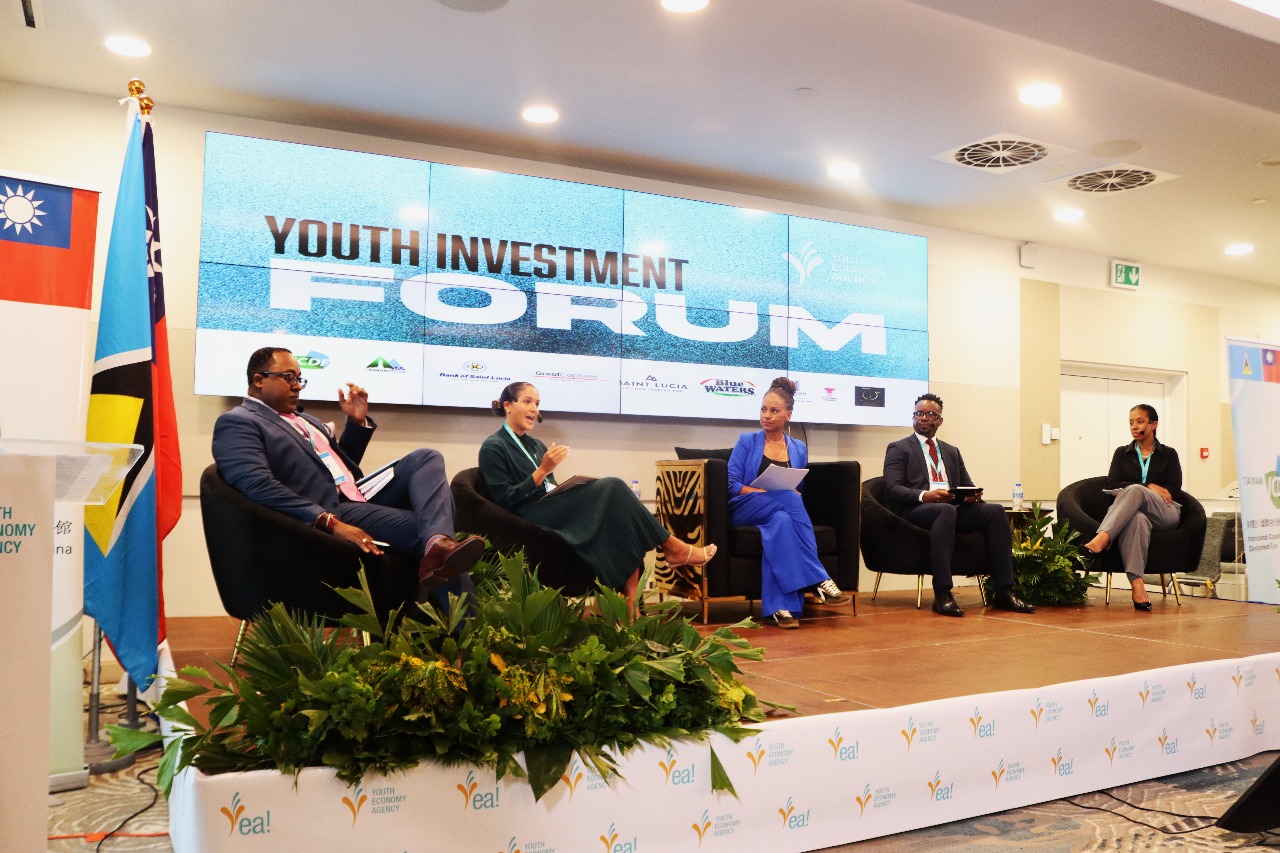
Young voters hopeful, demanding more
Following a historic electoral triumph that secured the Saint Lucia Labour Party (SLP) an unprecedented second consecutive term, the nation’s youth have immediately articulated their expectations for the incoming administration. Young citizens across constituencies including Castries, Vieux Fort, Dennery, and Gros Islet are actively engaging through traditional and social media platforms to evaluate previous governmental performance and outline priority areas requiring attention.
The Youth Economy Agency (YEA) emerges as a cornerstone achievement from the previous term, having distributed grants, training, and business development support to thousands of young entrepreneurs. Kadeem Charles, a 23-year-old photographer, credits the program with transforming his professional trajectory: “The Youth Economy initiative fundamentally reshaped my mindset and enabled self-employment.” However, he and others advocate for expanded program accessibility, particularly addressing application processing delays that have prevented many from receiving support.
Parallel acclaim has been accorded to the Semi-Professional Sports Programme, which has provided structured income and professional validation for athletes. Footballer Renee John, 19, emphasizes how the program has elevated sports from recreational pastime to legitimate career path: “We’re now receiving compensation, professional training, and serious recognition.” Participants are advocating for enhanced infrastructure, coaching resources, and expanded sporting opportunities.
Despite celebrating record-low unemployment rates, young citizens identify violent crime as a persistent concern. University students and young professionals emphasize that economic gains must be complemented by strengthened community safety initiatives. Recommendations include violence prevention programs, youth community centers, and targeted interventions in high-risk neighborhoods.
Employment quality represents another critical focus area. IT graduate Jonathan Auguste, transitioning from a YEA internship, articulates a widespread sentiment: “While grateful for employment opportunities, we seek sustainable careers with competitive compensation and growth potential rather than temporary placements.” Youth are urging government investment in digital economy expansion, creative industries, and specialized tourism sectors that offer long-term professional development.
Underpinning these policy-specific requests is a fundamental demand for inclusive governance. Youth advocate Liyanna Paul, 21, stresses: “Meaningful consultation requires our genuine inclusion in decision-making processes. We possess firsthand experience of contemporary challenges including crime, housing affordability, and cost-of-living pressures.”
The SLP’s electoral mandate provides a robust platform for policy continuation and expansion. Yet as young voter Kadeem Charles summarizes: “We reaffirmed our support through voting based on demonstrated progress. Now we anticipate accelerated advancement across all sectors affecting our futures.”
-
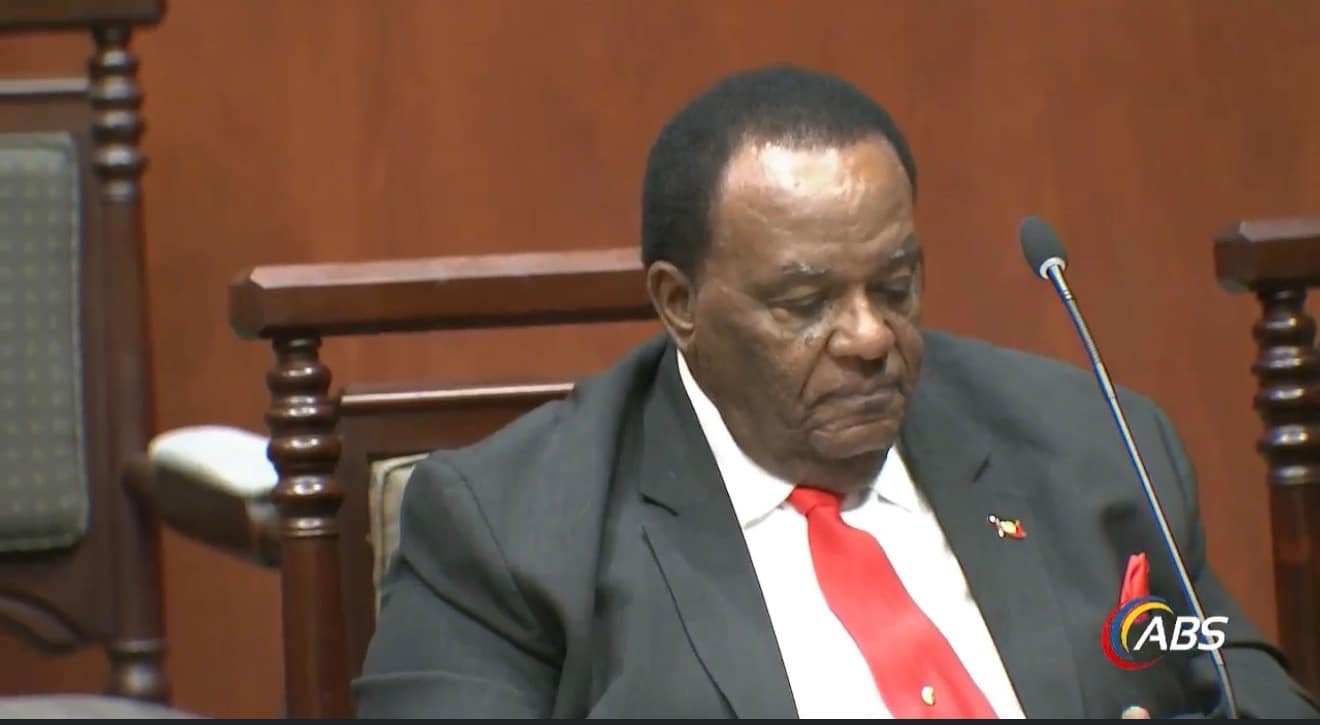
More Weapons and Modern Security Equipment Coming for the police in 2026
Prime Minister Gaston Browne has announced a comprehensive security enhancement initiative for Antigua and Barbuda’s law enforcement agencies, set for implementation in 2026. The revelation came during Thursday’s parliamentary budget presentation, where Browne detailed plans to substantially upgrade both the tactical capabilities and technological infrastructure of the nation’s security forces.
The centerpiece of this security overhaul includes the procurement of advanced weaponry, substantial ammunition reserves, and state-of-the-art security equipment specifically designed for both crime prevention and detection operations. Browne emphasized to Parliament that these enhancements are critically necessary to match the evolving sophistication of criminal networks operating within and around the nation’s borders.
Beyond conventional arms, the government will invest in specialized crime-fighting technology featuring targeted surveillance systems intended to revolutionize intelligence gathering and operational response capabilities. This technological component represents a significant leap forward in the country’s digital security infrastructure.
The security package extends to maritime defense assets, upgraded radar systems, and modernized communications networks. Financially, the government has committed over $4 million toward training new police recruits and providing contemporary equipment for serving officers.
Prime Minister Browne framed these investments as essential for strengthening border security, intercepting illegal trafficking operations, and enhancing the effectiveness of frontline policing. Additional specifics regarding budget allocations and implementation timelines are anticipated during the continued budget debate proceedings scheduled for next week.
-
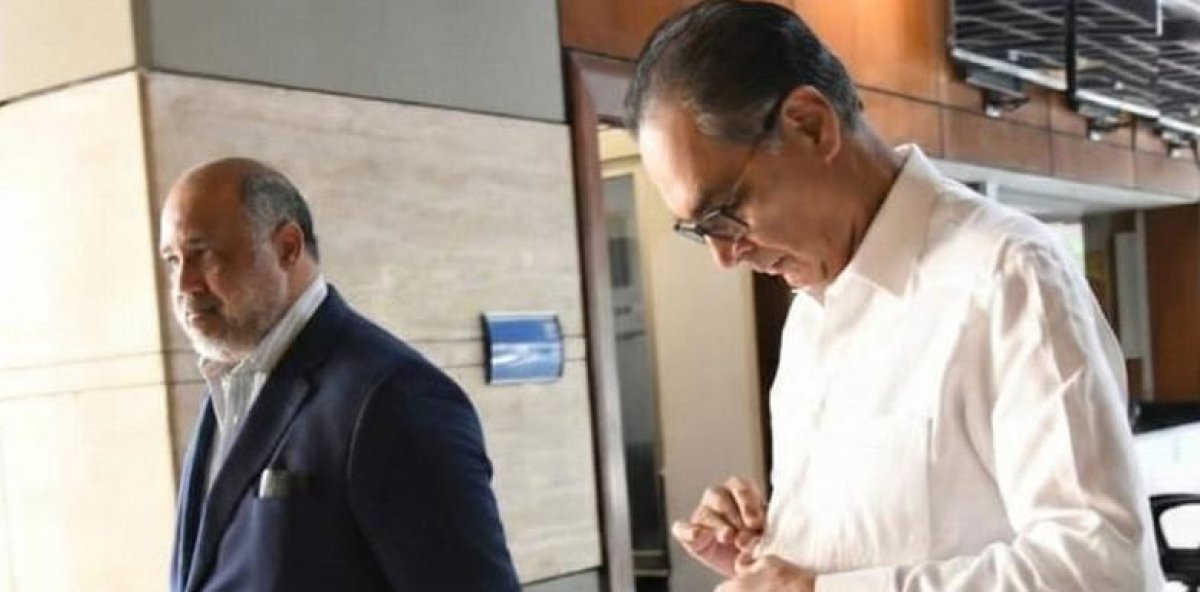
Process in development Santiago Hazim, former director of Senasa, is arrested
In a significant development within the Dominican Republic’s ongoing corruption investigation, former National Health Insurance (Senasa) director Santiago Hazín was taken into custody on Saturday evening. His legal counsel, Attorney Miguel Valerio, confirmed the arrest and indicated that judicial authorities will determine coercive measures within the next 48-hour period.
Valerio stated that the defense team maintains a reserved position pending formal presentation of the prosecution’s coercion request. “We await the coercive measure filing within the established 48-hour window, at which juncture we shall articulate our definitive stance,” the attorney declared.
The legal representative emphasized his client’s cooperative posture throughout the investigative process, noting that Hazín underwent extensive questioning for approximately five hours prior to his detention. Valerio reiterated that the former official has consistently demonstrated willingness to collaborate with judicial authorities, asserting, “My client has perpetually remained at the disposal of the justice system.”
This arrest occurs within the broader context of the Senasa scandal that has captivated national attention. Multiple sectors have raised alarms regarding administrative deficiencies, delayed payments, and controversial operational determinations that precipitated widespread concern across the healthcare ecosystem. Political representatives, medical associations, and civil society organizations have collectively highlighted deteriorating management practices, prompting opposition forces to demand comprehensive audits and allege potential irregularities.
Despite governmental assurances regarding institutional stability, grievances concerning service interruptions and payment delays intensified public discourse, ultimately compelling official action. The unfolding situation triggered initiated audits, managerial restructuring, and a formal prosecutorial investigation into contractual arrangements between Senasa and various state-affiliated entities.
While implicated corporations have defended their operational legality, and former officials have sought to justify their decisions, allegations of fund misappropriation and supervisory body interventions have transformed this case into one of the most closely monitored proceedings in the public sector. The Attorney General’s Office has indicated additional investigative actions are anticipated as the probe continues to evolve.
-
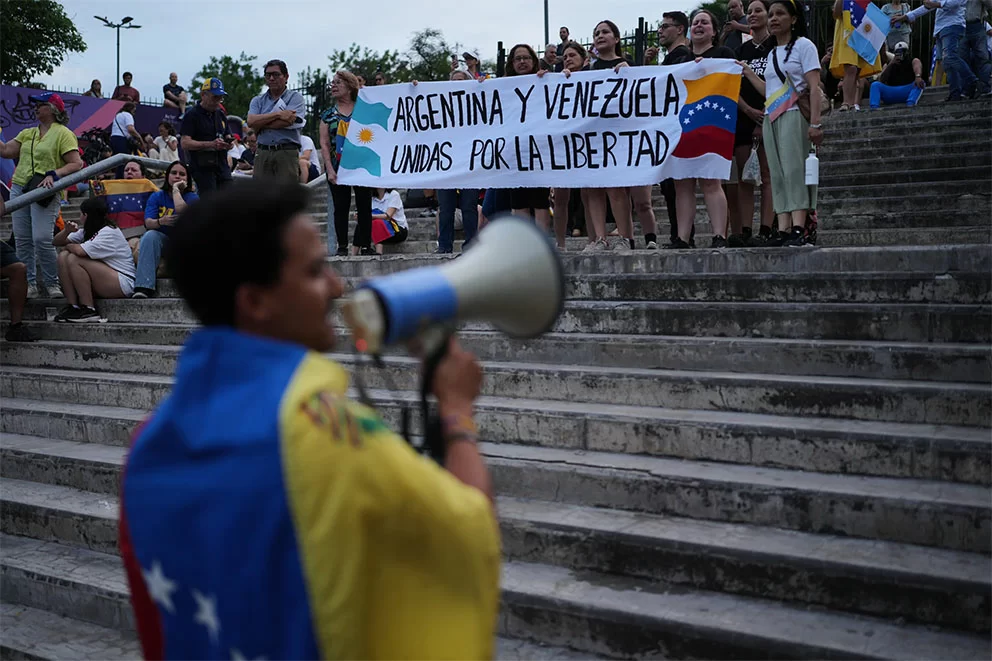
Wereldwijde steun voor Venezolaanse oppositieleider Machado
In a remarkable display of international solidarity, supporters of Venezuelan opposition leader María Corina Machado staged coordinated demonstrations across global cities on Saturday, anticipating next week’s Nobel Peace Prize ceremony where she will be honored. Thousands of activists marched through urban centers including Madrid, Utrecht, Buenos Aires, and Lima, leveraging the prestigious award’s platform to amplify Venezuela’s democratic aspirations under Nicolás Maduro’s regime.
In Lima, protesters clutching portraits of Machado and draped in Venezuela’s national colors demanded a ‘Free Venezuela,’ brandishing signs proclaiming ‘The Nobel Prize Belongs to Venezuela.’ Verónica Durán, a Venezuelan exile residing in Peru for eight years, emphasized that the recognition ‘represents all Venezuelans—the fallen and political prisoners in their struggle to restore democracy.’
Colombian gatherings featured white-clad participants holding balloons during religious ceremonies praying for the prize to become ‘a symbol of hope.’ Buenos Aires witnessed approximately 500 demonstrators conducting an improvised torchlight vigil using mobile phones at Argentina’s largest university law faculty.
The global mobilization occurs amid escalating tensions as the Trump administration reinforces military presence in the Caribbean, threatening Venezuelan territory. Maduro perceives these maneuvers as attempts to destabilize his government, while opposition factions rejuvenate promises to soon govern the nation.
Machado, awarded the prize on October 10 for sustaining democratic hopes ‘amid deepening darkness,’ remains in hiding since her brief detention during a Caracas protest on January 9. Her disqualification from last year’s presidential election led to substitute candidate Edmundo González—now seeking asylum in Spain following an arrest warrant—challenging Maduro’s controversial third-term inauguration despite documented electoral irregularities and widespread human rights violations during the July 2024 elections.
-
Nieuwe VS veiligheidsstrategie baart Europa zorgen: Alarmerend voor internationale orde
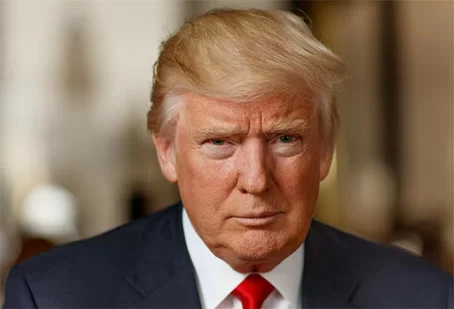
The recently unveiled U.S. national security strategy under President Donald Trump has triggered significant apprehension across European diplomatic circles. Security analysts and government officials characterize the new doctrine as a substantial departure from multilateral cooperation toward strategic confrontation, potentially destabilizing the existing international order.
The revised strategy emphasizes military dominance, expansion of offensive capabilities, and asserts the right to preemptively address perceived threats—even those not directly targeting American interests. European policymakers interpret this shift as particularly confrontational toward Russia, China, and several Latin American nations.
In Brussels and Berlin, concerns center on potential destabilization effects. European security advisors have labeled the American approach “alarming” due to its potential to pressure NATO into supporting operations that contradict European interests. Diplomatic sources indicate that the EU fears Washington will increasingly conduct solo operations without prior consultation, normalize cross-border actions similar to recent Caribbean interventions, and escalate economic and military pressure against rivals—actions that could jeopardize European energy, trade, and migration interests.
A senior EU official described the strategy to European media as “a rupture with the international consensus that has provided stability for decades.”
The strengthened American military focus on the Indo-Pacific region and NATO’s eastern flank presents both strategic importance and substantial risk for European nations. While dependent on U.S. defense capabilities, European leaders worry that escalation around Ukraine or Taiwan could directly impact European security.
Europe is developing a dual response: accelerating the development of independent defense capabilities to reduce reliance on American priorities, while pursuing diplomatic efforts to avoid being drawn into renewed geopolitical polarization. French and German ministers have emphasized the necessity of building “greater strategic autonomy” to protect European interests.
Security analysts identify the most profound concern as the potential erosion of international legal norms. Experts warn that if the United States increasingly operates without UN mandates, other global powers may follow, potentially accelerating conflict escalation worldwide. As one analyst noted: “American actions carry global consequences. A security strategy that stretches the boundaries of international law endangers everyone.”
-
PM blames ‘sanction-busting Venezuelan criminals’ and PNM, in defence of US radar
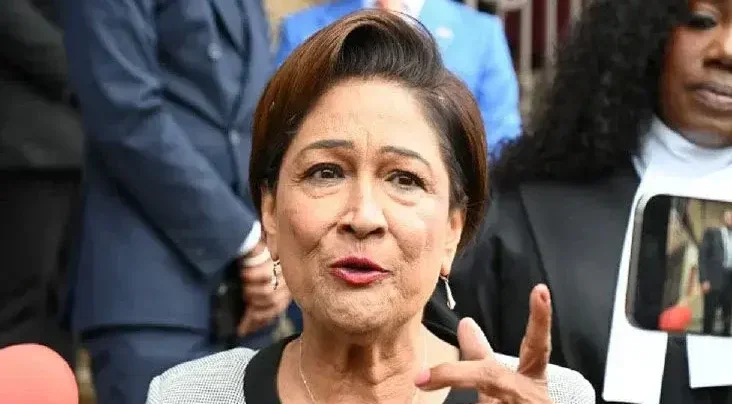
Prime Minister Kamla Persad-Bissessar has ignited a political firestorm by asserting that Trinidad and Tobago’s escalating crime crisis is primarily driven by Venezuelan criminal networks evading international sanctions. The declaration came through her official X account, where she simultaneously defended the controversial installation of advanced US military radar technology at ANR Robinson International Airport in Tobago.
Persad-Bissessar articulated that the newly deployed radar system—identified by defense analysts as an AN/TPS-80 G/ATOR—serves dual purposes: enhancing national surveillance capabilities and targeting Venezuelan crude oil sanctions-busting operations. According to her statements, these illicit activities facilitate deliveries of narcotics, firearms, ammunition, and undocumented migrants from Venezuela into Trinidadian territory.
The Prime Minister directed sharp criticism toward the opposition People’s National Movement (PNM), accusing previous administrations of permitting ‘local drug mafia’ operations to flourish unchecked. She alleged systematic negligence regarding illegal trafficking and even hinted at deeper institutional corruption within opposition ranks.
This geopolitical development occurs against a backdrop of intensified US military presence in the Caribbean region, including approximately 15,000 troops, multiple warships, and the USS Gerald R. Ford aircraft carrier. The military buildup coincides with heightened US pressure on Venezuela, following President Donald Trump’s designation of Cartel de los Soles as a narco-terrorist organization with Venezuelan President Nicolás Maduro allegedly at its helm.
Persad-Bissessar revealed she personally requested the radar installation through US diplomatic channels, initially describing the US military presence as roadway construction support before acknowledging the radar’s deployment. She maintains the technology provides previously unavailable protection layers while denying Trinidad would serve as a launch platform for attacks against Venezuela.
The opposition has demanded transparency regarding the military equipment, prompting the Prime Minister to challenge PNM to explain why previous radar systems failed to detect ship-to-ship transfers of sanctioned Venezuelan oil within Trinidadian waters—allegedly with Trinidad as the point of origin.
This escalating political confrontation highlights deepening regional tensions and the complex intersection of national security, international relations, and transnational crime in the Caribbean basin.