分类: politics

  • Greene Says VC Bird Was a Pillar of Regional Integration and Early Architect of CARICOM’s Foundations

    Greene Says VC Bird Was a Pillar of Regional Integration and Early Architect of CARICOM’s Foundations

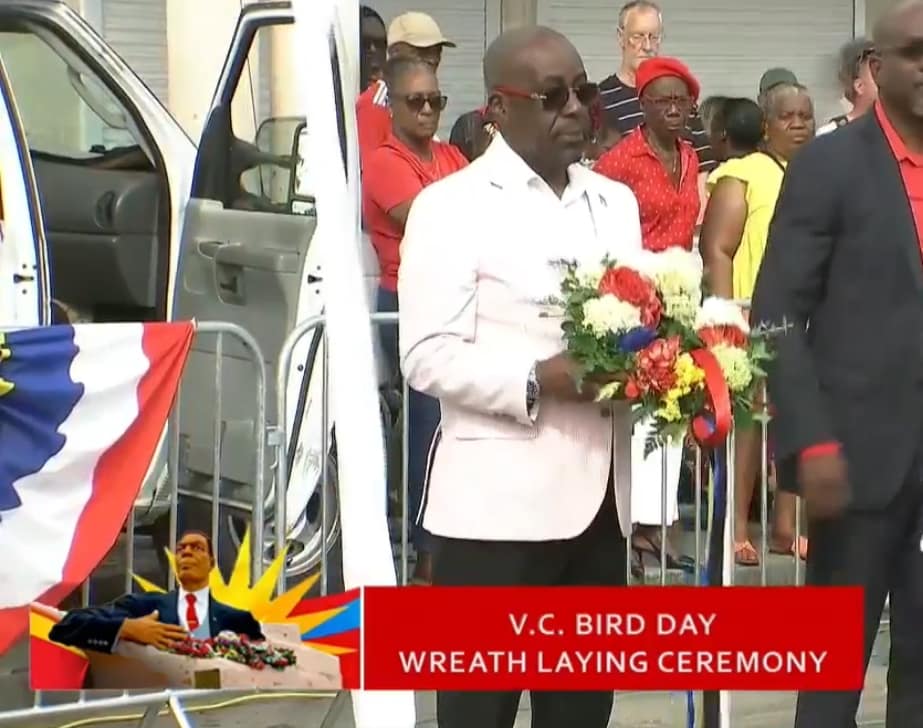
    During the annual VC Bird Day commemorations in St John’s, Antigua and Barbuda’s Foreign Affairs Minister E.P. Chet Greene delivered a comprehensive tribute to the nation’s founding father, Sir Vere Cornwall Bird Sr., positioning him as both a national architect and visionary Caribbean statesman. Greene emphasized that Bird’s political philosophy extended well beyond territorial boundaries, establishing him as a pivotal force in shaping the Caribbean’s collective future through institutional cooperation.

    Greene detailed how Bird’s regional integration advocacy predated Antigua’s independence, noting his instrumental role as a signatory to the CARIFTA agreement that subsequently evolved into the Caribbean Community (CARICOM). The Foreign Minister characterized Bird’s transition from West Indies Federation participant to economic agreement architect as demonstrating extraordinary foresight in recognizing that regional collaboration rather than isolation would determine the Caribbean’s destiny.

    Domestically, Greene credited Bird with engineering Antigua and Barbuda’s transformation from colonial dependency to sovereign statehood. He highlighted constitutional reforms that established fundamental civil liberties and human rights protections, alongside revolutionary social programs including free secondary education and universal medical services that formed the bedrock of the nation’s social contract.

    Economically, Greene emphasized Bird’s strategic pivot from sugar plantation dependence to tourism-oriented development as fundamentally reshaping the nation’s prosperity trajectory. This structural economic shift, Greene argued, established the foundation for contemporary economic resilience.

    The Minister further contextualized Bird’s legacy as an enduring political institution manifested through successive administrations, including the leadership of his son Lester Bird and current Prime Minister Gaston Browne. Greene framed the ruling party as the institutional continuation of Bird’s original nation-building mission, adapting to contemporary challenges while maintaining its core developmental philosophy.

    In his concluding remarks, Greene urged citizens to recognize Bird’s dual legacy as both national founder and regional integration pioneer, asserting that his vision for Caribbean cooperation remains integral to the nation’s contemporary identity and foreign policy orientation.
  • Trump Administration Quietly Drafts “Day-After” Plans for Possible Maduro Exit

    Trump Administration Quietly Drafts “Day-After” Plans for Possible Maduro Exit

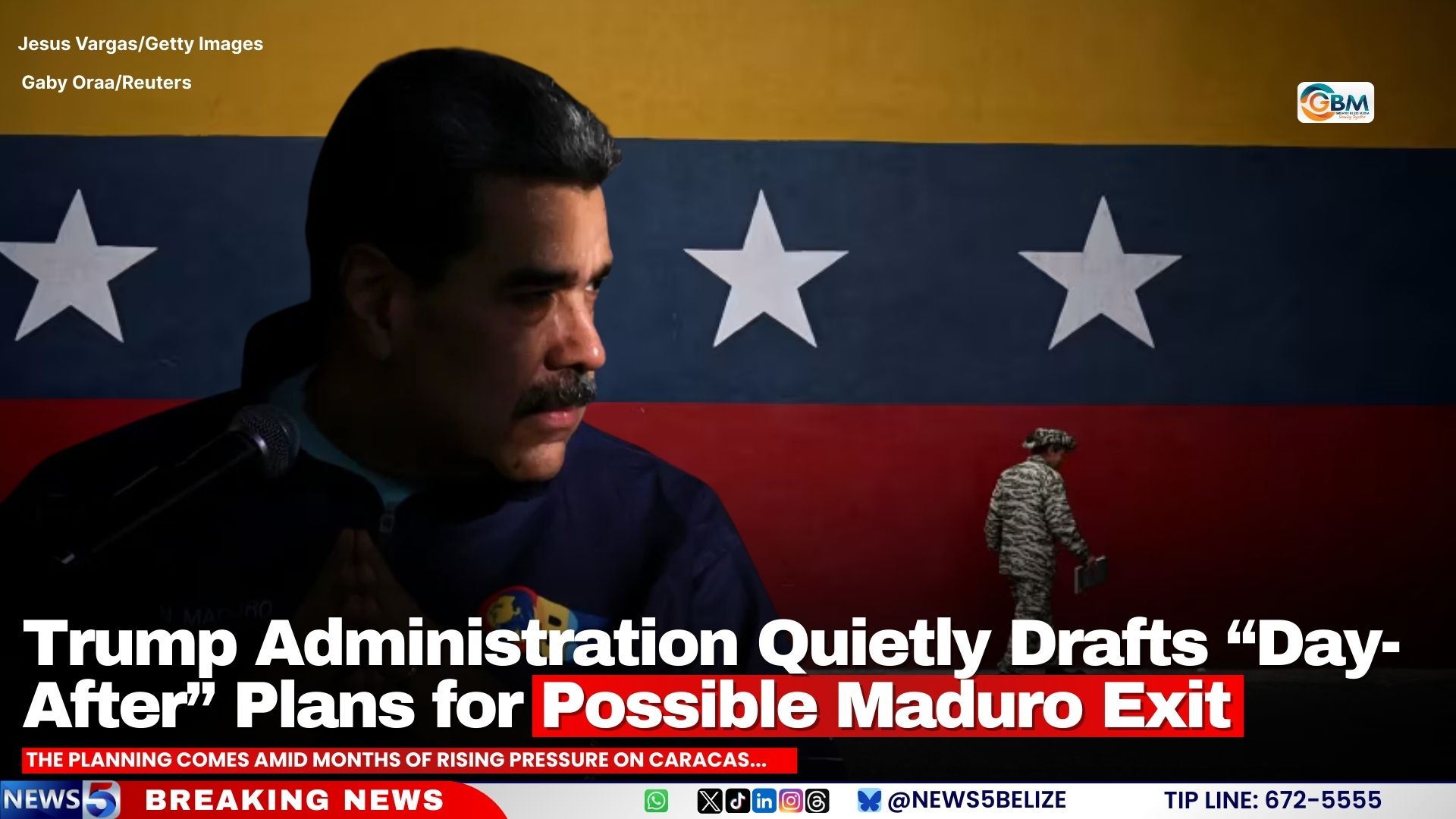
    The Trump administration is currently developing confidential contingency strategies addressing potential political transitions in Venezuela, should President Nicolás Maduro be ousted from power. According to senior officials with direct knowledge of the deliberations, these plans encompass multiple scenarios for stabilizing the South American nation following Maduro’s potential departure—whether through negotiated settlement or military intervention.

    This strategic planning coincides with escalating pressure on Caracas, characterized by the deployment of thousands of U.S. military personnel and a carrier strike group to the Caribbean region. While publicly maintaining that these movements target narcotics trafficking, internal documents reveal broader considerations regarding Maduro’s removal from office.

    Despite President Trump’s characteristically assertive rhetoric, administration officials indicate reluctance toward committing to extensive military engagement. Instead, preparatory measures focus on graduated response options, including economic stabilization packages, security assistance, and limited post-conflict support infrastructure.

    In a significant development, Trump reportedly issued a direct ultimatum to Maduro during recent communications, explicitly advising the Venezuelan leader that stepping aside would serve his best interests. Concurrently, U.S. officials have engaged with Venezuelan opposition leaders María Corina Machado and Edmundo González—the latter having received formal recognition as Venezuela’s legitimate president by the Trump administration. These opposition figures have developed detailed transition frameworks, including comprehensive “100-hour” and “100-day” plans for governance restructuring, which have been shared with American policymakers discussing potential leadership configurations.

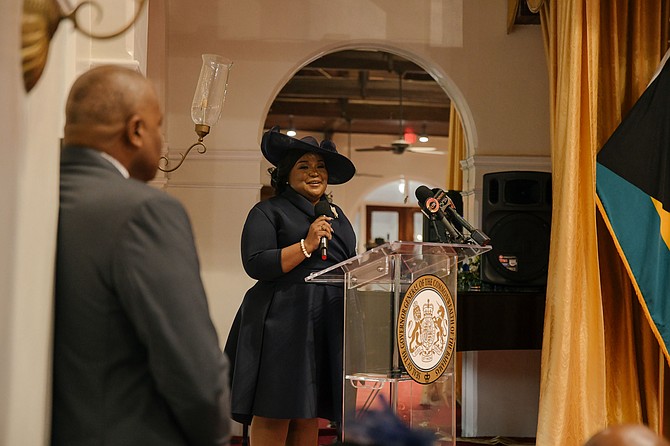
  • New Senator pledges to fight for missing persons and mental health

    New Senator pledges to fight for missing persons and mental health

    In her inaugural address at Government House, newly appointed Senator D’Asante Small has committed to leveraging her legislative position to champion enhanced safeguards for The Bahamas’ most vulnerable citizens. The recently sworn-in lawmaker articulated a comprehensive five-pillar agenda focusing on critical social issues during her acceptance ceremony upon receiving the Instrument of Appointment.

    Senator Small identified public safety reform as her primary objective, emphasizing the necessity for a strengthened national framework addressing missing persons cases. She specifically highlighted the urgent need for improved protocols concerning missing children and adults with cognitive conditions such as Alzheimer’s and dementia, noting that each case represents a beloved family member or friend.

    Mental health transformation constitutes another cornerstone of her legislative vision. The senator characterized psychological well-being as a pervasive national concern affecting all sectors of society. Her proposed initiatives include establishing a dedicated mental health emergency hotline, enhancing community-based support services, and eliminating societal stigma surrounding mental health treatment. She asserted that mental wellness warrants equivalent attention to physical health and that no individual should endure silent suffering.

    Gender equality and women’s empowerment feature prominently in Senator Small’s platform. She pledged to create expanded opportunities for female leadership through specialized training programs, mentorship initiatives, and ensuring meaningful participation in decision-making processes. The senator affirmed that advancing women’s representation directly correlates with community and familial progression.

    Confronting gender-based violence remains a critical priority, with Senator Small vowing to intensify national efforts through improved protective measures, enhanced reporting mechanisms, survivor-centric services, and sustained public awareness campaigns. She unequivocally stated that every Bahamian deserves security within their household and nationwide.

    Prime Minister Philip Davis endorsed the appointment as part of a broader strategy to incorporate younger generations and more women into prominent governmental roles. He recounted Senator Small’s distinguished trajectory from youth organizations through academic excellence at St John’s College and the University of Tampa, to her professional contributions with the Public Hospitals Authority and international representation at UN forums on gender equality. The Prime Minister emphasized that her substantial pre-Senate experience has prepared her for significant legislative responsibilities.

  • Political parties call for Tobago radar to go

    Political parties call for Tobago radar to go

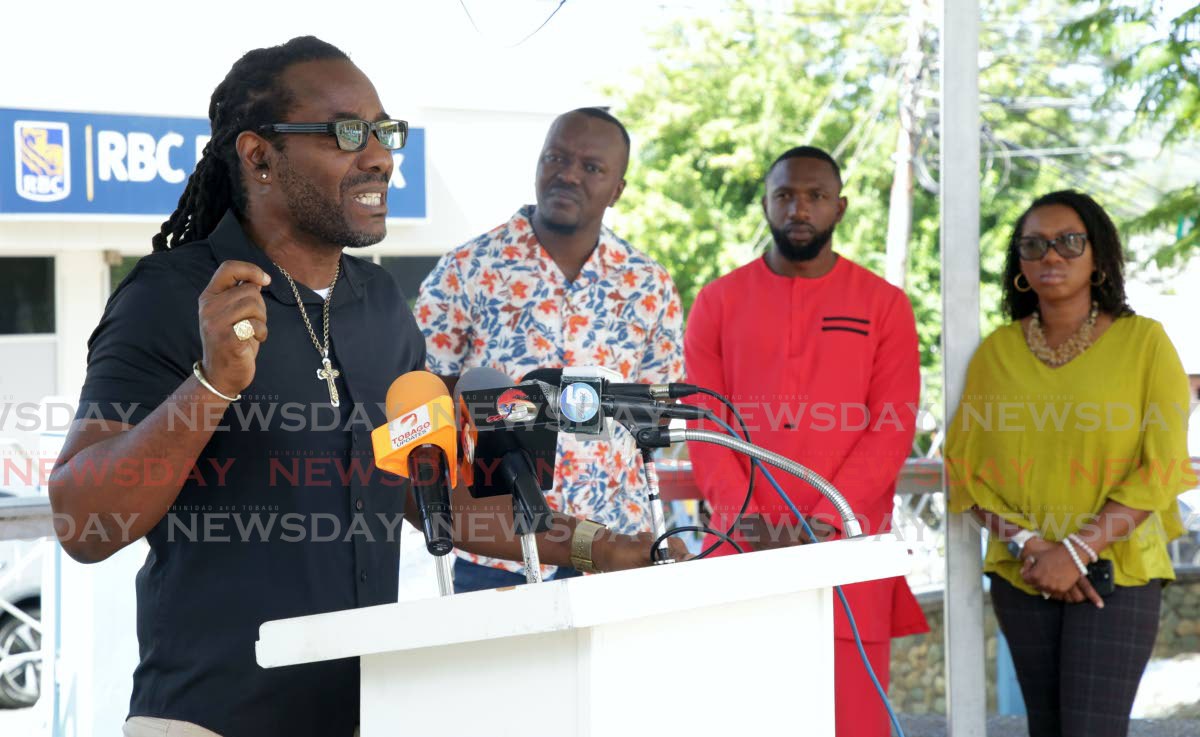
    In an unprecedented display of cross-party unity, Tobago’s political leadership has issued a joint demand for the immediate removal of a covert US military radar installation at ANR Robinson International Airport. The Innovative Democratic Alliance (IDA), People’s National Movement (PNM), and Class Action Reform Movement (CARM) convened at James Park, Scarborough on December 10, expressing grave concerns over national security transparency and potential targeting of the island in escalating regional conflicts.

    IDA leader Denise Tsoiafatt Angus revealed the radar system—identified as an AN/TPS-80 G/ATOR aerial surveillance unit—effectively transforms Tobago into a primary military target capable of intercepting missiles and monitoring Venezuelan activities. She painted a harrowing picture of potential consequences: ‘We could witness televised scenes of devastation—children mutilated, mothers weeping—with prolonged warfare lasting years rather than days.’

    Tsoiafatt Angus highlighted the ominous presence of international naval forces near Tobago’s waters, suggesting imminent military action. ‘These vessels await their strike signals—whether before, during, or after Christmas remains uncertain, but their mobilization signals undeniable intent.’

    CARM leader Ricardo Phillip praised the collaborative effort, emphasizing that public safety transcends political divisions. He criticized the administration’s opaque communication strategy: ‘While classified information requires discretion, the current crypto-political agenda with excessive secrecy disrespects Tobagonians’ right to basic explanations about equipment purpose and installation authority.’

    PNM Tobago Council leader Ancil Dennis underscored the critical nature of unilateral military deployments without public consultation, noting Grenada had previously rejected similar arrangements through democratic processes. ‘We demand cessation of unauthorized military asset accumulation on our island and immediate radar removal,’ he stated.

    The controversy emerged after a US military transport plane was spotted at the airport in November. Prime Minister Kamla Persad-Bissessar initially claimed US Marines were assisting with roadworks, later admitting knowledge of the radar but citing national security concerns for her secrecy. Tobago House of Assembly Chief Secretary Farley Augustine denied prior awareness, prompting emergency meetings with Defense Ministry officials.

  • PM on pirates, double-tap strike: TT is not judge or jury

    PM on pirates, double-tap strike: TT is not judge or jury

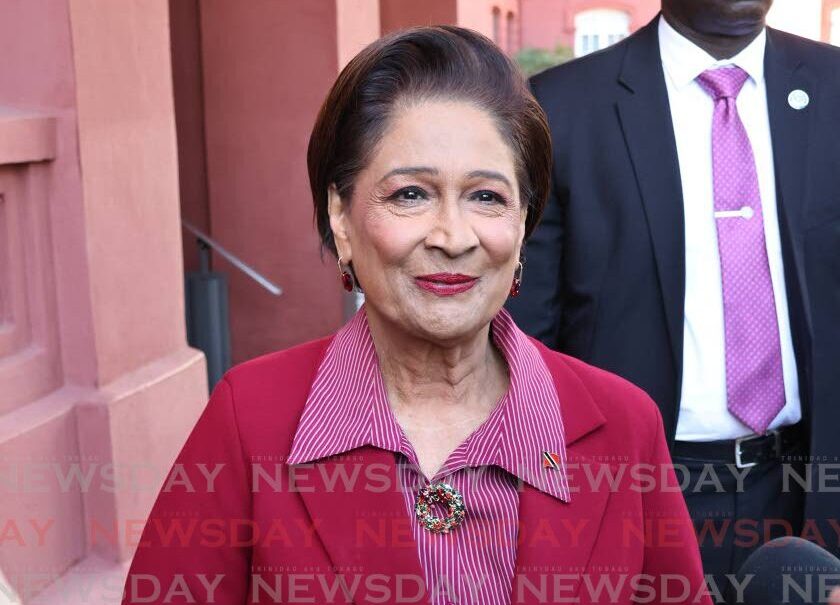
    Prime Minister Kamla Persad-Bissessar of Trinidad and Tobago has declared that unregistered vessels operating in Caribbean waters will be treated as pirate ships, granting them no legal protections. This statement comes amid growing controversy over US military strikes targeting suspected drug trafficking boats in regional waters.

    Speaking to journalists outside the Red House in Port of Spain on December 9, Persad-Bissessar addressed reports of a September 2 incident where US forces allegedly struck a boat twice—a tactic known as ‘double tapping’ in military terminology—resulting in eleven fatalities. While expressing no sympathy for drug traffickers, the Prime Minister emphasized that the United States operates as a sovereign nation whose actions fall outside Trinidad and Tobago’s jurisdiction to judge.

    ‘US is a sovereign nation and they are free to exercise their sovereignty in manners they see fit,’ Persad-Bissessar stated. ‘I cannot be judge or jury here to determine whether they are right or wrong.’

    The Prime Minister revealed that her government receives no advance notification of US military actions and does not intend to request additional information, characterizing these operations as US security matters. She articulated a firm stance on unregistered vessels: ‘Within the law, they are treated like pirates and therefore will not have the protection of others carrying a flag and identifying who they are.’

    However, maritime lawyer Nyree Alfonso offered a more nuanced perspective, noting that while unregistered vessels might be ‘up to no good,’ they aren’t necessarily pirates in the legal sense. She explained that vessel registration functions as a maritime passport, and without it, boats become ‘almost like a ghost’ without national protection.

    Alfonso acknowledged that while many might disagree with the US methodology, the results of disrupting drug trafficking networks would likely be welcomed by law-abiding citizens. She emphasized the interconnected nature of maritime crimes, noting that drug trafficking often correlates with gun running and human trafficking operations.

    The ongoing US interdiction operations have resulted in at least 87 fatalities across nearly two dozen strikes since September, highlighting the intensifying efforts to combat drug cartels operating in Caribbean and South American waters.

  • ‘Jamaica a source for employer-ready labour’ Charles Jr tells US agriculture bosses

    ‘Jamaica a source for employer-ready labour’ Charles Jr tells US agriculture bosses

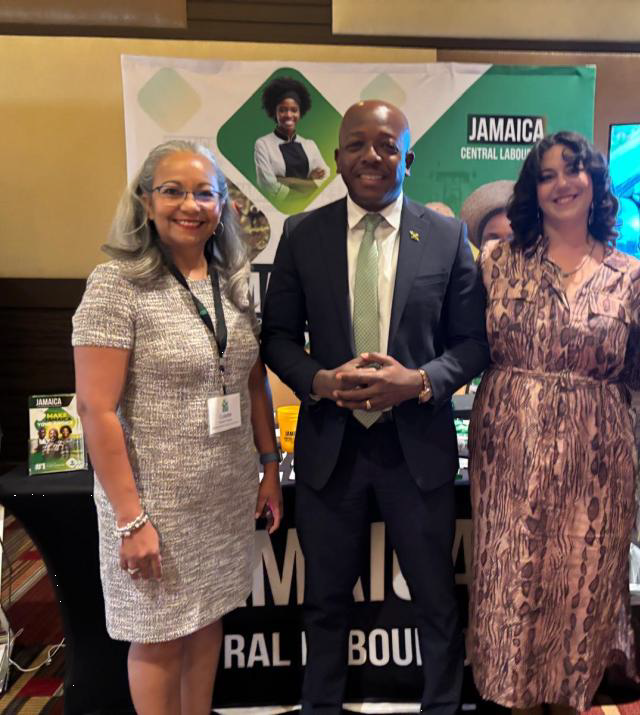
    KINGSTON, Jamaica—In a strategic diplomatic move, Jamaica’s Minister of Labour and Social Security Pearnel Charles Jr has formally presented the nation as a reliable source of qualified labor for American agricultural employers grappling with severe workforce shortages and increasing regulatory complexities. The minister’s declaration came during his leadership of a high-level delegation at the National Council of Agricultural Employers (NCAE) Annual Labour Forum on December 5, 2025.

    Addressing U.S. agricultural stakeholders, Minister Charles Jr emphasized Jamaica’s preparedness to deliver employer-ready workers who can seamlessly integrate into American farming operations without introducing operational risks. “Agricultural employers operate in an environment where uncertainty is not an option,” stated Charles Jr. “Jamaica recognizes the current challenges and has proactively developed a workforce solution that enhances operational stability rather than compounding existing difficulties.”

    The minister positioned overseas employment as a crucial economic stabilization mechanism for Jamaican communities devastated by Hurricane Melissa, particularly in the western regions where many H-2A program participants reside. Charles Jr articulated how international labor opportunities provide affected households with dignified pathways to financial recovery while simultaneously addressing America’s agricultural labor deficit.

    “Every Jamaican worker employed overseas represents a household advancing economically, a community strengthening its foundations, and a nation progressing in its development goals,” the minister affirmed during his address.

    The forum provided Jamaica with a strategic platform to expand its employer network, reinforce established partnerships, and ensure regulatory alignment with evolving U.S. requirements. Minister Charles Jr concluded with a firm commitment: “Our workforce is prepared, our administrative systems are optimized, and our dedication to this mutually beneficial partnership has reached unprecedented levels. In our post-Melissa reconstruction phase, employment-based empowerment remains among the most potent tools for national recovery.”

  • PM, 2 others cleared of privileges breaches

    PM, 2 others cleared of privileges breaches

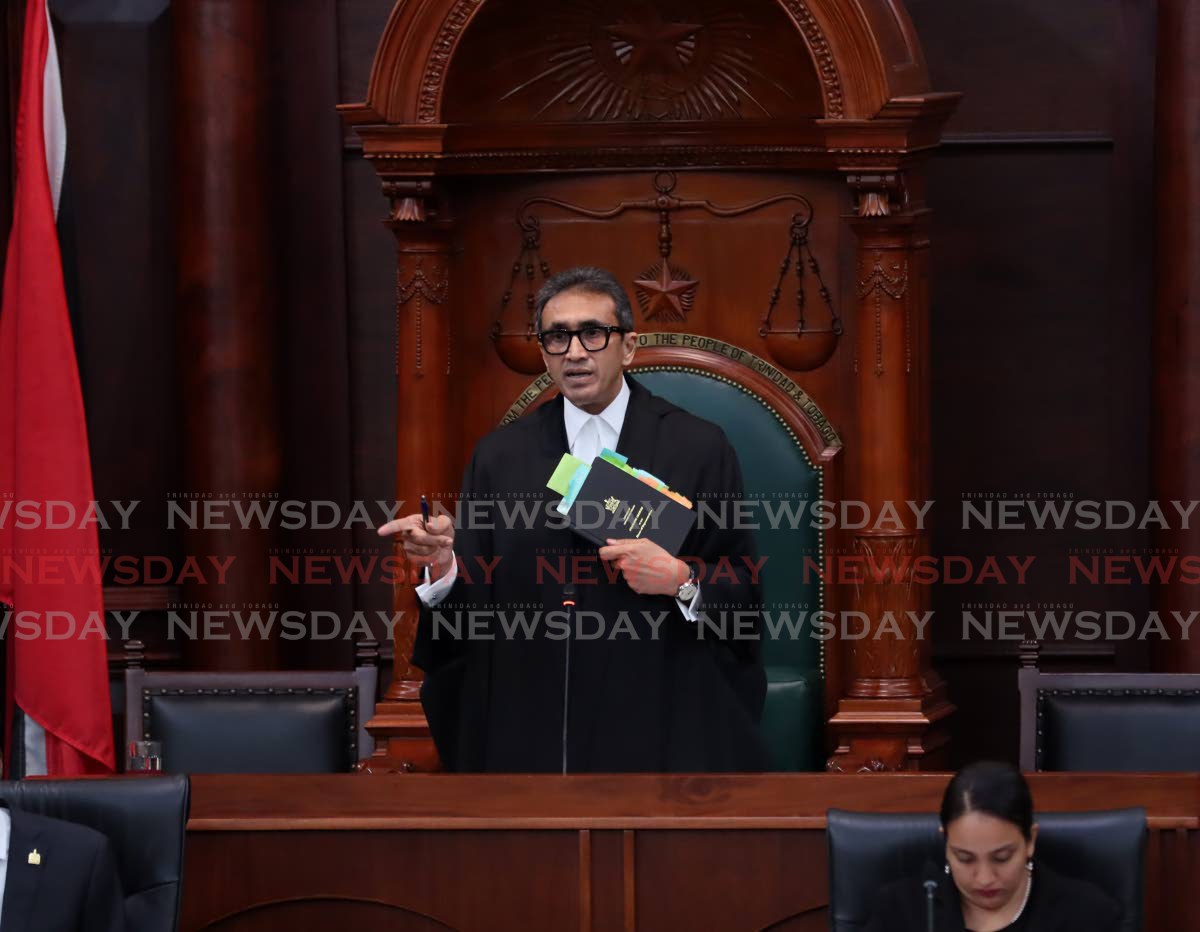
    In a landmark ruling that has significant implications for parliamentary conduct standards, House Speaker Jagdeo Singh has dismissed multiple privilege complaints against Trinidad and Tobago’s political leadership, declaring one key motion against Prime Minister Kamla Persad-Bissessar ‘stillborn.’

    The Speaker’s comprehensive decision, delivered during the December 9 parliamentary session, addressed three separate privilege motions filed by opposition members following heated exchanges in the November 21 sitting.

    Central to the ruling was the complaint brought by Diego Martin North/East MP Colm Imbert against Prime Minister Persad-Bissessar. The controversy stemmed from an exchange where the PM told Imbert to ‘stop pointing at me,’ to which he responded ‘Why not?’ before Persad-Bissessar retorted, ‘Because I will cuff you down.’

    Speaker Singh invoked UK parliamentary precedent, emphasizing that privilege powers should only be exercised to protect members from ‘substantial interference’ with their official duties. He determined that the exchange constituted ‘light-hearted banter’ rather than a genuine threat, noting that laughter followed the interaction and no point of order was raised at the time.

    ‘The personal view of the member was irrelevant,’ Singh stated, adding that ‘mere words in themselves do not, ipso facto, constitute a breach of privilege.’

    The Speaker also dismissed a complaint by Arouca/Lopinot MP Marvin Gonzales based on alleged unparliamentary language from background audio in social media footage. Singh criticized the evidentiary standards, noting the absence of official Hansard records and the failure to raise objections during the actual proceedings.

    A third complaint by Couva South MP Barry Padarath alleging harassment was deemed ‘devoid of merit altogether’ for failing to meet procedural requirements.

    Singh expressed concern about the potential floodgates of ‘frivolous complaints’ if evidentiary standards were lowered, warning against allowing external parties to ‘scour every single second of parliamentary time for hot mic conversations.’

    The Speaker concluded with a call for heightened decorum, urging members to ‘exemplify productive and respectful debate’ and reminding them to turn off microphones during private conversations to avoid future controversies.

  • PM: Acting WASA CEO is Dain Maharaj

    PM: Acting WASA CEO is Dain Maharaj

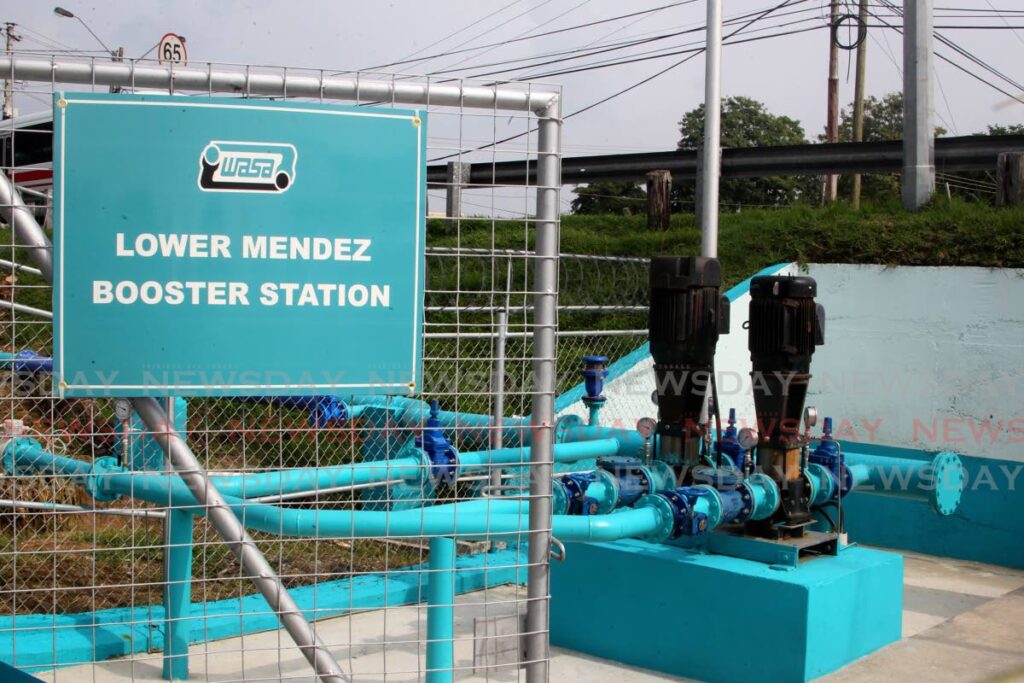
    In a significant development within Trinidad and Tobago’s public utility sector, Prime Minister Kamla Persad-Bissessar has officially confirmed the appointment of Dain Maharaj as the interim Chief Executive Officer of the Water and Sewerage Authority (WASA). The announcement came during the December 9 parliamentary session in response to pointed inquiries from Arouca/Lopinot opposition MP Marvin Gonzales.

    During the House of Representatives proceedings, the Prime Minister provided definitive clarification regarding the leadership transition at the state-owned water authority. “The individual designated to serve as acting CEO of WASA is Mr. Dain Maharaj, who remains a current employee of the organization,” Persad-Bissessar stated authoritatively.

    The parliamentary exchange grew notably contentious when Gonzales questioned the circumstances surrounding the departure of former CEO Jeevan Joseph, who had held the position for approximately five months. The Prime Minister firmly rejected the premise of the questioning, asserting that no administrative leave had been imposed regarding the previous acting CEO.

    “The previous interim CEO tendered a resignation based entirely on personal considerations,” Persad-Bissessar clarified. “Therefore, the foundational assumption of your inquiry is fundamentally inaccurate.” This response highlighted the government’s position that the leadership transition occurred through voluntary resignation rather than administrative action.

    The appointment comes at a critical juncture for WASA, which faces ongoing challenges in water distribution and infrastructure management across Trinidad and Tobago. Maharaj’s internal promotion suggests continuity within the organization’s operational framework during this transitional period.

  • Dhanpaul raises concern about increase in borrowing limit to $45b

    Dhanpaul raises concern about increase in borrowing limit to $45b

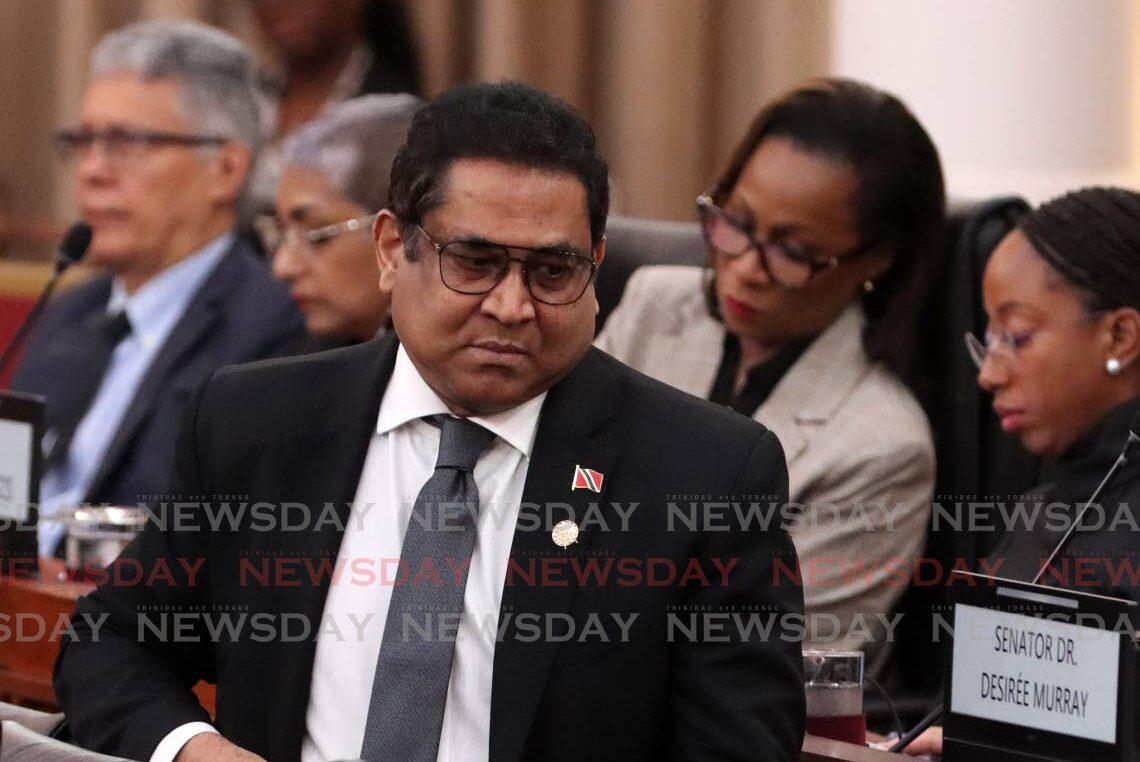
    Opposition Senator Vishnu Dhanpaul, a former finance minister and permanent secretary in the finance ministry, has raised significant concerns regarding the government’s proposal to substantially increase Trinidad and Tobago’s external borrowing capacity. During Senate deliberations on the Finance Bill 2025 on December 9, Dhanpaul questioned the administration’s decision to elevate the statutory borrowing limit from $30.5 billion to $45 billion.

    Dhanpaul emphasized that this borrowing threshold has remained unchanged through multiple administrations from both major political parties (PNM and UNC), serving as a crucial parliamentary safeguard. The established limit historically compelled governments to seek legislative approval and undergo opposition scrutiny for any borrowing exceeding the $30.5 billion cap.

    The senator expressed apprehension that this substantial increase might be intended to finance the government’s recently launched Revitalisation Blueprint infrastructure initiative without adequate parliamentary oversight. He warned that unchecked borrowing could potentially lead Trinidad and Tobago toward requiring International Monetary Fund (IMF) intervention, reminiscent of the country’s economic challenges during the 1980s.

    Dhanpaul clarified that while many nations carry larger public debts than Trinidad and Tobago, the critical factors are “the trajectory of the debt and the ability of a country to repay.” He noted that international credit rating agencies like Moody’s and Standard & Poors closely monitor these indicators when assessing national creditworthiness, suggesting the government’s approach “is making an excellent case to have this country downgraded.”

    Additionally, Dhanpaul objected to provisions in the legislation that would transfer responsibility for official financial statistics from the Central Statistical Office (CSO) to the Central Bank. While expressly noting he imputed no improper motives to current Central Bank Governor Larry Howai, whom he described as “a gentleman,” Dhanpaul worried this change could potentially enable future politically-appointed governors to manipulate financial statistics. He advocated instead for establishing an independent national statistical institute as previously envisioned.

    The senator further echoed opposition concerns regarding the appointment of non-public servants to the Board of Inland Revenue, granting them access to citizens’ confidential tax information without adequate safeguards.

  • As year draws to a close still no clear indication of public disclosure compliance

    As year draws to a close still no clear indication of public disclosure compliance

    Nine months after the statutory deadline for mandatory financial disclosures by Bahamian public officials elapsed, significant uncertainty persists regarding compliance rates, exposing systemic flaws in the government’s accountability mechanisms. The March 1 filing deadline, which included provisions for extensions, has been characterized by chronic delays that critics argue undermine the integrity of public service.

    Bishop Victor Cooper, chairman of the Public Disclosures Committee, provided ambiguous responses when questioned about compliance status. While unable to confirm whether all parliamentarians and senators had submitted their disclosures, Cooper revealed that reminder letters were still being dispatched to prompt submissions. His contradictory statements regarding December deadlines—initially referencing them as reminders for March submissions before clarifying they pertained to a new reporting cycle—highlighted the administrative confusion surrounding the process.

    Opposition Leader Michael Pintard of the Free National Movement has consistently criticized the disclosure framework, emphasizing its failure to ensure timely compliance and transparency. The committee’s explanations citing accessibility issues and facility challenges have been widely dismissed as inadequate justifications by government watchdogs.

    Notwithstanding the overall opacity, numerous high-ranking officials from the Davis administration have confirmed their compliance, including Deputy Prime Minister Chester Cooper, Education Minister Glenys Hanna Martin, and National Security Minister Wayne Munroe. The Free National Movement has asserted that all its parliamentarians met the legal requirement.

    The ongoing delays and lack of public accountability mechanisms raise serious concerns about the effectiveness of anti-corruption measures within the Bahamian government, with the absence of a published compliance list violating statutory transparency requirements.