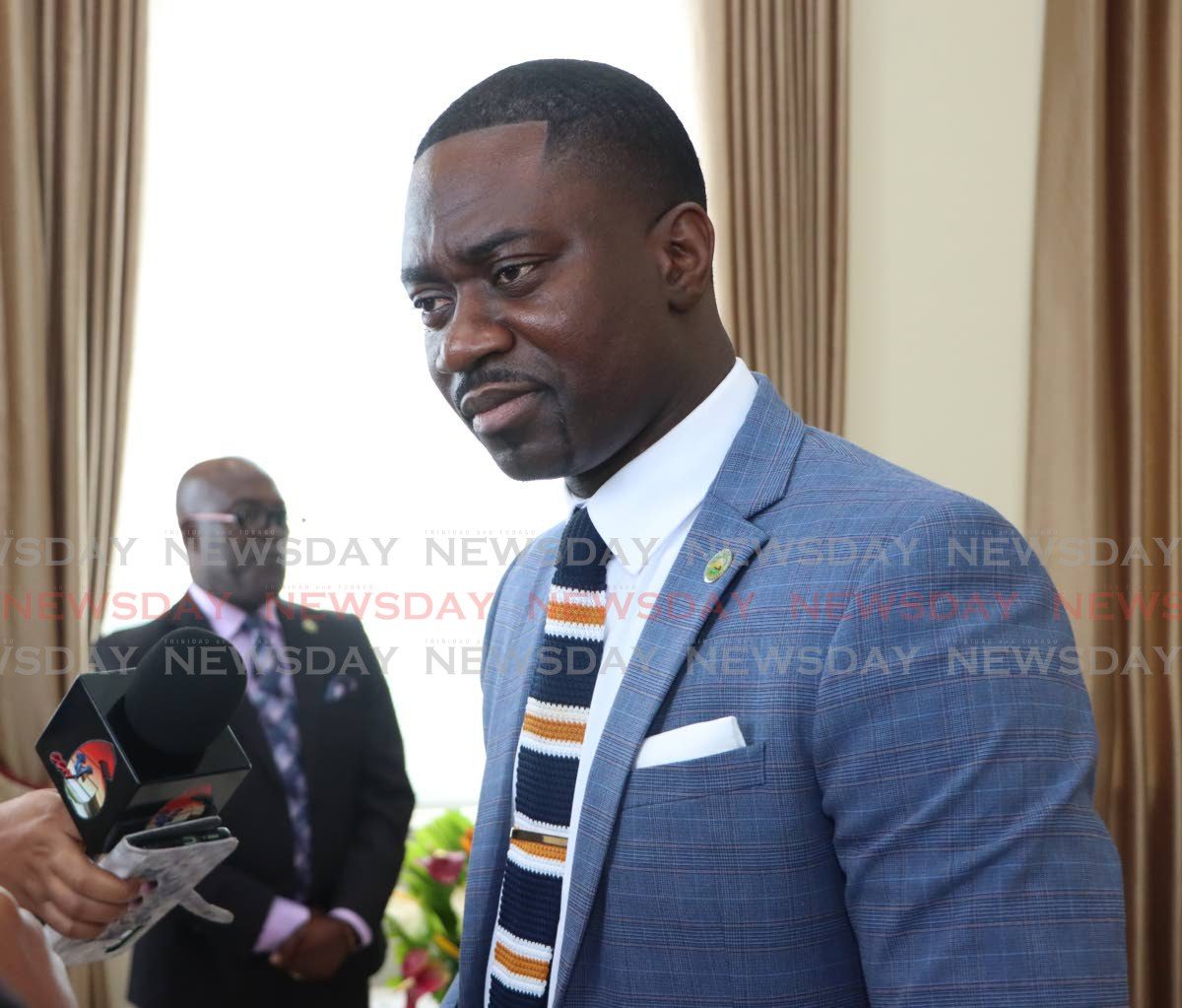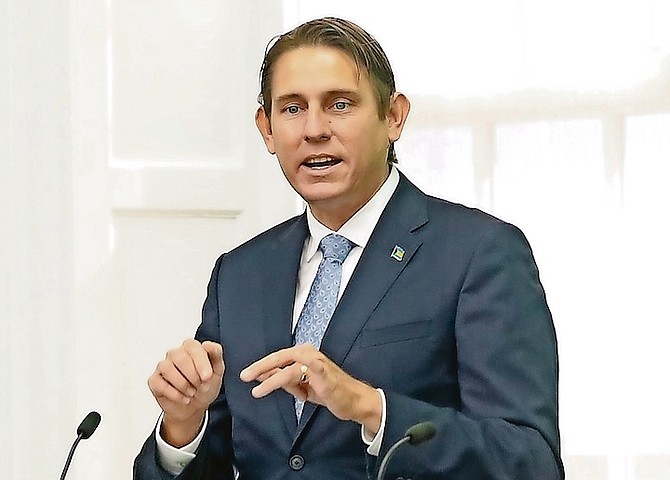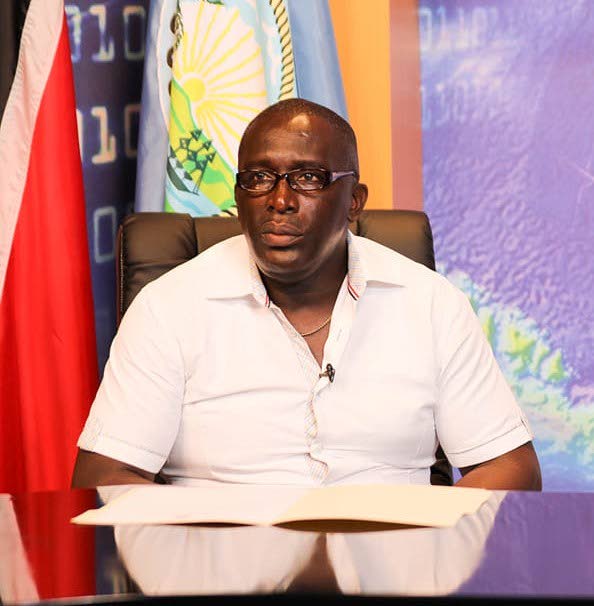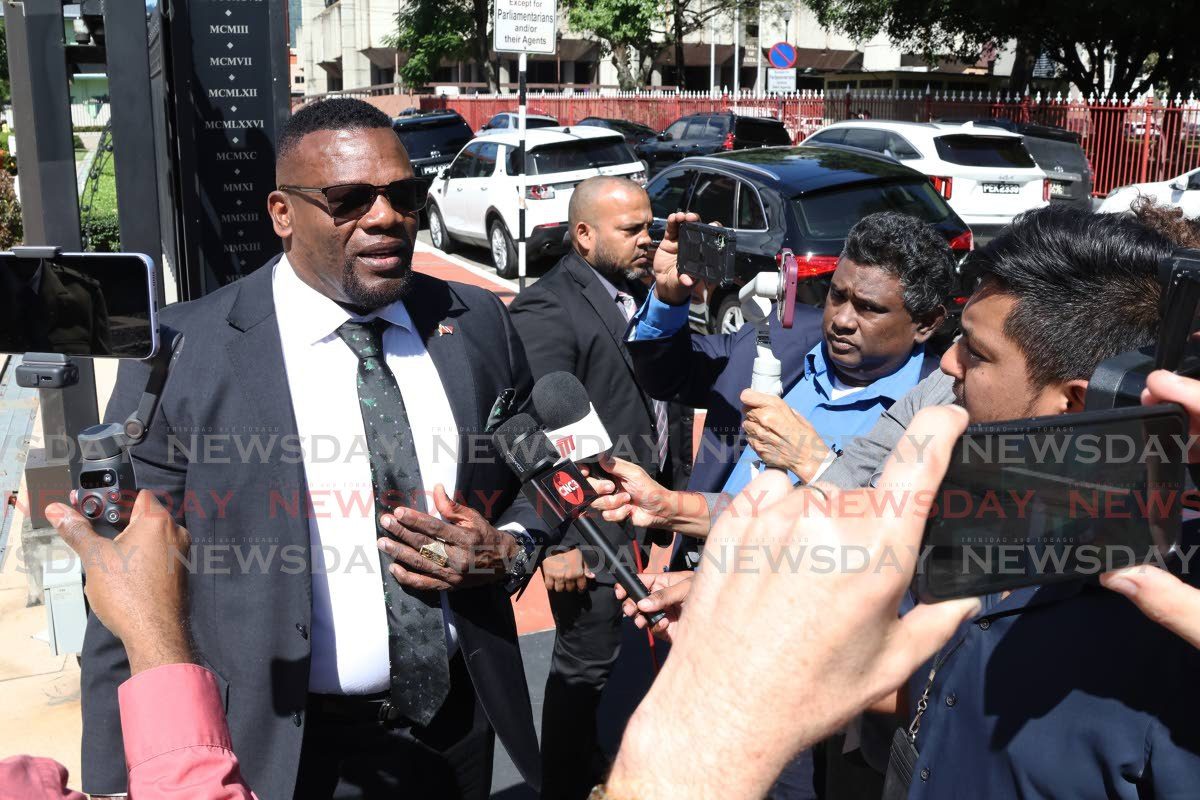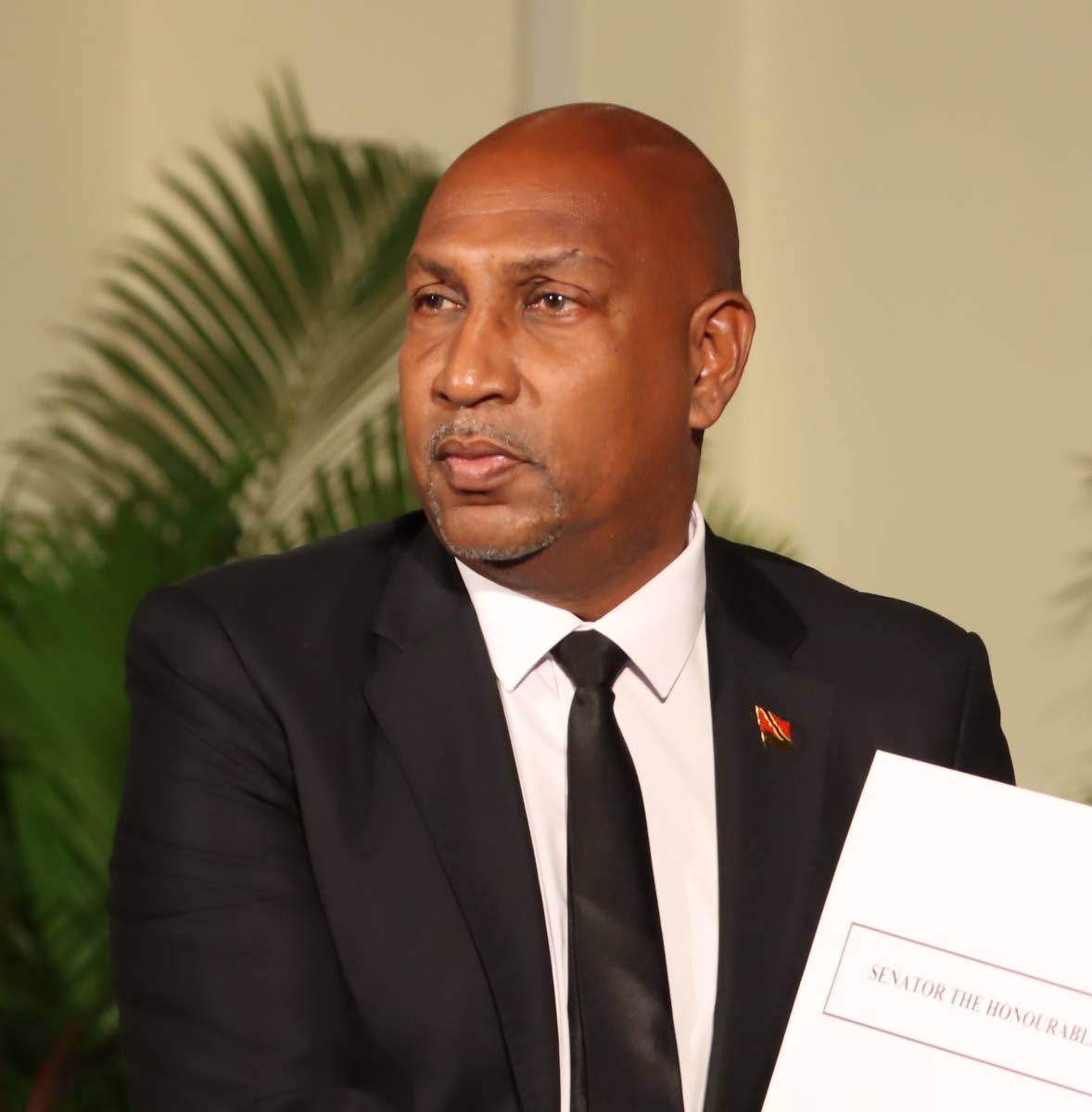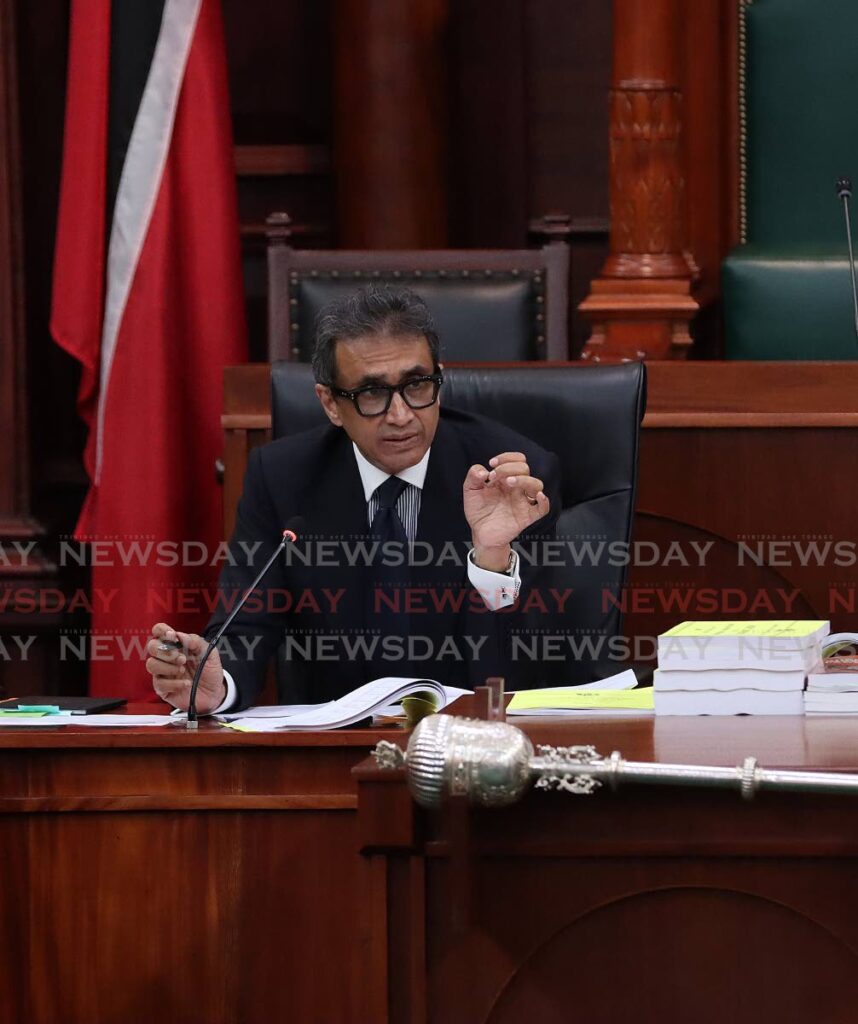
In a tense exchange during the House of Representatives’ Urgent Questions segment on October 31, Minister of Defence Wayne Sturge refused to confirm whether Trinidad and Tobago Defence Force personnel had been ordered to return to their bases. The question was posed by Opposition Chief Whip Marvin Gonzales, who sought clarity on the matter ahead of the debate on extending the state of emergency. Sturge cited Standing Order 27 (g), which allows ministers to withhold information if its disclosure is deemed contrary to the public interest. Despite the minister’s evasive response, an internal message revealed that all military personnel were instructed to report to their respective bases by 6 pm on October 31. The directive also extended to officers on pre-retirement leave, sick leave, or vacation, who were ordered to remain on standby and prepare for potential confinement. The message emphasized the seriousness of the situation, stating, ‘This is not a drill.’ The developments have raised questions about the government’s preparedness and the implications of the ongoing state of emergency.
分类: politics
-

Historical context behind Trinidad and Tobago’s engagement with US, Venezuela
Prime Minister Kamla Persad-Bissessar’s position on Trinidad and Tobago’s (TT) involvement in regional security, particularly concerning the escalating tensions with Venezuela, has sparked considerable debate. Critics have labeled her approach as overly aligned with the United States or even “far-fetched.” However, a closer examination reveals that her stance is neither unprecedented nor unreasonable. It is deeply rooted in an 80-year history of strategic cooperation with the US, shared security interests, and a pragmatic assessment of contemporary challenges.
TT’s relationship with the US dates back to the Second World War, when the 1940 Destroyers for Bases Agreement led to the establishment of a US naval base in Chaguaramas and the construction of critical infrastructure, including the Churchill-Roosevelt Highway. These developments not only bolstered the Allied war effort but also laid the groundwork for TT’s modern road network. Although the US presence in Chaguaramas ended in 1963, the two nations have maintained a cooperative partnership through various agreements, such as the Customs Mutual Administrative Agreement and the Caribbean Basin Security Initiative. These frameworks have facilitated information-sharing, law enforcement collaboration, and maritime security, which are vital in combating transnational crime, narcotics, and arms trafficking.
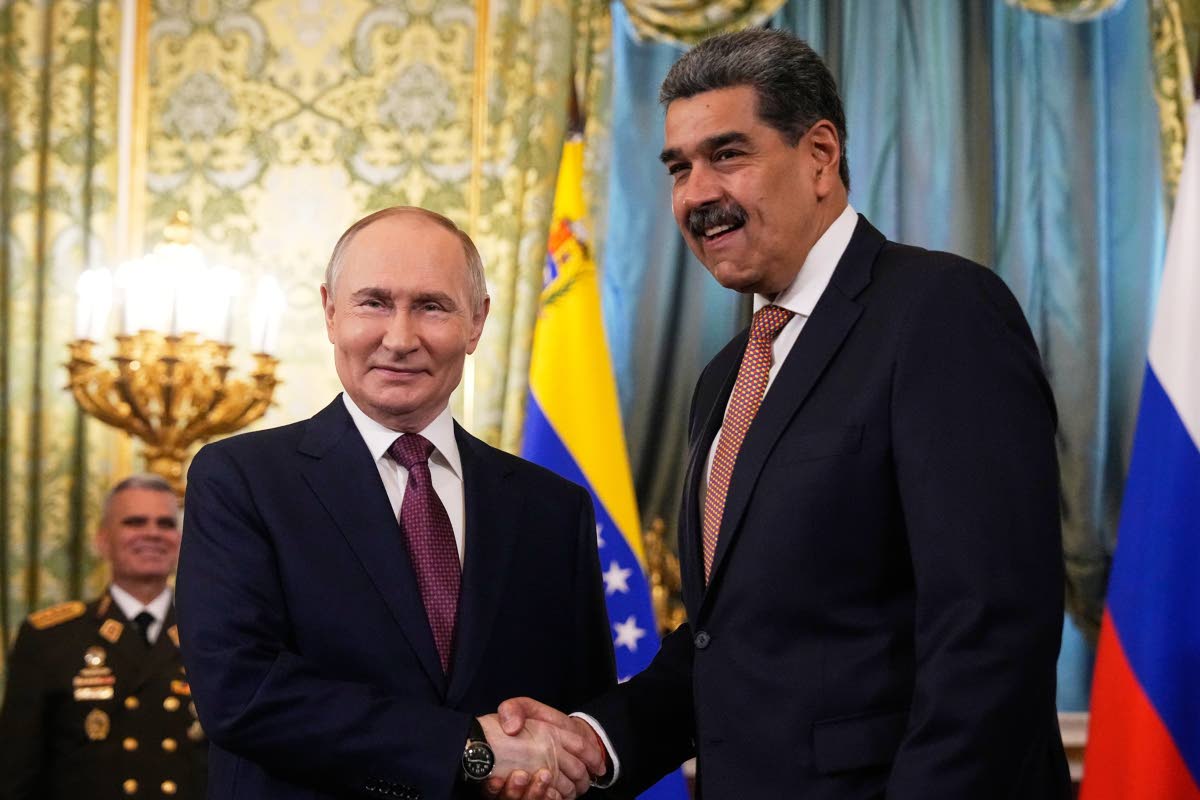
Against this backdrop, Prime Minister Persad-Bissessar’s concerns about Venezuela’s security developments are well-founded. Recent US legal actions against Venezuelan officials, including former intelligence chief Hugo “El Pollo” Carvajal and President Nicolás Maduro, highlight the gravity of the situation. TT is not insulated from the repercussions of Venezuelan instability, as evidenced by the infiltration of the Tren de Aragua gang, now designated a terrorist organization under TT’s Anti-Terrorism Act. This poses a direct threat to national security, border management, and social stability.
When the Prime Minister asserts that any incursion into TT’s territorial waters will be met with force, she is not echoing US rhetoric but reaffirming TT’s sovereignty and right to self-defense. Her engagement with the US on surveillance, intelligence, and counter-narcotics cooperation aligns with the long-standing strategic partnership between the two nations. This pragmatic approach is aimed at safeguarding TT’s people and borders.
However, this cooperation must be balanced with transparency. TT must ensure that its territory is never used as a staging ground for foreign military operations without full sovereign consent. Diplomatic efforts should continue to prioritize peace, dialogue, and regional stability through organizations like Caricom, while simultaneously strengthening TT’s readiness to defend its frontiers.
In essence, TT’s current engagement with the US is neither subservience nor a novelty. It is a continuation of a historical partnership shaped by shared interests, geography, and the need for security in a volatile region. Prime Minister Persad-Bissessar’s approach is not “far-fetched” but a rational extension of TT’s historical trajectory and its responsibility to protect the republic.
-

Senator: Alcohol, beverage sectors pivotal to Trinidad and Tobago
Independent Senator Francis Lewis has raised concerns over the projected $1 billion in revenue from increased excise duties on rum, beer, and tobacco products, as outlined by Finance Minister Davendranath Tancoo. Speaking during a Senate debate on October 29, Lewis challenged the assumption that consumption of these products would remain unaffected by price changes, a concept known as price inelasticity. He cited a historical example from the ‘beer wars,’ where a 33% price drop led to a 45% surge in sales, arguing that the market is more elastic than policymakers assume. Lewis, who has consulted for local alcohol manufacturers, warned against rapid tax hikes, emphasizing the potential harm to businesses still recovering from the COVID-19 pandemic. He highlighted the sector’s significance, noting it employs approximately 100,000 people, with small bars and rum shops heavily reliant on alcohol sales. Lewis also expressed concerns about the lack of consultation with industry stakeholders, suggesting that sudden tax increases could create uncertainty and hurt revenue. Despite his objections, the Senate approved the government’s proposals to raise excise rates on alcohol and tobacco products.
-

Trump Cuts Tariffs on China in Exchange for Fentanyl Crackdown
In a significant diplomatic move, President Donald Trump has agreed to reduce tariffs on Chinese goods by 10% following a high-stakes meeting with Chinese President Xi Jinping during his Asia tour. The tariff reduction comes in exchange for Beijing’s renewed commitment to crack down on fentanyl exports, a critical issue for the United States. Speaking to reporters aboard Air Force One, Trump lauded the meeting as a “12 out of 10” and expressed optimism that a comprehensive trade deal is within reach. He also confirmed plans to visit China in April, with Xi expected to reciprocate with a visit to the U.S. later in the year. Trump justified the tariff cut by highlighting China’s “very strong action” on fentanyl, including adding key precursor chemicals to its controlled substances list and curbing black-market exports. U.S. agencies have observed a decline in fentanyl purity and border seizures, indicating some success in China’s efforts. However, critics caution that the deal is a gamble, given Trump’s previous accusations of China failing to honor similar commitments. Additionally, Beijing has yet to confirm a final agreement on TikTok’s U.S. operations, another contentious issue in trade talks. The deal also risks straining relations with Mexico and Canada, both of which face increased tariffs despite their own anti-fentanyl efforts. Canada, which accounts for less than 1% of fentanyl entering the U.S., may perceive the move as particularly unfair. Meanwhile, China retains significant leverage in the trade war, having restricted rare-earth exports, halted U.S. soybean purchases, and limited access to its AI chip market. Trump’s tariff rollback may be an attempt to regain strategic footing in a trade conflict where China has often dictated the pace.
-

Trinidad and Tobago to realign foreign policy amid Caricom rift
Prime Minister Kamla Persad-Bissessar of Trinidad and Tobago has unveiled a significant transformation in the nation’s foreign policy, citing a breakdown in trust with the Caribbean Community (Caricom). This announcement, widely covered by national outlets such as the Trinidad and Tobago Guardian, Daily Express, and Newsday, comes amid escalating tensions over regional security, divergent stances on Venezuela, and U.S. military activities in the Southern Caribbean. Persad-Bissessar emphasized that these changes are essential for bolstering the country’s economic and physical security, stating that Caricom is no longer seen as a dependable partner. While withdrawal from Caricom is not on the table, the administration plans to forge new international alliances focused on trade, investment, and security. The Prime Minister’s remarks follow Trinidad and Tobago’s decision to withhold support for an October 18 Caricom communiqué declaring the Caribbean a ‘Zone of Peace,’ a stance that highlighted the nation’s unique challenges with drug trafficking, gang violence, and gunrunning. Persad-Bissessar’s endorsement of U.S. military deployments, including the USS Gerald Ford, has further strained relations with Caricom and Venezuela. The Venezuelan government responded by suspending energy agreements and declaring her ‘persona non grata,’ a move she dismissed as inconsequential. Despite these tensions, Persad-Bissessar reaffirmed her commitment to regional humanitarian efforts, expressing solidarity with Jamaica following Hurricane Melissa. As a founding member of the Caricom Single Market and Economy, Trinidad and Tobago’s shift signals a potential reorientation of its long-standing regional engagement in response to evolving geopolitical dynamics.
-

Stichting 8 December: Gerechtigheid blijft de enige weg naar berusting
The Foundation December 8, 1982, has issued a statement emphasizing the pivotal role of the verdict on the December Murders in shaping the future of Suriname as a constitutional state. The organization has welcomed President Jennifer Simons’ recent acknowledgment of the finality of the December 8 verdict and expressed openness to her call to focus on the future. The foundation underscores that impunity in any form contradicts both the Surinamese Constitution and international treaties. Given the president’s stance in favor of ‘human rights for all’ and against ‘summary executions,’ the foundation assumes her vision aligns with a future as a democratic constitutional state. The December 8 verdict marked the end of a prolonged era of impunity for grave state crimes, including the brutal torture and summary execution of innocent civilians. Official lies and slander were debunked, and the victims’ roles as champions of freedom and democracy in Suriname were affirmed. Impunity for such crimes against humanity, regardless of form or pretext, is fundamentally at odds with constitutional principles and international human rights treaties. Respecting the December 8 verdict means honoring the victims and their struggle for justice and democracy, rather than the perpetrators. Political considerations should not justify public honors for torturers and murderers, as such unethical behavior disrespects the victims and compounds the moral suffering of their families. Upholding human rights for all, as recently announced by the president, requires at a minimum: rehabilitation for the victims, recognition of the injustices and suffering endured by them and their families, and a genuine commitment to redress these wrongs. ‘Justice remains the only path to peace,’ the foundation concluded.
-

Trump en Xi sluiten handelsakkoord en verminderen spanningen in felle VS-China rivaliteit
In a significant diplomatic breakthrough, US President Donald Trump and Chinese President Xi Jinping have agreed to a one-year truce in their protracted trade war. The agreement was reached during a bilateral meeting at the Asia-Pacific Economic Cooperation (APEC) summit held in Busan, South Korea. This marks the first face-to-face discussion between the two leaders since 2019 and provides a much-needed reprieve for businesses affected by months of escalating trade tensions.
The truce includes several key provisions: China has agreed to delay its planned export restrictions on rare earth metals, while the US will refrain from imposing a threatened 100% tariff on Chinese goods. Additionally, President Trump announced a reduction in tariffs on fentanyl-related products from 20% to 10%, following President Xi’s commitment to curb the supply of the synthetic opioid. Trump hailed the agreement as ‘great’ during his Asia tour, emphasizing that ‘there is no obstacle for rare earth metals anymore.’ China also pledged to purchase ‘massive amounts’ of American soybeans.
Despite these developments, many trade barriers remain in place, and underlying disputes between the two nations remain unresolved. Analysts describe the agreement as a ‘pause and a small rollback’ rather than a resolution, with both sides temporarily halting their trade hostilities while adhering to the terms of the truce. Dennis Wilder, a former CIA and White House China expert, noted that the deal represents a temporary ceasefire rather than a long-term solution.
Market reactions were cautious, with major Asian stock indices in Hong Kong, Shanghai, and Sydney closing lower, while Japan’s Nikkei 225 remained unchanged. Investors expressed uncertainty about the durability and comprehensiveness of the agreement. However, the suspension of rare earth metal export restrictions was viewed positively by market experts, as these materials are critical for producing smartphones, electric vehicles, and military aircraft.
Trade experts have characterized the agreement as a ‘partial freeze’ or ‘small rollback’ in the trade war. The deal includes an annual review mechanism, allowing both countries to reassess their trade relationship and purchasing power each year. Cameron Johnson of Tidalwave Solutions in Shanghai described the agreement as ‘likely the best outcome both parties could achieve under the current circumstances,’ but warned that uncertainties surrounding implementation and annual evaluations could continue to influence the trade conflict in the future.
-

Two Cuban victories for life
In a televised address during the National Defense Council meeting, President Miguel Díaz-Canel Bermúdez highlighted Cuba’s triumph in protecting its eastern provinces from the devastating impact of Hurricane Melissa. He emphasized the nation’s unity and resilience in the face of adversity, calling it a defense of life against a ‘deceitful and cynical empire.’ The President acknowledged the ongoing challenges posed by the hurricane’s aftermath, including strong winds, heavy rains, and potential health risks, urging continued vigilance and coordinated efforts to restore essential services and infrastructure. He praised the efforts of the Cuban people and the Party, stating, ‘Today we are all Fidel and Raúl. Today we are all the Party of unity defending life.’ Meanwhile, Cuba received overwhelming international support at the United Nations, with 165 countries voting to end the U.S. economic, commercial, and financial blockade. Despite aggressive diplomatic maneuvers by the U.S. to sway votes, the resolution passed with a significant majority, marking a symbolic victory for Cuba and a blow to imperialist policies. The vote underscored global solidarity with Cuba and exposed the futility of the U.S. blockade, which has been widely condemned as a form of economic warfare.