分类: politics

  • Barbados adjusting $80m foreign policy with CARICOM as ‘strategic anchor’

    Barbados adjusting $80m foreign policy with CARICOM as ‘strategic anchor’

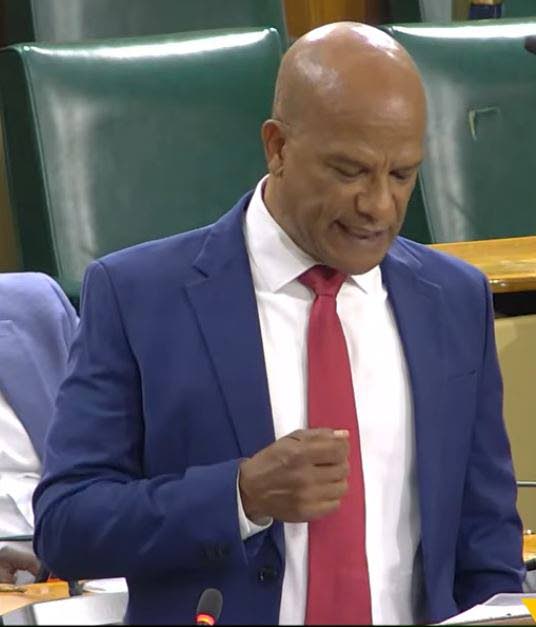
    In a significant address to the House of Assembly, Barbados’ Senior Minister of Foreign Affairs and Foreign Trade, Senator Chris Sinckler, unveiled a comprehensive strategy to reformulate the nation’s international engagement framework. The announcement came during the opening of the Estimates debate, where his ministry sought an BDS $80.7 million appropriation for the upcoming fiscal year.

    Senator Sinckler characterized the contemporary global environment as undergoing profound structural transformation, marked by geopolitical fragmentation, supply chain realignments, technological disruptions, and security-driven trade policies. He emphasized that these shifts represent permanent features of the new international landscape rather than temporary disturbances.

    The minister articulated a vision of disciplined recalibration rather than abandonment of existing principles. This strategic pivot aims to convert diplomatic capital into tangible economic and developmental returns during an era of geopolitical volatility and fiscal constraints. The approach will remain grounded in Barbados’ core values: respect for international law, commitment to multilateralism, advocacy for climate justice, and support for rules-based global systems.

    CARICOM will continue to serve as the strategic anchor of Barbados’ foreign policy, even as the nation strengthens ties with other regional bodies including the Association of Caribbean States and the Organization of American States. Beyond the hemisphere, Barbados is intensifying engagement with both Global South nations and traditional allies, with particular focus on enhancing relationships with EU institutions in Brussels and the World Trade Organization in Geneva.

    Significantly, Senator Sinckler highlighted evolving relations with Canada under new Prime Minister Mark Carney, noting that the two nations have initiated negotiations on a comprehensive cooperation and development agreement. Key discussion areas include skills recognition, mobility frameworks, trade expansion, and migration management.

    The foreign minister also announced plans to modernize Barbados’ diplomatic toolkit through data-driven trade analysis, digital diplomacy platforms, enhanced market intelligence systems, and structured diaspora engagement. This modernization effort aims to enable proactive, intelligence-driven responses to global developments rather than reactive policymaking.

    Senator Sinckler concluded with a cautionary note about operating without firm foundations in an increasingly volatile international environment, outlining a layered diplomatic approach with national interests and CARICOM at its core.

  • SKN promotes gender-inclusive digital agenda at OAS Permanent Council

    SKN promotes gender-inclusive digital agenda at OAS Permanent Council

    In a pivotal address to the Organization of American States (OAS) Permanent Council, St. Kitts and Nevis Ambassador Jacinth Henry-Martin outlined the Federation’s comprehensive strategy for ensuring gender equality within the rapidly evolving digital landscape. The presentation, delivered on Wednesday ahead of International Women’s Day observances, emphasized both the opportunities and challenges presented by digitalization across the Western Hemisphere.

    Ambassador Henry-Martin articulated the dual nature of digital transformation, noting its potential to drive economic growth and social inclusion while simultaneously creating new vulnerabilities for women and girls. She identified digital violence, online harassment, and algorithmic bias as significant threats that could undermine women’s participation in public life and weaken democratic resilience.

    The ambassador detailed St. Kitts and Nevis’ multi-faceted approach to creating a gender-inclusive digital ecosystem. Central to this effort is the implementation of a secure national digital identity and authentication system designed to facilitate access to government services while protecting privacy rights. The initiative represents a cornerstone of the Federation’s commitment to ensuring no woman or girl is excluded from digital spaces.

    Capacity development programs in digital identity management, digital certification, and information security are creating new professional pathways for women within the public service sector. These technical initiatives are complemented by educational outreach through the ‘Girls in ICT’ program, which equips young women with essential STEM skills and prepares them for leadership roles in the digital economy.

    The National Gender Equality Policy and Action Plan (2022-2027) provides the overarching framework for these efforts, mandating gender-inclusive collaboration across government agencies including the Ministry of Information, Communication and Technology and the Department of Gender Affairs. This policy leverages digital platforms and media outreach to challenge harmful gender norms and stereotypes while mainstreaming gender considerations across all sectors, particularly ICT.

    Through these coordinated measures, St. Kitts and Nevis is working to ensure women and girls can fully exercise their digital rights and contribute equally to national development in an increasingly technology-driven world.

  • Saint Kitts and Nevis Prime Minister to visit Ghana for official engagements

    Saint Kitts and Nevis Prime Minister to visit Ghana for official engagements

    In a significant diplomatic engagement, Prime Minister Dr. Terrance Michael Drew of Saint Kitts and Nevis commenced an official four-day visit to Ghana on March 3, 2026. The Caribbean leader’s itinerary includes participation in Ghana’s 69th Independence Day celebrations on March 6, marking a symbolic moment in South-South cooperation.

    The visit features substantial bilateral discussions at the Presidency, where both nations are expected to enhance collaboration across multiple sectors including education, healthcare, trade, investment, and technology. The official agenda began with Prime Minister Drew meeting the Vice Chancellor of the University of Ghana, highlighting the educational dimension of the partnership.

    Cultural and historical engagements form a crucial component of the visit, with scheduled tours of the W.E.B. Du Bois Memorial Centre, Kwame Nkrumah Memorial Park, and Cape Coast Castle. The Prime Minister will also pay a courtesy call to Osabarimba Kwesi Atta II, Omanhene of the Oguaa Traditional Area, acknowledging Ghana’s traditional governance structures.

    Presidency Communications spokesperson Felix Kwakye Ofosu (MP) confirmed that the visit aims to substantially deepen bilateral relations between the two nations. This diplomatic mission represents the continuing strengthening of ties between Caribbean nations and their African counterparts, emphasizing shared historical connections and contemporary partnership opportunities within the Global South framework.

  • St. Kitts and Nevis: PM Drew tours US Navy Ship at Port Zante – WIC News

    St. Kitts and Nevis: PM Drew tours US Navy Ship at Port Zante – WIC News

    In a significant demonstration of bilateral cooperation, Prime Minister Dr. Terrance Drew of St. Kitts and Nevis conducted an official tour of the USS San Antonio, a formidable US Navy amphibious transport dock vessel stationed at Port Zante in Basseterre. The high-level visit, which occurred during the ship’s regional deployment this past week, underscores the deepening diplomatic and security relationship between the two nations.

    Accompanied by Karin Sullivan, Chargé d’Affaires at the US Embassy in Barbados, Prime Minister Drew received comprehensive operational briefings from naval personnel regarding the vessel’s advanced capabilities and strategic mission objectives. The diplomatic engagement provided firsthand insight into the ship’s sophisticated infrastructure designed for contemporary military operations.

    The USS San Antonio represents cutting-edge naval engineering with enhanced aviation facilities including an expansive hangar capable of housing multiple helicopter variants and MV-22 Osprey tiltrotor aircraft. Its flight deck supports Marine Corps aviation operations, while the integrated well deck facilitates the deployment of Landing Craft Air Cushion (LCAC) vehicles—high-speed amphibious landing craft essential for rapid transportation of troops, equipment, and humanitarian supplies.

    US diplomatic officials emphasized the symbolic importance of this naval presence, characterizing the deployment as instrumental in fostering regional security collaboration and counter-narcotics efforts. “This naval platform significantly contributes to US-Caribbean cooperation on regional security initiatives, combating illicit trafficking networks, and enhancing disaster response capabilities,” stated the US Embassy in Barbados.

    The embassy further articulated that the USS San Antonio embodies the strengthened partnership between the United States and the Federation of St. Kitts and Nevis, while simultaneously reinforcing Washington’s commitment to broader Caribbean regional stability and humanitarian assistance preparedness.

  • China kiest voor terughoudendheid in Iran-conflict

    China kiest voor terughoudendheid in Iran-conflict

    When the United States and Israel launched military strikes against Iran, China maintained a characteristically cautious diplomatic posture, waiting several hours before issuing its first official response. Beijing expressed “grave concern” over the escalation while calling for an immediate cessation of military operations and a return to diplomatic dialogue.

    The following day, Chinese Foreign Minister Wang Yi condemned the attacks as unacceptable while reiterating China’s commitment to peaceful resolution through negotiation. Notably absent were any indications of direct intervention—an expectation that analysts consider unrealistic given China’s established foreign policy patterns.

    This measured response reflects China’s consistent approach to international conflicts, including previous attacks on Iranian assets. While condemning violence rhetorically, Beijing typically avoids direct involvement, prioritizing its long-term strategic interests. The timing is particularly significant given the anticipated state visit of former U.S. President Donald Trump to Beijing, expected in early April.

    China’s strategic calculus emphasizes regional priorities over global military projection. Despite possessing a rapidly modernizing military and conducting joint exercises with Iran—plus maintaining a military base in Djibouti—China’s defense focus remains concentrated on protecting its immediate interests in Asia, particularly regarding Taiwan and the South China Sea.

    In the Middle East, China selectively engages where economic and diplomatic opportunities arise, as demonstrated by its successful mediation between Iran and Saudi Arabia in 2023. However, China views U.S. military engagements in Afghanistan and Iraq as cautionary tales to be avoided rather than emulated.

    According to Craig Singleton of the Foundation for Defense of Democracies, China’s restrained response highlights the limitations of its global geopolitical influence: “Beijing’s reaction is predictably cautious and underscores China’s limited influence once hard power comes into play. China can express displeasure but cannot actually stop or meaningfully influence U.S. and Israeli military actions.”

    Despite being Iran’s largest oil importer, China’s primary concern remains broader energy security rather than specific bilateral ties. With sufficient oil reserves to bridge four to five months of potential supply disruptions, Chinese refineries have adequate time to seek alternatives, with discounted Russian oil representing the most likely substitute.

    Analysts unanimously dismiss the possibility of China providing military assistance to Iran beyond existing defense agreements, as Beijing seeks to avoid direct confrontation with the United States and its allies. As researcher Muhammad Zulfikar Rakhmat notes, China’s priority remains conflict resolution rather than escalation.

  • Trinidad and Tobago remains under State of Emergency

    Trinidad and Tobago remains under State of Emergency

    The Government of Trinidad and Tobago has reinstated a 15-day State of Emergency following a concerning escalation in criminal incidents during the recent Carnival season. Prime Minister Kamla Persad-Bissessar announced the decision on Tuesday, March 3rd, 2026, citing specific threats against law enforcement officials and increased gang activity as primary justification for the measure.

    This marks the return of emergency powers that had been temporarily suspended in February to accommodate traditional Carnival celebrations. Government data indicates criminal activity had decreased by over 40% during the previous emergency period from June to January, creating a stark contrast to the recent spike observed during the brief suspension.

    Prime Minister Persad-Bissessar issued a direct warning to criminal elements: ‘I had previously cautioned gang members and released detainees that law-abiding citizens have reached their limit with criminality. Should they refuse to comply with legal standards, I would not hesitate to implement another State of Emergency.’

    Attorney General John Jeremie defended the administration’s position, emphasizing that security operations targeting known offenders are already underway. He characterized the emergency measures as part of a comprehensive strategy, stating, ‘We are implementing this initial approach while simultaneously developing longer-term, sustainable solutions to maintain order, peace, and safety in our society.’

    The decision has generated mixed reactions within the business community, with some expressing concerns about potential economic repercussions from emergency restrictions. Trinidad and Tobago has consistently recorded one of the Caribbean’s highest murder rates, creating persistent pressure on governments to address violent crime through decisive measures.

    Under the country’s legal framework, any extension beyond the initial 15-day period would require formal parliamentary approval.

  • Prime Minister Drew receives full State Honours at Jubilee House during Official Visit to the Republic of Ghana

    Prime Minister Drew receives full State Honours at Jubilee House during Official Visit to the Republic of Ghana

    ACCRA, GHANA – March 4, 2026 witnessed a significant moment in Caribbean-African relations as Ghanaian President John Dramani Mahama hosted Saint Kitts and Nevis Prime Minister Dr. Terrance Drew with full state honors at Jubilee House. The ceremonial welcome, marked by military precision and diplomatic pageantry, signaled a new chapter in bilateral cooperation between the two nations.

    The official reception commenced with a meticulously orchestrated military parade conducted by the Ghana Air Force, symbolizing the mutual respect and growing friendship between the African nation and its Caribbean counterpart. Following the performance of both national anthems, Prime Minister Drew conducted a formal inspection of the Guard of Honour before engaging in diplomatic introductions with members of both delegations.

    This high-profile encounter represents a strategic effort to deepen ties across multiple sectors including educational exchange programs, trade expansion, cultural collaboration, and enhanced people-to-people connections. The meeting underscores the historical bonds that link Africa with the Caribbean diaspora, particularly through shared heritage and post-colonial development challenges.

    The bilateral discussions that followed the ceremonial events focused on identifying concrete opportunities for partnership, with both leaders expressing commitment to transforming historical connections into practical frameworks for economic and social advancement. The engagement forms part of a broader diplomatic initiative to strengthen South-South cooperation and create sustainable development pathways.

    Prime Minister Drew’s extended itinerary in Ghana includes multiple high-level meetings and cultural exchanges designed to foster deeper understanding between the two nations. This diplomatic mission reflects the increasing importance Caribbean nations place on building substantive relationships with African countries, moving beyond symbolic gestures toward tangible cooperation agreements.

  • Prime Minister, the Honourable Dr. Terrance Drew, arrives in Ghana for Official State Visit

    Prime Minister, the Honourable Dr. Terrance Drew, arrives in Ghana for Official State Visit

    ACCRA, GHANA – March 3, 2026 – In a significant diplomatic move, Prime Minister Dr. Terrance Michael Drew of Saint Kitts and Nevis commenced an Official State Visit to the Republic of Ghana on Tuesday evening, marking a pivotal moment in the two nations’ bilateral relationship. The visit aims to deepen diplomatic engagement, enhance economic cooperation, and foster cultural exchange between the Caribbean nation and the West African republic.

    Upon arrival at the Jubilee Lounge, Prime Minister Drew received an official welcome from Ghana’s Minister for Foreign Affairs, Honourable Samuel Okudzeto Ablakwa. The reception committee included prominent Ghanaian officials such as Minister for Tourism, Culture and Creative Arts Honourable Abla Dzifa Gomashie, Deputy Chief of Staff Nana Oye Bampoe Addo, and Special Envoy for Reparations Honourable Ekow Spio Garbrah, alongside senior representatives from Ghana’s Ministry of Foreign Affairs.

    The Prime Minister’s delegation comprises several key figures including Mrs. Diani Prince-Drew, Dr. Marcus L. Natta (Cabinet Secretary), Special Envoy Mrs. Ama Martin and her spouse Edward Martin, along with communications and foreign affairs officials from Saint Kitts and Nevis.

    This high-level diplomatic engagement represents a strategic effort to build upon the foundation established when both nations first formalized diplomatic relations in June 1993. The agenda includes comprehensive discussions on mutual interests spanning economic development, cultural preservation, and international cooperation. The visit signals both countries’ commitment to strengthening South-South cooperation and fostering meaningful partnerships between Caribbean and African nations.

  • Avancemos urges contingency plan amid Middle East war impact

    Avancemos urges contingency plan amid Middle East war impact

    SANTO DOMINGO – The Dominican political organization Avancemos has issued a stark warning regarding the economic implications of the escalating Middle East conflict, calling for immediate government action to shield the nation’s economy and vulnerable populations.

    Carlos Amarante Baret, the group’s leader, highlighted alarming market shifts directly linked to the geopolitical tensions. Global oil prices have surged by over 8%, while natural gas costs have skyrocketed by nearly 20%. This volatility has triggered substantial losses across major international stock indices, including the Dow Jones Industrial Average. Amarante Baret emphasized that these international financial tremors will inevitably translate into domestic economic pressure, specifically driving up the national inflation rate and destabilizing the Dominican peso’s exchange rate.

    The political leader raised critical questions about the government’s preparedness, querying whether authorities have conducted a comprehensive assessment of the potential fallout. Key concerns include a ballooning national oil import bill, increased electricity tariffs, heightened agricultural production costs, and subsequent price hikes for essential goods like food and medicine. Stressing that effective governance necessitates proactive anticipation of crises, Amarante Baret advocated for the implementation of a robust contingency strategy. Such a plan would be designed to protect the economic stability of middle-class families and the most vulnerable socioeconomic segments, whose household budgets are most susceptible to external economic shocks.

    Avancemos contends that the uncertainty emanating from the military engagement involving the United States and Israel against Iran mandates decisive and swift intervention from Dominican policymakers. The organization urges the administration to move beyond mere observation and formulate concrete measures to mitigate the anticipated adverse economic and social consequences within the Dominican Republic.

  • Senator Denisson Under Scrutiny For $183K Invoice

    Senator Denisson Under Scrutiny For $183K Invoice

    Belizean politics has been rocked by controversy surrounding Union Senator Glenfield Dennison, who finds himself at the center of a contentious $183,000 invoice dispute with Belize Telecommunications Limited (BTL). The emerging scandal reveals complex layers of political and legal entanglement, raising questions about ethical boundaries in public service.

    The controversy originated when BTL rejected a substantial invoice from Senator Dennison for legal services provided during negotiations between the telecommunications giant and the Belize Communication Workers for Justice (BCWJ). The six-figure sum, totaling $183,000, was attributed to legal work conducted during BTL-BCWJ negotiations concerning severance payments for former employees.

    What makes this situation particularly noteworthy is Senator Dennison’s dual role at the time of providing legal counsel—he was simultaneously serving as a Crown Counsel while advising the workers’ union. This overlapping of responsibilities has sparked serious questions about potential conflicts of interest and the proper separation between governmental duties and private legal practice.

    The BCWJ has vigorously defended Senator Dennison, with organizer Emily Turner asserting that the public narrative has been fundamentally misrepresented. According to Turner, Dennison made a firm commitment from the outset not to charge any former BTL worker represented through BCWJ, a promise that allegedly remains unbroken. The union claims the question of legal fees never arose internally because their attorney voluntarily supported workers without seeking compensation.

    Turner revealed that the fee discussion was initiated not by the workers’ group but by BTL itself, which raised questions about the value of the workers’ legal representation. The union organizer pointedly noted the irony of BTL scrutinizing representation costs for former workers while allegedly spending approximately $20 million in legal fees pursuing litigation to the Caribbean Court of Justice.

    The BCWJ emphasized the financial burden that alternative legal arrangements would have imposed on workers, disclosing that prior consultation with other attorneys yielded proposals including a $100,000 retainer plus ten percent of the total settlement, or alternatively twenty percent of the total settlement. Such arrangements would have translated into millions of dollars in legal fees being borne by workers simply to pursue what the law already provides.

    The case highlights broader issues of workers’ rights and corporate accountability in Belize, with the central question emerging: if a corporation can spend tens of millions on legal defense, why does resistance persist in paying former employees their legally mandated severance with the court-approved six percent interest?