分类: politics

  • Antigua and Barbuda Wants More UN Agencies Based In St. John

    Antigua and Barbuda Wants More UN Agencies Based In St. John

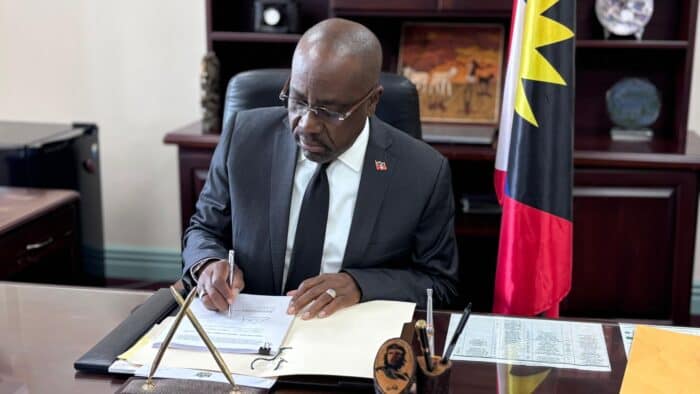
    Foreign Affairs Minister EP Chet Greene has announced Antigua and Barbuda’s strategic initiative to enhance its international diplomatic standing by expanding the United Nations’ institutional footprint within the nation. During Friday’s parliamentary session addressing the 2026 Budget Debate, Minister Greene revealed that the country currently hosts five UN agencies operating from St. John’s, with active efforts underway to attract additional UN entities.

    The established UN agencies include the United Nations Development Programme (UNDP), UNESCO, UN Women, the Pan American Health Organization (PAHO), and the United Nations Resident Coordinator’s Office (UNRCO). Minister Greene characterized this multilateral presence as a transformative development for the twin-island nation, emphasizing how these organizations substantially contribute to both national and regional advancement across critical sectors including sustainable development, public health initiatives, gender equality programs, and educational enhancement.

    Minister Greene has formally directed UN Resident Coordinator Andrea Andrews to actively pursue the establishment of additional UN agencies within Antigua and Barbuda’s jurisdiction. “I have given explicit instructions to the Resident Coordinator to attract more UN agencies to Antigua and Barbuda,” Greene stated during his parliamentary address.

    The minister articulated that broadening the UN’s operational presence would significantly elevate Antigua and Barbuda’s global profile while solidifying its position as a central hub for multilateral diplomacy within the Caribbean region. This strategic move aligns with the government’s broader foreign policy objectives of enhancing international cooperation and strengthening the nation’s role in global governance structures.

  • Officiële erkenning inheemse volken als wet ingediend bij DNA

    Officiële erkenning inheemse volken als wet ingediend bij DNA

    Lawmakers from Suriname’s governing coalition have introduced landmark legislation to formally recognize indigenous communities as the nation’s original inhabitants through constitutional amendment. The proposed bill, submitted to the National Assembly, establishes that the presence and profound connection of indigenous peoples with the land constitute an inseparable component of Suriname’s national identity and historical narrative.

    According to the explanatory memorandum accompanying the legislation, this recognition transcends symbolic significance, serving as a constitutional anchor for protecting and promoting indigenous rights. These encompass territorial claims, linguistic preservation, cultural heritage, and self-determination principles that have previously lacked explicit constitutional foundation.

    The initiative addresses a decades-long legal and societal void wherein Suriname’s Constitution contained no specific provisions regarding the status of indigenous populations, despite their historically undisputed presence and role in nation-building. The proposed constitutional modification aligns with international treaties and standards binding to Suriname, including the International Covenant on Civil and Political Rights, the Universal Declaration of Human Rights, the American Convention on Human Rights, and the UN Declaration on the Rights of Indigenous Peoples.

    This constitutional recognition will provide directional guidance for future legislation, policy development, and judicial interpretations across multiple domains: land rights protocols, consultation mechanisms for major development projects, native-language education systems, and cultural preservation frameworks. The government acknowledges that Suriname has been inhabited since time immemorial by Kalina, Lokono, Trio, Wayana, Akurio, and Warao peoples, whose cultural traditions, community structures, and spiritual relationships with natural environments form essential elements of national identity, despite their continued marginalization.

    By embedding this recognition within the Constitution’s preamble, the measure establishes a robust legal foundation for subsequent reforms, including potential legislation governing collective land rights—a longstanding unresolved issue. Legislators characterize the initiative as both a necessary and equitable step that delivers historical validation while harmonizing domestic legal frameworks with international obligations. The proposal further establishes groundwork for a more inclusive society and contributes to national reconciliation within a post-colonial context.

  • Minister Pokie: Georganiseerd patroon misstanden rond Moni Karta

    Minister Pokie: Georganiseerd patroon misstanden rond Moni Karta

    Suriname’s Minister of Social Affairs and Housing Diana Pokie has revealed extensive and organized corruption within the Moni Karta program, the government’s flagship anti-poverty initiative. During a high-level government briefing, Pokie disclosed that both ministry officials and employees of the Surinamese Postal Savings Bank (SPSB) are implicated in what she described as a deeply rooted pattern of systematic misconduct.

    The minister confirmed that disciplinary measures, including terminations, have already been implemented at the banking institution following the detection of irregularities. While exact numbers of implicated individuals remain undisclosed pending official documentation from SPSB, Pokie emphasized the complexity of the scheme that cannot be resolved within months.

    Multiple investigations are currently underway, with several formal complaints already filed with authorities. In a significant operational shift, employees directly involved with matters under investigation will be placed on mandatory leave starting January 2nd, effectively suspending an entire department and potentially disrupting service continuity.

    Pokie asserted that all necessary evidence exists to prosecute offenders once investigations conclude. The coordinated response involves multiple government agencies working to address the corruption while preventing further harm to vulnerable citizens who depend on the financial assistance program.

    The minister stressed that restoring public trust in the welfare system remains the highest priority, with protection of legitimate beneficiaries guiding all subsequent actions. The government faces the dual challenge of rooting out corruption while maintaining essential services for Suriname’s most economically disadvantaged populations.

  • Orange Guayaberas Set Off Tense Parliamentary Exchange

    Orange Guayaberas Set Off Tense Parliamentary Exchange

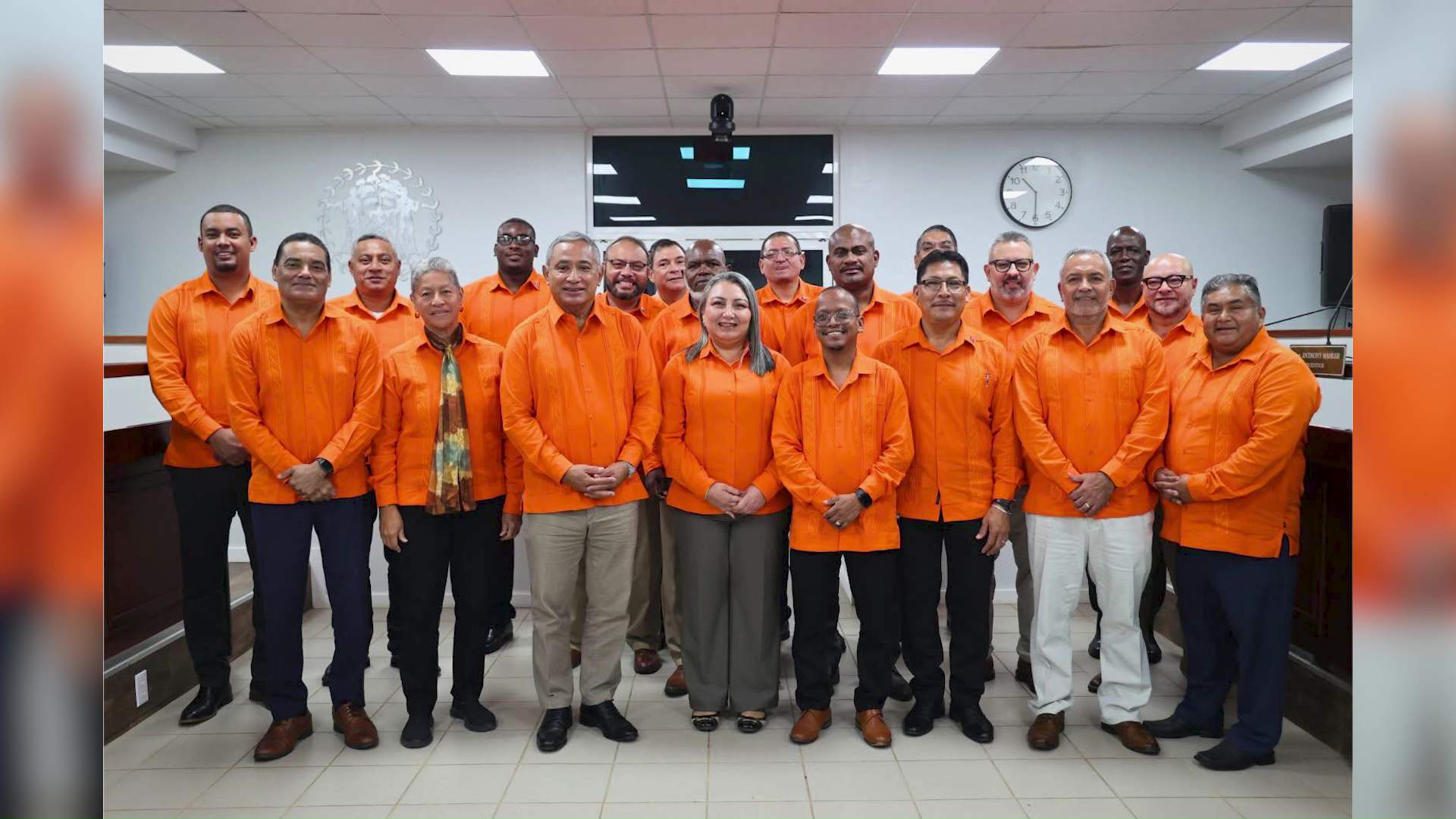
    BELIZE CITY – A symbolic display of solidarity during the Sixteen Days of Activism against gender-based violence erupted into a tense political confrontation in Belize’s Parliament on December 12, 2025, as Prime Minister John Briceno’s administration donned vibrant orange guayaberas to mark the occasion.

    The carefully orchestrated demonstration of support for anti-violence initiatives quickly devolved into acrimonious exchange when Prime Minister Briceno drew a direct comparison between his government’s orange attire and the opposition UDP party’s controversial ‘Who Thief Budna’ t-shirts. The Prime Minister’s remarks immediately ignited a fiery debate across the parliamentary aisle.

    ‘We will have our honorable Minister of Human Development make a statement,’ Briceno stated before launching his critique. ‘But I want to make a big difference between the opposition and our side. The opposition comes with t-shirts defending a criminal, defending a child predator wanted by Interpol.’

    The comparison prompted an immediate response from Opposition Leader Tracy Panton, who raised a point of order challenging the Prime Minister’s characterization. ‘The point of order is that he is attributing some kind of clandestine motive to the opposition when he well knows that is not the intention,’ Panton asserted. ‘The intention of the opposition is to ensure justice for all Belizeans.’

    Prime Minister Briceno maintained his position, declaring, ‘I am not insinuating anything – it is just a fact. Here we come standing up for gender-based violence for the sixteen days of activism, and you can see a big difference.’

    The exchange grew increasingly tense as Panton challenged the Prime Minister’s authority, asking, ‘When did you become judge, jury and executioner? Again the prime minister insists on suggesting that we were here with improper motives, and that is not acceptable, Madam Speaker.’

    The parliamentary session highlighted how even symbolic gestures in Belize’s political landscape can quickly become flashpoints for deeper political divisions and unresolved tensions between the governing and opposition parties.

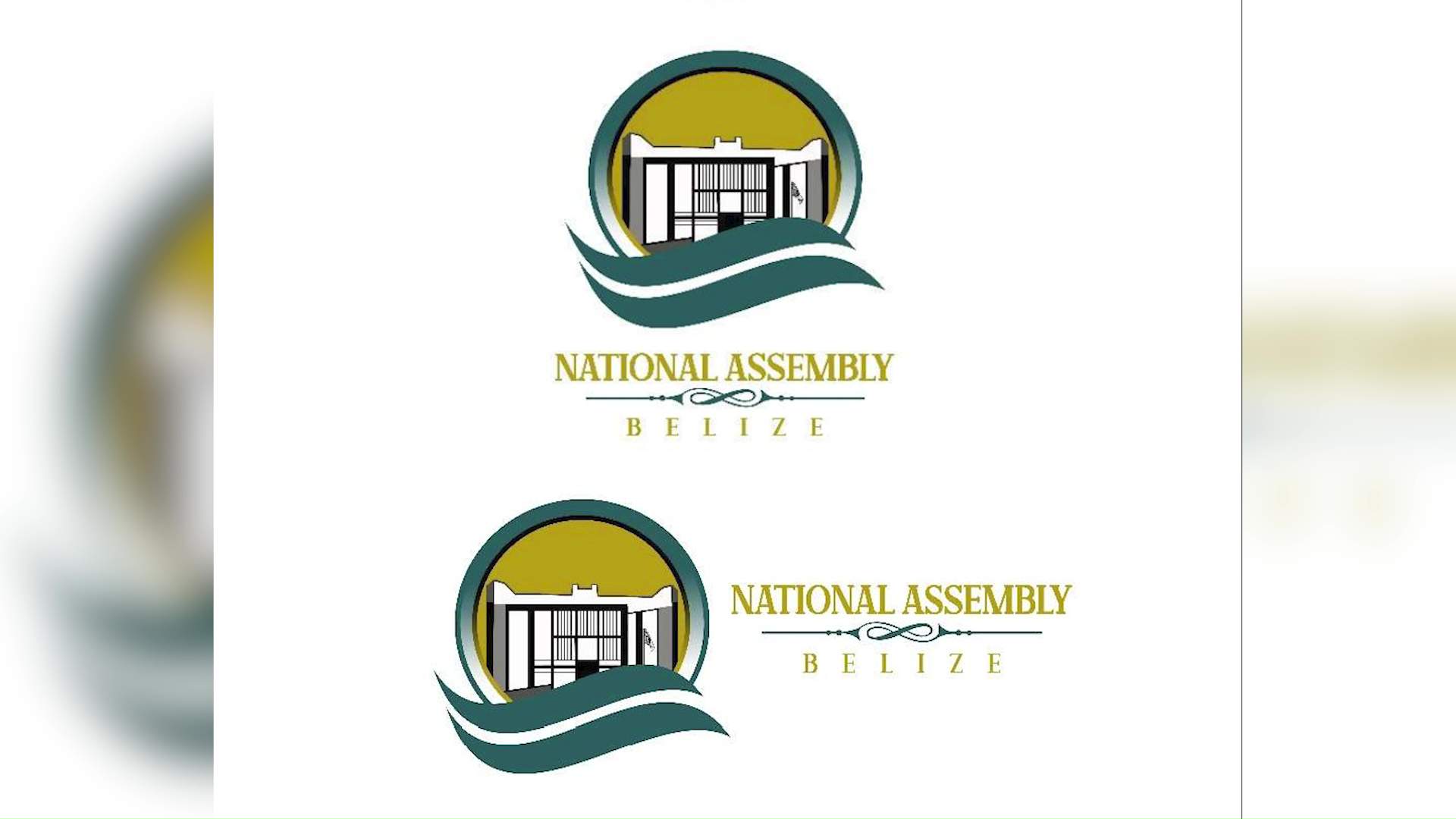
  • National Assembly Unveils Modern Logo, Retires Coat of Arms

    National Assembly Unveils Modern Logo, Retires Coat of Arms

    In a significant symbolic shift, Belize’s National Assembly has officially retired its traditional coat of arms in favor of a contemporary new logo. The modernization initiative received rare bipartisan endorsement, with both government and opposition leaders praising the redesign. Prime Minister John Briceño characterized the new emblem as ‘classy’ during the official unveiling on December 12, 2025. Briceño emphasized the extensive consultation process that preceded the change, involving both the House of Representatives and the Senate. The Prime Minister specifically commended the leadership of both legislative chambers and their staff for spearheading the initiative. Opposition Leader Tracy Panton similarly endorsed the rebranding effort, expressing hope that the updated visual identity would signal a more accessible and publicly engaged National Assembly. Panton noted that the modernization should accompany increased civic engagement and improved public accessibility to legislative proceedings. The move represents one of the most visible symbolic changes to Belize’s legislative identity in recent history, potentially signaling a broader transformation in how the country’s democratic institutions present themselves to citizens and the international community. The design refresh occurs amid ongoing efforts to modernize governmental operations and public communications across Belize’s political landscape.

  • Prime Minister Mum on Speednet Sale Speculation

    Prime Minister Mum on Speednet Sale Speculation

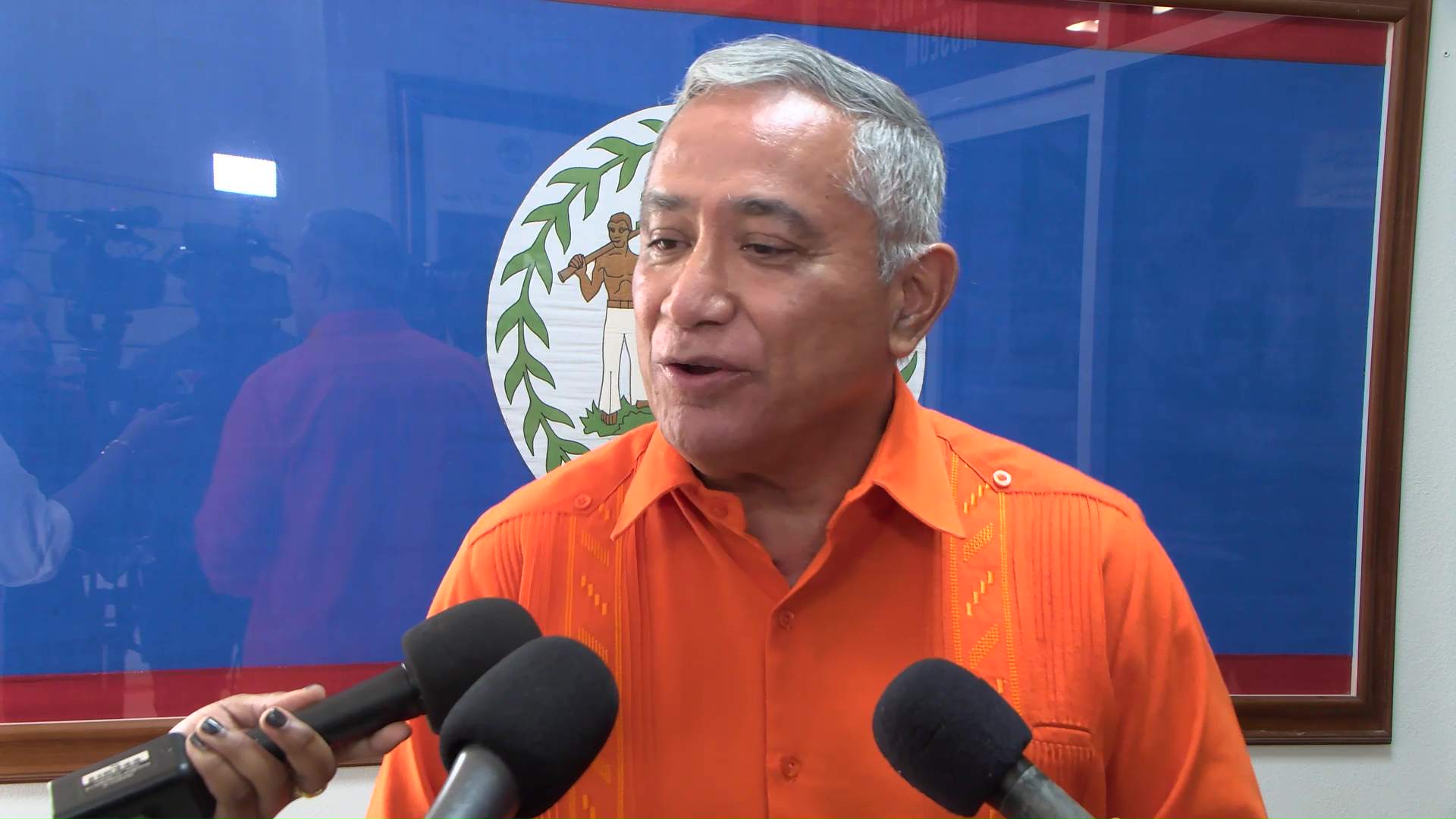
    Belizean Prime Minister John Briceño has maintained his position of non-involvement regarding mounting speculation about telecommunications company Speednet’s potential acquisition by government-owned Belize Telemedia Limited (BTL). During recent press inquiries, the Prime Minister consistently redirected questions to his brother, Jaime Briceño, who holds connections to Speednet’s operations.

    When pressed for specifics regarding the rumored buyout timeline, Briceño offered neither confirmation nor denial of the transaction’s existence. He emphasized his separation from family business matters, stating respectfully that journalists should approach his brother directly for information pertaining to Speednet’s corporate affairs.

    The Prime Minister elaborated on the government’s relationship with public utilities, noting that while BTL remains government-owned, it operates alongside Belize Electricity Limited (BEL) and Belize Water Services Limited (BWSL) as private entities. Briceño suggested that should such an acquisition proceed, the involved companies would bear responsibility for transparently justifying how the transaction serves national interests.

    The conversation intensified when a reporter highlighted concerns about perceived conflict of interest, noting the Briceño family potentially stands to gain approximately fifty million dollars from the deal. The Prime Minister dismissed awareness of such financial arrangements, jokingly remarking that he might need to confront his brother about these alleged figures.

  • Ministry of Home Affairs to Announce NEW CEO on Monday

    Ministry of Home Affairs to Announce NEW CEO on Monday

    The Belizean government is poised to unveil a new Chief Executive Officer for the Ministry of Home Affairs this coming Monday, following an extensive selection process. Prime Minister John Briceño has confirmed the impending announcement while maintaining suspense about the final appointment.

    Contrary to widespread speculation favoring Rear Admiral Elton Bennett of the Belize Coast Guard for the position, Prime Minister Briceño revealed that multiple distinguished public figures were under consideration. The selection pool reportedly included four to five prominent candidates, among them former Police Commissioner Chester Williams and Admiral Bennett himself.

    The comprehensive appointment process involved thorough consultations and culminated in a formal recommendation to the Prime Minister. While the final decision has been reached, Briceño emphasized the importance of proper protocol, stating he would withhold the official announcement until personally meeting with the selected individual.

    Currently, National Security CEO Francis Usher continues to serve in an acting capacity, ensuring continuity in the ministry’s operations until the transition. The upcoming leadership change represents a significant development in Belize’s national security infrastructure, with the new CEO expected to address critical home affairs responsibilities including border security, immigration management, and public safety initiatives.

    The Prime Minister’s deliberate approach to the announcement reflects the government’s commitment to transparency while respecting proper appointment procedures for this crucial security position.

  • PM Explains Police Involvement in Budna Investigation

    PM Explains Police Involvement in Budna Investigation

    Prime Minister John Briceño has reaffirmed his administration’s position regarding the ongoing investigation into the Joseph Budna kidnapping case, maintaining that the Belize Police Department retains sole jurisdiction over the matter. During a recent press engagement, Briceño emphasized that Belizean legislation currently lacks provisions for independent investigative bodies to assume control of such cases.

    The Prime Minister’s statements come amid growing public scrutiny surrounding allegations of procedural misconduct within the police force. Online speculation has suggested that officers involved in the investigation may have provided falsified statements during questioning, raising concerns about the integrity of the investigative process.

    When pressed about potential conspiracy theories regarding a cover-up in the kidnapping case, Broneño adopted a measured stance. “I don’t know if police officers—if it was just police officers,” he stated, suggesting that public service personnel sometimes resist administrative transfers and might make unfounded claims accordingly. The Prime Minister deferred specific operational questions to Police Commissioner Chester Williams, acknowledging that the commissioner would be better positioned to address detailed inquiries about the investigation’s conduct.

    Briceño expressed particular disappointment with the Director of Public Prosecutions’ (DPP) public criticism of the investigation, while simultaneously affirming Belize’s democratic principles that allow for such expressions of dissent. He emphasized that the current priority remains ensuring police conduct a thorough and proper investigation into the Budna case.

  • Justice : Unwarranted search of the residence of Port-au-Prince Mayor Ralph Youri Chevry

    Justice : Unwarranted search of the residence of Port-au-Prince Mayor Ralph Youri Chevry

    Port-au-Prince Mayor Ralph Youri Chevry has publicly condemned an early morning police raid on his private residence that he claims violated constitutional protections and standard legal procedures. The incident occurred between 6:00 and 7:00 a.m. in the Juvenat neighborhood, involving multiple armed police units under the direction of Government Commissioner Fritz Patterson Dorval.

    According to Mayor Chevry, the operation began with gunshots that awakened him and resulted in the unjustified killing of his dog. He emphasized that no search warrant was presented despite his repeated requests, and no formal charges were brought against him during the nearly three-hour operation. One of his security agents was temporarily arrested but later released in the Delmas area.

    The police confiscated several weapons assigned to the mayor’s security detail, including a Galil AC 22 (Taurus), a T4, an AR-15 rifle, along with ammunition, a communication radio, and a surveillance drone.

    In his official statement, Mayor Chevry cited Article 24.1 of Haiti’s 1987 Constitution, which establishes the inviolability of homes and requires that any search be conducted according to legally prescribed procedures. He further referenced the Code of Criminal Procedure, which mandates that searches must be authorized by a competent judge, accompanied by a reasoned warrant, and executed in the presence of witnesses.

    Despite what he characterized as procedural violations, Chevry stated that he cooperated ‘calmly and responsibly’ during the operation, acknowledging the ‘specific circumstances’ while reaffirming his commitment to the rule of law, legal procedures, and transparency. The mayor emphasized his continued devotion to Port-au-Prince and Haiti, promising to provide further clarification through appropriate legal channels with his counsel.

    He concluded by urging respect for established facts to prevent ‘confusion or manipulation’ of the incident, which raises significant questions about police procedures and constitutional protections in Haiti’s ongoing governance challenges.

  • Nieuwe wet in de maak om crimineel vermogen af te pakken

    Nieuwe wet in de maak om crimineel vermogen af te pakken

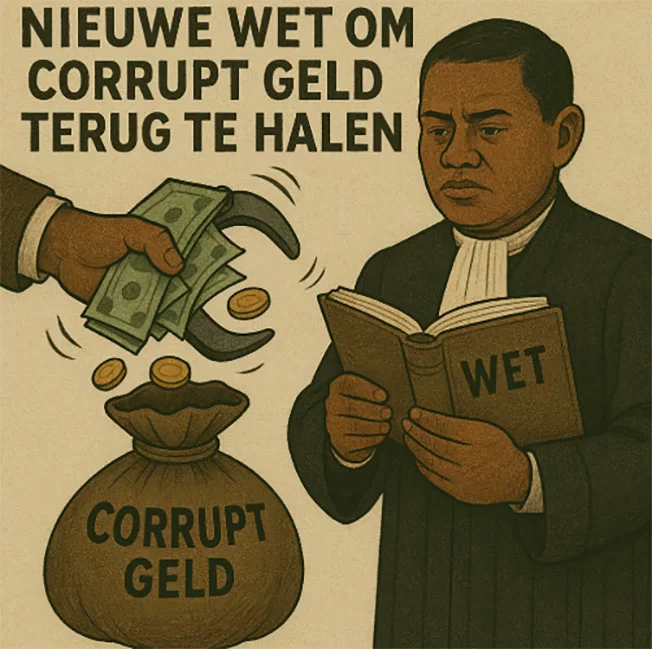
    Suriname’s governing coalition has presented a transformative legislative proposal to the National Assembly designed to significantly strengthen the country’s anti-corruption framework. The Illegally Obtained Advantage Deprivation Act (Wet Ontneming Wederrechtelijk Verkregen Voordeel) represents a comprehensive legal overhaul enabling prosecutors to confiscate criminal proceeds even when concealed through sophisticated financial schemes or complex ownership structures.

    This landmark legislation supplements the existing Penal Code and Code of Criminal Procedure, addressing critical deficiencies in Surinamese law enforcement identified by international monitoring bodies. The explanatory memorandum accompanying the bill characterizes organized crime—including systemic corruption, narcotics trafficking, money laundering, and human trafficking—as an existential threat to national stability and institutional integrity.

    Prosecutors will operate under judicial supervision within an expanded investigative framework permitting exhaustive financial examinations. The scope encompasses bank accounts, cryptocurrency wallets, real estate holdings, vehicles, securities, and any assets where suspects maintain de facto control regardless of nominal ownership.

    A pivotal innovation introduces the principle of wealth discrepancy: when investigations reveal assets substantially exceeding legitimate income sources, courts may compel suspects to provide convincing explanations for these disparities. Failure to satisfactorily account for unexplained wealth creates legal presumption of criminal origins.

    The legislation also establishes value substitution seizure mechanisms, allowing authorities to confiscate equivalent-value assets when original criminal proceeds have been transferred abroad, laundered through third parties, or already expended.

    Notably, the law breaches banking confidentiality under strict judicial authorization requirements, extending disclosure obligations to accountants, insurers, and notaries public. Proponents emphasize these provisions include robust safeguards against abuse while remaining essential for investigating contemporary money laundering techniques.

    The legal framework aligns Suriname with international conventions including the UN Convention Against Corruption (UNCAC) and UN Convention Against Transnational Organized Crime (UNTOC), while implementing recommendations from the Financial Action Task Force (FATF) regarding confiscation procedures and financial investigations.

    According to official documentation, the act specifically addresses deficiencies highlighted by the Caribbean FATF, including inadequate cryptocurrency regulations, insufficient information sharing protocols, and limited capabilities for tracing and freezing illicit assets.

    Government officials position this legislation as signaling Suriname’s determination to eliminate its reputation as a safe haven for criminal proceeds, simultaneously enhancing law enforcement capabilities and restoring public confidence in judicial institutions.