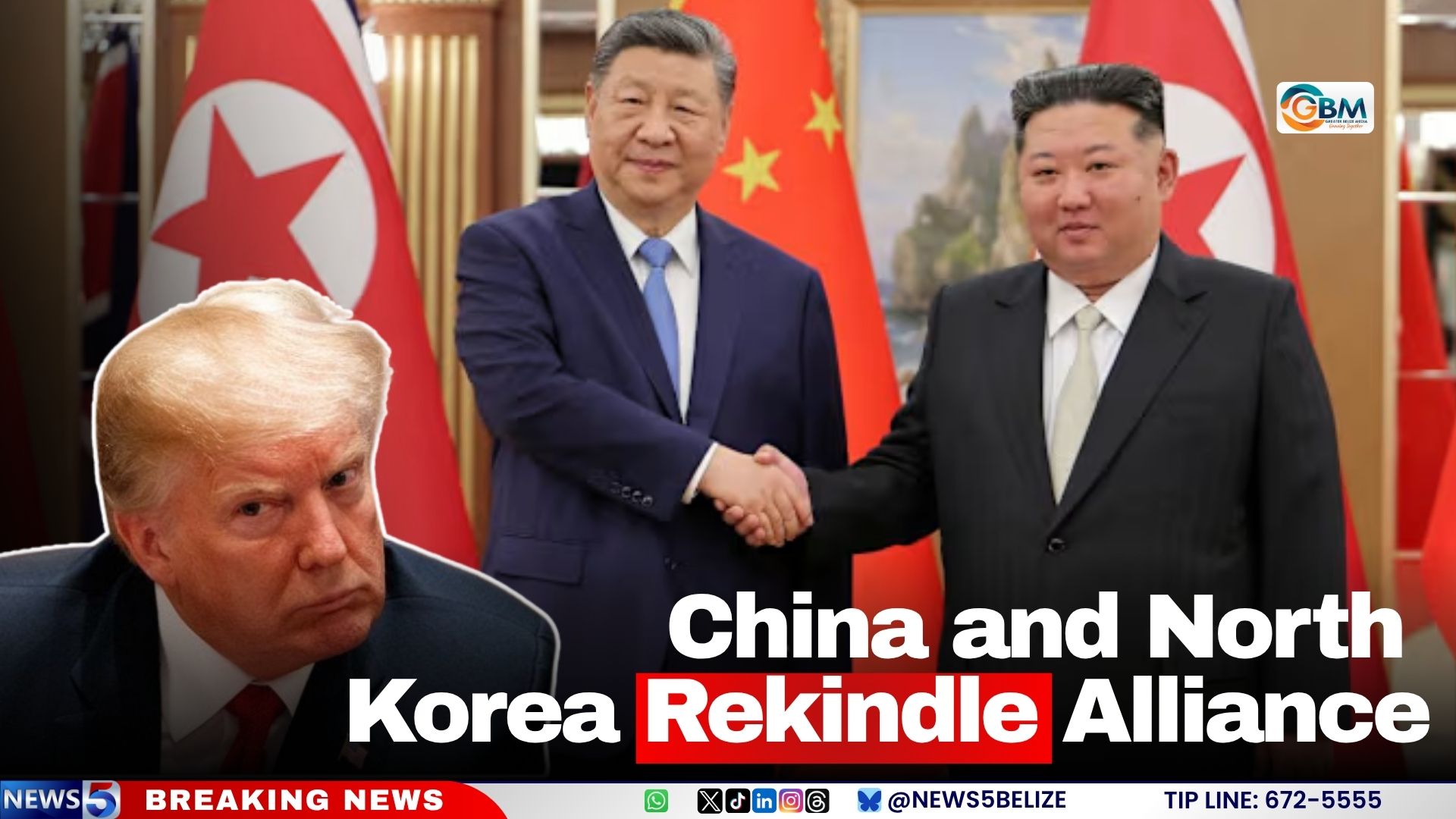
In a high-profile diplomatic development that has shifted regional security dynamics, Chinese President Xi Jinping completed a rare two-day state visit to North Korea in June 2026, returning to Beijing on Tuesday after reaffirming the longstanding alliance between the two nations and locking in commitments for expanded cooperation across key economic and social sectors. The trip marked Xi’s first visit to Pyongyang in seven years, bringing together the top leaders of the two neighboring countries for wide-ranging talks focused on deepening bilateral partnership. During their time together, the two leaders traveled to the China-North Korea Friendship Tower to honor the shared history of the two nations, and participated in a ceremonial tree planting meant to symbolize the enduring nature of their bilateral relationship. The planned areas of expanded collaboration span trade, agriculture, infrastructure construction, and technological development, laying out a clear roadmap for closer integration between the two economies. North Korean leader Kim Jong Un framed the visit as the most encouraging possible support for his country, and emphasized that China remains the top strategic priority for North Korea’s foreign policy agenda. Despite the visible celebration of friendship and cooperation, analysts have zeroed in on one striking absence from the official agenda: any public discussion of North Korea’s nuclear program and the goal of denuclearizing the Korean Peninsula. This deliberate omission marks a notable departure from Xi’s 2019 visit to Pyongyang, when China publicly backed ongoing diplomatic efforts toward full denuclearization of the region. Leif-Eric Easley, an international affairs professor at Seoul’s Ewha Womans University, told the Associated Press that Chinese authorities have shifted their public posture to avoid open discussion of denuclearization, even as they retain the goal as a long-term priority. At the same time, Easley noted that Kim Jong Un appears to be pushing for China to formally accept North Korea’s status as a nuclear-armed state. Current estimates from South Korean President Lee Jae-myung indicate that North Korea is now producing enough weapons-grade nuclear material to build up to 20 new nuclear bombs annually. Beyond the shift on denuclearization, foreign policy experts say Xi’s visit also carries clear strategic significance for China’s global diplomacy. The Associated Press reports that the trip was timed to reassert Beijing’s central influence in Korean Peninsula affairs ahead of any new diplomatic engagement between North Korea and the United States, as former President Donald Trump—who has been open to restarting direct talks with Kim Jong Un—has taken office again in 2025. For China, reaffirming its close ties with Pyongyang ensures that it retains a key voice in any future negotiations that shape the security order of Northeast Asia.
分类: politics
-
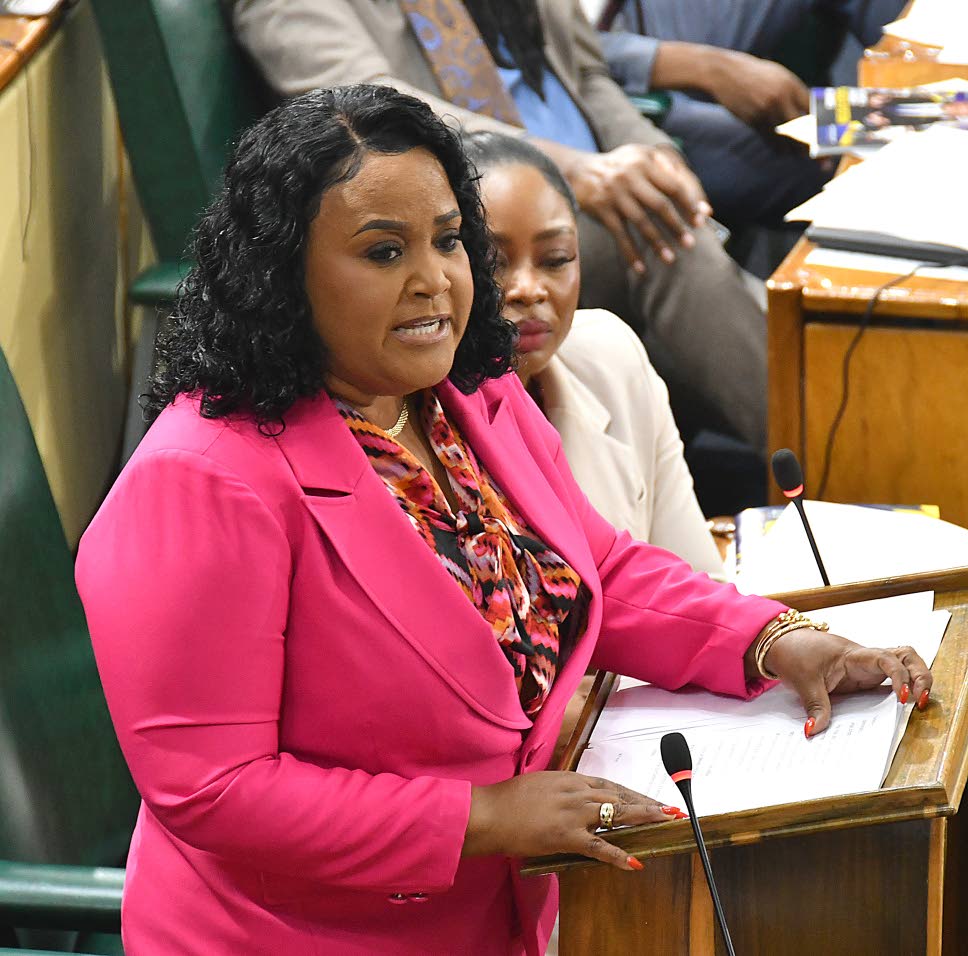
Neita Garvey pushes digital overhaul of municipal corporations
Jamaica’s Opposition has laid out an ambitious plan to drag the country’s municipal government systems into the digital age, arguing that long-overdue systemic change is critical to meeting the expectations of 21st-century citizens.
Natalie Neita Garvey, the Opposition’s spokesperson on local government and Member of Parliament for St Catherine North Central, outlined the proposal during a sectoral debate in the House of Representatives on Wednesday. Dubbed the Smart Municipal Jamaica Initiative, the plan aims to fundamentally reshape how local authorities engage with residents, process administrative requests, and deliver core public services.
Neita Garvey pointed to a stark disconnect between Jamaica’s digital integration in daily life and the outdated workings of municipal bodies. While Jamaicans now complete instant bank transfers, conduct cross-border business, and communicate with contacts across the globe entirely from mobile devices, most municipal services still rely on paper-heavy workflows and drawn-out, opaque administrative processes, she said.
In a striking rebuke of the current system, Neita Garvey told lawmakers: “Bureaucracy should not feel like archaeology. Citizens should not have to excavate information.”
Under the status quo, residents seeking permits, business licences, or municipal approvals are forced to travel from office to office just to get status updates, creating widespread frustration and costly delays for both individual applicants and local businesses, she explained.
“Modern government must become visible, trackable, transparent, and responsive. This requires nothing less than a national programme of municipal digitisation,” Neita Garvey added.
At the core of the proposal is the development of a single unified digital platform that connects all of Jamaica’s municipal corporations into one interoperable network. Through this centralized portal, residents would be able to submit applications for permits, licences, and approvals entirely online, track the progress of their requests in real time, pay required fees electronically, and receive automatic notifications about any updates to their cases.
The plan also expands beyond core administrative services: Neita Garvey proposed adding features that allow residents to monitor the progress of local infrastructure projects, submit non-emergency service requests, take part in public policy consultations, and access all public municipal records through the same single portal.
Crucially, Neita Garvey emphasized that municipal digitization cannot be implemented as a patchwork of independent, municipality-specific projects. Instead, she argued, the shift must be guided by a national framework with uniform technical standards and shared, interoperable technology to guarantee consistent service quality for all Jamaican residents, no matter which part of the country they live in.
The digital overhaul forms part of a broader push to reform Jamaica’s local governance system, which Neita Garvey said remains overly reliant on central government approval and trapped by outdated administrative norms, even after decades of incremental reform attempts. Alongside digitization, she is calling for increased financial autonomy for municipal corporations, performance-based funding models, modernized revenue collection systems, and expanded opportunities for community participation in local decision-making.
Closing her argument, Neita Garvey framed the reform as an urgent economic and governance priority, saying: “The question is not whether Jamaica can digitise local government. The question is whether Jamaica can afford not to.”
-
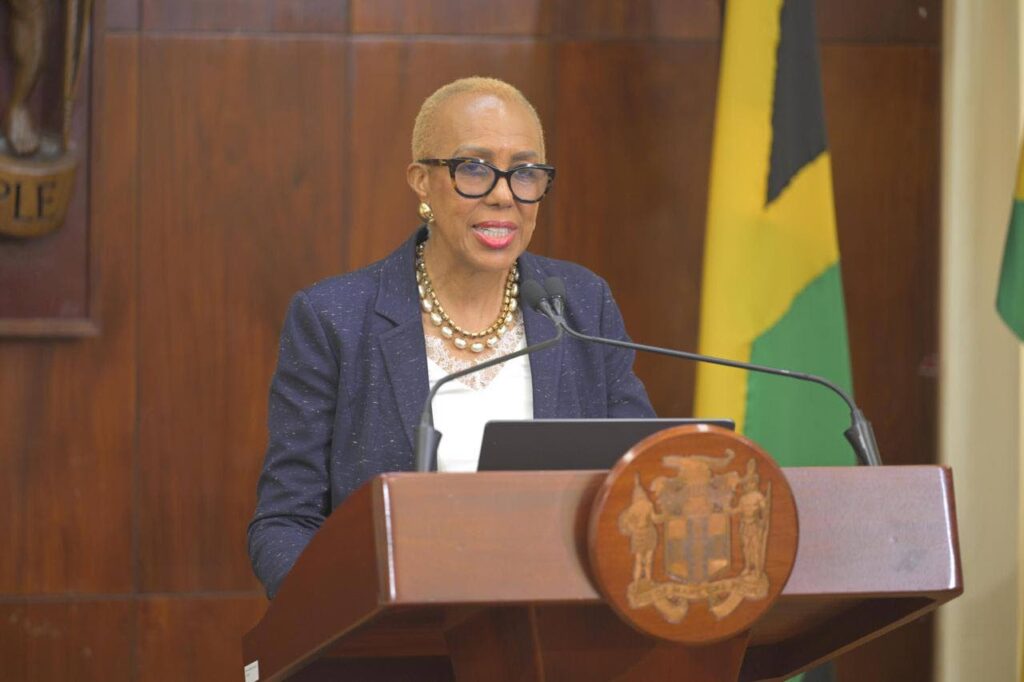
Williams gives breakdown of $67-billion Hurricane Melissa allocation to ministries
Nearly six months after Hurricane Melissa battered sections of Jamaica, leaving widespread destruction of critical infrastructure and livelihoods in its wake, the island’s top finance official has publicly detailed how the government’s JMD $67 billion in emergency recovery funding is distributed across national ministries.
Minister of Finance and Public Service Fayval Williams walked reporters through the full breakdown of the allocation during a post-Cabinet media briefing held Wednesday at Jamaica House in St. Andrew.
During the most recent completed fiscal year, Jamaican lawmakers passed two supplementary budget measures – the third and fourth of the fiscal cycle – specifically to release the emergency recovery funds to the agencies leading restoration efforts, Williams explained. “I am here to just walk through, pretty quickly, where that went to and what ministries and how it got there,” she told assembled journalists.
The third supplementary budget, the larger of the two measures, carried a total allocation of $53.6 billion in recovery funding. This included $189 million directed to the Office of the Prime Minister, and $3.4 billion earmarked for Jamaica’s linchpin tourism industry, overseen by the Ministry of Tourism. Williams noted the tourism funds are dedicated to repairing storm-damaged visitor-facing infrastructure and providing direct support to thousands of workers left out of work by the hurricane.
The Ministry of Economic Growth and Infrastructure Development received one of the largest single allocations from the third supplementary, at $7.5 billion, targeted at clearing storm debris and repairing critical road networks damaged by the cyclone. By contrast, Williams’ own ministry, the Ministry of Finance and Public Service, received only $57 million from the recovery pool.
Other major allocations in the third supplementary include $3.2 billion for the Ministry of Water, Environment and Climate Change, $1.2 billion for the Ministry of Labour and Social Security, and $2.3 billion to repair and restore storm-damaged education facilities across the island. The Ministry of Health received $1.965 billion, including a targeted $35 million grant for Kingston’s iconic Bellevue Hospital, while the Ministry of Culture, Gender, Entertainment and Sports got $280 million. The agriculture sector, which suffered widespread crop damage from the hurricane, received $3 billion through the Ministry of Agriculture, while the Ministry of Industry and Commerce got $20 million. The Ministry of Energy secured $1.5 billion for restoring power infrastructure, and the Ministry of Local Government and Community Development got $4.6 billion for local-level restoration projects.
A large portion of the third supplementary allocation – $25 billion – takes the form of a loan to the Jamaica Public Service Company, the island’s primary electricity provider, to support full restoration of the national power grid damaged during the storm. Adding that loan to the $29.4 billion in direct ministry allocations brings the total third supplementary recovery package to $53.6 billion, Williams confirmed.
The fourth and final supplementary budget carries the remaining $13.4 billion in recovery funding. Of that, $3 billion is allocated to the Ministry of Finance, $10 billion is dedicated to the Restoration of Owner or Occupant Family Shelters programme overseen by the Ministry of Labour, and the Ministry of Health and Wellness received an additional $400 million. When combined, the two supplementary budgets bring the total government recovery allocation to exactly $67 billion, matching the total amount approved by lawmakers for post-Melissa recovery.
-

Senate approves creation of Dominican Institute of Cassava
In a plenary session held in Santo Domingo, the Dominican Senate advanced a slate of legislative proposals and institutional actions, moving forward two high-priority bills through first reading approval while finalizing several other measures via second reading. The first groundbreaking proposal greenlit on an initial vote is the legislation to establish the Dominican Institute of Cassava, widely referred to by its Spanish acronym INDOCASABE. Spearheaded by sitting senators Antonio Marte and Manuel María Rodríguez, this institutional initiative is designed to embed a cohesive national framework for bolstering every stage of the cassava value chain—from smallholder cultivation and industrial processing to international export of cassava-derived goods. Beyond structuring national policy, the institute is set to deliver tangible support to producers across all regions of the country, including hands-on technical guidance, expanded pathways to affordable agricultural financing, targeted investment in sector-specific scientific innovation, and opportunities for cross-border collaboration with global cassava industry stakeholders.
Alongside the agricultural institutional bill, senators also gave first reading approval to a cultural preservation bill submitted by Senator Carlos Gómez. This proposal seeks to grant official national status to the centuries-old faceless doll tradition of El Higüerito, a community art practice rooted in Moca, by naming it an Intangible Cultural Heritage of the Dominican nation.
Following action on first reading items, the chamber wrapped up secondary approval for a series of naming and recognition measures. These included a resolution to rename the Baní bypass corridor as the “Rafael De Jesús Perelló Abreu Tourist Boulevard,” a separate designation naming the coastal folk tradition “Los Toros de Monte Cristi” as another national Intangible Cultural Heritage, an act renaming the San Cristóbal municipal sports complex after local figure Douglas Miguel Hasbún José, and the official establishment of September 10 as “Petromacorisano Pride Day.” Lawmakers also passed a special resolution to recognize Aura Migdalia Moscoso Pérez for her decades of transformative contributions to public education and inclusive social development in the Bahoruco region.
Closing out the session’s key announcements, Senate President Ricardo de los Santos revealed that a special cross-partisan commission will be appointed the following week to conduct a comprehensive review of proposed amendments to the country’s Organic Law on States of Emergency. Before adjourning, members of the chamber paused to hold a formal minute of silence to honor the recent passing of three prominent Dominican figures: investigative photojournalist Franklin Guerrero, celebrated poet Isidro Ventura Guzmán, and community leader Eden de Jesús. The Senate has scheduled its next reconvening for June 12.
-

Trial looms for Leoda Bradshaw after plea discussions crumble
KINGSTON, Jamaica — A high-profile double murder case involving the infant daughter of a sitting Jamaican parliamentarian and the child’s mother has moved a step closer to trial after last-minute plea bargain negotiations fell apart Thursday at the Jamaican Supreme Court.
Accused Leoda Bradshaw, a former culinary specialist with the United States Navy, had signaled through her legal team earlier Thursday that she was prepared to enter a guilty plea to non-capital murder charges, a classification laid out under Section 2(2) of Jamaica’s Offences Against the Person Act. This section of the statute carves out non-capital murder as any unlawful killing that does not fall into the narrow category of capital murder — which includes contract killings and murders committed during terrorist acts. Unlike capital murder convictions, which carry a mandatory death sentence in Jamaica, a conviction on non-capital murder gives judges discretion to hand down either a life sentence or a fixed multi-year prison term, with a mandatory 15-year minimum period that must be served before an inmate is eligible for parole.
Despite Bradshaw’s willingness to accept a guilty plea to the reduced charges, prosecution and defense teams failed to reach a binding agreement that would have resolved the case without a full public trial. The collapse of these talks clears the path for the high-profile proceeding to move forward through the court system. A plea and case management hearing has already been scheduled for June 24, where judicial officers will finalize pre-trial logistics and, critically, set an official start date for the trial.
Bradshaw is not the only accused in the case. She faces a total of eight criminal charges: two counts each of conspiracy to commit murder, conspiracy to kidnapping, kidnapping, and capital murder. She is jointly charged alongside her cousin Roland Balfour, alleged gunman David Smith, and Bjorn Black. All three of her co-accused have already entered guilty pleas in the case and are currently serving their court-ordered sentences.
The case dates back to September 9, 2023, when 27-year-old Toshyna Patterson and her 10-month-old daughter Serayah Paulwell — the child of prominent Jamaican parliamentarian Phillip Paulwell — were reported missing. According to official prosecution filings, the pair were abducted and transported to the remote Warieka Hills area of St Andrew parish, where they were fatally shot before their bodies were burned to cover up the crime.
-
OUR acquiring equipment to verify quality of telecoms services
KINGSTON, Jamaica — Jamaican consumers fed up with substandard mobile phone connectivity are set to see long-awaited regulatory intervention in the island’s telecommunications sector, with the Office of Utilities Regulation (OUR) on track to gain the ability to independently audit service quality within the next several months. Minister of Energy, Transport and Telecommunications Daryl Vaz shared this update during an official ministerial briefing hosted by the Jamaica Information Service (JIS) at Kingston’s PCJ Building Thursday, speaking with JIS CEO Giovanni Dennis. For years, consumers across Jamaica have lodged consistent complaints about pervasive telecom service failures, from frequent dropped calls to unexpected diversion of incoming calls directly to voicemail. Until now, the regulatory body has lacked the independent tools to confirm these consumer reports against the mandatory minimum service standards already enshrined in Jamaican law, Vaz explained. “There is a minimum quality of service level that has been established. I think the issue has been that the OUR has not had a way to independently verify the metrics,” he told attendees. Vaz also clarified that ongoing service challenges long predate the destruction caused by Hurricane Melissa, which struck the island in October 2025. While the storm exacerbated existing connectivity issues, the two dominant telecom providers operating in Jamaica — Digicel and Flow — have advised the ministry that full post-hurricane infrastructure restoration, including realignment of damaged network antennas and other critical repairs, is scheduled for completion by July of this year. Even with full restoration finished, however, Vaz warned that the sector’s deep-seated quality problems will not be resolved by repair work alone. “I do believe that the equipment and the ability of the OUR to verify independently, and with their own equipment, the quality of service, will go a far way,” he said, noting that once the new verification tools are in place, the OUR will also gain the authority to levy legally mandated penalties against providers that fail to meet required service standards. Beyond the new testing equipment, Vaz signaled that broader sweeping reforms are on the horizon for Jamaica’s telecom sector, including upcoming reviews of the OUR’s institutional structure, existing telecom legislation, and the regulator’s enforcement powers. The minister also highlighted that increased market competition is a core pillar of the government’s strategy to improve service outcomes for consumers. Currently, the Jamaican market is controlled by two major providers, while a third licensed telecom operator has not yet fully launched its commercial services across the island. Vaz expressed optimism that the new entrant will be ready to begin full operations by the end of 2026, a shift that he expects will drive incumbents to improve their service quality to retain customers. “I do believe that competition will play a critical role in getting better quality service by telecoms,” he added.
-
‘Sorry’ is not enough
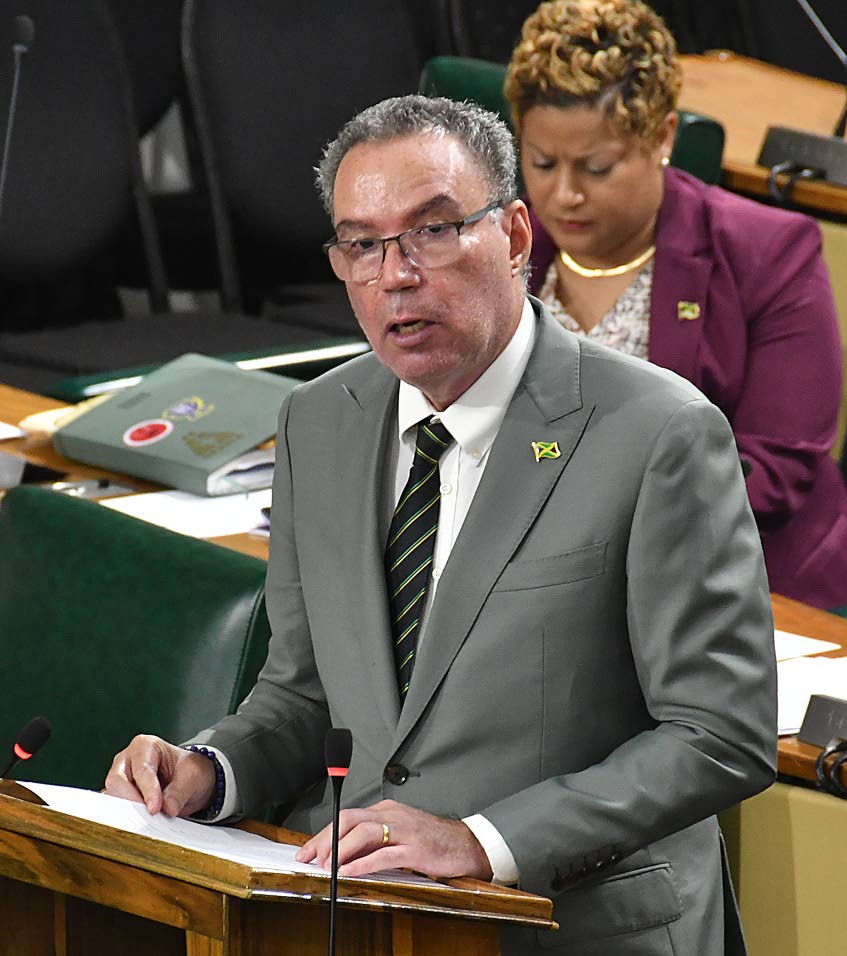
A widespread, island-wide power outage that shut down communities and economic activity across Jamaica last month has triggered urgent regulatory reform, with the country’s energy minister announcing mandatory compensation rules will be written into all future electricity operating licenses. Addressing Jamaica’s House of Representatives on Wednesday, Energy Minister Daryl Vaz framed the sweeping policy change as a direct response to critical gaps exposed by the June 5 blackout, which left no corner of the country untouched by power loss. Currently, Jamaican law includes no binding requirements for utility providers to compensate customers for financial losses stemming from large-scale outages — a flaw Vaz says has been made untenable by the scope of harm from last month’s incident. The outage disrupted daily life for households, forced business closures across all sectors, and halted operations at public institutions nationwide. Vaz emphasized that countless businesses and ordinary Jamaicans have documented tangible losses from the event, making the issue of compensation non-negotiable moving forward. “I have consistently maintained that businesses and Jamaicans have suffered demonstrable losses because of an outage of this magnitude. The commitment that I’m making to you is that the new licence and the new Act that will go with the licence will have mandatory compensatory measures and sanctions,” Vaz told parliamentary members. The minister specifically highlighted the disproportionate harm faced by small, informal and micro-businesses, including street vendors and independent event promoters, many of whom sank upfront investments into activities that were scrapped by the blackout. For these operators, he argued, a simple apology is meaningless: “What do you say? Sorry? Sorry can’t help them to send their child back to school Monday morning when they have spent the money to invest and they can’t get a return.” Beyond the lack of outage compensation rules, Vaz also renewed longstanding criticism of Jamaica’s existing power sector regulatory framework, noting that even customers who suffer damaged appliances from power surges face notoriously slow, unsuccessful claims processes that rarely result in payment for losses. The announcement of regulatory reform came as opposition lawmakers put forward additional targeted relief for those affected by the June 5 blackout. Dr. Dayton Campbell, opposition Member of Parliament for Westmoreland Eastern, called on the government to implement immediate support for event organizers and other groups that lost income when planned weekend activities were canceled. Campbell’s proposal would allow approved event permits to be transferred to new future dates, rather than forcing affected organizers to re-pay full permit fees for a rescheduled event. Vaz embraced the suggestion, describing it as a pragmatic, reasonable solution that works for both impacted residents and local municipal governments. “They can use it at another time for another event, which means that the municipal corporation doesn’t have to find the money to refund,” he explained, adding that he plans to open discussions with the Ministry of Local Government to move the proposal forward. The June 5 blackout affected every registered power customer across Jamaica. The Jamaica Public Service Company, the country’s main utility provider, has already submitted an initial incident report to the Office of Utilities Regulation, with a full final report due as investigations into the root cause of the outage continue.
-
Eddy Olivares defends proposed labor reform at ILO Conference
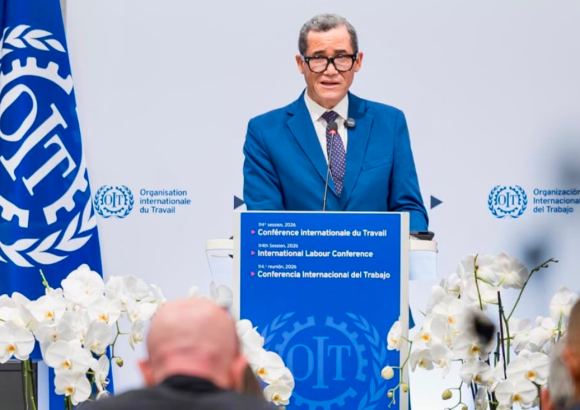
At the 114th International Labour Conference hosted by the International Labour Organization (ILO) in Geneva, Switzerland, Dominican Republic’s Labor Minister Eddy Olivares Ortega has laid out the sweeping goals of the country’s pending Labor Code reform, framing the proposal as a balanced update that will strengthen worker protections while boosting national economic competitiveness. The legislative proposal, which is currently advancing through the Dominican Congress, is designed to bring the nation’s decades-old labor framework into alignment with modern global and domestic market dynamics, Olivares explained, all while protecting hard-won progress in employment standards and collaborative labor relations.
In his address to the global gathering of labor stakeholders, Olivares reaffirmed the core commitments of President Luis Abinader’s administration: centered on inclusive social dialogue, universal access to decent work, and unwavering pursuit of labor justice. These principles, he emphasized, have guided the government’s labor policy agenda since taking office, delivering measurable results that have elevated the Dominican Republic’s standing across the Latin American and Caribbean region.
Olivares pointed to independent data to back up the nation’s progress, noting that the Dominican Republic earns strong favorable ratings in the International Trade Union Confederation’s annual Global Rights Index, placing it among the top regional performers for labor rights protection. Beyond international rankings, he highlighted a series of tangible domestic achievements: negotiated wage increases secured through collaborative tripartite agreements between government, employer groups, and labor unions, consistent year-over-year growth in formal sector employment, a national unemployment rate that has held steady below 5% in recent reports, and expanded access to collective bargaining for workers across multiple industries.
Turning to efforts to eliminate exploitative child labor, Olivares highlighted the ongoing rollout of the Model for Identifying Places with Risk of Child Labor (MITRI), a targeted monitoring tool developed in partnership with the ILO to strengthen national prevention and enforcement efforts. The framework allows authorities to proactively identify high-risk regions and work sectors, enabling earlier intervention to remove children from dangerous working conditions and expand access to education and social support.
Closing his address, Olivares reiterated the Dominican Republic’s longstanding commitment to the ILO’s signature tripartite governance model, which centers collaborative dialogue between government, labor, and employer representatives as the foundation for sustainable labor policy. He expressed confidence that this inclusive approach will remain a central catalyst for broad-based economic growth and improved social well-being for all Dominican citizens in the years ahead.
-
Government fiscal plan includes US$10 increase on airline tickets
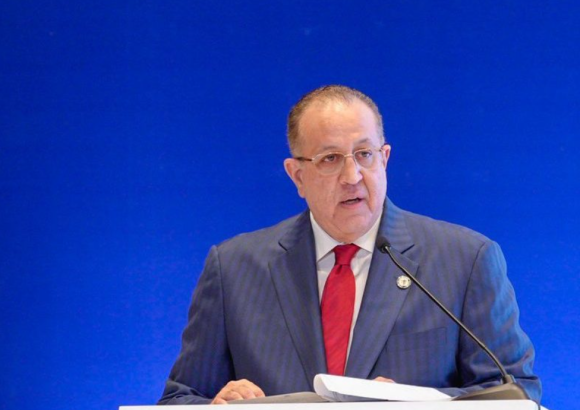
SANTO DOMINGO — Facing ongoing global economic volatility and mounting pressure to shore up shaky public finances, the Dominican government has unveiled a sweeping package of fiscal adjustments that includes a proposed $10 surcharge on commercial airline tickets, a change that stands to reshape the trajectory of the nation’s most critical economic engine: tourism.
The full set of policy adjustments, branded under the official heading “Measures for Economic Growth and Mitigation of the International Crisis,” was presented to a gathering of media leaders by Magín Díaz, the country’s Minister of Economy and Finance. Before the package can take effect, it must secure a vote of approval from the Dominican National Congress, and it forms the core of the administration’s broader push for fiscal consolidation across multiple high-revenue sectors.
Beyond the proposed airline ticket fee, the package includes a series of targeted tax increases for both individuals and corporations. The existing tax on paper checks and electronic bank transfers would rise from 0.15% to 0.20%, while large domestic enterprises with annual revenues topping 1 billion Dominican pesos would face a temporary 30% corporate income tax rate for a three-year period. For high-earning individual taxpayers, the plan creates a new top 27% income tax bracket for anyone reporting monthly income over 400,000 Dominican pesos, a change that officials project will impact only a small fraction of the country’s total taxpayer base.
Of all the provisions in the package, the $10 airline ticket surcharge has emerged as the most closely scrutinized, due to tourism’s outsize role in the Dominican national economy. The country ranks among the top tourist destinations in the Caribbean, drawing millions of international visitors primarily via air travel each year. Independent industry analysts have warned that even a modest increase in ticket prices could alter potential travelers’ destination choices, eroding the country’s competitive edge against neighboring Caribbean travel hubs that have not enacted similar travel-related fees.
For the Dominican Republic, tourism is far more than a niche industry: it is the single largest source of private-sector employment, drives a substantial share of overall national economic activity, and generates the majority of the country’s annual foreign exchange earnings. As the proposal moves through the legislative process, tourism industry stakeholders across the country are tracking congressional deliberations closely, preparing to model how the surcharge could impact annual visitor arrivals and ripple through connected sectors from hospitality to local transportation.
Administration officials have defended the full package of measures, arguing that new revenue streams are critical to shoring up public finances and maintaining broad economic stability at a time of persistent global uncertainty. They emphasize that the plan is intentionally structured to place the majority of new tax burden on high-income individuals, large corporate entities, and specific high-margin sectors, rather than spreading the cost across low- and middle-income households. Along with the air ticket surcharge, the package also includes new and increased taxes on financial transactions, large corporations, electronic cigarettes, casinos, and commercial gambling operations. The full proposal will soon be formally submitted to the public and congress as part of the government’s overarching strategy to sustain domestic economic growth and counteract headwinds from the ongoing international economic downturn.
-
Antonio Taveras introduces bill to eliminate jail sentences for defamation
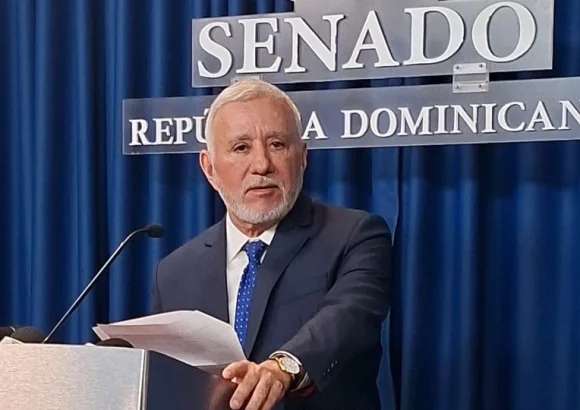
In Santo Domingo, a leading Dominican senator has tabled a sweeping legislative proposal that would reshape the nation’s defamation regulations, with the explicit goal of reinforcing constitutionally guaranteed freedoms of expression and press activity. Senator Antonio Taveras Guzmán’s bill targets long-standing provisions of the nation’s Law 74-25, pushing to bring the country’s legal framework in line with global human rights norms while upholding core principles of fairness and proportionality for alleged honor-based offenses.
The proposal outlines a series of targeted amendments to existing legal articles that would fundamentally alter how defamation is penalized in the Dominican Republic. Under the current system, a range of honor-based offenses can result in lengthy prison sentences, and media outlets face severe operational sanctions that can force them to cease work. Taveras’ plan eliminates all custodial sentences for defamation, replacing them with proportionate financial penalties. For basic defamation, defined in the revised Article 208 as only the public spreading of verifiably false facts that cause tangible harm to an individual’s reputation, fines would be set between three and eight times the national public-sector minimum wage, in addition to any ordered civil compensation for damages.
The bill also revises Article 209, which currently governs extortion-linked defamation. The proposal reclassifies this offense as an aggravated form of standard defamation, cutting maximum penalties from a 10-year prison term to a maximum of one year of custodial sentence, with a minimum penalty of just 15 days for offenses committed to extract unlawful benefits or coerce third parties. Article 210’s existing prison penalties for defamation would also be fully removed under the reform, leaving only fines and civil damage orders as applicable sanctions.
One of the most significant protections for media organizations is included in the amendment to Article 212, which would explicitly ban any government or judicial body from issuing harsh operational sanctions such as outlet closures, broadcast license revocations, equipment seizures, or temporary suspensions of activity in any case involving alleged violations of personal honor or privacy.
Perhaps the most politically controversial provision of the bill is the proposed full repeal of Article 310, a current regulation that criminalizes insults against public officials. Taveras argues that this article creates a separate tier of legal protection for government authorities, a departure from the constitutional principle of equality before the law, and undermines the ability of citizens and journalists to hold elected and appointed officials accountable in a democratic system.
In justifying the full package of reforms, Taveras emphasized that the changes are designed to modernize Dominican defamation legislation, bring it into compliance with both the country’s own constitutional protections for free expression and widely accepted international human rights standards. The proposal strikes a new balance, he says, between the legitimate right of individuals to protect their personal reputation and the equally important rights of free expression and democratic oversight that are foundational to a functional democratic society.