分类: politics

  • “Families become collateral damage” in tribal politics

    “Families become collateral damage” in tribal politics

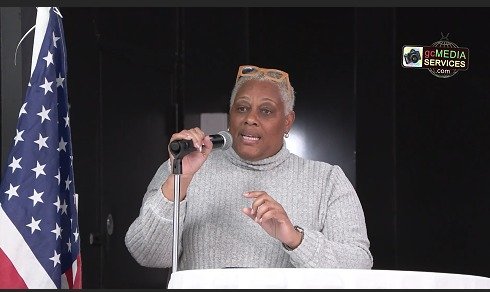
    Grenadian attorney and Democratic People’s Movement (DPM) member Jasmin Redhead has issued a powerful condemnation of the deeply entrenched partisan divisions plaguing Grenada’s political landscape. During an address to Grenadian nationals in New York, Redhead characterized the nation’s politics as a “battlefield” where families become “collateral damage” due to what she termed “weaponised partisanship.”

    Redhead revealed disturbing accounts of citizens living in fear of political victimization, describing mothers distressed by children skipping school to avoid bullying related to their parents’ political affiliations. She emphasized these aren’t mere statistics but “real people carrying the weight of a system that doesn’t work for them.”

    The attorney, who returned to Grenada in 2009 after twelve years in New York, identified poor governance as imposing a “silent tax” on diaspora investments, property security, and educational opportunities. She championed transparent systems that prioritize merit over political loyalty as essential for breaking the “5-year seesaw” of stalled national development.

    Highlighting vulnerable populations, Redhead noted that weak systems disproportionately affect women, who bear much of the national burden through inadequate healthcare, education, and social services. She underscored the critical need for women’s leadership, asserting that “when women rise, families rise, communities rise, and Grenada, Carriacou, and Petite Martinique rise.”

    Redhead endorsed DPM Leader Peter David, her friend of three decades, as a unifying force capable of transcending partisan divisions. Her message to the diaspora called for a fundamental shift “from colour to country, from tribalism to unity, from barely surviving to succeeding.” The DPM, launched successfully in November, continues building momentum for its people-centered transformation agenda across Grenadian communities domestically and internationally.
  • PAC told it’s the most important committee in Parliament

    PAC told it’s the most important committee in Parliament

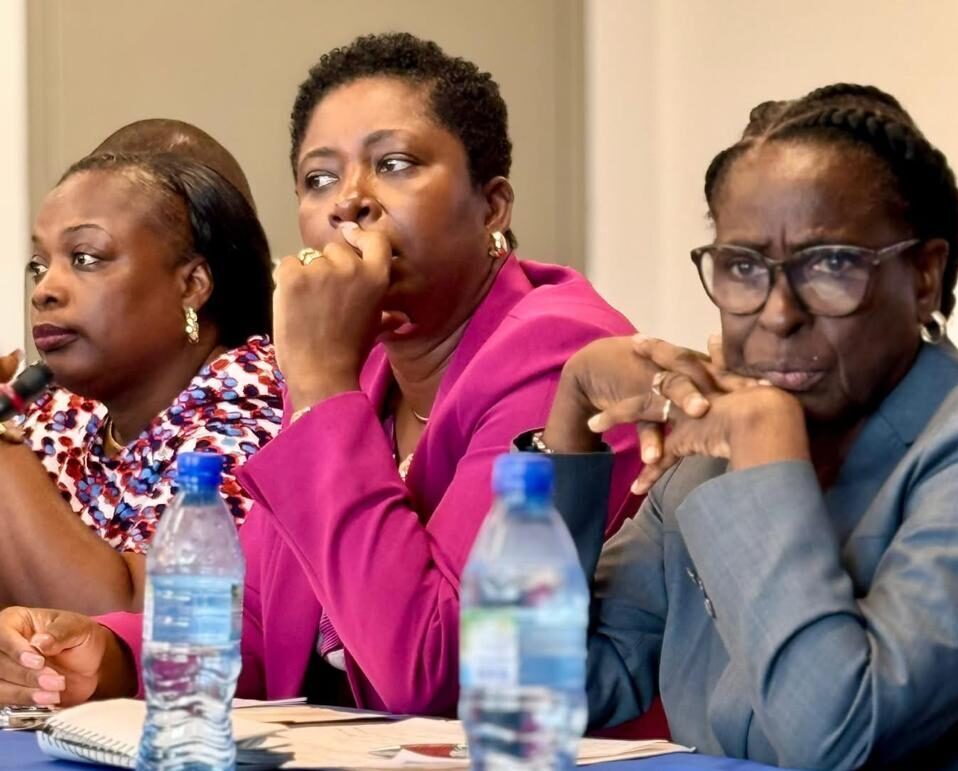
    Grenada’s parliamentary oversight mechanisms received significant reinforcement through an awareness seminar conducted for the Public Accounts Committee (PAC) on December 16. Chaired by Opposition Leader Emmalin Pierre, the event brought together PAC members, Audit Department staff, and statutory board representatives to emphasize the committee’s critical role in ensuring governmental financial transparency.

    In a virtual address, Anguilla Premier Cora Richardson-Hodge, former opposition leader herself, articulated the PAC’s fundamental purpose: “The Public Accounts Committee is the most important committee of any parliament. Its foundation exists to create greater openness in government finances, based on the belief that transparent budgetary practices ensure public funds are spent as promised while maximizing benefits.”

    The seminar clarified that the PAC’s mandate focuses specifically on evaluating the efficiency, effectiveness, and economy of policy implementation rather than questioning policy itself. This distinction underscores the committee’s non-partisan nature despite its composition including opposition members.

    Opposition Leader Pierre emphasized the PAC’s unique position within Grenada’s parliamentary democracy: “It is not a partisan body, nor is it an administrative authority. Rather, it is a core oversight mechanism of Parliament, entrusted with safeguarding the public interest by ensuring that public funds are used lawfully, efficiently, and for their intended purposes.”

    The committee’s authority derives from Parliament Standing Order 69(1), which establishes its composition of three to five members excluding cabinet ministers, currently including Kate Lewis-Peters and Dr. Clarice Modeste from the Lower House, with Salim Rahaman and Roderick St Clair representing the Upper House.

    This seminar followed PAC members’ July 2025 training at the UK Parliament, where they observed actual committee hearings. MP Lewis-Peters highlighted a key learning: “Despite its composition of opposition members and independent senators, the PAC is not a political body. We are here to ensure our taxpayers’ dollars are properly managed through close collaboration with the Auditor General.”

    The event reinforced the PAC’s systematic approach: scrutinizing government expenditure, ensuring accountability, making recommendations, and requiring public government responses to findings—ultimately upholding good governance principles in public administration.

  • Trump peace via strength

    Trump peace via strength

    In a bold articulation of current U.S. foreign policy direction, a compelling perspective emerges regarding President Donald Trump’s strategic approach to global conflicts. The analysis positions Trump as operating from a position of strength rather than weakness, fundamentally rejecting diplomatic hesitation in favor of assertive action.

    The Ukrainian conflict serves as a primary case study, with the author noting that European allies appear increasingly aligned with Trump’s methodology of applying maximum pressure through comprehensive sanctions against Russia. This transatlantic unity suggests a significant shift in how Western nations approach Vladimir Putin’s prolonged engagement in Eastern Ukraine.

    Beyond European affairs, the geopolitical implications extend to South America, where the administration’s firm stance against Venezuelan leader Nicolás Maduro is predicted to generate regional shockwaves. The analysis further contends that nations relying on Russian or Chinese protection will soon recognize the limitations of these alliances as American influence reasserts itself.

    Most significantly, the Taiwan Strait emerges as the ultimate litmus test for Chinese aggression. The author asserts that President Xi Jinping fully understands the prohibitive costs of military escalation in this strategically vital region. This positioning represents a clear ultimatum: nations must choose between aligning with American-led stability or facing isolation.

    The overarching narrative describes a fundamental recalibration of international relations—subtle to some observers yet unmistakable to those analyzing strategic patterns. Those who presumed American global influence had diminished are cautioned to expect a dramatic demonstration of renewed power and purpose in the coming period.

  • Swaby calls for consultation on proposed centralised permit system and One Road Authority

    Swaby calls for consultation on proposed centralised permit system and One Road Authority

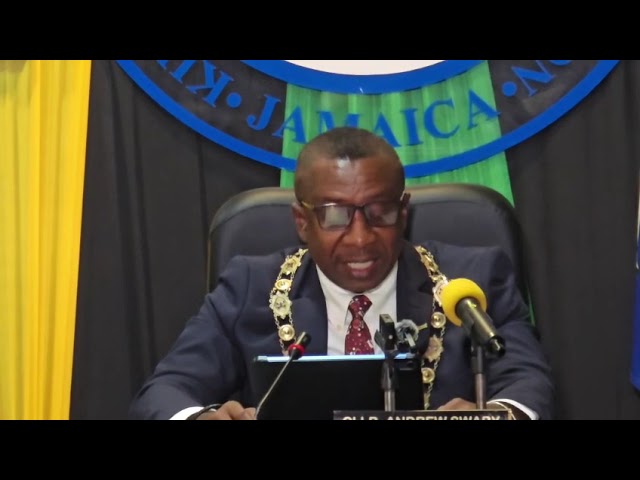
    KINGSTON, Jamaica — Kingston Mayor Andrew Swaby has issued a compelling appeal to the national government, urging comprehensive consultations with municipal corporations before implementing two significant structural reforms. The proposed changes include reinstating a centralized permit system for entertainment events and creating a unified One Road Authority to oversee Jamaica’s road infrastructure management.

    In a formal statement, Mayor Swaby expressed deep concerns that both initiatives represent a troubling shift toward centralization that could fundamentally undermine municipal governance structures. He emphasized that local authorities have developed decades of expertise in managing parochial roads, community infrastructure, and entertainment event regulations.

    “Municipal corporations have established the necessary systems, operational capacity, and collaborative partnerships to execute these responsibilities effectively and efficiently,” Swaby asserted. He highlighted the integral role local governments play in coordinating with police departments, the Jamaica Fire Brigade, and health and sanitation teams to ensure event safety and regulatory compliance.

    The mayor warned that removing these core functions would essentially strip local governments of their purpose and authority. “These proposals would diminish accountability, distance decision-making from communities, and marginalize local authorities who possess the most intimate understanding of community needs,” Swaby stated. He clarified that while not opposed to reform principles, he strongly objects to implementation without proper consultation.

    Swaby proposed a nationwide municipal engagement process featuring formal dialogues with all municipal corporations, technical workshops with roads and works departments, public forums across parishes, and comprehensive impact assessments. He stressed that any governance restructuring must be founded on transparency, empirical evidence, and decentralization principles.

    “We remain prepared to collaborate with the national government while firmly defending local government integrity,” Swaby concluded. “Vibrant communities require empowered local authorities. Rather than sidelining municipal systems, we should strengthen them to function as central service providers.”

  • Government delivers campaign promises with 2 key legislations

    Government delivers campaign promises with 2 key legislations

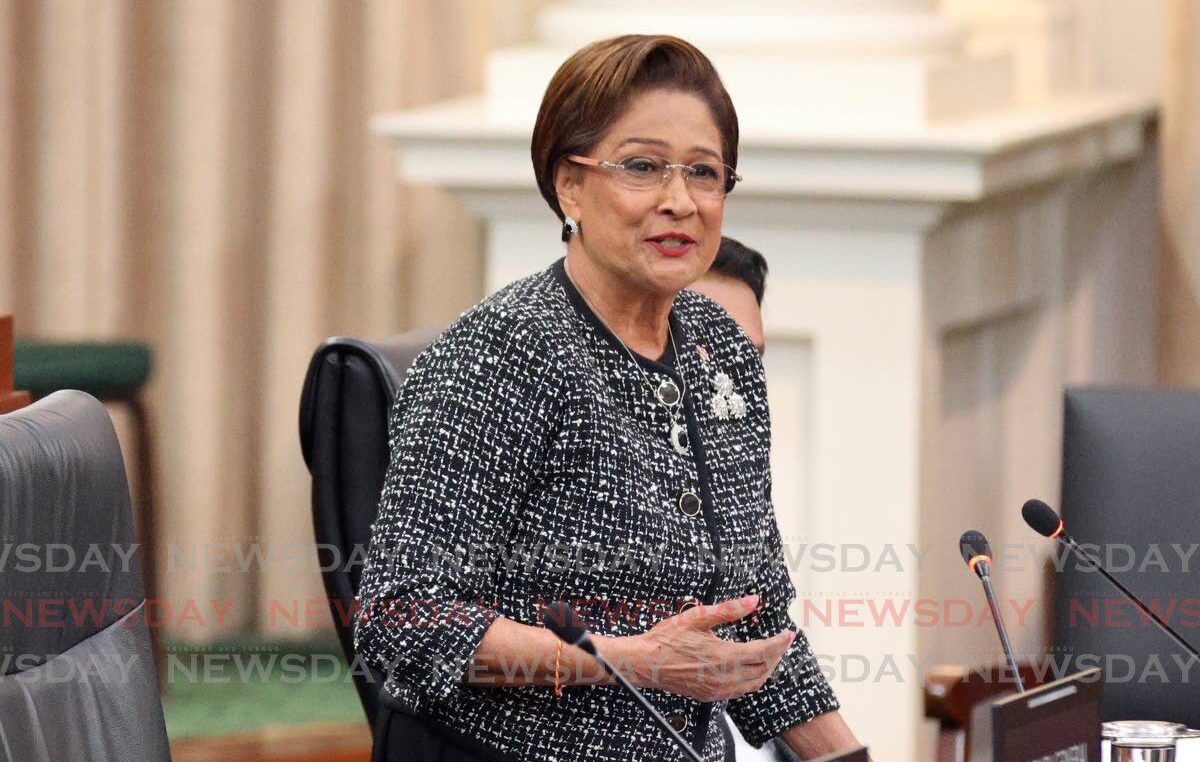
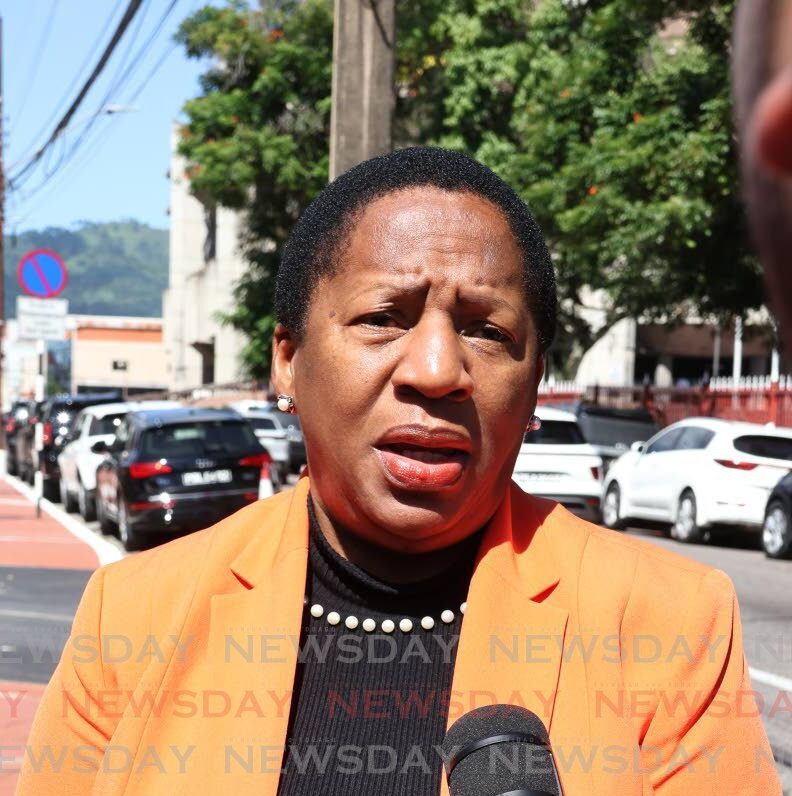
    In a significant move fulfilling campaign pledges, the Trinidad and Tobago government has announced the presidential assent of two pivotal legislative acts addressing public safety and community welfare. President Christine Kangaloo formally endorsed the Home Invasion (Self-Defence and Defence of Property) Act, 2025 and the Summary Offences (Amendment) Act, 2025, marking a substantial step in the administration’s policy implementation agenda.

    The newly enacted Home Invasion Act establishes home invasion as a specific criminal offense while unequivocally affirming citizens’ rights to protect themselves, their families, and property within their residences. This groundbreaking legislation eliminates any legal obligation to retreat when facing intruders and explicitly permits the use of reasonable defensive measures, including lethal force when deemed necessary for protection.

    Simultaneously, the amended Summary Offences Act introduces strengthened provisions against noise pollution and unregulated fireworks usage. The updated legislation addresses growing concerns about public health impacts and community disruption, particularly affecting vulnerable populations including children, elderly citizens, individuals with medical conditions, and those with sensory sensitivities. The act also acknowledges the detrimental effects on animals, both domestic pets and livestock, who frequently suffer trauma from explosive noises.

    Prime Minister Kamla Persad-Bissessar’s administration emphasized that these legislative measures directly respond to widespread public concerns expressed during the recent election campaign. The government’s statement highlighted that these actions contrast with previous administration’s perceived inaction on these issues, noting that voters provided a clear mandate for stronger public safety measures and enhanced quality of life protections.

    The implementation of these acts represents the government’s commitment to balancing celebratory traditions with community responsibility while providing law enforcement agencies with clearer authority and stronger deterrent mechanisms. The administration has characterized these developments as evidence of their dedication to following through on electoral promises and responding to citizens’ priorities in addressing crime and public disorder challenges.

  • Maryland to create commission to assess reparations

    Maryland to create commission to assess reparations

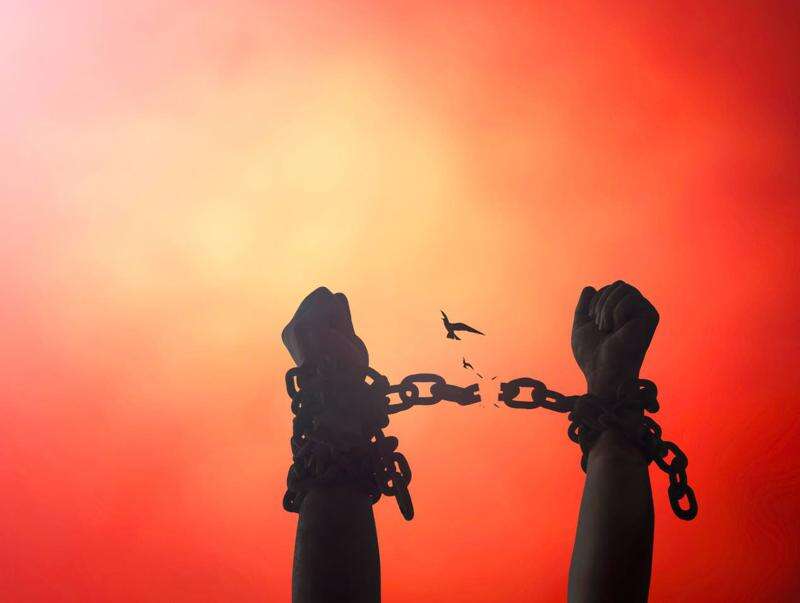
    MARYLAND, United States — In a significant legislative move, Maryland state lawmakers have mandated the creation of a specialized commission to examine potential reparations for slavery, overriding a gubernatorial veto in the process. The Wednesday decision sets the stage for one of the most comprehensive studies of historical redress mechanisms in the United States.

    The legislative body countered Governor Wes Moore’s earlier veto, which he had characterized as a disappointing procedural obstacle. The newly established commission will investigate multiple forms of reparations, ranging from monetary compensation and official apologies to substantive policy interventions. These include property tax rebates, social service enhancements, business incentives, educational tuition waivers, childcare support, debt forgiveness programs, and housing down payment assistance.

    Governor Moore, who holds the distinction of being Maryland’s first Black chief executive in a state with a substantial African American demographic, had previously defended his veto position. In his official correspondence, he contended that sufficient research on slavery reparations already existed, advocating instead for direct implementation of solutions rather than further study.

    Legislative proponents argued that a formal commission remains essential for developing constitutionally sound and practically viable reparation frameworks. Democratic lawmaker Charles Sydnor emphasized the importance of methodological rigor, noting that without structured examination, reparations risk being perceived as merely symbolic or legally questionable despite their ethical justification.

    While expressing disagreement with the veto override, Governor Moore has committed to collaborative efforts with legislators to advance the cause of racial justice and historical reconciliation through the commission’s work.

  • Venezuela fires back over US blockade

    Venezuela fires back over US blockade

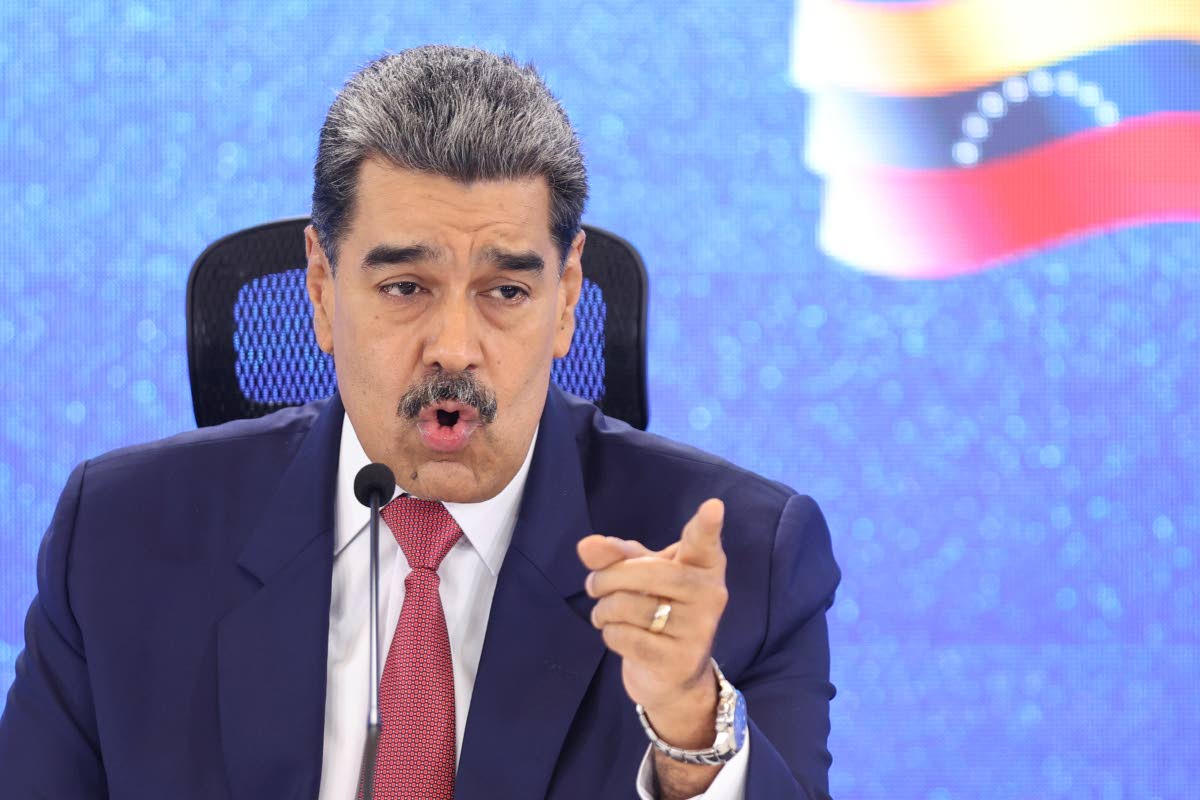
    Venezuela has launched a fierce diplomatic counteroffensive against the United States following President Donald Trump’s announcement of a comprehensive naval blockade targeting sanctioned oil tankers operating in Venezuelan waters. The dramatic escalation in tensions between the two nations unfolded through competing declarations on December 16th.\n\nPresident Trump utilized his Truth Social platform at 7:46 PM to declare unprecedented maritime restrictions, framing them as necessary to reclaim what he characterized as stolen American assets. \”The US will not allow criminals, terrorists, or other countries to rob, threaten, or harm the nation,\” Trump asserted, specifically accusing the Maduro regime of utilizing \”stolen oil fields\” to finance activities including \”drug terrorism, human trafficking, murder, and kidnapping.\”\n\nIn response, Venezuelan Vice President Delcy Rodríguez issued a comprehensive two-page rebuttal via Telegram at 11:10 PM, vehemently rejecting what she termed Trump’s \”grotesque threat\” and \”interventionist and colonialist statement.\” The official communication accused the American president of violating fundamental principles of international law, free trade, and maritime navigation.\n\nThe Venezuelan government’s statement presented Trump’s social media claims as effectively asserting ownership over Venezuela’s natural resources: \”He claims on his social media that Venezuela’s oil, land, and mineral wealth are his property. Consequently, Venezuela must immediately hand over all its riches.\”\n\nCaracas announced its intention to pursue immediate diplomatic recourse through the United Nations, with plans to formally denounce what it considers a grave breach of international legal standards. The statement called upon both the American public and global community to reject Trump’s \”extravagant threat by any means necessary.\”\n\nReaffirming Venezuela’s sovereign rights, the communication emphasized the nation’s commitment to \”free navigation and trade in the Caribbean Sea and the world’s oceans\” under international law and the UN Charter. The government positioned itself as defending national independence against what it characterized as attempted economic appropriation through \”gigantic campaigns of lies and manipulation.\”\n\nThe statement concluded with historical resonance, invoking liberator Simón Bolívar: \”Fortunately, a handful of free men has been seen defeating powerful empires.\” This rhetorical flourish underscored Venezuela’s declaration that it \”will never again be a colony of any empire or foreign power.\”\n\nTrump’s announcement referenced an imposing naval presence surrounding Venezuela—\”the largest armada ever assembled in the history of South America\”—promising it would \”only get bigger\” until Venezuelan authorities returned allegedly stolen assets.\n\nThe exchange represents one of the most significant confrontations in recent years between the two nations, with potentially substantial implications for global energy markets and regional stability in the Caribbean basin.

  • Hackett: No politician should be a puppet

    Hackett: No politician should be a puppet

    In a forceful address to Plymouth residents during a December 16 political gathering, Tobago People’s Party (TPP) prospective candidate Zorisha Hackett delivered a stark warning against political tribalism and self-serving governance. The Education Secretary and former Bethesda/Les Coteaux representative declared that the era of preferential treatment for the “select few” has conclusively ended.

    Hackett emphatically stated that elected officials bear responsibility to serve all constituents equally, not just special interest groups. “No singular group should claim ownership of any politician,” she asserted. “No politician should function as a puppet on strings for any particular faction. Your duty extends to the entire district.”

    Drawing inspiration from calypso icon Lord Nelson’s philosophy of unity, Hackett emphasized that partisan colors must be discarded after elections: “Ultimately, as my Godfather Nello articulated, we are all one family.”

    The prospective candidate sharply criticized individuals entering politics with personal vendettas and concealed agendas, observing that genuine public service requires collective effort rather than solitary ambition. “Contemporary political engagement frequently lacks authentic passion and purposeful dedication to service,” Hackett noted. “Instead, we witness motivations rooted in resentment—the mentality that if one cannot achieve, none should.”

    In a parallel development, TPP Political Leader Farley Augustine formally endorsed political newcomer Kern Alexis as the prospective candidate for Plymouth/Black Rock. Augustine characterized Alexis as the ideal representative to steward the district, highlighting his local credentials and capabilities. “A vote for Kern Alexis constitutes support for sustained good governance, quality representation, and homegrown talent,” Augustine declared. “This is an investment the community cannot afford to squander in the upcoming election.”

    Alexis is poised to contest against the PNM’s Karyn Forbes in the electoral battle for the constituency.

  • Red party’s health scandal

    Red party’s health scandal

    A massive healthcare scandal involving approximately $180 million in wasted medical resources has ignited public outrage and demands for criminal accountability in Trinidad and Tobago. The controversy centers on two separate but equally alarming revelations that expose systemic failures in the nation’s healthcare management.

    According to explosive reports, approximately $80 million worth of pharmaceutical drugs were allowed to expire over the past decade while the red party held governmental power. These essential medications, funded by taxpayer dollars, reportedly sat unused in Health Ministry warehouses despite critical shortages affecting public healthcare facilities. Simultaneously, an additional $100 million in advanced medical equipment, including MRI machines, has been left to deteriorate at the mothballed Couva hospital facility—a project originally constructed by the opposing yellow party.

    The situation highlights the devastating human cost of political tribalism in healthcare governance. Patients across the nation face extended waiting lists for basic diagnostic services, with some reports indicating wait times so prolonged that injuries heal before imaging appointments become available. The CDAP program, designed to provide affordable medication to vulnerable populations, has reportedly seen beneficiaries expire while awaiting treatment.

    This revelation raises serious questions about the ethical responsibility of previous administrations. Critics demand to know why functional medical equipment from the unused Couva facility wasn’t redistributed to operational healthcare institutions rather than being left to decay. The deliberate neglect appears driven by political animosity rather than practical considerations for public welfare.

    Calls for justice include demands for financial restitution from the red party equivalent to the wasted $180 million in public funds. There are growing appeals for criminal investigations into former officials, including ex-prime ministers, health ministers, and permanent secretaries who may have been complicit in these decisions. The public sentiment reflects profound disappointment in leadership that prioritized political rivalries over human lives and responsible stewardship of national resources.

  • Pierre outlines government priorities following decisive election victory

    Pierre outlines government priorities following decisive election victory

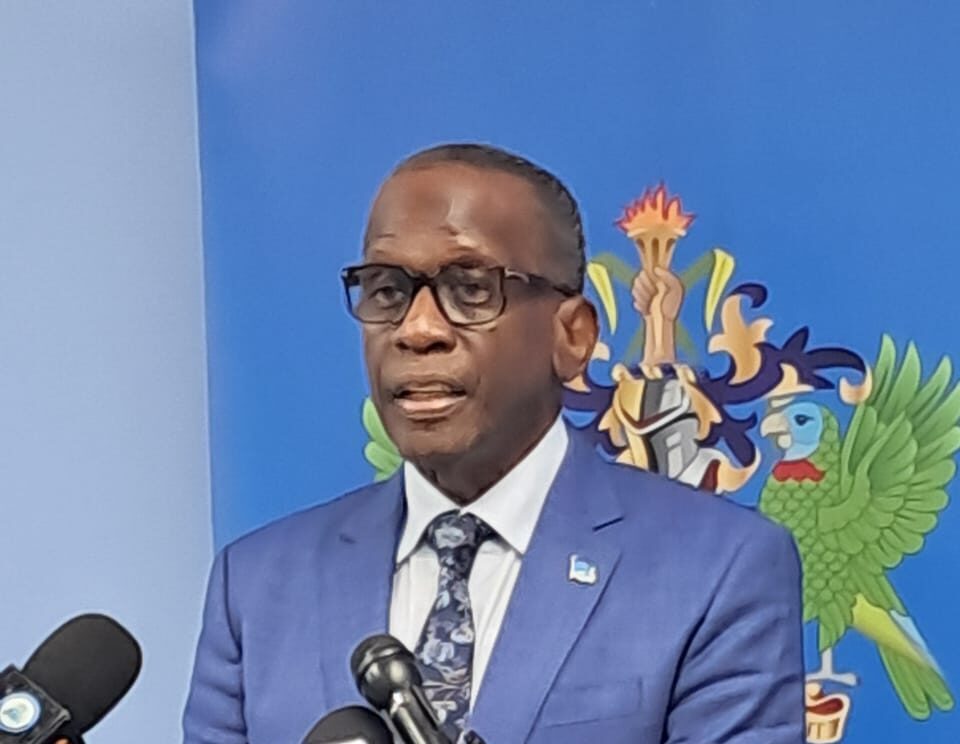
    Following a decisive electoral victory, Prime Minister Philip J. Pierre has committed to steering a government dedicated to inclusivity and public service. At his administration’s inaugural press conference, Pierre characterized the December 1st results as a powerful endorsement from the Saint Lucian populace, which he asserts imposes a solemn duty to govern in the nation’s best interests.

    The briefing served as a platform to detail an extensive national development strategy, with significant emphasis on advancing critical infrastructure projects. The redevelopment of Hewanorra International Airport remains a top priority, with the air traffic control tower construction and terminal modernization proceeding as planned. Prime Minister Pierre confirmed the conclusion of an international tender process, with bid evaluations currently underway. Project commencement is slated for early next year, while enhancements to runway and ancillary airside facilities will extend into 2026.

    Concurrently, the Gros Islet–Castries highway project is gaining momentum. With engineering designs in their final stages, the government anticipates issuing contractor tenders imminently. Pierre confirmed full funding is secured, with Phase One construction expected to initiate within the first quarter of the coming year.

    In the healthcare sector, equipment installation is ongoing at the new St Jude Hospital facility. While partial services have already transitioned, a full operational shift is projected for completion by the end of the first quarter of next year. The Prime Minister expressed considerable satisfaction with the project’s advancement, deeming the facility fully ‘fit for purpose.’

    Further public investments are progressing on schedule. The House of Justice project is anticipated to reach completion in 2027 after a two-year construction period. The new Gros Islet and Northern Police Headquarters are scheduled for occupancy in the upcoming first quarter. Educational infrastructure will also see enhancements, with school building extensions set for finalization by September, ensuring student access to improved facilities for the new academic year.

    Additional developments include preparatory work for the fifth wing of the Owen King EU Hospital, with construction beginning in the first half of next year. Projects for a new super administrative building and the Soufrière elderly home are also advancing, with construction starts planned in the coming months.

    Cabinet restructuring introduced a new ministry devoted to continuing education, special education, and early childhood development. The upcoming budget will feature concrete measures toward universal early childhood education, aiming to provide free access for every child at the earliest opportunity. The agriculture portfolio has been broadened to encompass climate change and nutrition, aiming to forge stronger connections between food production, public health, tourism, and school feeding programs.

    In a gesture of political unity, Prime Minister Pierre extended congratulations to Opposition Leader Allen Chastanet on his electoral retention, acknowledging it as a significant accomplishment. Pierre assured that Chastanet would receive all entitled protocols and privileges, firmly stating his administration’s commitment to respecting opposition figures.

    The government’s forthcoming budget will also prioritize human development, incorporating targeted initiatives for young men to counter frustration and foster engagement, with planned collaborations with institutions like the Centre for Adolescent Renewal and Education (CARE). Concluding his address, Pierre championed healthy debate and inclusive governance over intimidation, urging national unity and collective progress following the electorate’s clear verdict.