分类: politics

  • PSU Leader Alleges Widespread Procurement Abuse Across Multiple Ministries

    PSU Leader Alleges Widespread Procurement Abuse Across Multiple Ministries

    A brewing public spending controversy in Belize has escalated far beyond an initial single case of suspicious payments, with the country’s top public service union leader now calling for a full, cross-government investigation into what he calls deeply rooted, systemic corruption in state procurement processes.

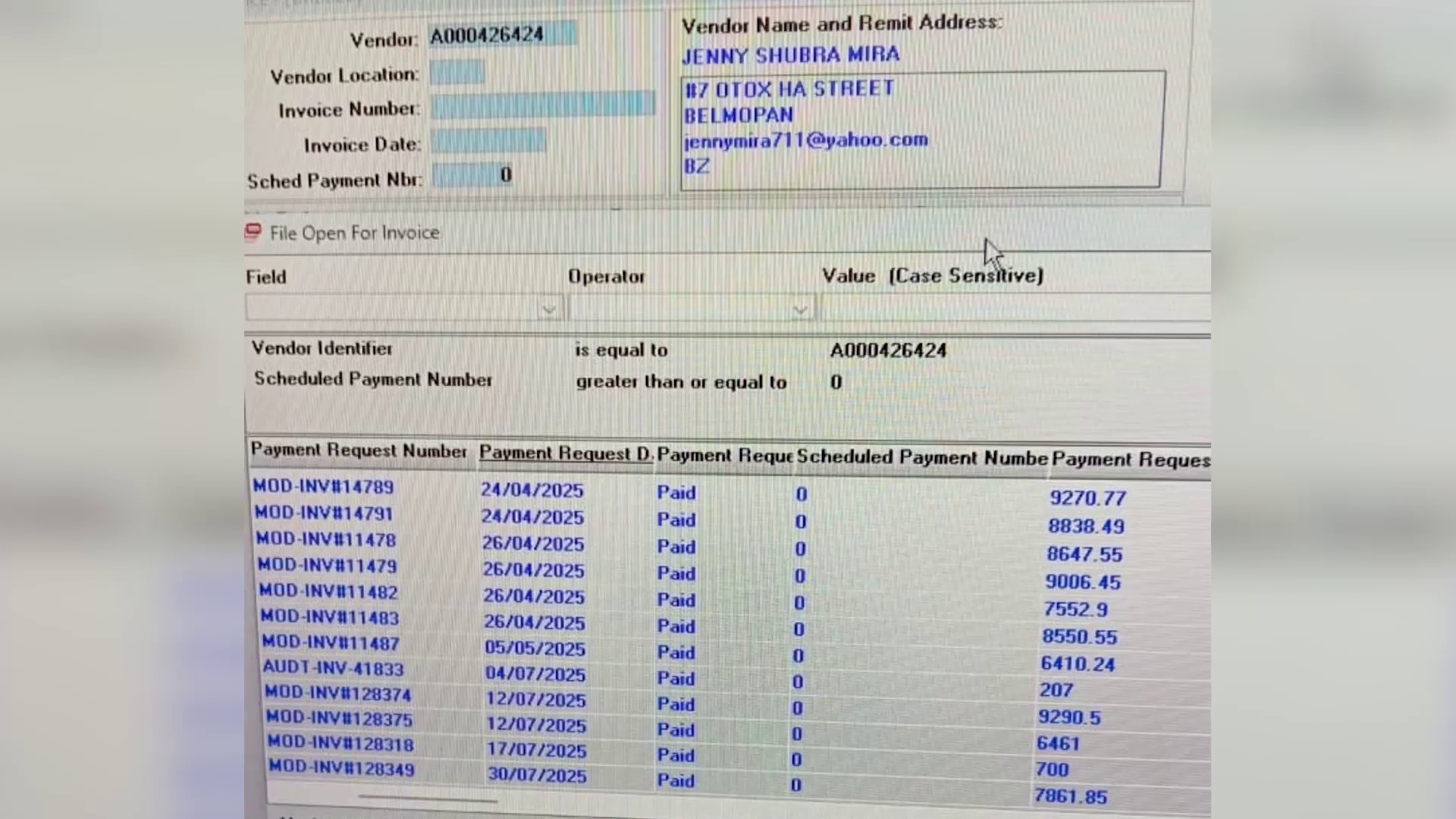
    The scandal first came to public attention when it was revealed that more than $1.7 million in public funds had been disbursed to Jenny Mira, sister of Minister of State Oscar Mira, in contracts awarded through the Ministry of National Defense. While ministry officials have defended the awards and insisted all contracted goods and services were delivered as agreed, public scrutiny has refused to die down, and has now expanded to question procurement practices across the entire government.

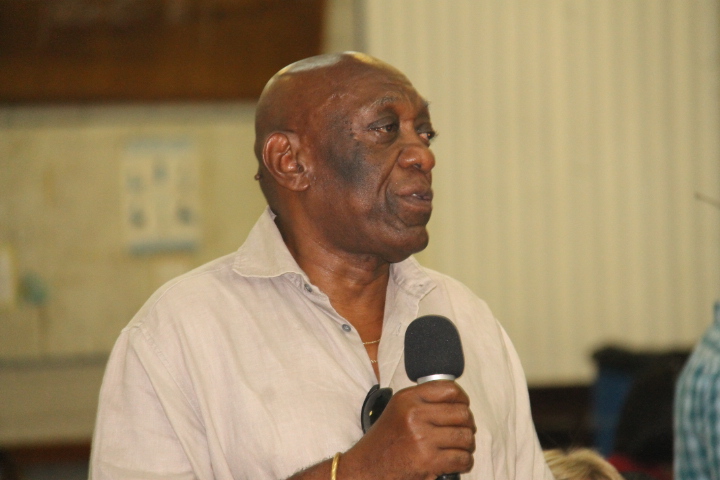
    Speaking in an on-the-record interview with local outlet News Five, Public Service Union (PSU) President Dean Flowers argued that the Mira family contracts are just one visible thread of a much broader pattern of abuse. He pointed to a wide web of ongoing business interests tied to the minister and his extended relatives, with family members holding contracts across multiple sectors: from his sister’s vegetable supply contracts, to brothers’ holdings in air conditioning services and construction, to in-law-led firms winning roadwork projects. Flowers questioned how the minister’s family was able to finance the construction of a private gated community, raising implicit questions about the source of their wealth from public sector contracts.

    Francis Usher, Chief Executive Officer of the Ministry of National Defense, pushed back against the allegations, defending the Mira family’s long history as government suppliers. He confirmed the family has provided produce to the Belize Defence Force and Coast Guard dating back to the early 2010s, years before the current administration took office, and emphasized they have been consistent, reliable partners over that time. Usher also rejected claims of payment fraud, stating, “There is nothing that is being paid for that is not being provided,” pushing back against long-running unconfirmed complaints from service members about substandard or insufficient rations.

    On the widely noted practice of splitting large invoices into amounts just under the $10,000 threshold that triggers mandatory additional oversight from the Treasury Department and Ministry of Finance, Usher denied that government officials ever instruct suppliers to split contracts to avoid scrutiny. He suggested suppliers independently adopted the practice because it speeds up payment processing, as lower-value contracts do not require multi-layered approval from additional government bodies.

    Flowers, however, remains unconvinced by the ministry’s denials. Drawing on his decades of experience working in Belize’s public service, he argued that official records frequently do not align with on-the-ground realities, a pattern well-known to the country’s Auditor General. He pointed to a previous confirmed scandal at the Ministry of Transport, where the government paid for high-end air conditioning units but received cheaper, lower-quality models instead, as an example of the kind of fraud that systemic weak oversight enables.

    The PSU president also pushed back against Usher’s claim that all contracted goods have been delivered, questioning how the CEO could personally verify every delivery made across thousands of contracts. He called on Belize’s top independent oversight officials—including Maria Rodriguez, Teresita Miranda, and Maria Arthurs—to launch a full investigation and prove their commitment to protecting public funds and Belizean taxpayers.

    Flowers also expanded the scope of accountability beyond elected ministers, arguing that long-tenured public finance officers are often the enablers of these corrupt practices. He claimed that new politicians and CEOs entering government are frequently introduced to end-runs around oversight rules by career public officers, who then allow the practice to be exploited to redirect public funds into private hands. To advance the investigation, the PSU has already filed formal Freedom of Information requests to obtain full procurement records from the Accountant General, Auditor General, and Contractor General. Flowers stressed that the probe must examine not just political leaders, but the public officials who processed the questionable transactions.

    The unfolding scandal has sparked growing public demand for transparency and accountability around the management of public funds in Belize, with the outcome of the requested investigation expected to set a major precedent for government oversight reform going forward.

  • SIF Under Fire: PSU President Claims Rigged Tendering System

    SIF Under Fire: PSU President Claims Rigged Tendering System

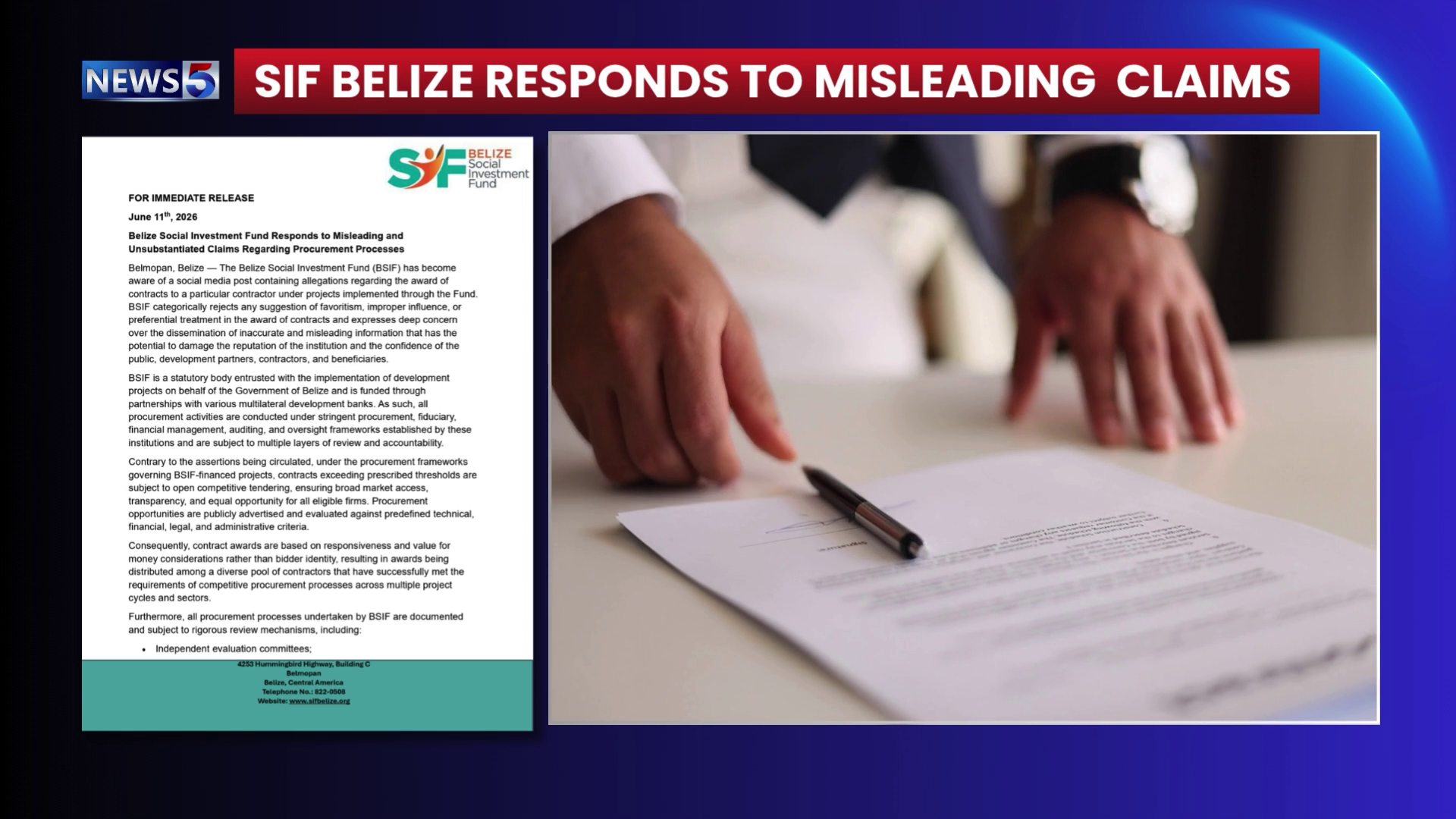
    A major public accountability controversy has erupted in Belize, with the head of the nation’s largest public sector labor organization leveling serious allegations of systemic corruption against the country’s high-profile Social Investment Fund (SIF). In a blistering public address released June 12, 2026, Public Service Union (PSU) President Dean Flowers has broken with longstanding unofficial norms of restrained public criticism, directly calling out SIF leadership and the Ministry of Finance for running a rigged competitive bidding process that puts political favoritism ahead of value for taxpayer money.

    Flowers’ allegations go far beyond isolated claims of mismanagement: he asserts that the entire tendering framework is compromised, arguing that publicly advertised competitive bidding is little more than a facade to award contracts to well-connected bidders rather than the most qualified or cost-effective applicants. To back up his claims, he specifically called out inflated pricing for construction materials, noting that SIF is allegedly paying between $70 and $100 per sack of cement – rates far above standard market pricing that would never be accepted in a truly competitive process.

    The PSU president has issued an ultimatum to leadership at both SIF and the Ministry of Finance: hold a public press conference, release five full years of unredacted procurement and tender records, and allow independent public scrutiny of the documents to prove the bidding process is fair. Flowers argues that full transparency is the only possible path to clearing up growing public suspicion and repairing eroded trust in how public funds are managed. He stressed that the controversy is not about a single flawed contract, but about the integrity of the entire public spending system itself, directly calling out Belizean citizens who are aware of alleged misconduct but have failed to speak out, urging them to join demands for accountability.

    In an immediate response to the allegations, senior SIF officials issued a sharp rebuttal pushing back against every claim made by Flowers. The agency denied all accusations of favoritism, improper influence, and corrupt bidding, insisting that all procurement processes – particularly for high-value contracts – follow strict, open competitive bidding rules. SIF emphasized that all bidders undergo rigorous vetting across technical, financial, and legal eligibility standards before any contract is awarded. The agency also warned that Flowers’ unsubstantiated allegations carry serious risks, noting they could erode public trust in the institution and damage confidence among SIF’s domestic and international funding and implementation partners. SIF defended its longstanding reputation for sound management, asserting that its existing procurement systems are robust and fully compliant with national public spending rules.

  • PSU President Demands Action on Whistleblower Bill

    PSU President Demands Action on Whistleblower Bill

    Amid mounting public scrutiny over questionable public sector spending in Belize, the leader of the nation’s largest public employee organization is intensifying pressure on the ruling government to break a months-long deadlock and advance long-overdue whistleblower protection legislation.

    Dean Flowers, president of the Public Service Union (PSU), argues that the most impactful step to curb systemic corruption and abuse of power in government is simple: extend legal protection to public servants who come forward to report wrongdoing. In pointed remarks delivered on June 12, 2026, Flowers noted that hundreds of current public employees have direct knowledge of corrupt practices but choose to remain silent, terrified of professional retaliation, career damage, or other backlash for speaking out.

    Belize has waited far too long to implement robust, comprehensive whistleblower legislation that would enable the public exposure of corrupt activity across the public service, Flowers emphasized. He is now calling on the government to immediately end delays and bring the proposed protected disclosure bill to the House of Representatives for a vote.

    Flowers directly accused the sitting administration of lacking the political will to meaningfully address corruption. “They have no political will to curb corruption. They have no political will to introduce whistleblowers legislation or protected disclosure legislation to allow and to empower citizens and public officers to point out these things freely and to be compensated if necessary,” he said.

    In a direct public challenge, Flowers called out two senior cabinet members—the Minister of Public Service and the Minister of Religious Affairs—accusing them of repeatedly dodging their responsibility to advance the bill. He urged the pair to stop sidestepping the issue, release the legislation from House committee where it has stalled, incorporate recommendations already submitted by the Belize Chamber of Commerce and the nation’s trade unions, and pass the bill in a single sitting.

    The passage of this law is particularly urgent right now, Flowers argued, because financial officers across the public service are already facing pressure and backlash tied to ongoing corrupt practices. A strong whistleblower law would give these employees the legal security to report unlawful instructions and corrupt facilitation to the Financial Secretary and Auditor General without fear of retaliation.

    Closing his remarks, Flowers tied the call for action to the ministers’ stated values. “If you really believe in a god and you really believe in doing the right thing, do it,” he said. He declined to call out the Prime Minister directly, noting that the Prime Minister’s position on this anti-corruption legislation is already clear to the public.

    This report is adapted from a transcript of an evening television news broadcast.

  • Court Says ‘Answer the Questions’ in Budna’s Abduction Case

    Court Says ‘Answer the Questions’ in Budna’s Abduction Case

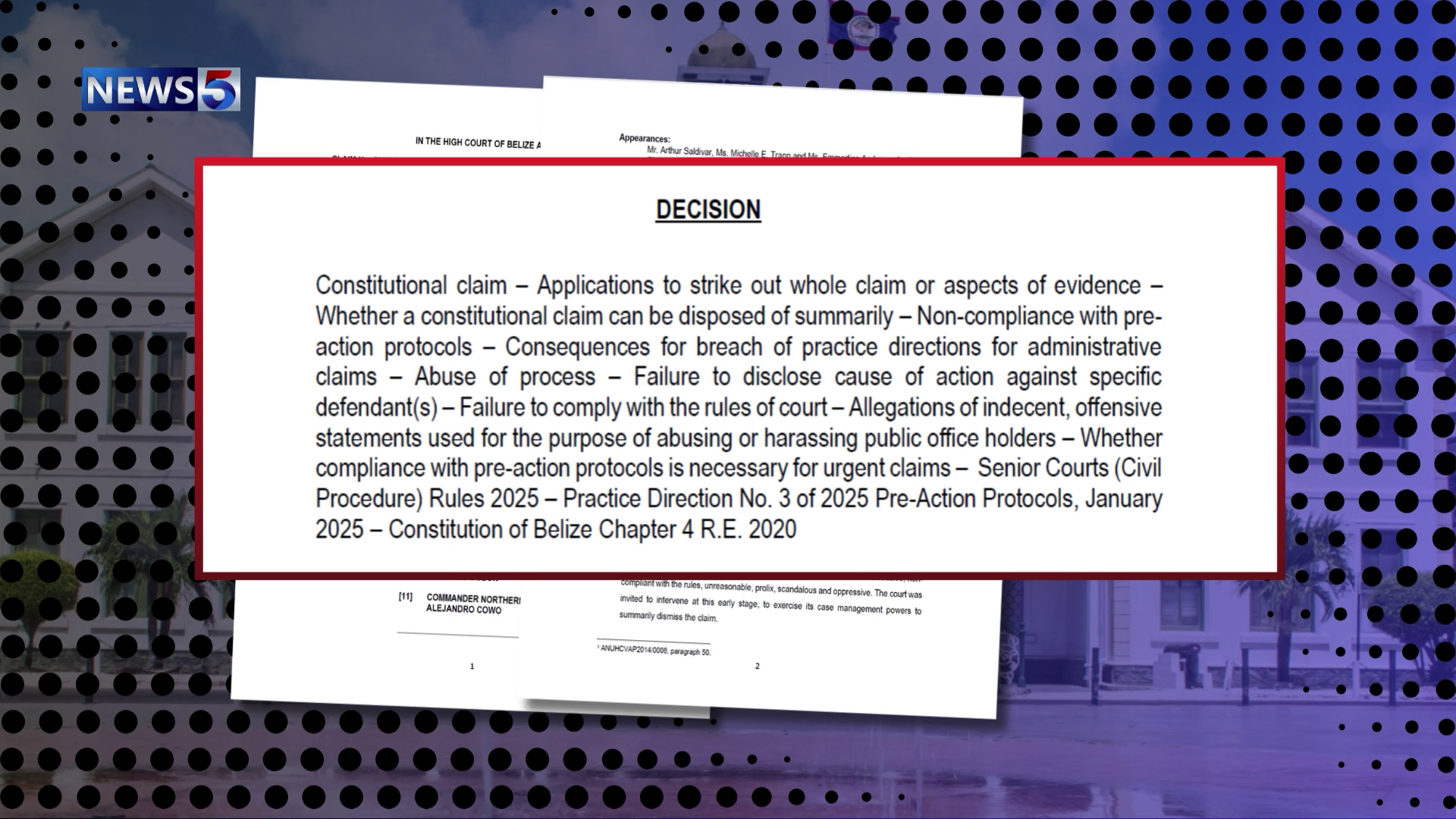
    A high-stakes legal process involving an alleged cross-border abduction is set to move forward in Belize, after a High Court justice rejected efforts to dismiss a constitutional claim brought by imprisoned defendant Joseph Budna. Budna’s case centers on his assertion that he was captured and taken into custody illegally via a cross-border law enforcement operation, a serious allegation that has advanced past the initial dismissal stage.

    Justice Martha Alexander, who presides over the case, issued a landmark ruling last week that the dispute remains a pressing, unresolved legal question that requires formal answers from the state, rather than being thrown out of court before a full hearing. The ruling has forced the Belizean government to prepare for a fresh, high-profile legal battle over the conduct of its law enforcement agencies.

    In comments to reporters following the ruling, Attorney General Anthony Sylvestre outlined the government’s next steps, confirming that the state is actively building its formal defense ahead of upcoming procedural deadlines. Sylvestre added that alongside trial preparations, the government is also open to two alternative dispute resolution mechanisms embedded in Belize’s court system: voluntary mediation between parties, and a court-led judicial settlement conference.

    Sylvestre explained that judicial settlement conferences, in particular, offer a structured space for both sides to re-evaluate their positions, with a senior independent legal guide helping each party assess the strengths and weaknesses of their claims ahead of a full trial. Currently, the case is in the active case management phase, with ongoing proceedings to set deadlines for filing legal statements and other core court documents. Sylvestre noted that the government is still working through these preliminary procedural steps, and will not make a final decision on pursuing settlement versus trial until that process is complete.

    When pressed by reporters on whether a potential out-of-court settlement would implicitly confirm long-standing rumors of a high-level official cover-up of the alleged abduction, Sylvestre rejected that framing. He emphasized that court decisions and case resolutions are shaped by both factual evidence and existing legal precedent, not just public speculation. He noted that while Budna’s legal team argues the state is liable for the actions of its officers, the government currently disputes that interpretation of existing Belizean law, and will have the opportunity to make that case in formal proceedings later in the process.

    In a related procedural development, the court has already struck out claims against five individual defendants named in the original filing, including high-ranking officials: the current Minister of Home Affairs and the Commissioner of Police. Only the claim against the state itself will move forward in the coming months.

    This report is adapted from a transcribed evening television news broadcast originally published online.

  • Controversy Brews Over Bush Stick Extraction in Indian Creek

    Controversy Brews Over Bush Stick Extraction in Indian Creek

    A simmering conflict over unapproved bush stick extraction has erupted into open tension in Belize’s Indian Creek Village, exposing deep fractures in local governance and reigniting a long-running national battle over Indigenous Maya land rights.

    The unrest unfolded earlier this week when Cristina Coc, spokesperson for the Maya Leaders Alliance (MLA), encountered the standoff while traveling through the area. Coc explained that the community’s long-standing internal land and resource permitting system has collapsed in recent years, leaving villagers dependent on small-scale extraction permits issued by the national Forest Department. Under existing local rules, any national permit requires formal endorsement from the village’s alcalde – the traditional local governing authority – before extraction can proceed. On this occasion, Coc confirmed, the permit was granted without the required local sign-off, leaving residents unaware of the planned activity.

    “For villagers, this amounts to illegal extraction,” Coc said in an on-the-record interview. The dispute has been fueled by conflicting claims to the land: the village council has recognized a third party’s ownership claim, arguing that the third party only needed council approval to harvest bush sticks, while community members maintain the land is part of their traditional territory, and their own local regulatory framework should take precedence.

    Coc pulled no punches in assessing the root of the local crisis, blaming a complete breakdown of cooperative governance among village leaders. “None of the leaders are willing to set aside their differences and do what is right for the village members,” she said. “This division has eroded all mutual respect. There is disregard for the village police, disregard for the alcalde, and a great deal of misinformation being spread.” Contrary to circulating false claims, Coc confirmed that the alcalde was not present at the extraction site and did not attempt to block the movement of harvested materials. The situation quickly escalated when a truck carrying a group of young men, brought to the site by allies on the village council, arrived and immediately began engaging in physical violence. Coc, who was already on site to mediate, prioritized de-escalation to prevent serious injury, noting that conflict over bush stick extraction did not justify harm to community members.

    This local flare-up comes as the MLA is already challenging a national government land rights reform bill that was explicitly intended to reduce intercommunal and state-community land conflicts across Belize. Instead of easing tensions, the new proposal has triggered fresh pushback from Indigenous leaders, who argue the legislation fails to uphold the Maya community’s constitutionally guaranteed and internationally recognized land rights.

    Coc emphasized that the MLA does not oppose land rights reform as a concept – on the contrary, the group has long called for clear legislative frameworks to resolve ongoing territorial disputes. “We want legislation that advances our rights, but it has to align with existing court judgments, our constitutional rights, and international indigenous rights standards,” she explained. “The current proposal does not do that – it actually limits our rights and threatens our control over our traditional lands.”

    To address the government’s proposed framework, the MLA has filed a request with the Caribbean Court of Justice (CCJ), the region’s highest appellate body, to clarify the scope of the Maya community’s land rights as defined in the court’s original landmark ruling on the issue. The government has claimed that the proposed legislation aligns with a prior consent agreement between the state and the Maya community, but Coc argues the government has misrepresented the agreement’s terms. “That agreement was never an empty document,” she said. “It was built on the lower court ruling, which explicitly confirms our rights based on our centuries-long use and occupation of these lands.”

    Looking ahead, local village leaders have scheduled a meeting with the Forest Department next week to negotiate a peaceful resolution to the Indian Creek Village conflict, while the broader legal fight over national land rights policy will now proceed back to the CCJ for formal review.

    This report is adapted from a transcript of a televised evening newscast, with all quoted content from English-language statements preserved accurately from the original broadcast.

  • CEO Responds to Veteran Soldier’s Benefits Concerns

    CEO Responds to Veteran Soldier’s Benefits Concerns

    In a public account of systemic administrative backlogs plaguing Belize’s retired military personnel, an 18-year veteran of the Belize Defense Force (BDF) has spoken out about being denied the pension he earned after five months of waiting since his discharge. The retired soldier, who served multiple tours guarding Belize’s southern border at the Sarstoon River including direct confrontations with Guatemalan forces, turned to local media to highlight what he calls unacceptable gridlock in the benefits approval pipeline. His case has reignited long-simmering conversations about the bureaucratic hurdles that many former BDF service members encounter when seeking post-service entitlements they are legally owed.

    Local media reached out to Francis Usher, Chief Executive Officer of Belize’s Ministry of National Defence and Border Security, to respond to the veteran’s complaint and shed light on ongoing efforts to resolve widespread processing delays. Usher, who himself retired from military service last March and only expects to receive his own full retirement benefits by the end of June 2026, acknowledged that the current multi-step approval process is unfairly burdensome for veterans who have dedicated decades of their lives to national security.

    “It hurts to tell a veteran they have to wait years for benefits they earned over 20 years of service,” Usher told reporters, before walking through the full chain of administrative steps required to finalize retirement payouts for BDF personnel. He explained that benefit packages are first assembled at BDF headquarters, before being transferred to the defense ministry for his personal review. Once cleared by his office, the application is passed to the Security Services Commission, which only holds voting sessions to approve requests once per month. After commission approval, the file moves to the national treasury, where analysts conduct a full line-item review of the veteran’s career to confirm benefit calculations align with years of service, rank, and other regulatory criteria to prevent over or underpayment. Once treasury signs off, the application is sent to the Ministry of Finance for budget approval, then forwarded to the Public Service Commission for final sign-off, before being returned to the defense ministry to activate payment.

    While Usher called the slow, multi-agency process an “unfortunate reality,” he noted that government bodies across Belize’s public sector are now moving to modernize outdated administrative systems, with a key focus on digitizing paper-based personnel records. This digital overhaul is already underway for both the BDF and the Belize Coast Guard, though Usher confirmed the project remains in its early stages. The outlet also noted that extended wait times for post-retirement benefits are not an issue isolated to the BDF, affecting public sector retirees across multiple government agencies in the country.

    This report is a transcript of a televised evening news broadcast, with Kriol language statements transcribed using an industry-standard spelling system for accessibility.

  • Guyana draagt voormalig minister voor als kandidaat voor VN-secretaris-generaal

    Guyana draagt voormalig minister voor als kandidaat voor VN-secretaris-generaal

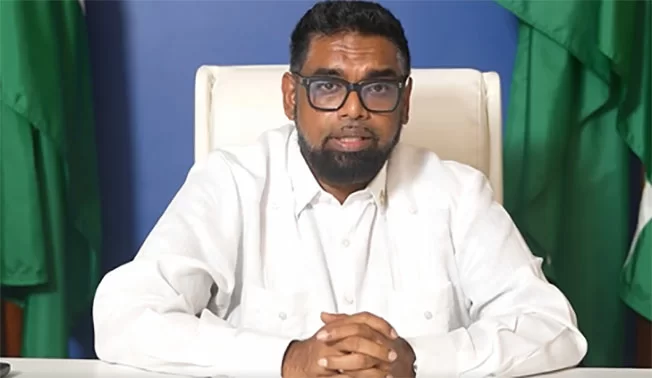
    On June 12, Guyanese President Irfaan Ali made a landmark announcement confirming that his government has officially put forward Carolyn Rodrigues-Birkett, the nation’s current permanent representative to the United Nations, as its candidate to succeed outgoing UN Secretary-General António Guterres, whose second and final term concludes at the end of 2026.

    In his official statement, President Ali emphasized that Rodrigues-Birkett’s nomination marks a pivotal moment that reflects both Guyana’s expanding global footprint and the small Caribbean nation’s growing ambition to contribute more meaningfully to the multilateral global system. The head of state pointed to Guyana’s recent assumption of a non-permanent seat on the UN Security Council for the 2024–2025 term as evidence of the country’s rising international standing, highlighting its active engagement in critical global debates spanning peace and security, climate action, food security, sustainable development, and global energy security in recent years.

    Against the backdrop of this growing influence, Ali noted that the time has come for Guyana to put forward a candidate for the UN’s most senior diplomatic post. “Guyana has steadily emerged as an increasingly prominent and influential voice within the international community,” Ali stated, framing the nomination as a natural next step for the nation’s evolving global role.

    Carolyn Rodrigues-Birkett is widely recognized as one of Guyana’s most seasoned and accomplished diplomats. She has served as the country’s permanent representative to the UN Headquarters in New York since 2020, a tenure that saw her play a central leadership role during Guyana’s ongoing Security Council term. Before taking up her current UN posting, Rodrigues-Birkett held multiple senior roles across global and national governance, including serving as Director of the Food and Agriculture Organization (FAO) Liaison Office in Geneva. She has also held several cabinet positions in the Guyanese government, including Minister of Foreign Affairs and Minister of Indigenous People’s Affairs, giving her decades of high-level experience in both domestic governance and international diplomacy.

    President Ali underscored that Rodrigues-Birkett brings the deep diplomatic expertise, extensive global network, and proven leadership skills needed to guide the United Nations through an era defined by overlapping global crises: ongoing armed conflicts, accelerating climate change, widespread food insecurity, and rising geopolitical polarization. “These challenging times demand a leader with the credentials and vision to unite the international community around shared solutions,” Ali noted.

    The nomination also marks a defining step in Guyana’s efforts to cement its presence on the global stage. If Rodrigues-Birkett is successfully elected, she will make history as the first person from Guyana to hold the post of UN Secretary-General, and only one of a small number of leaders from the Caribbean region to ever lead the world body.

    Over the coming months, the selection process for the new Secretary-General will unfold through intensive behind-the-scenes diplomatic consultations among the UN’s 193 member states. The final appointment follows an established procedure, requiring endorsement by the UN Security Council before formal approval by the UN General Assembly.

  • COMMENTARY: Why the IRC says the distributed renewable energy framework is far from final

    COMMENTARY: Why the IRC says the distributed renewable energy framework is far from final

    In recent days, widespread conversation has erupted across social media and public platforms in Dominica regarding the proposed Distributed Renewable Energy Generation Framework, which is currently undergoing review by the country’s Independent Regulatory Commission (IRC). After observing the discourse for some time, the head of the commission has stepped forward to correct widespread misinformation that has caused unnecessary anxiety among residents and stakeholders.

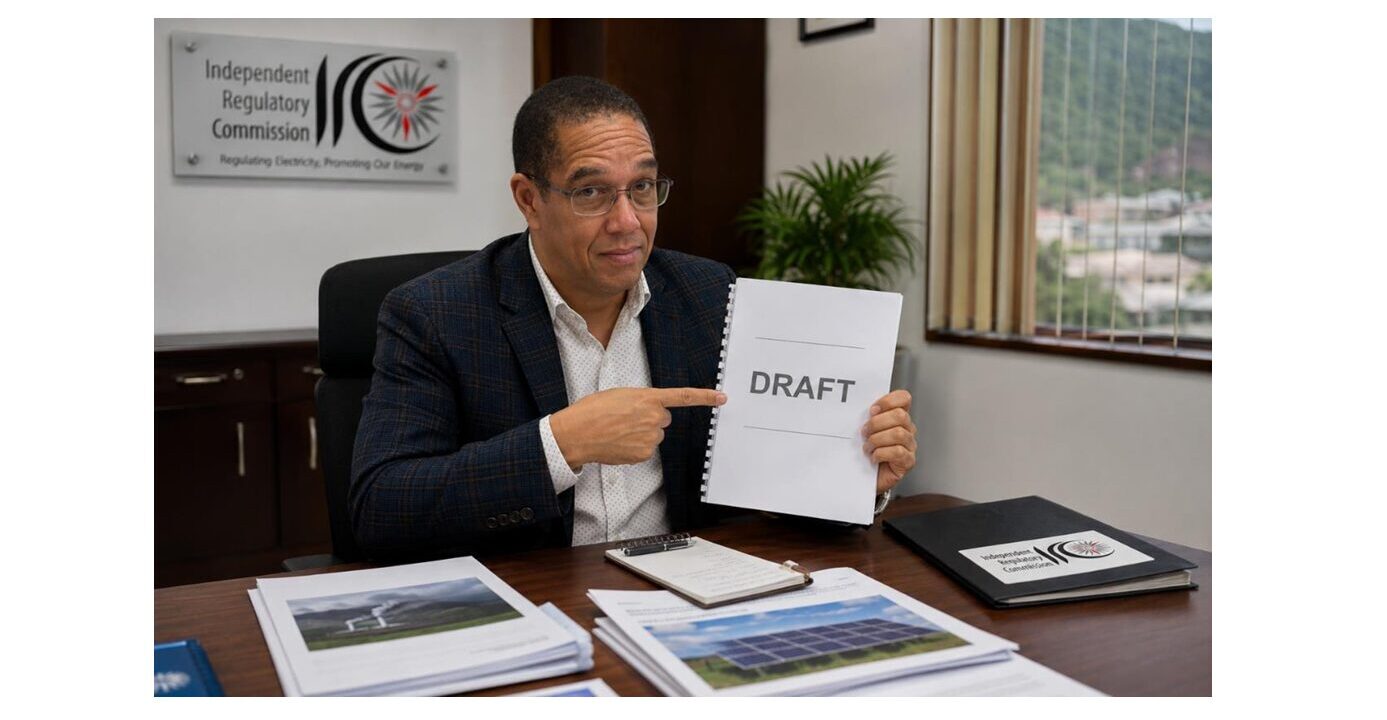
    The core misunderstanding that has spread through public conversation is the false claim that the framework has already been finalized, approved, and is ready to be imposed on the country’s electricity sector. The commission stresses that this could not be further from the truth. What is currently being discussed is nothing more than an initial working draft compiled by an external consultant, who pulled together regulatory models and approaches successfully used in other jurisdictions to create a starting point for public conversation. At this early stage, the document was never intended to serve as a final, binding policy.

    The entire purpose of the current process is to assess this draft, separate elements that fit Dominica’s unique energy landscape, electricity grid, and customer needs from those that do not, and ultimately craft a customized framework aligned with the country’s specific goals. Even more importantly, the commission emphasizes that the review process is still in its absolute earliest phases, far from any final decision.

    To address concerns that policy would be developed behind closed doors without public input, the IRC proactively established a diverse stakeholder committee before work on the framework even began. The committee includes owners of existing distributed renewable energy systems, industry vendors, residential energy customers, representatives from Dominica’s key hospitality sector, and other relevant sector stakeholders. This broad membership was intentionally selected to ensure all voices can be heard, and all perspectives can shape the framework before any final votes are taken. To date, the committee has held only one introductory meeting, where members shared initial feedback, raised concerns, flagged elements that may not work for Dominica, and identified areas in need of adjustment. That is the full extent of progress made so far.

    One of the most heated sources of public confusion surrounds the proposed “buy all, sell all” energy model referenced in the consultant’s draft. Many residents with existing solar photovoltaic (PV) systems have raised alarms that this model would be forced on them, but the commission clarifies that the model is only one of many options under review. During the first committee meeting, concerns about the model’s impact on existing renewable system owners were raised immediately, and committee members acknowledged that key aspects of the approach may not fit Dominica’s context. That said, early discussion is already trending toward making participation in any grid connection or buy-sell arrangement voluntary, letting customers themselves decide whether they want to opt in. No final decisions on this point have been made.

    A second major source of misinformation involves rumors of finalised buy and sell pricing for distributed renewable energy, which the IRC says are completely unfounded. Pricing structures have not been settled, and will not be discussed and finalized until core framework elements including capacity thresholds, participation categories, technical safety requirements, and grid integration protocols are fully developed. Any pricing decisions will require detailed negotiation and analysis between the IRC and DOMLEC, the island’s main electricity provider, to ensure the model is fair, technically feasible, and financially sustainable for all parties.

    Contrary to claims that the framework is intended to restrict distributed renewable energy growth, the IRC stresses that the opposite is true. The entire project is designed to create a clear, fair regulatory environment that incentivizes expanded renewable energy adoption across the island. The commission recognizes that many Dominicans install solar and other distributed systems to gain energy independence, improve resilience after tropical storms, and lock in long-term energy cost savings, and these priorities are central to the drafting process. At the same time, the commission has a legal and ethical responsibility to ensure any new framework is technically safe for the national grid, fair to all customers, and sustainable over the long term for the country as a whole.

    For the past two months, the IRC’s work was prioritized to a comprehensive tariff review for DOMLEC, which delayed progress on the renewable framework. Now that the tariff review is largely complete, the commission will schedule additional committee meetings to advance discussions. After the stakeholder committee concludes its work, the revised draft will be released for a full, island-wide public consultation period, to capture additional feedback and concerns that may have been missed during early discussions.

    The IRC says it welcomes all constructive public engagement, including questions, comments, and fair criticism of the draft framework. However, it urges residents and stakeholders to distinguish between an early discussion draft and a final, binding regulatory decision – two very different stages of the policy process. The commission appreciates the widespread public enthusiasm for expanding renewable energy in Dominica, which it calls a positive sign for the country’s clean energy future, but it wants to reassure residents that no final decisions have been made, and official updates will be released regularly as the process moves forward. The public is encouraged to follow official IRC channels for accurate updates, and to continue participating in the process by submitting feedback to ensure the final framework reflects the needs and interests of all Dominicans.

  • Geotechnical engineer drills out GY$17 million from Jagdeo for defamation

    Geotechnical engineer drills out GY$17 million from Jagdeo for defamation

    On Friday, 12 June 2026, Guyana High Court Judge Fidela Lincoln-Corbin delivered a landmark defamation ruling holding current Guyanese Second Vice President Bharrat Jagdeo financially liable for defamatory comments he made against prominent senior engineer Charles Ceres back in 2019.

    The case stems from a press conference held on 27 June 2019, when Jagdeo was serving as Opposition Leader and General Secretary of the People’s Progressive Party (PPP). At that event, Jagdeo made damaging public statements about Ceres’ 2019 land acquisition deal with his then-wife.

    In her written ruling, Judge Lincoln-Corbin confirmed that Ceres had presented unchallenged evidence proving Jagdeo either personally published or authorized the publication of the defamatory claims against the engineer. The judge ultimately dismissed all three of Jagdeo’s core legal defenses: justification, fair comment, and qualified privilege. She emphasized that Jagdeo failed to introduce any credible evidence to support any of his defensive claims, despite cross-examining Ceres over the course of the trial in an apparent attempt to validate his arguments.

    Alongside the GY$15 million in defamation damages owed directly to Ceres, Jagdeo was also ordered to pay an additional GY$2,150,000 to cover Ceres’ court costs. The ruling also addressed co-defendants Tusika Martin, Editor-in-Chief of the *Guyana Times*, and the newspaper outlet itself. After reviewing the full audio recording of the 2019 press conference that was entered into evidence, Judge Lincoln-Corbin found that while the outlet’s news headline did not clarify the piece was a report on the press conference, the body of the article constituted a fair and accurate summary of Jagdeo’s original remarks. As a result, the judge awarded discretionary costs of GY$1 million to Martin and the *Guyana Times*.

    Ceres, a globally recognized geotechnical engineer and groundwater hydrologist with more than four decades of professional experience, was represented in court by attorney Darren Wade. Jagdeo’s legal team was led by barristers C.V. Satram and Ron Motilall.

    Shortly after the ruling was issued, Wade announced on his Facebook page that Ceres plans to appeal the court’s decision as it relates to *Guyana Times*, and will also push for a higher damages award against Jagdeo. Even so, Wade publicly urged the vice president to resolve the matter immediately by paying the ordered damages rather than pursuing an appeal. “Mr. Bharrat Jagdeo, please pay up as soon as possible. Do not let anyone convince you that there is any real prospect of success on appeal,” Wade stated.

  • ‘Todeh Fih Me, Tomorrow Fih You’: Technicians To Sue Building Authority

    ‘Todeh Fih Me, Tomorrow Fih You’: Technicians To Sue Building Authority

    In a high-stakes standoff that threatens to reshape Belize’s construction industry and raise barriers to affordable housing for working families, roughly 100 architectural and engineering technicians are gearing up to launch a constitutional challenge against sweeping new regulations imposed by the country’s Central Building Authority (CBA). The Association of Architectural and Engineering Technicians of Belize (AAETB) has announced it will contest three key policy changes: the updated Belize Building Code, 2022 amendments to the national building regulations, and a controversial CBA ruling issued on April 20, 2026.

    That CBA decision went into effect just over two weeks after it was announced, on May 1, 2026, and immediately barred the CBA from accepting construction drawings prepared by technicians for any structure larger than 1,200 square feet. Under the new rules, only registered members of the Association of Professional Architects of Belize or the Association of Professional Engineers of Belize qualify as “registered design professionals” eligible to submit plans for mid-sized and large projects.

    AAETB leaders argue the policy rollout was fundamentally undemocratic and legally flawed: the new restriction was introduced with only 10 days of public notice, and no prior consultation was held with the technicians who would bear the brunt of the change. The association says the abrupt shift has already thrown hundreds of existing active construction contracts into chaos, and effectively stripped independent technical professionals of their right to earn a living in their field of expertise.

    Legally, the group contends that the new regulations violate multiple core protections enshrined in Belize’s constitution. These violations include infringement of the fundamental right to work, unequal treatment under the law that discriminates against technical practitioners, and unlawful deprivation of professional property and livelihood without just compensation.

    Beyond the immediate impact on its members, the association has sounded the alarm about harmful spillover effects for ordinary Belizean households. For decades, architectural and engineering technicians have offered design and drafting services at far more affordable rates than fully registered professional architects and engineers. Their exclusion from the larger project market will inevitably drive up the cost of construction plans, at a time when already sky-high building costs have put homeownership out of reach for a growing share of the population.

    In a defiant statement outlining the group’s position, AAETB emphasized that technicians have long been the unsung foundation of Belize’s construction sector, and do not create any unmanageable safety risk to the public. “They are its backbone,” the statement read, signaling the organization’s commitment to seeing the legal challenge through to secure its members’ livelihoods and protect affordable building options for all Belizeans.