分类: politics

  • Trump’s chief of staff diagnosed with breast cancer

    Trump’s chief of staff diagnosed with breast cancer

    WASHINGTON (AFP) – In a personal announcement via his Truth Social platform, former President Donald Trump revealed that his Chief of Staff, Susie Wiles, has been diagnosed with early-stage breast cancer. The 68-year-old political operative, who made history as the first woman to hold the White House chief of staff position, intends to maintain her demanding schedule throughout her treatment course.

    Trump characterized Wiles as “an incredible Chief of Staff, a great person, and one of the strongest people I know” in his social media post. He detailed that rather than delaying treatment, Wiles has chosen to confront her diagnosis immediately. The former president expressed confidence in her medical team, stating her prognosis is “excellent.” He further noted that Wiles plans to spend “virtually full time at the White House” during her treatment, a commitment he described as making him “very happy.”

    Wiles’s role has been pivotal in shaping Trump’s political comeback. Widely recognized behind the scenes as the driving force steering the trajectory of his second presidency, she earned monikers from Trump such as “The Ice Maiden” and “the most powerful woman in the world.” Her career with Trump began in Florida during his initial 2016 presidential campaign.

    Despite maintaining an exceptionally low public profile, insiders describe Wiles as a resolute and steely gatekeeper within Trump’s orbit. Her central mission has been to institute order and prevent a recurrence of the internal chaos and factional disputes that plagued Trump’s first term in office. This diagnosis comes as Trump and the Republican party navigate significant challenges, including international tensions with Iran and navigating poor approval ratings ahead of the crucial November midterm elections.

  • Iran, at UN, insists it will not submit to ‘lawless aggression’

    Iran, at UN, insists it will not submit to ‘lawless aggression’

    GENEVA — In a defiant address to the UN Human Rights Council, Iran’s ambassador Ali Bahreini declared his nation would not yield to what he termed ‘lawless aggression’ from the United States and Israel, asserting that 90 million Iranians face ‘immediate and grave danger’ from military strikes.

    The session, intended to examine Iran’s human rights record, transformed into a platform for geopolitical confrontation as Bahreini redirected focus toward external threats. He characterized the US and Israeli offensive launched February 28 as reckless militarism that endangered regional stability and civilian lives.

    UN experts meanwhile warned that Tehran’s domestic repression, particularly its deadly crackdown on protests beginning December 28, would likely intensify amid the ongoing Middle East conflict. Special Rapporteur Mai Sato noted reports of over 7,000 protest-related deaths and expressed concern that ‘a very big crackdown’ could follow if the Islamic Republic emerges weakened from the war.

    Bahreini presented counter-allegations, accusing the US and Israel of attacking Iranian cultural heritage and massacring ‘innocent children at their school desks’ in Minab. He claimed 1,300 fatalities and 7,000 injuries in Iran since the strikes began.

    The diplomatic clash revealed deep international divisions. The Gulf Cooperation Council nations plus Jordan condemned Iran’s attacks on their territories as unjustifiable threats to regional security. Russia accused the US and Israel of seeking to ‘destroy this dissenting country,’ while China expressed grave concern and called for immediate ceasefire and dialogue. Western nations including Britain and France urged diplomatic solutions and warned against exploiting conflict to inflict violence on citizens.

    The session highlighted how geopolitical tensions have complicated human rights oversight, with both Iran and its accusers leveraging the platform to advance competing narratives of aggression and victimhood.

  • Audit flags possible fraud at JAS

    Audit flags possible fraud at JAS

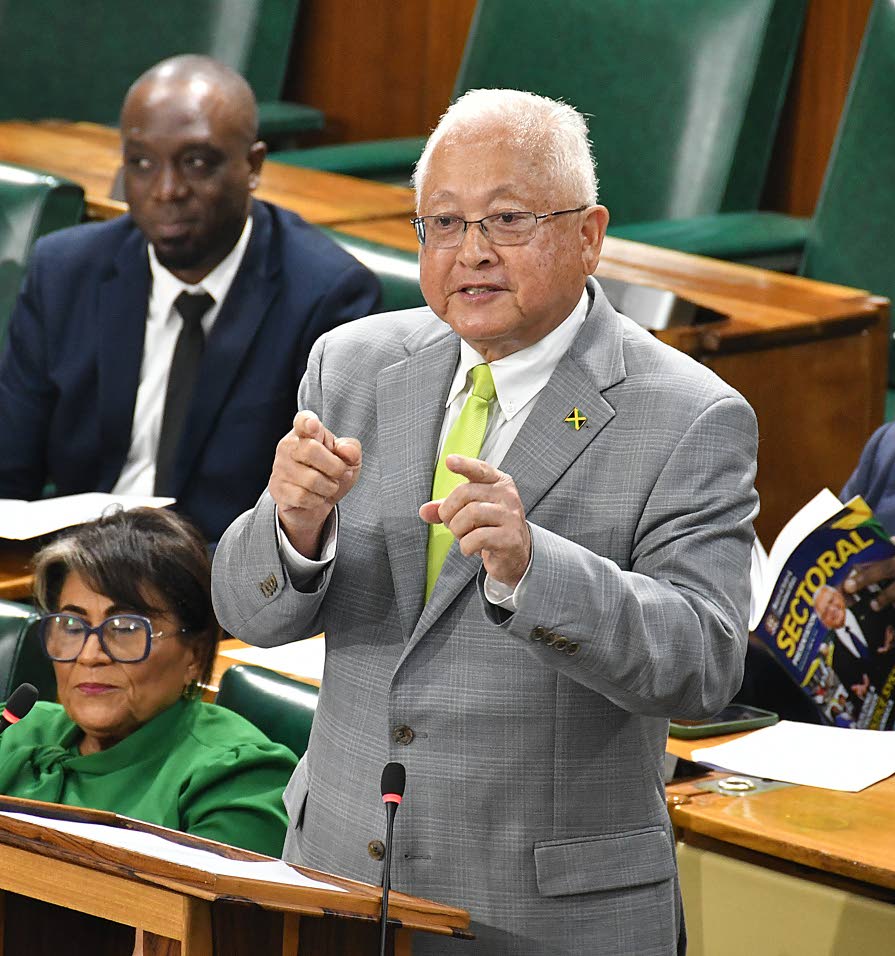
    A comprehensive government audit has revealed significant financial irregularities and potential collusion within Jamaica’s agricultural sector, raising serious concerns about public fund management. The Internal Audit Directorate within the Ministry of Finance and Public Service documented these findings in the Government of Jamaica Audit Committees’ Annual Report for fiscal year 2024/25, which was formally presented to the House of Representatives on Thursday.

    The investigation uncovered that a senior manager allegedly diverted approximately $1.45 million in improper payments to third-party entities, suggesting possible coordinated misconduct within organizations under the Ministry of Agriculture, Fisheries and Mining. The Jamaica Agricultural Society (JAS) was specifically implicated in these transactions that indicate potential collusion among officials.

    Beyond the diverted funds, auditors identified substantial gaps in financial documentation practices. The Fisheries Division and Castleton Botanical Gardens showed accountability lapses exceeding $2.1 million due to missing critical records including lodgement slips and payment vouchers. These documentation failures prevented proper financial tracking and verification.

    The report further detailed systematic misuse of government subventions, with funds repeatedly allocated for purposes inconsistent with their intended objectives. Additionally, multiple breaches of employment guidelines were detected within the ministry’s operational framework.

    These specific incidents form part of a broader pattern of governance deficiencies across Jamaican government entities. The audit revealed that internal control violations and non-compliance with financial protocols have resulted in substantial fiscal losses, including salary overpayments exceeding $200 million and project cost overruns surpassing $136 million nationwide.

    Perhaps most concerning is the declining responsiveness to audit findings. The report noted that management response timeliness dropped significantly to 33% during the reviewed period, down from 52% in the previous fiscal year, indicating reduced accountability measures within governmental departments.

  • Bostwick ‘saddened’ by Minnis, says FNM faces ‘uphill fight’

    Bostwick ‘saddened’ by Minnis, says FNM faces ‘uphill fight’

    In a significant political assessment, Dame Janet Bostwick—The Bahamas’ groundbreaking first female parliamentarian—has characterized her Free National Movement (FNM) party’s path to victory in the upcoming general election as an “uphill fight.” The revered stateswoman, who shattered glass ceilings by entering Parliament in 1982 and subsequently serving as attorney general and acting prime minister, shared her candid perspectives with journalists last Friday.

    Dame Janet expressed profound disappointment regarding former Prime Minister Dr. Hubert Minnis’ decision to contest the Killarney constituency as an independent candidate following his exclusion from the FNM’s official ticket. While acknowledging his constitutional right to pursue independent candidacy, she voiced concern that this move might potentially tarnish his established political legacy. “Dr. Minnis made great contributions to our party and to the country,” she noted, adding, “I would hope that even at this stage, he may decide to take a different direction.”

    The political pioneer acknowledged existing fractures within FNM ranks, confirming the party hasn’t achieved complete unity. She revealed that a minority faction has chosen to operate outside the official party structure, though she maintained that the organization retains its core base and has simultaneously gained new supporters. Despite these internal challenges, Dame Janet expressed confidence that the party remains well-positioned to effectively contest the impending electoral battle.

    Shifting to gender representation, the celebrated trailblazer welcomed the increasing number of female candidates preparing to contest the election but emphasized the critical need for substantially improved representation in the House of Assembly. With women currently occupying fewer than 25% of parliamentary seats despite constituting approximately half of the national population, Dame Janet advocated for affirmative action measures to ensure women achieve meaningful influence in national decision-making processes.

  • Fitz-Henley tasks G2K with budget communication

    Fitz-Henley tasks G2K with budget communication

    KINGSTON, Jamaica — Senior Jamaica Labour Party (JLP) official Abka Fitz-Henley has called upon the party’s young professional arm, Generation 2000 (G2K), to actively educate citizens about the national budget currently under parliamentary debate. Addressing the G2K Portmore Chapter at the Youth Innovation Centre in Edgewater, Fitz-Henley emphasized the budget’s presentation during exceptionally difficult circumstances.

    The JLP Communication Taskforce Chairman highlighted the dual challenges of Hurricane Melissa’s devastation, which wiped out over 50% of Jamaica’s GDP, and ongoing global economic uncertainties. “This budget has been meticulously crafted and is now being debated at perhaps one of the most challenging periods in our nation’s recent history,” Fitz-Henley stated.

    He urged G2K members to adopt a sensitive communication approach: “Now is the time for G2K not to be boastful in its utterances but to be mindful of the hardships affecting segments of our population while explaining the budget’s provisions.”

    Fitz-Henley also cautioned against distractions from opposition tactics, noting: “The Opposition remains in apparent shock over their electoral defeat. Some had already been preparing to access the spoils of political office before the election, which explains their current desperation for power.”

    Additionally, he encouraged G2K to help maintain the spirit of unity that emerged during Hurricane Melissa’s aftermath. “As I toured affected areas, I witnessed remarkable camaraderie where communities supported neighbors during disaster. We must extend this collaborative spirit across society as we navigate ongoing challenges,” Fitz-Henley concluded.

  • Johnson Smith to lead engagements with foreign envoys for Diplomatic Days 2026

    Johnson Smith to lead engagements with foreign envoys for Diplomatic Days 2026

    Jamaica’s Ministry of Foreign Affairs and Foreign Trade is set to host Diplomatic Days 2026 from March 17-19, bringing together resident and non-resident diplomatic corps members for high-level engagements with government leadership. Foreign Minister Senator Kamina Johnson Smith will convene the three-day event designed to strengthen international cooperation, expand economic opportunities, and enhance climate resilience strategies.

    The gathering takes on particular significance as Jamaica continues reconstruction efforts following Hurricane Melissa’s devastating landfall on October 28, 2025, which caused extensive damage across the island’s western regions. Minister Johnson Smith emphasized that Jamaica maintains a pragmatic and principled diplomatic approach requiring sustained dialogue with international partners during this rebuilding phase.

    A centerpiece of the program will feature a policy briefing led by Johnson Smith alongside Matthew Samuda, Minister of Water, Environment and Climate Change, who recently assumed presidency of the United Nations Environment Assembly. The event will also welcome newly appointed ambassadors from Greece, Ireland, Malta, Panama, Qatar, and Türkiye, along with high commissioners from Lesotho and Rwanda.

    The diplomatic proceedings will commence with formal credential presentations to Minister Johnson Smith, followed by official ceremonies with Governor-General Sir Patrick Allen at King’s House. Additional activities include bilateral meetings and a cultural visit to the National Gallery of Jamaica, culminating in the annual diplomatic dinner hosted by the Governor-General and Lady Allen.

    This strategic initiative forms part of Jamaica’s broader international engagement strategy to strengthen bilateral and multilateral partnerships while addressing post-disaster recovery challenges through coordinated global cooperation.

  • Trump vows to ‘take’ Cuba as island reels from oil embargo

    Trump vows to ‘take’ Cuba as island reels from oil embargo

    HAVANA, Cuba – In a stark escalation of rhetoric, U.S. President Donald Trump declared his intention to potentially ‘take’ Cuba, capitalizing on the communist nation’s severe economic and energy crisis. The threat was issued as the island of 9.6 million citizens endured a complete national power grid failure, a direct consequence of a stringent U.S. fuel embargo.

    Speaking to reporters at the White House, Trump characterized Cuba as a ‘very weakened nation’ and asserted his capability to do ‘anything I want with it.’ This statement represents one of the most unambiguous threats from his administration, which has intensified pressure on Havana following the U.S.-backed ouster of Venezuela’s Nicolás Maduro, a key Cuban ally and oil supplier.

    The total electrical blackout, confirmed by Cuba’s Unión Nacional Eléctrica (UNE), is symptomatic of a deeper collapse. The nation’s antiquated power generation infrastructure, crippled by an acute shortage of fuel, has led to daily outages lasting up to 20 hours in some regions. This energy deficit has forced the rationing of gasoline and compromised hospital services, while also dealing a severe blow to the vital tourism industry by curtailing airline flights.

    In a significant policy shift aimed at mitigating the economic stranglehold, senior Cuban economic official Oscar Perez-Oliva announced that the government is now open to investment and business ownership by Cuban exiles residing in the United States. This move is seen as both an economic relief measure and a concession to long-standing U.S. demands for market liberalization.

    The compounding crises of blackouts and shortages of food and medicine have ignited public unrest. Recent protests have included the vandalism of a provincial Communist Party office and nightly demonstrations where residents bang pots and pans while chanting ‘Libertad’ (freedom).

    While Cuban President Miguel Díaz-Canel acknowledged the public’s ‘discontent’ over the blackouts, he condemned the associated violence. Concurrently, Trump framed the U.S. fuel blockade as a response to an ‘extraordinary threat’ from Cuba, suggesting a potential deal could be imminent following the resolution of tensions with Iran.

  • MP urges update to 60-year-old NISS law

    MP urges update to 60-year-old NISS law

    Barbados Parliamentarian Toni Moore has initiated a groundbreaking legislative proposal to comprehensively modernize the island nation’s nearly six-decade-old National Insurance and Social Security (NISS) Act. The government MP and Barbados Workers’ Union General Secretary presented a resolution before the House of Assembly advocating for a transformative national portable benefits system that would anchor social protection to individual workers rather than specific employment arrangements.

    Moore articulated that Barbados’ current social security framework has failed to adapt to the dramatic evolution of modern employment patterns. She highlighted the proliferation of non-traditional work arrangements including short-term contracts, subcontracting, digital platform engagements, and gig economy positions that have fundamentally reshaped the Barbadian labor landscape.

    “These workers contribute substantial labor value and productivity to Barbados’ development yet remain vulnerable to insecurity because social protection is erroneously treated as attaching to job classifications rather than to the worker as a human being,” Moore stated during her parliamentary address.

    The proposed portable benefits framework operates on the foundational principle that “Social Security must follow the worker, not the job” – a concept Moore characterized as essential for ensuring fairness, economic resilience, and national social stability. Under this revolutionary system, all employers, digital platforms, and agencies would be mandated to contribute to workers’ social security regardless of engagement duration or contractual form.

    Moore emphasized the particular urgency of protecting gig workers, construction laborers, domestic staff, and creative/digital economy participants who frequently rely on multiple income streams. She warned that without reform, many workers risk reaching retirement age only to discover their years of labor haven’t translated into adequate contributions for dignified retirement.

    The proposed overhaul would simultaneously strengthen the National Insurance Social Security Service by expanding participation, enhancing compliance, and closing longstanding regulatory loopholes that have fostered accountability gaps. Moore acknowledged implementation would require significant administrative modernization, including digital systems for payment processing, contribution tracking, and financial reconciliation.

    Additional components include strengthened inspection regimes, monitoring mechanisms, enforcement protocols, and proportionate penalties for non-compliance. The proposal also mandates comprehensive public education campaigns to ensure both workers and engagers fully understand their respective rights, duties, and responsibilities within the reformed system.

  • Amendement op initiatiefwet cassatierechtspraak maandag in DNA

    Amendement op initiatiefwet cassatierechtspraak maandag in DNA

    Suriname’s National Assembly (DNA) convened on Monday to deliberate transformative judicial reforms that could fundamentally reshape the nation’s legal landscape. The parliamentary session, conducted publicly, examined multiple legislative proposals featuring significant amendments to establish cassation jurisprudence within Suriname’s judicial system.

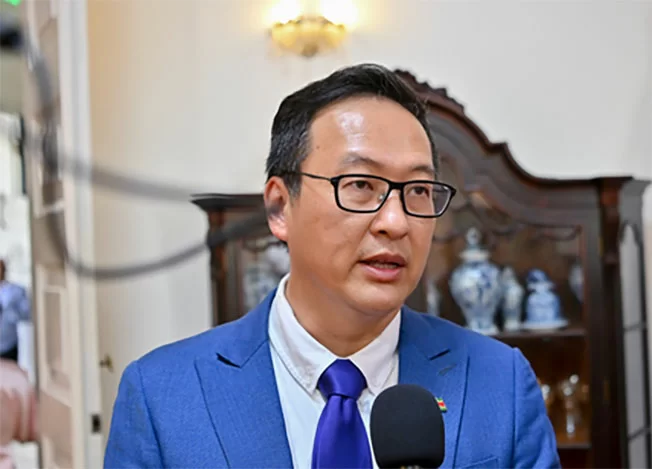
    The proposed reforms, introduced by DNA members Steven Reyme (A20), Xiaobao Zheng (PL), Ronny Asabina (BEP), and Rabin Parmessar (NDP), seek to create a third judicial tier specializing in cassation proceedings. This new judicial body would assume responsibility for reviewing lower court rulings for potential legal violations, effectively repositioning the current Court of Justice as the nation’s highest factual court rather than its supreme judicial authority.

    According to explanatory notes accompanying the amendments, the introduction of cassation jurisprudence aims to strengthen legal certainty, judicial development, and citizen protection within Suriname’s legal framework. The reform acknowledges that while numerous countries already maintain similar cassation institutions, Suriname currently lacks a secondary appellate mechanism.

    The comprehensive legislative package additionally proposes structural modifications to both the judiciary and Public Ministry. Constitutional amendments would establish that the Public Ministry be governed by an administrative board comprising the Attorney-General as chairperson alongside a minimum of two and maximum of four Advocates-General. Under the proposed terms, the government would appoint the Attorney-General for a maximum five-year term, with eligibility for one reappointment.

    Notably, the legislation contemplates potential international staffing solutions for the cassation court, recognizing that Suriname’s current judicial capacity might be insufficient to fully staff a third judicial institution with domestic magistrates alone. This provision reflects pragmatic considerations regarding implementation feasibility while maintaining commitment to judicial excellence.

  • 104 people, 59 firms linked to LifeSport under probe

    104 people, 59 firms linked to LifeSport under probe

    In a significant development to one of Trinidad and Tobago’s most notorious corruption cases, the Trinidad and Tobago Police Service (TTPS) has obtained a High Court production order to investigate financial records connected to the defunct LifeSport program. The order, secured in early December 2025, targets 59 companies linked to 104 individuals allegedly involved in the misappropriation of $440 million between 2010 and 2015.

    The investigation gained renewed momentum following a three-part investigative series by Express and CCN TV6 last November titled “LifeSport Secrets Revealed.” The breakthrough came largely through the sworn testimony of Ruth Marchan, a former Ministry of Sport insider who participated in the witness protection program. Marchan provided detailed accounts of how government officials, contractors, and criminal elements systematically drained public funds through phantom companies and illicit financial channels.

    High Court Justice Mandisa S. Mohammed issued the order under Section 32 of the Proceeds of Crime Act, compelling the Ministry of Sport and Youth Affairs to produce comprehensive documentation including contracts, payment files, procurement records, cheque registers, and vote books from the specified period. The ministry has requested an extension to comply with the court’s directive, which initially required production within 14 days.

    Corporate registry checks revealed that only 18 of the 59 companies under investigation remain active, with 14 struck off the register, two dissolved, and 25 either defunct or untraceable. The companies were connected to various prominent figures including sports personalities, business leaders, journalists, and former ministry employees.

    The LifeSport scandal, which erupted in 2014 under the People’s Partnership government, led to the resignation of then-Sports Minister Anil Roberts. A subsequent audit by the Ministry of Finance’s Central Audit Committee uncovered widespread irregularities including procurement violations, overpayments, deviations from cabinet mandates, and possible criminal involvement in program supervision. Despite these findings, the file remains with the TTPS and has not yet been forwarded to the Director of Public Prosecutions for formal charges.