分类: politics

  • High Court dismisses activist’s challenge over denied request to burn police flag

    High Court dismisses activist’s challenge over denied request to burn police flag

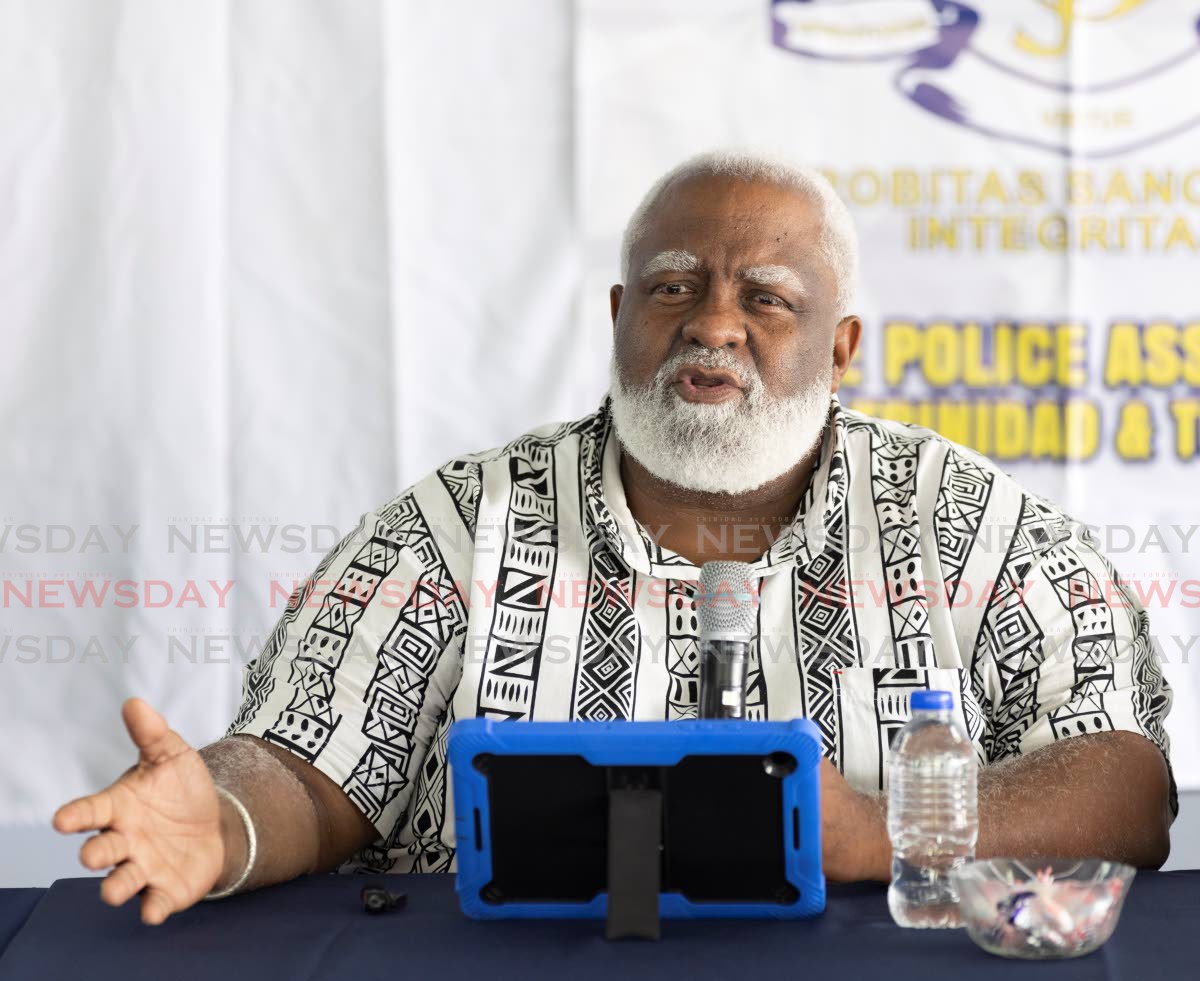
    In a significant ruling addressing the balance between protest rights and public safety, High Court Justice Kevin Ramcharan has dismissed activist Umar Abdullah’s legal challenge against former Police Commissioner Erla Harewood-Christopher’s decision to prohibit the burning of a replica police flag during a 2023 protest.

    The court determined that the Commissioner’s restriction constituted a lawful and proportionate measure under the Summary Offences Act, specifically designed to prevent potential breaches of peace and public disorder. While approving Abdullah’s planned march through Port of Spain to protest alleged police extrajudicial killings, the prohibition against igniting any objects—including the Trinidad and Tobago Police Service (TTPS) flag replica—was upheld as constitutionally valid.

    Justice Ramcharan’s comprehensive judgment emphasized several critical factors supporting this decision: the emotionally charged nature of the protest targeting an institution allegedly responsible for civilian deaths, the inherent risks of igniting fires in densely urban environments, and documented historical instances where protests involving burning objects escalated into violence.

    “The apprehension that flag burning might instigate serious public disorder fell squarely within the Commissioner’s discretionary authority,” Ramcharan stated. He further noted that the protest’s context—occurring near police headquarters with likely attendance by affected families—created substantial risk of escalation into infrastructure damage and physical injury to participants and bystanders.

    The judgment clarified that while constitutional rights to free expression and assembly remain fundamental, the Summary Offences Act expressly permits reasonable limitations when proportionate to public safety concerns. The court found the restriction narrowly tailored since Abdullah retained full rights to conduct his march and voice criticisms through alternative means of symbolic speech.

    Abdullah, leader of the First Wave Movement NGO, had argued that flag burning constituted protected symbolic expression and that the Commissioner acted without evidential basis. These claims were rejected after judicial review found the decision rationally connected to legitimate public order considerations, with Abdullah having been interviewed by police prior to the determination.

    The activist was ordered to pay court costs, with amounts to be assessed by registrar if undisputed. Legal representation included Kiel Taklalsingh, Keron Ramkhalwhan, Rhea Khan and Shalini Sankar for Abdullah, while Tinuke Gibbons-Glenn and Kadine Matthew appeared for the state.

  • THA nomination day in full swing

    THA nomination day in full swing

    TOBAGO – Political activities intensified on December 19 as multiple parties formally submitted their nomination papers for the upcoming Tobago House of Assembly elections. The process unfolded at the Glamorgan Multipurpose Facility, where Tobago People’s Party (TPP) leadership, including Political Leader Farley Augustine, Deputy Political Leader Faith Brebnor, and Orlando Kerr, arrived to complete their electoral documentation.

    The nomination filing attracted visible public engagement, with numerous TPP supporters gathering outside the facility to demonstrate their political allegiance. The event marks a significant procedural milestone in Tobago’s electoral calendar, setting the stage for competitive political contests.

    Beyond the TPP, the nomination process involved multiple other political organizations. The People’s National Movement, Innovative Democratic Alliance, Tobago Liberation Movement, Class Action Reform Movement, and Unity of the People all participated in the December 19 nomination filing, indicating a broad and diverse political field.

    The Tobago House of Assembly elections are scheduled for January 12, when voters will determine the composition of the autonomous governing body that administers local affairs on the island. This election represents a critical democratic exercise for Tobago’s political future and governance direction.

  • Bahamas latest Caricom country to establish diplomatic relations with Kosovo

    Bahamas latest Caricom country to establish diplomatic relations with Kosovo

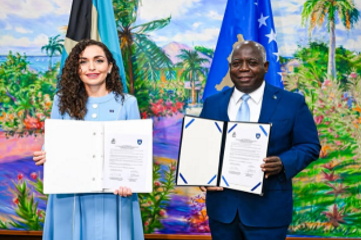
    NASSAU, Bahamas — In a significant diplomatic development, the Commonwealth of The Bahamas has formally established bilateral relations with the Republic of Kosovo, reinforcing the Balkan nation’s international standing. The establishment occurred on Friday through a ceremonial signing in the Bahamian capital, cementing Kosovo’s position as the 121st sovereign state to gain recognition from Nassau.

    The diplomatic accord was formalized under the framework of international law and the 1961 Vienna Convention on Diplomatic Relations. Both nations have committed to upholding the principles enshrined in the United Nations Charter, including state sovereignty, equality among nations, and the peaceful resolution of international disputes.

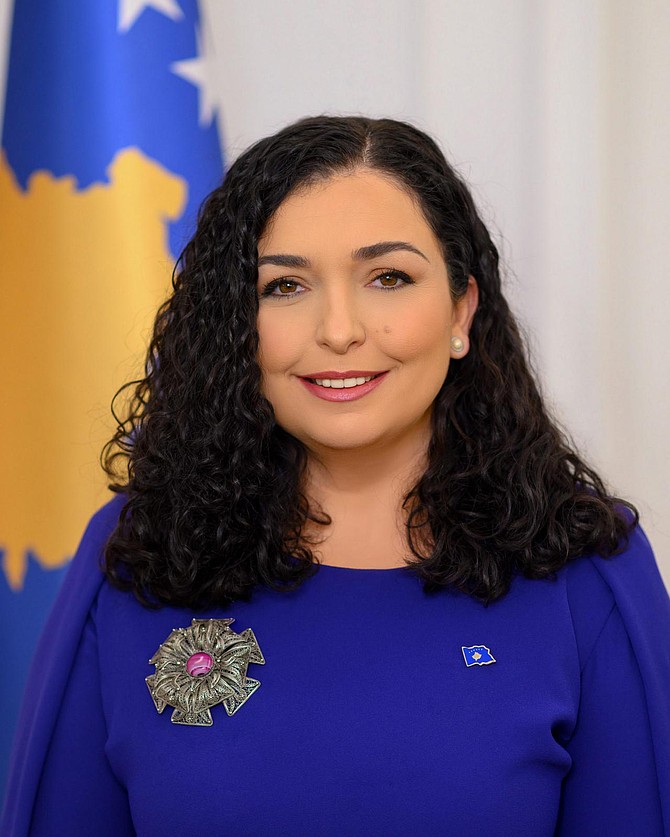
    Kosovo’s President Vjosa Osmani hailed the move as a ‘historic decision,’ emphasizing its importance in strengthening Kosovo’s global diplomatic footprint. She extended congratulations to the citizens of Kosovo and acknowledged the role of Bahamian Prime Minister Philip Davis in facilitating the agreement.

    Areas of prospective cooperation include political dialogue, trade and investment, tourism, education, cultural exchange, technology innovation, and public sector collaboration. Both governments expressed intent to foster people-to-people ties in accordance with their respective legal frameworks.

    The Bahamas now joins eight other Caribbean Community (CARICOM) member states—including Antigua and Barbuda, Barbados, Belize, Dominica, Grenada, Haiti, Saint Kitts and Nevis, and Saint Lucia—that have previously recognized Kosovo’s independence.

  • Junk food next, Trump?

    Junk food next, Trump?

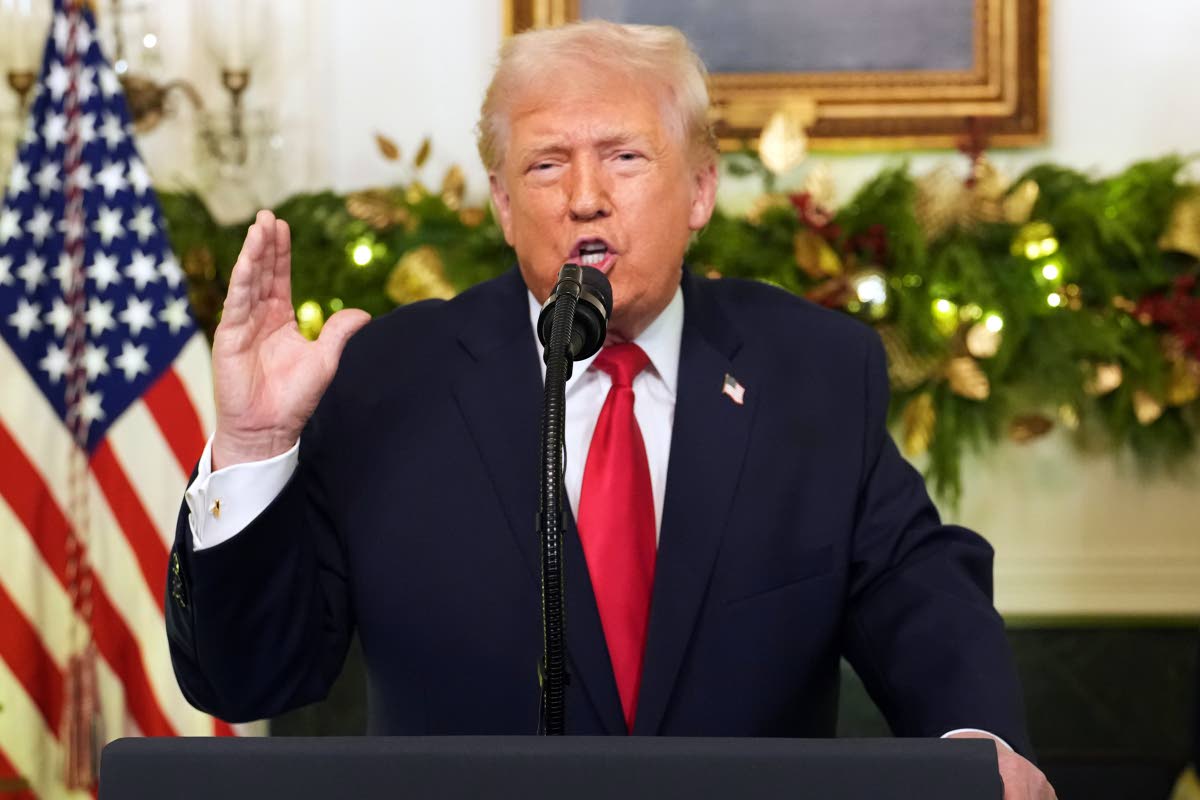
    In a controversial executive decision, President Donald Trump has designated fentanyl as a weapon of mass destruction (WMD), drawing immediate criticism and satirical commentary from observers. The declaration, which places the synthetic opioid in the same category as nuclear and chemical weapons, has been met with skepticism regarding its geopolitical motivations and factual accuracy.

    The administration’s justification characterizes fentanyl as “closer to a chemical weapon than a narcotic,” despite the drug’s primary trafficking routes originating from Mexico and China rather than Venezuela. This discrepancy has raised questions about the declaration’s relationship to current foreign policy objectives and election-cycle politics.

    Political analysts note that the WMD classification appears disconnected from Venezuela’s actual narcotics production capabilities, yet the South American nation is reportedly preparing for potential military attention from the United States. This development follows historical patterns of American intervention in Latin America under various pretexts.

    The sweeping nature of the designation has inspired satirical suggestions for other substances that cause gradual harm to populations. Commentators have ironically proposed extending WMD status to cigarettes, fast food products, and even social media platforms for their documented negative impacts on public health and psychological well-being.

    This policy move potentially expands the scope of the Patriot Act, raising concerns about civil liberties and the appropriate use of counterterrorism legislation. The declaration represents a significant escalation in the rhetorical and legal approaches to the ongoing opioid crisis, with uncertain implications for both domestic policy and international relations.

  • Trump targets Antigua, Dominica

    Trump targets Antigua, Dominica

    In a significant foreign policy development, the Trump administration has expanded its controversial travel restriction list to include two Caribbean nations—Antigua and Barbuda and Dominica. The December 16 proclamation marks these countries as requiring full or partial entry limitations due to their citizenship-by-investment programs that historically lacked residency requirements.

    The updated list now places these island nations alongside countries including Afghanistan, Congo, Eritrea, Iran, Libya, Somalia, Sudan, and Yemen. This classification has raised eyebrows among policy analysts and regional experts, given the substantial differences in security profiles between these Caribbean democracies and the other listed nations.

    Both Antigua and Dominica had recently engaged in productive dialogues with multiple U.S. departments regarding enhanced citizenship program safeguards. Antiguan Prime Minister Gaston Browne revealed ongoing discussions about strengthening investment citizenship protocols, while Dominican officials noted recent U.S. support for their legislative reviews. The abrupt announcement consequently caught both governments unprepared.

    Statistical data from U.S. Immigration and Customs Enforcement reveals minimal justification for the restrictions based on immigration concerns. As of November 2024, only 110 individuals from Antigua and Barbuda appeared on the non-citizen removal list out of 1.45 million entries, with Dominica accounting for merely 104. Overstay rates for 2024 stood at 1.3% for Antigua and 4.3% for Dominica—figures that pale in comparison to many non-restricted countries.

    The proclamation text suggests geopolitical motivations, stating restrictions are “country-specific to encourage cooperation.” Analysts speculate the administration may be leveraging travel policies to secure maritime cooperation crucial to U.S. maneuvers regarding Venezuela, or to pressure other Caribbean nations with similar citizenship programs including Grenada, St. Kitts and Nevis, and St. Lucia.

    This development reflects the continued implementation of President Trump’s distinctive approach to international relations, where immigration tools serve broader strategic objectives beyond conventional border security concerns.

  • Cautious optimism greets US shift on marijuana

    Cautious optimism greets US shift on marijuana

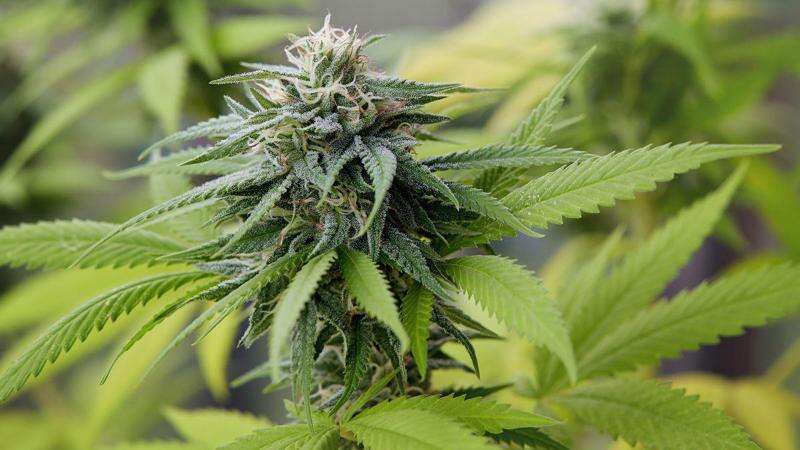
    Jamaica has responded with measured optimism to U.S. President Donald Trump’s executive order initiating the reclassification of marijuana from Schedule I to Schedule III under U.S. federal drug laws. While acknowledging this move stops short of full federal legalization, Jamaican officials described it as a substantial step toward broader liberalization at the federal level.

    Minister of State in the Ministry of Industry, Investment and Commerce, Delano Seiveright, issued a statement following the Oval Office signing ceremony, noting that the ultimate implications for banking access, cross-border investment, research collaboration, and market engagement would depend on implementation specifics and international compliance responses.

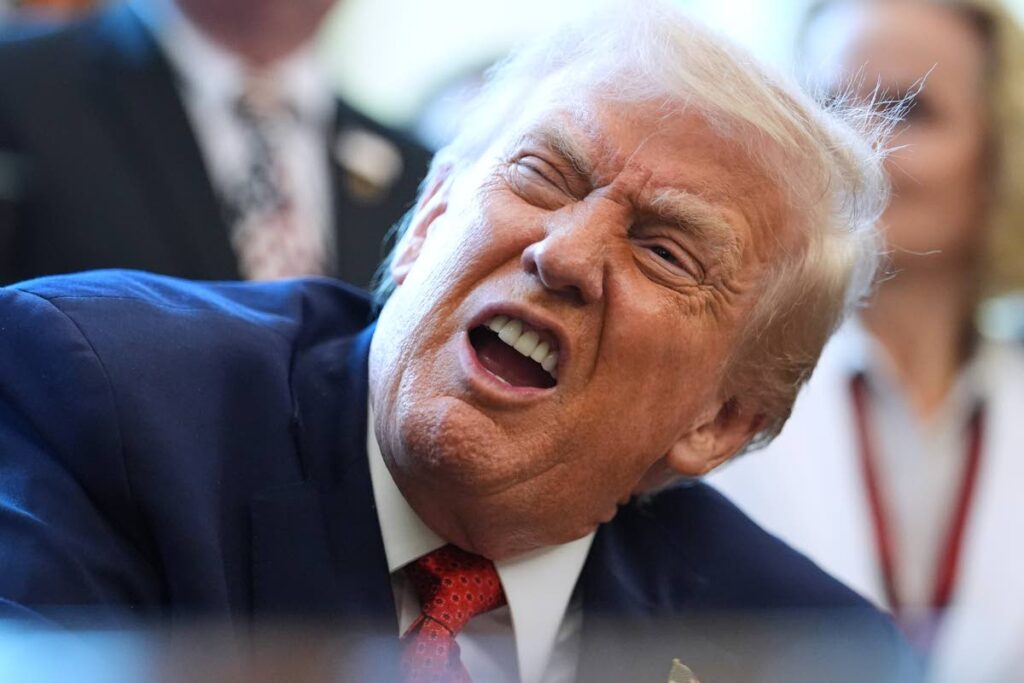
    President Trump announced the executive action surrounded by medical professionals, stating, “Today I’m pleased to announce that I will be signing an executive order to reschedule marijuana from a Schedule I to a Schedule III controlled substance, with legitimate medical uses.” He emphasized receiving overwhelming public support for the action, particularly from patients experiencing severe pain and debilitating conditions.

    The order directs the Attorney General to complete the rule-making process expediently. This shift moves marijuana from the DEA’s most restrictive category—which includes substances like heroin and LSD deemed to have “no currently accepted medical use and a high potential for abuse”—to Schedule III, which recognizes medical utility and includes drugs such as ketamine and codeine-containing medications.

    While the rescheduling represents the most significant drug policy reform in decades, it maintains federal prohibition of recreational use. However, it potentially facilitates expanded medical research, reduces tax burdens for state-licensed dispensaries by allowing tax deductions previously barred under Schedule I, and reflects the evolving landscape where 24 states permit recreational use and approximately 40 allow medical use.

    Minister Seiveright highlighted that the change would substantially ease barriers to medical and scientific research while expanding clinical study opportunities. Jamaica’s Cannabis Licensing Authority will carefully monitor developments, engage stakeholders, and assess knock-on effects in the international cannabis market.

  • Rousing welcome for Gibson after securing nomination

    Rousing welcome for Gibson after securing nomination

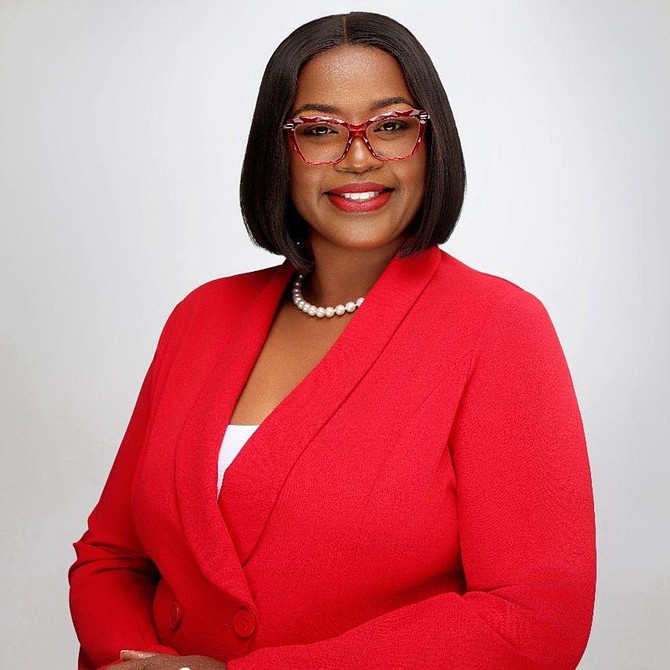
    GRAND BAHAMA – The Free National Movement (FNM) has formally ratified Frazette Gibson as its parliamentary candidate for Central Grand Bahama, concluding months of speculation and a contested selection process. The announcement has ignited fervent enthusiasm among party supporters, who greeted Gibson with a substantial welcome at Grand Bahama’s airport following her official nomination.

    The ratification meeting on Monday culminated in Gibson’s selection over fellow contenders Darren Cooper, Dr. Trevor Johnson, Reverend Ricardo Grant, and Johnyk Bevans. Lester Dawkins, Chairman of the FNM’s Central Grand Bahama Association, characterized the local membership as highly motivated and prepared to commence immediate campaigning. “We’re excited, and we’re ready to hit the road,” Dawkins stated. He emphasized Gibson’s profound local connections, noting, “She is a wonderful candidate—a lifelong member of the Central Grand Bahama community. She serves here, she lives here, she works here.”

    In her post-ratification statement, Gibson expressed being “truly humbled and grateful” for the party’s endorsement. She extended gratitude to her family, FNM Leader Michael Pintard, party executives, and broader membership for their support.

    Gibson brings substantial civic experience to her candidacy, spanning decades of public service. A career educator by profession, she has also completed three terms in local government representing the constituency. Her advocacy work has consistently focused on widows and senior citizens, which she cites as a fundamental motivation for seeking higher office. “I have prayerfully and passionately answered the call to serve at yet another level,” she remarked, framing her run as an extension of her lifelong community commitment rather than personal ambition.

    A notable aspect of Gibson’s civic engagement is her dedication to youth voter participation. In August 2025, she personally accompanied first-time voters to register at the Parliamentary Registration Department. Drawing from her background as a social studies, history, and civics instructor, she emphasizes, “Registering to vote is how you make your voice count. It’s how you help shape the future of your community and your country.”

    Looking ahead, Gibson anticipates a competitive election season and remains confident that the FNM’s platform will deliver concrete benefits for both her constituency and the wider Bahamas. Affirming her deep roots, she declared, “From birth to my present home and a record of trials and triumph, I am from and for Central Grand Bahama.”

  • EPA on US-Venezuela tensions: Guards can’t protect critical infrastructure

    EPA on US-Venezuela tensions: Guards can’t protect critical infrastructure

    The Estate Police Association (EPA) of Trinidad and Tobago has issued a stark warning regarding the nation’s preparedness for potential spillover effects from escalating US-Venezuela tensions. EPA President Deryck Richardson emphasized that the country’s geographical proximity to Venezuela makes these geopolitical developments an immediate national security concern rather than a distant conflict.

    In an official press release dated December 18, Richardson highlighted the vulnerability of Trinidad’s critical infrastructure, including airports, seaports, energy facilities, and electrical installations. These essential assets, described as the nation’s lifeblood, could become prime targets during periods of regional instability through direct attacks, indirect disruption, or criminal exploitation.

    The association revealed that estate police officers, who serve as the first line of defense for these national assets, remain critically under-equipped despite their vital security role. Current operational constraints include outdated legislation, restrictive policies from the Commissioner of Police’s office, and inadequate weaponry provisions.

    Richardson specifically cited the Firearms Act limitations that restrict officers to small-caliber semi-automatic weapons with approximately 25 rounds of ammunition—a provision that contrasts sharply with private citizens’ allowances of up to 50 rounds for similar firearms. This disparity becomes particularly concerning when considering that potential aggressors or invading forces would likely possess high-powered rifles and substantial ammunition.

    The EPA is advocating for legislative amendments to permit security personnel guarding critical state infrastructure access to automatic weapons, currently classified as prohibited items. Richardson stressed that this access should be carefully regulated through assessments by the Commissioner of Police rather than granted universally.

    The association has urgently called upon the government to address these security shortcomings as a matter of national priority, warning that the current mismatch between operational responsibilities and capabilities presents unacceptable risks to national security.

  • Bahamas formally recognizes Kosovo as sovereign state

    Bahamas formally recognizes Kosovo as sovereign state

    In a significant diplomatic development, The Commonwealth of The Bahamas has officially established formal relations with the Republic of Kosovo, recognizing its status as an independent sovereign state. The landmark agreement was formalized through a Joint Communiqué signed by Bahamian Prime Minister Philip “Brave” Davis and Kosovo President Vjosa Osmani Sadriu during a ceremony at the Prime Minister’s Office in Nassau.

    The signing event marked a pivotal moment in bilateral relations, with Prime Minister Davis emphasizing the importance of President Osmani’s personal presence for the formal recognition process. “This occasion represents the beginning of a relationship that we seek to strengthen,” Davis stated, highlighting potential areas of cooperation amid global geopolitical challenges. The Prime Minister specifically referenced Kosovo’s historical struggles and expressed anticipation for a potential visit to Kosovo in the coming year.

    Kosovo’s path to international recognition traces back to its unilateral declaration of independence from Serbia on February 17, 2008, following years of ethnic conflicts and international administration after the Kosovo War of 1998-1999. While over 100 nations have acknowledged Kosovo’s sovereignty, several countries including Serbia, China, and Russia continue to reject its independent status.

    President Osmani conveyed profound gratitude to the Bahamian government and citizens, characterizing the recognition as a historic milestone for a nation forged through generations of perseverance. “For us, it’s a day of historic significance,” she remarked, pledging that Kosovo would consistently regard The Bahamas as “a friend, a partner and an ally.” The Kosovar leader expressed optimism about expanding cooperation across multiple sectors, referencing previous discussions held during meetings in New York.

    This diplomatic recognition enhances The Bahamas’ European engagement strategy while both nations committed to mutual priorities including peace-building, regional stability, and international partnerships designed to improve citizen welfare through enhanced global cooperation.

  • Colin R. Maynard Sworn In as Member of the Industrial Court

    Colin R. Maynard Sworn In as Member of the Industrial Court

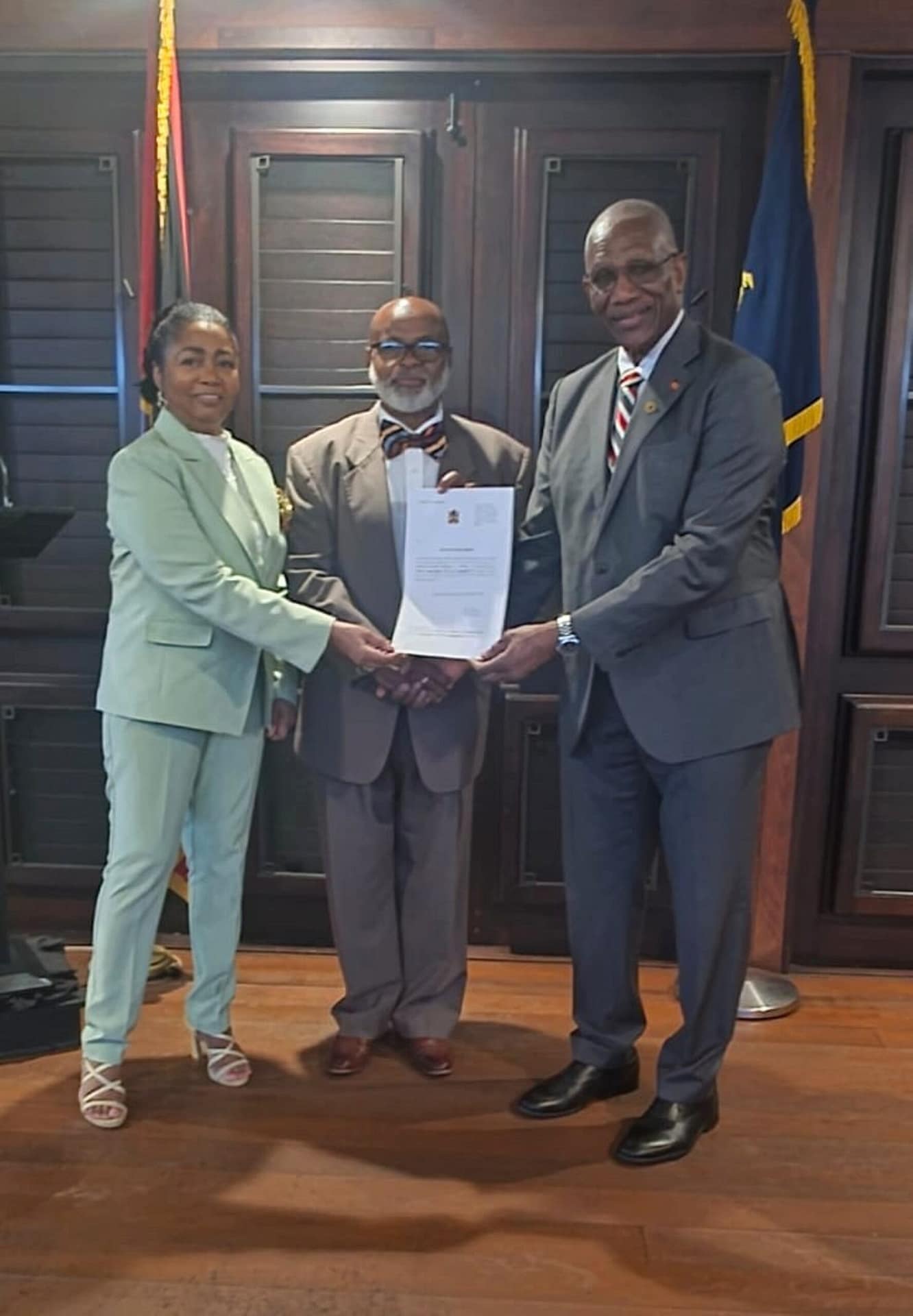
    In a significant development for Trinidad and Tobago’s judicial landscape, Colin R. Maynard has been formally sworn in as a new member of the nation’s Industrial Court. The ceremony, presided over by President Christine Kangaloo at the President’s House in St. Ann’s, marks a pivotal appointment to this crucial legal institution.

    The Industrial Court serves as a specialized judicial body with jurisdiction over trade disputes, unfair labor practice complaints, and matters pertaining to the interpretation of collective agreements. Mr. Maynard’s appointment arrives at a critical time for the nation’s labor relations framework, potentially influencing future rulings on worker rights and employer obligations.

    Prior to this judicial appointment, Maynard established a formidable reputation as a seasoned attorney with extensive expertise in labor and industrial relations law. His legal career is distinguished by a deep understanding of the complex interplay between workforce legislation and economic development. This professional background positions him as a valuable asset to the court’s deliberations on increasingly sophisticated employment matters.

    President Kangaloo, during the swearing-in proceedings, emphasized the profound responsibility inherent in judicial service. She articulated expectations for Maynard’s tenure, highlighting the imperative for fairness, wisdom, and unwavering integrity in discharging his duties. The President’s address underscored the court’s vital role in maintaining social stability through equitable dispute resolution.

    This appointment follows standard constitutional procedures for judicial placements within Trinidad and Tobago’s legal system. The Industrial Court’s composition typically features members with diverse legal and industrial expertise, ensuring balanced perspectives on the disputes brought before it. Maynard’s induction contributes to this diversity of thought and experience on the bench.

    The legal community has responded positively to this development, with several prominent labor attorneys noting Maynard’s reputation for meticulous legal analysis and impartiality. His tenure is anticipated to strengthen the court’s capacity for rendering judgments that balance employee protections with sustainable business practices, ultimately fostering a more harmonious industrial relations environment in Trinidad and Tobago.