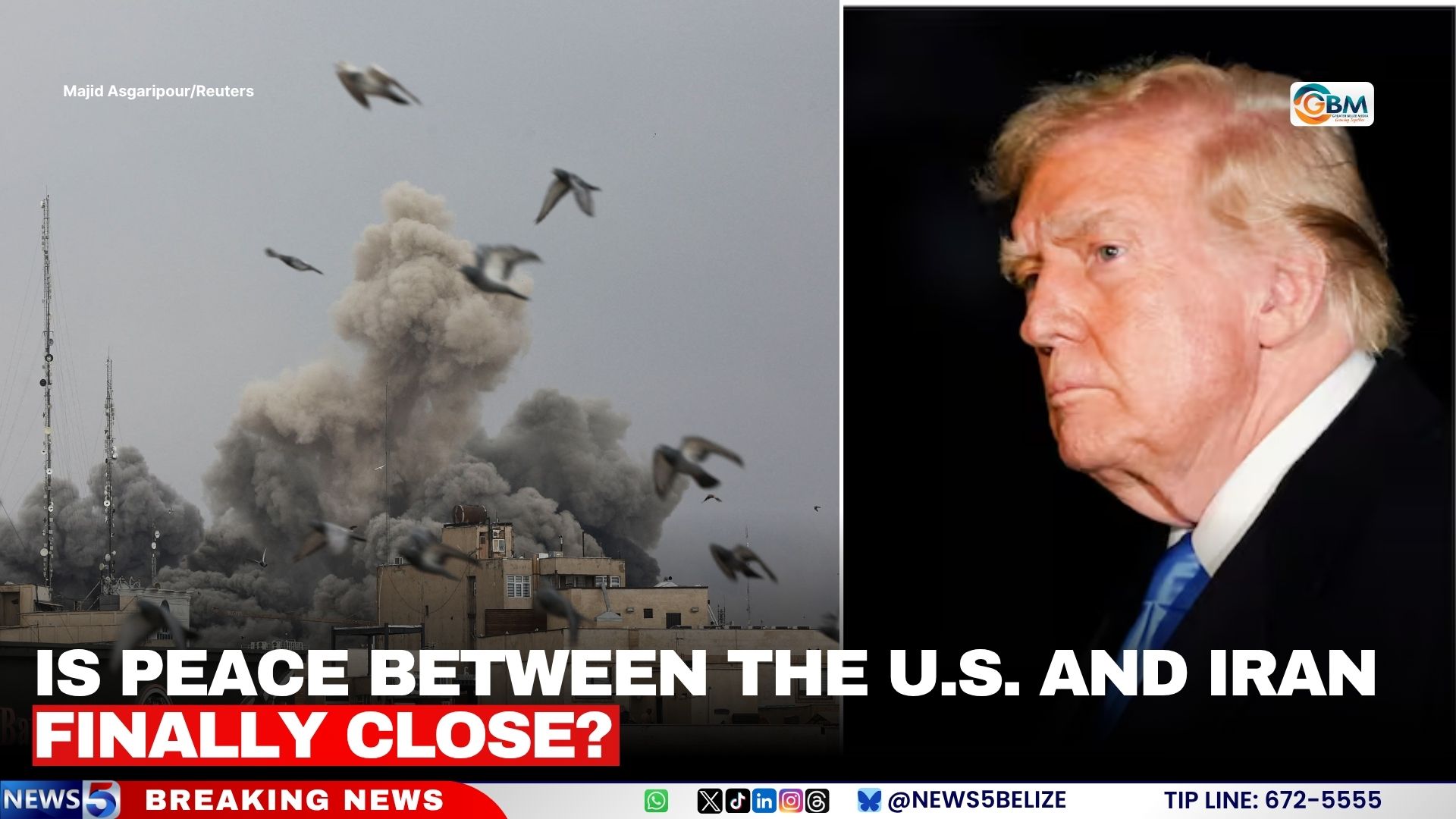
June 13, 2026 — Diplomatic efforts to end months of open conflict between the United States and Iran have entered their final stretch, with multiple key players confirming a landmark peace agreement is within reach, even as fresh military escalation continues to roil the broader Middle East.
On Saturday, the Israeli military launched a series of airstrikes targeting areas across southern Lebanon, one day after issuing evacuation orders for approximately 20 local population centers. The new strike comes amid ongoing low-level violence that has persisted even as ceasefire and peace talks between Washington and Tehran gain momentum.
Pakistan, which has served as the neutral mediator for the indirect US-Iran negotiations, has offered the most optimistic timeline for the deal. Pakistani Prime Minister Shehbaz Sharif took to the social platform X Saturday to announce that an agreement is closer to completion than at any previous point in the talks, with finalization expected to occur within the next 24 hours. Iran’s Foreign Ministry struck a more cautious note, however, stating that the formal signing process could stretch into the coming days rather than being completed within hours.
US President Donald Trump has echoed Sharif’s optimistic tone, asserting that the agreement will be signed imminently. In a post on his Truth Social platform, Trump confirmed that “The Deal is scheduled to get signed tomorrow, and immediately after it is signed, the Hormuz Strait is OPEN TO ALL.”
The Strait of Hormuz, a narrow maritime chokepoint that carries roughly a fifth of the world’s daily oil and natural gas shipments, has been closed to commercial international traffic since the outbreak of war earlier this year. The closure has triggered sustained price hikes for fuel and energy across global markets, creating widespread economic pressure for nations around the world.
The core terms of the proposed deal, as outlined by Trump, would permanently block Iran from pursuing a nuclear weapon. “The new agreement would ensure Iran does not ‘purchase, develop, or in any other form procure’ a nuclear weapon,” Trump wrote, adding “They no longer want a Nuclear Weapon, nor will they have one.” The president also included a stark warning for Tehran, noting that if the agreement fails to hold, the US retains what he called the “ultimate alternative,” which he expressed hope would never need to be deployed.
As of Saturday evening, Iran has not issued a direct public response to Trump’s remarks. Over the past week, the two sides have released conflicting accounts of the deal’s final terms, with Trump dismissing details of the agreement published by Iranian state media as completely inaccurate.
The current conflict between the US, Iran and their regional allies began on February 28, when joint US-Israeli military strikes targeted Iranian infrastructure across the Middle East. A formal ceasefire was reached between the parties in April, but intermittent exchanges of fire have continued across regional front lines, and the Strait of Hormuz has remained closed, leaving global energy markets in disruption for nearly four months.