分类: politics

  • UPP Expresses Gratitude to Cuba for Decades of Medical and Educational Support

    UPP Expresses Gratitude to Cuba for Decades of Medical and Educational Support

    The United Progressive Party (UPP) of Antigua and Barbuda has issued a formal commendation honoring the Republic of Cuba for its decades of substantial contributions to the nation’s development. This praise specifically highlights the pivotal role of Cuban medical diplomacy, which deployed hundreds of healthcare professionals to serve the Antiguan and Barbudan populace.

    A cornerstone of this bilateral cooperation was the acclaimed Eye-Care Programme, implemented during the UPP administration of former Prime Minister Baldwin Spencer. This initiative provided critical ophthalmological services, delivering life-changing care to hundreds of citizens and establishing a benchmark for international medical collaboration.

    Beyond healthcare, Cuba’s educational assistance program is recognized as a transformative force. The UPP emphasized that hundreds of Antiguan students received university-level training in diverse professional disciplines—opportunities that would have been financially unattainable for most families. This investment in human capital is credited with elevating numerous graduates and their families from poverty, thereby securing a more prosperous socioeconomic future.

    The UPP’s statement also reflected on the profound mutual respect and affection shared between Cuban officials and party representatives, characterizing the long-term relationship as genuinely cordial and productive. A note of regret was expressed regarding the current administration’s decision to abruptly terminate this partnership, which the UPP deemed mutually beneficial. Concluding with a pledge of enduring gratitude, the party assured Cuba that its generosity, offered from its own limited resources, would remain etched in the nation’s memory and prayers.
  • Honduras: Liberal candidate questions election results

    Honduras: Liberal candidate questions election results

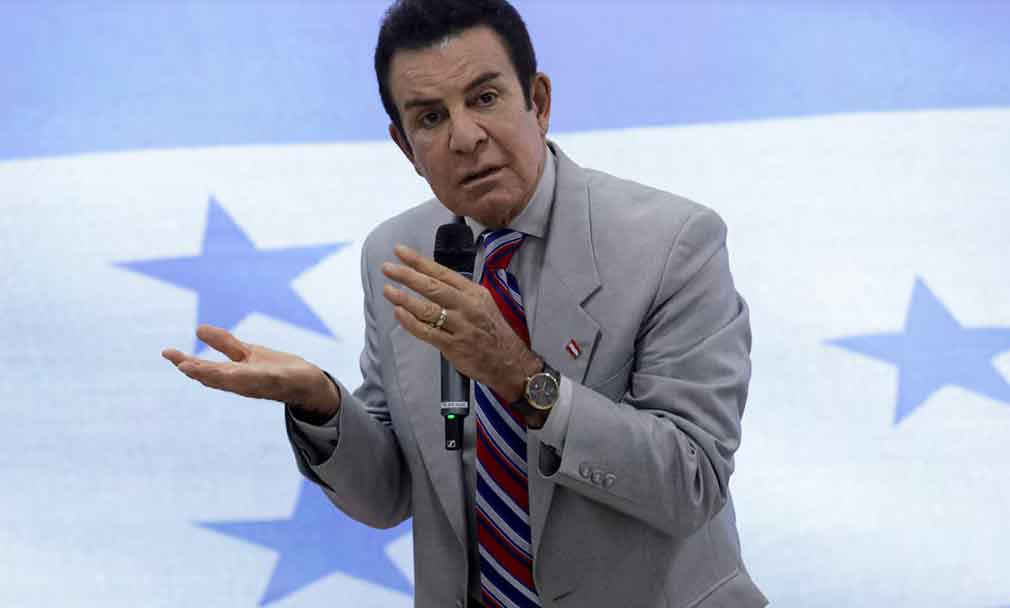
    The Honduran presidential election remains in a state of deadlock as the country’s two dominant right-wing parties contest an increasingly narrow margin. Preliminary results from the National Electoral Council (CNE) place National Party (PN) candidate Nasry Asfura ahead of his rival, Liberal Party (PL) candidate and prominent television personality Salvador Nasralla, by a slim margin of approximately 33,000 votes.

    In a strategic move, the Liberal Party has consented to a CNE-initiated special recount of 2,792 ballot boxes flagged for inconsistencies, a process encompassing nearly half a million votes that commenced earlier this week. However, Nasralla has issued a firm ultimatum, declaring that this initial review is insufficient for a conclusive outcome.

    The central point of contention lies with an additional 8,845 polling stations formally challenged by the Liberal Party. Nasralla asserts these stations were marred by significant biometric system failures and other critical technical irregularities, potentially affecting around 1.8 million ballots. He has publicly demanded that the CNE proceed without delay or corruption to inspect every one of these challenged boxes following the current limited recount.

    “I challenge the authorities to open these ballot boxes,” Nasralla stated. “If, upon review, the National Party holds more votes—even if alterations occurred within the electoral warehouse—I will concede. However, we will categorically reject any proclaimed final result until the votes from all 8,845 challenged polling stations we have duly identified are fully counted and verified.”

    Nasralla contends that a thorough and transparent audit of these disputed votes would ultimately swing the election in his favor, projecting a lead of over 149,155 votes against the Nationalists once all inconsistencies are reconciled. He maintains that Honduran electoral law grants the CNE full authority to mandate these special reviews, emphasizing that the party’s objective is not to disrupt the process but to ensure ultimate transparency and a result that genuinely reflects the will of the electorate.

  • Venezuela: Security forces’ work highlights in 2025

    Venezuela: Security forces’ work highlights in 2025

    The Venezuelan government has substantially enhanced its national security infrastructure through a major deployment of operational vehicles and equipment to multiple law enforcement agencies. This strategic initiative delivered approximately 300 pickup trucks outfitted with advanced camera systems and a new fleet of motorcycles to bolster crime-fighting capabilities across the nation.

    The comprehensive equipment distribution benefited numerous security divisions including the Bolivarian National Police, General Directorate of Military Counterintelligence, Extortion and Kidnapping Command, Special Operations units, Presidential Honor Guard Special Forces, and the Anti-Drug Command. Additional recipients included the Commando Action Groups, Tactical Operations Unit, Caracas Police, Directorate of Special Actions, Fire Department, and Civil Protection services.

    Interior, Justice, and Peace Minister Diosdado Cabello emphasized that this represents a significant national government investment in ensuring all security agencies achieve optimal operational readiness. The initiative forms part of the Bolivarian Revolution’s ongoing commitment to public safety under the direct guidance of President Nicolás Maduro.

    Cabello highlighted the systematic campaign against armed criminal organizations, characterizing it as a ‘dedicated and joint’ endeavor involving all security forces. He particularly underscored the coordinated police-military-civilian unity being deployed throughout Venezuelan territory.

    Among the notable achievements cited by officials was a documented reduction of 340 homicides compared to 2014 statistics, which authorities attribute to these coordinated security efforts. Venezuelan officials further asserted that the country now maintains one of the world’s lowest crime rates as a result of these comprehensive security measures.

  • T&T Has ‘No Part to Play’ in U.S. Venezuela Oil Blockade

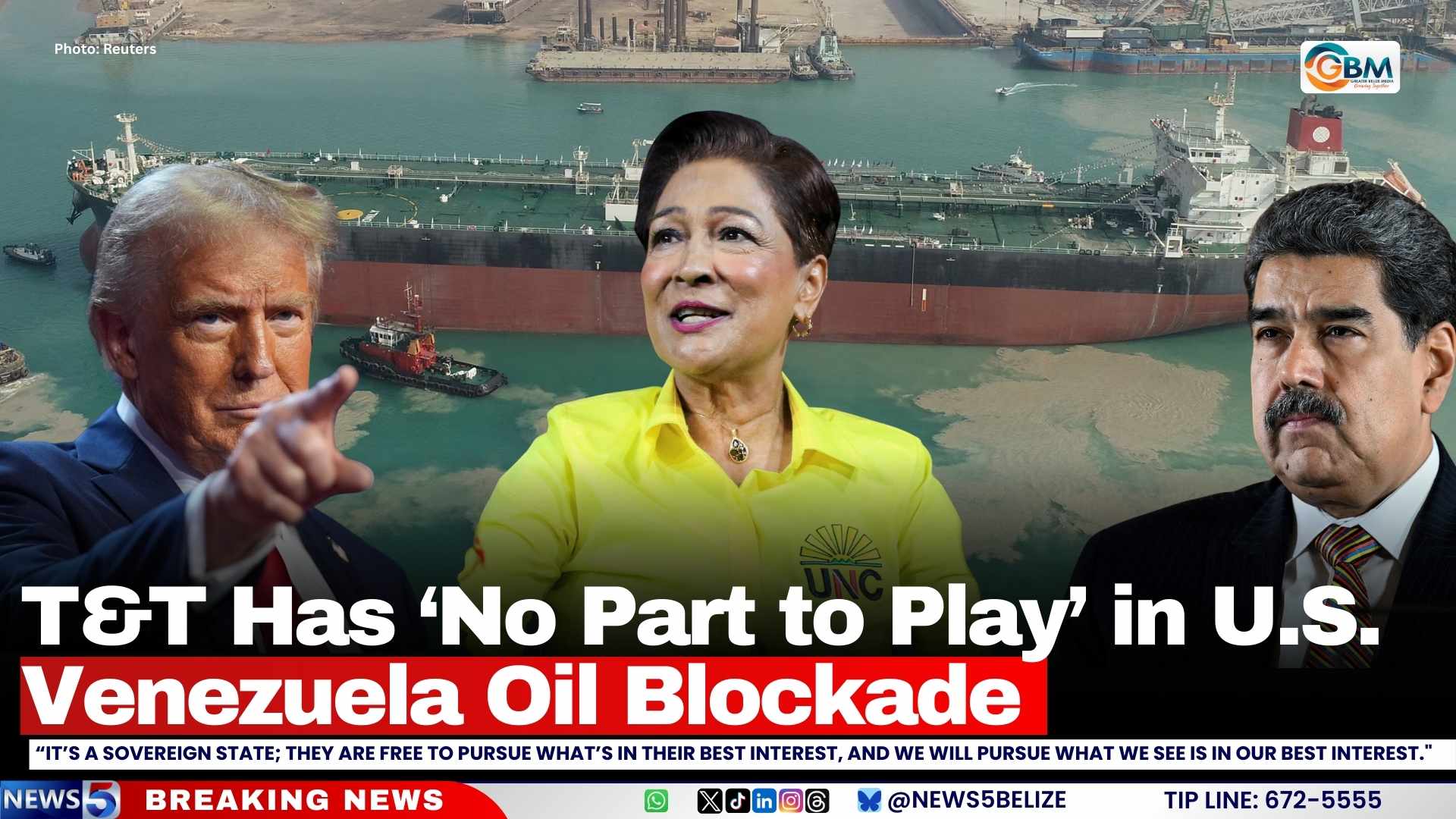
    T&T Has ‘No Part to Play’ in U.S. Venezuela Oil Blockade

    In a definitive statement addressing the escalating tensions between the United States and Venezuela, Trinidad and Tobago’s Prime Minister Kamla Persad-Bissessar has explicitly declared her nation’s non-involvement in the proposed American blockade of sanctioned Venezuelan oil tankers. The political leader emphasized that her country’s sovereign interests would guide its decisions rather than external pressures.

    The declaration follows U.S. President Donald Trump’s Tuesday announcement authorizing a naval blockade against Venezuela, alleging President Nicolás Maduro’s administration utilizes oil revenues to fund narcotics trafficking and criminal operations. Venezuela has vehemently condemned these measures as an act of ‘resource theft’ and imperialistic aggression, accusing Washington of attempting to commandeer its national assets.

    Prime Minister Persad-Bissessar clarified that while Trinidad and Tobago maintains security cooperation with the United States, this partnership focuses exclusively on domestic crime prevention rather than international interventions. ‘My primary responsibility lies with Trinidad and Tobago’s welfare,’ she stated. ‘The United States may pursue its strategic interests, just as we will pursue ours.’

    The Prime Minister highlighted significant improvements in national security, citing a substantial reduction of 240 homicides compared to the previous year and drug interdictions exceeding $200 million in value. Regarding Venezuela’s termination of gas agreements with Trinidad, Persad-Bissessar noted the nation’s energy independence, emphasizing expanded domestic oilfield operations and ongoing collaborations with international energy firms. ‘While Venezuelan resources would be welcome, they are not essential to our economy,’ she asserted. ‘We have over a century of oil and gas production without relying on Venezuelan crude.’

    This development occurs against the backdrop of Caracas’ October suspension of gas agreements, culminating in Monday’s official termination of all energy contracts and negotiations with Trinidad and Tobago.

  • Syria welcomes final lifting of US sanctions

    Syria welcomes final lifting of US sanctions

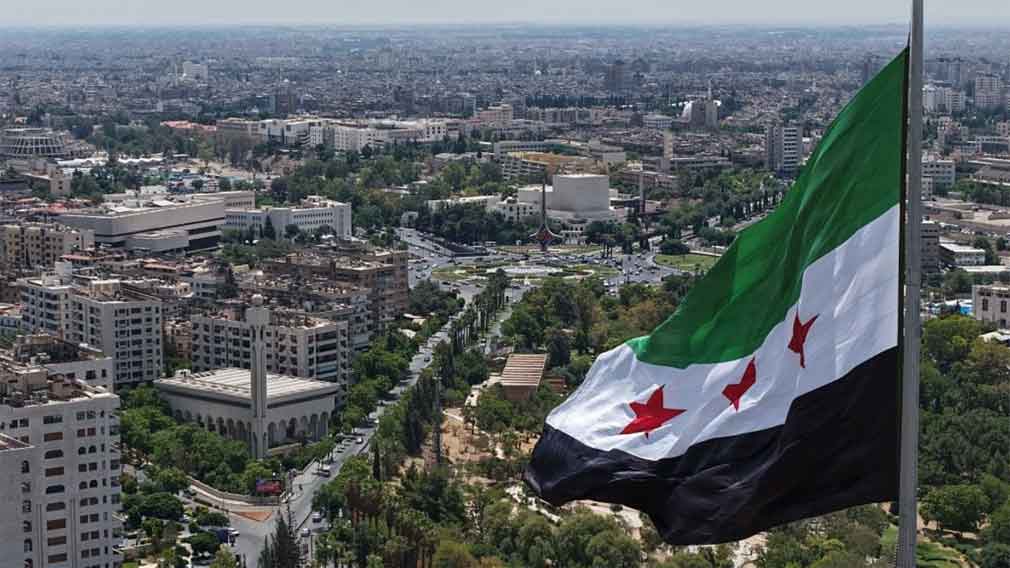
    The Syrian Ministry of Foreign Affairs has formally welcomed recent United States decisions to ease economic sanctions, characterizing the move as a pivotal development for the nation’s future. In an official statement released Wednesday, the Ministry described the policy shift as a critical measure that will substantially reduce humanitarian pressures on Syrian civilians and establish foundations for economic recovery and long-term stability.

    Damascus extended diplomatic gratitude toward the United States government, while simultaneously acknowledging supportive Arab nations and international partners. The statement specifically recognized these countries’ diplomatic efforts in advocating for sanctions relief, noting their contributions to regional security objectives and respect for Syrian sovereignty.

    Furthermore, the Foreign Ministry paid tribute to Syrian citizens both domestically and within the diaspora community for their resilience in defending national dignity. Their persistent advocacy in international forums was credited with highlighting humanitarian needs and bringing legitimate grievances to global attention.

    The government framed the sanctions easing as an inaugural step toward large-scale reconstruction and economic development. Syrian authorities issued a renewed call for national unity, urging all expatriates and domestic citizens to collaborate in rebuilding efforts.

    Concurrently, Damascus invited investment from allied nations and encouraged Syrian business leaders to evaluate emerging opportunities within the reconstruction landscape. The statement positioned current developments as creating favorable conditions for international partnerships and economic revitalization.

  • Chilean lawmakers slam granting president power to dissolve Congress

    Chilean lawmakers slam granting president power to dissolve Congress

    Chile’s political landscape has been plunged into turmoil following the introduction of controversial legislation that opponents claim threatens the nation’s democratic foundations. The proposed bill, put forward by independent lawmaker Gaspar Rivas—a former member of the conservative People’s Party—would grant the president unprecedented authority to dissolve Parliament under specific circumstances.

    The legislation stipulates that if Parliament either rejects a presidential message or introduces modifications that substantially alter its core intent, the president would obtain the power to dissolve the legislative body. Following such dissolution, the president would be authorized to govern exclusively by decree with the force of law for a period of up to six months, effectively bypassing traditional legislative oversight.

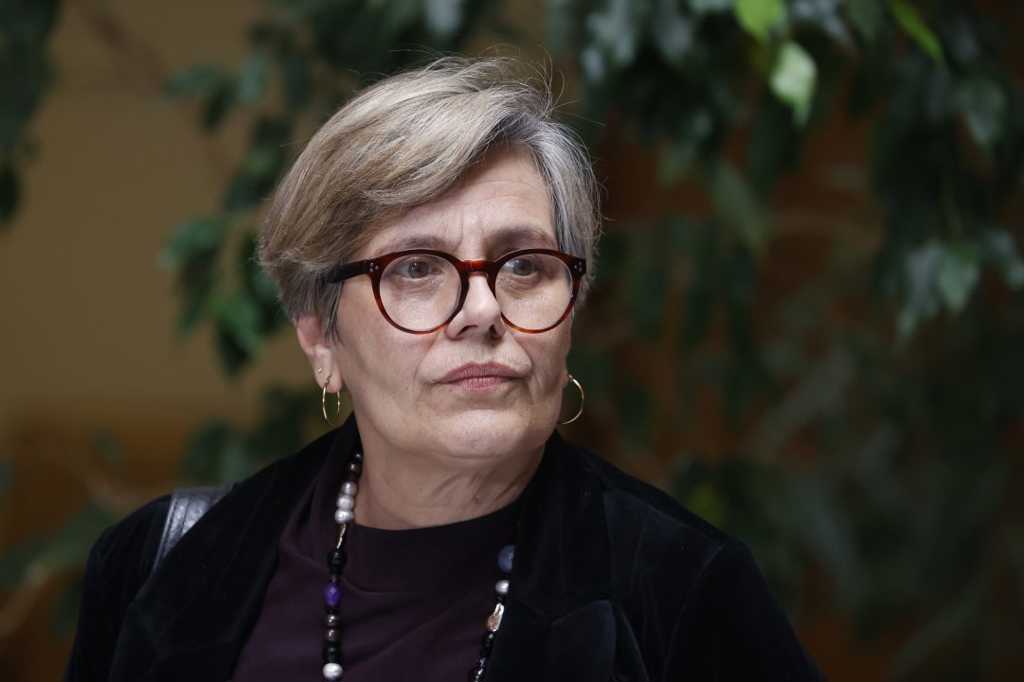
    This proposal has triggered immediate and widespread condemnation across Chile’s political spectrum. Legislator Lorena Fries of the left-leaning Broad Front (Frente Amplio-FA) characterized the initiative as marking ‘the beginning of the erosion of democracy and the Rule of Law,’ warning that it opens ‘a dangerous path’ by undermining essential checks and balances between governmental branches.

    Fries emphasized that the proposal fundamentally disrupts one of the foundational pillars of Chile’s political system—the existence of three independent branches of government with mutual controls. Her concerns were echoed by fellow FA lawmaker Emilia Schneider, who declared the initiative ‘extremely serious’ and cautioned that its approval ‘would imply a great deterioration for democracy’ that Chile neither needs nor deserves.

    The legislation has generated unusual unity in opposition, drawing criticism from political parties representing diverse ideological positions who share concerns about the potential concentration of executive power and the erosion of democratic safeguards.

  • Syria denounces Israeli violations before the UN

    Syria denounces Israeli violations before the UN

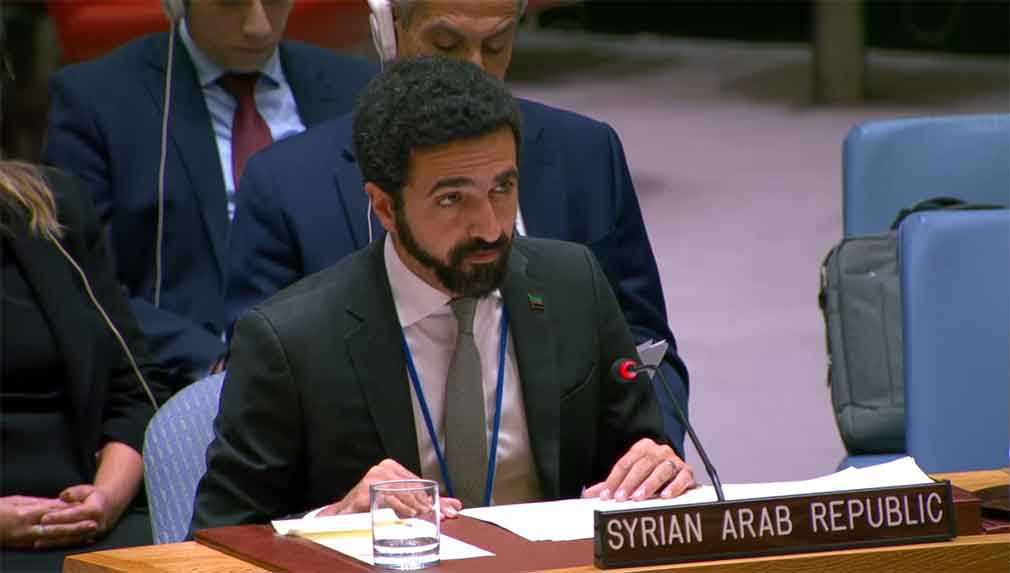
    During a dedicated United Nations Security Council session reviewing the Syria-Lebanon mission report, Syrian representative Alabi delivered a sharp condemnation of Israel’s ongoing military activities. The diplomat asserted that while Damascus consistently adheres to international law and Security Council resolutions, Israel systematically violates these established norms, thereby destabilizing regional peace efforts.

    Alabi highlighted the critical need for Syrian security forces to maintain a presence along the Israeli border to reinforce sovereign control. He pointed to significant improvements in Syria’s domestic security situation, noting that over three million refugees and internally displaced persons have returned to their homes since the fall of the previous government structure in December 2014.

    The historical context of water resource control dates to 1967 when Israel occupied the Golan Heights, a strategically vital plateau containing substantial freshwater reserves in southern Syria. From late 2014 onward, Tel Aviv has substantially escalated military operations within Syrian territory under the declared objective of countering Iranian influence and allied militia presence—a campaign formally initiated in 2018.

    The Syrian delegation’s statement contrasts Israel’s assertive military posture with what it characterizes as Damascus’s compliance with international legal frameworks, creating a diplomatic confrontation at the highest level of global security discourse.

  • Tancoo: Not a ‘beep’ over salaries and back pay paid on time

    Tancoo: Not a ‘beep’ over salaries and back pay paid on time

    Trinidad and Tobago’s Finance Minister Davendranath Tancoo has ignited controversy through his unconventional use of WhatsApp status updates to address media relations and government payments. The minister utilized the platform’s status feature to assert that public servant salaries and partial back pay had been disbursed promptly as committed, while simultaneously accusing local media outlets of biased reporting.

    The digital confrontation emerged when Newsday journalists attempted to obtain clarification regarding the $3.8 billion back pay owed to Public Services Association (PSA)-represented employees. Despite multiple attempts to contact the minister directly between December 16-19, Tancoo remained unresponsive to media inquiries until choosing to communicate via social media platforms.

    According to verified WhatsApp timestamps, the minister’s message declaring successful payments was delivered and read at 2 AM on December 17, though no official ministry updates or press releases confirmed the transaction details. The Treasury Division had previously announced on December 1 that government employee salaries would be processed on December 18.

    PSA President Felisha Thomas, when contacted on December 18, referenced a posted notice regarding agreed payment timeframes but subsequently became unreachable for further commentary. The December 2 agreement between the PSA and Chief Personnel Officer stipulated partial back pay distribution in December, with the promised 10% salary increase—a key campaign commitment of the ruling UNC party—scheduled to take effect in January.

    Critical questions regarding the exact proportion of the $3.8 billion debt addressed this month and the number of benefiting public servants remain officially unanswered, highlighting ongoing transparency concerns within the government’s communication strategy.

  • Argentina’s president welcomes Trump pressure ‘to free the Venezuelan people’

    Argentina’s president welcomes Trump pressure ‘to free the Venezuelan people’

    FOZ DO IGUAÇU, Brazil — Argentine President Javier Milei publicly endorsed former U.S. President Donald Trump’s escalating pressure campaign against Venezuela during his address at the Mercosur regional summit on Saturday. Milei’s remarks signaled strong support for potential U.S. military posturing near the Venezuelan coast, which Caracas perceives as a direct threat to the Maduro administration.

    In a decisive statement that broke with diplomatic caution, Milei declared: “Argentina welcomes the pressure from the United States and Donald Trump to free the Venezuelan people. The time for a timid approach on this matter has run out.” This endorsement comes amid heightened tensions following Trump’s recent NBC News interview where he refused to dismiss the possibility of military confrontation with Venezuela.

    The Argentine leader’s comments align with Trump’s accusations against Venezuelan President Nicolás Maduro, whom the former U.S. president has repeatedly accused of involvement in international drug trafficking operations. Milei’s position marks a significant shift in regional diplomacy, potentially fracturing unified South American approaches to the Venezuelan political crisis.

    The summit, traditionally focused on economic cooperation, became an unexpected platform for Milei to advance his alignment with Trump’s foreign policy objectives, suggesting a realignment of Argentina’s international alliances and a hardening stance against left-wing governments in the region.

  • Trinidad PM says Caricom has ‘lost its way’

    Trinidad PM says Caricom has ‘lost its way’

    PORT OF SPAIN, Trinidad – In a striking diplomatic rupture, Trinidad and Tobago’s Prime Minister Kamla Persad-Bissessar has publicly denounced the Caribbean Community (CARICOM) as an unreliable partner, signaling a profound fracture within the regional bloc. The condemnation emerged amidst a contentious dispute regarding U.S. visa restrictions and the organization’s perceived alignment with Venezuela’s government.

    Prime Minister Persad-Bissessar issued a formal statement distancing her nation from CARICOM’s collective position on recent U.S. immigration measures. She asserted that the 15-member integration grouping ‘will not determine the future’ of Trinidad and Tobago, characterizing the organization as having ‘lost its way’ in its foreign policy orientations.

    The diplomatic schism centers on contrasting responses to the United States government’s December 2025 announcement of enhanced entry restrictions for certain foreign nationals. While the CARICOM Bureau – comprising the prime ministers of Jamaica, Barbados, and Grenada – expressed concern about the visa limitations’ potential adverse effects on regional travel and economic stability, Trinidad’s leadership adopted a distinctly different stance.

    Persad-Bissessar emphasized her government’s recognition of Washington’s sovereign right to implement policies advancing its national security interests. ‘Every sovereign state is responsible for its foreign and domestic policy choices and must be prepared to accept the concomitant consequences,’ she stated, framing the U.S. decision as a ‘measured response’ to international circumstances.

    The Trinidadian leader delivered particularly sharp criticism regarding CARICOM’s approach to Venezuela, accusing the organization of ‘lending support to the Maduro narco-government’ while ‘disparaging our greatest ally the United States.’ She referenced the Venezuelan government’s human rights record and its threats against two CARICOM member states as evidence of the regional body’s misguided trajectory.

    Further exposing internal divisions, Antigua and Barbuda Prime Minister Gaston Browne separately criticized CARICOM’s handling of the situation, referencing ‘inertia and insularity’ within the organization. Browne revealed that despite his advice that the visa matter was resolved, CARICOM proceeded with issuing its critical statement, highlighting coordination failures within the bloc.

    Persad-Bissessar concluded with a stark warning about CARICOM’s institutional viability, citing ‘widening fissures’ beneath ‘the thin mask of unity’ that threaten to cause its ‘implosion.’ She identified poor management, factional divisions, and inappropriate meddling in member states’ domestic politics as existential challenges requiring transparent acknowledgment and reform.