分类: politics

  • Analysts: Cabinet built for control, continuity, calculated risk

    Analysts: Cabinet built for control, continuity, calculated risk

    Prime Minister Philip J. Pierre’s newly unveiled Cabinet emphasizes strategic continuity rather than radical transformation, according to political analysts Rahym Augustin-Joseph and Earl Bousquet. The February 12th announcement revealed a structure where Pierre maintains control over critical portfolios including Finance, National Security, Justice, while assuming additional responsibilities for Constituency Development and People Empowerment.

    Augustin-Joseph, a Rhodes scholar and political commentator, characterizes the arrangement as a clear centralization of authority within the Westminster system. “This configuration leaves no ambiguity regarding accountability,” he noted. “The Prime Minister stands at the center of governance, meaning governmental success or failure will directly correlate with his performance across these key areas.”

    Veteran analyst Bousquet offered a contrasting perspective, interpreting the cabinet composition as a deliberate equilibrium between experience and innovation. He emphasized that the structure reinforces Pierre’s longstanding position that no minister possesses exclusive control over any portfolio, describing the reshuffle as demonstrating both continuity and adaptability.

    The government’s economic strategy remains anchored by Dr. Ernest Hilaire, who retains Tourism and Investment while gaining Commerce oversight. This consolidation brings major agencies including Invest Saint Lucia, Export Saint Lucia, and Lucian Carnival under his unified direction. As Deputy Prime Minister, Hilaire continues shaping Saint Lucia’s global economic presence, building upon his first-term achievements in revitalizing the Saint Lucia Jazz and Arts Festival and expanding Lucian Carnival.

    Augustin-Joseph highlighted the critical nature of Hilaire’s role, stating, “The administration’s fortunes are intrinsically linked to his performance, given tourism’s fundamental importance to our economy.” Bousquet concurred, noting Hilaire’s collaborative environment within cabinet ensures he won’t operate in isolation, with former Commerce Minister Emma Hippolyte remaining available for policy continuity consultation.

    The cabinet maintains several experienced figures, with Stephenson King continuing as senior minister and Alva Baptiste retaining External Affairs—a decision analysts attribute to requiring steady diplomacy amid global uncertainties. Bousquet interpreted King’s reassignment from Infrastructure as reinforcing Pierre’s message that experience doesn’t guarantee entitlement, characterizing it as affirming collective responsibility rather than demotion.

    Infrastructure responsibilities transition to Shawn Edward, a move Augustin-Joseph suggests addresses public concerns regarding infrastructure delivery. Education, Youth Development, Sports and Digital Transformation consolidate under Kenson Casimir, despite public debate about the expanded workload. Bousquet defended the appointment, citing Casimir’s electoral success and demonstrated resilience.

    The most discussed appointment proved to be Lisa Jawahir’s elevation to Agriculture, Fisheries, Food Security and Climate Change. While critics questioned her background, Bousquet dismissed assumptions that formal training alone determines competency, noting her regional parliamentary work on food security and climate change initiatives. Her appointment marks Saint Lucia’s first female Agriculture Minister, representing broader inclusion efforts that have increased female representation in both Cabinet and Senate.

    Other significant changes include Jeremiah Norbert assuming a newly created Conflict Resolution portfolio addressing crime and social cohesion concerns, while Emma Hippolyte’s expanded ministry unites equity, labour and social justice under centralized leadership. Danny Butcher joins Education with responsibility for Early Childhood, Continuing and Special Education and Digital Transformation, supporting foundational reforms.

    Analysts ultimately agree this cabinet configuration prioritizes delivery above symbolism. Augustin-Joseph summarizes it as “more continuity than change,” while Bousquet characterizes it as “a forward-looking team tasked with fulfilling manifesto promises made by the SLP and its independent affiliates—a cabinet appointed to deliver not just for today, but for the future.”


  • PM teases possibility of heading to the polls next year

    PM teases possibility of heading to the polls next year

    Barbados Prime Minister Mia Mottley has strongly indicated potential early general elections in 2026, deviating from the constitutionally mandated 2027 timeline. During her Christmas gathering at Ilaro Court, the official residence, Mottley delivered a rallying cry to Barbados Labour Party (BLP) supporters, emphasizing the need for preparedness in the coming year.

    The Prime Minister, who secured unprecedented 30-0 victories in both 2018 and 2022 elections, declared: ‘We are all turning up for work in 2026. If something can be done, it is this Barbados Labour Party that will do it.’ Her address received enthusiastic applause from attendees as she urged party members to remain ‘red and ready’ for potential political mobilization.

    This early election speculation aligns with regional trends, following Saint Lucia’s Prime Minister Philip J. Pierre’s similar decision earlier this month. Political analyst Peter Wickham previously noted the likelihood of Mottley continuing her pattern of early election calls, citing her political history.

    Several developments suggest election preparations are underway: approximately 2,000 public servants are receiving permanent appointments, teacher vacation leave reinstatements are planned, and significant voter list reforms are progressing. Electoral Boundaries Commission Chairman Ramon Alleyne confirmed the removal of over 8,000 ineligible voters—including 4,923 overseas residents and 3,368 deceased individuals—with a cleaned register targeted for January 31 completion.

    Simultaneously, BLP has addressed parliamentary vacancies created by retiring MPs Dale Marshall (St. Joseph) and Cynthia Forde (St. Thomas), appointing Senator Gregory Nicholls and businessman Ryan Brathwaite as respective replacements. Both governing and opposition Democratic Labour Party representatives have intensified constituency engagements nationwide.

    Mottley framed the Christmas event as a unification opportunity, acknowledging sustained economic progress including 17 consecutive growth quarters, record-low unemployment, and unprecedented foreign reserve levels, while recognizing ongoing challenges requiring continued political commitment.

  • Trump sluit oorlog met Venezuela niet uit

    Trump sluit oorlog met Venezuela niet uit

    President Donald Trump has declined to rule out potential military confrontation with Venezuela during a recently published interview, signaling heightened tensions following increased U.S. naval operations in the Caribbean region.

    When questioned by NBC News regarding possible armed conflict, Trump responded unequivocally: “That’s not something I would exclude, no.” The president similarly avoided clarifying whether his administration seeks to remove Venezuelan leader Nicolás Maduro from power, stating instead that “He knows exactly what I want. He understands better than anyone.”

    This strategic ambiguity comes alongside reinforced American military deployments throughout the Caribbean basin over recent months. U.S. Marines have been conducting amplified amphibious exercises in Puerto Rico’s Arroyo region, demonstrating heightened operational readiness.

    The administration has intensified economic pressure through petroleum sanctions, with Trump announcing further seizures of Venezuelan oil tankers following last week’s interception of a vessel departing the South American nation. Trump asserted that “more seizures will follow” while making controversial claims regarding Venezuela’s nationalized oil industry, alleging the country had “taken all our energy rights, taken all our oil not so long ago, and we want it back.”

    Concurrently, the U.S. Treasury Department imposed sanctions against seven individuals allegedly connected to Maduro and his wife, accusing them of supporting what officials termed a “rogue narcostate.” Treasury Secretary Scott Bessent declared the administration would not permit Venezuela to “continue flooding our nation with lethal drugs,” characterizing Maduro’s government as threatening hemispheric stability.

    Trump has consistently labeled Maduro as leading a “narco-terrorist” cartel, with U.S. forces conducting multiple engagements against suspected drug trafficking vessels since September that have resulted in over 100 casualties. The president has repeatedly hinted at impending ground operations against narcotics networks, though the recent focus has shifted prominently toward energy resources.

  • VIDEO: PM Friday chats about national issues, son’s role in gov’t

    VIDEO: PM Friday chats about national issues, son’s role in gov’t

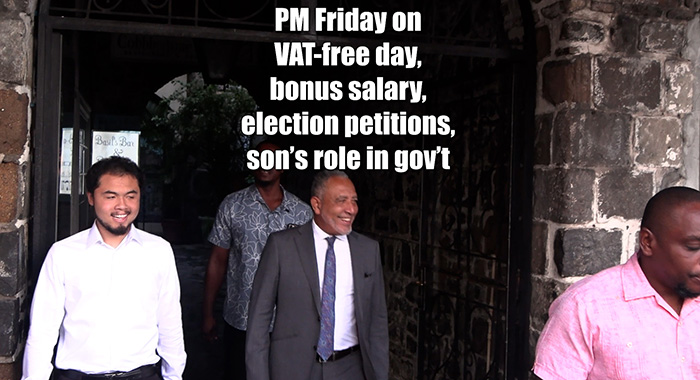
    In an exclusive interview with iWitness News correspondent Kenton Chance, Prime Minister Godwin Friday of St. Vincent and the Grenadines (SVG) engaged in a comprehensive discussion covering his administration’s recent policy implementations and ongoing political developments. The dialogue provided significant insights into the nation’s first VAT-free shopping day—a landmark economic measure designed to alleviate financial pressure on citizens by allowing tax-exempt purchases. Prime Minister Friday elaborated on the initiative’s objectives, emphasizing its role in stimulating consumer spending and providing tangible economic relief to households.

    Further addressing campaign commitments, the Prime Minister provided updates on the promised bonus salary for public sector employees, detailing the government’s methodology and timeline for fulfilling this electoral pledge. The conversation took a personal turn when questioned about his son’s involvement in the current administration, with Friday offering transparent commentary on familial roles within governmental structures.

    The interview also tackled the contentious election petitions filed against both the Prime Minister and his Foreign Minister, with Friday presenting his legal perspective on these challenges while reaffirming his administration’s legitimacy and commitment to due process. Throughout the exchange, the Prime Minister maintained a focus on his government’s policy agenda while addressing both the achievements and controversies that have characterized his tenure since taking office.

  • Veel kritiek in DNA op initiatiefwet Duurzaam Natuurbeheer: terug naar tekentafel

    Veel kritiek in DNA op initiatiefwet Duurzaam Natuurbeheer: terug naar tekentafel

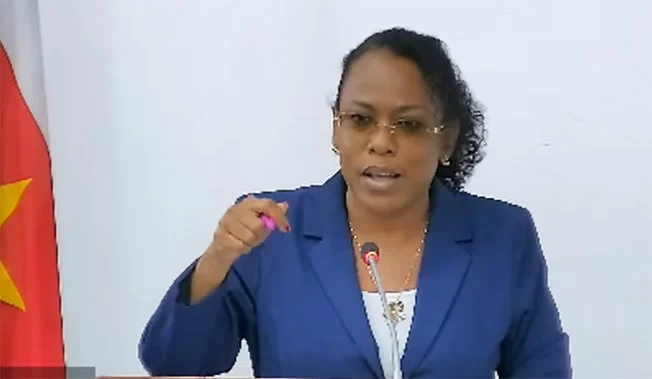
    Suriname’s National Assembly witnessed intense parliamentary debate on Friday regarding the proposed Sustainable Nature Management Act, with widespread concerns about legislative preparation, institutional power imbalances, and inadequate protection for indigenous communities.

    The contentious legislation, designed to replace the outdated 1954 Nature Conservation Act, faced scrutiny from multiple parliamentary factions. Rossellie Cotino (NDP), chair of the rapporteurs committee, acknowledged Suriname’s need for modern environmental legislation to maintain its status as a heavily forested nation with minimal deforestation. However, she highlighted significant flaws in the current proposal.

    Central to the criticism was the concerning concentration of power within the National Environmental Authority (NMA). Cotino and other assembly members questioned why the legislation didn’t instead strengthen the existing Forest Management Agency (LBB) and establish clear management under a single organization. This overlap, critics warned, could create operational tension between LBB and NMA.

    Additional concerns included insufficient coordination with existing legislation such as the Hunting Act and Animal Protection Act, and the unusual absence of specified ministerial responsibility for implementation—a standard provision typically included in final provisions.

    Jerrel Pawiroredjo (NPS faction leader) emphasized that legislation shouldn’t be rushed, even with potential external funding at stake. International environmental organizations have pledged $20 million for sustainable projects, contingent on proper legislation. Parliamentary members, including Assembly President Ashwin Adhin, unanimously asserted that parliament wouldn’t be pressured by external factors.

    The legislation’s treatment of indigenous rights emerged as another critical issue. Jennifer Vreedzaam (NDP) delivered sharp criticism regarding the inadequate implementation of the Free, Prior and Informed Consent (FPIC) principle, noting that parliament had recently extensively debated the importance of consultation with indigenous and tribal peoples. She emphasized that FPIC represents a fundamental legal principle rather than optional consultation.

    Tashana Lösche (NDP) noted that while the law references areas traditionally used by indigenous and tribal communities, it fails to specify their exact locations or establish formal boundary demarcation. Steven Reyme (A20) questioned why the proposal doesn’t explicitly recognize collective land and usage rights, despite Suriname’s international obligations.

    One of the initiative’s proponents, Wedperkash Joeloemsingh (NDP), acknowledged during consultations that the law requires amendments and thanked members for their critical contributions. He emphasized that the legislation wasn’t intended as rushed work and wasn’t related to financial considerations, but rather aimed to establish clear responsibility allocation.

    The session has been adjourned until Monday for further deliberation.

  • CARICOM Voices Concern Over US Entry Restrictions on Antigua and Barbuda, Dominica

    CARICOM Voices Concern Over US Entry Restrictions on Antigua and Barbuda, Dominica

    The Caribbean Community (CARICOM) has formally expressed apprehension regarding recent immigration measures enacted by the United States government. On December 16, 2025, the US issued a proclamation imposing partial entry restrictions on nationals from Antigua and Barbuda and the Commonwealth of Dominica, prompting a diplomatic response from the regional body.

    While acknowledging the sovereign right of nations to regulate border entry, CARICOM’s Bureau of the Conference of Heads of Government highlighted several significant concerns. The organization emphasized that the decision was implemented without prior consultation, despite the potential for adverse consequences on legitimate travel and people-to-people exchanges. The move is particularly troubling for these small island states, where such restrictions could substantially impact social and economic well-being.

    Additionally, CARICOM raised questions regarding the ambiguous status of existing visas beyond January 1, 2026, noting that the lack of clarity creates uncertainty for travelers and diplomatic relations. The regional group has called for immediate engagement between US authorities and the governments of affected nations to clarify the proclamation’s provisions and address outstanding issues.

    Reaffirming its commitment to international cooperation, CARICOM emphasized the importance of dialogue founded on mutual respect, shared interests, and adherence to the rule of law. The organization continues to prioritize regional prosperity and the welfare of Caribbean citizens through diplomatic channels, hoping to resolve the matter in accordance with the longstanding partnership between the United States and CARICOM member states.

  • Home Affairs Leaders Hit the Streets in Belize City

    Home Affairs Leaders Hit the Streets in Belize City

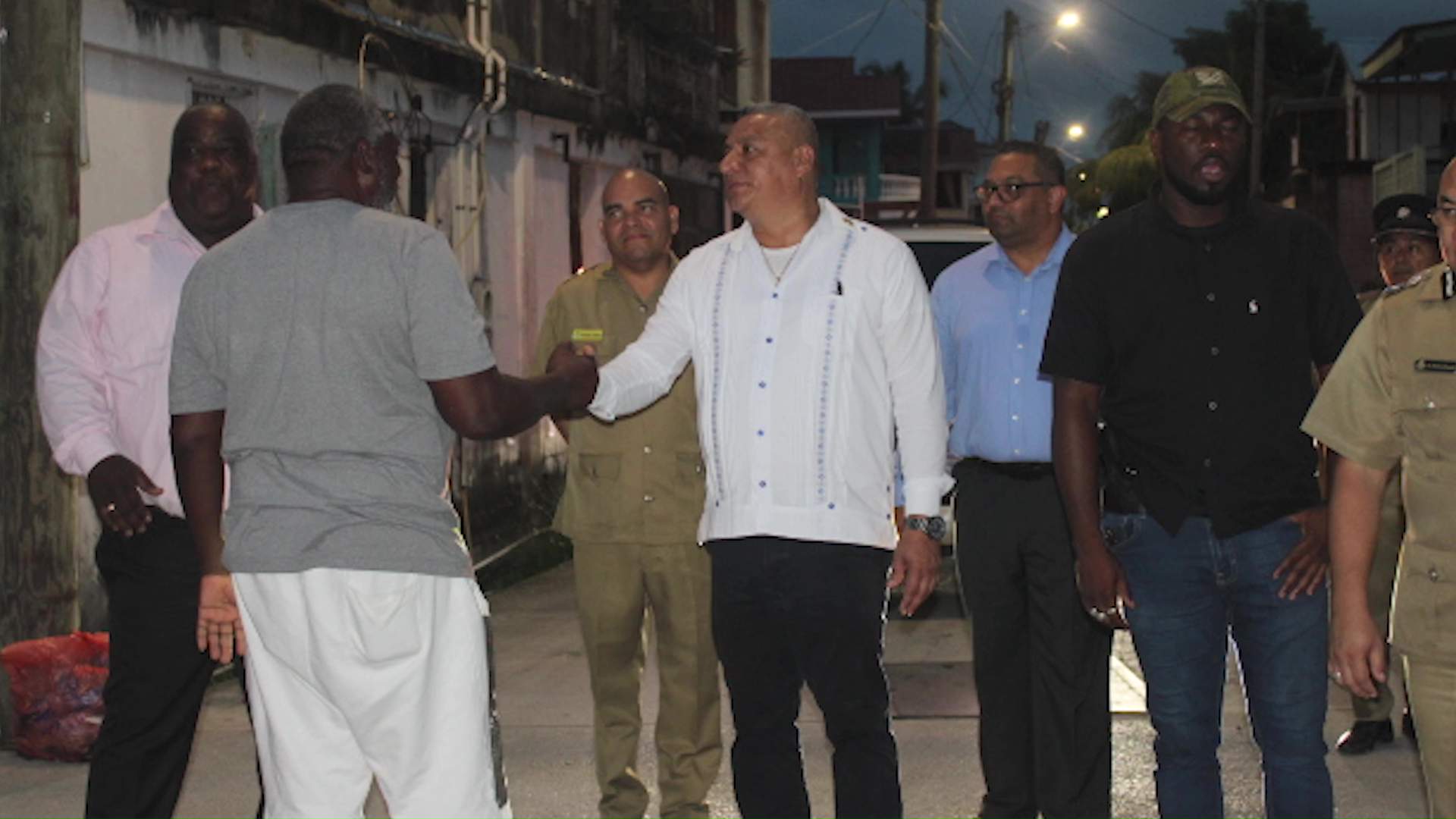
    In a significant demonstration of hands-on governance, Belize’s Ministry of Home Affairs leadership embarked on an immersive inspection tour through three high-risk neighborhoods in Belize City on Thursday. Minister Oscar Mira, accompanied by CEO Rear Admiral Elton Bennett and Police Commissioner Dr. Richard Rosado, personally navigated the narrow alleyways of George Street, Majestic Alley, and Banak Street—areas recognized as gang-controlled territories.

    The strategic visit served multiple operational purposes, providing senior officials with firsthand understanding of both enforcement and social intervention approaches. The delegation received comprehensive briefings from two key units: the Gang Intervention Unit (GI3) implementing hard security measures, and the Life Improvement Unit (LIU) employing soft approach methodologies to combat urban crime.

    Commissioner Rosado utilized the opportunity to elaborate on his comprehensive crime reduction strategy while Minister Mira introduced himself to community leaders striving for positive transformation. A particularly notable moment occurred when the officials witnessed the tangible success of intervention programs—a former gang member proudly displayed his operational car wash business, demonstrating viable economic alternatives to criminal involvement.

    CEO Bennett characterized the tour as crucial for understanding operational challenges and recognizing promising developments in community policing initiatives. The leadership engagement signals a coordinated approach combining security enforcement with social development strategies to address gang-related violence in urban centers.

  • PM Briceño Mediates Tensions Over Chiquibul Operations

    PM Briceño Mediates Tensions Over Chiquibul Operations

    Prime Minister John Briceño has personally intervened to mediate escalating tensions between environmental conservation groups and commercial operators in Belize’s protected forest reserves. The dispute centers around operational coordination and access rights within the ecologically sensitive Chiquibul Forest Reserves and Mountain Pine Ridge areas.

    At the heart of the controversy lies a conflict between conservation organization Friends for Conservation and Development (FCD) and commercial entity Bulridge Ltd. FCD claims that Bulridge has recently blocked their researchers from accessing critical Scarlet Macaw habitats, jeopardizing long-term conservation studies of the endangered species. The organization has raised concerns about potential environmental risks and inadequate coordination procedures.

    Prime Minister Briceño, however, presents a different perspective, emphasizing that the core issue revolves around safety protocols and operational coordination rather than intentional obstruction. Speaking about his direct involvement in mediation efforts, Briceño revealed that discussions have been ongoing since mid-2025, with the most recent high-level meeting occurring in July or August.

    The Prime Minister clarified that Bulridge holds official responsibility for managing access to the reserves, particularly given their commercial logging operations involving large timber transport vehicles. Briceño emphasized that safety concerns necessitate that all organizations operating within the reserves—including FCD researchers—must coordinate their activities with Bulridge to prevent accidents.

    A potential resolution appears to be underway through the identification of a new operational area for conservation activities near the Guatemala border bridge, where FCD may establish new headquarters in collaboration with the Belize Defence Force. Briceño also noted that both organizations are conducting parallel studies on Scarlet Macaw populations, suggesting that enhanced communication rather than restricted access would serve both conservation and commercial interests.

    The government-mediated solution involves ongoing coordination between Bulridge Ltd., the Forestry Department, and FCD to establish clear protocols that balance environmental research needs with industrial safety requirements in these protected natural areas.

  • PM Says Belizean Parliament is Relatively “Well-Behaved”

    PM Says Belizean Parliament is Relatively “Well-Behaved”

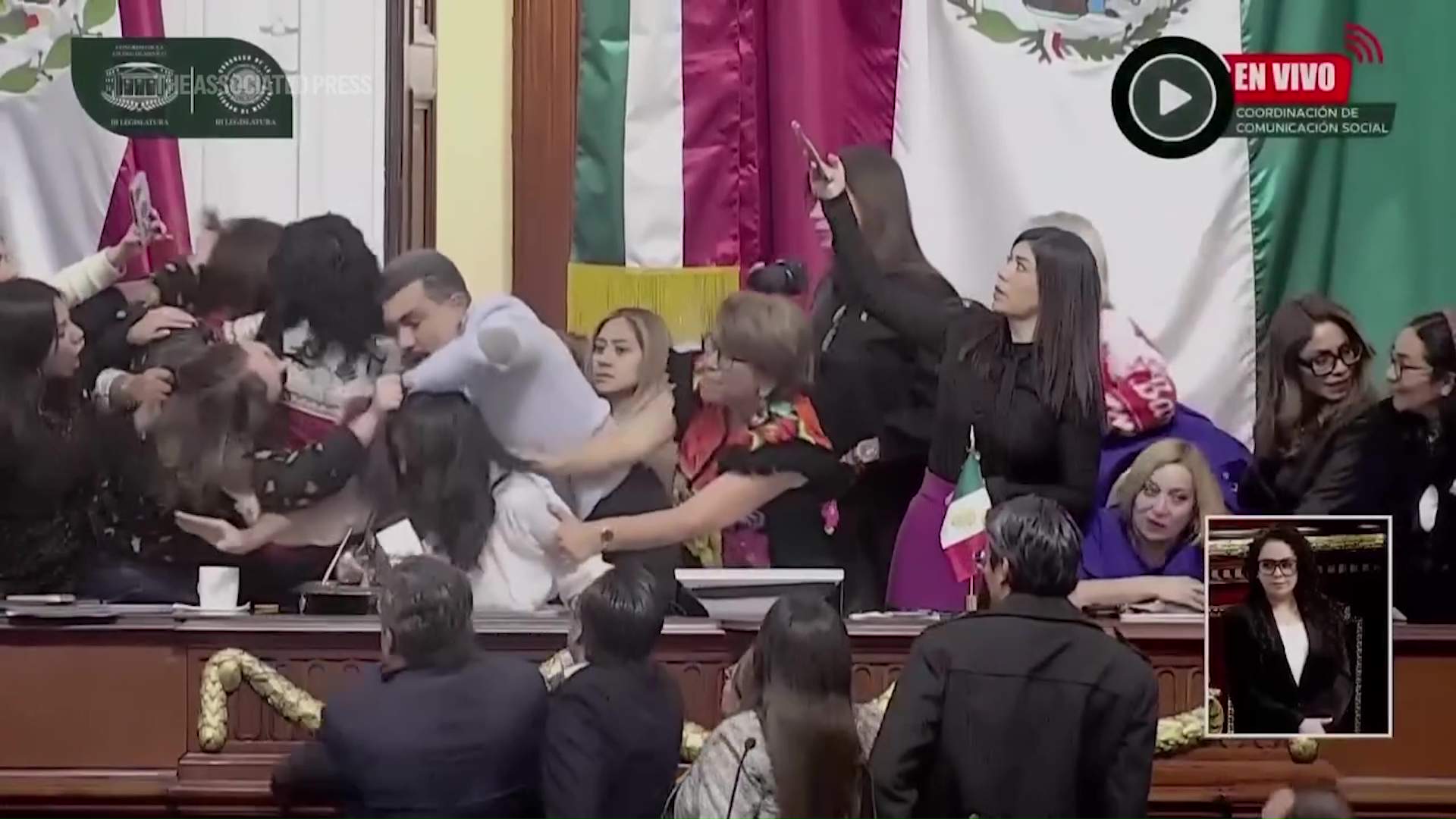
    In the wake of a physical altercation among Mexican legislators this week, Belizean Prime Minister John Briceño has characterized his nation’s parliament as comparatively “well-behaved.” The Mexican incident erupted during Monday’s congressional session when opposition lawmakers stormed the podium during debates concerning reforms to Mexico City’s transparency oversight agency. Video documentation revealed female legislators engaging in shoving matches and hair-pulling confrontations.

    The ruling Morena party defended the proposed reforms as essential operational streamlining measures, while opposition members accused the governing party of procedural violations. This international episode prompted Prime Minister Briceño to reflect on parliamentary conduct within Belize’s own legislative chambers.

    Briceño acknowledged that while Belizean lawmakers occasionally engage in heated verbal exchanges, physical altercations remain outside the realm of acceptable conduct. “It goes to show you how well behaved we are,” stated Briceño, referencing not only the Mexican incident but similar legislative conflicts across Asia and Canada, noting such occurrences happen “all the time” in Central America.

    The Prime Minister emphasized that despite occasional vigorous debates, Belizean parliamentarians maintain collegial relationships beyond their legislative duties. “We could argue with one another in the house, but when the thing [is] done, we are hugging one another,” Briceño remarked, highlighting the absence of physical confrontations in Belize’s political culture as a point of national distinction.

  • PM Commits to Completing Redistricting by End of 2026

    PM Commits to Completing Redistricting by End of 2026

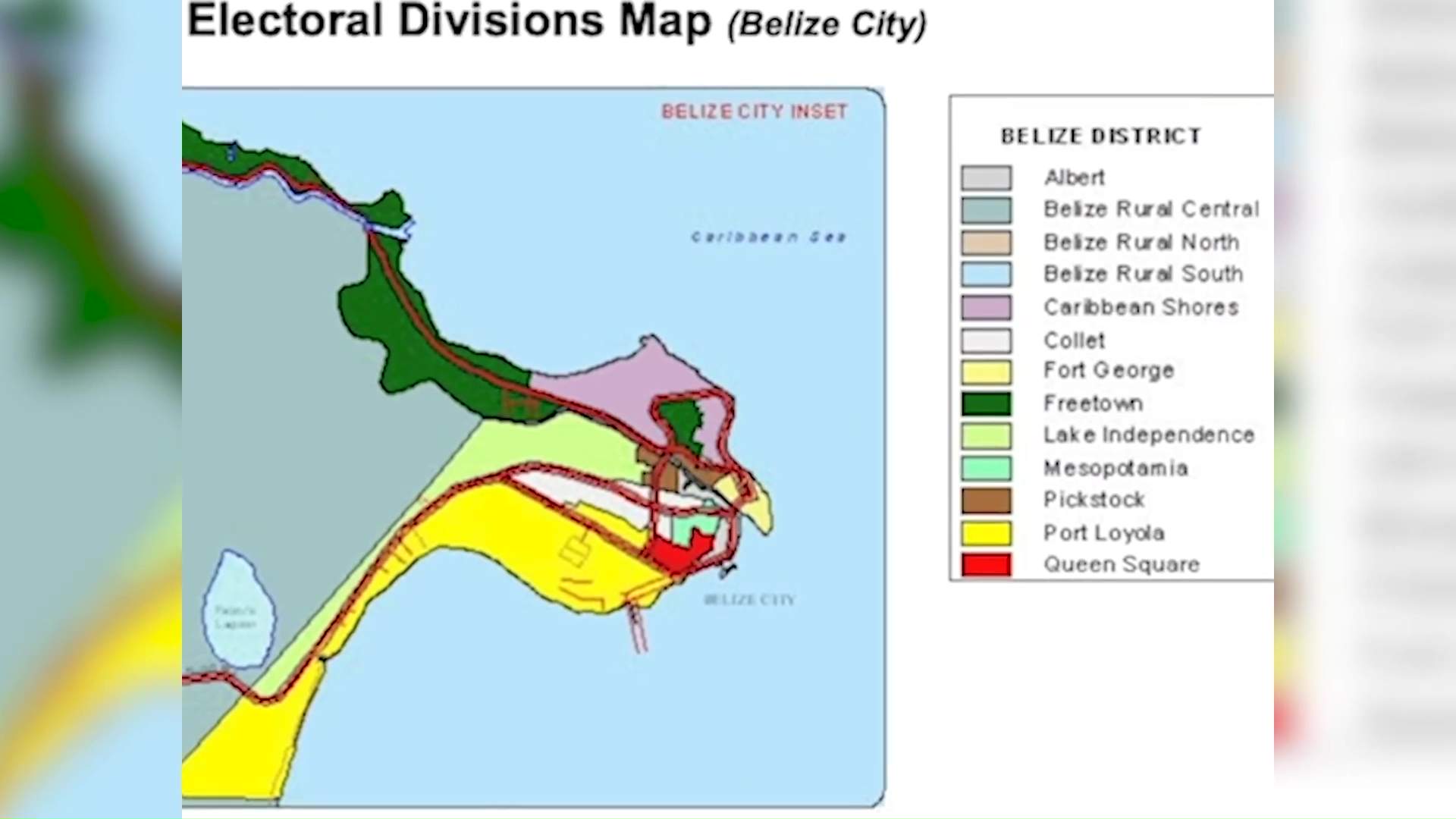
    Belizean Prime Minister John Briceño has formally recommitted to completing the nation’s long-awaited constituency redistricting process by December 2026. This constitutional mandate aims to rebalance voter representation across Belize’s thirty-one electoral districts, ensuring approximately equal population distribution in accordance with constitutional requirements.

    The redistricting initiative, stalled for multiple years despite governmental assurances, requires complex constitutional amendments alongside geographical boundary revisions. Prime Minister Briceño clarified the technical challenges during a recent address, noting constitutional ambiguities regarding seat allocation formulas and elimination procedures.

    “The constitutional framework lacks precise guidance on seat quantification, particularly concerning potential seat reductions in overrepresented regions like Belize City,” Briceño explained. He emphasized the distinction between total resident population counts versus registered voter numbers in redistricting calculations—a critical nuance requiring legislative clarification.

    The amendment process itself demands a minimum ninety-day procedural timeline once initiated. This commitment emerges against a backdrop of persistent public and political pressure to address representation disparities that have accumulated over successive electoral cycles. The government’s renewed timeline places the completion window beyond immediate electoral concerns, focusing instead on comprehensive constitutional compliance.