分类: politics

  • PNM: Is someone interested in BLCA?

    PNM: Is someone interested in BLCA?

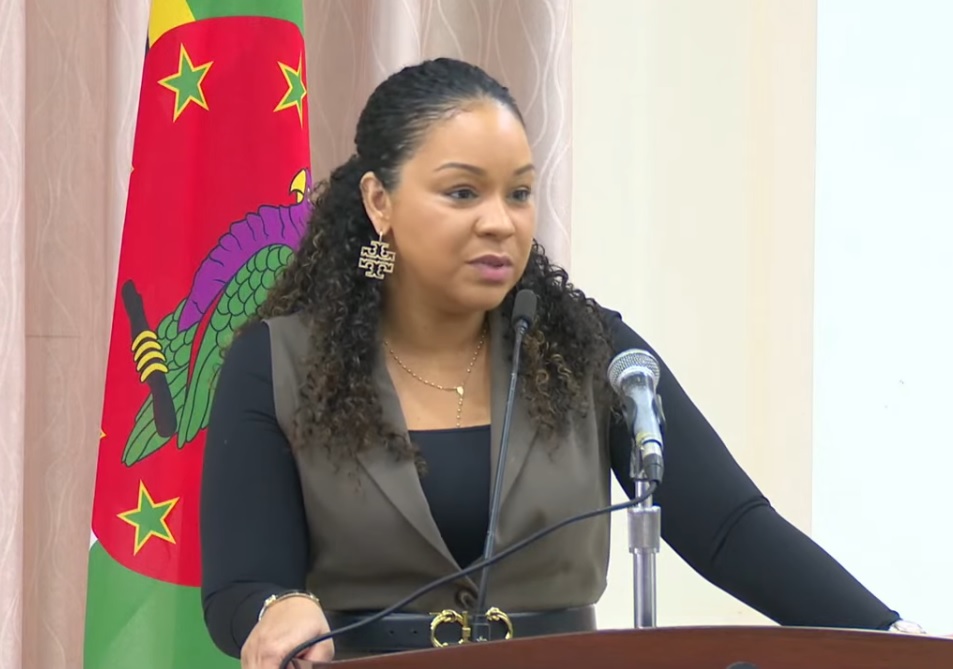
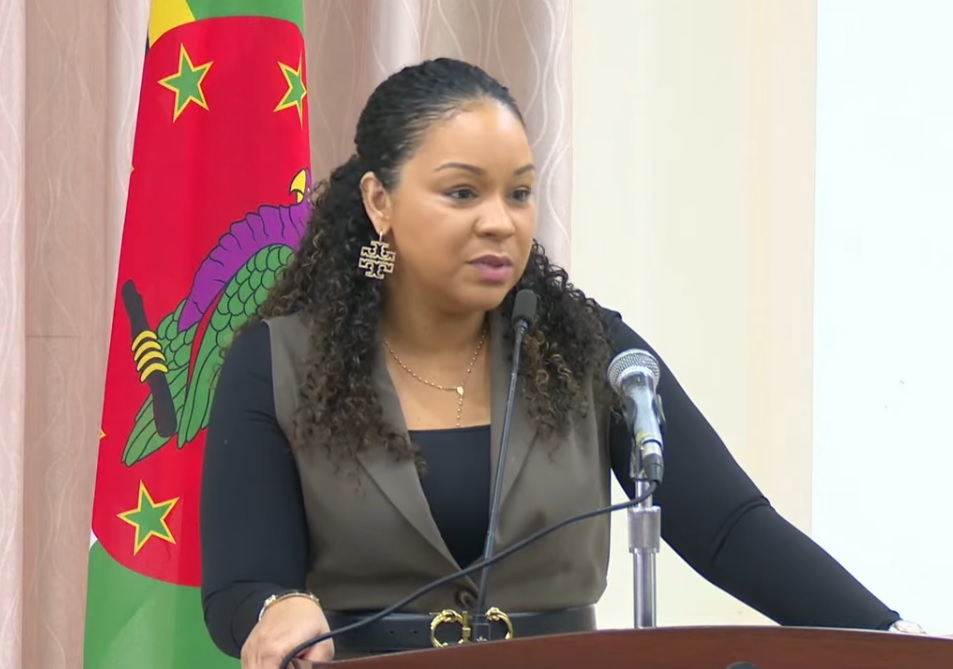
    Opposition Leader Pennelope Beckles has raised concerns over the government’s recent decision to ban fetes at the Brian Lara Cricket Academy (BLCA), questioning the timing and potential foreign interest in the venue. Speaking at a media conference in Port of Spain on November 13, Beckles referenced Finance Minister Davendranath Tancoo’s statement during the 2025/2026 budget debate about creating a state-sponsored real estate investment trust (REIT). Tancoo described the initiative as a landmark effort to democratize state-owned assets, diversify Trinidad and Tobago’s capital market, and broaden public participation in national wealth creation. High-value income-generating properties, including land, office buildings, and commercial infrastructure, would be transferred into the REIT, with shares listed on the TT Stock Exchange to allow investors to earn dividends. Beckles questioned whether the BLCA was among these properties and hinted at potential foreign interest in the venue. She also criticized the government’s handling of noise pollution, noting that it is a widespread issue not unique to the BLCA. Beckles recalled developing an app during her tenure as planning and environment minister to monitor noise levels in Woodbrook, with plans to share data with other communities. She emphasized that the BLCA’s carpark, used for events, is restored after use, with fees withheld if requirements are not met. Beckles also expressed concerns about the potential loss of revenue for Carnival 2026, citing the cancellation of the Independence Day parade and the extended state of emergency. She questioned the Prime Minister’s refusal to consult with promoters, stating that state-owned facilities like the BLCA belong to the public. Former ministers Faris Al-Rawi and Dr. Amery Browne echoed concerns about the impact on Carnival and regional perceptions of Trinidad and Tobago.

  • They seek peace with drug cartels?

    They seek peace with drug cartels?

    In a recent letter to the editor, Arthur Dash expressed his bewilderment over the small yet highly publicized demonstrations calling for ‘peace’ in the region. Dash emphasized that neither Trinidad and Tobago (TT) nor the United States is at war with Venezuela. Instead, the U.S. administration has declared a ‘non-international armed conflict against drug cartels,’ a crucial distinction that highlights the campaign against criminal networks responsible for flooding the region with cocaine, guns, and violence.

    Dash questioned the motives of the protesters, asking if they were advocating for peace with drug cartels, the actual adversaries in this conflict. He criticized the opposition, its supporters, and certain media outlets for misleading the public into believing that TT is involved in a regime change operation, a claim both the U.S. and TT have repeatedly denied.

    He pointed out that pro-Nicolás Maduro elements, both domestically and internationally, are spreading fear and confusion by falsely suggesting that TT is being dragged into a war with Venezuela. Dash highlighted the hypocrisy of the demonstrators, noting their silence when Venezuelan gunboats harass TT fishermen, when Venezuelan officials claim two-thirds of Guyana’s territory, and when they insult TT’s Prime Minister and threaten invasion or retaliation.

    Dash concluded by affirming his support for the TT government, which he believes is on the right side of the fight—the side of law, order, and safety for its citizens. He reiterated the desire for peace but stressed that it should not come at the cost of aligning with drug cartels that have brought violence and destruction to the region.

  • Fete clampdown

    Fete clampdown

    Prime Minister Kamla Persad-Bissessar has stirred significant controversy with her abrupt announcement to halt all fetes at state facilities, particularly the Brian Lara Stadium in Tarouba. The decision, revealed on November 10, came without prior warning, even as her administration had officially launched Carnival—a culturally significant national festival—just a week earlier. This unexpected move has left many questioning the timing and coherence of the directive, especially given the extensive planning required for such events. Earlier, on July 7, the Prime Minister had hinted at legislative measures to address noise pollution, gambling, alcohol, and marijuana abuse during a party event. However, she failed to provide a clear timeline, leaving the private sector unprepared for such sweeping changes. Despite her earlier assurances of exemptions for national festivals, the Prime Minister has now firmly stated that the decision is final and irreversible. The government’s messaging has been further muddled by Udecott officials, who justified the clampdown by citing the need to protect sporting facilities from damage. This comes just a week after the government unveiled a national development blueprint promising upgrades to the Queen’s Park Savannah, adding to the confusion. The Prime Minister’s approach has not only alienated the public but also sparked a heated debate with the TT Promoters Association, which has labeled the move a ‘death knell’ for the entertainment industry. A more collaborative dialogue between stakeholders could have prevented this week’s public discord, highlighting the need for clearer communication and strategic planning in addressing legitimate issues like noise pollution.

  • Colombia: Petro staakt inlichtingenuitwisseling met VS

    Colombia: Petro staakt inlichtingenuitwisseling met VS

    Colombian President Gustavo Petro has announced the suspension of intelligence-sharing operations with U.S. security agencies, citing ongoing rocket attacks on boats in the Caribbean by the Trump administration. Petro declared on X (formerly Twitter) that all levels of Colombia’s public security intelligence services have been instructed to halt communication and other interactions with their U.S. counterparts. He emphasized that the suspension will remain in effect as long as the rocket attacks continue.

    The decision comes amid unverified media reports suggesting that the United Kingdom has taken similar steps due to legal concerns over the U.S. strikes, which have reportedly claimed at least 75 lives. Petro has called for an investigation into U.S. President Donald Trump for alleged war crimes, arguing that the attacks, ostensibly targeting drug boats, have disproportionately affected civilians from Venezuela, Ecuador, Colombia, and Trinidad and Tobago.

    Petro, a long-time critic of U.S. drug policy, accuses the Trump administration of focusing on coca farmers—the primary producers of cocaine’s raw ingredient—rather than targeting major drug traffickers and money launderers. During a recent summit between Latin American and European leaders, Petro met with the family of a Colombian fisherman allegedly killed in one of the attacks. He condemned the killing, stating, ‘He might have been carrying fish or cocaine, but he was not sentenced to death. There was no reason to murder him.’

    The Trump administration, in turn, has accused Petro of being soft on drug traffickers and criticized his decision to shield Colombian rebel leaders involved in the drug trade from extradition to the U.S. This is not the first clash between the two leaders. In September, Petro left the U.S. hours after Washington revoked his visa, citing his ‘reckless and provocative actions’ during a protest march against the Israeli war on Gaza outside the United Nations headquarters in New York. Petro responded by accusing the U.S. of disregarding international law.

    More recently, the U.S. Treasury Department imposed sanctions on Petro, his family, and Colombian Interior Minister Armando Benedetti, alleging their failure to curb the country’s cocaine industry and protect criminal groups from accountability. Petro’s announcement coincided with the arrival of the U.S. aircraft carrier Gerald R. Ford in the Caribbean, fueling speculation that the Trump administration may escalate military actions in the region, primarily targeting Venezuelan President Nicolas Maduro, a long-standing U.S. adversary.

  • New government policy will see only qualified accountants within Accounts Departments, across all Ministries, Departments, and Statutory Bodies

    New government policy will see only qualified accountants within Accounts Departments, across all Ministries, Departments, and Statutory Bodies

    The Cabinet of Antigua and Barbuda has taken a significant step toward enhancing financial governance within its public sector. In a recent meeting, the Cabinet reviewed a proposal submitted by the Honourable Sir Molwyn Joseph, Minister responsible for the Public Service, which emphasized the urgent need to improve financial management, accountability, and professional standards across government Accounts Departments. After thorough discussions, the Cabinet approved a series of measures aimed at elevating the qualifications and expertise of accounting personnel throughout all ministries, departments, and statutory bodies.

  • Hilaire highlights achievements, upcoming projects

    Hilaire highlights achievements, upcoming projects

    In a national address on Tuesday evening, Dr. Ernest Hilaire, Saint Lucia’s Minister for Tourism, Investment, Creative Industries, Culture and Information, as well as Deputy Prime Minister, outlined the government’s achievements and future plans ahead of the upcoming general elections. Representing Castries South in Parliament, Hilaire emphasized the nation’s progress since July 2021, particularly in attracting private investment and fostering economic resilience.

  • ‘Psychological analysis’ finds ULP likely to win 8-7

    ‘Psychological analysis’ finds ULP likely to win 8-7

    A groundbreaking psychological analysis conducted in St. Vincent and the Grenadines (SVG) suggests that the incumbent Unity Labour Party (ULP) is poised to secure a historic sixth consecutive term in the upcoming general election on November 27. The study, led by Grenadian data analyst Cleophas Justine Pierre, predicts an 8-7 victory for the ULP over the New Democratic Party (NDP). The research, which employed a unique methodology popular in India for decades, analyzed voter behavior across 15 constituencies using random stratified sampling of 2,402 individuals. The margin of error was approximately 2%. The findings reveal a strong base of support for the ULP, with 83% of its voters expressing loyalty, compared to a 72.5% retention rate for the NDP. Notably, the defection rate from ULP to NDP was 8.5%, while the reverse was 10.2%, favoring the ULP. The study also highlighted a generational divide, with older voters leaning towards the ULP and younger, urban voters favoring the NDP. Women, particularly single mothers, showed consistent support for the ULP, while unemployed or underemployed young men in urban areas were more inclined towards the NDP. Pierre emphasized that the research aimed to provide an unbiased, scientific analysis of the electorate, with findings presented to both political parties. The study’s innovative approach, which includes geospatial data grids and focus groups, has accurately predicted eight consecutive elections in the Caribbean. Pierre’s ultimate goal is to introduce this technology to the United States, where he sees significant market potential.

  • Ambassador Edward Lin-Wen Tao attended the Remembrance Day Service

    Ambassador Edward Lin-Wen Tao attended the Remembrance Day Service

    On November 9, 2025, Ambassador Edward Lin-Wen Tao of the Republic of China (Taiwan) participated in the Remembrance Day Service held at the Cenotaph in Fortlands, St. Kitts and Nevis. The solemn ceremony, attended by the Governor-General, Acting Prime Minister, diplomatic corps, military and police leaders, and veterans’ representatives, saw Ambassador Tao lay a wreath on behalf of the Taiwanese government and its people. This act underscored Taiwan’s solidarity with the Federation in honoring the sacrifices of soldiers who lost their lives during the First and Second World Wars. Ambassador Tao highlighted Taiwan’s historical role as an ally of Great Britain, the United States, and other Allied nations in combating authoritarian regimes. He emphasized that over 3 million ROC soldiers perished in defense of their nation and the global cause of freedom. Remembrance Day, observed annually in November across Commonwealth nations, serves as a poignant reminder of the enduring legacy of those who fought for peace and liberty.

  • Mayor of Dajabón proposes bill to regulate land sales to foreigners in border provinces

    Mayor of Dajabón proposes bill to regulate land sales to foreigners in border provinces

    In a significant move to safeguard national interests, Santiago Riverón, the mayor of Dajabón, submitted a draft bill to the Chamber of Deputies on Thursday. The proposed legislation seeks to regulate the sale of real estate to foreign nationals in the Dominican Republic’s border provinces while promoting a Dominicanization plan in these regions. Riverón emphasized that the initiative is firmly grounded in the Constitution, particularly Article 51, which upholds property rights for Dominicans. The bill would enforce stricter controls on property acquisitions by foreigners in border provinces, including Montecristi, Dajabón, Elías Piña, Independencia, Santiago Rodríguez, Bahoruco, and Pedernales, ensuring alignment with Articles 9 and 10 of the Magna Carta. Beyond property regulation, the proposal aims to combat irregular migration and human trafficking, in accordance with Law 285-04 on migration. It also introduces the creation of a Support Fund for the Dominicanization of the Land Border, which would receive 2% of the state’s ordinary income over five years. Municipal councils and district boards, in collaboration with state security institutions, would oversee enforcement, with penalties imposed for violations.

  • Trump zet handtekening, einde langste shutdown Amerikaanse overheid

    Trump zet handtekening, einde langste shutdown Amerikaanse overheid

    In a significant development, President Donald Trump signed a federal spending bill late Wednesday, marking the end of the longest government shutdown in U.S. history. The bill was passed by the House of Representatives just hours earlier, with a vote of 222 in favor and 209 against. The Senate had approved the measure on Monday with a 60-40 vote, ensuring government funding through January 30 and restoring pay for hundreds of thousands of federal employees after six grueling weeks. Trump emphasized that the government would now resume normal operations, and his administration would continue efforts to reduce living costs, restore public safety, and grow the economy. However, the agreement failed to address a key issue: healthcare subsidies for 24 million Americans under the Affordable Care Act, which the Trump administration had planned to cut. The shutdown, which began 42 days ago, paralyzed all non-essential government services. The breakthrough came after weekend negotiations, with seven Democrats and one independent agreeing to the revised spending package. House Speaker Mike Johnson accused Democrats of using American citizens as ‘leverage’ in their ‘political game,’ while Democrats argued the bill was necessary to address rising healthcare costs for low-income Americans. The deal also sparked frustration among Democrats, with Illinois Governor JB Pritzker calling it a ‘hollow promise.’ Experts warn that without a new agreement, the government could face another shutdown in January.