分类: politics

  • Padarath: Let Rowley stay in retirement

    Padarath: Let Rowley stay in retirement

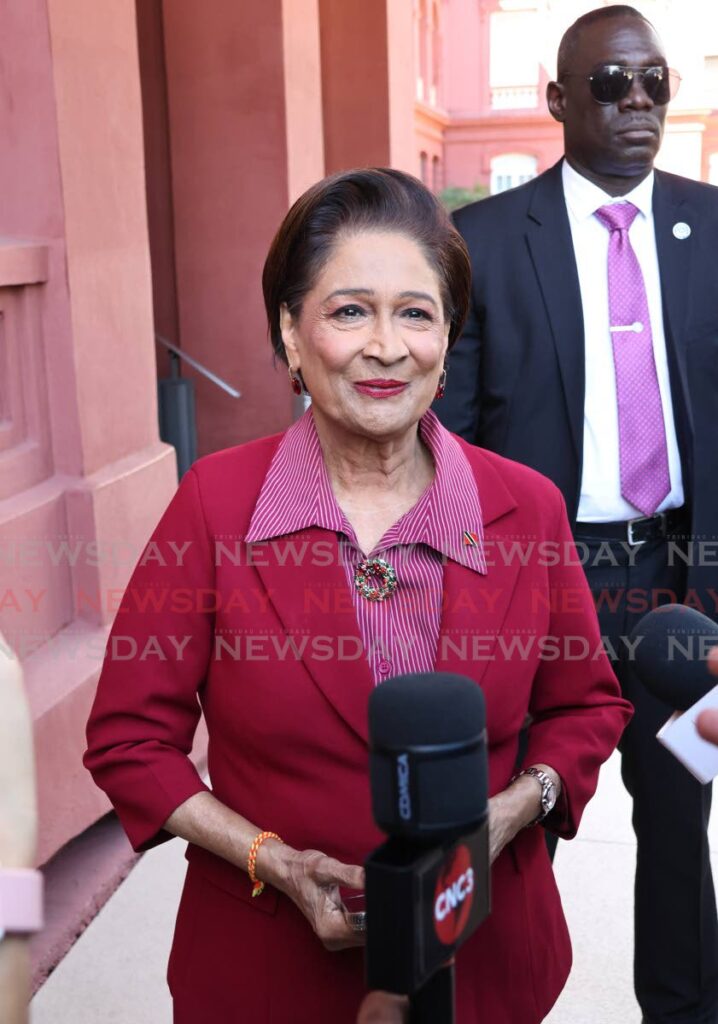
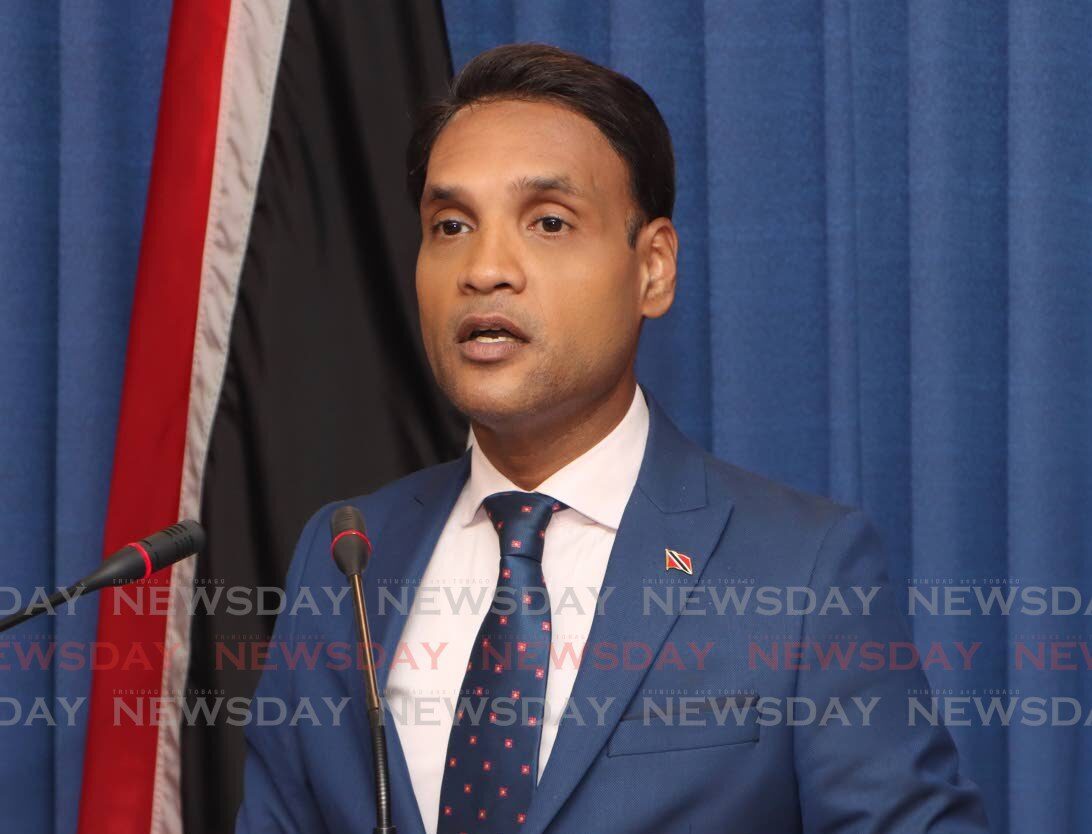
    A significant diplomatic controversy has erupted within Trinidad and Tobago’s political landscape, pitting current government officials against former leadership over fundamental foreign policy directions. Public Utilities Minister Barry Padarath has openly advised former Prime Minister Dr. Keith Rowley to remain in retirement while vigorously defending Prime Minister Kamla Persad-Bissessar’s controversial ‘TT First’ approach to regional affairs.

    The political confrontation stems from Persad-Bissessar’s recent criticism of CARICOM (Caribbean Community), which she characterized as an ‘unreliable partner’ suffering from ‘dysfunctional and self-destructive’ tendencies. During a December 20 address, the Prime Minister elaborated that beneath the surface unity of the regional bloc lie ‘many widening fissures’ that threaten its stability. She specifically cited poor management, lax accountability, factional divisions, and inappropriate meddling in member states’ domestic politics as contributing factors to the organization’s rapid deterioration.

    These comments emerged following CARICOM leaders’ collective response to recent US immigration restrictions affecting citizens from Haiti, Dominica, and Antigua and Barbuda. The regional body, now operating as the Bureau of the Conference of Heads of Government, had called for renewed engagement between member states and the United States.

    Rowley responded with intense criticism through a Facebook statement on December 21, accusing Persad-Bissessar of demonstrating ‘subservience to the US’ and engaging in ‘the most unpatriotic and recklessly incompetent’ leadership he had witnessed in his lifetime. The former Prime Minister asserted that reducing Trinidad and Tobago to a ‘vassal state’ that takes ‘secret instructions from another country’ effectively negates the nation’s constitutional sovereignty and fundamental right to independent decision-making.

    In his retaliatory statement, Padarath dismissed Rowley’s decade-long premiership as ineffective and contrasted it with what he described as Persad-Bissessar’s ‘bold leadership, courageous decisions and strategic alliances.’ The Minister emphasized that the current administration refuses to ignore regional challenges including gun trafficking, drug trafficking, and human trafficking, while simultaneously avoiding coddling ‘tyranny and despotism.’

    The government’s position maintains that regional solidarity should not rely on utopian fantasies of the Caribbean as a ‘zone of peace,’ but rather confront harsh realities through decisive action. Padarath concluded that the Prime Minister is ‘redefining TT’s foreign policy’ to deliver tangible benefits in national and economic security, fully aligning with the administration’s ‘TT first’ doctrine.
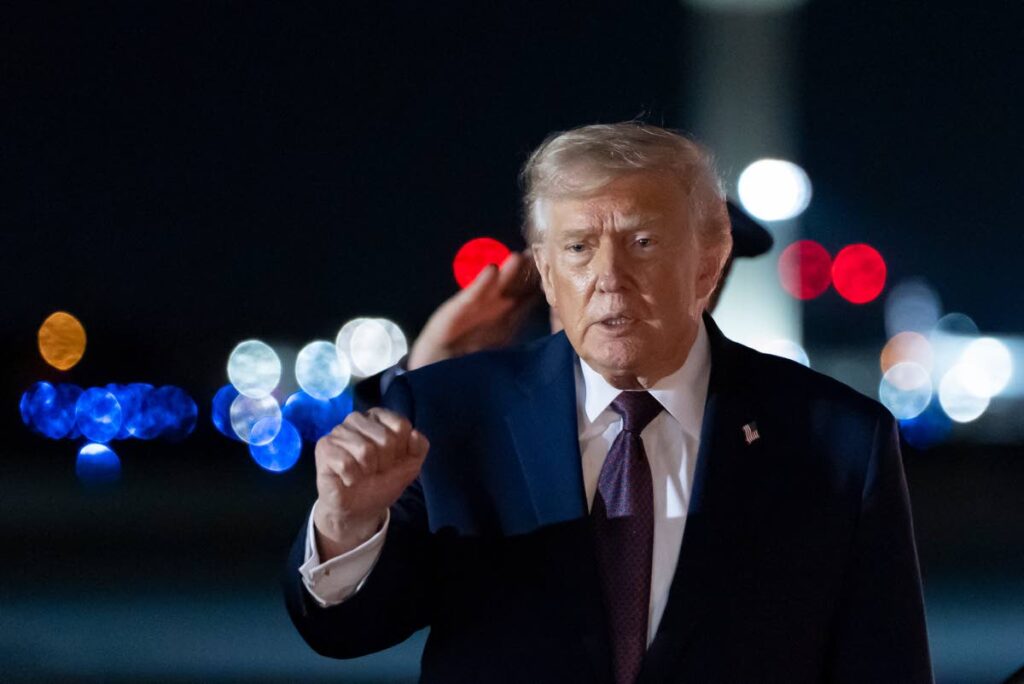

  • Trump, the author of confusion

    Trump, the author of confusion

    In a scathing critique of U.S. foreign policy under the Trump administration, political commentators have highlighted what appears to be a pattern of bewildering contradictions and strategic inconsistencies. The editorial analysis points to President Trump’s simultaneous declaration of a war on drugs while granting presidential clemency to convicted Honduran drug traffickers as emblematic of this paradoxical approach.

    The policy landscape appears to shift abruptly from focusing on narcotics interdiction to asserting control over foreign oil resources and territorial claims, creating what observers describe as a diplomatic strategy lacking coherent direction. The administration’s ‘America First’ doctrine, according to critics, manifests as a disjointed series of actions that prioritize short-term gains over long-term strategic consistency.

    This approach has drawn significant criticism for what analysts characterize as fundamental hypocrisy: combating cartels while potentially empowering their leadership, addressing resource theft while seizing foreign assets, and pursuing peace through confrontational threats. The resulting international perception, as documented in foreign policy assessments, suggests a departure from traditional diplomatic norms and a embrace of transactional relationships that undermine consistent policy application.

    The editorial commentary concludes that these apparent contradictions have created unprecedented challenges for international relations experts attempting to analyze American foreign policy objectives, with the current administration’s actions frequently contradicting its stated principles on the global stage.

  • PM slams ‘zone of peace fakery’ but Opposition Leader says:Kamla must respect Caricom

    PM slams ‘zone of peace fakery’ but Opposition Leader says:Kamla must respect Caricom

    A significant diplomatic rift has emerged within Trinidad and Tobago’s political leadership over the nation’s relationship with the Caribbean Community (CARICOM). Opposition Leader Pennelope Beckles has launched a stern critique against Prime Minister Kamla Persad-Bissessar, characterizing her recent comments about CARICOM as ‘reckless’ and potentially isolating for the nation.

    The controversy originated from Prime Minister Persad-Bissessar’s December 20th statement labeling CARICOM an ‘unreliable partner’ and ‘dysfunctional organization.’ These remarks came in response to CARICOM’s call for engagement with the United States following President Donald Trump’s implementation of restrictive entry policies affecting citizens from Haiti, Dominica, and Antigua and Barbuda.

    During a Christmas event at Balisier House in Port of Spain, Beckles emphasized Trinidad and Tobago’s historical tradition of maintaining an independent foreign policy while simultaneously valuing regional cooperation. ‘CARICOM has always supported us,’ Beckles stated, surrounded by children at the PNM’s holiday gathering. ‘At the end of the day, it is not just about narco trafficking. It is about everything – tourism, natural disasters, every single thing you think about.’

    Opposition Senator Dr. Amery Browne, former minister of foreign affairs, supported Beckles’ position with a striking allegation: ‘This is the first time this country has had a PM who is overtly against the Caribbean Community.’ He referenced Persad-Bissessar’s absence from recent CARICOM leadership meetings and her consistent criticism of the organization’s ‘zone of peace’ framework.

    The Prime Minister’s office defended its position through WhatsApp communications with Newsday, vehemently distancing Trinidad and Tobago from Venezuelan leadership. ‘CARICOM has aligned itself with the Maduro narco government headed by a dictator who has imprisoned or killed thousands of Venezuelans who oppose him,’ Persad-Bissessar stated. ‘TT wants no part of that alignment.’

    Beckles countered that Trinidad and Tobago’s sovereignty within international organizations like the United Nations remains crucial despite its size. ‘Yes, we are a small country but the sovereignty issue is very important. TT, Guyana, Antigua and Jamaica, at the end of the day at the UN, we all have a vote.’

    The Opposition Leader also addressed concerns about Trinidad and Tobago’s relationship with the United States, acknowledging the nation’s significant trade partnership while maintaining that differing viewpoints at international forums don’t diminish mutual respect between the two democracies.

    This developing situation represents one of the most significant public disagreements over foreign policy in recent Trinidad and Tobago history, with implications for both regional Caribbean unity and the nation’s international relationships.

  • Brilliantproposalby Irfaan

    Brilliantproposalby Irfaan

    A compelling endorsement has emerged from New York-based commentator Jay Rakhar, praising Guyanese President Dr. Irfaan Ali’s strategic decision to pursue enhanced cooperation with the United States amid escalating tensions with Venezuela. This development occurs against the backdrop of Venezuela’s renewed claims over the oil-rich Essequibo region, despite the 1899 Paris Arbitral Award that established Guyana’s legitimate sovereignty.

    The correspondence highlights Venezuela’s alleged role as a regional destabilizer, accusing the nation of being a primary exporter of illicit drugs and firearms not only to Trinidad and Tobago but also to the United States and neighboring Suriname. The author characterizes Venezuela under President Nicolás Maduro as ‘the bully of the Caribbean,’ referencing recent assertions that Trinidad and Tobago historically belonged to Venezuela—claims dismissed as baseless.

    A particularly provocative suggestion proposes the establishment of a US military base within the disputed Essequibo territory as a permanent solution to deter Venezuelan expansionism. The author argues that American military presence would serve as a protective frontier, ensuring Guyana’s security while providing psychological comfort to its citizens.

    The analysis further references Trinidad and Tobago’s existing security cooperation with the US, notably the installation of a radar system at Tobago airport that recently contributed to a significant drug bust worth $171 million in the Caroni Swamp. The author condemns any potential objections to such security measures as ‘outrageous and ludicrous,’ emphasizing their demonstrated effectiveness in combating narcotics trafficking.

    The overarching argument posits that strategic alignment with the United States represents a prudent geopolitical choice compared to enduring Venezuelan aggression, framing the proposed partnership as a necessary safeguard for regional stability.

  • Illegal ganja trade more profitable?

    Illegal ganja trade more profitable?

    The longstanding controversy surrounding cannabis legislation in Trinidad and Tobago has resurfaced with renewed intensity, highlighting decades of regulatory ambiguity and its profound societal consequences. Historical records indicate that marijuana was legally sold throughout the Caribbean nation until the early 1940s, primarily within rural communities, before prohibition measures took effect—a move some analysts attribute to pressure from the rum industry.

    Despite widespread global liberalization trends—including 39 U.S. states legalizing medicinal or recreational cannabis—Trinidad and Tobago maintains strict prohibitions. This sustained illegality has fostered a substantial underground market, with significant quantities smuggled from Venezuela. The persistent black market trade has been linked to escalating violent crimes and substantial capital flight, draining valuable U.S. dollar reserves from the national economy.

    In a partial response to these challenges, the Keith Rowley administration enacted legislation permitting citizens to cultivate up to four cannabis plants. However, the policy lacked critical implementation details regarding sourcing approved seeds or designated cultivation areas, rendering the reform largely ineffective.

    The political landscape further complicated when Prime Minister Rowley transitioned power to Stuart Young, whose subsequent election call resulted in defeat. Opposition leader Kamla Persad-Bissessar’s United National Congress capitalized on the issue, promising full legalization through prominent newspaper advertisements during their campaign.

    Current discourse centers on whether maintaining prohibition inadvertently benefits criminal enterprises through sustained profitability of illegal trade, while society bears the costs of associated violence and economic damage.

  • Gaston Browne: Caricom major trade partner with Trinidad and Tobago

    Gaston Browne: Caricom major trade partner with Trinidad and Tobago

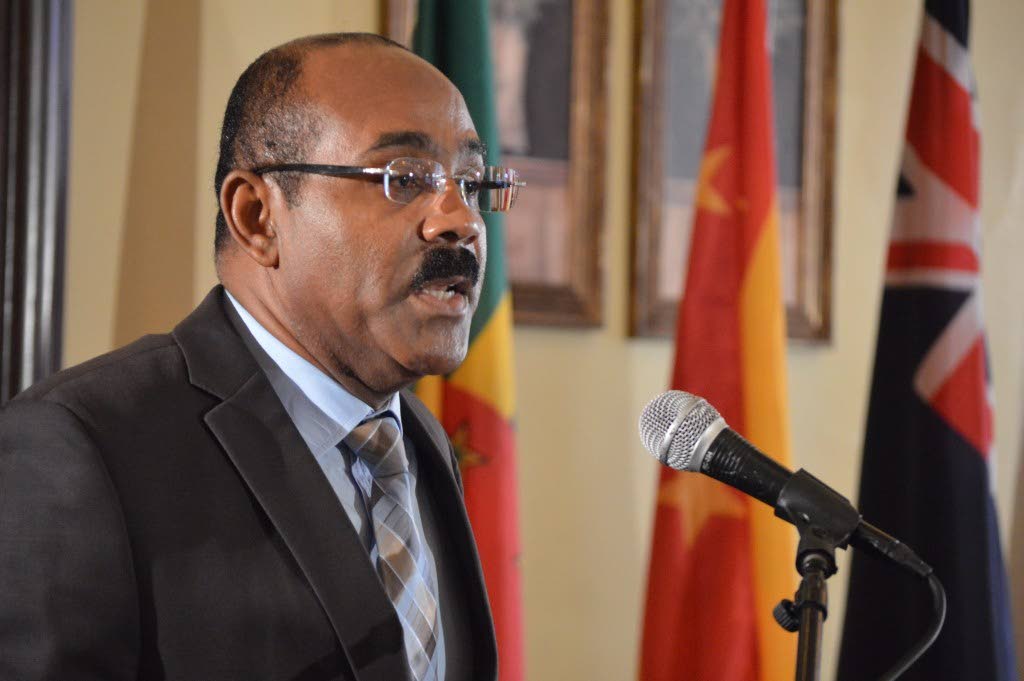
    A significant diplomatic dispute has emerged within the Caribbean Community (CARICOM) following contentious remarks by Trinidad and Tobago’s Prime Minister Kamla Persad-Bissessar, who characterized the regional bloc as “unreliable,” “dysfunctional,” and “self-destructive.” The statements have prompted a robust rebuttal from Antigua and Barbuda Prime Minister Gaston Browne, who presented compelling economic data challenging these assertions.

    Prime Minister Browne revealed that Trinidad and Tobago generated over US$1.1 billion in foreign exchange from trade with CARICOM nations during 2024 alone. This substantial revenue stream comprised approximately US$784.7 million in domestic exports and US$501.3 million in re-exports to fellow member states. The figures position CARICOM as Trinidad’s second-largest export market, surpassed only by the United States.

    The economic relationship has proven remarkably advantageous for Trinidad, which has consistently maintained the largest merchandise trade surplus within CARICOM since the organization’s establishment in 1973. This unique position makes Trinidad the only member state to sustain a net positive trade balance with the community throughout its five-decade history.

    Browne emphasized that this favorable economic outcome has been facilitated by the Common External Tariff (CET) framework, under which CARICOM states apply protective tariffs on extra-regional imports to support Trinidad’s manufacturing sector. In 2024, member nations collectively sacrificed approximately US$142.7 million in potential customs revenue by sourcing goods from Trinidad under CET protection—an economic concession borne by Caribbean consumers in the spirit of regional solidarity.

    The 2024 Review of the Economy for Trinidad confirmed these patterns, reporting a trade surplus of $4,915 million with CARICOM countries during the nine-month period ending June 2024, with exports totaling $5,947.5 million from October 2023 through June 2024.

    Beyond economic cooperation, Browne highlighted CARICOM’s crucial role in addressing regional security challenges. He noted that Trinidad faces some of the Caribbean’s highest levels of organized crime, and regional cooperation through CARICOM security mechanisms, intelligence sharing, and coordinated law-enforcement initiatives has been essential to the response. Antigua and Barbuda, like other member states, has consistently supported these collective security efforts.

    The Antiguan leader framed CARICOM as a partnership rooted in shared history, bloodlines, struggle for independence, and a collective determination that small states are stronger when they act together. While acknowledging each nation’s sovereign right to conduct bilateral relations, Browne asserted that no member should question another’s legitimate engagement with international partners on matters affecting its citizens.

    Browne categorically rejected Persad-Bissessar’s claim that Antiguan leaders had “bad-mouthed” the United States, stating that no evidence exists to support this assertion. He highlighted Antigua and Barbuda’s record of close collaboration with the US, including constructive engagement on security matters, immigration, and consistent cooperation in multilateral forums such as the UN and Organization of American States.

    The Prime Minister concluded that respectful dialogue with international partners does not constitute subservience, nor does regional consultation represent disloyalty. This balanced approach, he argued, has served the region well for decades and should not be undermined by divisive rhetoric when facts clearly demonstrate the value of interdependence.

  • OECS defends CBI programmes in Eastern Caribbean

    OECS defends CBI programmes in Eastern Caribbean

    CASTRIES, St. Lucia – The Organisation of Eastern Caribbean States (OECS) Commission has confirmed its member nations are engaged in substantive technical discussions with United States authorities regarding their Citizenship by Investment (CBI) programs. These dialogues follow recent tensions sparked by US immigration policy announcements affecting two Caribbean nations.

    The OECS Commission emphasized that negotiations have been characterized by frankness and solution-oriented approaches. Member states with active CBI programs – Antigua and Barbuda, Dominica, Grenada, St. Lucia, and St. Kitts and Nevis – have demonstrated significant progress in enhancing due diligence protocols, improving information sharing mechanisms, and establishing a regional independent regulatory authority to ensure compliance with international standards.

    This development comes after the Trump administration initially announced partial travel restrictions targeting Antigua and Barbuda and Dominica effective January 2026, citing security concerns related to their citizenship programs. The policy has since been suspended following diplomatic engagement.

    The Commission highlighted the critical importance of CBI programs for small island developing states, describing them as essential, non-debt-creating instruments that finance resilience-building, disaster adaptation, and sustainable development initiatives. These programs have funded vital public investments in infrastructure, healthcare, education, and renewable energy projects.

    While acknowledging the sovereign right of nations to determine immigration policies, the OECS urged consideration of the unique vulnerabilities and limited economic options available to Caribbean states. The organization emphasized the deep economic interdependence between the Eastern Caribbean and the United States, noting longstanding trade, investment, and tourism relationships.

    The Commission expressed full solidarity with affected member states while highlighting the constructive role Caribbean diaspora communities have played in American society, particularly in healthcare, education, entrepreneurship, and public service sectors.

  • Appeal Court blocks Vincent Nelson’s bid to take case to Privy Council

    Appeal Court blocks Vincent Nelson’s bid to take case to Privy Council

    In a significant judicial development, the Trinidad and Tobago Court of Appeal has rejected convicted King’s Counsel Vincent Nelson’s application for conditional leave to appeal his 2019 corruption conviction. The three-judge panel comprising Justices Nolan Bereaux, James Aboud, and Ricky Rahim unanimously dismissed Nelson’s petition on December 19, determining the matter raised no substantive constitutional issues warranting further domestic consideration.

    Justice Bereaux, delivering the oral ruling, emphasized that the Director of Public Prosecutions’ decision to prosecute did not violate Nelson’s constitutional rights, noting that all due process safeguards were meticulously observed throughout the plea agreement proceedings. The court characterized Nelson’s application as merely procedural rather than constituting a final appeal against his conviction and sentence.

    The ruling follows a July decision where the appellate court found Nelson failed to demonstrate prosecutorial misconduct by the DPP and had substantially delayed filing his appeal. Justice Geoffrey Henderson, in the previous ruling, noted that Nelson—a UK-based tax attorney—voluntarily entered his plea agreement in 2019 and had ample opportunity to disclose any alleged promises or threats during original proceedings.

    Nelson pleaded guilty in June 2019 to conspiracy to commit corruption and money laundering charges stemming from a legal-fee kickback scheme. He received a $2.25 million fine in March 2020 after agreeing to testify against former attorney general Anand Ramlogan, SC, and former UNC senator Gerald Ramdeen. Those prosecutions were subsequently discontinued in 2022 when Nelson refused to testify pending resolution of a $95 million civil claim related to an alleged indemnity agreement.

    In his appeal arguments, Nelson contended that former attorney general Faris Al-Rawi had promised him immunity, a pardon, and payment of legal fees, leading him to provide self-incriminating statements under false pretenses. The court found these claims unsupported by sworn evidence from the attorney who allegedly conveyed the promises.

    The court also highlighted the extraordinary delay in Nelson’s appeal filing—submitted in October 2023, more than four years after conviction and three years after sentencing. Justice Henderson rejected Nelson’s explanations including illness and expectation of pardon as insufficient justification.

    Nelson’s legal team, led by Edward Fitzgerald, KC, argued their client acted as a confidential informant and only provided incriminating evidence after receiving assurances of protection. Fitzgerald asserted Nelson received £1 million days after giving his statement, suggesting he was ‘tricked’ by false promises.

    DPP representative Ian Benjamin, SC, countered that Nelson was a seasoned barrister who strategically entered the plea agreement and delayed challenging it for leverage. Benjamin emphasized that prosecutorial authority resides solely with the DPP and pardon powers rest with the Mercy Committee, not the attorney general.

    Nelson has not yet paid the imposed $2.25 million fine and intends to seek special leave from the London-based Privy Council—TT’s final appellate court—following this domestic judicial setback.

  • Russia pledges ‘full support’ for Venezuela against US ‘hostilities’

    Russia pledges ‘full support’ for Venezuela against US ‘hostilities’

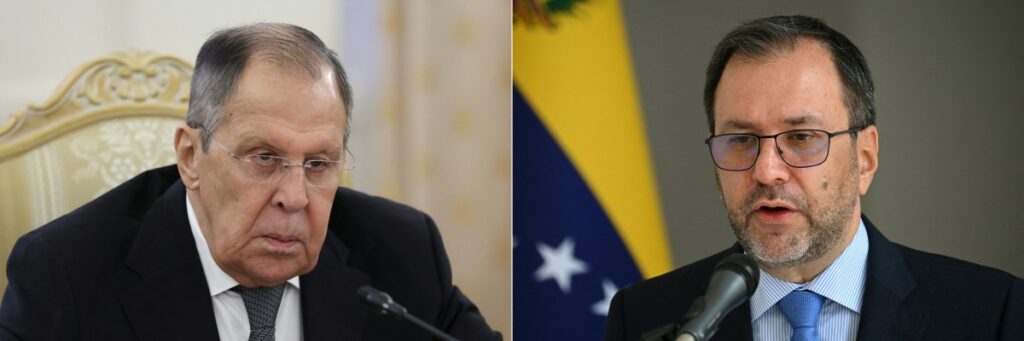
    CARACAS, Venezuela — Russia has declared its unequivocal backing for Venezuela’s government as it faces an intensified US naval presence and economic blockade in the Caribbean waters. This demonstration of solidarity occurred during a high-level telephone discussion between Russian Foreign Minister Sergei Lavrov and his Venezuelan counterpart Yvan Gil on Monday.

    The diplomatic exchange focused on Washington’s recent military maneuvers, including the seizure of two Venezuelan oil tankers and the ongoing pursuit of a third vessel. US authorities have justified these actions as part of their counter-narcotics operations, though specific evidence remains undisclosed.

    According to the Russian Foreign Ministry, both ministers expressed profound concern regarding US escalation in the Caribbean, warning that such aggressive posturing could destabilize regional security and jeopardize international maritime commerce. The Russian government further emphasized its unwavering support for Venezuela’s leadership and citizens amid the mounting pressure from Washington.

    The confrontation intensified on December 16 when US President Donald Trump announced a blockade targeting Venezuela’s oil shipments, accusing the Maduro administration of utilizing petroleum revenues to fund criminal activities including drug trafficking and terrorism. President Trump notably asserted American claims to Venezuela’s nationalized oil resources, demanding their return.

    Venezuela has condemned US actions as acts of ‘international piracy’ and alleges Washington is pursuing regime change objectives. In response, Caracas has sought international diplomatic intervention, successfully securing a UN Security Council meeting scheduled for Tuesday to address what it characterizes as US aggression.

    The Moscow-Caracas alliance has committed to coordinated action within international forums, particularly the United Nations, to reinforce principles of national sovereignty and non-interference in domestic affairs. This developing situation represents another flashpoint in the ongoing geopolitical competition between global powers, with Russia and China supporting Venezuela against US sanctions and military pressure.

  • A case of too little, too late

    A case of too little, too late

    A scathing editorial letter has exposed a deepening political crisis in Trinidad and Tobago, accusing Prime Minister Kamla Persad-Bissessar’s administration of compromising national sovereignty and facilitating US military operations against Venezuela. The critique characterizes the government’s recent denials regarding involvement in Venezuelan oil tanker blockades as “facetious and duplicitous” amid compelling evidence of collaboration.

    According to the analysis, the Persad-Bissessar government has systematically supported US military escalation since September through multiple consequential actions. These include granting US military forces access to Trinidadian airspace and territory for logistical operations, effectively breaking with decades of non-aligned foreign policy tradition. The government has additionally permitted the establishment of US radar systems in Tobago capable of tracking and targeting missiles, transforming the nation from neutral observer to active participant in regional conflict.

    The most severe allegations involve complicity in approximately 100 extrajudicial killings resulting from US attacks on vessels in Caribbean and Pacific waters. International condemnation of these actions potentially exposes Trinidad and Tobago officials to prosecution before the International Criminal Court for alleged war crimes.

    Despite prime ministerial assertions of pursuing “TT-first” policies, evidence suggests both domestic and foreign policy are being dictated by US interests. This sovereignty surrender has potentially made the nation a legitimate military target in the US-Venezuela conflict while compromising citizen safety and economic stability. The editorial concludes with an urgent call for public opposition to these developments and demands restoration of Trinidad and Tobago’s independent status and the Caribbean’s peace zone designation.