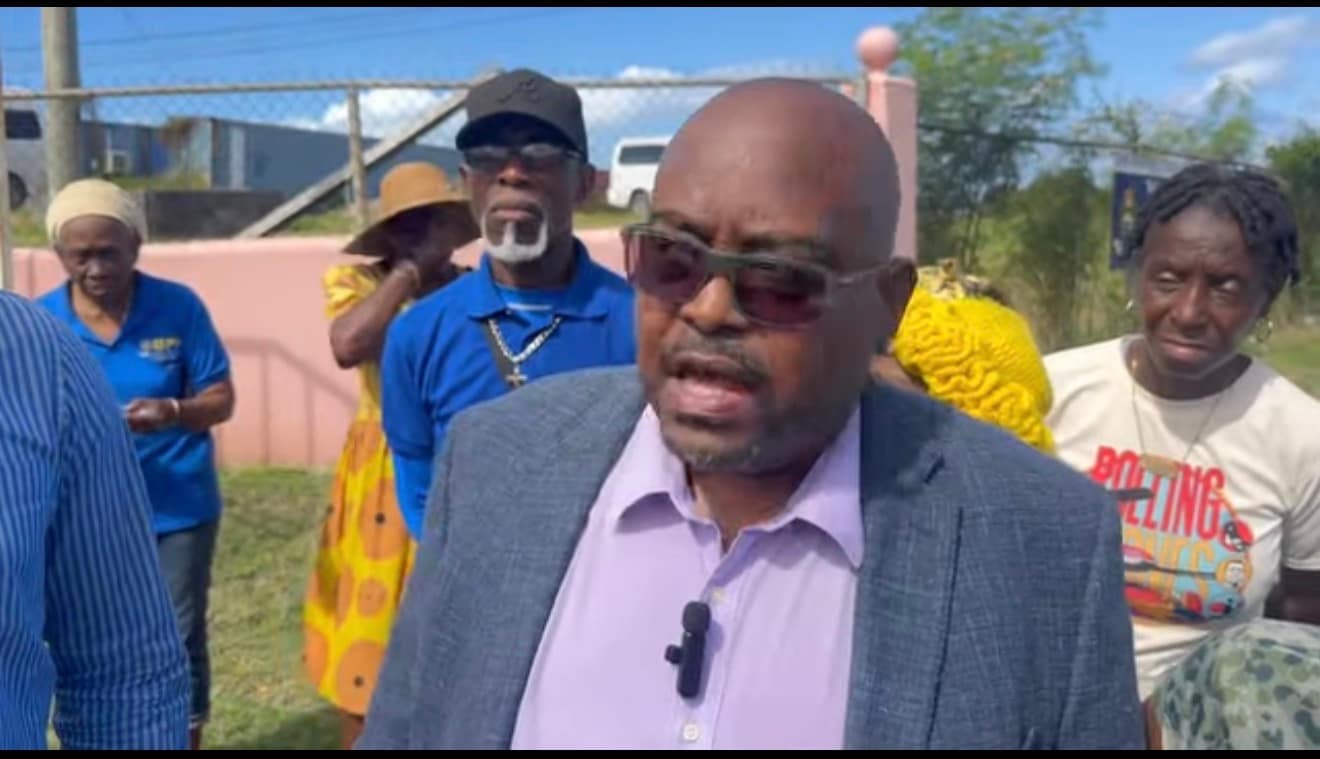
A legal representative has officially confirmed that their client was subjected to formal questioning by authorities concerning allegations of incitement. The individual, identified as Pringle, was interrogated as part of a preliminary investigation into potential violations of laws pertaining to the provocation of public disorder. While the specific statements under scrutiny remain confidential due to the ongoing nature of the proceedings, the legal counsel emphasized that the interrogation was conducted within the framework of standard judicial procedures. This development highlights the ongoing legal and governmental efforts to address speech that may be interpreted as encouraging unlawful activities. The case has drawn attention to the delicate balance between freedom of expression and maintaining public order, a subject of continuous debate in democratic societies. Further legal steps are anticipated pending the review of evidence gathered during the initial investigative phase.
分类: politics
-
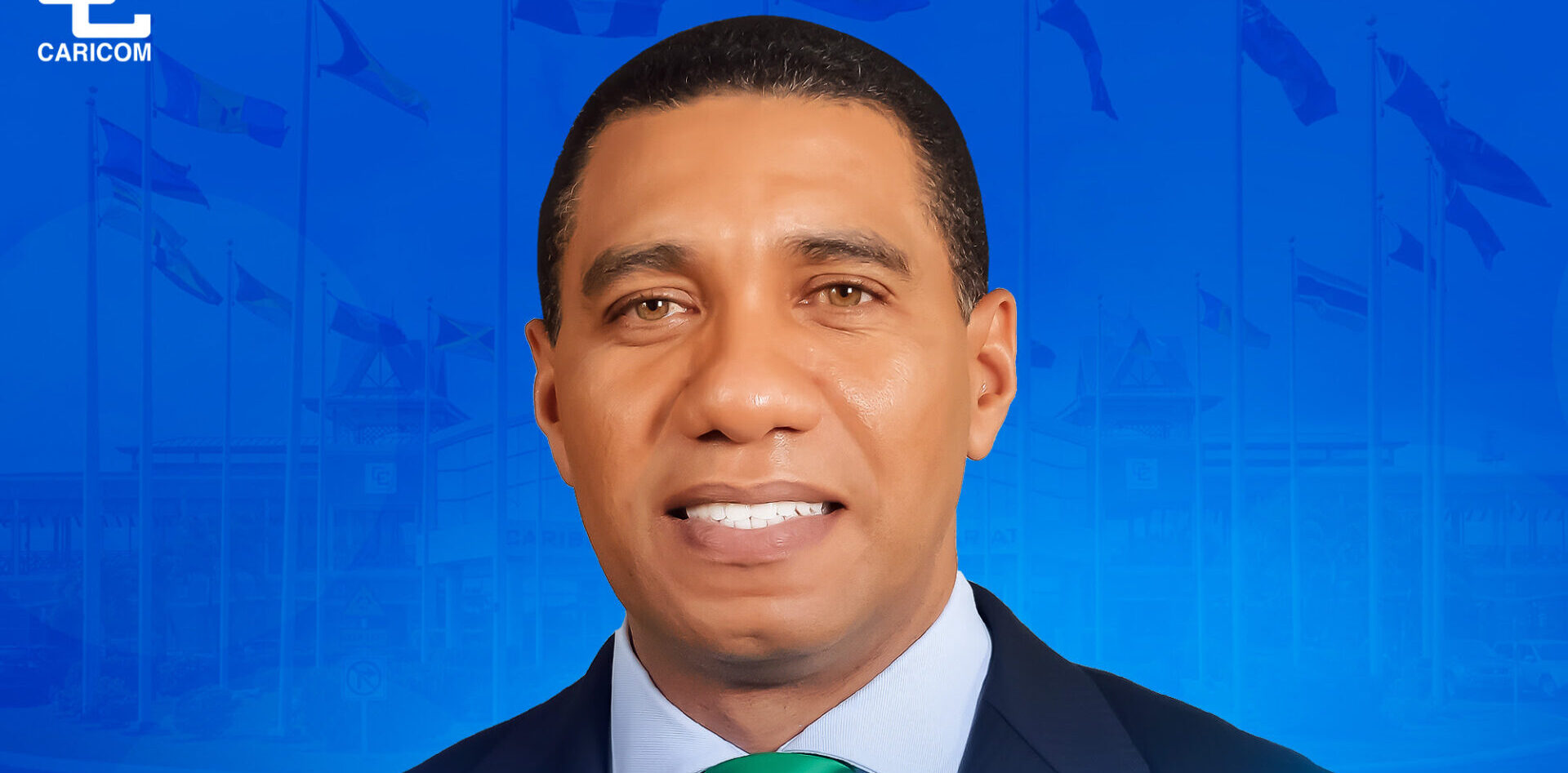
STATEMENT: End of year message – Outgoing chair of the Caribbean Community (CARICOM) Dr the Most Honourable Andrew Holness, Prime Minister of Jamaica
In her concluding address as Chair of the Caribbean Community (CARICOM), Jamaica’s Prime Minister reflected on a period of significant regional achievement and collective resilience throughout 2025. The Caribbean nations demonstrated remarkable solidarity while confronting the catastrophic impacts of Hurricane Melissa, with international and regional support underscoring the fundamental strength of their regional alliance.
CARICOM achieved historic milestones in regional integration with four member states—Barbados, Belize, Dominica, and St. Vincent and the Grenadines—implementing full free movement of persons effective October 2025. This ‘concentric circles’ model enables progressive integration while permitting other nations to join when prepared.
Amid shifting global trade dynamics, CARICOM successfully safeguarded its economic interests through coordinated advocacy with the CARICOM Private Sector Organization and strategic international partners. Enhanced air connectivity and trade initiatives further strengthened regional food security and economic cooperation.
On the global stage, CARICOM maintained a unified voice through high-level engagements at the United Nations General Assembly, G20 Summit, and CELAC-EU Summit. The Conference addressed emerging security challenges through the Montego Bay Declaration on Transnational Organized Crime and Gangs, recognizing the intrinsic link between security and sustainable development.
While COP30 reaffirmed multilateral commitments to climate action, outcomes failed to adequately address the urgent needs of Small Island and Low-lying Coastal Developing States. CARICOM remains steadfast in its commitment to the 1.5°C goal and acknowledged the critical work of regional agencies in climate resilience and disaster management.
The Community advanced strategic partnerships with Africa through the Second Africa-CARICOM Summit, fostering collaboration on trade, investment, and global advocacy including reparations. CARICOM sustained its advocacy for Haiti, supporting international efforts toward stability and anticipating free elections in 2026.
CARICOM reaffirmed its commitment to maintaining the Caribbean as a Zone of Peace, grounded in respect for international law and peaceful conflict resolution. While acknowledging occasional divergent perspectives among sovereign members, the Community emphasized that institutional mandates and people-to-people connections remain unwavering.
As geopolitical landscapes evolve, CARICOM will continue navigating international challenges through clarity, cohesion, and adherence to shared principles of sovereignty and diplomatic engagement. The outgoing Chair expressed confidence in the Community’s enduring strength and optimistic outlook for regional cooperation under new leadership.
-
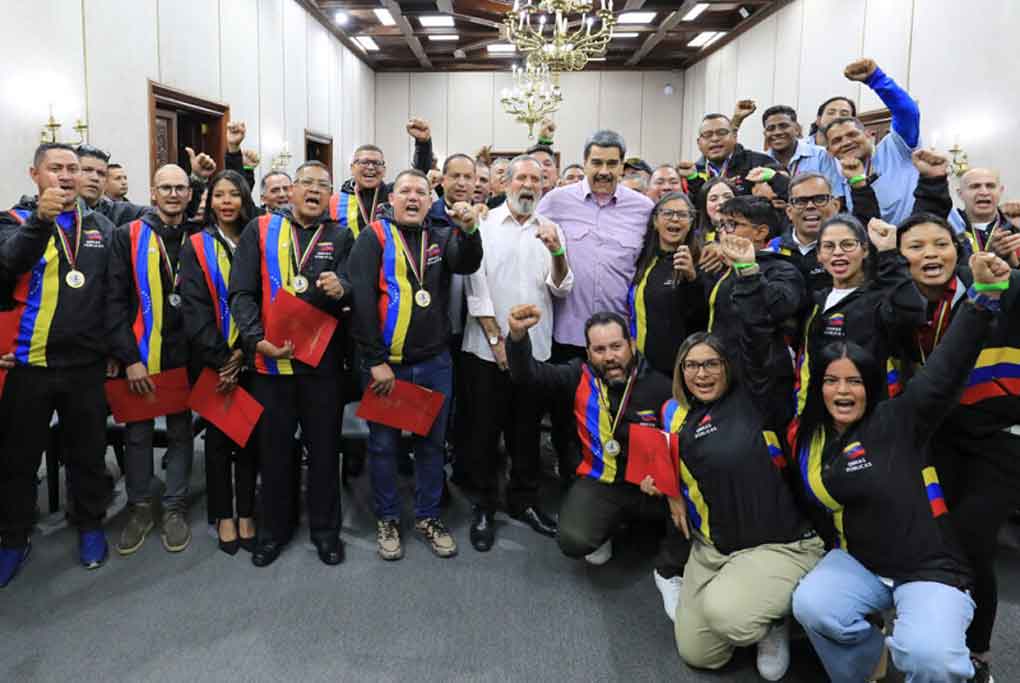
Cuba and Venezuela, a solid foundation for regional unification
President Nicolás Maduro of Venezuela has formally recognized the Cuba-Venezuela International Brigade with the nation’s prestigious Antonio Jose de Sucre Order of Merit for Builders of the Homeland. The ceremony, held at Miraflores Palace, celebrated the brigade’s critical role in repairing extensive damage across multiple provinces following Hurricane Melissa’s devastating path.
The multidisciplinary team of Cuban specialists, comprising experts from electrical, transportation, and public works sectors, spent several weeks engaged in intensive recovery operations. Their deployment demonstrated exceptional technical capability and humanitarian commitment in restoring essential infrastructure and services to affected communities.
During the official proceedings, Maduro characterized the brigade’s contribution as “profoundly inspiring” and underscored the “unquestionable brotherhood” between Caracas and Havana. He articulated a vision of international relations founded on solidarity rather than conflict, identifying Cuba as the “world champion of solidarity” for its six-decade history of providing technical and medical assistance across Africa, Asia, and Latin America.
The Venezuelan leader further articulated that both nations share a mission to demonstrate that the future of the Western Hemisphere must be built upon cooperation rather than “war, military threats, colonialism, or slavery.” He concluded with a firm declaration that the Cuba-Venezuela alliance represents an indestructible bond capable of overcoming all adversities to ensure victory prevails.
-
Puerto Rico’s pro-independence initiative gains support in Congress
Puerto Rican advocacy groups within the United States are spearheading groundbreaking legislation that would establish a status referendum explicitly prohibiting full annexation of the Caribbean territory—a prospect vehemently opposed by former President Donald Trump. This legislative initiative, rooted in the philosophical traditions of Puerto Rican intellectual Eugenio Maria de Hostos, emphasizes independence as a democratic and inclusive process requiring recognition of all Puerto Ricans’ will, including the substantial diaspora community.
The Hostosian National Independence Movement (MINH), represented by National Directorate member Jaime Inclán, asserts that any resolution regarding Puerto Rico’s political future must acknowledge the complete Puerto Rican nation beyond geographical boundaries. The organization’s leadership contends that principles of human dignity and popular sovereignty necessitate including diaspora voices in self-determination processes.
Demographic data reveals a striking reality: approximately 9 million people identify as Puerto Rican, with only 3.2 million residing on the island itself. This distribution results from multiple migration waves, including Washington’s explicit emigration encouragement policies during the 1940s and the devastating displacement following 2019’s Hurricane Maria, which forced approximately 600,000 citizens to relocate.
The MINH movement maintains that Congressional actions regarding Puerto Rico’s political status must formally recognize both the inherent right to self-determination and independence as a legitimate constitutional option, challenging over 120 years of colonial administration that began with U.S. acquisition in 1898.
-
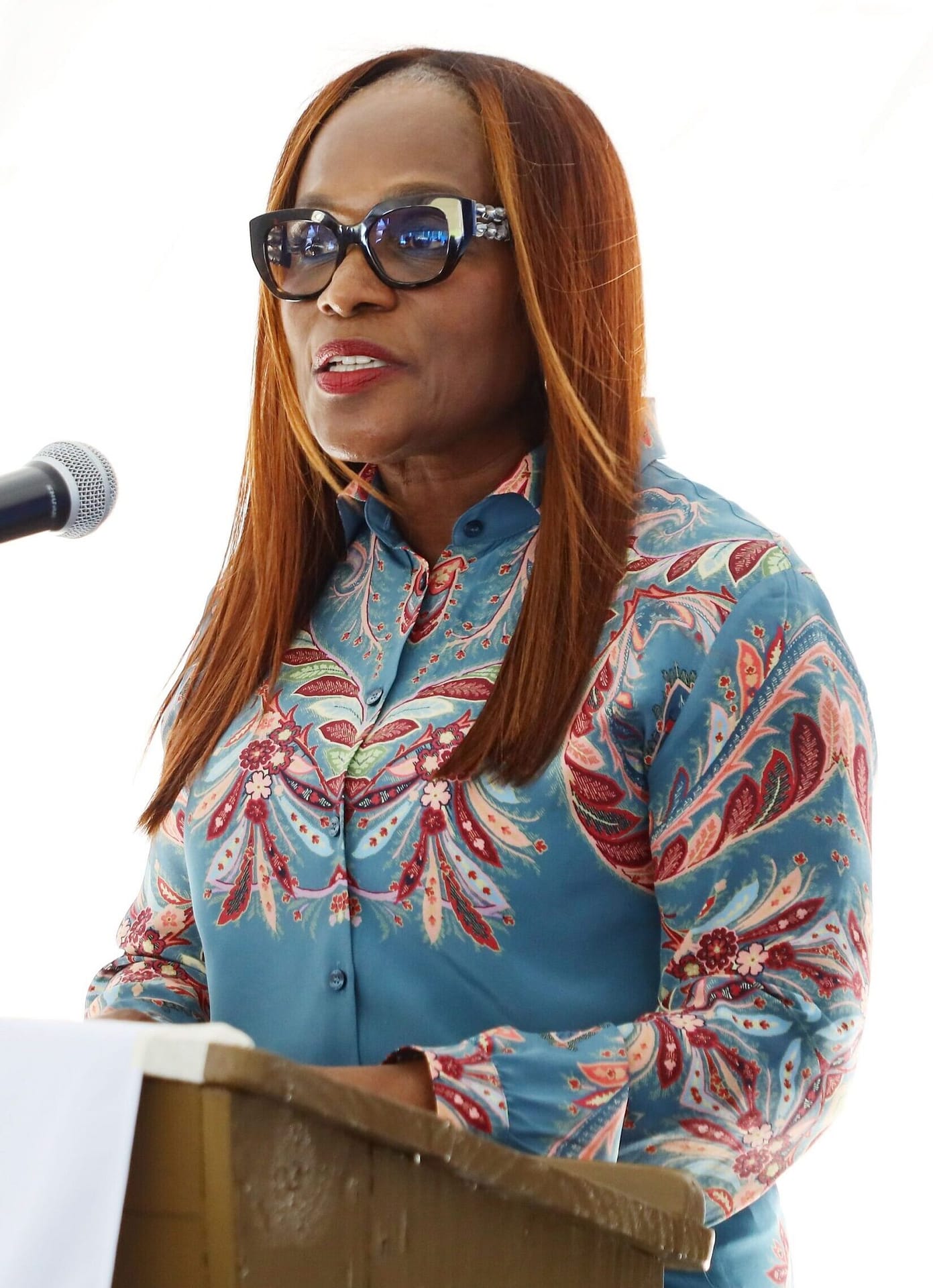
Trinidad and Tobago Works Minister Jearlean John Says Caricom Trade Remains Secure
Amid escalating regional tensions following critical remarks about CARICOM’s functionality, Trinidad and Tobago’s Minister of Works Jearlean John has delivered reassurances to manufacturers and exporters regarding the nation’s enduring trade relationships within the Caribbean Community. The minister’s comments come directly after Prime Minister Kamla Persad-Bissessar characterized the regional body as ‘dysfunctional,’ sparking strong reactions from fellow CARICOM leaders including Antigua and Barbuda’s Prime Minister Gaston Browne.
Addressing reporters during the inauguration of the St Mary’s Police Station, Minister John provided measured responses to concerns about potential economic repercussions for local businesses in the coming year. She characterized the government’s approach as ‘firm, purposeful, and intentional’ while explicitly denying any recklessness in their diplomatic communications.
The minister framed recent governmental statements as necessary reflections of realities requiring open discussion rather than expressions of hostility toward CARICOM partners. ‘These are things that have to be said by the government of Trinidad and Tobago. This is what people know, so they have to be said,’ John explained, while simultaneously emphasizing the nation’s fundamental commitment to regional unity.
John pointed to Prime Minister Persad-Bissessar’s personal history within the Caribbean region as evidence of Trinidad and Tobago’s genuine connections to CARICOM, noting her educational background in Barbados and professional experience in Jamaica. ‘She’s a Caribbean woman, and that’s why she’s in this role,’ the minister stated, framing the Prime Minister’s perspective as inherently regional rather than narrowly nationalistic.
Responding specifically to observations that Trinidad and Tobago benefits substantially from CARICOM trade arrangements, John acknowledged the nation’s strong export performance but reframed this success as a matter of competitive advantage rather than structural imbalance. She highlighted the quality and pricing of Trinidadian products as key factors driving regional demand, suggesting market dynamics rather than preferential treatment explain trade patterns.
The minister concluded with direct reassurances to business stakeholders concerned about market stability, expressing confidence that historical, familial, and qualitative factors would continue to sustain trade relationships. ‘We are very sure that, based on familial and historical ties, and the quality of what we do, we will continue to score big with CARICOM business,’ John affirmed, while adding a final message of solidarity: ‘I want to tell CARICOM—we love them. Of course, we are part of that network; we are from here.’
-
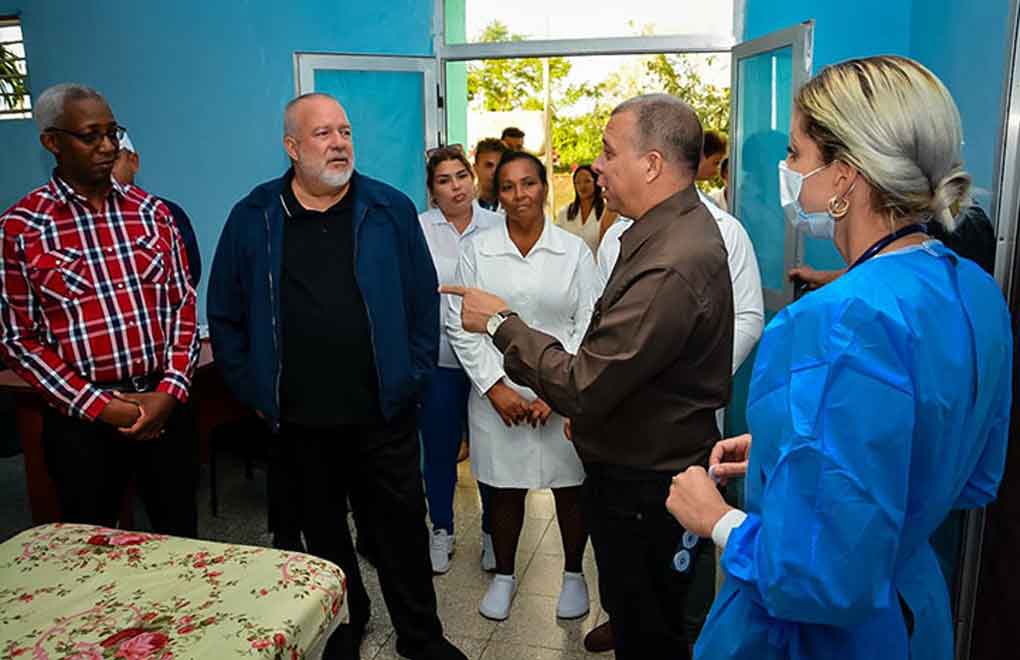
Cuba’s PM praises community contribution in hit disaster area
Cuban Prime Minister Manuel Marrero has publicly praised the remarkable recovery efforts in Holguín province’s municipality of Cacocum, following the devastating impact of Hurricane Melissa. Through official social media channels, Marrero highlighted the collective spirit that has driven the region’s rehabilitation, noting that the territory demonstrates “what can be achieved through unified community contribution.”
The Prime Minister’s visit included comprehensive inspections of several key social projects initiated in the aftermath of the natural disaster. He toured the pioneering Community Food Project in La Agraria settlement—the first such initiative in the province—which provides essential nutritional support to nine elderly residents and one vulnerable youth.
Marrero’s itinerary further encompassed the Expedicionarios del Corynthia semi-boarding school, an institution offering crucial assistance to over 198 mothers within the municipality. The educational facility represents Cuba’s commitment to supporting working families through state-sponsored childcare solutions.
Significant attention was given to the Solar Kit Sales Program, where the Prime Minister visited a beneficiary family home. This government initiative provides affordable solar energy solutions to low-income households, promoting sustainable energy access across economically challenged communities.
The Ruben Batista Rubio Polyclinic received particular emphasis during the tour, serving approximately 13,000 residents while maintaining the region’s sole intensive care unit. Marrero evaluated the medical facility’s capabilities and resource requirements following recent weather-related challenges.
Additional visits included the Miguel Gonzalez Intensive Garden agricultural project, the Municipal Government headquarters, and Plaza 2 de Diciembre. At the historic plaza, the Prime Minister participated in celebrations commemorating the 67th anniversary of the Cuban Revolution’s triumph in Holguín province, connecting contemporary recovery efforts with the nation’s broader revolutionary narrative.
-
COMMENTARY: A breach within CARICOM widens
The second administration of U.S. President Donald Trump has precipitated significant fractures within the Caribbean Community (CARICOM), testing bilateral relations while undermining regional cohesion. This geopolitical shift mirrors divisions witnessed during Trump’s first term regarding Venezuela policy, creating a tumultuous backdrop for Caribbean foreign relations with Washington.
The recent U.S. proclamation imposing partial entry restrictions on nationals of Antigua and Barbuda and Dominica exemplifies Washington’s scattershot approach to CARICOM relations. Though temporarily suspended following diplomatic engagement, this episode highlights the underlying tensions between cordial bilateral relations and fundamentally different visions of international governance.
A critical fracture emerged with Trinidad and Tobago’s political transition in April 2025. Prime Minister Kamla Persad-Bissessar’s government broke from CARICOM consensus by supporting increased U.S. military presence in the region through ‘Operation Southern Spear.’ This alignment with Washington marks a dramatic departure from Trinidad’s traditional foreign policy and has drawn criticism from regional partners.
The operation represents an escalation of U.S. pressure against Venezuela’s Maduro regime, targeting oil tankers carrying Venezuelan crude—a strategy with far-reaching implications for Caribbean energy security. Cuba and other nations reliant on Venezuelan shipments view these developments with particular concern.
Trinidad’s Foreign Ministry defends its cooperation, citing enhanced surveillance capabilities, joint military exercises, and successful narcotics interdiction efforts. The government has approved transit for U.S. military aircraft and installed American radar systems, framing these actions as beneficial to national security.
However, this position has sparked domestic criticism and regional backlash. Antigua and Barbuda issued a strongly worded statement criticizing Trinidad’s approach, prompting Persad-Bissessar to accuse CARICOM of aligning with ‘the Maduro narco government’ in social media posts that seemingly targeted a U.S. audience.
Most CARICOM members remain committed to traditional foreign policy principles emphasizing peace, multilateralism, and dialogue. The bloc’s October 2025 meeting reaffirmed these values, though Trinidad reserved its position, highlighting the growing divide.
Analysts suggest the Trump administration’s ‘Enlist and Expand’ strategy—dubbed the ‘Trump Corollary’ to the Monroe Doctrine—seeks to project U.S. hegemony throughout the Western Hemisphere. This ‘might makes right’ approach threatens to undermine CARICOM’s collective foreign policy effectiveness precisely when unity is most needed.
The fracture within CARICOM represents a significant departure from decades of coordinated foreign policy and threatens to weaken the bloc’s international standing if not effectively addressed by regional leaders.
-
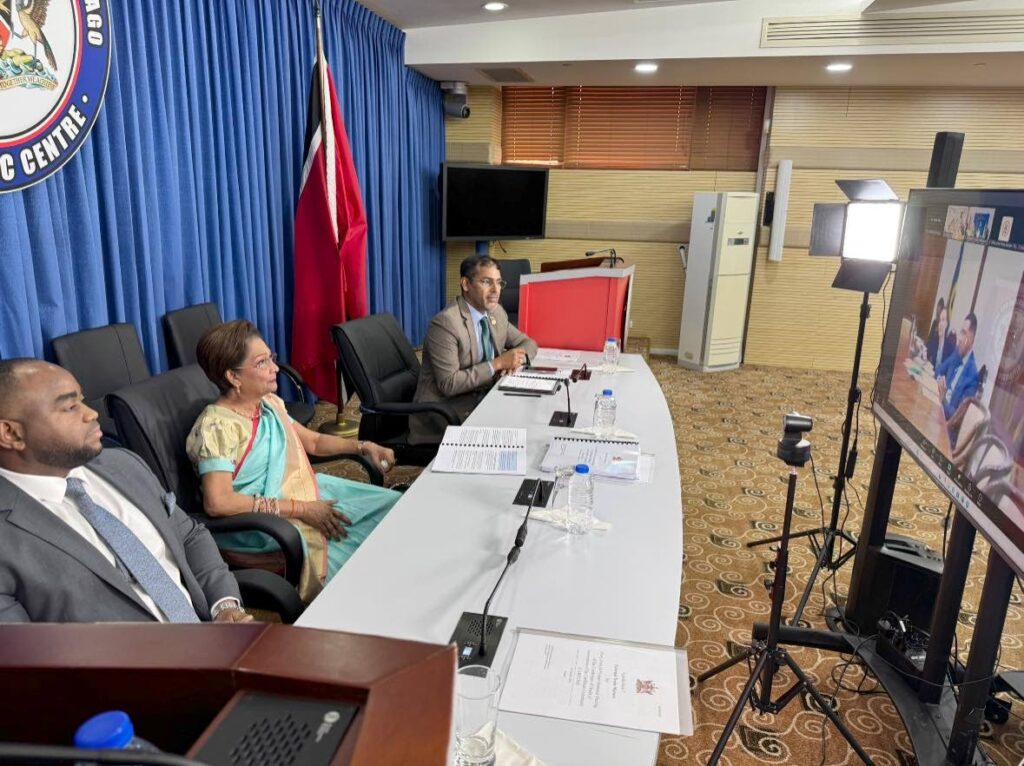
Caricom is a pointless enemy
Prime Minister Kamla Persad-Bissessar of Trinidad and Tobago has dramatically intensified her criticism of the Caribbean Community (CARICOM), characterizing the regional bloc as an “unreliable partner” and condemning it as a “dysfunctional and self-destructive” organization. This sharp rebuke emerged on Monday following CARICOM’s Bureau of Conference of Heads of Government suggesting diplomatic dialogue with the U.S. government after President Trump’s decision to restrict entry for citizens from Haiti, Antigua and Barbuda, and Dominica.
The Prime Minister controversially connected this call for discussion regarding altered U.S. access for Caribbean nationals with an implicit alignment to Nicolas Maduro’s Venezuelan government. This latest denunciation significantly amplifies her previous stance of reproaching CARICOM for its insistence on maintaining the Caribbean as a zone of peace. Her accusations were notably more blunt and direct than in prior statements.
In a remarkable declaration, PM Persad-Bissessar asserted that “the organization is deteriorating rapidly due to poor management, lax accountability, factional divisions, destabilising policies, private conflicts between regional leaders and political parties, and the inappropriate meddling in the domestic politics of member states.” This criticism is particularly striking given Trinidad and Tobago’s current role as CARICOM’s lead nation on energy, security, and cricket matters.
The nation’s historical significance to CARICOM adds further weight to these comments. Trinidad and Tobago was among the original signatories to the Treaty of Chaguaramas, effectively establishing the country as the birthplace of the CARICOM concept, and most recently hosted the organization’s 50th anniversary celebrations in 2023. This represents a dramatic reversal in position that member states are reportedly struggling to assess and address appropriately.
Initial responses from regional leaders have been notably cool. Antigua and Barbuda Prime Minister Gaston Browne highlighted that Trinidad and Tobago is a major regional trade partner, with estimated earnings exceeding US$1.1 billion from CARICOM trade in 2024 alone, positioning it second only to the United States. PM Browne pointedly noted that “Trinidad and Tobago faces some of the highest levels of organised crime in the Caribbean, and regional cooperation through CARICOM security mechanisms, intelligence sharing, and coordinated law-enforcement initiatives has been an essential pillar of the response.”
Barbados’ Foreign Affairs Minister Kerrie Symmonds has called for CARICOM leaders to convene “behind closed doors” to discuss the current diplomatic tension. Referring to the “uncompromising voice” within CARICOM discussions, Minister Symmonds advocated for dialogue amid regional uncertainty, though it appears unlikely he expects Trinidad and Tobago’s Prime Minister to participate.
This development raises significant questions about regional cooperation dynamics. As the U.S. military presence in the Caribbean is ultimately temporary, analysts suggest that Trinidad and Tobago should not predicate its economic future exclusively on increasingly unpredictable U.S. government relations. The current administration’s approach has demonstrated unreliability to its closest regional trade partners, a factor that will inevitably influence future diplomatic and economic negotiations within the Caribbean community.
-
![[UPDATED] Beckles: PM squeezing TT with hike in fines, fees](https://wp.caribscopeonline.com/wp-content/uploads/2025/12/fd92511194794ec6a78539b521854fd1.jpg)
[UPDATED] Beckles: PM squeezing TT with hike in fines, fees
Trinidad and Tobago’s political landscape has erupted in conflict as Opposition Leader Pennelope Beckles launched a scathing critique against Prime Minister Kamla Persad-Bissessar’s administration over sweeping fee increases set to take effect January 1. The controversial measures, published through legal notices on Christmas Day, encompass dramatic escalations in traffic penalties, customs declarations, and civil registry services.
Beckles characterized the government’s approach as a ‘reckless revenue-raising exercise’ designed to compensate for what she described as a ‘gaping revenue shortfall’ resulting from flawed oil price projections in the 2025/26 national budget. ‘The Government misled the nation on oil price projections, inflating expectations to US$70 per barrel when global prices now stand at US$56 per barrel,’ Beckles stated in her December 28 declaration.
The opposition leader particularly targeted the administration’s abandonment of its campaign commitments, noting that Persad-Bissessar had explicitly promised to reduce traffic fines while in opposition during a UNC cottage meeting in April 2024. ‘In 2024, while in Opposition, Kamla Persad-Bissessar promised the people a reduction in traffic fines. Now in government, she has done the exact opposite, betraying that promise and burdening citizens even further,’ Beckles emphasized.
The revised penalty structure demonstrates substantial increases across multiple categories. Traffic fines have predominantly doubled, with offenses such as seatbelt violations, helmet non-compliance, and mobile phone usage while driving now carrying $2,000 penalties instead of $1,000. Most strikingly, driving without valid insurance skyrockets from $1,000 to $10,000—a tenfold increase. Speeding penalties now feature tiered structures reaching up to $6,000 for exceeding limits by more than 31 km/h.
Beyond traffic enforcement, customs declaration fees jump from $40 to $80 per import entry, while container examination fees increase from $375 to $750 and $525 to $1,050 respectively. Civil registry services also face revised pricing, with late birth registration fees increasing to $40-$50 for children between 3-12 months and $100-$150 for registrations beyond one year.
Beckles dismissed the Prime Minister’s public safety justification for the traffic fine increases as ‘flimsy, baseless and misleading,’ arguing that the administration had deliberately abandoned the demerit points system designed to improve driver behavior in favor of purely financial penalties. She maintained that the timing and manner of implementation—during the holiday season and without legislative debate—demonstrated ‘poor governance and a disregard for the people.’
The opposition leader concluded with an urgent appeal for reversal, stating that ordinary families already struggling with economic pressures would bear the brunt of these measures. She demanded transparency regarding the nation’s financial status and called for the Prime Minister to ‘come clean with the nation about the true state of the country’s finances.’
-
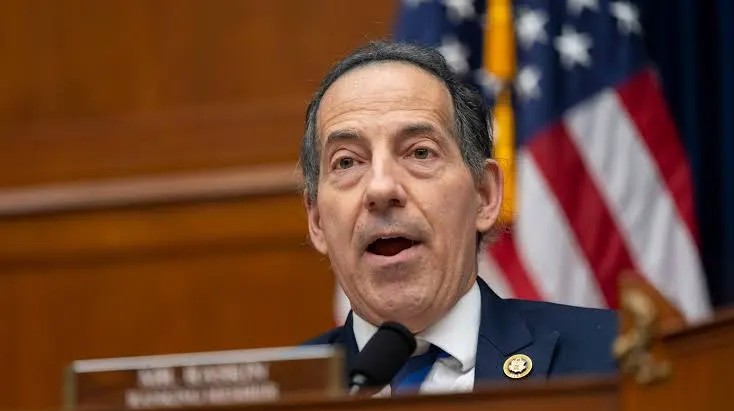
US lawmakers condemn Trump plan targeting Caribbean immigrant families
WASHINGTON, United States – Congressional leaders from both chambers have issued a forceful condemnation of the Trump administration’s proposed immigration rule that would penalize Caribbean and other immigrant families for utilizing legally accessible public benefits. The legislators submitted a formal regulatory comment to the Department of Homeland Security (DHS) opposing the “Public Charge Ground of Inadmissibility” rule, characterizing it as an unlawful reinterpretation of longstanding immigration statutes.
The bipartisan coalition, comprising senior members from judiciary and immigration subcommittees, argued that the proposal would fundamentally alter the 135-year definition of “public charge” without congressional authorization. The current interpretation applies only to individuals primarily dependent on government subsistence, while the new rule would expand this definition to include recipients of healthcare, nutritional, and housing assistance programs.
Lawmakers warned the policy would create chilling effects across immigrant communities, potentially causing families to avoid essential services despite their legal eligibility. They cited DHS’s own impact assessment acknowledging potential consequences including worsened health outcomes, increased poverty rates, housing instability, and greater emergency room utilization – effects that would extend beyond immigrant households to affect broader communities.
The congressional opposition highlights that federal agencies have historically recognized programs like Medicaid, SNAP, and housing assistance as supplemental benefits designed to promote public health and family stability. Legislators noted that Congress has deliberately preserved immigrant access to these programs through specific eligibility rules in recent legislation, including the 2025 reconciliation law.
Several New York City agencies have joined the criticism, amplifying concerns about the rule’s potential impact on public health and social welfare systems. The lawmakers have urged the administration to maintain the 2022 regulations which they assert better reflect congressional intent and protect vulnerable families from being penalized for using lawful assistance programs.