分类: politics

  • President-commissaris Scheek ziet grote uitdagingen bij TAS

    President-commissaris Scheek ziet grote uitdagingen bij TAS

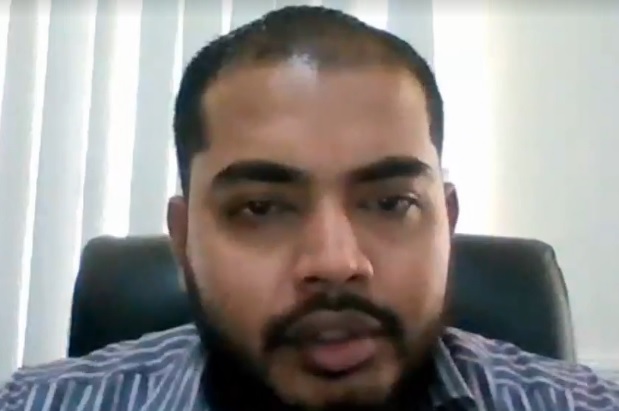
    On May 12, a key leadership appointment was formalized for one of Suriname’s most critical telecommunications regulatory bodies, marking a new chapter in the South American nation’s digital governance efforts. Emanuel Scheek has taken up the post of president-commissioner of the Telecommunicatie Autoriteit Suriname (TAS), during a shareholders’ general meeting held at the Presidential Cabinet.

    The installation ceremony was led by Raymond Landveld, Suriname’s Minister of Transport, Communication and Tourism, who stood in for President Jennifer Simons, who was unable to attend the event. In his remarks at the ceremony, Minister Landveld underscored the outsized regulatory importance TAS holds for Suriname’s fast-evolving telecommunications sector. He noted that both TAS and national telecom provider Telesur rank among the government’s core strategic institutions for the country’s digital ecosystem, emphasizing that TAS carries the formal mandate to oversee operations of Telesur and every other private and public telecommunications company operating across Suriname.

    Beyond routine market oversight, Landveld confirmed that the Surinamese government has tasked TAS with a high-priority additional responsibility: contributing substantially to the drafting and preparation of a landmark new electronic communications law. The new regulatory framework is designed to keep pace with rapid technological advancements reshaping the global and local telecom sector, updating outdated rules to match current industry realities, and TAS will bring its on-the-ground regulatory expertise to shape fit-for-purpose legislation and sector standards.

    In his first public remarks following his appointment, Scheek acknowledged the heavy workload ahead for the agency and his new leadership role, but expressed confidence that collaborative work centered on national interests will deliver tangible progress. “There is a great deal of work waiting to be done. But I am certain that if we work together and put national interest first, we will overcome the challenges ahead,” Scheek told attendees.

    The new TAS chief noted he did not accept the position lightly, saying the immediate coming months will be dedicated to aligning goals with TAS’s governing board, setting clear institutional priorities, and mapping out a strategic path forward. “The goal is for me to contribute my part in my own way, and we will adapt as developments unfold,” he added.

    Scheek also highlighted that he has existing professional ties with multiple members of the TAS board, having collaborated with them on prior initiatives. This existing working relationship, he said, creates a strong foundation to advance the shared goal of strengthening TAS as an independent, effective regulatory authority for Suriname’s telecom sector. “I look forward to a productive collaboration, so that we can deliver strong results and ensure TAS truly lives up to the standard of the authoritative regulatory body it is meant to be,” Scheek said.

  • Pringle Says UPP Will “Regroup and Come With Force” After Return as Opposition Leader

    Pringle Says UPP Will “Regroup and Come With Force” After Return as Opposition Leader

    Fresh off his formal appointment as Opposition Leader of Antigua and Barbuda, Jamale Pringle has announced that the United Progressive Party (UPP) is launching a full-scale rebuilding effort, promising to return to the political arena with renewed force after the party’s defeat in the April 30 general election.

    Pringle received his official instruments of appointment from Governor General Sir Rodney Williams during a ceremony at Government House on Monday, and spoke immediately after with ABS Television to lay out his agenda for the coming parliamentary term. In the interview, he framed the UPP’s next chapter as focused on regaining lost public trust, with a far more assertive presence in parliamentary proceedings than in previous cycles.

    “We have to rebuild the confidence of the people of this nation,” Pringle said. “Under my leadership, both as Opposition Leader and head of the party, I am committed to getting our team regrouped and coming forward with force to earn back the public’s trust.” Pringle shared that he felt both humbled and elated to return to this constitutional role, noting he had been away from parliamentary work for a period.

    For constituents, Pringle pledged a new standard of advocacy: “The public can expect representation with greater force — the aggressive, unflinching representation that they deserve.” He emphasized that this second tenure as Opposition Leader, which follows his first term after the 2018 general election, will look markedly different from his first stint in the role.

    Reflecting on his entry into national politics in 2018, Pringle acknowledged he was a political novice when he first took on the post of Opposition Leader straight after winning his seat. “When I started in 2018, I was literally a rookie,” he said. “It was my first time ever serving in the House of Parliament, let alone stepping into the huge responsibility of Opposition Leader. That experience shaped me, both as a politician and a person, over the last several years.”

    With that on-the-job training behind him, Pringle said he has grown from strength to strength with public support, and is ready to deliver bolder leadership for the opposition. He also detailed the reasoning behind the UPP’s recent Senate appointments, which prioritized bringing new voices into the Upper House while retaining seasoned institutional knowledge.

    Pringle pointed specifically to newly appointed Senator Chester Hughes, a long-time workers’ rights advocate with prior parliamentary experience, as a standout addition to the caucus. “He has been an unwavering advocate for the working class, and a formidable presence in parliamentary debates, which is why we tapped Brother Chester Hughes to serve,” Pringle explained. The mix of new perspectives, seasoned experience, and intellectual depth across the appointed senators will allow the opposition to match the strength of its lower house caucus in the Senate, he argued.

    The UPP’s current Senate opposition team includes Ashworth Azille, Jonathan Wehner, and Chester Hughes, with Senator-designate Malaka Jones set to be sworn in at a later date after missing Monday’s ceremony due to ongoing travel commitments. Pringle extended congratulations to all four incoming senators, thanking them for their commitment to keeping the UPP a vibrant, relevant force in Antigua and Barbuda’s political landscape following the election loss.

    “Our goal with these appointments is to guarantee true, full representation for the people of Antigua and Barbuda across both chambers of Parliament,” Pringle added, expressing optimism that the new caucus will deliver impactful contributions that advance the opposition’s mandate.

  • UN Youth Advisory Group Congratulates Antigua and Barbuda’s Youngest Senator

    UN Youth Advisory Group Congratulates Antigua and Barbuda’s Youngest Senator

    A new chapter of youth representation in Caribbean governance has opened after 22-year-old youth advocate Shaquan O’Neil was appointed to the Senate of Antigua and Barbuda, earning formal congratulations and historic recognition from the United Nations Youth Advisory Group.

    O’Neil, who already serves as both a member of the UN Youth Advisory Group and Antigua and Barbuda’s National Youth Ambassador, has built a years-long track record of amplifying the priorities and perspectives of young people across the Caribbean region. Following the country’s April 30 general election, he was selected to fill a seat in the Upper House as part of the newly formed government’s Senate lineup.

    In an official statement, the UN Youth Advisory Group highlighted the milestone nature of O’Neil’s appointment, noting that it marks a breakthrough for bringing youth voices directly to the highest tiers of national decision-making. The organization praised O’Neil’s consistent leadership, his unwavering commitment to public service, and his track record of centering youth needs in advocacy work. It also expressed firm confidence that he will build on his past work to continue inspiring and lifting up young communities across the entire Caribbean region.

    O’Neil’s selection has drawn significant attention across Antigua and Barbuda and the broader Caribbean, driven both by his status as a young leader entering national office and his well-documented history of centering youth issues in public life. The appointment is being widely watched as a test case for greater youth inclusion in regional governance.

  • Youth Parliament Association Congratulates Jonathan Wehner on Senate Appointment

    Youth Parliament Association Congratulates Jonathan Wehner on Senate Appointment

    In a formal ceremony held at Government House this past Sunday, 24-year-old Jonathan Wehner was officially sworn in as a new Opposition Senator, drawing a message of congratulations and strong endorsement from the National Youth Parliament Association of Antigua and Barbuda (NYPAAB), the organization that helped shape his early political training. Wehner stands out as one of the youngest individuals ever to secure a seat in Antigua and Barbuda’s Upper House of Parliament, earning his appointment following the 2026 general election that reshuffled the country’s opposition legislative roster.

    Long before his official appointment to national office, Wehner cut his political teeth through NYPAAB programming, cutting his teeth participating in the organization’s youth-led parliamentary debates and hands-on leadership development initiatives. This prior connection has made the association particularly vocal in its support for his new role, releasing an official statement expressing unwavering confidence in his capabilities as a incoming legislator.

    In the statement, NYPAAB noted that it is convinced Wehner will bring the strong personal and professional qualities he cultivated through youth programming to his work in the Senate, enabling him to deliver tangible, meaningful contributions to national legislative discourse. The organization shared that it is eager to watch the new senator carve out meaningful progress and advance key priorities during his tenure in the upper chamber. NYPAAB also offered guidance for Wehner as he steps into this new public role, encouraging him to remain steadfast in his commitments and grounded in humility as he takes on legislative responsibilities. The association further confirmed that it will continue to stand behind Wehner throughout his term, providing ongoing organizational support as he navigates his work as a young opposition legislator.

  • New Senator Jonathan Wehner Pledges Focus on Youth Issues, Cost of Living and Accountability

    New Senator Jonathan Wehner Pledges Focus on Youth Issues, Cost of Living and Accountability

    At a swearing-in ceremony held Monday at Antigua and Barbuda’s Government House, 24-year-old Jonathan Wehner took office as one of the newly appointed Opposition senators, bringing a fresh, youth-centered agenda to the country’s Upper House of Parliament. Fresh off formally accepting his legislative post, Wehner laid out his policy and legislative priorities in an exclusive interview with ABS Television, framing his tenure as a commitment to elevating young voices across the twin-island nation.

    Wehner made clear that his work in the Senate will center on pushing for tangible action on the critical issues that hit young Antiguans and Barbudans the hardest, including access to affordable high-quality healthcare, expanded educational opportunities, robust youth employment programs, and policy interventions to curb the skyrocketing cost of living. “In Parliament, I will be a voice for youth, an advocate for youth, across every issue that touches young people across our country,” he explained. “Whether it is healthcare, education, employment, or rising living costs, young people deserve representation that shows up for their needs.”

    Beyond his policy priorities, Wehner emphasized that he intends to move beyond petty partisan rivalry to focus on solving pressing national challenges, rejecting the common political tactic of scoring points at the expense of public good. He described his unexpected appointment to the Senate as a deeply humbling milestone, and extended public gratitude to Opposition Leader Jamale Pringle and the United Progressive Party for putting their trust in a young, emerging political leader.

    Opening the interview with a show of cross-party goodwill, Wehner publicly congratulated the incumbent government on its victory in the April 30 general election, noting that the final result reflected the clear will of Antigua and Barbuda’s voters. “The government has won, the people have spoken, and we must all listen to the voice of the people,” he said. Wehner pushed back against the common misconception that the role of an opposition legislator is simply to block government action, arguing instead that the Opposition’s core responsibility is to enforce government accountability and advance shared national progress. “It is our job to hold the government accountable, keep their feet to the fire, to ensure we deliver a better future for all of Antigua and Barbuda,” he noted. “This is never about party colors. It is always about moving our country forward.”

    Wehner also credited the wide network of supporters, family members, and party leaders who helped him build his political career, stressing that his appointment to the Senate was not a solo achievement. He noted that the United Progressive Party gave him multiple opportunities to grow as a leader, including roles as an executive committee member and acting public relations officer, and he owed a deep debt of gratitude to the party and its leadership for his journey to the Upper House.

    In a notable gesture of cross-party respect, Wehner also extended congratulations to Shaquan O’Neil, the newly sworn-in government senator who made history at 22 as the youngest senator in Antigua and Barbuda’s history. Wehner revealed that O’Neil is a close personal relative, and argued that political differences should never stand in the way of celebrating achievement and extending mutual respect. “Even though we are on different sides of the political aisle, it is still important to congratulate him on this milestone,” he said. Wehner also singled out Senator Colin O’Neil for special thanks, calling him one of his biggest supporters and most influential encouragers throughout his political career.

    Wehner was one of three opposition senators sworn in during Monday’s ceremony, joining fellow legislators Ashworth Azille and Chester Hughes. A fourth opposition senator-designate, Malaka Parker, was unable to attend the event due to ongoing international travel, and will be sworn in at a formal ceremony at a later date.

  • Wurggreep van mamio-regeringen: Na suiker, bauxiet, goud en offshore olie geen ontwikkeling!

    Wurggreep van mamio-regeringen: Na suiker, bauxiet, goud en offshore olie geen ontwikkeling!

    Suriname remains trapped in a neocolonial stranglehold under what commentator Jack Menke terms “mamio-regeringen” — coalition governments that prioritize patronage over national progress, perpetuating what is widely known as the resource curse across the small South American nation. Writing in a critical opinion piece published May 12, Menke argues that after decades of exploitation centered on sugar, bauxite and gold extraction, a new term of mamio-led government would put even the potential economic gains from offshore oil development completely out of reach for ordinary Surinamese people.

    Menke defines a mamio government as a fragmented “patchwork failure”: a loose coalition of competing political parties that never coalesce into a unified, functional administration with a clear development vision. According to his analysis, this pattern of failed coalition governance has repeated consistently across successive Surinamese administrations, dating back to the adoption of the country’s 1987 constitution. A troubling core dynamic, Menke notes, is that political parties have steadily accumulated more power over the decades even as public trust in these institutions has collapsed to near-zero among the Surinamese population.

    Legislative changes have only reinforced this imbalance of power, Menke argues. The 1988 Political Organizations Act, the 2005 recall law, and the 2024 ban on pre-electoral coalitions have all consolidated control over government formation in the hands of large established parties and their financial backers. Smaller parties, which often maintain more robust internal democratic practices, have been systematically squeezed out of meaningful representation in the political system.

    Against this backdrop, state-owned enterprises (SOEs) have become a central locus of corruption, mismanagement and patronage, Menke says. The public has been repeatedly confronted with high-profile scandals in SOEs spanning agriculture, forestry and transportation sectors, yet almost all of these cases fade away without meaningful accountability after temporary, half-baked fixes from politicians and self-styled experts. While the current governing coalition inherits most of these conflicts from previous administrations, Menke documents that endless infighting, embezzlement and mismanagement persist across both governing coalition partners and opposition parties within the current system.

    At the root of the crisis, Menke explains, is the practice of dividing up leadership positions in government agencies and state-owned enterprises as political spoils for coalition party members, rather than appointing qualified, competent leaders. He outlines three core factors that sustain the “mamio curse” on Suriname’s SOE sector: first, the flawed legacy of pre-independence strategies that relied on unproductive state-owned entities and joint ventures with foreign multinational corporations; second, the failure to address systemic problems, which Menke attributes to short-term political self-preservation and competing economic interests that allow scandals to fester without resolution; and third, the ongoing pattern of visonless mamio governments leaving mountains of unresolved problems for successive administrations to muddle through. As of 2026, Menke notes, more than 150 Surinamese state-owned enterprises are effectively looted, drained and operating at a sustained loss. He points to the Suriname Landbouw Maatschappij (SLM) as a notable example: decades of chaos, mismanagement and financial scandal have left the state agricultural firm a poorly grounded experiment that continues to operate without any sustainable foundation.

    The exposed scandals that reach public attention are only the tip of the iceberg, Menke emphasizes: the entire mamio political system is structured to perpetuate itself, regardless of whether parties hold power in coalition or sit in opposition. The core function of a mamio government is the deliberate division of control over central government ministries, directorates, overseas diplomatic posts and SOEs, with positions filled by unqualified party loyalists and political opportunists seeking personal gain rather than public good.

    Menke argues that the long-term cost of clinging to this colonial-era economic model, which centers resource extraction as the core policy priority for all mamio governments, is stunted development and entrenched systemic inequality. By delaying progress on collective land rights while facilitating multinational exploitation along neocolonial lines, successive governments have fueled persistent conflict with Indigenous and Maroon communities across the country. The outsized legal power granted to political parties, combined with their deep ties to illegal activity, failing SOEs and private economic interests, blocks the formation of functional, productive coalitions and derails any path to sustainable national development. Even well-intentioned, honest government leaders are ground down by the system, Menke says, eventually falling back on counterproductive micromanagement within this rotten neocolonial political structure.

    In Menke’s view, there is only one path to meaningful development for Suriname: the entire existing political system must be fundamentally rebuilt. To achieve this overhaul, he argues that targeted extra-parliamentary pressure from the Surinamese public is the only viable lever for change. Menke outlines that voters frustrated with the status quo have multiple options to exercise their opposition: casting a regular ballot for change, submitting a blank protest vote, discarding their ballot or joining collective direct action to push for systemic reform.

  • If party faithful doesn’t get support, they will go elsewhere – Aubrey Armstrong

    If party faithful doesn’t get support, they will go elsewhere – Aubrey Armstrong

    On May 11, 2026, former senior People’s National Congress Reform (PNCR) figure Dr. Aubrey Armstrong delivered the annual Hugh Desmond Hoyte commemorative lecture in Guyana, issuing a stark warning to his former party and laying out enduring leadership lessons drawn from the life and tenure of the nation’s second executive president. The event, held to honor the legacy of the PNCR icon who led the party from 1985 until his death in 2002, came amid a years-long trend of high-profile PNCR members crossing the aisle to join the governing People’s Progressive Party Civic (PPPC).

    Opening his address, which carried the theme “Strategic transformation from charismatic/hero-centered leadership: Some lessons from the leadership journey of Hugh Desmond Hoyte,” Dr. Armstrong centered his first critical warning on the need to prioritize the well-being of the party’s grassroots supporters. He emphasized that failing to deliver tangible support to loyal voters creates an open invitation for rival parties to poach disillusioned members. “You have to take care of your people. You have to find ways of feeding them and so on. If not, you open the door for somebody else to poach them,” he told the assembled audience.

    Dr. Armstrong rooted this advice in Hoyte’s own actions immediately after the PNCR’s historic 1992 electoral defeat, the first loss of national power for the party after decades in office. He recalled that within days of the result, Hoyte directed internal party policy experts to draft four landmark policy frameworks, one of which focused on expanding equitable access to credit and mainstream financial services for low-income Guyanese. At the time, Dr. Armstrong explained, Hoyte argued that formal banks and insurance institutions had long systematically excluded working-class Black and Indo-Guyanese citizens, and expanding financial access was core to both supporting the party’s base and advancing national equity. This initiative, Dr. Armstrong noted, grew directly from Hoyte’s core principle that parties must actively care for their supporters immediately after losing power, not only when holding office.

    Turning to his core analysis of Hoyte’s leadership style and the lessons it offers modern political actors, Dr. Armstrong argued that effective leadership relies on far more than raw intellectual intelligence. He stressed that emotional intelligence is equally critical: leaders must be able to self-reflect, publicly acknowledge mistakes, and deliberately recruit people with diverse skills — even those who do not personally align with the leader, or hold views that differ from their own. Other core pillars of strong leadership, he added, include creating space for constructive criticism from within, actively listening to grassroots feedback, systematically assessing and managing risk, solving problems pragmatically, and building teams that complement the leader’s gaps in skills and perspective.

    Dr. Armstrong specifically highlighted Hoyte’s personal commitment to this model of leadership, noting that the former president never felt threatened by colleagues with stronger expertise in specific areas. Confident in his own decision-making, Hoyte actively broke down long-standing barriers to bring more women and young people into senior party roles, making tough, unpopular choices to prioritize skills and representation over loyalty to existing party elites. Dr. Armstrong also celebrated Hoyte’s “iron will” to stand by difficult decisions, pointing to his landmark work on party reform that opened space for new generations of leaders to rise through the ranks. Above all, he emphasized Hoyte’s uncompromising “radical integrity,” noting that the former leader had zero tolerance for corruption and refused to tolerate any illicit financial connections to criminal activity in party or government affairs.

    Drawing another lesson from Hoyte’s observations during a visit to African National Congress (ANC) party branch activities in South Africa, Dr. Armstrong noted that Hoyte came away convinced of the need to strengthen local PNCR party chapters rather than keeping them weak and dependent on national leadership. “He began to understand the need for us to strengthen party groups. And they will talk back to you. When you strengthen them, they will talk back to you,” Dr. Armstrong said, adding that allowing local branches to retain financial and operational independence builds a more resilient party over the long term. Weak grassroots groups, he warned, cannot sustain a party through political struggles.

    For context, Hoyte assumed the Guyanese presidency in 1985 following the death of the nation’s first executive president, and won a disputed general election later that year widely condemned by international observers as rigged. Hoyte ultimately conceded to mounting local and international pressure for sweeping electoral reform, leading to the PNCR’s 1992 electoral defeat that ended the party’s decades hold on national power. The PNCR returned to government from 2015 to 2020 as the lead partner in the A Partnership for National Unity (APNU) coalition, but lost the 2020 general election and was relegated to the position of second-largest opposition party in parliament following the 2025 national polls.

  • Work at height rules to be fast-tracked amid safety concerns

    Work at height rules to be fast-tracked amid safety concerns

    Barbados is advancing sweeping new worker protection reforms that will strengthen height safety regulations and modernize wage payment rules, Labour Minister Colin Jordan announced in a press briefing on Monday. Citing a disturbing uptick in fatal and severe fall injuries across the island nation’s construction and maintenance sectors, Jordan confirmed the updated Work at Height regulations will take effect by September this year, closing critical gaps in existing broad occupational safety frameworks.

    Current occupational health rules are outlined in the overarching Safety and Health at Work (SHAW) Act, but the legislation lacks specific, enforceable standards for high-risk work at elevation. The new regulations will codify clear, mandatory requirements, including compulsory use of safety harnesses, fall restraints, and permanent guard rails for elevated work sites. These granular rules will establish clear accountability for both employers and workers operating in high-risk environments, Jordan explained.

    The minister emphasized that even a single workplace fatality is unacceptable, noting that multiple preventable fall deaths and serious injuries have already occurred in recent years. “I’ve passed construction and maintenance sites across the island and seen workers operating in reckless, dangerous conditions at height,” Jordan said. “Our approach to worker safety is twofold: we address existing hazards, but we also act proactively to stop preventable tragedies before they happen.”

    With Barbados currently in the middle of a major construction boom, driven by infrastructure and tourism development projects, Jordan stressed that the timing of the new rules could not be more urgent. He rejected calls to delay implementation following a period without major fatal incidents, saying the government cannot afford to ease up on safety enforcement. In a stark, emotional appeal, Jordan highlighted the human cost of cutting corners on workplace safety: “When a worker leaves home in the morning, they and their family have every right to expect they will return safely at the end of the day. No family should be forced to cover funeral costs out of pocket, or fight for years to secure disability benefits after a preventable tragedy.”

    While the new Work at Height regulations will include stiff financial and legal penalties for non-compliance, Jordan stressed that the government’s ultimate goal is a fundamental shift in workplace culture across all sectors. “We don’t just want employers to follow the rules to avoid fines or jail time,” he said. “We want a culture where worker safety is a core value, rooted in respect for every worker and the families that depend on them.”

    Alongside the new height safety rules, Jordan announced the government is finalizing a long-awaited Protection of Wages Bill, designed to modernize wage compensation frameworks and crack down on unethical practices by bad-faith employers. The push for reform accelerated after a high-profile incident that brought public attention to the need for stronger rules: a petrol station worker who was forced to accept her entire final severance payment exclusively in loose coins, a deliberate and demeaning choice by management.

    “That incident slowed our drafting process a little because it underscored just how urgent this reform is,” Jordan said. “There are too many cases of unscrupulous middle managers making cruel, unethical decisions that hurt vulnerable workers. We need more business owners and senior leaders to engage with the Barbados Employers Confederation (BEC) to root out this harmful behavior across industries.”

    Jordan confirmed that neither reform will be rushed into law without full stakeholder consultation. Draft versions of both the Work at Height regulations and the Protection of Wages Bill will be shared with the BEC and national labor organizations for input and feedback before finalization. “This government is built on a foundation of social dialogue,” he said. “We are committed to crafting rules that work for both responsible employers and working people across Barbados.”

    Final drafts of the Protection of Wages Bill, which represents a comprehensive overhaul of the legal framework governing both the physical and financial security of Barbados’s workforce, will be shared with the island’s Social Partnership in the coming weeks, Jordan added.

  • Mayor Wagner’s Succession Choice Divides His Party’s Ranks

    Mayor Wagner’s Succession Choice Divides His Party’s Ranks

    Ahead of the upcoming 2026 Belize City municipal election, a high-profile endorsement from sitting Mayor Bernard Wagner has opened deep divisions within the ruling People’s United Party (PUP), igniting internal debate over political succession, nepotism concerns, and democratic process within the party ranks.

    Wagner has publicly thrown his full support behind current Deputy Mayor Eluide Miller, who is also his son-in-law, to carry the PUP’s banner in the election. In a recent on-camera interview with local media, the mayor defended his endorsement, arguing that Miller has demonstrated the core attributes needed to lead Belize City: strong work ethic, unwavering moral character, consistent dedication to public service, and a career built on grassroots effort rather than inherited privilege.

    “Me endorsing someone does not guarantee, because the will of the people will prevail,” Wagner told reporters. “I as the current mayor who has been around the young man for some time see the qualities, work ethics, moral values, dedication and it has been not a golden spoon. It has been about working and preparing. When you prepare you are able to meet the opportunity and Eluide in my view, as a young person has all the qualities to be a great mayor for the city.”

    The mayor also pushed back against suggestions that his endorsement undermines other contenders, acknowledging that former Deputy Mayor Allan Pollard – Wagner’s political ally since 2018, currently serving as a city councilor overseeing the high-profile public works portfolio – is also a strong, viable candidate for the nomination. Wagner maintained that he retains the right to express personal preference for a candidate, just as party members and voters will retain their right to select their preferred nominee in the end.

    Despite Wagner’s attempt to frame the contest as a fair, open process, his endorsement has triggered significant pushback from within PUP ranks. A growing bloc of party members has rallied around Pollard, setting the stage for a tense, closely watched internal nomination battle that has already brought unaddressed questions of political legacy, familial influence and partisan loyalty to the forefront of public discourse.

    When pressed on whether he would support an open party convention to select the nominee or push for a predetermined endorsement, Wagner declined to take a formal position, deferring that decision to the broader PUP party leadership. Both Miller and Pollard have proven electoral track records in past city elections, meaning the upcoming nomination contest is expected to be competitive right up to the final vote. This report is a transcript of a televised evening news broadcast from local Belizean media, originally published online on May 11, 2026.

  • Maya Leaders Say Indian Creek Conflict Is Just the Beginning

    Maya Leaders Say Indian Creek Conflict Is Just the Beginning

    Escalating tensions over unaddressed land rights violations in Belize’s Indian Creek have sparked coordinated action from Indigenous Maya leaders across the Toledo District, who warn the current crisis is just the first of many flashpoints if the national government fails to intervene to protect communal land claims.

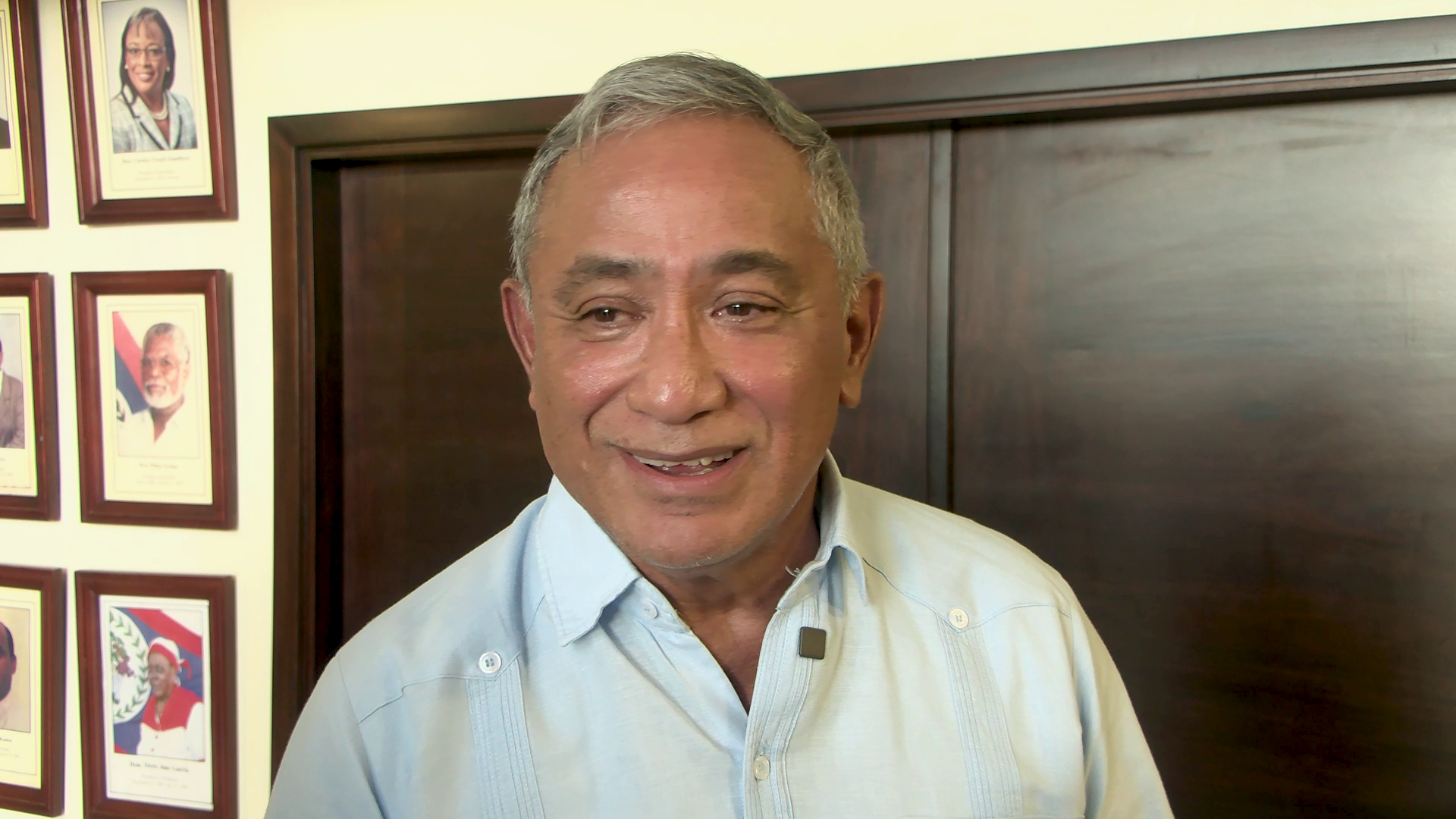
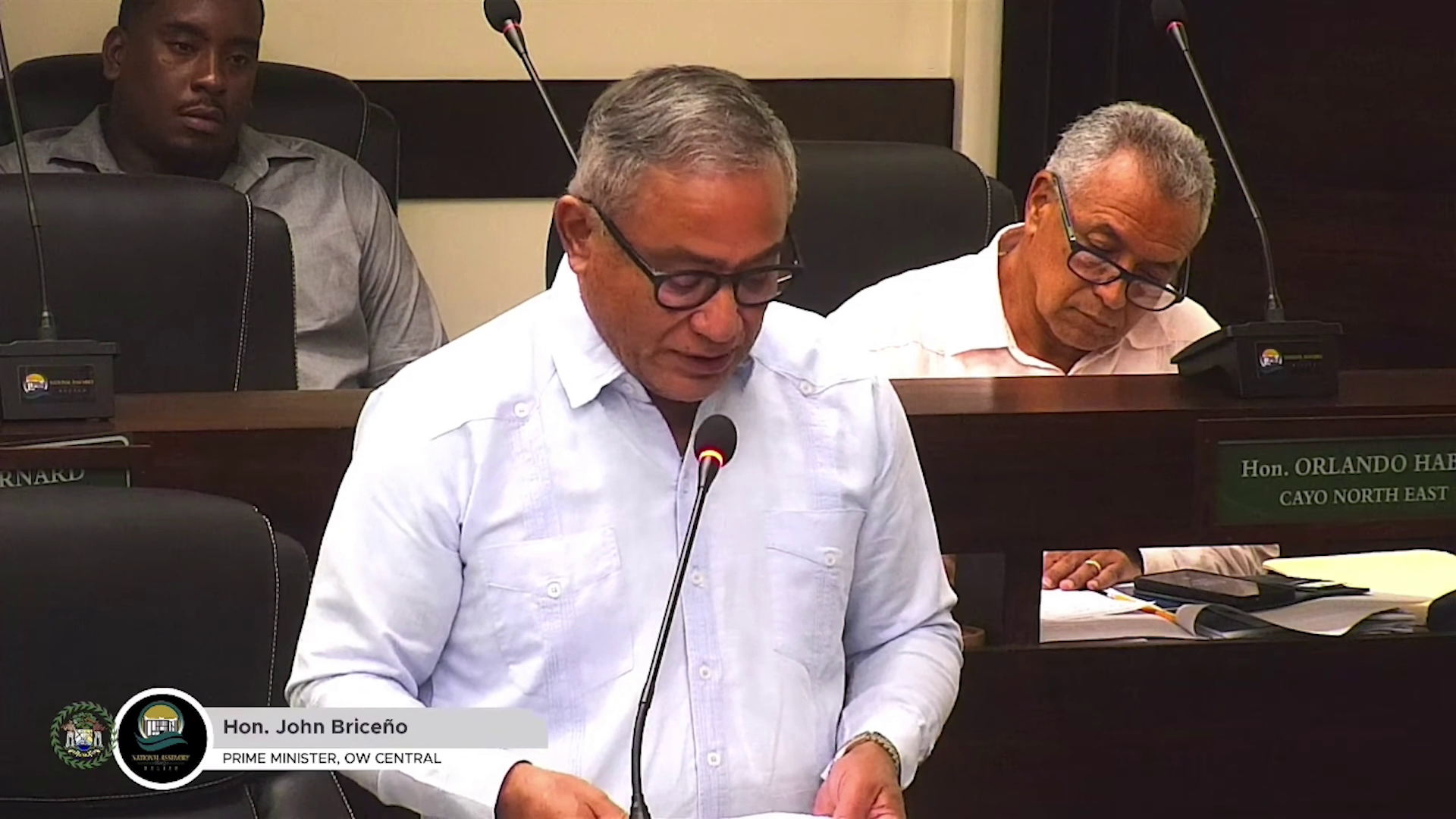
    On Friday, dozens of leaders from affected communities traveled to Laguna Village to stand in collective solidarity, framing the Indian Creek unrest not as an isolated local dispute, but as a direct consequence of decades of government inaction, discriminatory policy, and systemic injustice targeting Maya territorial sovereignty. The unified group is preparing to bring their demands directly to Prime Minister John Briceño, pushing for urgent action on long-stalled land protections.

    Edwin Caal, chairman of Golden Stream Village, one of the communities bracing for potential conflict, outlined three core grievances driving the growing unrest. First, the government has repeatedly delayed formal demarcation of traditional Maya communal lands, leaving boundaries ambiguous and open to encroachment. Second, officials have failed to pass legislation that would legally enshrine protected rights to these territories, instead advancing proposals that would restrict Indigenous land access – including a controversial plan that would cap individual Maya land holdings at just five acres per person, a limit the community has outright rejected.

    Caal also leveled accusations of biased enforcement against government authorities, claiming officials consistently side with private third-party developers and outside interests over Indigenous residents when disputes arise. “When the third party do something like bulldozing and we report it, they don’t come ready to help us. But the minute we begin to protect our land from encroachment, they are ready to stop us, sometimes use police to stop us,” Caal said.

    Similar claims of forced displacement and government complicity come from San Marcos Village, where chairman Alberto Muku explained that community members have lived and farmed on their traditional lands since the early 1990s, only to face systematic encroachment in recent years. An outside individual identified as Papi Pena has cleared large swathes of occupied community land with bulldozers, pressuring some residents to abandon their properties. While some residents were offered small financial payouts to leave, others received no compensation at all for their displacement, Muku said.

    Muku also went public with accusations of political manipulation, revealing that he was personally handpicked by a ruling party political influencer to take over as village chairman, with the expectation that he would fragment community organizing around land rights. Rejecting that pressure, he joined the collective action in Laguna to uphold the demands of his constituents.

    “Our population is growing, and our children depend on these lands for their future,” Muku said, adding that the current government’s actions will have lasting electoral and historical consequences for the People’s United Party administration.

    In a direct address to Prime Minister Briceño, Muku emphasized that Maya communities are voting members of Belizean society, many of whom have supported the current ruling party. “History will remember your actions toward us today, and we will ensure that future generations remember them as well when we go to the polls [in the next general election],” he warned.

    As tensions continue to simmer across southern Belize, Maya leaders are clear: without immediate, meaningful policy reform, formal land demarcation, and enforceable protections for communal Indigenous territories, the Indian Creek conflict will not be the last crisis. Community leaders say they will continue to push for systemic change to prevent further unrest across the district.