分类: politics

  • The irrevocable oath of the new generations

    The irrevocable oath of the new generations

    As Cuba approaches the 100th anniversary of Fidel Castro’s birth, the nation has reaffirmed its commitment to preserving his revolutionary legacy. The commemorative event, held at the historic University of Havana, was attended by prominent political figures, including President Miguel Díaz-Canel Bermúdez and members of the Communist Party’s Central Committee. Meyvis Estévez Echevarría, a key leader in the Union of Young Communists, delivered a poignant speech, emphasizing Fidel’s enduring influence on Cuban society and the global socialist movement. She highlighted how Fidel’s revolutionary ideals, rooted in the teachings of José Martí, continue to inspire the younger generation. The event also featured the slogan ‘One Hundred Years with Fidel,’ symbolizing the deep emotional and ideological connection the Cuban people maintain with their former leader. The gathering served as a reminder of Fidel’s warning about the fragility of the Revolution and the collective responsibility to safeguard it. The evening concluded with a solemn oath to ensure that Fidel’s legacy remains alive, particularly as the nation faces ongoing economic and political challenges.

  • A20: Suriname staat klaar voor een nieuw Jubeljaar

    A20: Suriname staat klaar voor een nieuw Jubeljaar

    On November 25, 1975, Suriname boldly chose its own path, marking the beginning of a journey towards independence. Development aid served as a starting point, not a permanent crutch. Now, fifty years later, the nation stands at a pivotal crossroads. Its future is no longer dictated by donors but by its own strength, resources, and commitment to forging a sustainable economic path. This year not only commemorates a historic milestone but also what Steven Reyme, party chairman and representative, aptly termed ‘Suriname’s Jubilee Year’—a time for reflection, recovery, and renewal, echoing the biblical Jubilee’s themes of freedom, forgiveness, and rectifying inequality. This symbolism aligns seamlessly with the narrative of Suriname’s fifty years of independence.

    Suriname’s journey has been marked by growth and setbacks, hopeful moments and challenging periods. Through it all, its leaders—despite their imperfections—have consistently passed the baton to the next generation, a legacy worth honoring on this historic day. Like the biblical Jubilee, Suriname has experienced times of recovery, course correction, and renewal. Fifty years of independence demand the same introspection: What do we restore? What do we leave behind? Where do we begin anew? And what does our future hold?

    Today, Suriname stands on the brink of a transformative era:
    – Developing its own energy sources to create economic opportunities.
    – Diversifying its economy to reduce vulnerability.
    – Building better governance, transparency, and credibility.
    – Addressing the rightful demands of its youth for genuine opportunities and prospects.

    The Jubilee Year calls for justice:
    – No child left without education.
    – No district without basic services.
    – No citizen left marginalized.

    Suriname’s natural wealth becomes truly valuable when wisely invested in education, infrastructure, healthcare, technology, sports, and local economies. Looking ahead, Suriname envisions a future where:
    – Highly educated Surinamese earn global respect.
    – Sports fields, cultural centers, and talent programs nurture youth in every district.
    – Diversification in agriculture, tourism, technology, industry, and energy becomes a reality.
    – Every Surinamese has access to safe and affordable housing.
    – The diaspora actively contributes to national progress.
    – Unity prevails over division: We are Surinamese. Period.

    In the spirit of the Jubilee, a new beginning means breaking old patterns, restoring trust, creating stability, and addressing inequality. This is not an unfounded dream but an achievable choice.

    On this fiftieth Independence Day, A20 calls on the nation to embrace action and progress. This Jubilee Year is an opportunity to free Suriname from outdated habits and focus on justice, integrity, and sustainable development. The next fifty years belong to us. Let us fill them with policy, discipline, dreams, and deeds. It can be different. It must be different. Tra fas dé!

  • OAS chief appeals to US, Venezuela to find diplomatic solution instead of war

    OAS chief appeals to US, Venezuela to find diplomatic solution instead of war

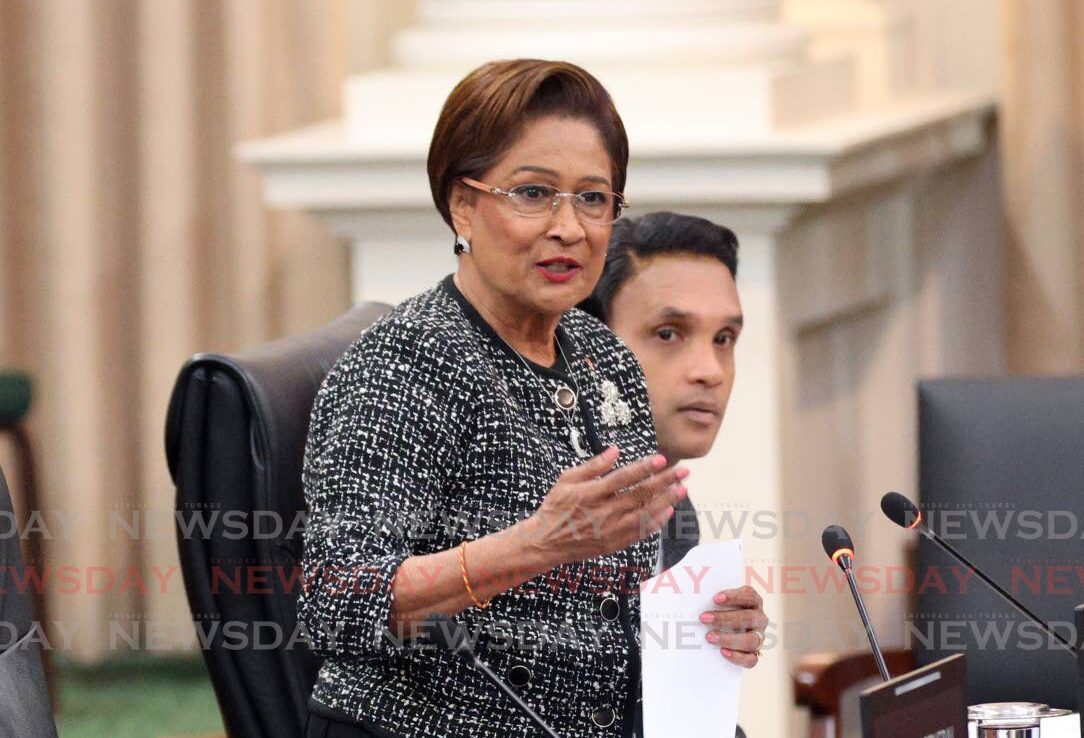
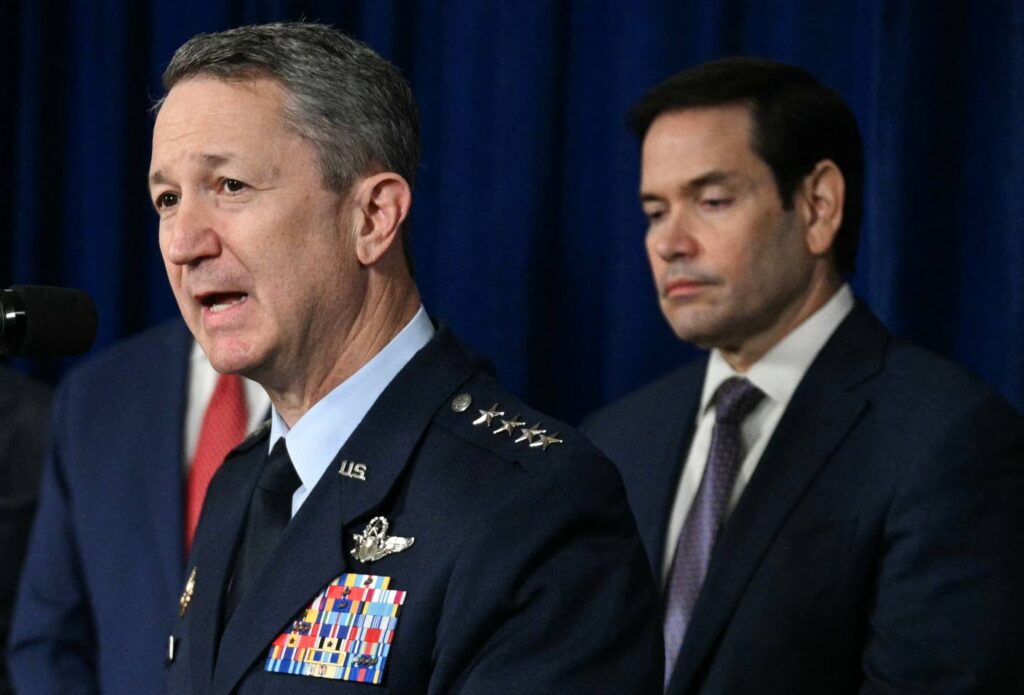
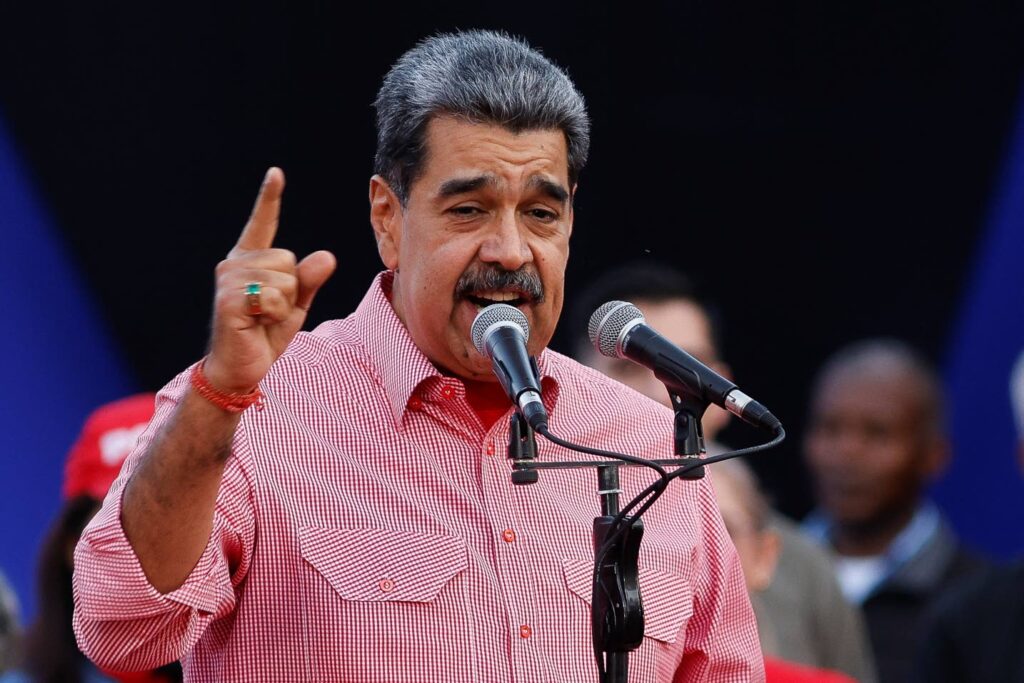
    Albert Ramdin, the Secretary General of the Organisation of American States (OAS), has called on the United States and Venezuela to prioritize diplomatic solutions to ease escalating tensions, emphasizing the need to avoid a potential ‘war-type situation.’ In a recent interview broadcast on social media, Ramdin stressed the importance of maintaining the Caribbean as a ‘zone of peace’ and urged both nations to exercise restraint. ‘I hope that both countries—Venezuela and the United States—do restrain themselves and ensure that diplomatic negotiations take precedence,’ said Ramdin, a former Suriname foreign minister. He also highlighted the necessity of lawful methods in combating narco-trafficking, a growing concern in the region. The appeal comes amid fears that the US military build-up in the Caribbean is aimed at destabilizing Venezuela’s Nicholás Maduro administration rather than targeting drug cartels. The US has labeled the Cartel de los Soles, allegedly linked to Maduro, as a narco-terrorist organization. Ramdin’s remarks coincided with a visit by General Dan Caine, Chairman of the Joint Chiefs of Staff and President Donald Trump’s primary military adviser, to Puerto Rico and Trinidad and Tobago, where he met with Prime Minister Kamla Persad-Bissessar. Ramdin underscored the importance of adhering to international law and human rights in combating transnational organized crime, noting that governments must have the legal tools to address these challenges effectively. He also suggested that countries amend their laws to empower governments to fight crime without violating human rights. The issue of transnational crime has been raised by Colombia in recent discussions within the OAS, though it has not yet been formally addressed by the organization.

  • PM Says U.S. Attorney Preparing Pre-Action Letter Over Alfa Nero Defamation Claim

    PM Says U.S. Attorney Preparing Pre-Action Letter Over Alfa Nero Defamation Claim

    The Prime Minister of Antigua and Barbuda has announced that his U.S. attorney is drafting a pre-action letter to the prominent American law firm Boies Schiller Flexner, seeking $10 million in damages for alleged defamation tied to what he describes as the “Alfa Nero fabrication.” In an online statement, the Prime Minister revealed that the letter will be delivered within 48 hours to David Boies, a partner at the firm. While specific details of the defamatory statements were not disclosed, the Prime Minister accused the firm of disseminating false information related to the ongoing Alfa Nero controversy. The statement also hinted at potential legal action against Harold Lovell, a former political leader, suggesting a broader legal strategy. The Alfa Nero, a superyacht seized in Antigua in 2023 and subsequently sold by the government, has been at the heart of political, legal, and international disputes, leading to numerous court challenges and public debates. Further details on the planned legal action remain undisclosed.

  • Dominica joins regional election observation mission, move criticized at home

    Dominica joins regional election observation mission, move criticized at home

    The Electoral Office of Dominica has announced its participation in a regional election observation mission to St. Vincent and the Grenadines, reflecting the Caribbean’s unified commitment to upholding democratic integrity. The Caribbean Community (CARICOM) has formed a ten-member CARICOM Election Observation Mission (CEOM) to oversee the General Elections in St. Vincent and the Grenadines, set for November 27, 2025. Dominica’s Chief Elections Officer, Ms. Anthea Joseph, will be among the observers, collaborating with regional counterparts to evaluate the electoral process. This initiative coincides with Dominica’s ongoing voter confirmation process, highlighting the importance of regional cooperation and the exchange of best practices in strengthening electoral systems. Ms. Joseph emphasized the mission’s role in promoting transparent and accountable elections, stating, ‘By learning from our Caribbean neighbors, we can enhance our own electoral processes.’ The CEOM will engage with electoral authorities, political parties, and civil society groups in St. Vincent and the Grenadines, providing impartial assessments to ensure fairness and transparency. The Electoral Office described the mission as a demonstration of solidarity and shared responsibility for safeguarding democracy in the Caribbean. However, the initiative has faced criticism domestically. Pastor Randy Rodney questioned the timing and purpose of Ms. Joseph’s participation, arguing that her role is more about learning than observation, given her recent appointment. Rodney criticized the government’s decision to appoint an inexperienced leader to the electoral office during a period of reform, suggesting that the former Chief Elections Officer’s expertise would have been more valuable. He also raised concerns about Dominica’s voter confirmation process, arguing that it fails to produce a clean voters list. Rodney highlighted issues such as outdated registrations and deceased individuals still on the electoral list, urging Dominicans to focus on these problems rather than what he termed ‘gerrymandering.’ As Ms. Joseph joins the mission in Kingstown, the initiative underscores both the potential and challenges of electoral reform in the Caribbean, sparking debates about leadership, timing, and the integrity of Dominica’s electoral process.

  • President: De viering is voor vandaag; vanaf morgen bouwen we aan onze roadmap

    President: De viering is voor vandaag; vanaf morgen bouwen we aan onze roadmap

    In a landmark address during the extraordinary session of the National Assembly commemorating Suriname’s 50th anniversary of independence, President Jennifer Simons urged the nation to embark on a new phase of collective development. Speaking to a diverse audience, the President emphasized the need for unity beyond political and ethnic divides, advocating for the creation of a long-awaited national roadmap.

    Reflecting on the historical significance of November 25, 1975, President Simons acknowledged the challenges Suriname faced in its early years, including internal tensions and political struggles, which hindered the establishment of a unified national vision. “Fifty years later, the time has come to finally achieve this,” she declared.

    The President highlighted the importance of serious reflection, evaluation, and shared responsibility in shaping Suriname’s future. She called on all citizens, regardless of political affiliation, origin, or residence, to participate in crafting a vision centered on social justice and well-being. While recognizing the country’s economic potential, she cautioned about the need to navigate global power dynamics realistically.

    President Simons stressed that the true work begins now, urging Surinamers to focus on a shared future where everyone can thrive. She reminded the nation of its inherited responsibility to build a socially just society that prioritizes the welfare of its people.

    The President outlined three pillars of independence—political, economic, and psychological—that Suriname must strive to achieve. She introduced the concept of ‘Srefidenki,’ a collective awareness necessary to transform today’s opportunities into benefits for all citizens.

    Concluding her speech, President Simons delivered a powerful message: “The struggle is not against others. It is against everything that hinders us from achieving our goals—within ourselves and in our society. By confronting these challenges and bringing out the best in ourselves, we can develop this nation.”

  • Ukraine Backs U.S. Peace Plan as Russia Bombards Kyiv

    Ukraine Backs U.S. Peace Plan as Russia Bombards Kyiv

    Ukraine has expressed its backing for a U.S.-proposed peace plan with Russia, even as missile and drone strikes continue to wreak havoc in Kyiv. President Volodymyr Zelenskiy is set to engage in critical discussions with U.S. President Donald Trump in the coming days to address unresolved issues. This development follows recent talks between U.S. and Ukrainian officials in Geneva, as well as meetings between U.S. Army Secretary Dan Driscoll and Russian representatives in Abu Dhabi. White House press secretary Karoline Leavitt highlighted significant progress towards a peace agreement, emphasizing that while some sensitive details remain, they are not insurmountable. The urgency for a resolution is underscored by ongoing Russian assaults on Ukraine, which have resulted in casualties and disrupted essential services in Kyiv. French President Emmanuel Macron acknowledged the potential of the U.S. plan but stressed the importance of ensuring that peace does not equate to capitulation. Russian Foreign Minister Sergei Lavrov reiterated that any revised peace proposal must align with the agreements made during the Alaska summit between Putin and Trump.

  • China to reopen its embassy in Damascus in early 2026

    China to reopen its embassy in Damascus in early 2026

    In a significant development for Syria’s foreign policy, a high-level delegation led by Foreign Minister Assad Hassan Shaybani recently concluded a pivotal visit to Beijing. The trip, described by Syrian officials as the dawn of a “new era,” marks a strategic shift in Syria’s international relations, particularly with China, a permanent member of the UN Security Council. The visit focused on revitalizing bilateral trade, reopening diplomatic missions, and securing Chinese support for Syria’s reconstruction efforts. Officials highlighted that pre-2011 trade between the two nations exceeded $1.5 billion, accounting for nearly 9% of Syria’s national budget. Today, Syria urgently seeks Chinese products, technology, and investment to aid its post-conflict recovery. During the talks, China pledged a substantial humanitarian aid package and expedited preparations for reopening its embassy in Damascus. Additionally, Syrian officials denied claims by AFP regarding the alleged transfer of 400 Uighur fighters to China, stating the issue was never discussed. The delegation emphasized the importance of detailed discussions on security and operational logistics for Chinese companies interested in participating in Syria’s reconstruction. The recent absence of Chinese vetoes in UN Security Council resolutions favorable to Syria was attributed to the steady progress of bilateral agreements and Beijing’s commitment to safeguarding its citizens and investments in the region. Syrian leaders reiterated their commitment to ensuring that Syria poses no threat to any nation, including China, and that its territory will not be used against third parties.

  • Ethiopia emphasized importance of multilateralism at AU-EU Summit

    Ethiopia emphasized importance of multilateralism at AU-EU Summit

    At the VII African Union-European Union Summit held on November 24 and 25, African leaders emphasized the urgent need for global reforms to ensure equitable representation and decision-making power for developing nations. Selassie, a prominent voice at the summit, highlighted the necessity for Africa and other developing regions to have a permanent and influential role in global governance. He specifically called for structural changes in international institutions, including a permanent seat for Africa on the United Nations Security Council and the modernization of multilateral financial systems to better address the needs of these nations. The summit, which brought together leaders from the African Union and European Union member states, focused on critical issues such as peace, security, climate action, economic integration, and global governance. Local authorities reported a record-breaking attendance of over 80 delegations, underscoring the event’s significance. African leaders also urged for fairer financial support, accelerated implementation of joint initiatives, and a more robust presence in international institutions. Additionally, they emphasized the importance of increased investment in clean energy and sustainable development to foster long-term growth and stability.

  • Protests on Syrian coast demand decentralization (+Photos)

    Protests on Syrian coast demand decentralization (+Photos)

    In a significant display of public dissent, demonstrations unfolded across several provincial capitals in Syria, including Tartus, Latakia, and Homs. Participants, hailing from both rural and urban areas, united to voice their grievances. The protests were marked by chants condemning violence and advocating for enhanced administrative decentralization. Additionally, demonstrators called for the release of former military personnel currently held in detention. The Syrian state news agency, SANA, responded by publishing images of security forces deployed in these areas, emphasizing that their presence was aimed at safeguarding citizens and public infrastructure. The protests were catalyzed by a video message from Sheikh Ghazal Ghazal, president of the Alawite Supreme Islamic Council. In his address, Ghazal criticized what he described as ‘sectarian score-settling’ and urged the implementation of federalism and political decentralization as measures to protect the rights of all communities, particularly the Alawite minority.