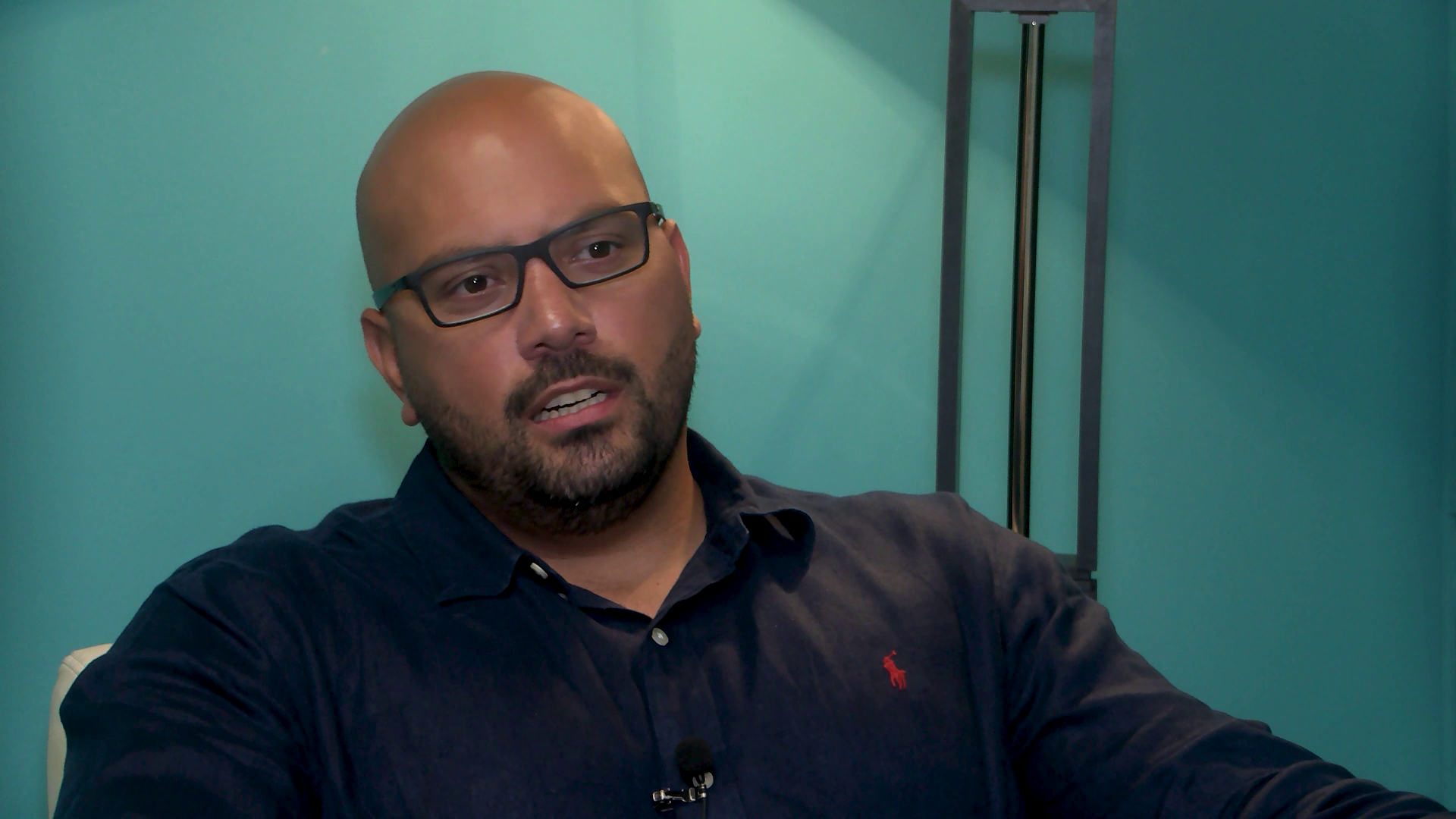
As of July 1, 2026, Belize’s Ministry of National Defense remains mired in a growing procurement controversy, but top leadership is pushing back against narratives of operational disruption, framing an ongoing wide-ranging audit as a chance to rebuild public trust and strengthen institutional accountability. The ministry is currently operating without a permanent minister at its helm, after former Minister Marin requested 90 days of administrative leave, creating a temporary leadership vacuum that has drawn heightened public and regulatory scrutiny. To address growing public uncertainty, Chief Executive Officer Francis Usher, the ministry’s top accounting officer, sat down for an exclusive interview to lay out how the institution is navigating the ongoing review, which is being led by the Office of the Auditor General. Usher confirmed that auditors have been systematically reviewing all procurement and operational records spanning from 2019 through mid-2026, pulling requested documents and conducting line-by-line reviews of past spending as part of the probe. When questioned about the leadership gap created by Minister Marin’s leave, Usher emphasized that daily operations have not slowed or stalled despite the transition. He noted that an acting or permanent replacement minister is expected to be appointed imminently, possibly within 24 hours of the interview, and that he has already directed all ministry staff to continue carrying out their core duties without disruption. For Usher, the top institutional priority remains unchanged: ensuring that active-duty soldiers and sailors have all the equipment, supplies, and resources they need to carry out their national security mandates. “Coming from the belly of the beast, I take it personally,” Usher said of his commitment to delivering for frontline defense personnel. As the accounting officer for the ministry, he added, he bears ultimate responsibility for how public resources are allocated and spent, and his core mission is to make sure those resources reach the service members who need them most. When asked whether he has concerns about potential negative findings uncovered by the audit, Usher struck an unexpectedly optimistic tone, saying he is not worried — in fact, he feels relieved the review is moving forward. Usher said he is confident the audit will put lingering public questions about the procurement controversy to rest once and for all. Even if auditors identify procedural gaps, mismanagement, or areas for improvement — whether dating to before he took office or emerging during his tenure — Usher says the ministry is fully prepared to implement corrective reforms. He noted that continuous improvement has long been a core priority for his leadership, and any changes that strengthen the ministry’s ability to protect Belize’s national security will be welcomed. This report is a transcript of an evening television broadcast, with all Kriol-language comments transcribed using a standardized spelling system for accuracy.
分类: politics
-
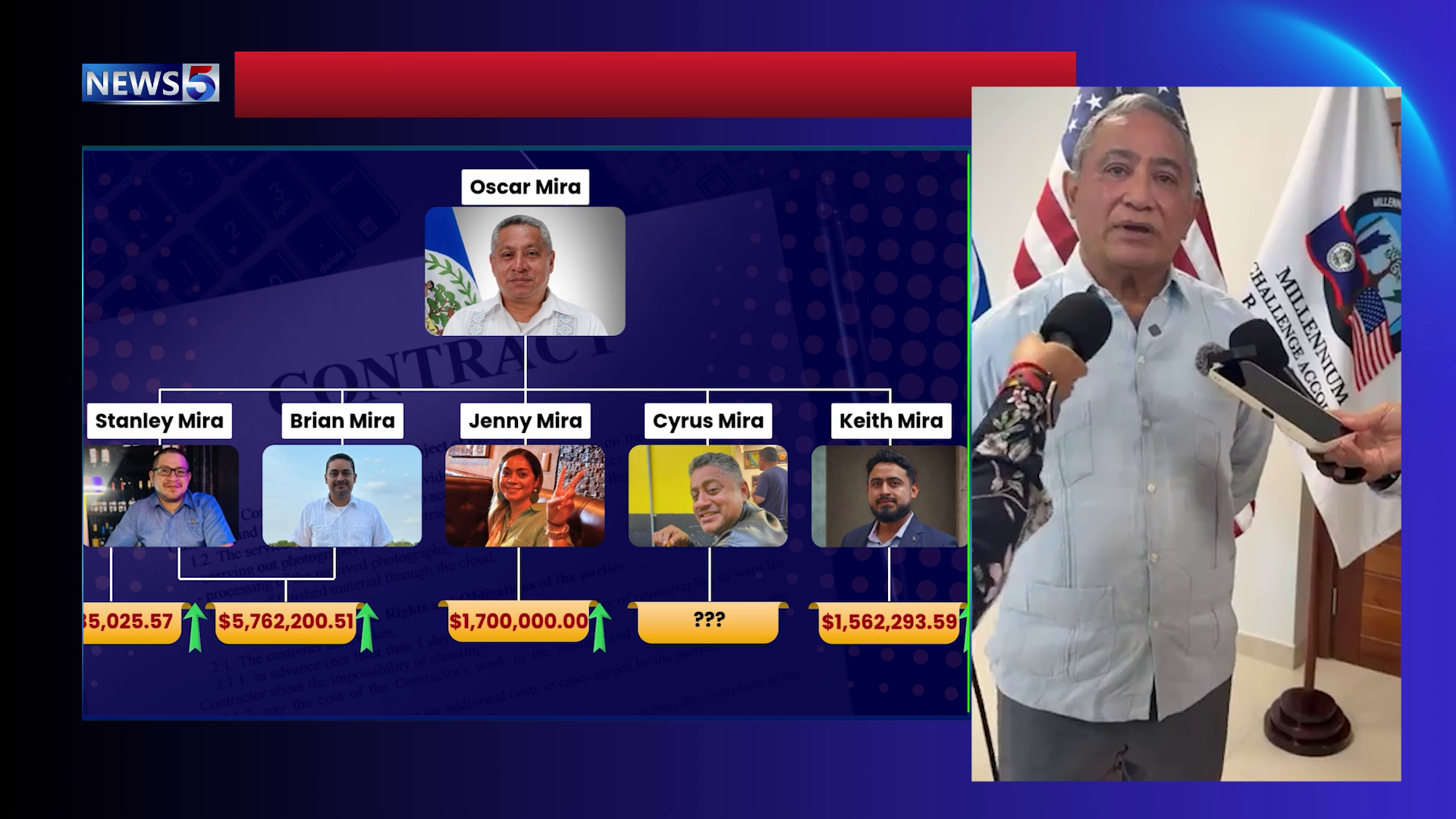
Briceño Targets Procurement Reform with Sweeping New Measures
In a proactive move responding to mounting public pressure for greater fiscal accountability, Prime Minister John Briceño has announced far-reaching reforms to overhaul Belize’s public sector procurement system, announced in June 2026 ahead of scheduled legislative and cabinet reviews. The administration is pushing forward with the overhaul without waiting for investigations into the controversial Mira contracts to conclude, framing the changes as a long-planned effort rather than a hasty response to recent political scandal. The reform package, developed over several years in collaboration with the Inter-American Development Bank (IDB), is designed to embed greater transparency, operational efficiency, and cost savings across all government purchasing activity.
Briceño has laid out a clear timeline for advancing the reforms. Next Tuesday, top fiscal oversight officials—including the Financial Secretary, Contractor General, and Auditor General—will brief the full cabinet on the legislative framework underpinning the changes, which includes updates to the Finance and Audit Reform Act (FARA), store supply regulations, store control rules, and general financial orders. Ministry chief executive officers will also attend the briefing to ensure both political leadership and senior administrative staff gain a clear shared understanding of proposed adjustments.
One week after that cabinet briefing, on July 14, the administration will officially table the draft legislation to establish a new centralized procurement unit, developed through the government’s Central Execution Unit with technical and policy support from the IDB. In designing the new system, the government studied successful procurement models used in other countries to adapt best practices for Belize’s context.
The centerpiece of the reforms is a mandatory centralized electronic procurement portal that will serve as a single public window for all government tender opportunities and purchasing activity. Under the new rules, every government ministry and department will be legally required to publish all procurement activity on the platform. This requirement extends to all purchases, even small contracts valued under $10,000 and tender opportunities for agencies such as the Belize Defence Force (BDF), removing the exceptions that have previously allowed for off-publication purchasing. Briceño emphasized that this mandatory public disclosure will embed the core values of openness, transparency, and accountability across all government spending.
Beyond strengthening governance, the Prime Minister argues the centralized system will deliver significant long-term cost savings for public finances. Currently, individual ministries negotiate purchases separately from independent suppliers, which means the government often fails to access the bulk purchase discounts that consolidated ordering would unlock—discounts that can reach 20% on common goods and services. A centralized procurement unit will aggregate all government demand, allowing the state to negotiate better pricing and capture these savings for the public purse.
This announcement marks a major shift in how the Belizean government manages public spending, coming amid growing public scrutiny of government contracting practices. While the reforms are tied to ongoing conversations about accountability sparked by the Mira contracts controversy, the administration stresses that the policy itself is the product of years of collaborative development with regional financial experts, intended to deliver long-term structural change to public financial management.
-

PM Says Mira Supplies Contract are More Perception Than Corruption
In June 2026, as the Belizean government pushes forward with plans to implement tighter oversight over future public expenditure, lingering scrutiny continues to surround already finalized state contracts and procurement deals. At the center of the latest controversy is a equipment purchase for the Belize Defense Force, specifically a contract awarded to Mira Supplies for military boots, which has drawn allegations that public funds were overspent at the cost of taxpayers.
Prime Minister John Briceño, speaking to reporters on July 1, 2026, addressed the growing public concern, noting that an ongoing independent audit of the Ministry of National Defense is expected to deliver full transparency into how public funds have been allocated and spent over the previous six years. Briceño emphasized that despite the lack of a complete full brief on the details of the contract to date, he does not support any improper use of public money, and his administration will move forward to resolve the issue openly.
Reframing the controversy surrounding Mira Supplies, Briceño pushed back against claims of explicit corruption, arguing that much of the public anger stems from misperception rather than proven wrongdoing. He confirmed that all contracted goods, including the military boots, were delivered to the defense force as agreed. The core issue, he explained, is not a failure of delivery but a gap in public perception: the contract’s award to a single supplier has created an appearance of favoritism that undermines public trust, regardless of whether any explicit rules were broken.
“We don’t only have to do the things right, we also have to appear to do the things right,” Briceño told reporters, repeating the stance he has already shared with his cabinet on multiple occasions. The Prime Minister added that he had no intention of deflecting accountability for the issue, and that his administration would address the controversy head-on as more details emerge from the ongoing defense ministry audit.
This report is adapted from a transcribed transcript of a televised evening news broadcast.
-
Mira Says He Dropped August Complaint Before DPP Acted
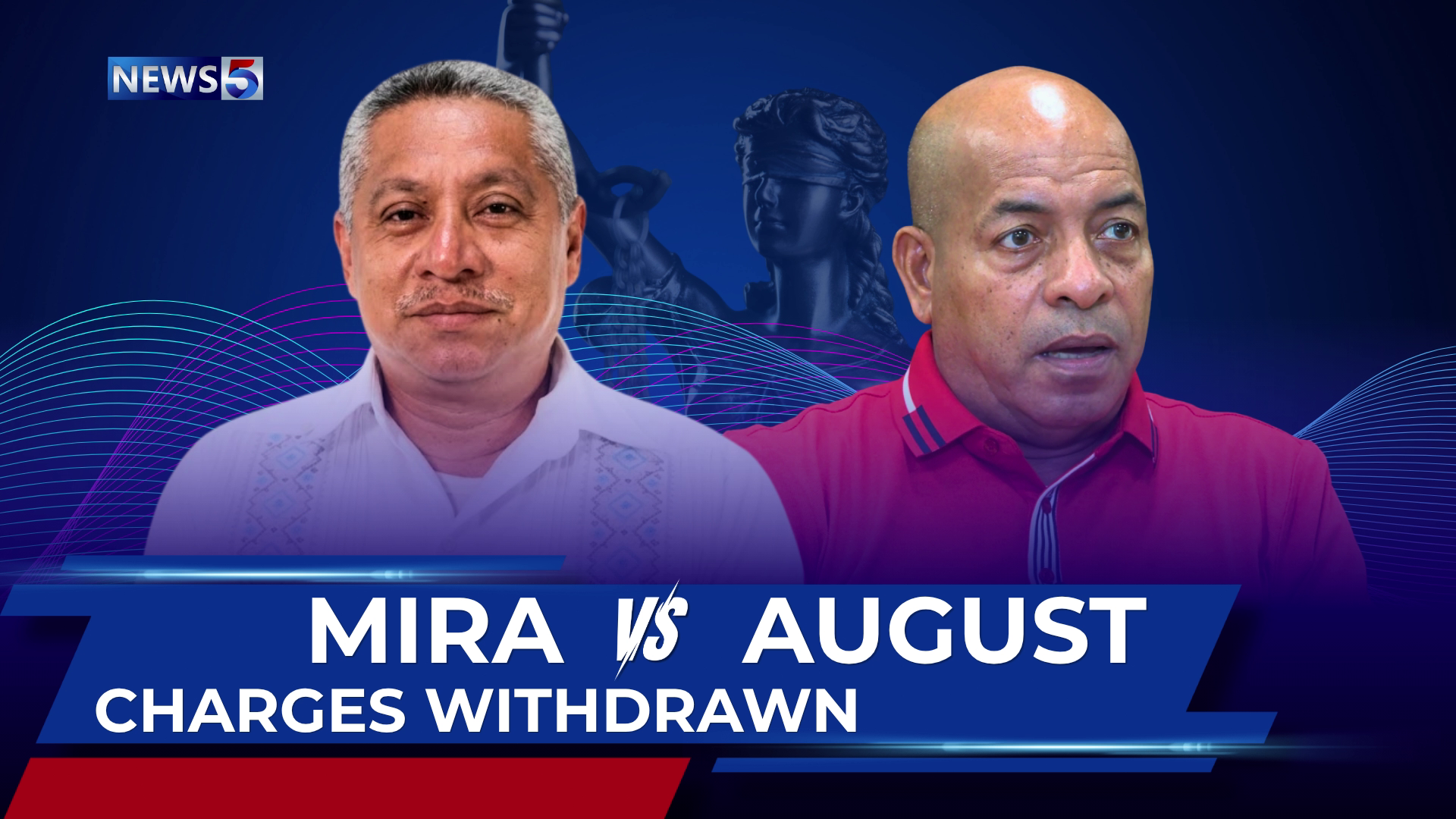
In a political controversy unfolding in Belize dating to July 1, 2026, Oscar Mira, the Area Representative for Belmopan, has confirmed he voluntarily moved to dismiss a criminal cyberbullying complaint against political figure Alberto August days before the Director of Public Prosecutions (DPP) officially ordered the case dropped.
Mira’s account clarifies the sequence of events that has sparked widespread public debate over political conduct and the constitutionality of the nation’s existing cybercrime legislation. Speaking to reporters, Mira explained that after careful reflection and consultations with his family and closest political advisors, he submitted a formal supplementary statement to police last Friday requesting that all charges be withdrawn. He emphasized that his decision was finalized well before the DPP issued her directive to dismiss the case.
“We are humans, and we can always reflect on what we could have done better,” Mira stated. He went on to push back against the alleged actions that prompted his original complaint, noting: “you don’t try to gain political points at a time when you have a whole city grieving and try to put words I did not say. After reflection I believe it is in the best interest of everyone not to continue with that case.” When asked if he regretted his initial decision to file the complaint, Mira acknowledged that there is always room for improvement in political decision-making.
The fallout from the high-profile case has now prompted the Belizean government to open a full review of the existing cyberbullying legislation, which was originally enacted by the previous administration. Prime Minister John Briceño announced that Attorney General Anthony Sylvestre has concluded key provisions of the current cybercrime law are likely unconstitutional, and government is preparing amendments to introduce to the House of Representatives during its next sitting.
Briceño stressed that while he respects the institutional independence of both the national police service and the Office of the DPP, political leaders must avoid even the appearance of using state institutions to target political opponents. “I don’t think that the public have a problem if a politician were to sue anybody because they believe that they have been aggrieved or they’ve been slandered,” Briceño explained. “But I think the public would have a problem when they would feel that the minister is using the state to go after its enemies.” He clarified he was not accusing Mira of intentional abuse of process, noting that law enforcement initially believed there was a valid basis for the case, but added that allowing such proceedings to move forward sets a dangerous precedent that could be exploited by future leaders.
The case has already drawn criticism from political opponents, after Interim Home Affairs Minister Julius Espat confirmed he directed police to forward the case file to the DPP for formal review. While many observers welcomed the DPP’s eventual decision to dismiss the charges, critics frame the minister’s intervention as yet another instance of inappropriate political interference in independent law enforcement processes.
This report is adapted from a broadcast transcript of original evening news coverage.
-
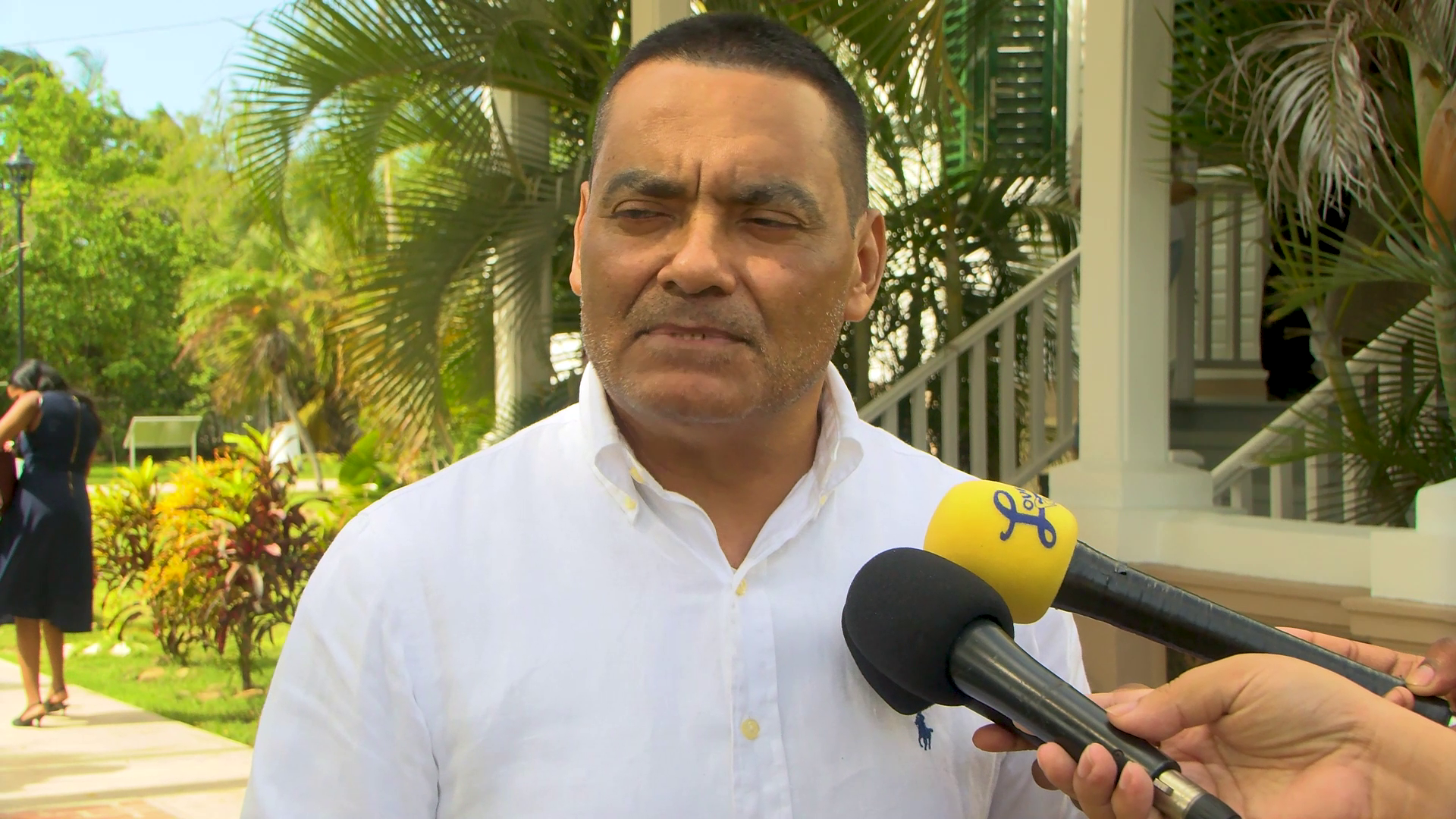
What Does Francis Fonseca Make of Government’s Latest Controversy?
On July 1, 2026, Belizean Foreign Affairs Minister Francis Fonseca stepped back into his office after a period of absence, immediately confronting a wave of pressing questions from reporters over the growing controversy that has already sidelined two of his fellow Cabinet members.
Oscar Mira and Florencio Marin Jr., the two ministers currently placed on administrative leave, are the subjects of ongoing official audits and internal investigations centered on questionable financial practices, including the controversial method of split payments. The unfolding situation has sparked public speculation about whether similar irregularities permeate other government agencies, including Fonseca’s own portfolios of foreign affairs and education.
When asked directly to confirm whether split payment schemes have ever been used in either of the ministries he oversees, Fonseca denied any personal involvement or awareness of such practices. “As the minister responsible for both the Ministry of Foreign Affairs and the Ministry of Education, that is not a practice that I certainly am involved in or engaged in,” he told reporters. “I have always made it very clear that my role is a policy role. I do not get involved in the work of finance officers, nor do I interfere in spending decisions or contract negotiations within the ministries. That is not part of my remit.”
Reporters followed up by asking if the unfolding controversy amounts to a full-blown crisis for the current administration, a claim Fonseca quickly pushed back on. While he acknowledged the seriousness of the allegations, he emphasized that the government is handling the situation in a transparent and responsible manner.
“No, I don’t think it is a crisis. Obviously, it is a serious matter, and I think it is being treated with a great sense of gravity,” Fonseca explained. “I think the prime minister is doing the right thing. He has ensured that the ministers who are responsible for those ministries are on leave while a comprehensive audit is being done of those ministries. Whatever the outcome is of those audits will determine what future actions have to be taken. So I think that is the right approach: let’s get all the information, all of the data, and then decisions can be made. I don’t think it’s a crisis. I think it is being handled responsibly, and then we see where we go from there.”
This report is adapted from a transcript of an evening television news broadcast, with all dialogue reproduced accurately as captured during the live interview.
-
Fonseca Confirms NICH Employee Fired After Funds Went Missing
A routine financial audit has sparked personnel changes and disciplinary action at Belize’s National Institute of Culture and History (NICH), following the discovery of unauthorized withdrawals from the National Celebrations Commission’s operating budget. Culture Minister Francis Fonseca has publicly confirmed the outcomes of the internal probe launched after thousands of dollars in public funds were found unaccounted for during the standard review.
In remarks to reporters following the audit’s completion, Fonseca confirmed that one NICH staff member implicated in the misappropriation has been formally terminated from their position. A second employee, identified by the audit as having played a minor, secondary role in the irregular financial activity, was placed on administrative leave before being reassigned to a new role within the institution. According to the minister, all of the misappropriated funds have already been fully repaid to the government.
While Fonseca declined to officially verify the exact total of the missing money, local reporting places the unaccounted sum at more than $45,000. The funds in question are earmarked for supporting public national celebration events, and the misappropriation was uncovered just as the country prepares to launch its upcoming official celebration calendar, with a new event theme already unveiled to the public.
When pressed by reporters on how the cultural department will prevent similar misuse of public funds in the future, Fonseca emphasized that the irregularities were first uncovered through the existing routine audit process, and that the department has already implemented updated, clear procedural safeguards to close gaps in financial oversight. “It was discovered through an audit. And everything has been done to ensure that there is a clear process in place to make sure that does not happen in the future,” Fonseca told reporters.
The minister added that he had only returned to office the day of the announcement and was still awaiting a full detailed briefing on the full scope of the case, but confirmed the broad strokes of the investigation’s outcomes that had already been finalized. This report is adapted from a transcript of a televised evening news broadcast from the region.
-
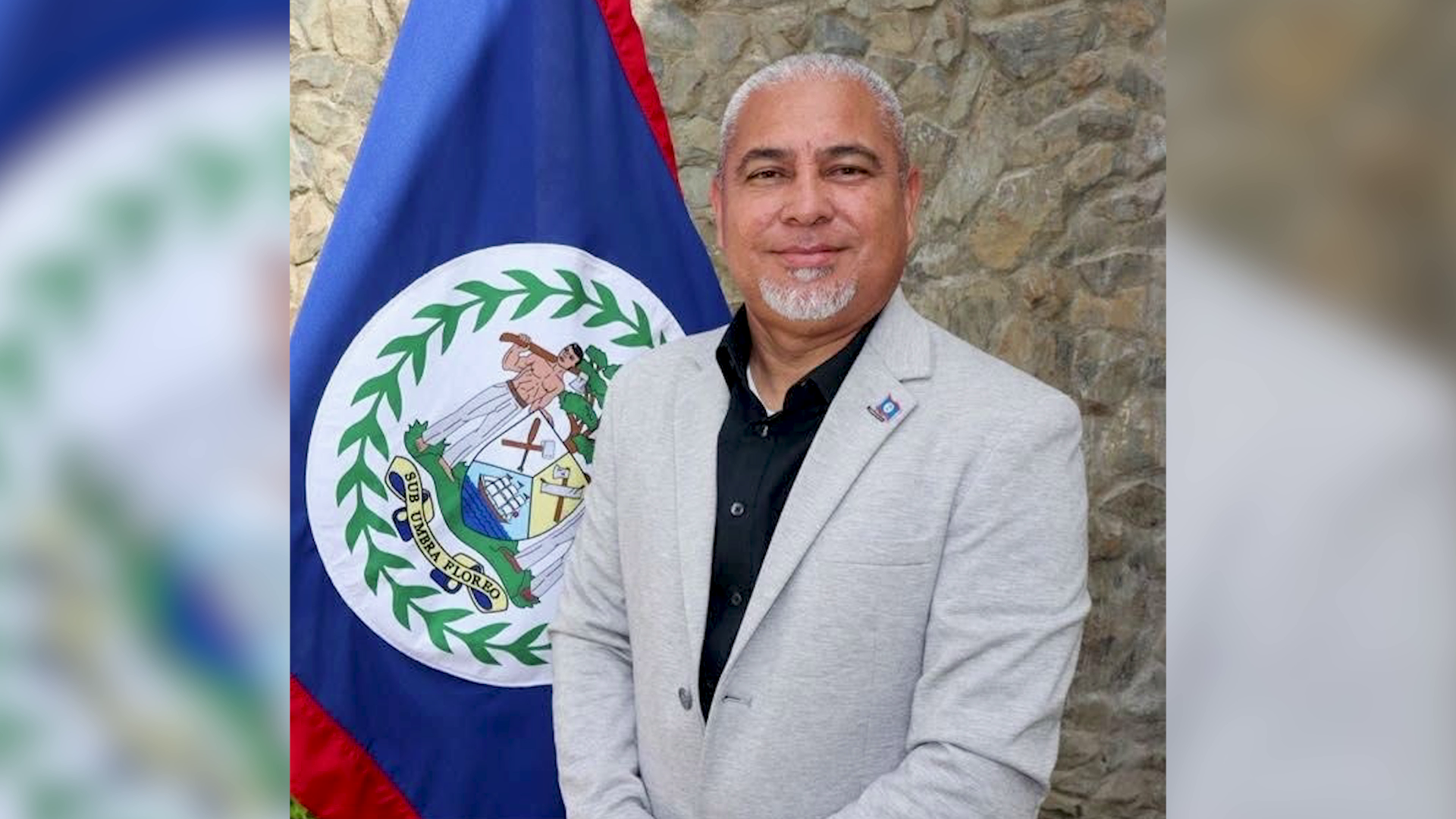
Pinelo Faces Reckoning as Government Reviews His Explanation
Nearly seven days have passed since Belize’s Chief Forest Officer John Pinelo was formally ordered to respond to public misconduct allegations that have sparked widespread public attention, and the future of his position remains uncertain as government authorities await his formal response.
Pinelo has repeatedly rejected all claims of wrongdoing since the allegations emerged, and was granted a six-day deadline to submit a formal written explanation addressing the accusations to his department’s Chief Executive Officer. On July 1, 2026, local news outlet News Five sat down with Minister of Sustainable Development Orlando Habet to get an update on the inquiry’s progress, and what disciplinary steps could come once Pinelo’s submission is received.
When asked to confirm whether Pinelo had turned in his explanatory report, Habet clarified that the official was actually given a full week to prepare his response, rather than the initially reported six days. “I think he was given a week to prepare it. I am sure if he has and he will prepare that letter and submit it to the CEO who will prepare the ministry’s position and present it to the Ministry of Public Service,” Habet told reporters.
Pressed for a timeline, Habet confirmed that the submission is expected sometime this week, with instructions issued last week requiring Pinelo to turn over his response by the end of the current seven-day period. Reporters also followed up on a separate pending inquiry tied to the allegations, asking whether a promised investigative report from a Mr. Godina had been filed with the ministry. Habet responded that no such report had crossed his desk as of the July 1 interview.
When asked what disciplinary actions would be taken if Pinelo’s explanation fails to resolve the allegations against him and confirms misconduct occurred, Habet declined to preview potential outcomes. “We can’t comment on that yet because it will depend on the report,” he said, noting that all next steps will be determined by the findings of the review process.
News Five has confirmed it will continue to track developments in the inquiry and publish updates as new information becomes available. This report is a transcribed excerpt from the outlet’s evening television broadcast, with all Kriol-language statements transcribed using a standardized spelling system for accessibility.
-
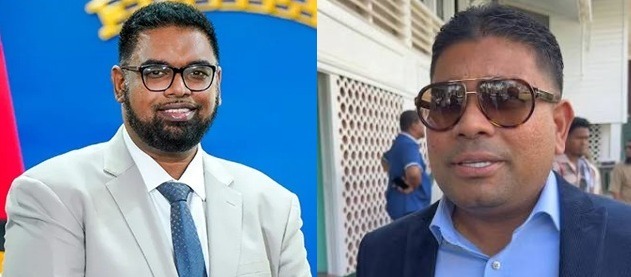
Ali sees no need to consult new Opposition Leader on Chief Justice, Chancellor
On July 1, 2026, a high-stakes constitutional dispute emerged in Guyana between President Irfaan Ali and newly sworn-in Opposition Leader Azruddin Mohamed, centered on the legally required consultation process for permanent appointments to the country’s two most senior judicial roles: Chief Justice and Chancellor of the Judiciary.
When pressed by Demerara Waves Online News for a timeline on initiating formal consultations with Mohamed, President Ali affirmed that his administration’s existing position – first outlined in a letter to former Opposition Leader Aubrey Norton – remains unchanged. The incumbent head of state noted that the government has maintained uninterrupted operation since winning re-election, and the prior recommendation for the substantive appointments of Justice Roxane George-Wiltshire as Chancellor and Justice Navindra Singh as Chief Justice still stands. When asked whether this long-held position had been formally communicated to the new Opposition Leader, Ali acknowledged the situation falls into a constitutional “grey area” that requires careful navigation, stopping short of committing to new talks with Mohamed.
Mohamed has rejected the President’s stance outright, arguing that a prior consultation with his predecessor cannot be legally transferred to his new post. In blunt remarks, the Opposition Leader emphasized that the Guyanese Constitution explicitly requires consultation with the sitting Opposition Leader, not a former officeholder. “Norton is no longer Opposition Leader. The President needs to reach out to me directly to schedule discussions on these critical appointments – we cannot rely on a years-old letter to a different officeholder,” Mohamed stated. He further revealed that he is currently preparing legal action to compel Ali to fulfill his constitutional obligation to hold new consultations, regardless of any personal or political differences between the two men. “We have a country to govern, and the Guyanese people expect us to put national interest above personal friction. I do not understand why the President is afraid to sit down and talk with me about this,” Mohamed added. When asked whether he personally supported the permanent appointments of the two currently acting judicial officeholders, the Opposition Leader declined to take a public position, saying he would share his stance at a later date.
The origins of the dispute stretch back to October 2025, less than two months after Guyana’s September 2025 general and regional elections, and three months before Mohamed defeated Norton in a parliamentary opposition leadership vote held on January 26, 2026. At that time, Ali first approached Norton to secure his support for making Roxane George-Wiltshire and Navindra Singh’s acting roles permanent, but Norton never granted his approval to the nominations.
In other related remarks Wednesday, Ali confirmed that the bipartisan parliamentary appointments committee will move forward with recommending nominees for a new Police Service Commission (PSC) following the recent deaths of PSC Chairman Patrick Findlay and commission member Lloyd Conway. Reaffirming his commitment to constitutional governance, Ali stated: “Wherever my role as President requires the execution of a constitutional function, you can expect me to uphold all requirements of the Constitution, as a leader committed to democracy and the rule of law.”
The dispute unfolds against a backdrop of broader political tension: the ruling People’s Progressive Party Civic-led administration cut formal ties with Mohamed and his father, Nazar “Shell” Mohamed, shortly after the U.S. Treasury Department’s Office of Foreign Assets Control imposed sanctions on the pair and their business entities. U.S. authorities allege the Mohameds evaded more than $50 million in taxes owed to the Guyanese government on exports of over 10,000 kilograms of gold. The two men have been indicted by a Florida federal court on charges of wire fraud, mail fraud, and money laundering connected to their gold trading operations, and are currently contesting a U.S. extradition request.
-
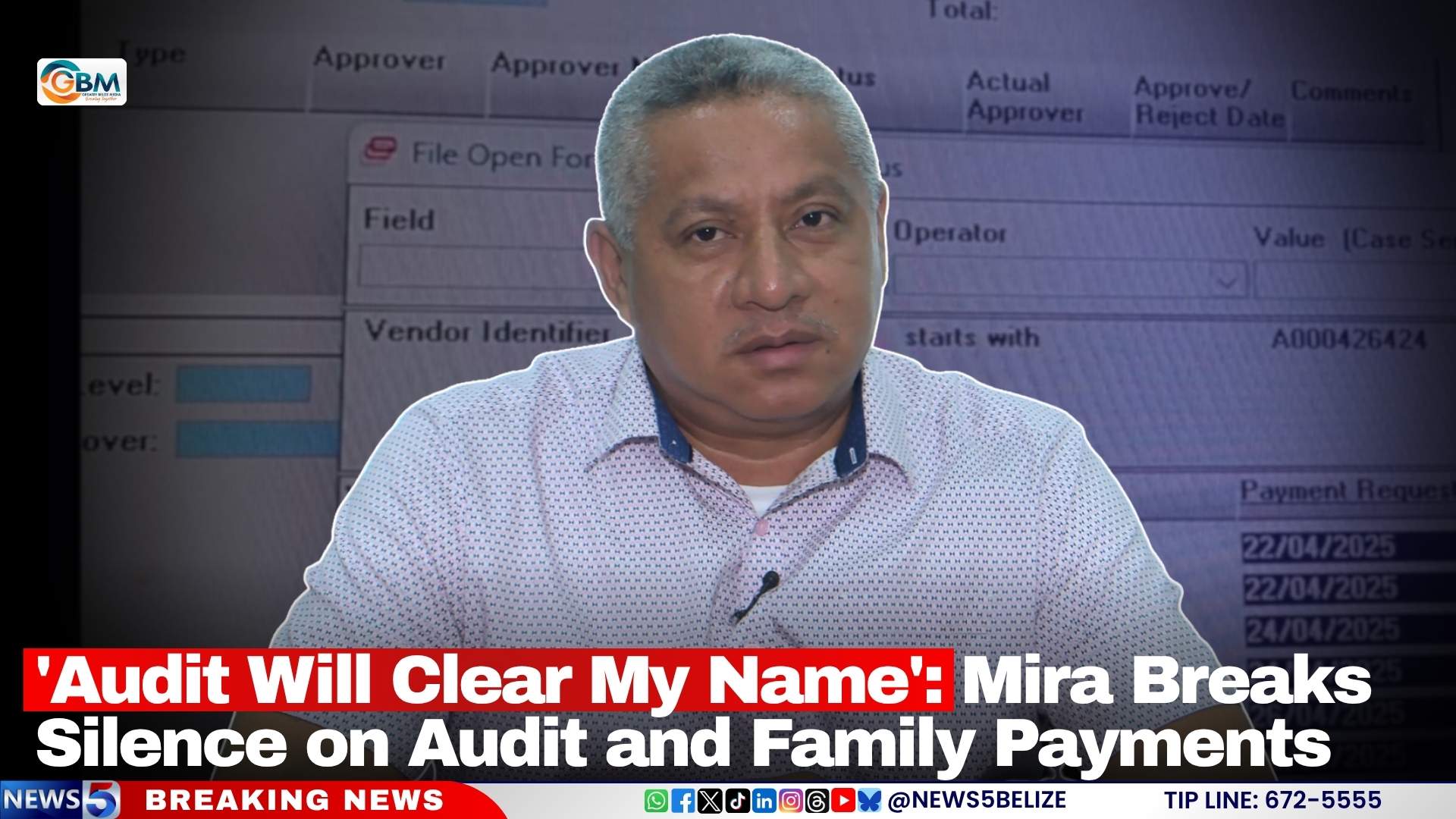
‘Audit Will Clear My Name’: Mira Breaks Silence on Audit and Family Payments
For weeks, swirling public controversy has hung over former Belizean cabinet minister Oscar Mira, centered on millions in taxpayer-funded government contracts awarded to businesses tied to his close family members. Now, three weeks after the Belmopan Area Representative stepped down from his ministerial post on administrative leave, Mira has spoken out for the first time in an exclusive interview with News 5, pushing back against mounting public scrutiny and asserting that the ongoing official audit will ultimately exonerate him of any wrongdoing.
Mira was clear to emphasize that even as he steps back from his cabinet responsibilities, he has no intention of stepping away from the public duties he was elected to fulfill. He remains active in his role as Belmopan’s elected area representative, a position he has not taken leave from, and says he is prioritizing constituent work over the growing noise of public criticism.
“I was not elected solely to serve as a minister — I was elected first as this area’s representative, and I do not plan to abandon that work no matter what questions are being raised,” Mira stated. “There is a lot of unfounded noise surrounding this situation, but I choose to block it out. It will not deter or slow down the work we have committed to delivering for the people of Belmopan.”
The independent audit currently underway is focused on taxpayer-funded contracts issued through the Ministry of Defence to family-connected businesses while Mira served as Minister of State, and later as the full substantive minister of the department. Rather than opposing the probe, Mira says he has actively welcomed it, expressing full confidence that the audit will confirm he had no involvement in any improper activity.
Central to Mira’s defense is his argument that his relatives, as hard-working Belizean citizens, have the same legal right to bid for and win government contracts as any other person in the country. He rejected the widespread view that family members of sitting elected officials should be barred from contracting with government agencies, calling the notion unfair and unfounded.
“My family is a hard-working family, full of eligible professionals who have every right to participate in government procurement processes just like any other Belizean,” Mira said. “I do not subscribe to the idea that simply because a relative holds public office, all other members of that family should be locked out of the chance to bid for work and earn an honest living through their services.”
When questioned about the validity of the work performed for the public funds disbursed, Mira did not equivocate: he confirmed that all contracted goods and services were not only delivered, but delivered to a very high professional standard. He added that any payments his relatives or their businesses received were strictly in exchange for completed professional work, and there was no case of unearned compensation being issued.
Amid lingering questions about Mira’s benefits while on administrative leave, the politician confirmed he continues to retain access to his government-issued vehicle. When pressed to address whether he is still drawing his full ministerial salary during his leave, however, he could only respond that he had not checked his pay status to confirm.
The audit, which is expected to be completed in the coming months, will ultimately reveal what exactly public funds were allocated for, and whether any misappropriation or conflict of interest occurred. For his part, Mira remains unshakable in his conviction that the final audit report will clear his name and confirm that no improper conduct took place.
-

Haitians under TPS, without work permits as of July 10, 2026
On June 25, 2026, the U.S. Supreme Court greenlit a long-contested Trump administration policy to end Temporary Protected Status (TPS) for Haitian migrants residing in the United States, triggering urgent alarm from human rights groups and Haitian communities across Florida, the state home to the nation’s largest Haitian immigrant population. The court’s ruling clears the way for a full wind-down of protections, with the Department of Homeland Security confirming that existing work authorization for Haitian TPS holders will expire on July 10, 2026, as part of an administrative transition period for lower court implementation of the decision.
Human Rights Watch (HRW) partnered with Miami-based community organization Sant La Haitian Neighborhood Center to investigate the potential impacts of the termination, conducting interviews with 40 Haitian TPS beneficiaries across South Florida and 15 leaders from local immigrant advocacy groups, alongside reviewing government and international organizational data. The findings, released July 2, 2026, paint a stark picture of fear and pre-existing instability for Haitian migrant families, who warn that losing TPS protections will expose them to deadly violence if deported and upend decades of economic and social integration in the U.S.
Juanita Goebertus, HRW’s Americas Director, emphasized that the termination would put Haitian migrants directly in harm’s way, noting that Haiti has suffered catastrophic deterioration of security and humanitarian conditions since TPS was first granted to Haitians in 2010 following a devastating earthquake. One 28-year-old Haitian beneficiary interviewed for the report described losing TPS as a de facto death sentence, explaining that deportees returning from the U.S. are routinely targeted for extortion and kidnapping by armed criminal groups that control large swathes of Haiti. With no savings to meet ransom demands, he said deportation would almost certainly lead to his killing.
Before the Supreme Court’s ruling, roughly 330,000 Haitians held TPS status across the U.S., 158,000 of whom resided in Florida. These migrants work across critical sectors of the state’s economy, including healthcare, elder care, construction, tourism, and hospitality. Analysis from bipartisan immigration advocacy group FWD.us shows that Florida’s Haitian TPS holders contribute an estimated $2.6 billion annually to the state’s gross domestic product, with $1.5 billion of that activity generated in the Miami metropolitan area alone.
HRW’s investigation found that many families were already grappling with cascading economic and social hardship in the months leading up to the ruling. Expired work permits, extended delays in status renewals, and employer confusion about the legal status of TPS holders had already pushed some into unemployment, cut household incomes for many others, and left families unable to cover basic costs including rent, groceries, and medical care. Some parents have pulled their children out of public schools, and many beneficiaries have skipped necessary medical appointments to avoid encounters with immigration enforcement authorities.
International bodies have repeatedly warned against forced deportations to Haiti. Since 2022, both the United Nations High Commissioner for Refugees (UNHCR) and the Office of the United Nations High Commissioner for Human Rights (OHCHR) have issued repeated calls for all nations to refrain from sending Haitians back to their home country, citing widespread human rights abuses, life-threatening safety and public health risks, and the complete absence of conditions that would enable safe, dignified, and sustainable return.
Thamara Labrousse, a representative of Sant La, noted that the consequences of the TPS termination extend far beyond individual migrant families, saying “Haitian TPS holders have built their lives in this country and are an integral part of the social and economic fabric of communities across Florida and the nation.” Local workplaces, schools, and entire regional economies depend on the labor and contributions of Haitian migrants, she added.
Advocacy groups are now pressing Congress to take immediate emergency action to reverse the impending termination. HRW and Sant La are calling on the U.S. Senate to quickly pass a bill already approved by the House of Representatives that would extend TPS protections for Haitian migrants through April 2029. The organizations also urged Congress to use the upcoming debate over broader comprehensive immigration reform to create permanent pathways to legal permanent residence and long-term stable protection for all TPS beneficiaries, who have built deep social and economic ties to the United States over more than a decade.