分类: politics

  • Barbados installs second president during Independence Day parade

    Barbados installs second president during Independence Day parade

    BRIDGETOWN, Barbados – Barbados marked a significant constitutional milestone with the inauguration of Jeffrey Bostic as the nation’s second president during its 59th independence anniversary celebrations, which also commemorated its fourth year as a parliamentary republic. The swearing-in ceremony occurred in the early hours of Sunday, symbolizing a new chapter in the nation’s governance.

    President Bostic, a distinguished former Minister of Health and decorated military officer within the Barbados Defence Force (BDF), rose to national prominence during the COVID-19 pandemic. His steadfast leadership during the 2020 health crisis, characterized by his resolute motto ‘No Retreat, No Surrender,’ garnered widespread admiration and was instrumental in navigating the country through one of its most difficult periods. He assumes the presidency following Dame Sandra Mason, who transitioned from being the final Governor-General under the monarchical system (2018-2021) to becoming the inaugural president of the republic.

    Ensuring security for the high-profile event, the Barbadian government formally requested assistance from the Regional Security System (RSS). This strategic deployment, comprising police and military personnel from member states including Antigua and Barbuda, Grenada, Guyana, and St Kitts and Nevis, was activated under the RSS treaty provisions for mutual support, underscoring the event’s regional importance.

    Concurrently, the nation honored several distinguished citizens with its highest accolade, the Order of Freedom of Barbados. Central Bank Governor Dr. Kevin Greenidge was recognized for his transformative and people-centric economic leadership, particularly through the Barbados Economic Recovery and Transformation programmes. Cricket icon Joel ‘Big Bird’ Garner was honored for his extraordinary contributions to the sport, from his legendary career as a fast bowler to his administrative roles with the Barbados Cricket Association and West Indies management. Economist and philanthropist Dr. Kurt Lambert was also awarded for his distinguished service. Furthermore, an honorary award was bestowed upon Professor Benedict Okechukwu Oramah, former president of the African Export-Import Bank, for his pivotal role in strengthening trade and investment ties between Barbados and the bank’s member states.

  • A new offence, an old defence

    A new offence, an old defence

    Trinidad and Tobago’s Parliament has enacted the Home Invasion (Self-Defence and Defence of Property) Bill 2025 amid significant political acclaim, responding to growing public frustration with violent property crimes and predatory offenses. While the legislation introduces a novel statutory offense of “home invasion” with enhanced penalties for aggravating circumstances, legal experts question its substantive impact on existing Commonwealth legal principles.

    The legislation establishes clear parameters for home invasion offenses, including specific aggravating factors such as gang participation, weapon use, and targeting vulnerable individuals. These provisions carry substantial custodial sentences, representing the bill’s most concrete legal contribution.

    However, the bill’s purported reforms to self-defense doctrine appear largely symbolic. Commonwealth law already recognizes the core principles of self-defense through established precedents including R v Williams (1984) and R v Owino (1996), which evaluate defenders based on honestly held belief in threat and reasonable, proportional force response. The bill’s elimination of the legal duty to retreat merely codifies what courts already practiced—assessing context rather than imposing rigid retreat requirements.

    Notably, the legislation does not incorporate American-style felony murder rules or alter the fundamental intent requirements for murder charges under Trinidad and Tobago’s legal system. The country’s homicide laws remain grounded in Commonwealth tradition rather than US television-inspired legal concepts.

    Legal analysts suggest the bill primarily serves as political reassurance rather than substantive legal reform. By creating a new offense category while reaffirming existing self-defense principles, the government provides symbolic comfort to a crime-weary public without fundamentally reconstructing homicide doctrine. This legislative approach mirrors patterns seen across Commonwealth nations addressing public safety concerns through performative legislation that combines practical provisions with unnecessary doctrinal gestures.

    The ultimate value of the legislation may lie in its explicit criminalization of home invasion conduct rather than its rhetorical flourishes, with legal professionals emphasizing the continued importance of factual scrutiny and statutory interpretation over imported legal terminology.

  • Trump Moves to Pardon Convicted Ex-Honduran President

    Trump Moves to Pardon Convicted Ex-Honduran President

    In a significant diplomatic development, former U.S. President Donald Trump has declared his intention to grant a full presidential pardon to Juan Orlando Hernández, the incarcerated former leader of Honduras. Hernández is currently serving a 45-year sentence in a U.S. federal prison following his conviction on extensive drug trafficking charges.

    The announcement was made through Trump’s social media platform, where he characterized Hernández’s treatment as “very harshly and unfairly” based on consultations with respected sources. This controversial decision comes despite substantial evidence presented during Hernández’s trial demonstrating his deep involvement with international drug cartels.

    During his presidency from 2014 to 2022, U.S. prosecutors established that Hernández conspired with narcotics organizations that facilitated the movement of over 400 tons of cocaine destined for American markets. The judicial proceedings revealed his acceptance of millions in bribes while leveraging presidential authority to shield allied traffickers from prosecution.

    Concurrently, Trump has thrown his political weight behind conservative Honduran presidential candidate Nasry “Tito” Asfura, explicitly conditioning U.S. support for Honduras on Asfura’s victory in the upcoming Sunday election.

    This development occurs against a backdrop of intensified U.S. anti-narcotics operations targeting Venezuela and other Latin American nations. The New York Times reports that Trump recently engaged in diplomatic communications with Venezuelan leader Nicolás Maduro, despite previously denouncing him as an illegitimate head of a state-sponsored trafficking network known as the Cartel de los Soles. While Caracas has consistently denied these allegations, the U.S. has conducted military operations against suspected drug vessels connected to Venezuela since early September. Potential future discussions between Trump and Maduro in the United States remain unconfirmed and without established timelines.

  • Early voting for special forces

    Early voting for special forces

    Special forces personnel throughout Saint Lucia initiated the electoral process for the 2025 general election on Thursday through early voting procedures. While officials reported generally smooth operations, significant queues emerged at multiple polling locations due to higher-than-anticipated participation.

    The early voting process commenced at 6:00 AM across four designated facilities: Gros Islet Fire Station, Police Training School in La Toc, Vieux Fort Divisional Headquarters, and Soufrière Fire Station. These stations were established specifically to accommodate election workers and law enforcement personnel, including police, fire services, and correctional officers who will be on duty during the December 1 general election.

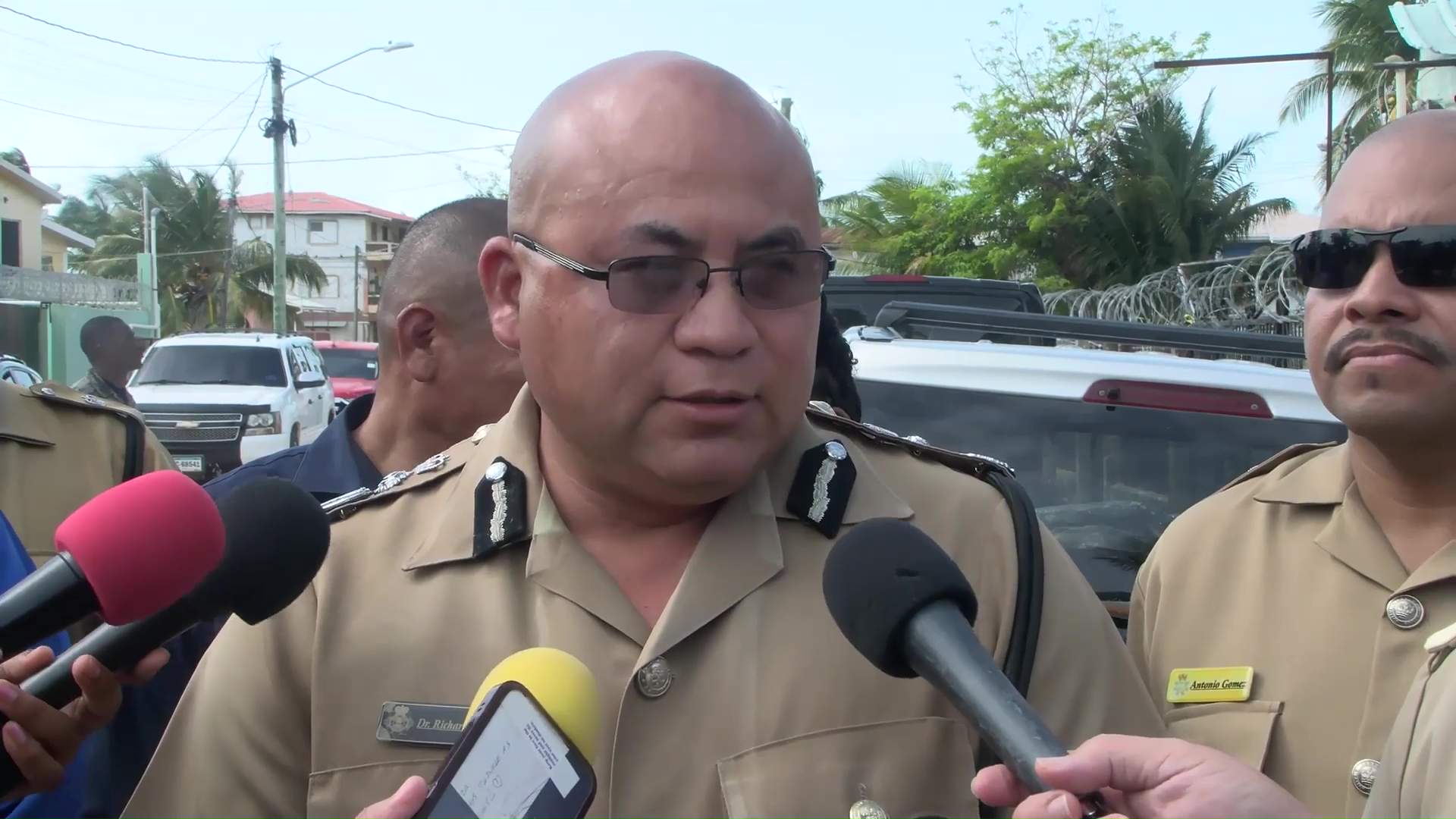
    Assistant Commissioner of Police Dr. Mashama Sealy, speaking from the Police Training School, confirmed that voting commenced precisely at the scheduled time of 6:30 AM. She noted that despite considerable lines forming at several locations, the voting process maintained steady progression, particularly at stations with fewer registered voters.

    Chief Elections Officer Herman St Helen provided context regarding the congestion, explaining that the lengthy queues resulted directly from the limited number of polling stations allocated for special forces voting. He acknowledged in retrospect that additional polling stations within certain divisions would have alleviated congestion, admitting that election planners had underestimated potential voter turnout among security personnel.

    At the Gros Islet Fire Station, Presiding Officer and Assistant Commissioner of Police Elvis Thomas confirmed the voting process was proceeding efficiently under observation from international monitors, including representatives from the Organisation of American States. Thomas emphasized his responsibility to ensure both smooth operations and the protection of voters’ rights to cast ballots without interference throughout the entire election period.

    Veteran police officer Leon Ephiphane, who voted at the Gros Islet station, shared his perspective after completing the process. With a decade of service, Ephiphane described the experience as ultimately successful despite initial organizational delays involving election agents’ coordination.

    Similar patterns emerged in the southern region, where election officials at Vieux Fort Divisional Headquarters indicated that Monday’s general election would feature significantly more polling stations, potentially reducing waiting times. An election clerk explained that the Vieux Fort South district contains four polling divisions with multiple stations each, which should distribute voter traffic more effectively during the main election.

    One female police officer who voted at Vieux Fort reported waiting nearly three hours to cast her ballot, expressing surprise at the early morning turnout while still characterizing her overall experience positively.

    In Soufrière, voting began at a slower pace during early morning hours but intensified toward midday. Although election officials declined formal commentary, visual observations indicated orderly proceedings throughout the day.

  • MP for Salisbury Jesma Paul: Government has neglected her constituency in providing housing benefits

    MP for Salisbury Jesma Paul: Government has neglected her constituency in providing housing benefits

    Jesma Paul-Victor, Parliamentary Representative for the Salisbury Constituency, has delivered a powerful condemnation of the government’s housing allocation practices during a recent parliamentary session. The elected official revealed that despite millions in approved housing funds, her constituency has received zero benefits from national housing initiatives.

    Paul-Victor detailed how families in the Coulibistrie area continue to inhabit substandard living conditions eight years after Hurricane Maria devastated the region. Residents remain in partially repaired homes, deteriorating structures, and temporary accommodations originally intended as short-term solutions.

    The parliamentarian expressed frustration that while other communities have received modern apartment complexes and climate-resilient housing units, her constituents face perpetual neglect. She emphasized her support for the national housing project and congratulated recipients elsewhere, but questioned the equity of distribution.

    ‘How long can my people endure this wait? How long must they tolerate these conditions?’ Paul-Victor challenged the assembly. ‘After eight long years, my constituents feel forgotten, unseen, and that their suffering since Maria has been normalized and dismissed.’

    The representative’s address highlights growing concerns about regional disparities in post-disaster recovery efforts and raises questions about the transparency of housing fund distribution across constituencies.

  • Two manifestos, two futures: Which vision matches the Saint Lucia you want?

    Two manifestos, two futures: Which vision matches the Saint Lucia you want?

    As Saint Lucia prepares for its pivotal 2025 General Election, the nation’s two dominant political forces have unveiled fundamentally different governance philosophies through their detailed manifestos. The United Workers Party (UWP) has presented an extensive 78-page blueprint advocating for comprehensive systemic transformation, while the Saint Lucia Labour Party (SLP) offers a more focused 35-page document emphasizing incremental improvements and community-centric development.

    Despite their contrasting methodologies, both parties converge on addressing critical national challenges including public security, healthcare accessibility, economic pressures, educational reform, agricultural sustainability, and tourism development. The distinction emerges in their strategic implementation frameworks and philosophical approaches to governance.

    **Public Security Overhaul**
    The crime epidemic represents perhaps the most urgent concern for both parties. The UWP proposes a radical security architecture redesign through its Relief, Recovery, and Reform framework, featuring establishment of a Border Control Authority, enhanced forensic capabilities, expanded surveillance networks, and treatment of crime as a public health issue requiring early intervention programs. Conversely, the SLP emphasizes strengthening existing law enforcement infrastructure through increased police manpower, upgraded equipment, and community-based prevention initiatives.

    **Economic Stabilization Strategies**
    Addressing the escalating cost of living crisis reveals another philosophical divide. The SLP advocates for targeted social protection measures and price stabilization for essential goods, building upon current welfare programs. The UWP’s SOS Plan promises immediate financial relief through tax eliminations, reduced fuel prices, and free tertiary education, coupled with an investment-driven economic recovery model focused on infrastructure development.

    **Healthcare System Transformation**
    Both parties acknowledge the healthcare sector requires substantial investment, with mutual commitments to facility upgrades and a new hospital in Soufrière. The SLP prioritizes universal coverage expansion and mental health support within the existing system framework. The UWP proposes more fundamental restructuring through National Health Insurance implementation, digital health management systems, and an additional hospital in Dennery.

    **Tourism and Economic Diversification**
    As the nation’s primary economic engine, tourism receives significant attention in both manifestos. The SLP emphasizes sustainable tourism development with enhanced community benefits and agricultural linkages. The UWP envisions broader sector diversification through sports, wellness, and cultural tourism initiatives alongside global marketing expansion.

    **Educational Philosophy Divergence**
    The parties present contrasting educational visions reflecting their broader governance approaches. The SLP focuses on early childhood development, classroom modernization, and digital literacy integration. The UWP emphasizes workforce alignment through technical education expansion, industry partnerships, and adult retraining programs.

    **Agricultural Renaissance**
    Both manifestos recognize agriculture’s renewed importance for food security and climate resilience. The SLP proposes farmer capacity building and technological adoption, while the UWP outlines comprehensive modernization through land banking, irrigation networks, and processing infrastructure.

    **Creative Economy Development**
    The emerging creative sector receives unprecedented political attention. The UWP proposes formalization through dedicated institutions and legislation, while the SLP integrates creative industries within broader youth entrepreneurship initiatives.

    **Funding Realities**
    Ultimately, both visions confront the same fiscal constraints. The SLP’s approach suggests reliance on existing budgetary structures and gradual scaling, while the UWP’s ambitious agenda necessitates significant resource mobilization through economic recovery initiatives and external investment attraction. The electoral decision will ultimately hinge on which funding model voters find most credible and sustainable.

  • Syria denounces to UN recent Israeli aggression

    Syria denounces to UN recent Israeli aggression

    In a recent interview with Al-Arabiya Al-Hadath, Syrian diplomat Olabi articulated Damascus’s firm stance on maintaining national advancement while countering external threats. The official emphasized that Syria would continue progressing “at all levels” without yielding to destabilizing provocations.

    Olabi clarified that any response from Damascus would be meticulously coordinated through established international channels, with the paramount priority being the protection of Syrian civilians. This approach underscores the government’s commitment to measured diplomacy amid regional tensions.

    The Syrian government is concurrently intensifying diplomatic campaigns to isolate Israel internationally and diminish support from its allied nations. This strategic initiative aims to reshape geopolitical dynamics through multilateral engagement rather than unilateral action.

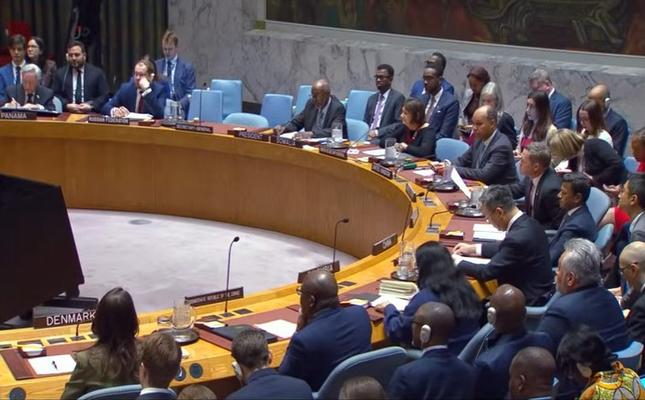
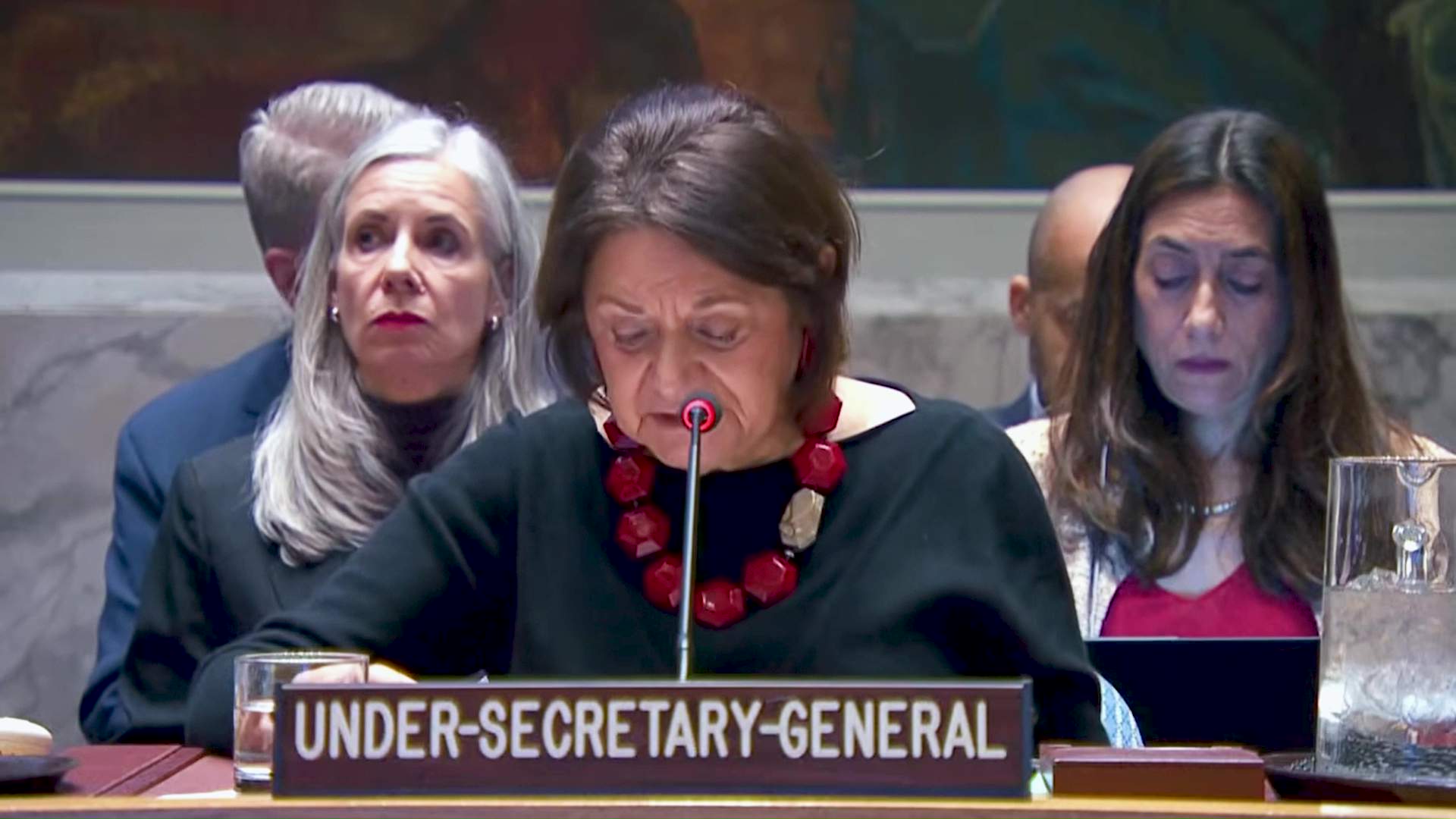
    Referencing recent developments at the United Nations, the diplomat highlighted that during the latest Security Council session, the Israeli ambassador witnessed unanimous consensus among all fifteen member states. The council collectively condemned acts of aggression and reaffirmed support for Syria’s sovereignty and territorial integrity.

    Furthermore, Syrian representatives are actively engaged in efforts to renew the United Nations Peacekeeping Force’s mandate. This initiative seeks to enhance security mechanisms along separation lines and contribute meaningfully to long-term regional stability, demonstrating Syria’s commitment to diplomatic solutions within international frameworks.

  • UK to Support Antigua and Barbuda’s Preparations for CHOGM 2026

    UK to Support Antigua and Barbuda’s Preparations for CHOGM 2026

    In a significant diplomatic development, the United Kingdom has formally committed to providing specialized technical assistance to Antigua and Barbuda as the Caribbean nation accelerates preparations for hosting the 2026 Commonwealth Heads of Government Meeting (CHOGM). The cooperation framework was solidified through a Memorandum of Understanding signed on Thursday between Dr. Clarence Pilgrim, Permanent Secretary in Antigua and Barbuda’s Ministry of Foreign Affairs, and British High Commissioner John Hamilton.

    This agreement marks a pivotal advancement in Antigua and Barbuda’s strategic planning for what officials describe as a monumental national endeavor. Dr. Pilgrim emphasized the practical implications of the partnership, noting that a dedicated technical expert from the UK will be seconded to the Ministry of Foreign Affairs starting April 2025. This on-the-ground specialist will work to establish essential systems and operational frameworks necessary for executing a successful and historically significant international gathering.

    High Commissioner Hamilton highlighted the continuity of bilateral cooperation, referencing previous successful collaborations during the preparations for the Fourth International Conference on Small Island Developing States (SIDS4) in 2024. The UK’s decision to replicate this proven support model for CHOGM 2026 demonstrates confidence in the established partnership framework. Hamilton confirmed this technical assistance represents merely one component of broader UK support initiatives planned as Antigua and Barbuda progresses toward hosting the prestigious Commonwealth meeting.

    The agreement underscores the UK’s ongoing commitment to strengthening diplomatic ties within the Commonwealth network while supporting the institutional capacity building of member states. For Antigua and Barbuda, this partnership provides critical technical expertise that will enhance logistical planning, operational efficiency, and international protocol management capabilities ahead of the high-profile summit.

  • Turkiye reaffirms its firm support for Palestinian cause

    Turkiye reaffirms its firm support for Palestinian cause

    The Turkish Ministry of Foreign Affairs has issued a decisive statement through its official social media channels, marking the International Day of Solidarity with the Palestinian People. The diplomatic communiqué emphasized Ankara’s continued and resolute backing of Palestinian aspirations for self-determination and statehood.

    In the declaration, Turkish authorities articulated their persistent advocacy for the establishment of an independent, sovereign Palestinian nation with territorial integrity. The proposed state would be founded upon pre-1967 borders with East Jerusalem serving as its designated capital, aligning with numerous United Nations resolutions that have historically addressed the Palestinian question.

    This annual observance, formally recognized by the United Nations General Assembly since 1977, serves as a global platform for nations to voice their support for Palestinian rights and condemn ongoing violations stemming from occupation. Turkey’s participation joins a chorus of international voices that utilize this date to reaffirm their diplomatic positions regarding one of the world’s most protracted geopolitical conflicts.

    The Turkish statement notably avoids any direct mention of Israel while simultaneously reinforcing the nation’s longstanding policy orientation toward the Palestinian cause. This positioning reflects Ankara’s careful diplomatic balancing act in the region while maintaining its principled stance on Palestinian self-determination.

  • Cuba and St. Petersburg strengthen historic bonds of brotherhood

    Cuba and St. Petersburg strengthen historic bonds of brotherhood

    In a significant diplomatic engagement, St. Petersburg Governor Alexander Beglov met with Roberto Morales, a high-ranking official from the Communist Party of Cuba, on Friday, solidifying the strategic alliance between Russia and Cuba. Governor Beglov emphatically declared that Russia would perpetually stand in solidarity with Cuba, reinforcing his nation’s commitment to defending what Russian officials frequently refer to as the ‘island of freedom.’

    The high-level discussion, part of Morales’ official visit to Russia, served as a platform to deepen bilateral ties. Beglov extended specific gratitude to Cuban President Miguel Diaz-Canel for the warm hospitality during recent exchanges, which facilitated productive dialogues on critical joint initiatives. The Governor emphasized the mutual dedication to preserving Cuba’s independence and sovereignty.

    In reciprocal remarks, Morales, the Secretary of Organization of the Central Committee of the Communist Party of Cuba, acknowledged the substantial advancements in relations linking St. Petersburg with key Cuban provinces, including Havana, Matanzas, and Santiago de Cuba. A central point of his address was the profound appreciation for the consistent political and material support from both the Russian government and its citizens. This support is crucial for Cuba’s ongoing struggle against the long-standing U.S. commercial and financial blockade, a policy maintained across multiple American administrations. Morales also thanked Russia for its prompt humanitarian assistance following the devastation of Hurricane Melissa.

    Prior to this meeting, the Cuban delegation was formally received at the St. Petersburg Legislative Assembly by its President, Alexander Belsky. Morales’ official tour, which commenced in Moscow on November 25 under the invitation of the United Russia party and the Communist parties of the Russian Federation, is scheduled to conclude on November 30. The visit underscores a shared objective to further broaden and intensify the strategic cooperation between the two nations.