分类: politics

  • U.S. Ambassador reveals Biden administration pressured Dominican Republic to keep Haiti border open

    U.S. Ambassador reveals Biden administration pressured Dominican Republic to keep Haiti border open

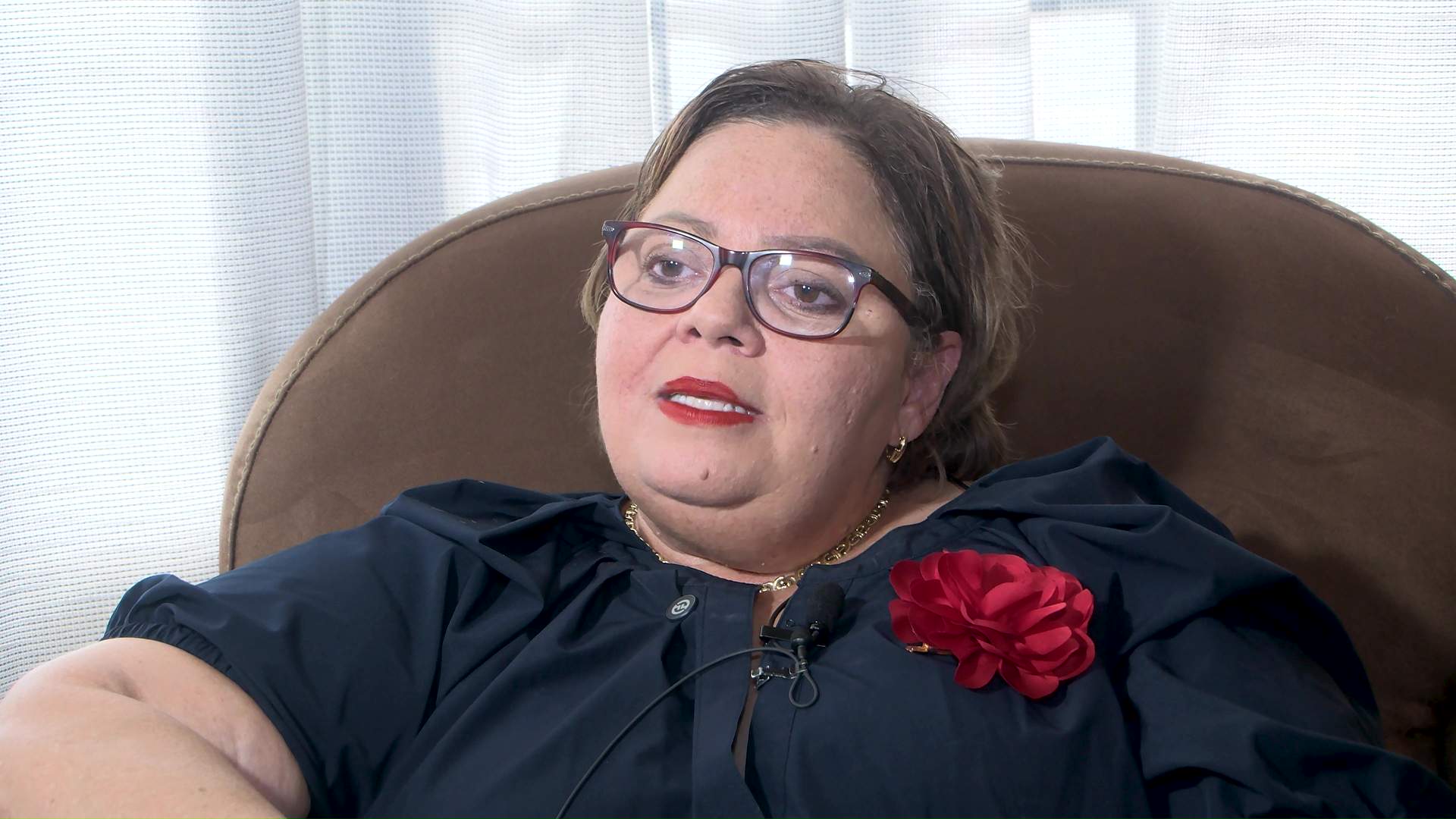
    SANTO DOMINGO – In a significant diplomatic disclosure, U.S. Ambassador to the Dominican Republic Leah Campos acknowledged on Tuesday that the Biden administration had applied political pressure to prevent the closure of the Dominican-Haitian border. The revelation came during her address at an American Chamber of Commerce (AMCHAMDR) luncheon in the Dominican capital.

    Ambassador Campos clarified that Washington’s position was motivated by escalating security concerns stemming from Haiti’s intensifying crisis. She articulated that the instability in Haiti represents a direct security challenge that transcends borders, potentially affecting both the Dominican Republic and the United States. This geopolitical reality formed the basis for the diplomatic engagement with Dominican authorities.

    The ambassador emphasized her dedicated collaboration with President Luis Abinader and private sector representatives to develop strategic solutions addressing these security threats. ‘My commitment remains firm in partnering with President Abinader and the business community to mitigate this danger and contribute to Haiti’s stabilization,’ Campos stated. ‘Our ultimate objective is achieving a peaceful and secure environment for the Haitian population, which they rightfully deserve.’

    Beyond border security discussions, Ambassador Campos expressed appreciation for President Abinader’s administration regarding its efforts in combating transnational crime. She specifically acknowledged measurable progress in addressing drug trafficking, money laundering operations, and human trafficking networks through enhanced bilateral cooperation in recent years.

  • Politic : The Government accelerates preparations for elections

    Politic : The Government accelerates preparations for elections

    In a significant stride toward restoring constitutional governance, Haiti’s government has unveiled comprehensive electoral reforms during the 29th edition of the ‘Tuesdays of the Nation’ forum on December 2nd, 2025. Minister Delegate Joseph André Gracien Jean, overseeing electoral and constitutional affairs, detailed the administration’s progress in implementing the April 3rd, 2024 Agreement framework.

    Prime Minister Fils-Aimé’s administration demonstrated unwavering commitment to organizing credible elections through two pivotal actions: the full mobilization of the Provisional Electoral Council (CEP) and the unanimous adoption of the Electoral Decree by the Council of Ministers on December 1st. This legislative instrument marks a crucial milestone in Haiti’s political renewal process.

    The newly ratified decree introduces several groundbreaking provisions designed to transform Haiti’s electoral landscape. These innovations mandate 50% female representation in all decision-making positions, establishing one of the Caribbean’s most progressive gender quotas. The reform package further includes comprehensive updating of the electoral register under CEP supervision and strategic decentralization of tabulation centers across all ten departments to enhance transparency.

    Notably, the electoral framework expands democratic participation through two key mechanisms: formalized diaspora voting rights and innovative recruitment of polling staff from National Service (NS4) students, women’s organizations, and civil society groups. These measures aim to broaden electoral integrity and public trust.

    Concurrently, the government is implementing an extensive capacity-building program for political organizations, with over 100 parties currently receiving structured training across multiple departments. Minister Jean characterized these reforms as foundational to rebuilding Haiti’s nation-state infrastructure and modernizing its democratic institutions for long-term stability.

  • FLASH : Official visit to Haiti of Albert Ramdin, Secretary General of the OAS

    FLASH : Official visit to Haiti of Albert Ramdin, Secretary General of the OAS

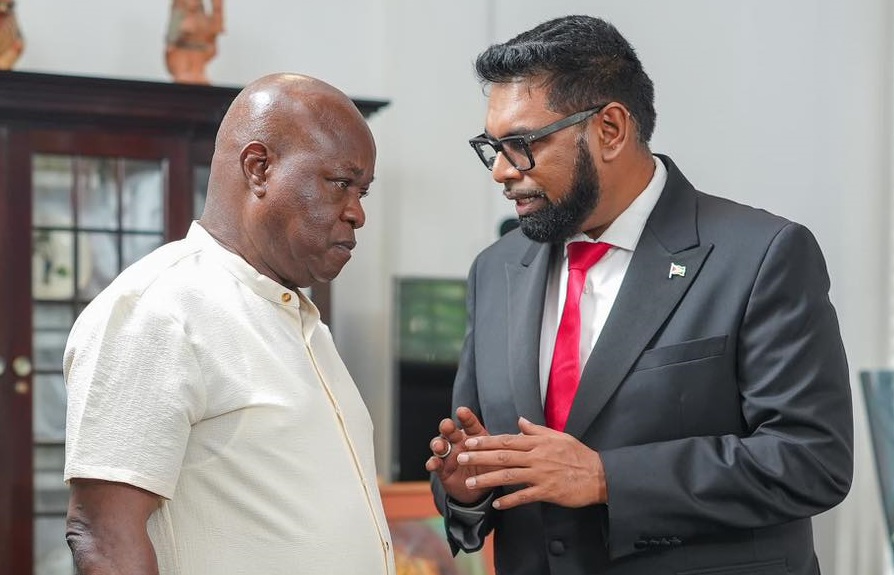
    Albert R. Ramdin, Secretary General of the Organization of American States (OAS), commenced a pivotal two-day official visit to Haiti on December 2-3, 2025, marking his first diplomatic engagement with the Caribbean nation since assuming office. The high-level mission, involving extensive discussions with Haitian transitional leadership, focused on addressing the nation’s multifaceted crisis through coordinated regional support.

    Ramdin’s delegation received an official welcome in Cap-Haitien from senior Haitian officials including the Director of Protocol of the Ministry of Foreign Affairs, the Departmental Delegate, the Mayor, and police leadership before proceeding to the capital. In Port-au-Prince, the OAS delegation engaged in substantive talks with the Presidential Transitional Council (CPT) at the Villa d’Accueil, where Council President Laurent Saint-Cyr expressed appreciation for the OAS’s sustained commitment to Haiti’s stabilization, particularly regarding the finalization of the political roadmap.

    The dialogue centered on Haiti’s critical security situation as an essential precondition for credible elections, with both parties acknowledging recent progress including the adoption of the electoral decree. Discussions comprehensively addressed governance challenges, stability mechanisms, and electoral preparations, all contingent upon restoring national security. The conversation also examined the impending expiration of the CPT’s mandate in February 2026.

    Subsequently, Prime Minister Alix Didier Fils-Aimé convened a working session with the OAS delegation, detailing advancements in combating insecurity through enhanced operational capabilities of national forces and systematic measures to neutralize armed groups. The Prime Minister formally requested OAS member state support to strengthen the Gang Suppression Force (GSF) as a cornerstone of territorial security strategy, emphasizing that security restoration remains the administration’s paramount priority for enabling successful elections.

    Secretary General Ramdin commended the Haitian government’s publication of the Electoral Decree as a concrete and decisive step toward credible, inclusive democratic elections. He reaffirmed the OAS’s unwavering support for institutional stability during this critical juncture. The Prime Minister additionally highlighted the severe humanitarian situation, seeking OAS assistance for socialization, reintegration, and community support programs vital for social fabric reconstruction and sustainable peace.

    The first day concluded with an official reception honoring Ramdin at Pétion-ville’s El Rancho Hotel, attended by key governmental figures. The Secretary General’s itinerary included operational reviews at the OAS National Office, coordination with the Provisional Electoral Council and technical teams, and strategic meetings with international partners including the Pan American Development Foundation, Inter-American Development Bank, and World Bank representatives to align institutional, technical and security support.

    The mission also featured field assessments in Morne Casse, where Ramdin inspected the Tactical Center—a critical infrastructure enhancing security force capabilities—accompanied by the Justice Minister. Further site visits included the modernized Terrier Rouge police station, demonstrating infrastructure modernization efforts, and the National Identification Office, underscoring comprehensive approach to Haiti’s stabilization.

  • SLP candidates thank supporters after landslide wins

    SLP candidates thank supporters after landslide wins

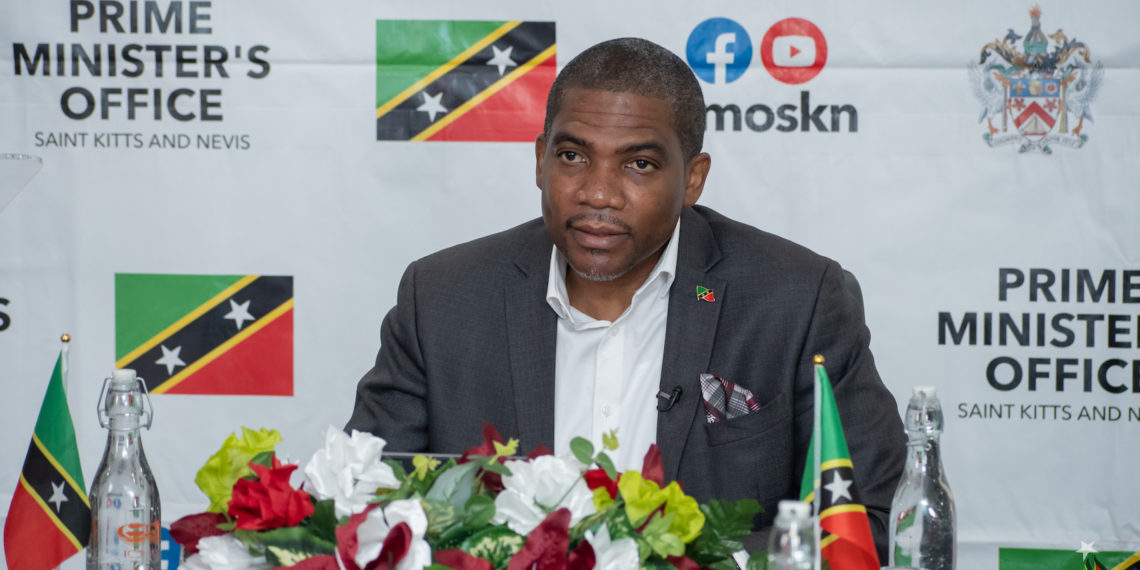
    The Saint Lucia Labour Party (SLP) has achieved a commanding triumph in the December 1 general election, consolidating its governance with an expanded parliamentary majority. Under Prime Minister Philip J. Pierre’s ‘Moving Forward Together’ mandate, the party secured 14 seats, augmenting its previous majority by one. The United Workers Party (UWP) faced a near-total collapse, with only its leader, Allen Chastanet, managing to retain his seat in the UWP stronghold of Micoud South.

    The electoral landscape witnessed a powerful blend of seasoned incumbents and promising newcomers. Veteran politicians Alva Baptiste and Moses Jn Baptiste both celebrated victories, securing their fifth consecutive terms in Laborie/Auguier and Vieux Fort North, respectively. Baptiste, the outgoing External Affairs Minister, credited his ‘thumping victory’ to the disciplined support and ‘love of the Red Army.’

    A significant generational shift emerged as new candidates claimed decisive wins. Danny Butcher made history in Vieux Fort South by becoming the constituency’s first representative in nearly three decades not from the Anthony political dynasty. Similarly, Lisa Jawahir secured a landmark victory in Castries South East, unseating veteran politician Guy Joseph. Jawahir heralded the win as ‘a new chapter written by the people,’ emphasizing the collective determination of mothers, fathers, workers, and dreamers.

    The SLP’s dominance was further reinforced by several notable retainments. Shawn Edward celebrated his fourth consecutive win in Dennery North with an impressive 766-vote margin, the largest of his political career. Jeremiah Norbert maintained control of the historically significant Micoud North seat, once held by Sir John Compton, defeating his own relative in the process. Meanwhile, Wayne Girard achieved a political milestone in Anse La Raye/Canaries, becoming the first candidate since Cyprian Lansiquot to retain the seat.

    The two independent candidates aligned with the SLP also secured parliamentary positions, further strengthening the government’s mandate. The only setback for the Labour Party came in Micoud South, where Dr. Shanda Harracksingh fell to UWP leader Allen Chastanet. Despite this lone defeat, Harracksingh remained defiant, urging supporters: ‘We did not lose. We won… I will not stop, I am going again.’

    The comprehensive victory signals a strong public endorsement of Prime Minister Pierre’s leadership and sets the stage for continued implementation of his administration’s policy agenda.

  • Homeland Security recommends travel ban list include at least 10 more countries following DC shooting

    Homeland Security recommends travel ban list include at least 10 more countries following DC shooting

    The Department of Homeland Security, under Secretary Kristi Noem, has formally recommended substantially expanding the Trump administration’s travel restrictions to include between 30 to 32 countries—a notable increase from the current list of 19 nations. This development, confirmed by sources familiar with the matter, would impose significant entry limitations on nationals from the affected countries seeking to visit the United States.

    The proposal emerges in direct response to the recent shooting incident in Washington, DC, which resulted in the death of one National Guard member and left another critically injured. The identified suspect, Rahmanullah Lakanwal, is an Afghan national who previously collaborated with U.S. forces in Afghanistan before resettling in Washington state during the Biden administration and subsequently receiving asylum under Trump’s presidency.

    Secretary Noem articulated a firm stance following discussions with President Trump, advocating for a comprehensive travel prohibition on what she characterized as nations that have been ‘flooding our nation with killers, leeches, and entitlement junkies.’ The existing roster of restricted countries includes Afghanistan, Burma, Chad, Congo, Equatorial Guinea, Eritrea, Haiti, Iran, Libya, Somalia, Sudan, Yemen, Burundi, Cuba, Laos, Sierra Leone, Togo, Turkmenistan, and Venezuela.

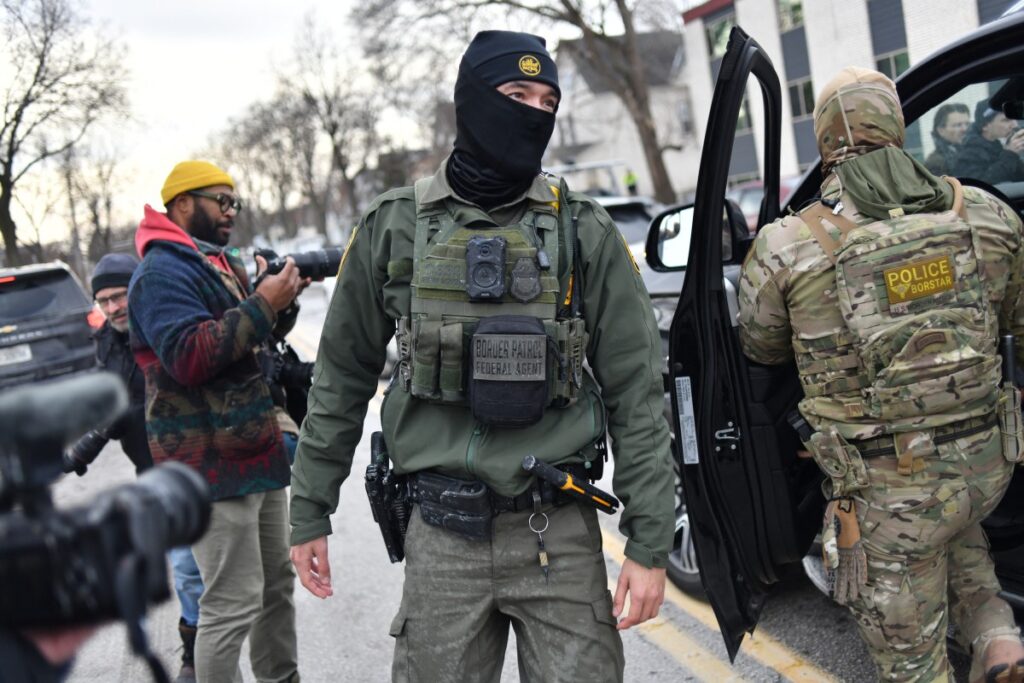
    The administration has intensified its immigration enforcement measures, citing security vulnerabilities exposed by the DC shooting. Senior officials have criticized previous vetting procedures while calling for systemic immigration reforms. In a consequential move, U.S. Citizenship and Immigration Services announced the reevaluation of all permanent resident cards issued to individuals from the currently restricted nations.

    USCIS Director Joe Edlow implemented updated protocols empowering immigration officers to consider country-specific factors as significant negative elements during application reviews. Concurrently, the Department of Homeland Security revealed it is reassessing all asylum cases approved under the previous administration.

    The agency has temporarily suspended all asylum adjudications pending enhanced vetting protocols, with President Trump threatening a permanent halt to migration from what he termed ‘third-world countries’—a policy position Secretary Noem publicly endorsed.

  • Willem-Alexander wil begrijpen hoe Surinaamse rechtspraak standhoudt onder druk

    Willem-Alexander wil begrijpen hoe Surinaamse rechtspraak standhoudt onder druk

    In a landmark engagement during their state visit to Suriname, King Willem-Alexander and Queen Máxima of the Netherlands were granted an unprecedented insight into the operational realities and systemic pressures facing the Caribbean nation’s judicial system. The Monday visit to Suriname’s Court of Justice, described by legal experts as “historic,” featured frank discussions about the state of justice administration and the mounting challenges confronting the judiciary.

    Acting Court President Iwan Rasoelbaks welcomed the royal delegation with a message that balanced national pride with sobering honesty. He emphasized that Suriname’s conscious choice for a democratic constitutional state in 1975 remains unwavering, with judiciary operations continuing to be grounded in principles of independence, impartiality and integrity. However, he openly acknowledged that “the pressure is immense and capacity remains limited.”

    The institution handles an extensive annual caseload of civil and criminal matters with merely 31 judges supported by just over 270 court staff members. This structural shortage has created significant case backlogs that directly impact both citizens and legal professionals.

    In response to these constraints, Suriname has initiated an intensive judicial training program (RAIO) in collaboration with the Netherlands. Eleven new judges are anticipated by early 2026—representing the first phase toward achieving the target of 57 judges by 2027, which the Court identifies as the minimum capacity required to manage its workload effectively.

    Rasoelbaks further highlighted another chronic challenge: geographical inequality in access to justice. First instance proceedings are currently only conducted in four districts, forcing residents from other regions to travel to Paramaribo for legal proceedings. While digital justice solutions could potentially address this disparity, satellite connections remain prohibitively expensive and technically unstable.

    King Willem-Alexander, participating actively in the discussions with evident preparation, posed pointed questions regarding equal access to justice. He inquired how rights are guaranteed for citizens unable to afford legal representation and how the system prevents legally inexperienced individuals from being disadvantaged against professional parties.

    Rasoelbaks referenced existing provisions for free legal aid and emphasized that criminal defendants always have access to defense counsel. Nonetheless, he conceded that further expansion of these services remains necessary to ensure genuine equality before the law.

    The conversation also addressed technological deficits within the judicial system. The monarch questioned what alternatives exist when justice administration in remote regions remains dependent on physical hearings in Paramaribo. The court president outlined both the potential and financial constraints of technological solutions.

    Notably, King Willem-Alexander explicitly referenced the December Murder trials, stating that the process had “confirmed the strength of the independent judiciary.”

    President Jennifer Simons concluded the visit with a definitive message: Suriname continues to work toward strengthening its constitutional state, including the future implementation of cassation jurisdiction. She indicated that these efforts build upon ongoing discussions maintained for years with partners including the Netherlands and the Caribbean Court of Justice. “The judiciary faces significant pressure, as the court president clearly explained,” she stated. “But we are working toward reinforcement. This process continues undiminished.”

  • Dominican President Sylvanie Burton joins OECS peers in Morocco at MEDays Forum 2025

    Dominican President Sylvanie Burton joins OECS peers in Morocco at MEDays Forum 2025

    Under the High Patronage of His Majesty King Mohammed VI, Morocco hosted the 17th MEDays Forum from November 26-29, 2025, convening global leaders during a period of significant geopolitical fragmentation. The summit, themed ‘Fractures and Polarization: Reinventing the Global Equation,’ featured substantial participation from the Organization of Eastern Caribbean States (OECS), including Dominica President Sylvanie Burton, Antigua and Barbuda Prime Minister Gaston Browne, and Grenada Prime Minister Dickon Mitchell.

    The Caribbean delegation’s involvement, facilitated through Eastern Caribbean Embassies in Morocco, signaled deepening commitments to African-Caribbean partnerships. President Burton drew upon Dominica’s Kalinago heritage to emphasize indigenous knowledge systems as crucial frameworks for addressing contemporary challenges. She advocated for enhanced mutual respect, cultural understanding, and improved financial accessibility for vulnerable nations.

    Prime Minister Mitchell highlighted the acute realities of climate change and international instability affecting small island developing states, proposing a reimagining of historical Africa-Atlantic-Caribbean trade routes as modern corridors for collaboration and mutual growth. Meanwhile, Prime Minister Browne addressed compounding poly-crises by calling for urgent financial reforms, vulnerability-specific assessment metrics, and substantive inclusion of small states in global decision-making processes.

    Ambassador Ian M. Queeley, OECS Representative in Rabat, expressed satisfaction with the region’s strong representation, noting that high-level participation demonstrates Africa’s recognition as a strategic partner. The forum enabled substantive dialogues with Moroccan officials regarding future cooperation avenues.

    The collective interventions articulated a distinctly Caribbean perspective advocating global solidarity, equity, and institutional responsiveness. As Morocco advances initiatives like the Atlantic Partnership and continental development programs, the MEDays Summit emerges as a critical platform for shaping international strategies that incorporate the voices of vulnerable nations seeking a more inclusive global order.

  • PM to PNM: Tell Trinidad and Tobago, how long was radar compromised?

    PM to PNM: Tell Trinidad and Tobago, how long was radar compromised?

    Prime Minister Kamla Persad-Bissessar has launched a forceful counteroffensive against opposition criticism regarding the installation of U.S. radar systems, accusing the former People’s National Movement (PNM) government of deliberate security negligence that enabled criminal operations for over a decade.

    In a December 3rd statement, the Prime Minister reframed the national security debate by challenging the PNM to disclose how long they had been aware of Trinidad and Tobago’s compromised radar capabilities. Rather than addressing opposition concerns about sovereignty, Persad-Bissessar shifted focus to what she characterized as systemic security failures during PNM’s tenure.

    The newly operational radar at ANR Robinson International Airport in Tobago represents a significant upgrade in surveillance capabilities, specifically targeting narcotics trafficking, arms smuggling, and unauthorized migrant movements from Venezuela. Another complementary system is scheduled for installation in Trinidad, creating comprehensive coverage previously unavailable to national security forces.

    Persad-Bissessar presented a damning chronology of PNM’s governance, linking the party’s period in power to what she described as ‘horrendous’ crime statistics: over 5,000 murders, widespread sexual violence, and rampant violent robberies. She attributed these security failures to deliberate tolerance of drug cartels and sanction-evading Venezuelan criminal networks.

    The Prime Minister’s challenge includes four specific demands: disclosure of when PNM first learned of radar system vulnerabilities, publication of names of businessmen with dual affiliations to PNM and drug cartels, explanation of why previous radars failed to detect illegal ship-to-ship oil transfers, and clarification whether current anti-American rhetoric stems from criminal pressure rather than national interest concerns.

    This confrontation occurs amid escalating tensions between the United States and Venezuela, with Washington accusing Caracas of narco-terrorism activities. The Prime Minister characterized PNM’s questions about the new radar as a ‘desperate’ attempt to obtain sensitive security information that could benefit criminal financiers associated with the opposition.

  • Imbert: Expired drugs is a ‘big problem’ in Trinidad and Tobago

    Imbert: Expired drugs is a ‘big problem’ in Trinidad and Tobago

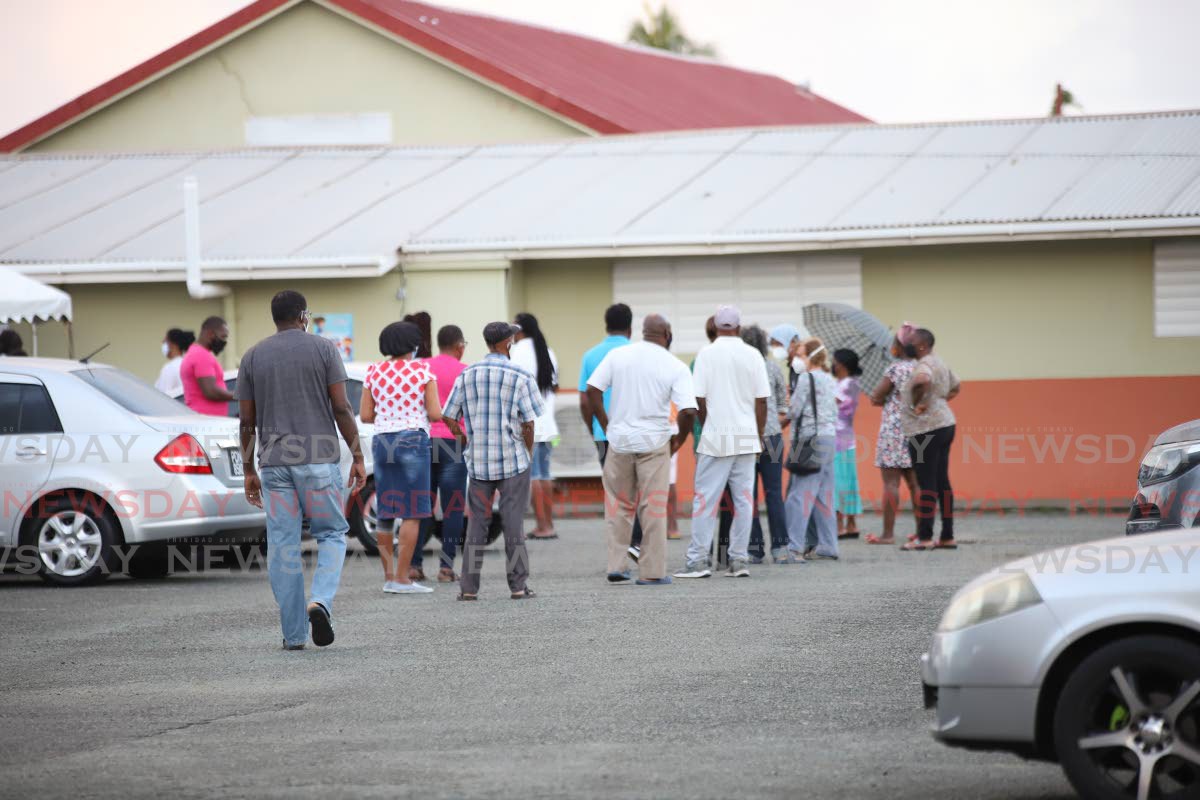
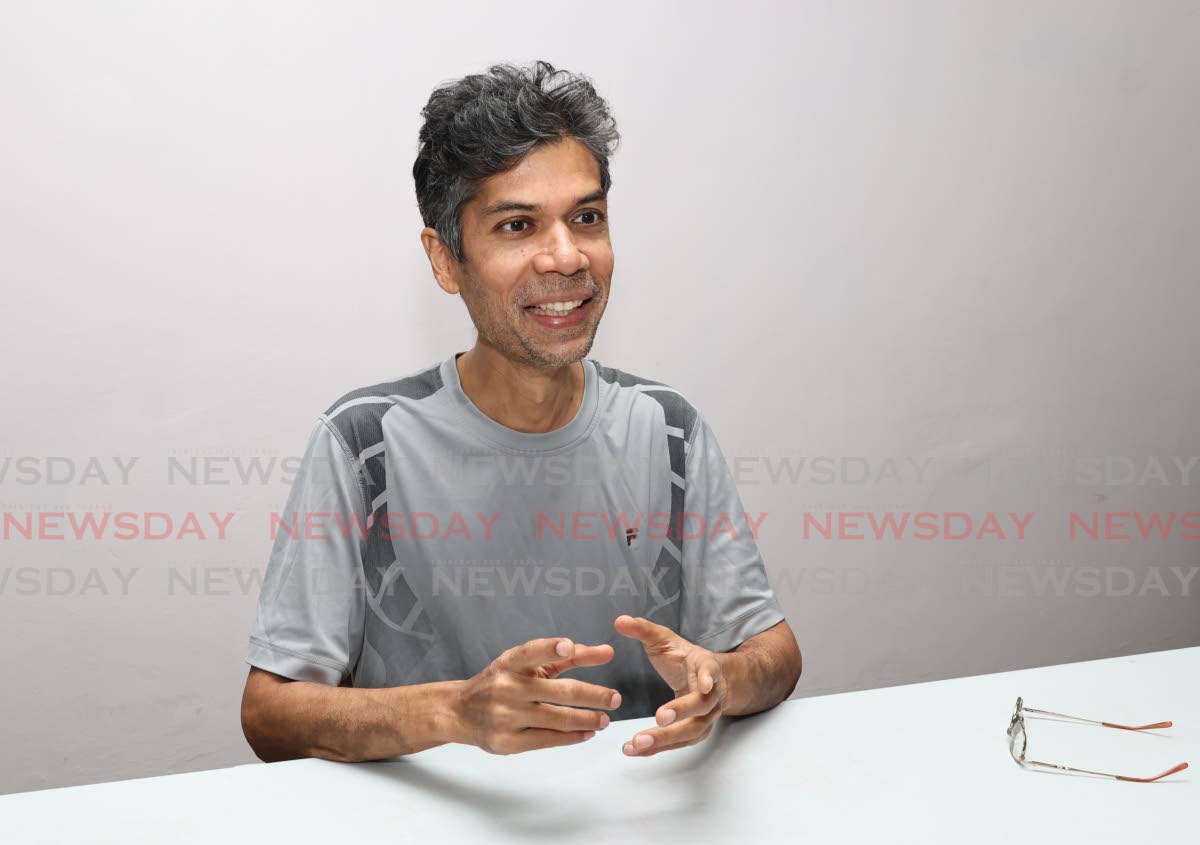
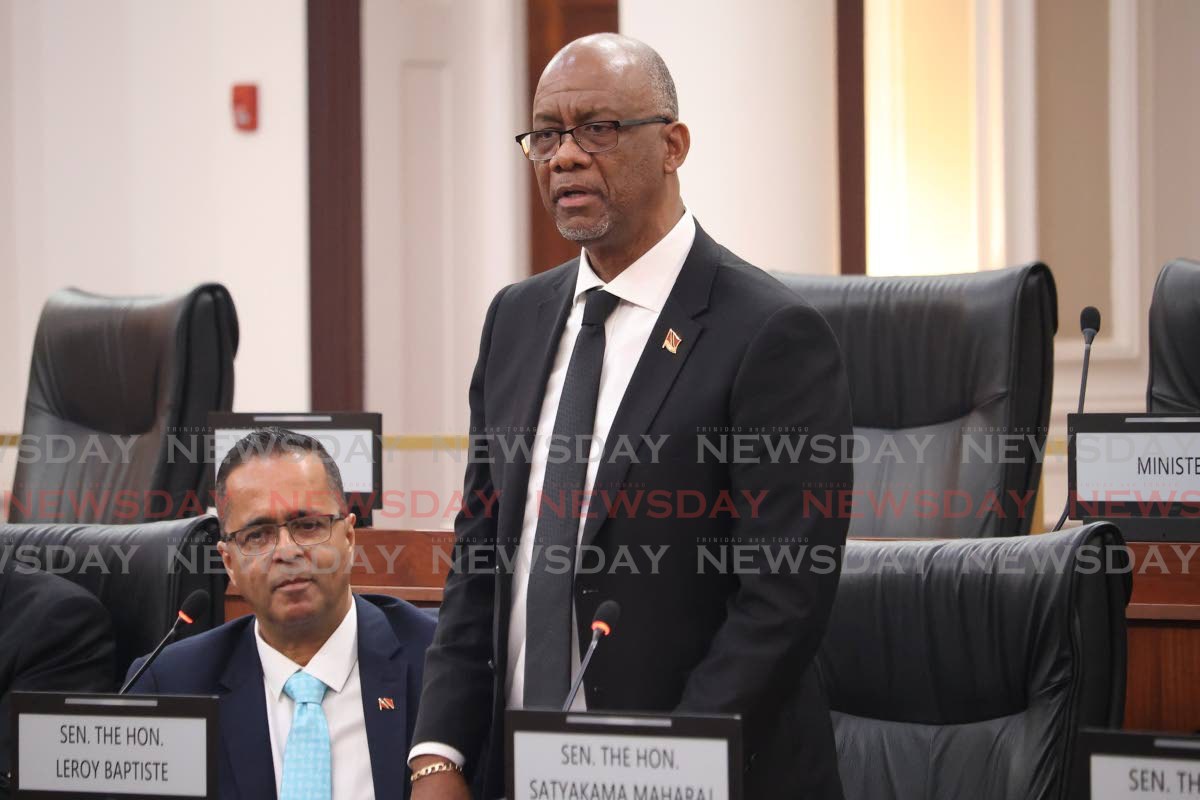
    Opposition Parliament Member Colm Imbert has characterized the proliferation of expired pharmaceuticals within Trinidad and Tobago’s healthcare system as a substantial national concern. The revelation emerged during the opposition’s weekly media briefing on December 3rd, following Newsday’s report detailing parliamentary committee discoveries of $80 million worth of medicines deteriorating into uselessness over a decade in Ministry of Health storage facilities.

    Imbert, drawing upon his tenure as health minister between 2001-2003, emphasized that this wastage problem demands comprehensive investigation. He identified a structural challenge facing smaller nations: international pharmaceutical suppliers allegedly compel local agents to accept excessively large shipments that exceed practical consumption needs, making expiration inevitable.

    PNM political leader Penelope Beckles corroborated the systemic nature of these challenges after consulting former health minister Terrence Deyalsingh (2015-2025). Beckles noted the issues extend beyond expiration dates to include ongoing global debates about drug quality disparities affecting smaller island nations.

    Imbert further alleged the current administration plans to radically alter pharmaceutical procurement by abandoning local suppliers in favor of importing generic drugs from India through government-selected agents. He claimed, without disclosing sources, that traditional suppliers are being deliberately starved of payments under the pretext of being PNM-aligned, potentially redirecting the nation’s $1 billion pharmaceutical expenditure through new import channels.

  • TPP’s Williams-Orr: Radar is ‘Christmas gift’ for Crown Point

    TPP’s Williams-Orr: Radar is ‘Christmas gift’ for Crown Point

    A controversial US military-grade radar installation at Tobago’s ANR Robinson International Airport has ignited both concern and unexpected celebration within the Caribbean community. Certica Williams-Orr, Tobago People’s Party member and former THA councillor, characterized the advanced surveillance system as an early “Christmas gift” for Crown Point residents during a December 2nd political gathering in Bon Accord.

    The radar, identified as resembling Northrop Grumman’s AN/TPS-80 ground/air task-oriented radar (G/ATOR), represents cutting-edge military technology currently deployed by both the US Marine Corps and Air Force. According to manufacturer specifications, the system provides comprehensive 360-degree surveillance capabilities with advanced threat detection for cruise missiles, hypersonic weapons, ballistic missiles, and both manned and unmanned aircraft.

    The installation process revealed significant transparency issues within Tobago’s governance structure. Chief Secretary Farley Augustine acknowledged learning about the radar deployment through media and WhatsApp reports rather than official channels, while Prime Minister Keith Rowley initially treated the matter as classified national security information.

    Defence Minister Wayne Sturge addressed growing public apprehension during a November 29th media conference, emphasizing the system’s domestic security applications. He clarified that the primary function involves identifying illegal flights and drone operations associated with drug trafficking networks targeting the island.

    Augustine subsequently received assurances from central government authorities that the radar would not be utilized by US forces for offensive operations against any nation. The technological deployment occurs amid ongoing production to satisfy both US military requirements and select international customers, positioning Tobago at the forefront of regional security infrastructure.

    Williams-Orr’s festive metaphor during her public address highlighted the unusual nature of the security upgrade: “Brothers and sisters, Bon Accord/Crown Point, you have to show off yuh self. You have been so much in the news. Last week, you get your gift already for Christmas. You have a whole radar in the air.”