分类: politics

  • WIN rides on western nations’ calls for Opposition Leader

    WIN rides on western nations’ calls for Opposition Leader

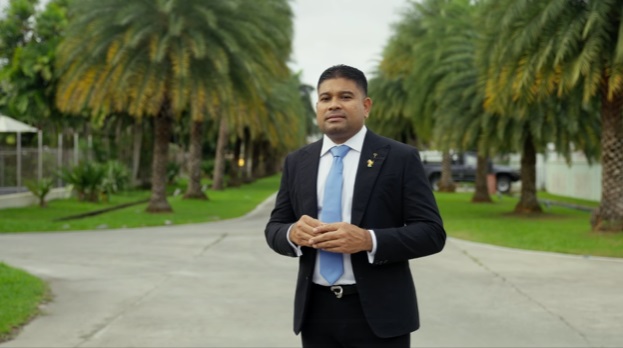
    Guyana’s principal opposition faction, We Invest in Nationhood (WIN), is capitalizing on mounting international pressure from Western powers to secure parliamentary recognition for its leader, Azruddin Mohamed. The political standoff centers on the delayed election of an Opposition Leader, a constitutional requirement that remains unfulfilled more than four months after September’s general elections.

    WIN issued a formal statement demanding that Speaker of the National Assembly Manzoor Nadir convene a meeting of the 29 opposition parliamentarians to resolve the leadership impasse. The party asserts that Mohamed, whose coalition secured 109,075 votes, represents the legitimate choice of the electorate and must be permitted to assume his constitutional role.

    The diplomatic community has intensified pressure on Guyana’s political institutions, with British and Canadian high commissioners alongside European Union and United States ambassadors collectively urging the appointment of an Opposition Leader as essential to democratic functionality. These interventions occurred within a critical 72-hour window preceding WIN’s statement.

    Complicating the political calculus are serious legal challenges facing Mohamed and his father, Nazar “Shell” Mohamed, both subjects of United States extradition proceedings related to alleged mail fraud, wire fraud, and money laundering charges. A committal hearing is currently underway in a magistrates court.

    WIN alleges that the ruling People’s Progressive Party (PPP) intentionally obstructs the opposition leadership process, fearing Mohamed’s potential to introduce rigorous legislative scrutiny and his perceived resistance to political influence. The party contends that Guyana’s democracy suffers from unprecedented parliamentary inactivity, with only one assembly session convened since the elections.

    President Irfaan Ali has dismissed allegations of governmental interference as “absolutely ridiculous,” maintaining that the selection of opposition leadership remains exclusively the concern of opposition parliamentarians. His comments, delivered during a public engagement in Ogle, East Coast Demerara, emphasized administrative non-involvement in the opposition’s internal decisions.
  • Bouva: Diplomatie moet tastbare resultaten opleveren voor Suriname

    Bouva: Diplomatie moet tastbare resultaten opleveren voor Suriname

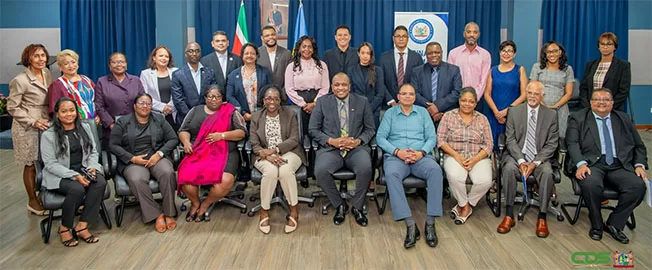
    Suriname’s Foreign Minister Melvin Bouva has issued a compelling mandate for diplomatic reform, declaring that diplomacy must transcend ceremonial functions to deliver concrete policy results and measurable societal benefits. The declaration came during the closing ceremony of the Suriname Diplomatic Course 2025, where certificates were awarded to 60 participants—35 attending physically and 25 via online platforms.

    Minister Bouva, overseeing Foreign Affairs, International Trade, and Cooperation, articulated a vision where diplomatic missions must actively serve as instruments for economic growth, investment attraction, climate financing, and regional stability. The minister emphasized that in an evolving global landscape, diplomats must pivot from traditional protocol duties to becoming active agents of national development.

    The comprehensive training program, administered by the Suriname Diplomatic Institute (SDI), equipped participants with essential skills in diplomatic protocol, negotiation techniques, economic diplomacy, and cultural relations. Dean Silochana Achthoven-Bhaghoe confirmed the curriculum addressed Suriname’s strategic positioning within international organizations.

    Foreign Affairs Director Miriam Mac Intosh characterized the course as an intensive preparation for diplomatic service, urging graduates to continuously invest in professional development. Trainer Rose-Ann Franklin highlighted critical competencies including protocol adherence, analytical capabilities, professional presentation, and precise reporting—emphasizing that diplomats serve as Suriname’s eyes and ears abroad.

    Minister Bouva concluded with a performance-oriented challenge: certification represents not an endpoint but a commitment to project initiation and execution. The new diplomatic corps must bridge the gap between international engagement and tangible national progress.

  • Het Venezolaanse leger heeft de sleutel tot de toekomst van het land in handen

    Het Venezolaanse leger heeft de sleutel tot de toekomst van het land in handen

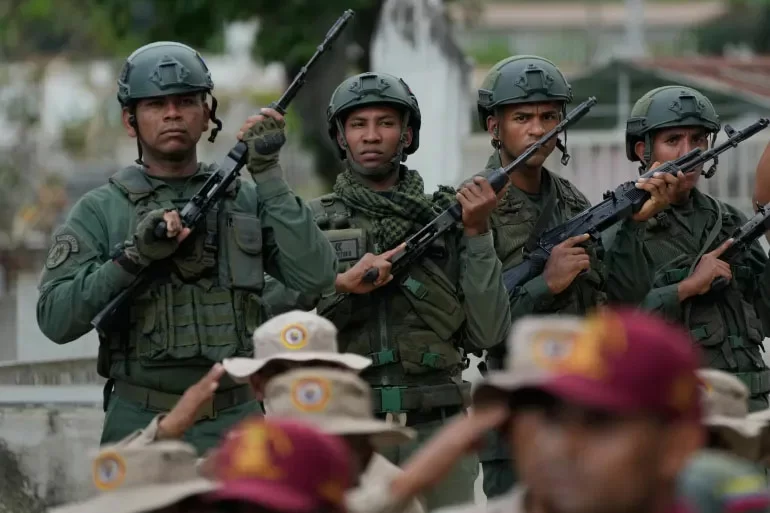
    Following the dramatic capture of Venezuelan President Nicolás Maduro by U.S. special forces, the Bolivarian National Armed Forces (FANB) confronts a pivotal moment that will determine Venezuela’s political future. The military operation, which extracted Maduro from Fort Tiuna—the nation’s largest military complex—has exposed significant vulnerabilities in Venezuela’s defense capabilities and created a power vacuum that demands strategic decision-making.

    For nearly three decades, the FANB served as the primary power broker for the Chavez and Maduro regimes, receiving extensive political appointments including ministerial positions, governorships, and control over state enterprises in exchange for enforcing authoritarian rule. This symbiotic relationship transformed Venezuela into a security state where military authority superseded civilian institutions.

    The current interim government under Delcy Rodríguez, despite enjoying support from the Trump administration, requires military backing to maintain stability. President Trump’s selection of Rodríguez over opposition leader María Corina Machado reflects calculated recognition that only a candidate acceptable to military leadership can navigate this transition.

    Military commanders now face compelling incentives to negotiate: the demonstrated superiority of U.S. military technology creates vulnerability to further interventions, while maintaining political influence requires accepting previously unthinkable concessions. These include distancing from narcotrafficking allegations, accepting U.S. energy companies’ control over Venezuelan oil resources, reducing repression of civilian populations, and fully supporting Rodríguez’s interim government.

    The military’s cooperation essentially means endorsing U.S.-Venezuela agreements that would establish a stabilization framework similar to American partnerships with military regimes in Egypt, Pakistan, and Thailand. Resistance risks triggering additional U.S. military actions that would further erode the military’s credibility and exacerbate Venezuela’s political and social instability.

    With limited options, the FANB’s leadership must choose between preserving some political influence through cooperation or facing complete marginalization through confrontation. Their decision will ultimately determine whether Venezuela’s transition occurs through negotiation or continued conflict.

  • Guyana will not strike a deal with US to settle border controversy with Venezuela

    Guyana will not strike a deal with US to settle border controversy with Venezuela

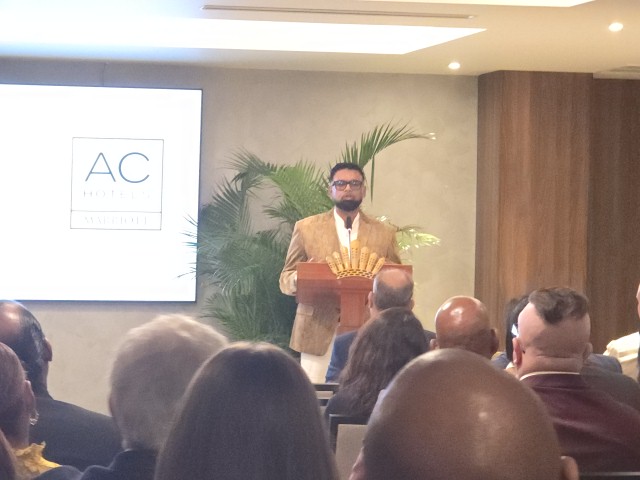
    President Irfaan Ali of Guyana has emphatically dismissed any possibility of yielding to potential United States pressure to negotiate a territorial settlement with Venezuela regarding the long-standing border controversy. Speaking to journalists during the inauguration of the AC Marriott Hotel in Ogle, East Coast Demerara, President Ali underscored that national security and territorial integrity remain non-negotiable priorities for his administration.

    ‘The safety and security of the Guyanese people, along with the integrity of our borders and sovereignty, will never be compromised,’ President Ali asserted, addressing speculation about potential US diplomatic intervention. While no formal request has been made by Washington, international relations analysts suggest the Trump administration might seek to broker an agreement ensuring unimpeded access to oil-rich zones in the Essequibo region, both onshore and offshore.

    The United States has consistently recognized Guyana’s existing borders across both Democratic and Republican administrations. Despite Guyana’s confidence in its case before the International Court of Justice regarding the validity of the 1899 Arbitral Tribunal Award, experts anticipate continued Venezuelan claims over the 160,000-square-kilometer Essequibo Region and its adjacent oil-abundant Atlantic waters.

    President Ali’s statements follow recent US actions in Venezuela that included the capture and extradition of President Nicolás Maduro and First Lady Cilia Flores to face charges related to narcotics, terrorism, and weapons violations. US President Donald Trump has declared that his administration would temporarily ‘run’ Venezuela, utilizing the nation’s oil revenues for its benefit.

    Addressing regional security concerns, President Ali highlighted significant shifts in the Caribbean’s democratic and security landscape, emphasizing the importance of stability in combating international criminal networks. He warned against complacency, noting that Guyana remains vulnerable to global networks influenced by events in other regions.

    The Guyanese leader also pointed to notable security improvements, citing a 25.5% reduction in serious crimes in 2025—the lowest in a decade—attributed to enhanced technology and community partnerships in law enforcement. ‘We are partnering with technology, innovation, and communities because investments depend heavily on a stable and secure environment,’ President Ali concluded.

  • Dossier houtexport  3: Waarom het vonnis in houtdossier ernstige vragen oproept…

    Dossier houtexport 3: Waarom het vonnis in houtdossier ernstige vragen oproept…

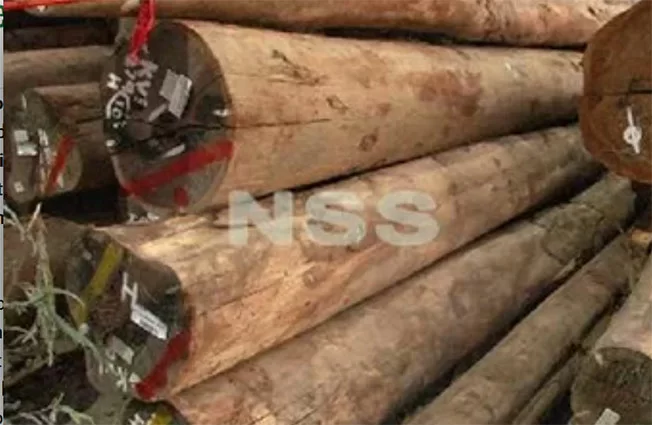
    A controversial court ruling in Suriname has compelled the state to issue phytosanitary certificates for timber shipments that demonstrably contradict their declared contents, creating both legal and administrative turmoil. Presiding Judge Robert Praag’s decision explicitly permits international non-compliance despite available alternatives, prioritizing economic interests over regulatory integrity.

    The judgment reveals the court’s awareness of the core issue: the certificates do not match the actual shipments. This represents not merely an interpretive discrepancy or administrative oversight, but objectively incorrect documentation. Nevertheless, the state must now issue these certificates under penalty of a SRD 1 million per hour fine.

    Historical context demonstrates this is not a sudden development. As early as August 2022, previous leadership at the Ministry of Agriculture, Livestock and Fisheries (LVV) and the National Plant Protection Organization (NPPO) identified systematic export of different wood species under the trade name ‘Mora roundlogs’ to India, violating both international phytosanitary regulations and India’s explicit import requirements. Internal correspondence shows the technical authority (NPPO) opposed issuing certificates for incorrect shipments, with international partners explicitly rejecting a proposed six-month ‘grace period’ in 2022.

    The court had several legally defensible alternatives: upholding international obligations as paramount, redirecting economic damages to civil proceedings against the state for years of failed policy, or providing temporary relief without legitimizing incorrect documentation. Instead, the ruling accepts the factual inaccuracy of the certificates based on the argument of irreversible economic damage.

    This decision shifts the burden of years of failed governance onto the technical integrity of the NPPO, Suriname’s international reputation, and its relationship with India. Phytosanitary certificates represent legal-international instruments rather than commercial documents, making deliberate issuance of incorrect documentation institutional falsehood rather than pragmatism.

    India’s perspective differs significantly from Suriname’s internal discussions. Indian authorities have repeatedly clarified that trade names are insufficient, only correct botanical names are permitted, and deviations are unacceptable regardless of internal problems in exporting countries. A national court ruling does not alter these requirements.

    The judgment has postponed rather than resolved the underlying issue. While exports remain largely on hold and inventories accumulate, the core problem persists: structural non-compliance cannot be normalized through judicial order. The LVV ministry has complied with the ruling under protest while simultaneously filing an appeal, recognizing that in a constitutional state, law should never be exchanged for convenience—not even once.

  • FLASH : Mgr Dumas agrees to lead the mediation at the end of the CPT’s mandate

    FLASH : Mgr Dumas agrees to lead the mediation at the end of the CPT’s mandate

    In a significant development for Haiti’s political future, Bishop Pierre-André Dumas has formally accepted the formidable task of mediating the nation’s escalating constitutional crisis. The Bishop of Anse-à-Veau and Miragoâne, who also serves as Vice-President of the Haitian Episcopal Conference, confirmed his pivotal role in a carefully worded letter addressed to Laurent Saint-Cyr, the Pro Tempore President and Coordinator of the Transitional Presidential Council (CPT).

    This intervention comes at the urgent request of approximately fifteen coalitions spanning Haiti’s political, economic, and civil society sectors, alongside international institutions including CARICOM, the Organization of American States (OAS), and the United Nations Integrated Office in Haiti (BINUH). The mediation seeks to establish consensus on forming an executive government before the CPT’s mandate expires on February 7, 2026, as stipulated in Article 12.1 of the April 4, 2024 Political Agreement.

    Despite acknowledging his ongoing recovery from unspecified health concerns, Bishop Dumas emphasized that “no sacrifice is too great to prevent the country from descending into chaos after February 7.” He characterized his acceptance as a decision made “with gravity and conscience” amid growing apprehensions about potential institutional collapse.

    The bishop has proposed critical meetings with Transitional Council leadership on January 22nd or 23rd to coordinate positions and develop contingency plans. His letter underscores the collaborative nature required between political leadership and religious guidance, noting that both sectors must “combine our efforts to avoid the chaos that threatens the country if we do not anticipate the events following February 7th.”

    This ecclesiastical intervention represents one of the most substantial peacemaking efforts since the establishment of the transitional government, highlighting the Catholic Church’s enduring influence in Haitian society and governance. The successful formation of a functional executive government before the February deadline now appears contingent upon Bishop Dumas’s mediation efforts.

  • MP Corey Lane announces decision not to seek re-election

    MP Corey Lane announces decision not to seek re-election

    In a significant political development, Barbados Labour Party Member of Parliament Corey Lane has declared he will not seek reelection in the upcoming general election, concluding his parliamentary tenure representing the City of Bridgetown constituency.

    The announcement came through an official statement released Saturday, wherein Lane characterized the decision as profoundly considered following extensive deliberation, spiritual reflection, and candid discussions. The MP emphasized that his departure stems not from reluctance but from confidence in both party leadership and the constituency’s ability to identify a worthy successor.

    ‘This declaration does not come with a heavy heart,’ Lane asserted, ‘as the sole circumstance under which I would contemplate stepping down from representing my constituents is knowing our leader shares my unwavering dedication to the people of Bridgetown. Both she and I remain confident the branch will identify an individual fully prepared, willing, and capable to assume this responsibility.’

    Lane’s political journey experienced a prior transition in February of last year when he resigned from his ministerial position as Minister of State in the Office of the Attorney General, where he oversaw crime prevention initiatives. At that time, he cited personal motivations, including prioritizing family time, as driving factors.

    Addressing his constituents directly, Lane reflected on his service as ‘the greatest honour of his life,’ describing the deep personal meaning derived from representing their interests. He expressed particular gratitude for the consistent trust placed in him, which he identified as the most significant gift received throughout his term.

    The MP highlighted the distinctive Barbadian cultural tradition of hospitality as symbolic of his relationship with constituents, noting that being welcomed into homes and offered meals represented being embraced as family. Lane committed to maintaining honesty and transparency with the public, values he pledged to uphold from his initial campaign.

    Elected in the 2022 general election under the Barbados Labour Party banner, Lane brought prior governmental experience to his role, having served as special adviser to the Prime Minister on poverty alleviation and Sustainable Development Goals before entering parliamentary politics.

  • Holness on Maduro: ‘My job is to keep Jamaica safe’

    Holness on Maduro: ‘My job is to keep Jamaica safe’

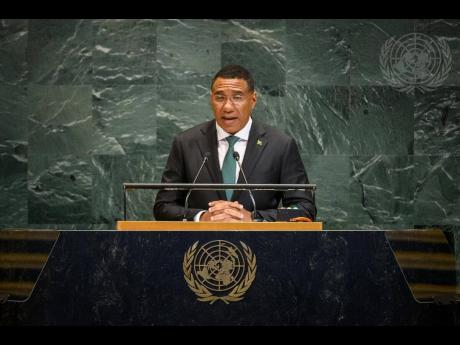
    Prime Minister Andrew Holness has articulated Jamaica’s deliberate approach to international diplomacy amidst escalating geopolitical tensions surrounding Venezuela. Speaking at the ‘Heal the Family, Heal the Nation’ National Day of Prayer service in Portmore, St. Catherine, Holness emphasized that Jamaica’s primary responsibility remains national security rather than engaging in unnecessary foreign entanglements.

    The Prime Minister’s comments follow the controversial January 3rd seizure of Venezuelan President Nicolás Maduro by United States military forces, though Holness carefully avoided direct reference to the operation. Instead, he highlighted Jamaica’s consistent foreign policy positions established well before current developments, stating that research would demonstrate the nation’s early stance on these matters.

    Holness rejected assertions that Jamaica’s cautious diplomacy represents abandonment of principle, asserting that the nation has consistently served as “the strong voice of reason for small developing countries globally.” His administration maintains that Jamaica’s foreign policy balances multiple considerations including rule of law, human rights, democracy, and non-intervention in sovereign states’ affairs.

    The political context includes vigorous debate within Jamaica’s opposition People’s National Party, regional leaders, and international observers regarding sovereignty, international law, and Caribbean security. The US operation that extracted Maduro and his wife to face drug trafficking charges in New York has raised significant concerns about regional stability and the principles of international intervention.

    Jamaica’s historical position dates to January 2019 when it joined 18 Organization of American States members in refusing to recognize the legitimacy of Maduro’s presidential term. Foreign Affairs Minister Kamina Johnson Smith clarified that this decision reflected Jamaica’s commitment to fundamental values while maintaining concern for the Venezuelan people’s welfare.

    The opposition PNP has urged stronger support for international legal principles and clearer positioning regarding Venezuela, warning that force-driven regime change poses serious regional risks. Meanwhile, CARICOM leaders have expressed grave concern while advocating diplomatic solutions that respect Venezuelan sovereignty and dignity.

    Former Prime Minister Bruce Golding provided critical context, describing the Maduro operation as part of a rapidly shifting global order influenced by Trump-era policies. Golding warned that post-World War II norms protecting sovereignty are eroding, creating a vulnerable position for Caribbean nations caught between geopolitical powers. He invoked historical parallels, suggesting the region faces challenges reminiscent of colonial eras that require careful navigation to preserve hard-won sovereignty.

  • EBC defends integrity of electoral process

    EBC defends integrity of electoral process

    Barbados’ Electoral and Boundaries Commission (EBC) has issued a robust defense of the nation’s electoral integrity, forcefully rejecting allegations of misconduct while addressing recent public concerns about voting procedures. The commission’s chairman, Ramon Alleyne KC, delivered a comprehensive briefing to media representatives at Warrens Towers, St Michael, categorically dismissing suggestions of political interference in electoral operations.

    Alleyne emphasized the EBC’s constitutional independence, stating unequivocally that no government minister directs or controls the commission’s legislated responsibilities. This declaration comes several months after the EBC’s November announcement identifying 8,291 names for potential removal from the national Register of Electors—a substantial clean-up initiative following Barbados’ first comprehensive enumeration exercise in over three decades.

    The chairman addressed specific concerns regarding the enumeration process, explaining that the commission historically engages additional personnel beyond its core staff of 30 registering officers for island-wide operations. In this instance, postal workers were recruited due to their extensive community knowledge and address familiarity, with all personnel receiving thorough training and supervision from EBC staff. The commission characterized this collaborative effort as both efficient and successful.

    Regarding the published list of individuals slated for removal from voter rolls, Alleyne clarified that deletions only occur under strict legislative conditions: confirmed death, verified absence from Barbados exceeding five years, or substantiated objections. The publication process serves as a critical transparency measure, allowing for public verification and correction over a four-week period with dual notifications.

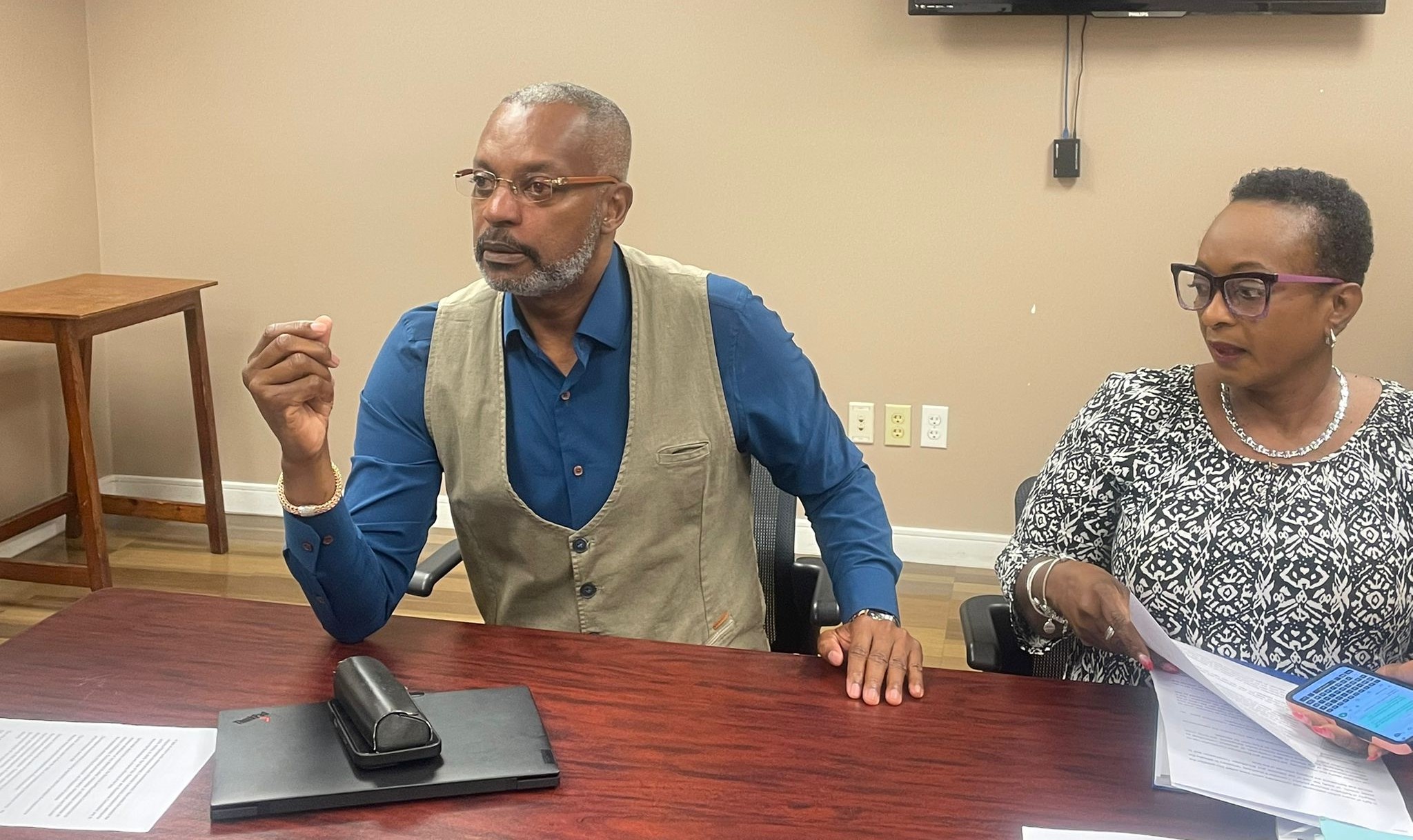
    Alleyne acknowledged the commission’s ongoing preparatory work for future elections while noting that the EBC receives no advance notification of election timing. He expressed particular concern about circulating misinformation potentially undermining public confidence in electoral institutions, stating the media briefing aimed to provide accurate information directly to citizens. The commission confirmed it has received hundreds of correction requests, demonstrating the system’s built-in verification mechanisms are functioning as intended.

  • Saint Kitts and Nevis introduces residency requirement for CBI Programme

    Saint Kitts and Nevis introduces residency requirement for CBI Programme

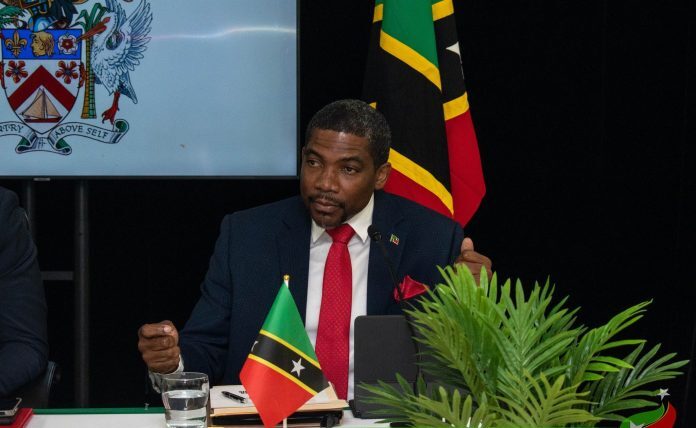
    In a decisive move to bolster its economic citizenship initiative, the Federation of Saint Kitts and Nevis has unveiled two transformative reforms to its Citizenship by Investment (CBI) Programme. Prime Minister Dr. Terrance Drew formally announced these strategic enhancements during a press roundtable, marking a significant evolution in the nation’s investor immigration framework.

    The cornerstone reforms introduce a mandatory residency prerequisite for prospective investors and establish a comprehensive global biometric data collection system for all applicants. These measures represent the latest phase in a comprehensive overhaul initiated by the current administration since assuming governance in 2022, addressing previous criticisms regarding program integrity and valuation.

    “Our administration remains unwavering in its commitment to restoring the CBI Programme’s international standing through rigorous security protocols and enhanced credibility,” affirmed Prime Minister Drew during the announcement.

    Under Dr. Drew’s leadership, the program has undergone systematic modernization including substantial increases in minimum investment thresholds, strengthened due diligence mechanisms, enhanced transparency protocols, and the institutional transformation of the CBI Unit into a statutory body with independent oversight authority.

    Concurrently, Saint Kitts and Nevis has pioneered the establishment of the Eastern Caribbean Citizenship by Investment Regulatory Framework. This multilateral initiative creates a unified regulatory authority among participating Organisation of Eastern Caribbean States (OECS) members, mirroring the collaborative governance model of the Eastern Caribbean Central Bank.

    “These strategic advancements simultaneously reinforce program security while facilitating sustainable economic development,” concluded Dr. Drew, emphasizing the dual objectives of the reforms.