分类: politics

  • PM urges ministers not to neglect constituents

    PM urges ministers not to neglect constituents

    In his inaugural address to the newly appointed Cabinet, Prime Minister Godwin Friday of St. Vincent and the Grenadines issued a stern admonition to ministers against becoming disconnected from their electoral bases while immersed in governmental duties. Speaking during the swearing-in ceremony at Arnos Vale, the Prime Minister emphasized that ministerial portfolios should not eclipse fundamental representative responsibilities.

    Friday, whose New Democratic Party secured a decisive 14-1 electoral victory on November 27, ending the Unity Labour Party’s quarter-century governance, reminded colleagues that their political journeys originated through community electoral support. “They elected us, not as ministers, but as their representatives,” he stated, adding that forgetting this reality would be done “at our peril.”

    The Prime Minister articulated a philosophy of accessible governance, urging ministers to maintain proximity to citizens: “Stay close to the people, be accessible, be attentive, be a friend before you are a minister.” He expressed profound gratitude for the public’s trust while acknowledging the humbling responsibility of leadership.

    Friday, now serving his sixth term as Northern Grenadines representative, cautioned that high office should not create distance between representatives and constituents but rather enhance opportunities for positive impact. He framed constituent connection as essential for national improvement, asserting that democracy thrives when representatives adopt public concerns as their own priorities.

    Describing a “new dawn” for the nation, the Prime Minister outlined aspirations spanning job creation, community safety, healthcare enhancement, youth opportunity, and elderly care. His administration’s approach emphasizes pragmatic continuity rather than wholesale transformation, committing to complete existing projects while implementing lessons from past experiences.

    The Prime Minister concluded with theological reflections, quoting Isaiah 40:31 regarding renewed strength through hope. He characterized hope as an active virtue requiring courage and work, invoking the legacy of national hero Chatoyer to inspire collective effort toward national advancement.

  • UDP Labels Upcoming Motorcycle Training Fee “A Hustle”

    UDP Labels Upcoming Motorcycle Training Fee “A Hustle”

    BELIZE CITY – Political tensions have escalated over Belize’s forthcoming mandatory motorcycle training program, with the United Democratic Party (UDP) condemning the initiative as financially burdensome for citizens. The controversial two-week course, scheduled for implementation in January 2026, will require participants to pay up to $300 for completion.

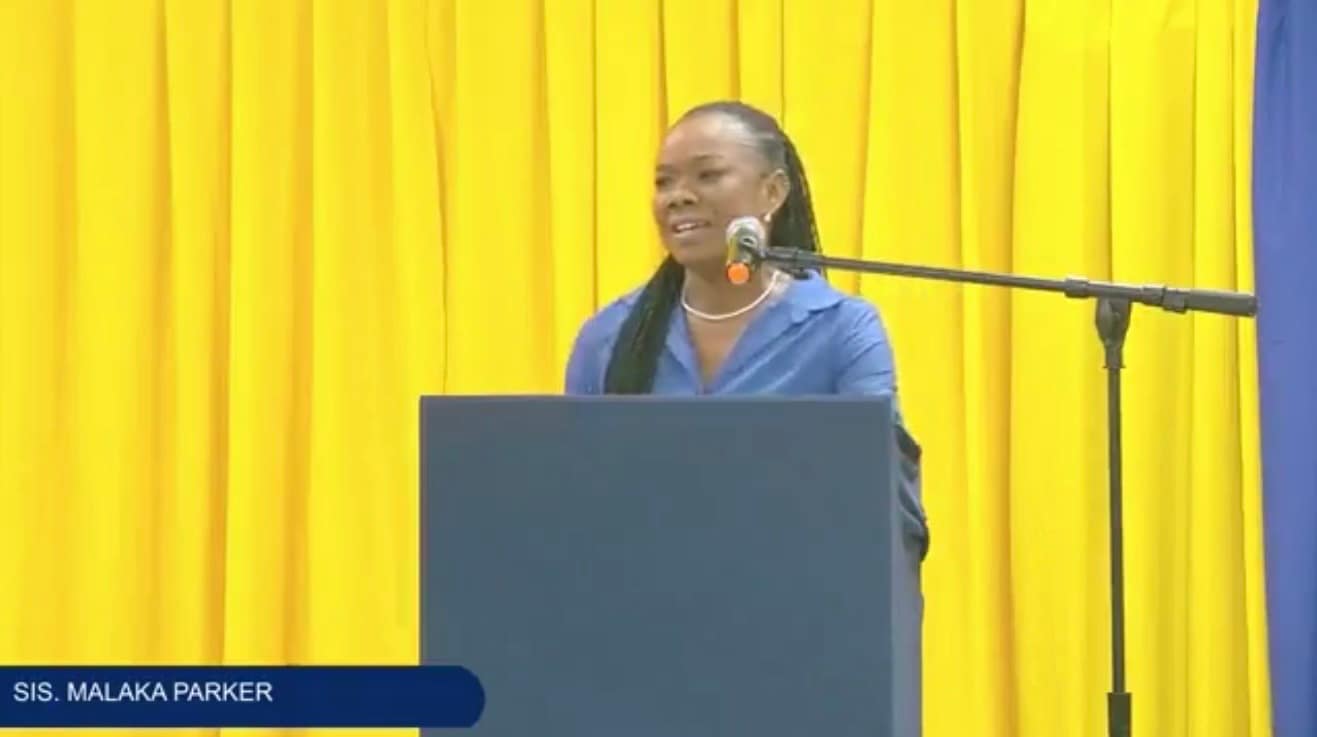
    During the UDP’s inaugural press conference with its newly appointed executive team, Opposition Leader Tracy Panton delivered a scathing critique of the transport policy. “This measure will materially impact our citizens while offering no concrete guarantee of enhanced highway safety,” Panton asserted, highlighting the economic strain on working-class Belizeans.

    The UDP leader characterized the policy as fundamentally misguided, emphasizing that enforcement of existing traffic regulations should take precedence over imposing new financial obligations. “We cannot endorse any initiative that forces the working class to continually shoulder the heaviest burdens amidst rising living costs and proliferating taxes,” Panton stated, bluntly labeling the program “a hustle.”

    The government’s mandate follows a distressing surge in motorcycle fatalities, with official records indicating fifty rider deaths in 2024 alone. Transport Minister Dr. Louis Zabaneh previously defended the $300 fee in November, noting that the cost pales in comparison to funeral expenses.

    In a preemptive social media post preceding the UDP’s press conference, Transport CEO Chester Williams advocated for the training program, citing years of escalating roadway tragedies. “We have witnessed our future bleeding out on our highways while remaining passive observers,” Williams wrote, criticizing those who offer social media condolences rather than supporting preventive measures. He urged citizens to consider the potential lifesaving benefits of the training initiative, questioning whether inaction has already claimed too many young lives.

  • Senasa case heightens pressure as senators call for equal treatment

    Senasa case heightens pressure as senators call for equal treatment

    SANTO DOMINGO – A major corruption scandal at the National Health Insurance Agency (Senasa) has triggered a rare unified demand from both governing and opposition senators for a comprehensive investigation with no special protections for the accused. The case centers on allegations that a parallel decision-making structure was established within the institution to orchestrate large-scale fund diversion.

    During intense legislative discussions, a bipartisan consensus emerged that the judicial process must proceed impartially, disregarding the political stature or connections of the ten individuals implicated. The Public Prosecutor’s Office has charged former executive director Santiago Hazim and others with a litany of crimes, including manipulating provider authorizations, fabricating documents, and altering official financial statements to facilitate the embezzlement scheme.

    Senate President Ricardo de los Santos characterized the situation as a definitive test of the administration’s anti-corruption pledge, asserting that no ‘sacred cows’ would be exempt from scrutiny. He invoked President Luis Abinader’s often-repeated mantra of having ‘friends, not accomplices’ to underscore transparency as a cornerstone of government policy.

    Governing party legislators unanimously reinforced this stance. Senator Julito Fulcar emphasized the necessity of upholding due process for all defendants, while Senator Alexis Victoria Yeb revealed he had flagged institutional irregularities over a year ago, interpreting the current probe as proof of the government’s non-interference in judicial affairs. The principle of unconditional accountability was further echoed by Senators Antonio Taveras and Ginette Bournigal, the latter noting the justice system’s increasing robustness in penalizing official misconduct.

    The opposition echoed these calls for rigor. Fuerza del Pueblo Senator Eduard Espíritusanto condemned the scandal as a profound disgrace, demanding zero tolerance for corruption that jeopardizes public health and insisting the investigation must reach its ultimate conclusion, irrespective of where it leads.

  • Pastor Rodney throws his hat in political ring, says it’s time for servanthood in governance, not self-aggrandizement

    Pastor Rodney throws his hat in political ring, says it’s time for servanthood in governance, not self-aggrandizement

    In a significant political development, Pastor Randy Rodney has announced his candidacy for office under the banner of the United Workers Party (UWP), framing his decision as a divine calling rather than a personal ambition. The announcement, made during a recent radio program on Q-95, marks a notable shift from the pulpit to the political arena.

    Rodney described his choice as the culmination of ‘prayerful reflection’ and ‘thoughtful consultation,’ characterizing it as an ‘assignment’ driven by purpose. He positioned his entry into politics as a direct response to a national crisis, asserting that Dominica stands at a critical ‘crossroads’ requiring leaders grounded in servanthood rather than mere policymaking. ‘Our nation needs leadership rooted in servanthood and guided by a genuine mandate to lift people,’ he declared.

    The pastor-turned-politician outlined a philosophy of governance emphasizing moral stewardship over personal gain. He criticized the current political climate for fostering division and unaccountable leadership, promising instead to champion transparency and integrity. Rodney committed to addressing the ‘bread and butter issues’ of ordinary citizens, condemning what he described as calculated impoverishment and wealth concentration among a privileged few over the past two decades.

    Rodney’s alignment with the UWP stems from his belief in the party’s constitutional safeguards against dictatorial leadership and its stated principle of ‘people before party.’ He contrasted this with the current administration, which he accused of being accountable to no one but itself. His platform calls for reduced partisan fighting, an end to cronyism, and serious consideration of citizens’ interests beyond superficial promises.

    The candidate acknowledged his imperfections while promising presence, listening, and action. His vision looks toward restoring unity and opportunity, enabling families to build futures as in ‘years gone by.’ Rodney concluded with an appeal to UWP delegates ahead of their upcoming conference, urging them to elect ‘leadership with a servant heart’ for the good of the Commonwealth of Dominica.

  • Grenada opens honorary consulate in Guyana

    Grenada opens honorary consulate in Guyana

    In a significant move to bolster regional cooperation, Grenada has officially inaugurated an honorary consulate in Georgetown, Guyana, marking a new chapter in bilateral relations between the two Caribbean Community (Caricom) nations. The ceremony, held on Monday evening, was attended by high-level officials including Grenadian Prime Minister Dickon Mitchell and Foreign Minister Joseph Andall, alongside Guyanese President Irfaan Ali.

    President Ali articulated a visionary proposal for integrated tourism offerings, combining Grenada’s renowned ‘Spice Isle’ attractions—featuring beaches, yachting, and cultural charm—with Guyana’s world-class eco-tourism assets of rainforests, waterfalls, and wildlife. This synergy aims to create multi-destination packages, enhancing regional competitiveness while requiring improved air connectivity to realize its full potential.

    Prime Minister Mitchell emphasized the strategic importance of investing in regional partnerships, acknowledging Guyana’s ‘rock hard’ support during Grenada’s recovery from Hurricane Beryl in 2024. He critiqued the conventional practice of establishing distant diplomatic missions with nations lacking shared interests, affirming that this consulate represents a ‘deliberate step’ to strengthen political, economic, and diplomatic ties within the Caribbean backyard.

    The consulate will be headed by Komal Singh, a prominent Guyanese businessman and former Private Sector Commission chairman, who has been appointed as Honorary Consul. Singh pledged to function as a bridge for business, investment, education, and cultural exchange, stimulating Grenadian engagement with opportunities in Guyana.

    Beyond tourism, both leaders highlighted advanced discussions on regional food security, with plans to formalize an elaborate bilateral agreement by early next year. Guyana aims to become a reliable supplier of quality food at consistent prices, while also proposing joint investment in modernizing Grenada’s spice industry through enhanced processing and packaging capabilities.

    Foreign Minister Andall expressed optimism that the consulate would catalyze extended trade relations not only between Guyana and Grenada but across the entire Caricom bloc, signaling a collective stride toward economic resilience and regional integration.

  • UDP Signals Reset Under New Leader Tracy Panton

    UDP Signals Reset Under New Leader Tracy Panton

    BELIZE CITY – The United Democratic Party (UDP) unveiled its revitalized leadership and strategic direction on December 9, 2025, marking a definitive turning point after prolonged internal turmoil. Under the guidance of newly elected leader Tracy Panton, who secured her position during the party’s November 30 national convention, the UDP conducted its inaugural press conference at their Youth for the Future Drive headquarters—a venue that had recently become emblematic of the party’s internal divisions.

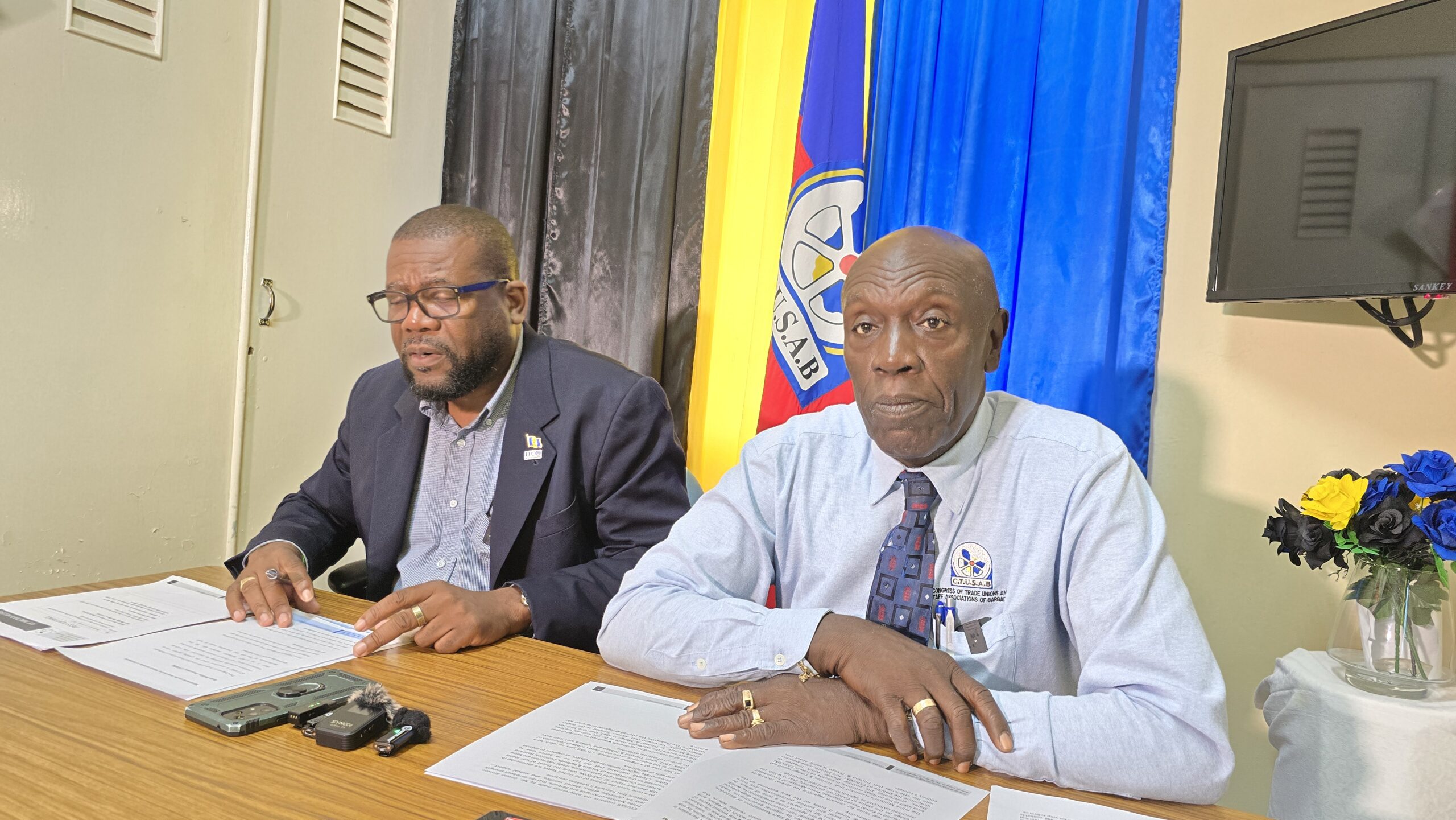
    Panton introduced a revitalized executive team while articulating a comprehensive vision for organizational transformation. Emphasizing a back-to-basics philosophy, the new leader outlined three foundational pillars: organizational restructuring, disciplined governance, and party unity. “In the rebirth of the United Democratic Party, our mission is unequivocal: to restore cohesion, fortify democratic institutions, maintain ethical integrity, and reconstruct a contemporary, disciplined political organization centered on public service,” Panton declared to assembled media representatives.

    The leadership transition occurs amid significant political turbulence nationwide. Panton characterized the current administration as “unraveling at a neck-breaking pace,” positioning the UDP’s reform agenda as an essential corrective measure for national governance. Notably, the party extended an open invitation to all Belizean citizens interested in national renewal to participate in developing the UDP’s policy agenda and white paper, emphasizing citizen engagement as critical to democratic revitalization.

    This strategic reset represents the UDP’s concerted effort to reestablish credibility with both its membership base and the broader electorate following months of internal conflict that had undermined public confidence in the party’s governance capabilities.

  • Antigua and Barbuda launches security training ahead of CHOGM 2026

    Antigua and Barbuda launches security training ahead of CHOGM 2026

    The Caribbean nation of Antigua and Barbuda has initiated a comprehensive security training initiative in preparation for hosting the 2026 Commonwealth Heads of Government Meeting (CHOGM), an event poised to become the largest international gathering in the country’s history. The intensive two-week program, currently underway at Camp Blizzard, brings together security strategists, military personnel, and technical specialists tasked with safeguarding dozens of visiting world leaders and dignitaries.

    Foreign Affairs Minister E.P. Chet Greene emphasized that security planning constitutes the fundamental framework of national preparations given the unprecedented scale of next year’s summit. The minister extended official gratitude to the Canadian government for deploying expert personnel to support the training mission.

    Ambassador Dr. Clarence Pilgrim, who leads the National CHOGM Task Force, outlined the program’s objectives to enhance leadership capabilities, intelligence coordination, and overall operational preparedness before the landmark event. Brigadier Telbert Benjamin, Chief of Defence Staff, underscored the critical importance of seamless synchronization across all CHOGM committees to guarantee flawless execution.

    On-the-ground coordination is being managed by Captain Travis Pennyfeather of the Antigua and Barbuda Defence Force, who collaborates closely with Canadian facilitator Clayton Purvis and a specialized team from the Canadian Armed Forces. Government officials characterize this training initiative as a pivotal advancement toward delivering a securely orchestrated and professionally managed international summit.

  • Greene Says VC Bird Was a Pillar of Regional Integration and Early Architect of CARICOM’s Foundations

    Greene Says VC Bird Was a Pillar of Regional Integration and Early Architect of CARICOM’s Foundations

    During the annual VC Bird Day commemorations in St John’s, Antigua and Barbuda’s Foreign Affairs Minister E.P. Chet Greene delivered a comprehensive tribute to the nation’s founding father, Sir Vere Cornwall Bird Sr., positioning him as both a national architect and visionary Caribbean statesman. Greene emphasized that Bird’s political philosophy extended well beyond territorial boundaries, establishing him as a pivotal force in shaping the Caribbean’s collective future through institutional cooperation.

    Greene detailed how Bird’s regional integration advocacy predated Antigua’s independence, noting his instrumental role as a signatory to the CARIFTA agreement that subsequently evolved into the Caribbean Community (CARICOM). The Foreign Minister characterized Bird’s transition from West Indies Federation participant to economic agreement architect as demonstrating extraordinary foresight in recognizing that regional collaboration rather than isolation would determine the Caribbean’s destiny.

    Domestically, Greene credited Bird with engineering Antigua and Barbuda’s transformation from colonial dependency to sovereign statehood. He highlighted constitutional reforms that established fundamental civil liberties and human rights protections, alongside revolutionary social programs including free secondary education and universal medical services that formed the bedrock of the nation’s social contract.

    Economically, Greene emphasized Bird’s strategic pivot from sugar plantation dependence to tourism-oriented development as fundamentally reshaping the nation’s prosperity trajectory. This structural economic shift, Greene argued, established the foundation for contemporary economic resilience.

    The Minister further contextualized Bird’s legacy as an enduring political institution manifested through successive administrations, including the leadership of his son Lester Bird and current Prime Minister Gaston Browne. Greene framed the ruling party as the institutional continuation of Bird’s original nation-building mission, adapting to contemporary challenges while maintaining its core developmental philosophy.

    In his concluding remarks, Greene urged citizens to recognize Bird’s dual legacy as both national founder and regional integration pioneer, asserting that his vision for Caribbean cooperation remains integral to the nation’s contemporary identity and foreign policy orientation.

  • Trump Administration Quietly Drafts “Day-After” Plans for Possible Maduro Exit

    Trump Administration Quietly Drafts “Day-After” Plans for Possible Maduro Exit

    The Trump administration is currently developing confidential contingency strategies addressing potential political transitions in Venezuela, should President Nicolás Maduro be ousted from power. According to senior officials with direct knowledge of the deliberations, these plans encompass multiple scenarios for stabilizing the South American nation following Maduro’s potential departure—whether through negotiated settlement or military intervention.

    This strategic planning coincides with escalating pressure on Caracas, characterized by the deployment of thousands of U.S. military personnel and a carrier strike group to the Caribbean region. While publicly maintaining that these movements target narcotics trafficking, internal documents reveal broader considerations regarding Maduro’s removal from office.

    Despite President Trump’s characteristically assertive rhetoric, administration officials indicate reluctance toward committing to extensive military engagement. Instead, preparatory measures focus on graduated response options, including economic stabilization packages, security assistance, and limited post-conflict support infrastructure.

    In a significant development, Trump reportedly issued a direct ultimatum to Maduro during recent communications, explicitly advising the Venezuelan leader that stepping aside would serve his best interests. Concurrently, U.S. officials have engaged with Venezuelan opposition leaders María Corina Machado and Edmundo González—the latter having received formal recognition as Venezuela’s legitimate president by the Trump administration. These opposition figures have developed detailed transition frameworks, including comprehensive “100-hour” and “100-day” plans for governance restructuring, which have been shared with American policymakers discussing potential leadership configurations.

  • Beach access fears raised as land swap resolution passes

    Beach access fears raised as land swap resolution passes

    The Bahamas House of Assembly has ratified a contentious land exchange agreement along West Bay Street, triggering intense parliamentary discourse concerning public shoreline accessibility and commercial tourism encroachment. The resolution, passed following vigorous deliberations, aims to address longstanding infrastructure deficiencies while simultaneously raising alarms about Bahamians’ diminishing access to coastal areas.

    Government representatives championed the initiative as a critical infrastructure modernization effort that will resolve persistent safety hazards, including dangerous road curvature, elevation complications, and severe flooding that has regularly submerged vehicles. Works Minister Clay Sweeting presented photographic evidence demonstrating the roadway’s susceptibility to inundation, emphasizing that the realignment concept has been under consideration since the 1960s.

    Opposition legislators voiced substantial reservations regarding the arrangement’s implications for public beach access. St Anne’s MP Adrian White, a real estate attorney, expressed concerns that the redevelopment might exacerbate existing accessibility issues rather than ameliorate them. He specifically referenced cartographic indications of potential beach access points between maritime parcels and questioned whether public traversal rights would be adequately preserved.

    The debate intensified with former Prime Minister Dr. Hubert Minnis highlighting Goodman’s Bay as a cautionary example where commercial tourism operations have substantially occupied beachfront space. He detailed how cruise ship tourists and commercial operators have effectively claimed half the beach area with umbrellas and chairs, potentially restricting resident access. Paradise Island was similarly cited as experiencing comparable accessibility challenges.

    Deputy Prime Minister Chester Cooper acknowledged these concerns while affirming the government’s dedication to safeguarding Bahamian beach access. He clarified that Goodman’s Bay falls under Beaches and Parks jurisdiction, which has already implemented measures to prevent additional commercial expansion.

    The negotiated agreement involves a partnership between the Ministry of Works and developer Vakis Ltd., wherein the developer will finance road construction, design, utility relocation, and drainage enhancements. The government will provide lighting infrastructure and utility materials. The land exchange yields a net public benefit of approximately 10,516 square feet, with government acquiring 44,639 square feet while transferring 34,123 square feet to the developer.

    Additional considerations emerged regarding the historical rock wall featured in the James Bond film ‘Thunderball,’ with assurances that the no-build zone will extend to this structure and coastal visibility will be preserved for motorists.