分类: politics

  • Senator swap

    Senator swap

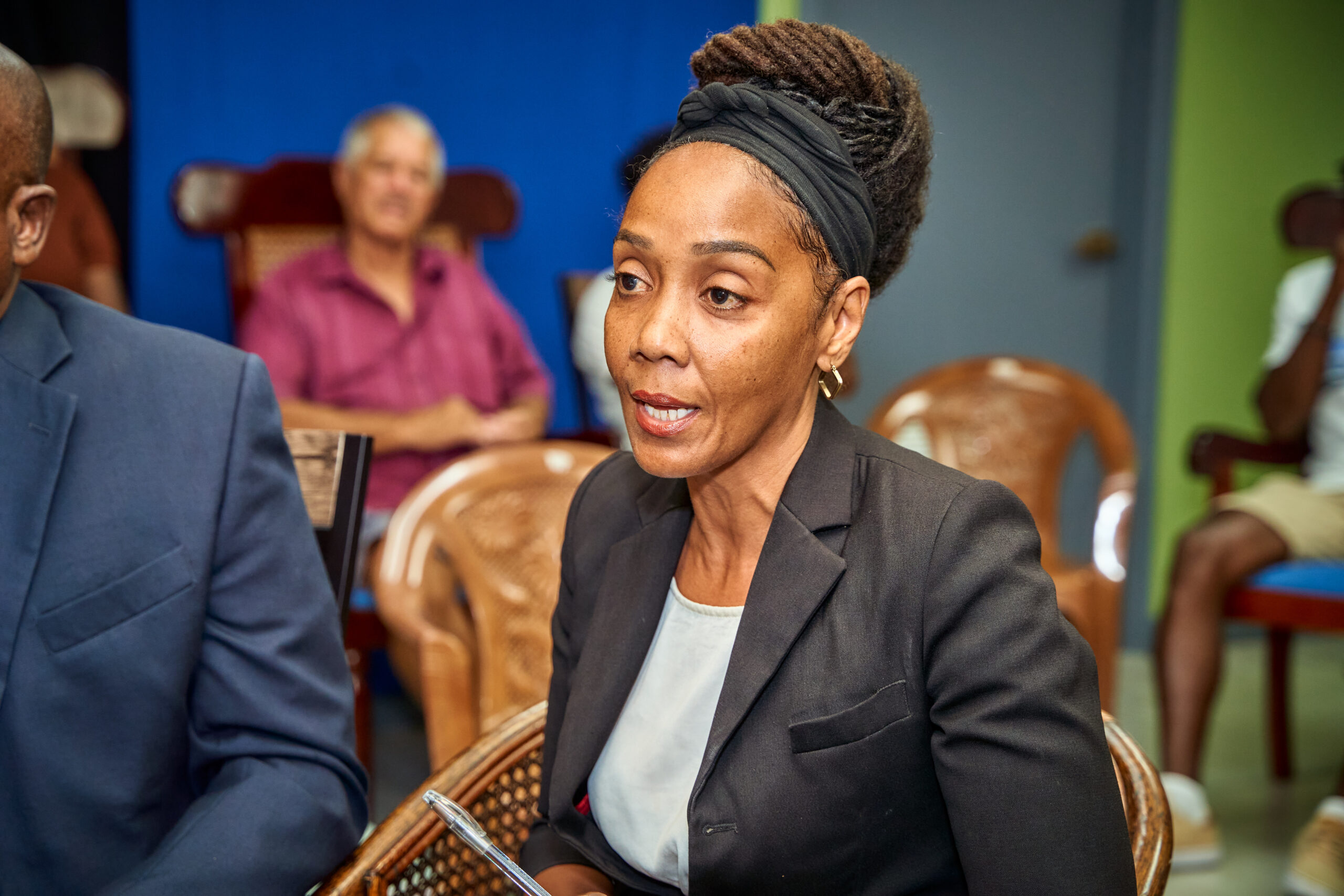
    A political shakeup has hit the Trinidad and Tobago Senate, where opposition Senator Janelle John-Bates has been removed from the influential Public Administration and Appropriations Committee (PAAC), with fellow opposition legislator Vishnu Dhanpaul tapped to fill her vacant seat. The personnel change comes amid a heated parliamentary controversy tied to an ongoing PAAC probe into the government’s pharmaceutical acquisition, importation and approval processes.

    On Tuesday, Leader of Government Business Darrell Allahar formally presented the PAAC’s explosive special report on the matter during a Senate sitting held at Port of Spain’s Red House, following the document’s initial tabling in the lower house of Parliament last Friday. Both legislative chambers are now scheduled to debate the report, which brings sharp scrutiny to John-Bates’ role in assisting former Health Minister Terrence Deyalsingh prepare his witness statement for the committee inquiry.

    Chaired by House Speaker Jagdeo Singh, the PAAC launched the investigation to examine systemic gaps and procedural conduct in how the state procures and approves imported pharmaceutical products. The inquiry was derailed in recent weeks after metadata from Deyalsingh’s April 8 witness memorandum revealed tracked edits directly linked to John-Bates, a sitting voting member of the committee responsible for overseeing the probe. Further digital records indicate she began contributing to the drafting of the document before a key closed-door committee hearing held on March 25.

    Speaking to reporters outside Parliament following the report’s tabling, John-Bates acknowledged her conduct and struck a conciliatory tone about her removal. She stated that stepping aside would remove potential distractions and allow the committee’s critical policy work to move forward unimpeded. “I respect that decision. I think it will allow the important work of the PAAC to continue without it being overshadowed by any issue,” she told journalists. When asked about her future as an opposition senator, John-Bates emphasized she would defer to her party leadership’s judgment, adding that any disputed facts should be resolved through proper parliamentary procedure.

    John-Bates was not the only opposition legislator linked to the drafting effort: opposition Senator Faris Al-Rawi also contributed edits to Deyalsingh’s statement. When approached by the media for comment Tuesday, Al-Rawi, a practicing attorney, declined to discuss the matter, citing legal professional privilege.

    The controversy first came to a head during an April 13 PAAC meeting, where members raised formal concerns that John-Bates’ dual role as a committee investigator and a collaborator with the witness created an untenable conflict of interest that undermined procedural impartiality. In its special report, the PAAC concluded that John-Bates had compromised her duty of impartiality and potentially participated in a conspiracy to commit contempt of Parliament. The document notes that upon being presented with electronic evidence of her involvement, John-Bates admitted to the conduct. The committee warned that her continued membership would make other fellow members uncomfortable and risk eroding the body’s ability to function effectively, and formally recommended her recusal or replacement.

    All voting members of the PAAC signed the special report, with one notable exception: opposition MP Camille Robinson-Regis, who submitted a dissenting Minority Report rejecting the committee’s findings and procedural handling of the case. Robinson-Regis pushed back against the PAAC’s claim that John-Bates’ continued presence would disrupt parliamentary work, dismissing the assertion as unsubstantiated speculation that violates constitutional principles of legislative participation. “The Minority rejects, in the strongest terms, the conclusion that the continued involvement of the Member ‘could make other Members uncomfortable to the point of negatively affecting the work of the Parliament’. This assertion is speculative, unsupported by evidence, and constitutionally unsound,” the Minority Report states. Robinson-Regis also warned that the committee’s reasoning sets a dangerous precedent, noting that “Parliamentary participation cannot be curtailed on the basis of subjective discomfort.” She also raised formal objections to the unauthorized leak of confidential closed-door committee proceedings related to the case.

    The PAAC has confirmed it will launch a separate parallel investigation into the leak of in-camera meeting materials, and has noted that the broader inquiry into pharmaceutical procurement remains ongoing, with no final conclusions reached yet as the committee continues to collect witness evidence.

  • Penny: Govt downplaying  murders, Cumuto bodies

    Penny: Govt downplaying murders, Cumuto bodies

    At a packed People’s National Movement (PNM) town hall gathering held Monday evening at the Diego Martin Community Centre, Trinidad and Tobago Opposition Leader Pennelope Beckles launched a scathing attack on the ruling administration, accusing it of deliberately downplaying three shocking recent events that have shaken public confidence: the brutal murders of a 9-year-old child J’Layna Armstrong and municipal police corporal Anuska Eversley, and the illegal dumping of 50 infant remains at Cumuto Cemetery.

    Beckles centered much of her criticism on what she frames as the government’s failed state of emergency (SoE), a measure implemented to curb rising violent crime that has instead overseen senseless loss of life. She laid out the grim details of the two high-profile killings to the audience: 9-year-old J’Layna was robbed of her future before it even truly began, cut down by violence during the ongoing SoE, while Eversley – a serving municipal officer killed Sunday at a San Fernando police facility – suffered a brutal death that an autopsy confirmed included strangulation, beating, and stabbing.

    In Beckles’ telling, Prime Minister Kamla Persad-Bissessar has sought to minimize the gravity of these discoveries and normalize the unthinkable. She claimed the Prime Minister dismissed the shock of 50 unlawfully discarded infant remains as a routine occurrence, and attempted to decouple Eversley’s murder from broader systemic failures by arguing that because she served with municipal police, the killing at the municipal police building did not reflect a breakdown in public safety – urging citizens to simply continue with daily life as normal.

    Rejecting this framing outright, Beckles emphasized that violence does not distinguish between locations or police units. “It matters not whether it’s a police station, whether it’s a market, whether it’s a school, whether it’s a house. Murder is murder. And police is police,” she stressed, questioning how the government could expect ordinary citizens to go about their routines when such extreme violence has penetrated even supposedly secure spaces. She also noted that the country has already surpassed 100 murders this year, all under the supposed protection of the state of emergency.

    Beyond the crisis of violent crime, Beckles accused the Prime Minister of avoiding public and media accountability. She pointed out that since June of the previous year, Persad-Bissessar has conducted government business primarily through social media platforms like WhatsApp and Instagram, and via email, rather than making herself available for regular press questioning – a practice the PNM opposition maintains weekly. This opacity, Beckles argued, leaves the administration disconnected from public suffering and completely devoid of empathy for families impacted by crime.

    Turning to the recent extension of the state of emergency, Beckles confirmed that the opposition voted against the extension, pushing back against government claims that opposition lawmakers rejected the measure without reason. She explained that the opposition’s refusal stems from a core belief: a state of emergency is not a substantive strategy to fix Trinidad and Tobago’s deep-seated crime crisis. She mocked the government’s vague relief promises, arguing that empty pledges of household goods to displaced residents do not address the root of the violence.

    The opposition leader also called out the ruling government for breaking key campaign promises ahead of taking office, most notably its pledge on property taxation. Beckles recalled that the administration won votes by promising to eliminate property tax entirely, and to issue full refunds to any residents who had already paid the tax. To date, she said, no refunds have been issued, accusing the government of repeatedly lying to the public and assuming Trinidadian voters are too uninformed to hold them accountable.

    Beckles closed her remarks by urging PNM supporters in attendance to remain alert and hold the ruling administration to account for its failures across crime, governance, and campaign commitments.

  • Computers at consulate in NY ‘completely wiped’ after ULP loss

    Computers at consulate in NY ‘completely wiped’ after ULP loss

    The process of handing over leadership at St. Vincent and the Grenadines (SVG)’s global diplomatic outposts has been marked by unforeseen and significant obstacles, the island nation’s top diplomat has confirmed to lawmakers.

    Foreign Minister Dwight Fitzgerald Bramble told Parliament Tuesday that while the current Unity Labour Party (ULP) administration has made redefining and restructuring the mandates of SVG’s overseas missions a core governance priority, the handover phase from the previous government has proven far more difficult than anticipated.

    Opening up about the frustrations of the transition in response to a question from opposition senator and former foreign minister Keisal Peters, Bramble described the process as deeply disappointing, citing inherited problematic realities that have slowed operational progress at multiple posts.

    He shared one striking example from the SVG Consulate General in New York, where newly installed Consul General Roland “Patel” Matthews discovered a critical issue immediately after arriving to take up his role: every piece of data on the consulate’s entire computer system had been erased completely. “No information on anything that happened in the consulate in New York was left there,” Bramble told the legislative body, noting that this was just one of multiple problematic cases the new administration has inherited.

    A second contentious case unfolded at SVG’s High Commission in London, Bramble added. Former High Commissioner Cenio Lewis, serving under the previous administration that was voted out of power in November, had set up a charitable trust fund designed to support children back in SVG. Lewis administered the fund alongside a second signatory, whom Bramble did not name, but confirmed is an advisor to the now-former ULP administration.

    Since new High Commissioner Brereton Horne took control of the London mission, the remaining co-signatory has refused to transfer access or control of the charitable fund to the new diplomatic leadership. Bramble noted that the new government expected a seamless handover of all official assets and administrative controls following the election, but this has not been the case for the London trust.

    The former career diplomat stressed that the SVG public can be confident the government will not leave these irregularities unaddressed. “We will do what we have to do, we will investigate what we have to investigate and we will employ whatever legal and administrative and governmental processes to make sure that that is regularised,” Bramble said, vowing to resolve both issues to restore full functional operations at the troubled overseas missions.

  • Nicholas Eyes Stronger Margin in Bellwether City East After Six-Vote Win

    Nicholas Eyes Stronger Margin in Bellwether City East After Six-Vote Win

    One of Antigua and Barbuda’s most closely watched electoral districts is once again at the center of national political conversation, as the incumbent candidate prepares for a rematch that could signal the overall direction of the country’s next government. St. John’s City East, the constituency that incumbent Antigua Labour Party (ABLP) candidate Melford Nicholas held by a razor-thin six-vote margin in the 2023 general election, will head back to the polls on April 30, and Nicholas is already projecting a far clearer victory this cycle.

    In the 2023 contest, Nicholas secured 791 votes to defeat his challenger, finishing just six votes ahead. While he acknowledges the unprecedentedly tight outcome of that race, he frames the narrow win as a remarkable victory achieved against significant headwinds. During the last election cycle, the entire country saw a broad voter swing away from the ABLP, a political trend that Nicholas says made his narrow retention of the seat all the more notable.

    Speaking in an interview with ABS Television’s *Know Your Candidates* programme, Nicholas argued that the national political landscape has shifted dramatically over the intervening period, and that momentum has now swung back in his party’s favor. “I was able to prevail even against a 20% swing,” Nicholas noted. “This election is a different election… you may well find that the swing has come back to the Antigua Labour Party.”

    Though he stopped short of offering a specific projection for his final margin of victory, Nicholas expressed unwavering confidence that the 2024 result will leave no doubt about his hold on the seat. “I think I will do much better… I know that we’re going to do much better in St. John’s City East,” he added.

    What makes this particular constituency race draw so much national scrutiny is its decades-long track record as a reliable political bellwether for Antigua and Barbuda. Nicholas pointed out that since 1971, no national government has been formed in the country without winning the popular vote in St. John’s City East. That legacy means the contest carries outsize importance for both major parties, pitting Nicholas against United Progressive Party challenger Pearl Quinn Williams this time around.

    Nicholas pushed back against narratives that frame the 2023 six-vote result as a sign of weak support for his incumbency, noting that the narrow margin must be interpreted through the lens of the broader anti-ABLP swing that shaped the entire 2023 election. Even with that nationwide trend working against him, Nicholas said, his core support base held firm enough to let him keep the seat.

    As April 30 approaches, political analysts and party operatives across Antigua and Barbuda are expected to fixate on early vote totals from St. John’s City East. Its long history as an accurate indicator of the final national outcome means the constituency’s results will likely be the first metric many use to predict which party will control the next government.

  • Nicholas Cites Job Placements and Youth Programmes as Key Achievements

    Nicholas Cites Job Placements and Youth Programmes as Key Achievements

    As the April 30 general election draws near, incumbent Melford Nicholas, the Antigua and Barbuda Labour Party (ABLP) candidate vying for the St. John’s City East parliamentary seat, has laid out a people-centered policy platform focused squarely on driving employment growth and expanding economic opportunity for local residents. In a recent appearance on ABS Television’s *Know Your Candidates* public affairs program, Nicholas claimed that his work in office has already helped dozens of constituents secure steady, paying work — a track record he says he will build on if re-elected.

    At the top of Nicholas’s second-term agenda is targeted support for small and medium-sized enterprise development, a priority he plans to advance by cutting operational costs for local business owners. A key infrastructure project he has proposed is a new community commerce park, purpose-built to give local entrepreneurs a affordable space to launch and grow their ventures. The planned development is designed to accommodate up to 10 small businesses, with room for tourism-focused operations that can leverage St. John’s proximity to the island’s main tourism corridors to boost local economic activity.

    Beyond business development, Nicholas emphasized that continued investment in human capital through education remains a core commitment. His tenure in office has already delivered expanded scholarship opportunities and greater access to continuing education programs for working-age constituents, investments he says unlock long-term upward mobility for residents. “With the scholarship programme that we have, the continuing education programme… we continue to invest in those persons in their productive years,” Nicholas explained during the interview.

    He also highlighted ongoing targeted youth engagement efforts across the constituency, including accessible summer camps and community sports programs that are designed to build practical life and professional skills while offering young people constructive, positive opportunities to grow. To remove barriers for aspiring young entrepreneurs, Nicholas added that he has consistently connected constituents to the national entrepreneurial development fund, and hands-on technical assistance to help early-stage founders develop solid business plans that qualify them for funding support.

  • Abinader receives credentials from six new ambassadors in Dominican Republic

    Abinader receives credentials from six new ambassadors in Dominican Republic

    An official diplomatic ceremony held at the Dominican Republic’s National Palace marked a key milestone in the country’s global diplomatic engagement, as President Luis Abinader formally accepted credentials from six newly appointed ambassadors representing nations across Europe and Oceania. The head of state was joined on the official program by Vice President Raquel Peña and Foreign Minister Roberto Álvarez for the structured diplomatic event.

    The incoming envoys represent a diverse group of sovereign states: Sergio Maffettone of Italy, Pascal Bornoz of Switzerland, Nicola Jane Stilwell of New Zealand, Alessandro Mario Segnini Bocchia Di San Lorenzo of San Marino, Eija Rotinen of Finland, and Anna Kristina Craenen of Sweden. Each ambassador completed the traditional formal presentation of their credentials, a core procedural step that formally confirms their diplomatic status to begin their official postings in the Caribbean nation.

    The ceremony followed established diplomatic protocol, opening with a performance of the Dominican national anthem by the First Dominican Presidential Guard Regiment. Musicians then played the national anthems of each ambassador’s home country in sequence, honoring the bilateral ties between each nation and the Dominican Republic. After the formal credential presentation concluded, President Abinader held one-on-one introductory discussions with each new envoy to lay groundwork for future diplomatic collaboration.

    All six newly accredited diplomats bring a wealth of accumulated experience to their new posts, with deep professional backgrounds spanning diplomatic service across multiple continents. Their prior careers include tenures in national foreign ministries, bilateral embassies, global multilateral bodies, and consular missions across Europe, Asia, Africa and the Americas, positioning them to advance cross-border cooperation between their countries and the Dominican Republic.

  • Fernandez Defends Constituency Engagement Amid Criticism Over Visibility

    Fernandez Defends Constituency Engagement Amid Criticism Over Visibility

    With the April 30 general election rapidly approaching, incumbent St. John’s Rural North candidate and cabinet minister Charles Fernandez is pushing back against growing opposition criticism that he has failed to maintain a sufficient presence among the voters he represents. In a wide-ranging “Know Your Candidate” interview held in the lead-up to the vote, Fernandez addressed the core critique head-on, acknowledging the intense demands of his national government portfolio but rejecting claims that these duties have sidelined his work for local constituents. As the country’s tourism minister, Fernandez oversees a sprawling brief that includes not just hospitality sector strategy, but also regulatory oversight of aviation, public transportation systems, and several large-scale infrastructure developments across the nation. “Tourism is not an easy thing… there has been a lot, a lot of work,” he explained in the interview. Contrary to claims that his heavy national workload has kept him from engaging with local residents, Fernandez outlined a robust slate of community-focused initiatives that he says prove his consistent, ongoing commitment to the constituency. The incumbent highlighted that his constituency office remains open to all residents every single working day, emphasizing that no voter is turned away seeking assistance, even if occasional scheduling conflicts lead to short wait times for meetings. “No constituent is turned away from my office, no day,” he affirmed. Beyond open-door office access, Fernandez pointed to targeted collaborative programs with local community groups designed to address vulnerable resident needs, including skills-training sewing classes tailored for single mothers seeking new employment opportunities. He also pointed to a calendar of regular, recurring community events that his office organizes, ranging from annual holiday Christmas parties for local families to organized group tours for senior residents. Addressing a common critique of low engagement, Fernandez acknowledged that traditional large-format public gatherings such as in-person town hall meetings have struggled to draw significant crowds in recent cycles. He attributed this shift not to a lack of effort on his part, but to changing voter habits, noting that the vast majority of constituents now turn to digital media and social platforms to access information and connect with their elected representatives. The race for St. John’s Rural North is shaping up to be one of the most closely watched competitive contests in this election cycle. Fernandez first won the seat for his party in the 2023 snap election by a narrow margin of just over 200 votes, making it a top target for opposition parties seeking to gain ground in the overall race to form a new government. Both major political parties have identified the marginal seat as a key battleground that could swing the overall outcome of the general election. While Fernandez openly admitted that balancing high-stakes national ministerial responsibilities with the day-to-day demands of constituency work is an ongoing, persistent challenge, he maintained that his track record of initiatives and direct outreach speaks to his unbroken commitment to serving the people of St. John’s Rural North.

  • Prime Minister Drew Urges Political Leaders to Put Country First in Social Security Reform Effort

    Prime Minister Drew Urges Political Leaders to Put Country First in Social Security Reform Effort

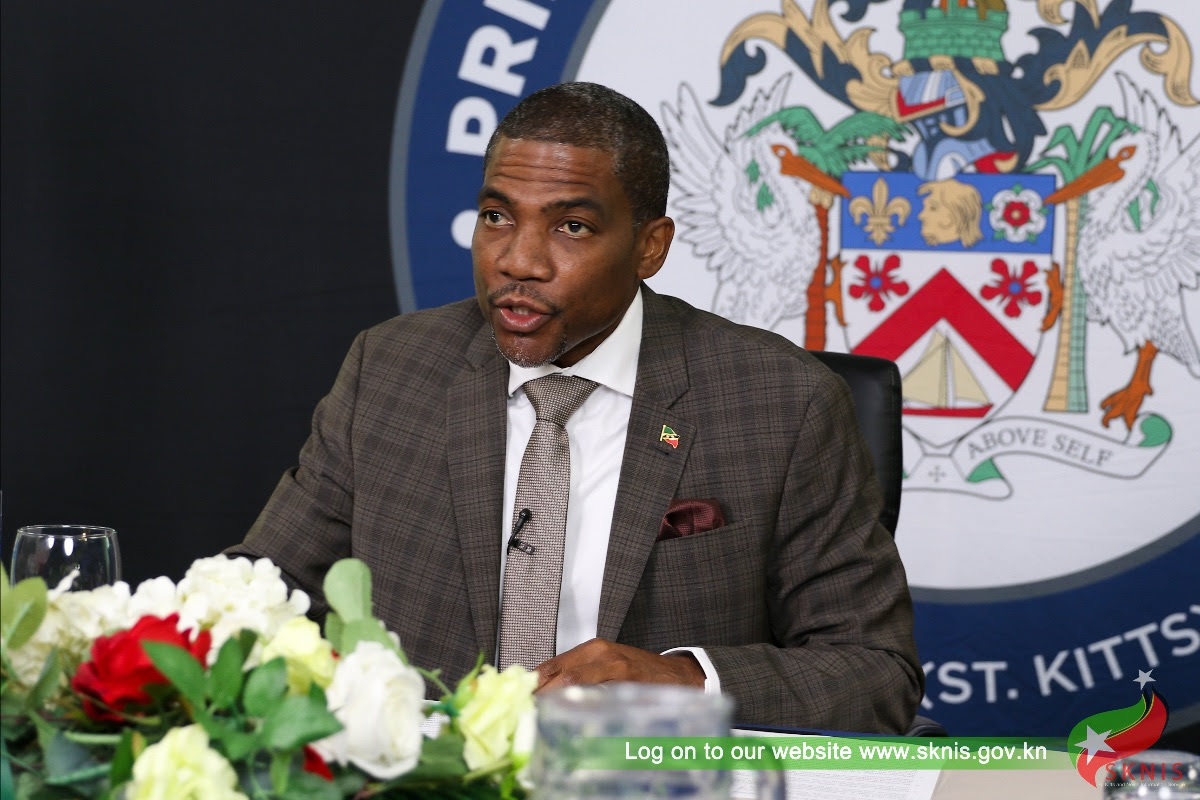
    Basseterre, Saint Kitts — At a pivotal moment for one of the federation’s most foundational social safety nets, Prime Minister Dr. Terrance Drew has issued a urgent, clear appeal to all political leaders and national stakeholders: set aside partisan divides to prioritize the long-term national good in ongoing Social Security reform negotiations. Speaking at the official Social Security Reform Conference on April 21, 2026—one day ahead of his formal public address released via the Prime Minister’s Office—Drew stressed that the future of the decades-old system cannot be held hostage to partisan political gain, and must be treated as the defining national priority it is, requiring broad collaboration and cross-group consensus to move forward.

    Established decades ago as a landmark social policy initiative, the current Social Security system has stood as the central pillar of social protection for thousands of citizens across St. Kitts and Nevis, offering stability, dignity and guaranteed support to working people, retirees and vulnerable communities. Today, the system stands at a critical turning point that demands decisive, coordinated action from all sectors of national life, Drew noted.

    In his address, the Prime Minister pushed back against the risk of the reform process being weaponized for political advantage. “I call on political parties. I call on political leaders to look at the data and information being presented and let us all decide to not allow Social Security to become a political football, but allow it to be a moment of solidarity for all of us to unite on,” he said.

    Drew drew a direct parallel between the current push for reform and the political courage required to launch the Social Security system in the first place. He recalled that the pioneering leaders who initially introduced the framework faced significant public and political pushback for their transformative social policy choices, but their far-sighted decisions laid the stable foundation that has benefited generations of citizens ever since. Meaningful, lasting reform today will require that same level of bold, collective resolve, he added.

    The Prime Minister emphasized that Social Security reform is never an issue that belongs to a single political administration, nor should it be treated as a partisan political exercise. It is a non-negotiable national imperative that outlasts governments, and demands a unified approach rooted in shared responsibility for all citizens. He called on stakeholders across every sector—from government bodies and organized labor to the private sector and independent civil society groups—to engage in constructive, evidence-led dialogue focused on securing the long-term sustainability of the system.

    “This is not a partisan exercise. Social Security reform must not be viewed through political lens. It is a national imperative. It transcends administrations, and it demands a unified approach grounded in shared responsibility and collective interest,” he reaffirmed.

    Decisions made during this current phase of reform will carry generational consequences, touching the lives of both current residents and future generations of St. Kitts and Nevis citizens. That long-term impact, Drew argued, makes it essential for all parties to set aside short-term political or financial considerations and focus on the lasting public good. The core goal of all ongoing negotiations, he reiterated, is to preserve and strengthen the system so it can continue to deliver reliable, accessible support to workers, pensioners, and the nation’s most vulnerable populations.

    As cross-stakeholder discussions move forward, Drew encouraged all participants to keep their focus on the broader national vision, stressing that unity and collaborative problem-solving are the only keys to guaranteeing that Social Security remains a resilient, enduring pillar of sustainable national development for decades to come.

  • Economic recovery and security challenges : discussions between the PM of Haiti and IMF

    Economic recovery and security challenges : discussions between the PM of Haiti and IMF

    In a high-stakes diplomatic meeting focused on Haiti’s path forward, Prime Minister Alix Didier Fils-Aimé and his official delegation sat down with International Monetary Fund (IMF) representatives to deliberate on three of the Caribbean nation’s most pressing priorities: advancing the ongoing national economic program, addressing rampant insecurity, and locking in key structural reforms.

    The gathering, which took place ahead of planned national elections at the end of 2026, opened with positive recognition of Haiti’s recent policy efforts from the IMF side. IMF officials highlighted tangible progress in public financial governance, noting that the country has managed to maintain a satisfactory level of foreign reserves even amid a volatile global economic landscape that has put unprecedented pressure on small, developing nations across the world.

    For their part, Prime Minister Fils-Aimé and his delegation reaffirmed that restoring full security and reestablishing sovereign state authority across the entire country remains the government’s top immediate priority. Armed gang violence has displaced hundreds of thousands of Haitians and disrupted basic governance in large swathes of the nation, particularly in urban centers, and the government is prioritizing the stabilization of these gang-controlled areas. The reestablishment of security, officials stressed, is a non-negotiable precondition to creating the stable, trusted environment required to hold what the government has pledged will be credible, free, inclusive, and democratic elections by the close of 2026.

    Beyond security, the two sides also centered conversations on inclusive economic growth that delivers tangible benefits to Haitian communities. A core topic of these talks was expanding job opportunities, especially for young Haitians, who make up a large share of the country’s population and have faced disproportionately high unemployment in recent years. Delegates also delved into plans to advance ongoing tax reform efforts, with a focus on boosting transparent, equitable revenue collection and tightening border control measures to cut down on illicit trade and protect domestic revenue streams.

    In the final segment of discussions, both parties aligned on the critical need to strengthen Haiti’s judicial institutions and root out systemic impunity. These steps, both sides agreed, are foundational to consolidating the rule of law across the country and rebuilding public trust in state institutions, which has been eroded by years of political instability and violence.

    At the conclusion of the meeting, the IMF reiterated its long-standing commitment to standing with Haiti as it works to address its interconnected challenges. The organization confirmed it will continue to provide targeted technical assistance and policy support aligned with the Haitian government’s stated national priorities to help advance reform and stabilization efforts.

  • Volledige RvC Canawaima ontslagen na ingrijpen regering

    Volledige RvC Canawaima ontslagen na ingrijpen regering

    In a swift decision following allegations of misconduct at state-owned ferry operator Canawaima, all three members of the company’s Supervisory Board (Raad van Commissarissen, RvC) have been removed from their posts. The action was finalized on 22 April following closed consultations between Raymond Landveld, Suriname’s Minister of Transport, Communication and Tourism, and national President Jennifer Simons.

    Union leadership confirmed the government’s intervention to local outlet Starnieuws, noting that the ruling came in direct response to concerns raised by organized labor just days prior. Dayanand Dwarka, chair of the Canawaima workers’ union, confirmed that Minister Landveld had officially notified him of the dismissal order. Just this Monday, the union had formally withdrawn all confidence in the incumbent RvC over reports of widespread wrongdoing at the state-run enterprise, which operates the critical ferry link between South Drain in Suriname and neighboring Guyana. After meeting with Landveld to discuss the allegations, union representatives agreed to pause planned industrial action that would have disrupted ferry services to avoid harming the thousands of passengers who rely on the cross-border connection. In the meeting, the minister had given a formal commitment that the government would step in to address the union’s concerns.

    To the surprise of many observers, the government delivered on that promise in less than a week. The union has praised the rapid response from the country’s executive branch. Dwarka emphasized that both Minister Landveld and President Simons acted decisively to resolve the crisis. Even as the union celebrates this outcome, however, Dwarka warned that the problems at Canawaima are not an isolated incident. Across multiple state-owned enterprises in Suriname, he argued, national interests are often not prioritized, opening the door to mismanagement and graft.

    Dwarka, who also serves as deputy chair of Suriname’s largest trade union center C-47, said the incident has made it clear that systemic reform is needed across the country’s state-owned sector. C-47 is calling for permanent structural changes, including a requirement that trade unions get a permanent seat on the supervisory boards of all state enterprises. For frontline workers, good governance is not an abstract policy goal: it directly determines their job security and long-term livelihoods, Dwarka explained.

    The speed of the RvC’s dismissal has drawn particular attention: the entire board took office less than two months before corruption allegations emerged. Dwarka called that timeline deeply worrying, noting that improper activity began almost immediately after the board assumed oversight responsibilities. The union has pushed for tangible, long-term changes to strengthen the company’s oversight function rather than just replacing the dismissed board members.

    Minister Landveld has signaled openness to the union’s core demand: he has confirmed that he will discuss the proposal to add a union representative to Canawaima’s newly formed supervisory board with President Simons as the process to appoint a new RvC moves forward.