分类: politics

  • Politic : Intervention by Haitian Ambassador Lesly David at SELA

    Politic : Intervention by Haitian Ambassador Lesly David at SELA

    In a landmark address at the 51st Ordinary Session of the Latin American and Caribbean Economic System (SELA), Haiti’s Ambassador Lesly David charted a bold course for regional cooperation. The session, convened in Caracas, Venezuela on December 11, 2025, marked a historic moment as Ambassador David, who also serves as Haiti’s envoy to Colombia and Ecuador, addressed the ministerial meeting in his new capacity as the elected Permanent Secretary of SELA—the first Haitian national to hold this prestigious position.

    Ambassador David positioned regional integration as ‘the most powerful tool’ available to counter global uncertainties, emphasizing that this approach transcends mere economic considerations. ‘It is not just about the economy, but about building collective unity, even from our differences,’ he declared before the assembly of member state representatives. The diplomat highlighted the paradoxical reality of a resource-rich region of approximately 660 million inhabitants that simultaneously remains ‘the most unequal region on the planet.’

    Drawing attention to persistent structural challenges, David noted that ‘millions of our citizens still live in poverty, and extreme poverty, remaining at alarming levels, particularly affecting women, young people and vulnerable communities.’ In response to these pressing issues, he presented the Permanent Secretariat’s Work Programme as a ‘concrete response to these challenges, a roadmap that transforms good intentions into measurable actions.’

    The comprehensive strategy rests on three foundational pillars: economic recovery, social development, and digitalization with infrastructure modernization. For economic revitalization, SELA committed to aggressively advance trade facilitation measures and organize the ‘Third China-Latin America and Caribbean Investment Cooperation Forum’ to attract essential foreign resources and technologies.

    Regarding social development, the organization will prioritize poverty eradication initiatives, formulate cooperative development policies, and implement virtual workshops focused on educational strategies for integrating migrant women and girls. These efforts specifically aim to transform migration from a potential source of exclusion into a development opportunity incorporating gender perspective frameworks.

    Concerning digital transformation, SELA pledged to promote comprehensive digitalization and develop sustainable, intelligent infrastructure throughout the region. Ambassador David emphasized that ‘modern infrastructure is the essential platform for the digital economy and that the synergy between these two pillars is crucial for development.’

    The session reaffirmed SELA’s continuing role as a principal mechanism for fostering regional integration through intra-regional cooperation, ultimately aiming to stimulate economic recovery and comprehensive development across Latin America and the Caribbean.

    Established in 1975 and headquartered in Caracas, Venezuela, SELA represents 28 member states after five decades of continuous operation. The organization specializes in promoting economic coordination, developing unified strategies for international engagement, and strengthening South-South cooperation through its recognized international legal personality.

  • Government Offering $50,000 Reward for information leading to conviction of person who destroyed APUA materials

    Government Offering $50,000 Reward for information leading to conviction of person who destroyed APUA materials

    In a decisive response to acts of infrastructure sabotage, Antigua and Barbuda’s Prime Minister Gaston Browne has declared a $50,000 reward for information resulting in the arrest and conviction of perpetrators responsible for deliberately setting fire to critical fiber-optic materials in Old Road. The announcement came immediately following confirmation of the vandalism targeting the Antigua Public Utilities Authority (APUA) installation site at Morris Bay.

    Prime Minister Browne, speaking via national radio broadcast Pointe FM, emphasized the government’s zero-tolerance stance toward disorder, stating: ‘We’re taking the fight to these people. We cannot allow these people to become lawless and to destroy our country.’ The substantial reward extends to anyone providing credible intelligence leading to successful prosecution, with provisions established for anonymous tip submissions to either Cabinet ministers or law enforcement authorities.

    The incident represents a significant escalation in local tensions surrounding preparatory works for a vital subsea cable project. According to APUA’s detailed account, the destruction occurred on December 12, 2025, following days of escalating community tensions unrelated to the utility’s operations. Preliminary assessments indicate several thousand dollars in damages to conduits and project materials essential for the national infrastructure initiative.

    APUA officials confirmed the vandalism was deliberate, occurring despite previous community engagement efforts including an October town hall meeting that reportedly generated largely supportive feedback. The authority emphasized the project’s critical importance for enhancing the nation’s digital resilience, ecommerce capabilities, educational infrastructure, and overall economic development with full operational launch anticipated by 2027.

    While police investigations continue, both government and utility authorities have appealed for public cooperation and calm, underscoring that all citizens stand to benefit from the completed project. The administration has reiterated its commitment to upholding legal order and preventing further acts of destruction against national infrastructure assets.

  • Initiatiefwet: ‘muilkorfartikelen’ schrappen uit strafrecht, vrije meningsuiting centraal

    Initiatiefwet: ‘muilkorfartikelen’ schrappen uit strafrecht, vrije meningsuiting centraal

    A landmark legislative initiative currently before Suriname’s National Assembly proposes the comprehensive elimination of eight controversial articles from the country’s Criminal Code. Submitted in March 2022 by assembly members Ebu Jones and Tashana Lôsche, the bill targets provisions widely criticized as suppressing free speech and political dissent.

    The targeted statutes—Articles 152, 153, 154, 157, 158, 159, 173, and 174—criminalize various forms of expression including insult, undermining state authority, and criticism of public officials. Proponents argue these colonial-era provisions fundamentally contradict both Suriname’s constitutional free speech protections under Article 19 and its international human rights commitments, particularly the American Convention on Human Rights and the Universal Declaration of Human Rights.

    In their explanatory memorandum, the legislators characterize freedom of expression as the ‘cornerstone of a free and democratic society,’ asserting that without robust protections for critical speech, genuine democratic governance remains unattainable. The proposed reforms aim to align Suriname’s legal framework with its democratic aspirations by preventing the criminal justice system from being weaponized against political opponents or dissenters.

    Civil society organizations including the Surinamese Association of Journalists have long documented the chilling effect these provisions exert on public discourse. Media professionals, activists, and ordinary citizens reportedly self-censor due to fears of prosecution, particularly during periods of political tension. The legislation’s prolonged stagnation since March 2022 raises questions about parliamentary commitment to fundamental rights reform amid ongoing national debates about democratic renewal and rule of law.

    If adopted, the law would take immediate effect upon promulgation, marking a historic shift toward a legal system that protects rather than punishes free expression. The Assembly now faces a defining choice: embrace reforms befitting a modern democracy or maintain a legal framework that keeps free expression under perpetual threat of criminal prosecution.

  • US seizes oil tanker off Venezuela as Caracas condemns ‘act of piracy’

    US seizes oil tanker off Venezuela as Caracas condemns ‘act of piracy’

    In a dramatic escalation of geopolitical tensions, United States military forces have intercepted and seized a massive crude oil tanker off the Venezuelan coastline. President Donald Trump announced the operation from the White House, characterizing it as the largest such seizure in history.

    The operation, coordinated across multiple U.S. agencies including the Department of Defense, Homeland Security, and Coast Guard, targeted what officials describe as a sanctioned vessel involved in transporting illicit petroleum products. Attorney General Pam Bondi released video evidence showing military helicopters hovering above the massive tanker while armed personnel descended onto the deck via ropes.

    Venezuelan leadership immediately condemned the action as ‘international piracy,’ with President Nicolás Maduro previously asserting that his nation would never become an ‘oil colony.’ The Trump administration maintains that the tanker was part of an illegal network supporting foreign terrorist organizations and facilitating narcotics trafficking into the United States.

    The operation originated from the USS Gerald Ford, the world’s largest aircraft carrier recently deployed to the Caribbean region. Military officials confirmed the involvement of two helicopters, ten Coast Guard members, ten Marines, and special forces personnel in the meticulously executed seizure.

    Global energy markets responded to the development with Brent crude prices experiencing upward movement amid concerns about potential supply disruptions. Analysts warn that such aggressive actions could further destabilize Venezuela’s oil export capabilities and create risks for international shipping operators in the region.

  • BLP nominee Munro-Knight opens constituency office, emphasises access and service

    BLP nominee Munro-Knight opens constituency office, emphasises access and service

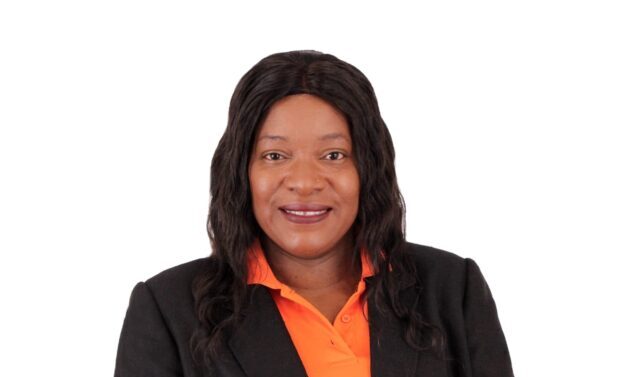
    In a significant move signaling electoral preparedness, Senator Dr. Shantal Munro-Knight has inaugurated her Christ Church South constituency office just over a year after securing the Barbados Labour Party’s nomination. The Friday evening ceremony at the Maxwell Main Road location drew party dignitaries, supporters, and local residents, marking a strategic organizational advancement ahead of potential general elections.

    The establishment addresses persistent concerns about accessible representation that emerged during Dr. Munro-Knight’s extensive community walkabouts. ‘Throughout my engagements across this constituency, the recurring question has consistently been: Where is your office?’ the senator revealed. She succeeds former BLP representative Ralph Thorne, who currently leads the Opposition, and emphasized that the facility will serve dual purposes as both campaign headquarters and constituent service center, openly accessible to all residents regardless of political affiliation.

    Dr. Munro-Knight framed her political journey as fundamentally rooted in service rather than personal ambition, noting she hadn’t previously envisioned herself in such a role. ‘My motivation stems from a singular desire—to serve authentically,’ she stated, explicitly inviting constituents to hold her accountable for her representation. The senator highlighted ongoing initiatives including a commemorative wall honoring Oistins fisherfolk’s sacrifices, the Silver Spoon Programme providing meals for elderly residents inspired by a dignified utility-deprived senior, and a self-empowerment initiative creating internship opportunities for young women.

    Despite electoral uncertainties, Dr. Munro-Knight committed to maintaining door-to-door engagement and daily resident interactions, asserting that ‘effective leadership emerges from directly seeing, feeling, and hearing the people.’ The event garnered substantial party support with attendance from MPs Wilfred Abrahams, William Duguid, Chad Blackman, Kerrie Symmonds, Ryan Straughn, and Acting Prime Minister Santia Bradshaw.

    Bradshaw testified to Dr. Munro-Knight’s de facto representative status, humorously acknowledging her persistent advocacy: ‘She has made my life miserable, detailing every road requiring repair, every drain needing cleaning, and every light requiring installation—despite not yet being officially elected.’ The acting PM confirmed allocated funding through the Ministry of Transport and Works to address identified infrastructure issues, with an aggressive rollout planned from January 2026. MP Abrahams offered unequivocal endorsement, urging constituents: ‘With the clearest conscience, vote for us. This is a good woman coming to represent you all.’

  • ‘People first’: Pierre announces new Cabinet, sets uncompromising tone for second term

    ‘People first’: Pierre announces new Cabinet, sets uncompromising tone for second term

    In a decisive address at the House of Parliament on December 12, Prime Minister Philip J. Pierre formally introduced his restructured Cabinet following the Saint Lucia Labour Party’s decisive electoral victory on December 1. The ceremony marked a significant shift toward what Pierre termed “people-centred leadership” built upon three core pillars: discipline, accountability, and performance.

    Rooting his governance philosophy in spiritual principles, Pierre invoked Proverbs 3:5, emphasizing that divine guidance would inform his administration’s decisions. He characterized the election results as both “historic” and “overwhelming,” acknowledging the substantial responsibility bestowed upon his government.

    The newly configured Cabinet features several strategic portfolio adjustments reflecting contemporary challenges. Notably, Climate Change has been established as a formal ministerial responsibility under Lisa Jawahir, who will simultaneously oversee Agriculture, Fisheries, and Food Security. The portfolio of Public Service, Labour, and Gender Affairs has been strategically divided, with Emma Hippolyte assuming leadership of the consolidated Labour, Gender Affairs, Equity, Social Justice, and Consumer Welfare portfolio.

    Pierre established unequivocal performance expectations for his ministerial team, warning that appointments remain subject to change based on effectiveness. “Ministers within my Cabinet will be expected to conduct themselves with the highest levels of professionalism, integrity and effectiveness,” he stated, adding that the structure “is not permanent” and adjustments would occur “when and whenever necessary.”

    The Prime Minister personally assumes expanded responsibilities, retaining Finance and National Security while adding Constituency Development and People Empowerment—a deliberate consolidation he stated demonstrates his administration’s commitment to prioritizing citizen welfare.

    Several key reappointments include Moses Jn Baptiste (Health and Wellness, plus Nutrition), Stephenson King (Public Service, Transport, Information, and Utilities Regulations), and Alva Baptiste (External Affairs, International Trade, Civil Aviation, and Diaspora Affairs). Kenson Casimir sees his portfolio expanded to include Digital Transformation and Education alongside Youth Development and Sports.

    Notable absences include former Agriculture Minister Alfred Prospere, whose reappointment faces constitutional barriers related to the Deputy Speaker position. Pierre praised Prospere’s “stellar work” and indicated future consideration once legal obstacles are resolved.

    The administration has yet to assign several portfolios from the previous government, including Sustainable Development, Technology, Vocational Training, Manufacturing, Business Development, and Elderly Affairs, suggesting potential further restructuring.

  • CIP CEO defends programme’s integrity

    CIP CEO defends programme’s integrity

    Saint Lucia’s Citizenship by Investment Programme (CIP) has received a clean bill of health following an independent operational audit that found no evidence of corruption within its internal operations, according to CEO Mc Claude Emmanuel. The comprehensive review, conducted by professional services firm Deloitte, will be fully disclosed when the CIP’s 2024–2025 annual report is presented to Parliament in the upcoming session.

    This development emerges against the backdrop of ongoing legal proceedings initiated by former Prime Minister Allen Chastanet, who has sought judicial review of the program’s administration. The High Court is scheduled to hear Chastanet’s claim on January 26, though his previous application for an interlocutory injunction was rejected in an October judgment that permitted substantive allegations to proceed.

    Emmanuel, addressing corruption allegations in an exclusive interview with St. Lucia Times, emphasized that the audit examined processes spanning his tenure and previous administrations. “Internally, our audit shows that there has been no incidence of corruption,” he stated. “We recently performed our first operational audit by Deloitte, and nothing unsavoury was discovered.”

    The audit was conducted as part of Saint Lucia’s commitments under six agreed principles with the United States. Emmanuel provided conservative estimates indicating the program has generated “high hundreds of millions of dollars” since its inception, contributing approximately 7% (EC$189 million) to the national budget of EC$2 billion.

    Regarding fund allocation, Emmanuel clarified that while the CIP Unit processes applications and receives payments, all funds are transferred to the government treasury. “When it’s in the government’s control, I cannot tell you definitively what it is used for,” he explained, though noting several social initiatives funded through the program including infrastructure development, relief for vulnerable parents, subsidized school meals, and increased pensions.

    The program has approved only two projects in its nine-year history: the Caribbean Galaxy hotel project in Canelles and A’ila Resorts development at Rodney Bay. A third mega-project proposal never materialized due to missing approvals, policy changes, and COVID-19 disruptions.

    Emmanuel highlighted ongoing challenges including international pressure from countries like the United States and United Kingdom tightening border security measures. The program maintains strict due diligence procedures, currently banning applicants from Russia, Cuba, North Korea, Belarus, Italy, Venezuela, and Iran due to banking sanctions and due diligence limitations.

    Despite these safeguards, former Prime Minister Dr. Kenny Anthony predicts the program’s eventual collapse following recent agreements among OECS member states to establish a Regional CIP Regulatory Authority that would remove decision-making from national units.

  • EU-CELAC Summit, an oasis in the desert, says experts in Spain

    EU-CELAC Summit, an oasis in the desert, says experts in Spain

    At a recent policy seminar, former European Parliament member Ramón Jauregui delivered a candid assessment of the evolving international geopolitical landscape, emphasizing Latin America and the Caribbean’s critical role. His address centered on the pressing necessity for the European Union to finalize the long-pending Cooperation Agreement with Mercosur, the South American trade bloc.

    Jauregui provided a critical examination of former U.S. President Donald Trump’s disruptive foreign policy maneuvers, which included attempts to alter established international norms. These controversial actions ranged from proposals to rename the Gulf of Mexico to implementing aggressive tariff policies against trading partners.

    The discussion further addressed how such protectionist strategies could potentially destabilize European interests and create pressure on China through extraterritorial policies. Against this complex backdrop, Jauregui identified the recent EU-CELAC Summit in Santa Marta, Colombia, as providing a cautiously optimistic outlook for international cooperation, despite existing challenges.

    The seminar, titled ‘After the IV CELAC-EU Summit in Santa Marta: Results Achieved and Objectives to Fulfill,’ featured multiple experts who unanimously stressed the critical importance of developing new multilateral collaboration frameworks. Participants explored potential investment initiatives and analyzed the prospects for a comprehensive EU-Mercosur agreement, drawing comparisons to the EU’s existing successful partnerships with Chile and Mexico.

    Experts concluded that strengthening the EU-Mercosur partnership would serve as a robust response to evolving global trade mechanisms and reinforce international cooperation frameworks during a period of significant geopolitical transformation.

  • Trump’s threats on Venezuela, a repeated stance

    Trump’s threats on Venezuela, a repeated stance

    The United States has significantly intensified its strategic posture toward Venezuela through a series of coordinated military and policy actions. Recent weeks have witnessed a bolstering of U.S. military assets in the Caribbean Sea, positioning them in close proximity to the South American nation’s coastline. In a notable interview with Politico, former President Donald Trump explicitly declined to dismiss the potential deployment of Pentagon forces into Venezuela, signaling a hardened approach. He further escalated rhetoric by ominously declaring that the days of Venezuelan President Nicolás Maduro are ‘numbered,’ a statement perceived as a direct threat to the incumbent government. Complementing this verbal posture, the U.S. administration announced a comprehensive closure of airspace over and adjacent to Venezuela, characterizing it as part of an intensified ‘maximum pressure’ campaign aimed at Caracas. Venezuelan Defense Minister Vladimir Padrino has publicly condemned these actions as acts of intimidation, specifically citing the unauthorized incursion of U.S. F-18 fighter jets into the airspace over the Gulf of Venezuela. In a parallel development, the U.S. Department of Homeland Security (DHS) terminated the Family Reunification Parole (FRP) programs for nationals from seven countries—Colombia, Cuba, Ecuador, El Salvador, Guatemala, Haiti, and Honduras—along with their immediate relatives. This policy shift, justified by citing systemic abuses of the protections, mandates that affected immigrants must depart U.S. territory by mid-January unless they can secure an alternative legal status to remain.

  • Antigua and Barbuda assumes chairmanship of prominent United Nations body

    Antigua and Barbuda assumes chairmanship of prominent United Nations body

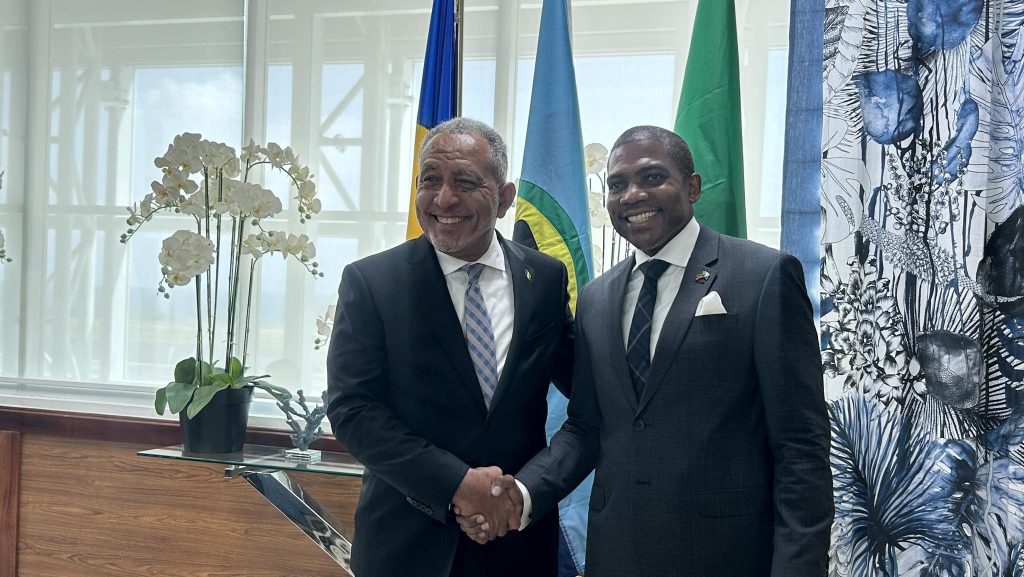
    In a significant regional leadership transition, Antigua and Barbuda has formally assumed the chairmanship of the Caribbean Development and Cooperation Committee (CDCC) for the 2026-2028 term. The handover ceremony occurred during the 22nd CDCC meeting in Trinidad, where Trinidad and Tobago passed stewardship responsibilities to the incoming chair nation.

    Established in 1975 through a United Nations Economic Commission for Latin America and the Caribbean (ECLAC) resolution, the CDCC maintains a mandate to promote regional collaboration for economic and social advancement. The committee now serves as a critical platform for addressing the distinctive challenges confronting Caribbean small island developing states.

    Ambassador Walton Webson, Antigua and Barbuda’s Permanent Representative to the United Nations, characterized the leadership assumption as both strategically timed and highly significant. “This mandate arrives at an optimal juncture, enabling us to champion the ABAS decade as the regional implementation framework for SIDS resilience,” Webson stated during the transition proceedings.

    The ambassador outlined key priorities for Antigua and Barbuda’s tenure, including advancing climate financing reform, establishing robust investment pipelines, and strengthening technical partnerships throughout Latin America and the Caribbean. He emphasized that the CDCC must persistently advocate for “fairness, predictability, and resilience as foundational pillars of a new financial architecture for island states.”

    Webson additionally acknowledged Trinidad and Tobago’s contributions during their chairmanship, recognizing their dedicated stewardship and commitment to regional integration and development. The leadership transition marks a pivotal moment for Antigua and Barbuda to influence regional responses to climate change, disaster resilience, sustainable financing, and enhanced South-South cooperation mechanisms.