分类: politics

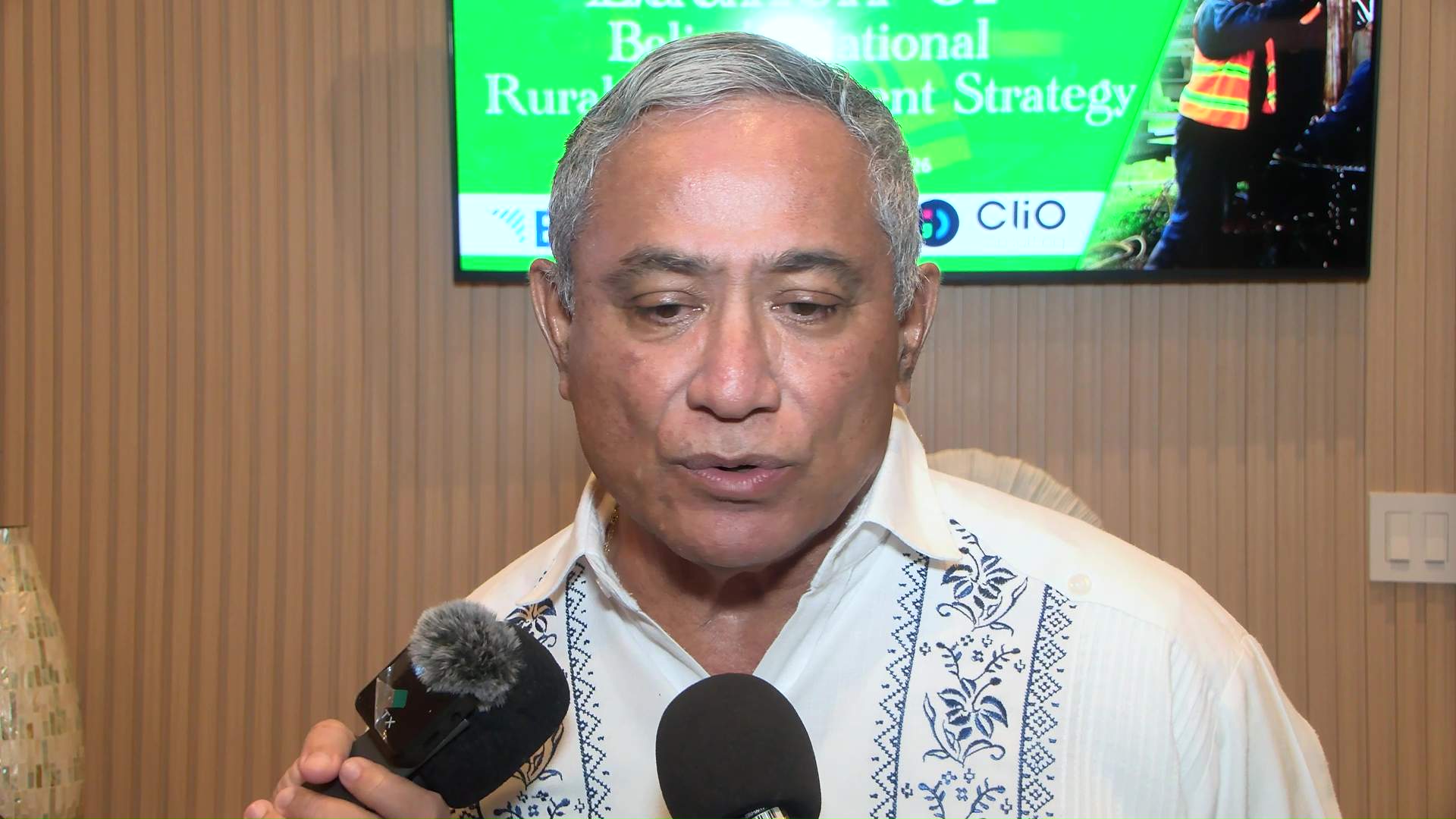
  • David Morales Appointed Special Envoy for Oil and Gas

    David Morales Appointed Special Envoy for Oil and Gas

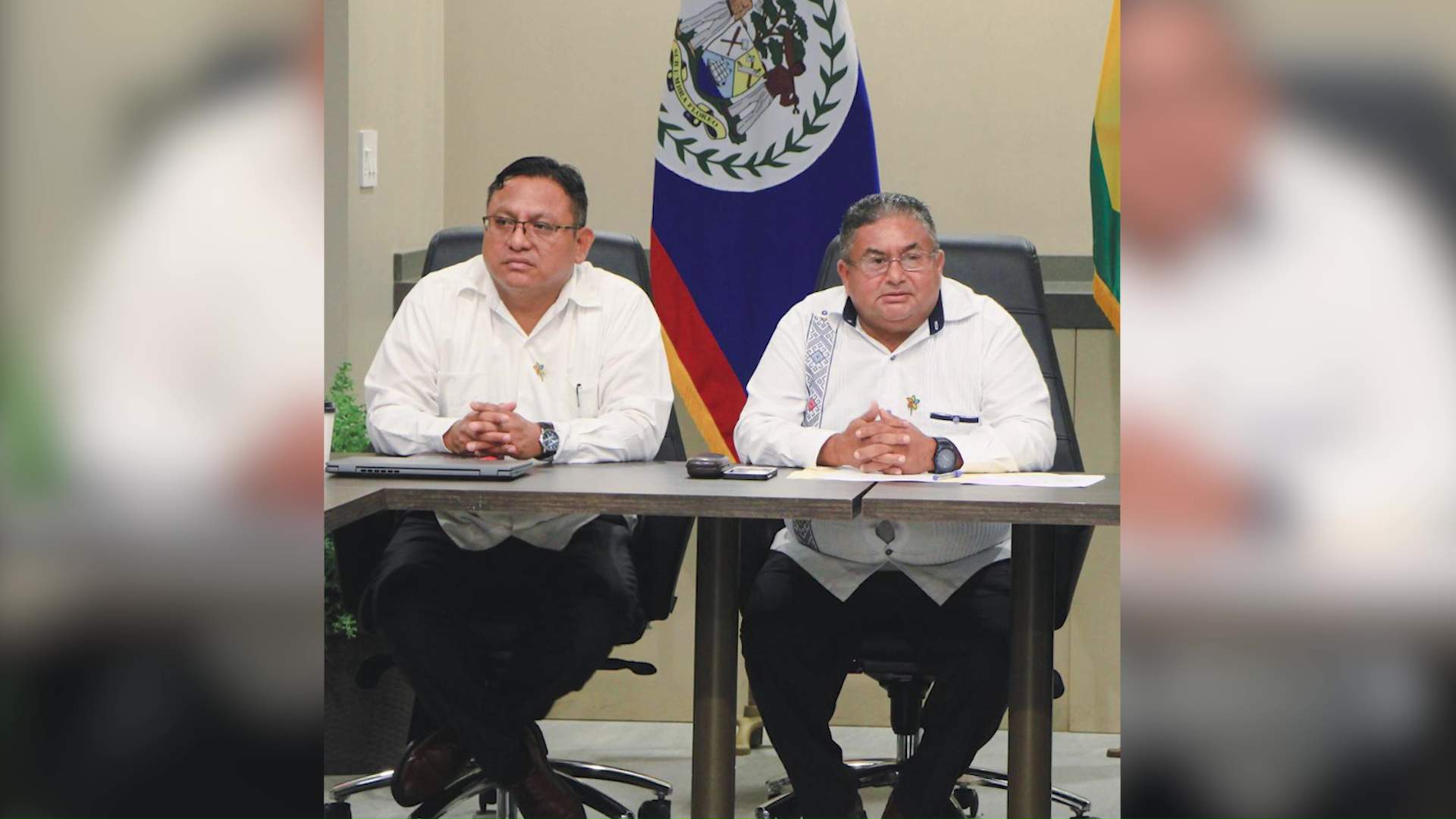
    The Government of Belize has officially designated David Morales as its Special Envoy for Oil and Gas through an executive appointment signed by Governor-General Froyla Tzalam. This significant diplomatic appointment, effective October 1st, 2025, grants Morales a three-year mandate to represent Belize’s interests in the critical energy sector.

    Under the terms of the official instrument, Morales will exercise full governmental authority on behalf of Belize, with all corresponding rights, privileges, and operational facilities required to execute his diplomatic functions effectively. The position will operate within the organizational structure of the Ministry of Finance, Investment, Economic Transformation, Civil Aviation, and E-Governance, indicating the administration’s integrated approach to energy policy within broader economic development frameworks.

    The Brinceño Administration’s creation of this specialized envoy role signals a strategic prioritization of Belize’s oil and gas interests at both regional and international levels. This appointment comes as global energy markets undergo significant transformation and nations reassess their energy security strategies.

    Morales’ mandate will likely involve strengthening bilateral energy partnerships, attracting foreign investment in Belize’s energy infrastructure, and navigating the complex geopolitical landscape of energy diplomacy. The three-year term provides continuity for developing and implementing long-term strategies in a sector crucial to Belize’s economic stability and growth prospects.

  • Parliament Suspends Budget Debate to Honour Former Speaker Sir Gerald Watt

    Parliament Suspends Budget Debate to Honour Former Speaker Sir Gerald Watt

    The Antigua and Barbuda House of Representatives made an extraordinary departure from its legislative agenda Monday, suspending critical deliberations on the 2026 national budget to commemorate the life and legacy of former Speaker Sir Gerald Watt. The parliamentary session transformed into a solemn tribute following the announcement of Sir Gerald’s passing, prompting a rare display of cross-party unity as government and opposition members collectively paused state affairs to honor the distinguished statesman.

    Speaker Sir Osbert Frederick initiated proceedings by formally acknowledging the profound loss, leading the chamber in a moment of reflective silence before members unanimously agreed to set aside scheduled business. Prime Minister Gaston Browne, representing St. John’s City West, formally moved the motion to suspend budget debates, characterizing Sir Gerald as “a national icon” whose departure left the nation “a poorer people.”

    The Prime Minister chronicled Sir Gerald’s remarkable five-decade public service journey, beginning with his appointment as Attorney General at age 33 in 1971, through his chairmanship of the Antigua and Barbuda Electoral Commission, culminating in his decade-long speakership from 2014. Browne emphasized how Sir Gerald’s legal expertise, unwavering integrity, and judicial independence defined his tenure, noting his rulings were consistently delivered without political consideration or external influence.

    Opposition Leader Jamale Pringle (All Saints East and St. Luke) recalled Sir Gerald’s mentorship of younger parliamentarians, revealing how the former Speaker provided guidance and reassurance during his early parliamentary career. Attorney General Sir Steadroy Benjamin delivered an emotionally charged tribute, detailing Sir Gerald’s role as both professional mentor and lifelong friend who fundamentally shaped his legal career from barrister to advocate and parliamentarian.

    MP Richard Lewis (St. John’s Rural West) highlighted Sir Gerald’s unique service across multiple administrations, describing his fearlessness and candid approach as unprecedented. Multiple senior members attested to his unparalleled command of parliamentary procedure, with several noting no contemporary Speaker maintained stronger order or demonstrated deeper understanding of constitutional law.

    Beyond his political contributions, members celebrated Sir Gerald’s multifaceted life as sports enthusiast, avid fisherman, and dedicated patriot deeply committed to national development. The tribute session concluded with formal condolences to his family and recognition that his contributions to Antigua and Barbuda’s legal and parliamentary systems would endure as permanent features of the nation’s historical fabric. The House subsequently resumed budget deliberations following the commemorative proceedings.

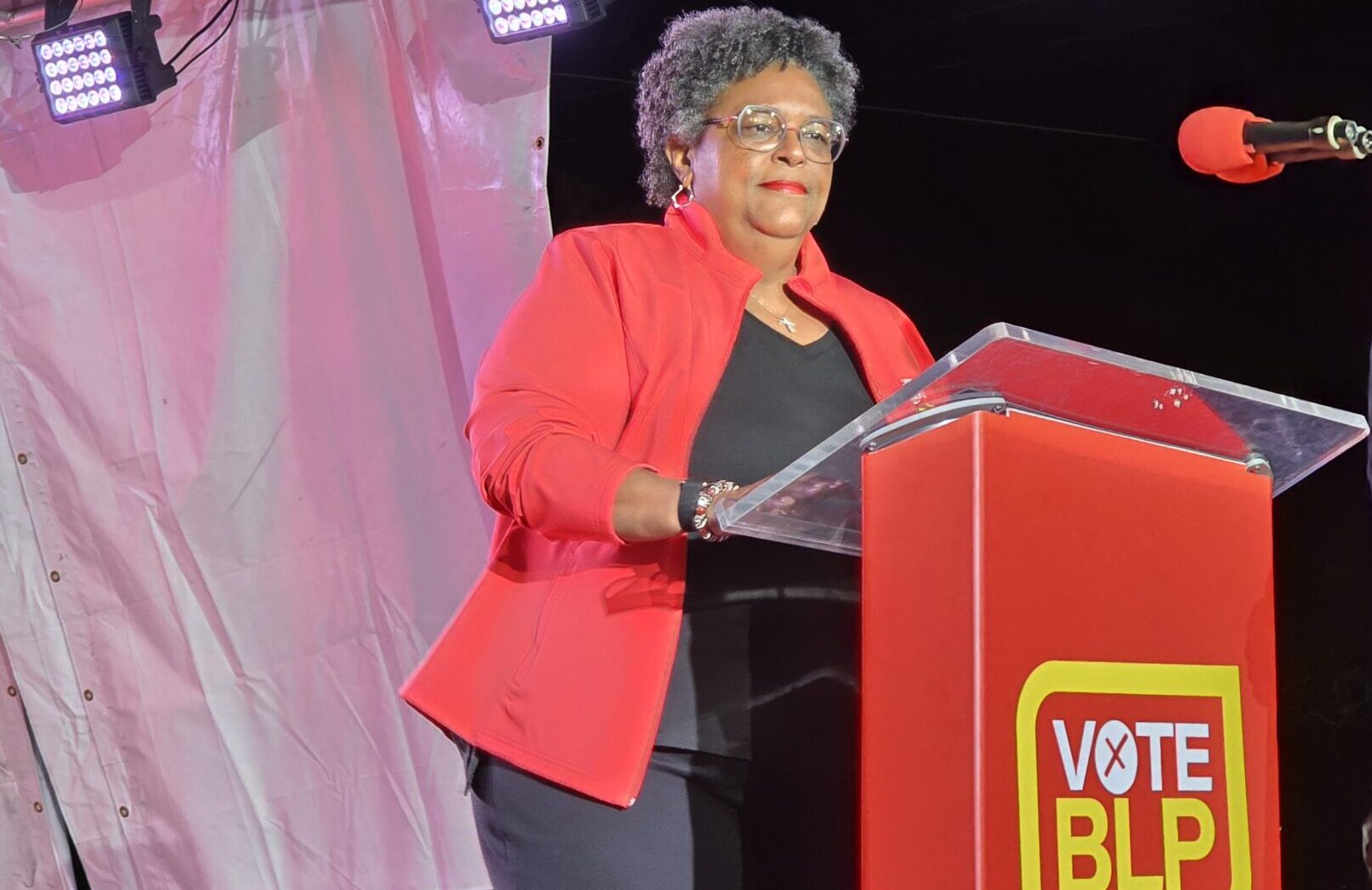
  • Mottley defends Growth Fund Bill amid public concern

    Mottley defends Growth Fund Bill amid public concern

    Barbados Prime Minister Mia Amor Mottley has delivered a national address to counter mounting public apprehension surrounding the proposed Economic Diversification and Growth Fund Bill. The legislation, authorizing allocation of up to $225 million from the Consolidated Fund, has generated significant debate regarding its implications for public finances and economic governance.

    Facing criticism from legal experts and concerned citizens, Mottley acknowledged legitimate public anxiety while vigorously defending the bill’s necessity. “I recognize that economics involving public funds and employment can naturally breed mistrust,” stated Mottley, emphasizing her responsibility to provide clear explanations directly to citizens rather than dismissing their concerns.

    The Prime Minister positioned the legislation as Barbados’ strategic adaptation to evolving global economic conditions, particularly international tax reforms that have eliminated traditional incentives like blanket tax holidays. “The old tools are gone,” Mottley declared. “They’re not coming back.”

    Central to the government’s defense is the bill’s focus on measurable outcomes. Mottley specified stringent eligibility criteria requiring foreign companies to create minimum 100 jobs and meet specific foreign exchange thresholds. Contrary to claims of excluding local businesses, the Prime Minister clarified that Barbadian firms with international operations may equally qualify for support.

    The proposed fund incorporates multiple accountability layers including administration by the Accountant General, audits by the Auditor General, and oversight from a broad-based advisory committee. Mottley guaranteed transparent handling of all funds: “Every cent that enters this fund and every red cent that is spent will be accounted for.”

    Mottley framed the legislation as essential for Barbados’ economic resilience amid global instability, supply chain disruptions, and climate challenges. The fund aims to maintain investment attractiveness while ensuring companies contribute taxes at standard rates of 9% or 15% under global minimum tax rules.

    Concluding her address, Mottley assured citizens: “Your government will not play fast and loose with Barbados’ fiscal stability nor with the well-being of Barbadians,” characterizing the bill as pursuing “real jobs for real people in the real world we’re living in.”

  • ASR/BSI, BELCOGEN Tax Break Extension Leads to Tense Exchange

    ASR/BSI, BELCOGEN Tax Break Extension Leads to Tense Exchange

    A legislative session in Belize’s House of Representatives turned confrontational during debates on extending substantial tax incentives for the nation’s sugar and energy sectors. The Sugar Industry and Cogeneration Project (Amendment) Bill of 2025 proposes continuing tax and duty exemptions for ASR/BSI and Belcogen, originally established under the Barrow Administration in 2012 to support cogeneration energy projects.

    The parliamentary discussion grew increasingly tense as Opposition Leader Tracy Panton challenged the government’s approach despite these financial concessions. Panton revealed the apparent contradiction that consumers face a proposed 14% energy cost increase currently under review by the Public Utilities Commission, despite the substantial incentives granted to industry players. She emphasized the critical importance of the sugar industry to northern agricultural communities and employment stability.

    The debate reached its climax when Prime Minister John Briceño launched a sharp retort, accusing Panton of hypocrisy regarding her party’s historical stance on supporting cane farmers. Briceño recalled that during their administration, Panton’s party provided “zero, not a single dollar” to assist northern cane farmers despite their promises of support.

    The original 2012 legislation facilitated a $100 million investment deal that rescued BSI through comprehensive tax exemptions covering business operations, dividends, customs, excise, environmental duties, and stamp duties, some retroactively applied to 2008. This initial legislation had previously sparked significant controversy, with the Belize Sugar Cane Farmers Association and the then-opposition People’s United Party warning that the concessions created unfair advantages for ASR over local farmers, potentially costing $40-50 million in lost revenue and risking farmer displacement. The historical tensions were so severe that they prompted a PUP walkout during the bill’s third reading in 2012.

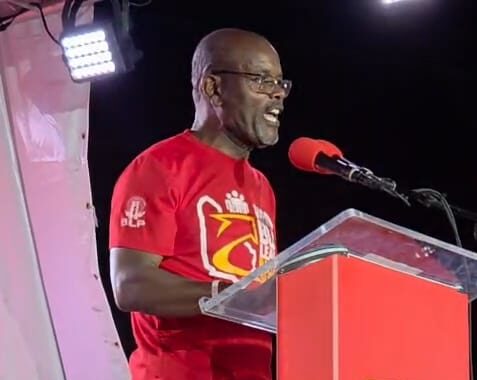
  • Fontaine urges party unity after narrow UWP leadership win

    Fontaine urges party unity after narrow UWP leadership win

    Following a tightly contested leadership election, Dr. Thomson Fontaine has secured another term as political leader of the United Workers Party (UWP) while issuing a compelling plea for internal unity. The decisive vote occurred during the party’s 35th annual delegates conference at Goodwill Parish Hall, where Fontaine narrowly defeated challenger Pastor Randy Rodney by a margin of 83 votes to 75.

    In his victory address, Fontaine directly addressed the factionalism within party ranks, emphasizing that internal divisions must cease for the UWP to achieve electoral success. ‘Together, let us combine our efforts. Stop seeing fault in your leader and let us stand together,’ Fontaine urged delegates. He delivered a stark warning against passive opposition within the party: ‘It is not acceptable that you sit on the sidelines hoping that I fail as a leader. If one of us fails, all of us fail.’

    Framing the party’s mission as critically important for national development, Fontaine asserted, ‘This is not child play. There is too heavy a price to pay. If we fail, we are talking about the future of this country.’ He acknowledged implementing unconventional strategies distinct from traditional approaches, requesting patience from party members: ‘I am doing some things differently in 2025. We are not in 1988. Some of what I am doing may be different because we are not used to it.’

    Fontaine expressed measured optimism regarding the party’s growing appeal, noting that an increasing number of Dominican citizens are responding positively to the UWP’s message of shared prosperity. ‘Persons who previously dismissed our party are willing to give us a second chance,’ he observed, highlighting attraction to his vision of national transformation under a united party government. The re-elected leader concluded by reaffirming his commitment to guide the UWP into the next general election with renewed determination and collective purpose.

  • Argentina: Vandal attack on Union Leader’s Office condemned

    Argentina: Vandal attack on Union Leader’s Office condemned

    In a brazen act of political intimidation, masked assailants forcibly entered the headquarters of the Seivara union in the early hours, specifically targeting and vandalizing the offices of its leadership. The incident is widely perceived as a direct threat against union officials who have been vocal in their opposition to the contentious labor reform proposed by President Javier Milei’s right-wing administration.

    The timing of the assault is particularly significant, occurring during the same week that the government’s labor reform bill, backed by the International Monetary Fund (IMF), entered congressional debate. The Buenos Aires branch of the Peronist Justicialist Party (PJ) swiftly issued a press release contextualizing the attack within what it describes as the national government’s broader encroachment on workers’ rights, just days before a major demonstration called by the General Confederation of Labor (CGT).

    Union representatives, including Jeronimo, were quick to condemn the action, characterizing it not as an isolated event but as a calculated move during a critically sensitive period for the labor movement. The official statement from the union forcefully asserted, ‘These attempts to intimidate those rejecting the IMF-backed bill championed by Federico Sturzenegger, Patricia Bullrich, and Milei prove that the government’s objective is not to debate but to subjugate workers and instill fear among opponents of its austerity measures and deregulatory agenda.’

    In a show of solidarity, both the CGT and the glassworkers’ union released separate communiqués denouncing the vandalism. They unanimously declared that such tactics would fail to derail the labor movement’s resolve, reaffirming their determination to defeat a reform they view as a severe attack on fundamental workers’ rights and a concession to international financial interests.

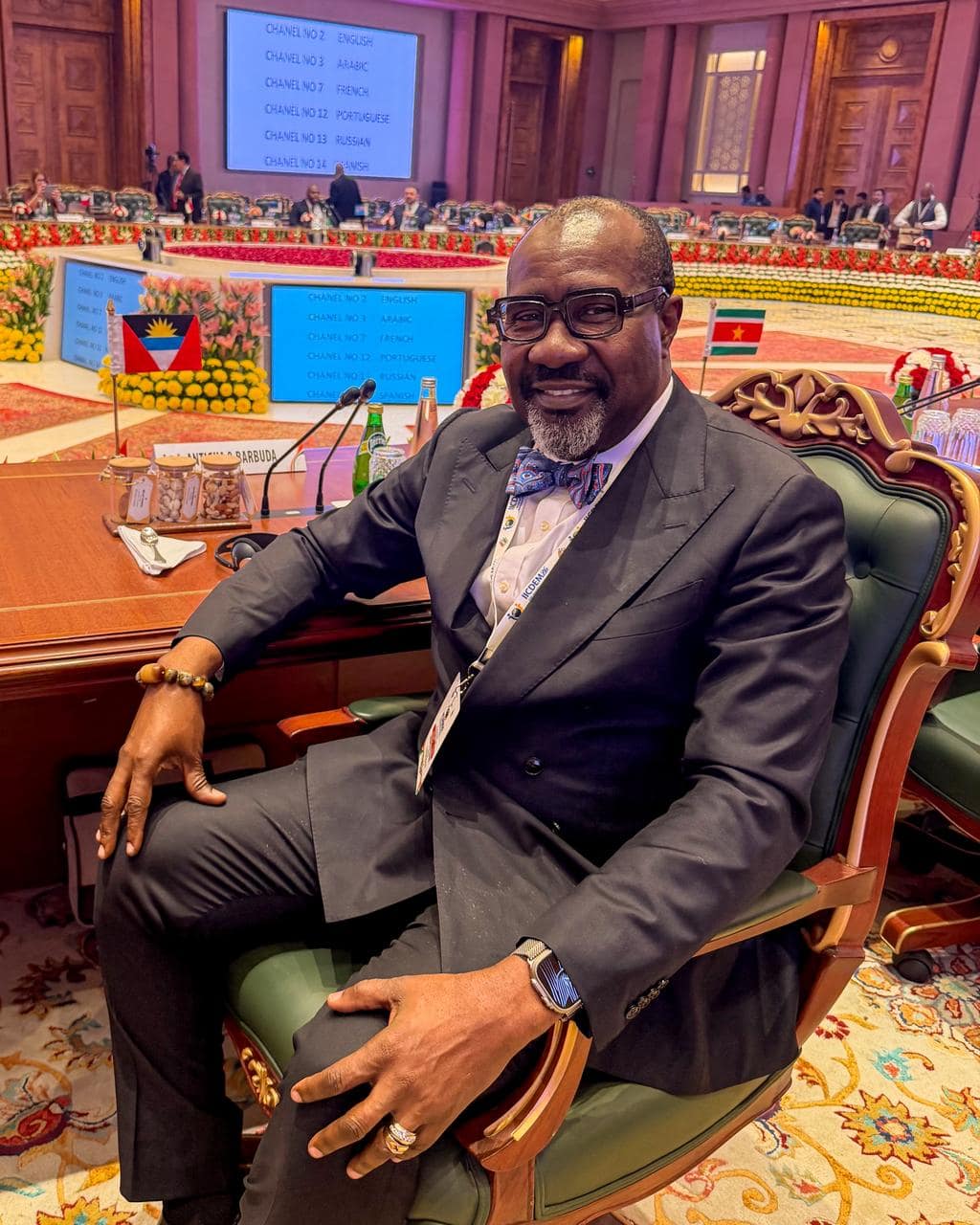
  • Her Excellency Karen-Mae Hill Re-Elected President of the Administration and Budget Committee of the Bureau International des Expositions

    Her Excellency Karen-Mae Hill Re-Elected President of the Administration and Budget Committee of the Bureau International des Expositions

    In a decisive reaffirmation of her leadership capabilities, Her Excellency Karen-Mae Hill has been re-elected to the prestigious role of President for the Administration and Budget Committee of the Bureau International des Expositions (BIE). This critical appointment positions her at the helm of the organization’s financial governance and strategic fiscal planning for a new term.

    The Administration and Budget Committee, a cornerstone of the BIE’s operational structure, is tasked with overseeing the financial integrity and budgetary allocations for World Expos—global events that attract millions of visitors and showcase international innovation. Hill’s re-election underscores the confidence member states have in her expertise to manage complex multinational budgets and ensure the financial sustainability of these monumental gatherings.

    Her continued presidency is expected to bring stability and experienced oversight to upcoming expositions, including Expo 2025 Osaka. Diplomats and international policy analysts view this re-election as a move that guarantees consistent fiscal stewardship, which is paramount for the successful execution of large-scale international cooperation projects. Hill’s proven track record in navigating the financial complexities of previous expos played a significant role in her unanimous support.

  • Communists in Chile call for unity to defend social gains

    Communists in Chile call for unity to defend social gains

    Following a decisive electoral outcome that saw far-right candidate José Antonio Kast secure a substantial victory over progressive contender Jeannette Jara, the Communist Party of Chile (PCCh) has issued a stark warning about the future of the nation’s social safety net. In an official communiqué released after Sunday’s polls, the party emphasized that fundamental achievements including the Universal Guaranteed Pension, the 40-hour workweek, free public healthcare, women’s rights, and broader social protections face imminent risk in a politically fragmented society.

    The PCCh framed national unity not merely as a strategic electoral choice but as an essential obligation to the citizenry. While acknowledging and respecting the democratic will expressed through the ballot box, a customary practice for the party at every historical juncture, it simultaneously issued a call to action for its members and the general populace to embark on a process of rebuilding collective trust.

    Central to its message was a directive for deeper listening and a renewed focus on engaging the entire country in conversations about core issues. The party leadership stressed that ensuring a dignified and just life for all citizens remains an achievable goal. Furthermore, the statement formally recognized the extensive efforts of candidate Jeannette Jara and her campaign team. Looking forward, the PCCh underscored the critical importance of returning to grassroots mobilization within local communities and identified forging a stronger, more inclusive unity among the Chilean people as the paramount task ahead.

  • Attorney General Suggests The Need for A Senate Should Be Reviewed in Constitutional Reform Push

    Attorney General Suggests The Need for A Senate Should Be Reviewed in Constitutional Reform Push

    Antigua and Barbuda’s Attorney General Sir Steadroy “Cutie” Benjamin has ignited a constitutional debate by questioning whether the nation’s Senate remains necessary for effective governance. During parliamentary proceedings on Tuesday, Benjamin challenged longstanding political structures, suggesting the country should consider transitioning to a single-chamber parliamentary system.

    The senior legal official contrasted the theoretical role of upper chambers with Caribbean realities, noting that while senates in systems like Britain’s serve to review legislation and provide corrective guidance, this ideal has not materialized in the regional context. “In the Caribbean, it is not exactly the case,” Benjamin observed, referencing regional discussions about eliminating senates entirely, as occurred in Dominica.

    Benjamin’s remarks form part of a comprehensive push for constitutional modernization that has been delayed for decades. He emphasized that no institution should be immune from scrutiny in serious constitutional reviews, framing the issue as one of national maturity rather than partisan politics. While not explicitly calling for immediate abolition, the Attorney General made clear that the Senate’s relevance and functionality warrant thorough examination.

    This Senate debate occurs alongside other proposed constitutional changes, including transitioning to a republic status, modifying oaths of allegiance, and acceding to the Caribbean Court of Justice. Benjamin urged Parliament to initiate formal discussions under constitutional reform provisions, asserting that the time has come for proper review of the nation’s foundational document.

  • Attorney General Says Time Has Come for Antigua and Barbuda to Become a Republic

    Attorney General Says Time Has Come for Antigua and Barbuda to Become a Republic

    In a landmark parliamentary address, Antigua and Barbuda’s Attorney General Sir Steadroy “Cutie” Benjamin has formally advocated for initiating national discourse on transitioning to a republican form of government. The senior legal official asserted that the nation’s developmental progress and historical context necessitate completing its separation from the British monarchy.

    Benjamin presented a compelling historical narrative, detailing how the Caribbean nation endured over three centuries of colonial administration before attaining independence in 1981. “From the mid-17th century until 1967, we existed under colonial governance,” he reminded legislators, emphasizing that while independence represented crucial progress, true sovereignty remains incomplete while pledging allegiance to a foreign monarch.

    The Attorney General challenged parliamentary members to examine regional attitudes toward sovereignty, posing the provocative question: “Have we in this region grown complacent regarding our independence?” He vigorously countered assertions that the nation lacks preparedness for such constitutional evolution, highlighting the substantial legal expertise within the Ministry of Legal Affairs and enumerating the advanced qualifications of senior judicial officials.

    Benjamin directed his appeal specifically to Prime Minister Gaston Browne, urging immediate action rather than continued postponement. “At minimum, we must initiate these conversations,” he insisted, advocating for comprehensive discussions about national self-determination.

    The push for republican status forms part of broader constitutional reform initiatives, with Benjamin emphasizing that this transition should coincide with addressing other longstanding constitutional matters. “Our Constitution requires substantial revision,” he concluded, framing the republican movement as both a natural evolution and professional obligation in his capacity as the nation’s chief legal officer.