分类: politics

  • Gov’t focused on image, not reform, says Dawes

    Gov’t focused on image, not reform, says Dawes

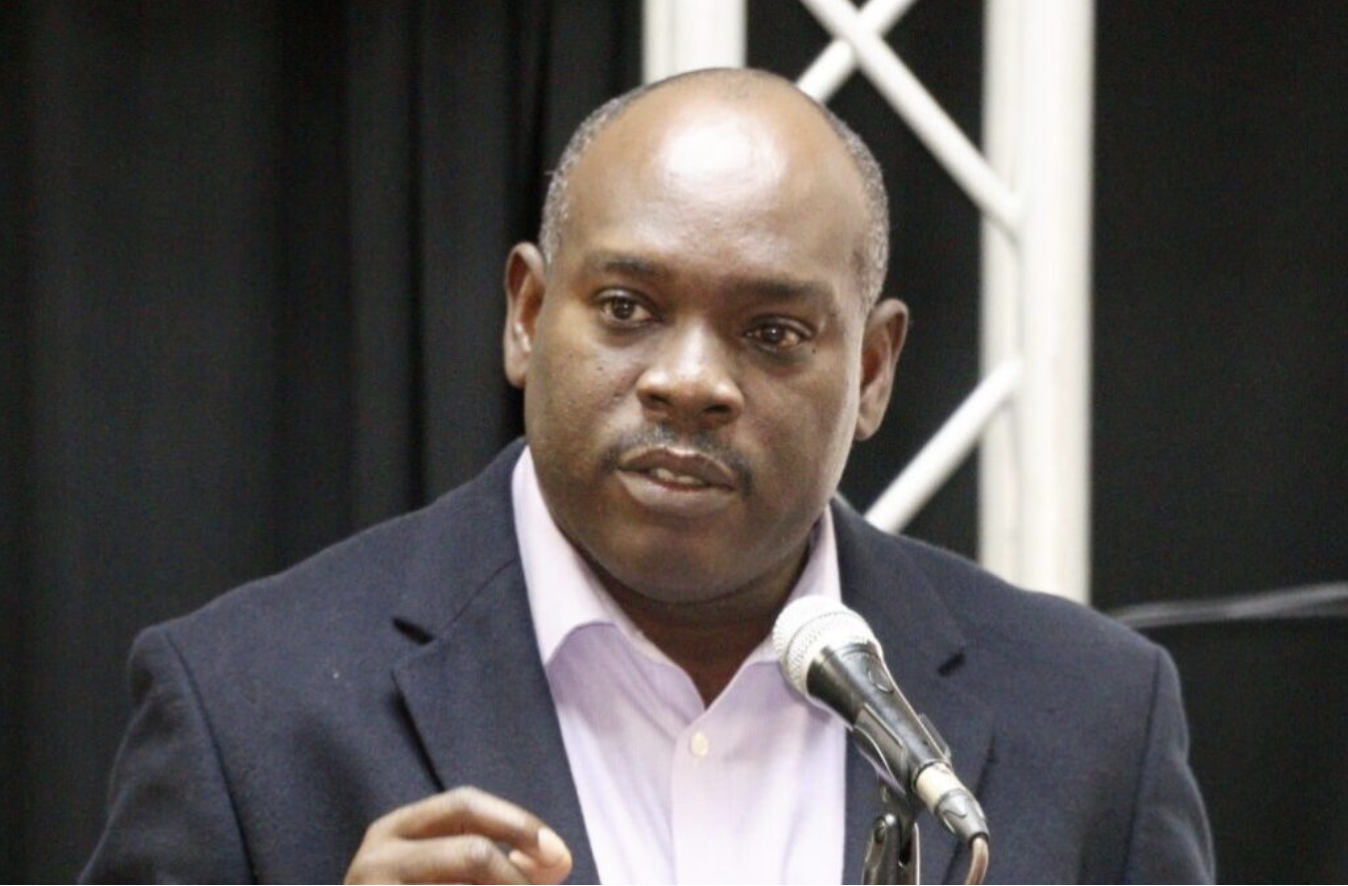
    In a scathing critique of the government’s handling of systemic failures at the University Hospital of the West Indies (UHWI), Opposition Health Spokesman Dr. Alfred Dawes has accused health authorities of prioritizing public relations over substantive reform. The condemnation came during a carefully timed press conference on Thursday, deliberately scheduled after the health minister’s media tour had concluded.

    Dr. Dawes challenged the necessity of the newly established review panel tasked with examining the auditor general’s findings, characterizing it as redundant bureaucratic layering designed to delay accountability. He revealed that both the auditor general’s report, tabled in Parliament on January 13, and an internal investigative report from November had already documented identical concerns regarding governance failures, procurement breaches, and internal control deficiencies.

    The audit uncovered years of systemic weaknesses including UHWI’s failure to submit approved procurement plans, awarding contracts without proper documentation, and misusing its tax-exempt status to import goods for private companies—resulting in millions in lost state revenue. The report further highlighted inadequate board oversight and non-compliance with public procurement regulations.

    ‘After every scandal, the health minister embarks on a cross-country media tour to drown out criticism,’ Dawes stated. ‘The panel serves as a distraction mechanism allowing public interest to wane over four months before moving to the next scandal.’

    The opposition spokesman questioned why decisive action wasn’t taken when concerns were first identified last year, noting that investigative recommendations already included establishing board-approved procurement plans, digital procurement systems, staff training, and strengthened audit committees. Dawes linked current problems to prolonged governance instability, including the disbanding of a previous reform-oriented board.

    He warned that continued delays threaten public confidence, patient care, and staff morale at Jamaica’s premier teaching hospital, describing UHWI as being in a ‘death spiral due to poor governance.’

  • Cubans queue for fuel as Trump issues energy ultimatum

    Cubans queue for fuel as Trump issues energy ultimatum

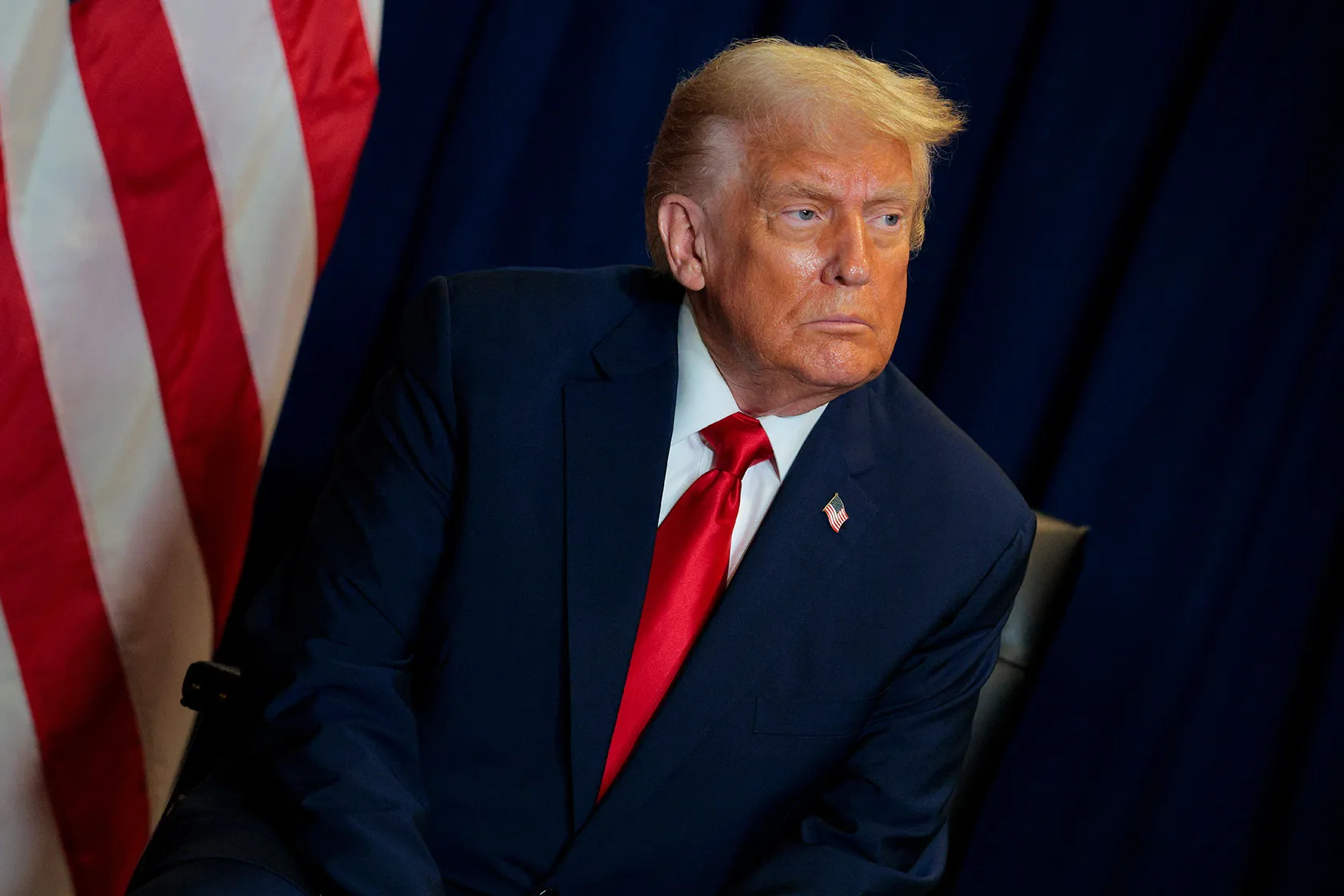
    HAVANA, Cuba – Long queues formed at gasoline stations across the Cuban capital Friday as citizens confronted an escalating fuel shortage following President Donald Trump’s executive order imposing punitive tariffs on nations supplying oil to the island nation. The move has been characterized by Cuban authorities as an economic stranglehold designed to destabilize the country.

    The directive, which effectively forces international partners to choose between trading with the United States or Cuba, arrives amid the Caribbean nation’s most severe economic crisis since the Soviet Union’s collapse in 1991. Current conditions include power blackouts extending up to 20 hours daily and critical shortages of food, medicine, and essential supplies.

    Cuban President Miguel Diaz-Canel condemned the measures as “fascist, criminal and genocidal” tactics employed by what he described as a US cabal intent on suffocating Cuba’s economy. The sentiment was echoed by citizens like Jorge Rodriguez, a 60-year-old IT specialist, who noted that ordinary Cubans would bear the brunt of these policies.

    This development follows the complete cessation of Venezuelan oil shipments after US special forces deposed Nicolás Maduro’s government in January. According to analyzed official statistics, Cuba generated merely half of its required electricity in 2025.

    The Trump administration, featuring several officials with strong ties to Florida politics including Secretary of State Marco Rubio, has openly advocated for regime change in Havana. Trump himself declared “NO MORE OIL OR MONEY FOR CUBA: ZERO!” while labeling the nation an “extraordinary threat” to US national security—a designation that raises concerns about potential military escalation.

    Mexico faces particular complications as both a remaining oil supplier to Cuba and a nation deeply integrated with US trade networks. President Claudia Sheinbaum warned of impending humanitarian consequences while attempting to navigate the diplomatic challenge. Although China voiced opposition to the measures, neither it nor Cuba’s traditional allies have announced concrete support plans.

    Diaz-Canel confirmed no ongoing negotiations with Washington, vowing that Cuban citizens stand “ready to defend the homeland to the last drop of blood.”

  • Venezuela slams US ‘punitive’ measures against ally Cuba

    Venezuela slams US ‘punitive’ measures against ally Cuba

    CARACAS, Venezuela — The Venezuelan government has issued a forceful condemnation of the United States’ latest economic measures targeting nations that engage in energy trade with Cuba. This diplomatic rebuke follows President Donald Trump’s signing of a new tariff order on Thursday, which Caracas characterizes as an aggressive act of economic coercion.

    In an official statement released Friday, Venezuela’s foreign ministry decried the US policy as a set of ‘punitive measures’ designed to penalize sovereign states for maintaining ‘legitimate trade relations with the Republic of Cuba.’ The declaration comes amid heightened tensions between Washington and Caracas, following recent political upheavals that saw a change in Venezuela’s leadership through US military involvement.

    The South American nation, itself struggling under severe economic sanctions, pledged unwavering ‘solidarity with the Cuban people’ who face potential energy shortages due to the restrictions. Venezuelan oil shipments to Cuba, a longstanding economic lifeline for the island nation, now fall under US regulatory control following recent geopolitical shifts.

    Venezuela’s foreign ministry called for ‘collective action by the international community’ to address what it described as the ‘humanitarian consequences’ resulting from such economic aggressions. The statement emphasizes the need for global cooperation to mitigate the impact of unilateral sanctions on civilian populations, positioning the conflict within broader debates about economic sovereignty and international law.

  • Fitz-Henley urges Jamaicans to use opportunities provided by amended expungement law

    Fitz-Henley urges Jamaicans to use opportunities provided by amended expungement law

    KINGSTON, Jamaica — In a landmark legislative move, Jamaica’s Parliament has passed the Criminal Records (Rehabilitation of Offenders) (Amendment) Act 2026, significantly expanding opportunities for criminal record expungement. State Minister Senator Abka Fitz-Henley delivered a powerful address during Friday’s Senate debate, urging eligible citizens not to squander their ‘second chance’ at societal reintegration.

    The amended legislation represents a substantial modernization of Jamaica’s justice framework, aligning the nation with progressive commonwealth countries and developed nations across North America and Oceania. Key reforms include extending eligibility to sentences up to 10 years (previously capped at five years) and introducing automatic expungement for minor, non-custodial convictions predating January 1, 2005.

    Minister Fitz-Henley emphasized the transformative potential of the legislation: ‘This provides genuine opportunity for those whose progress has been hindered by past convictions to become positive contributors to their families and society.’ The minister clarified that the reform shouldn’t be misinterpreted as governmental softness on crime, highlighting simultaneous 54% reduction in murders as evidence of the administration’s comprehensive crime reduction strategy.

    The rehabilitation mechanism requires applicants to have completed their sentences and maintained clean records for specified periods (typically 3-10 years depending on offense severity). Serious crimes including murder, rape, and drug trafficking remain ineligible for expungement. All applications will undergo rigorous review by the specialized Criminal Records Rehabilitation Board.

    This legislative overhaul reflects Jamaica’s commitment to holistic social transformation through balanced approaches that combine punitive measures with rehabilitation opportunities, creating pathways for reformed individuals to contribute productively to national development.

  • T&T PM reiterates Caricom in need of ‘some transformation’

    T&T PM reiterates Caricom in need of ‘some transformation’

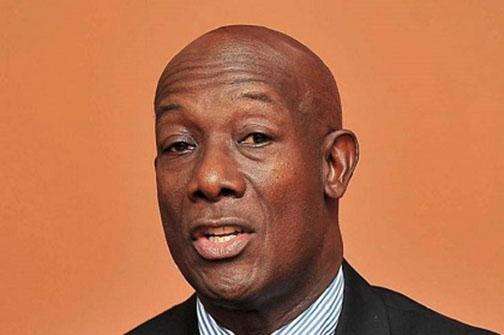
    PORT OF SPAIN, Trinidad – Prime Minister Kamla Persad-Bissessar delivered a nuanced parliamentary address on Friday, acknowledging the Caribbean Community’s pressing need for structural reform while simultaneously reaffirming Trinidad and Tobago’s steadfast commitment to regional unity. The statement came during a special session attended by CARICOM Chairman Dr. Terrance Drew, who concurrently serves as Prime Minister of St. Kitts and Nevis, and CARICOM Secretary General Dr. Carla Barnett.

    Persad-Bissessar expressed her administration’s substantial investment in regional prosperity, echoing Chairman Drew’s New Year’s message emphasizing collective regional strength. Despite previous criticisms of the organization’s operational effectiveness, the Prime Minister deliberately reiterated that “we remain committed to Caribbean unity” – a declaration met with audible approval from government legislators.

    The diplomatic engagement continued at the Diplomatic Center where Chairman Drew outlined his vision for strengthened regional collaboration, emphasizing outreach to all member states to build “stronger and more stable heights” based on mutual respect and sovereign equality within the CARICOM framework. Persad-Bissessar characterized the discussions as “very encouraging,” particularly praising Drew’s fresh leadership approach.

    This high-level consultation forms part of the CARICOM chairman’s broader initiative to conduct personal dialogues with regional leaders, following recent meetings with St. Vincent and the Grenadines’ Prime Minister Dr. Godwin Friday. The developments precede the upcoming CARICOM heads of government summit scheduled for February 24-27 in St. Kitts and Nevis.

    The Prime Minister’s conciliatory tone marks a notable diplomatic shift from her December criticisms, where she had labeled CARICOM “not a reliable partner” citing organizational dysfunction, accountability deficiencies, and problematic interventions in member states’ domestic affairs. Those earlier remarks emerged amidst controversy surrounding Trinidad’s support for US drug enforcement policies and CARICOM’s stance on Venezuela’s political situation.

  • Antigua and Barbuda Government Orders Bi-Weekly Reports on Price Reductions

    Antigua and Barbuda Government Orders Bi-Weekly Reports on Price Reductions

    The government of Antigua and Barbuda has implemented stringent monitoring measures to ensure recent fiscal relief measures are effectively reaching consumers. The Cabinet has mandated the Prices and Consumer Affairs Division to submit comprehensive reports every two weeks detailing retailer compliance with tax and duty reductions.

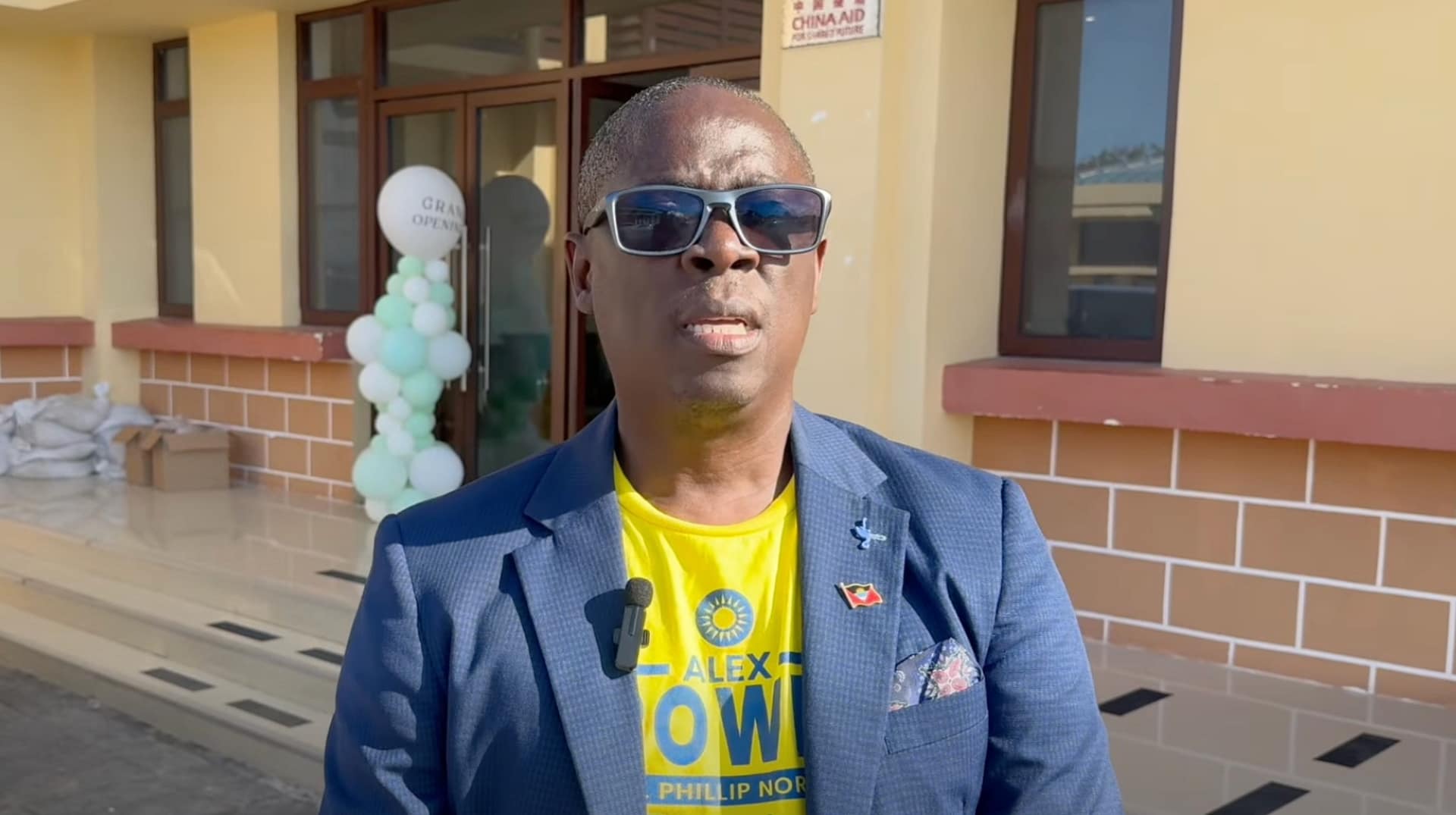
    This decisive action follows concerning reports of inconsistent adherence among retailers to cost-of-living relief initiatives. Maurice Merchant, Director General of Communications in the Prime Minister’s Office, confirmed that inspection teams have been actively monitoring supermarkets and retail establishments nationwide, with findings indicating varied levels of cooperation.

    “While major supermarket chains have shown partial compliance, numerous suppliers and retailers have exhibited reluctance in providing essential invoicing and pricing documentation,” Merchant stated during the weekly Cabinet briefing. He emphasized that such documentation is legally required to verify whether tax and duty reductions are being properly reflected in consumer pricing.

    The government has clarified that the fundamental objective of these policy measures is to guarantee that consumers directly benefit from initiatives designed to alleviate cost-of-living pressures. “The benefits must pass on to the consumers,” Merchant asserted, noting that reducing taxes and duties specifically targets relief from imported inflation.

    This enhanced reporting mechanism constitutes part of broader governmental efforts to strengthen oversight capabilities, improve regulatory enforcement, and ensure market transparency as amendments to existing price control legislation are being prepared. The bi-weekly reporting schedule represents an unprecedented level of scrutiny over retail pricing practices in the nation’s recent economic history.

  • A CCJ delegation concludes Suriname visit discuss the country’s accession to the Caribbean Court of Justice

    A CCJ delegation concludes Suriname visit discuss the country’s accession to the Caribbean Court of Justice

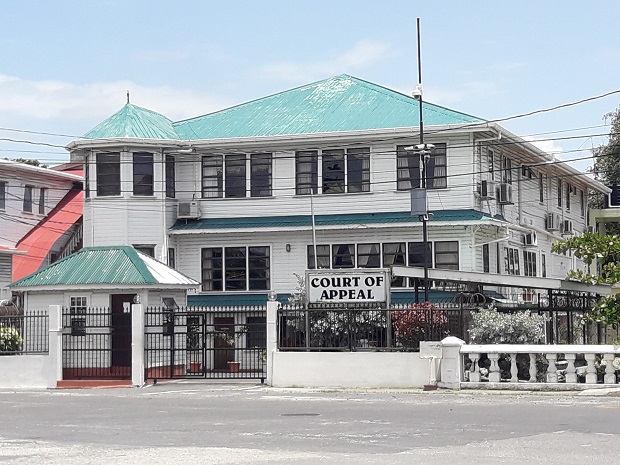
    PARAMARIBO, SURINAME – In a landmark development for Caribbean judicial cooperation, the Caribbean Court of Justice (CCJ) has advanced a groundbreaking proposal to establish a specialized Civil Law Chamber specifically designed to accommodate Suriname’s unique legal system. The initiative emerged during a high-level delegation visit from January 20-24, 2026, at the invitation of Suriname’s Court of Justice President, Honourable Mr. Justice Iwan Rasoelbaks.

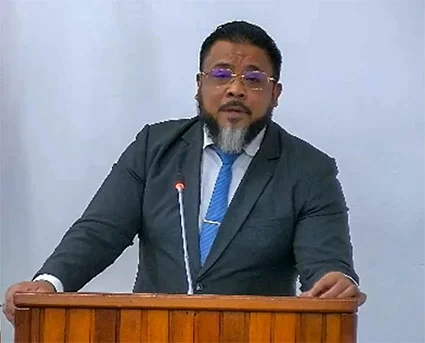
    The centerpiece of the visit was the Congress on Modernizing the Judiciary held at the Torarica Resort on January 22, where CCJ President Honourable Mr. Justice Winston Anderson addressed Surinamese judicial officials, lawmakers, and legal stakeholders. Justice Anderson presented a comprehensive vision for Suriname’s potential integration into the CCJ’s Appellate Jurisdiction, emphasizing that such a move would significantly enhance the nation’s judicial sovereignty while strengthening regional institutions.

    The proposed Civil Law Chamber represents an innovative structural adaptation within the CCJ framework. Recognizing that Suriname operates under a civil law tradition – contrasting with the common law systems predominant in most Caribbean Community (CARICOM) member states – the chamber would operate with judges specializing in civil law jurisprudence. All proceedings would follow civil law procedures conducted entirely in Dutch, with all legal filings, evidence, and correspondence processed in Suriname’s official language.

    The CCJ delegation, which included Justice Peter Jamadar, former CCJ President Sir Dennis Byron, and Registrar Gabrielle Figore-Jones, also conducted a courtesy meeting with Her Excellency Jennifer Geerlings-Simons, President of Suriname. Discussions focused on broader judicial reform initiatives and the CCJ’s supportive role in Suriname’s ongoing modernization efforts.

    The Court expressed strong commitment to continuing collaboration with Surinamese authorities, aligning with its foundational mission to promote equitable access to justice, reinforce regional unity, and uphold the rule of law throughout the Caribbean community.

  • Gonsalves takes oaths as MP

    Gonsalves takes oaths as MP

    In a significant political development, veteran opposition leader Ralph Gonsalves formally commenced his parliamentary duties on Thursday by taking the oaths of allegiance and declaration. This ceremony occurred just prior to the newly elected New Democratic Party administration presenting the 2026 Estimates of Revenue and Expenditure.

    The swearing-in follows a notable procedural incident where House Speaker Ronnia Durham-Balcombe had previously excluded Gonsalves from a parliamentary committee meeting due to his delayed oath-taking. At 79 years old, Gonsalves now enters his 32nd year as representative for North Central Windward, making him both the longest-serving and oldest sitting parliamentarian.

    Gonsalves’ Unity Labour Party suffered a devastating electoral collapse in the November 27 polls, securing only one seat compared to the NDP’s 14-seat victory. This outcome ended the ULP’s 24-year governance period that began with a landslide 12-3 win in 2001.

    The opposition leader had previously expressed uncertainty about his swearing-in timeline, telling a December press conference he was giving the matter “prayerful consideration” while maintaining his constitutional position as opposition leader appointed by the Governor General.

    Accompanying Gonsalves in Thursday’s ceremony were two opposition senators: Carlos James, who lost the North Leeward seat after one term, and Keisal Peter, a former ULP senator and minister who failed to secure the West Kingstown constituency.

    House Speaker Durham-Balcombe formally welcomed the opposition members, declaring “The House is now fully constituted” following the ceremony. The political transition marks a dramatic reversal for the ULP, which had governed since 2001 but faced declining popular support despite major infrastructure projects, ultimately culminating in their recent electoral collapse.

  • Antigua and Barbuda Targets 15% Cut in Food Imports Through Expanded Local Production

    Antigua and Barbuda Targets 15% Cut in Food Imports Through Expanded Local Production

    The Government of Antigua and Barbuda has formally adopted a comprehensive agricultural development strategy targeting a 15% reduction in specific food imports through enhanced domestic production capabilities. This initiative aligns with the broader CARICOM “25 by 2025 plus five” framework, a regional pact designed to bolster food security across Caribbean nations.

    Following a Cabinet endorsement, officials from the Ministry of Agriculture received approval to implement a multi-phase import substitution program. The strategy will concentrate initially on key sectors: livestock rearing and the cultivation of staple root crops and vegetables.

    Maurice Merchant, Director General of Communications within the Prime Minister’s Office, articulated the administration’s stance during a post-Cabinet media briefing. He confirmed the 15% target was established as a feasible initial benchmark to advance critical national objectives. These include fortifying food security buffers, enhancing the economic resilience of local farming communities, and stimulating job creation in rural districts.

    A central economic argument presented to Cabinet highlighted the substantial financial savings achievable through increased domestic output. Projections indicate that local production could replace approximately 1,200 heads of imported livestock annually, representing an estimated $1.7 million conservation in foreign expenditure.

    The detailed plan identifies several priority commodities for immediate import substitution. The list encompasses onions, tomatoes, sweet peppers, cassava, sweet potatoes, alongside sheep and swine production. A dedicated focus on scaling output in these categories is expected to significantly curtail dependency on foreign suppliers.

    Merchant emphasized the administration’s serious view of food security as a paramount national concern. Consequently, the Gaston Browne cabinet has issued directives for the expedited execution of the outlined agricultural measures. This policy forms an integral component of a long-term vision to minimize vulnerability to external supply chain disruptions and ensure the enduring sustainability of the nation’s agricultural sector.

  • Cabinet Adds Nine Inspectors to Enforce Price Reductions

    Cabinet Adds Nine Inspectors to Enforce Price Reductions

    In a decisive move to combat cost-of-living pressures, the Antigua and Barbuda Cabinet has authorized the recruitment of nine additional enforcement officers. This strategic staffing increase aims to bolster the monitoring and implementation of recent tax and duty reductions on essential food items, ensuring that the intended economic benefits effectively reach consumers. The decision follows reports from the Prices and Consumer Affairs Division, which highlighted significant difficulties in enforcing compliance across supermarkets and retail establishments. Maurice Merchant, Director General of Communications in the Prime Minister’s Office, confirmed that these new inspectors will be actively deployed to assess whether retailers are transparently transferring reduced costs to the public. Furthermore, Cabinet has mandated an expansion of the enforcement scope, directing officials to identify additional consumer goods for potential price control measures. The government will now dictate pricing on these selected items to provide broader population support. A structured reporting mechanism has also been established, requiring the Division to present bi-weekly updates on enforcement progress directly to Cabinet. This initiative is part of a comprehensive governmental effort to enhance consumer protection frameworks, with forthcoming amendments to existing price control legislation anticipated to strengthen regulatory authority.