分类: politics

  • For Fidel, his legacy, and future, the First International Colloquium is convened on the centenary of his birth

    For Fidel, his legacy, and future, the First International Colloquium is convened on the centenary of his birth

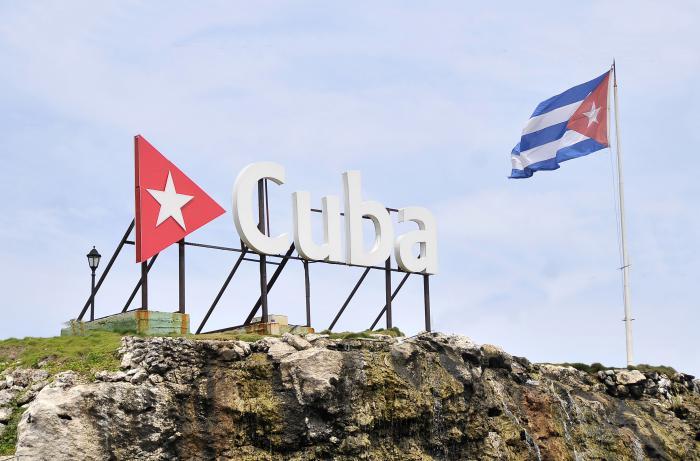
    Havana’s Convention Center will serve as the host venue for the inaugural International Colloquium on Fidel’s Legacy and Future from August 10-13, 2026. The event, organized by the Fidel Castro Ruz Center in collaboration with Cuban academic and cultural institutions, coincides with the centennial anniversary of the historic leader’s birth.

    The comprehensive forum aims to facilitate multidisciplinary examination of Castro’s multifaceted impact across political, social, and international dimensions. Scheduled programming includes analytical sessions addressing his influence on national liberation movements, Global South dynamics, and twentieth-century geopolitics. Contemporary relevance of Castro’s ideological framework will be evaluated regarding ongoing struggles against imperialism, economic disparities, climate challenges, and sovereignty preservation efforts.

    René González Barrios, director of the Fidel Castro Ruz Center, has issued a global invitation to scholars, policymakers, and cultural figures through social media channels. The colloquium seeks participation from historians, political scientists, economists, sociologists, journalists, and specialists in information sciences, alongside educators, artists, and international solidarity committee representatives.

    The event structure will incorporate diverse formats including keynote addresses, thematic lectures, roundtable discussions, and panel presentations. Additional programming features the convergence of Fidel Castro Ruz Chairs, a dedicated Cuban Revolution symposium, and specialized forums examining youth engagement, women’s roles, and parliamentary developments. Cultural components will include documentary screenings, literary presentations, and related artistic projects.

    Organizers emphasize the objective of stimulating critical, pluralistic dialogue regarding Castro’s contributions to contemporary political thought and practice, creating an academic environment for rigorous multidisciplinary assessment of his enduring ideological influence.

  • What Deal Is Briceño Eyeing Ahead of Guyana President’s Visit?

    What Deal Is Briceño Eyeing Ahead of Guyana President’s Visit?

    Belizean Prime Minister John Briceño has outlined ambitious plans to strengthen bilateral ties with Guyana across multiple sectors as Guyanese President Dr. Irfaan Ali prepares for an official visit to Belize commencing Sunday. The upcoming diplomatic engagement signals a strategic pivot toward enhanced regional cooperation within the CARICOM framework.

    Prime Minister Briceño characterized Guyana as an increasingly influential regional partner, acknowledging its remarkable economic transformation driven by substantial oil discoveries. “There’s a certain irony in how perceptions have evolved,” Briceño observed. “Where Guyana was once overlooked, it now commands significant attention across the hemisphere. The nation is undergoing profound development and possesses tremendous natural beauty.”

    While energy security remains a regional concern, Briceño indicated that petroleum negotiations would likely require multilateral rather than bilateral discussions. The Prime Minister expressed nostalgia for previously established regional energy initiatives but acknowledged contemporary geopolitical realities make such arrangements improbable. “A revival of Petro-Caribbean style arrangements appears unlikely under current circumstances,” Briceño stated, emphasizing instead Belize’s focus on sustainable development partnerships.

    The administration’s priority lies in establishing concrete cooperation frameworks across agriculture, tourism, and educational exchange. “Our objective is to formulate substantive agreements that facilitate mutual growth and knowledge transfer,” Briceño explained. “We envision collaborative ventures that leverage respective national strengths while addressing shared developmental challenges.”

    This diplomatic overture represents Belize’s strategic alignment with one of the Caribbean’s fastest-growing economies, potentially establishing new paradigms for South-South cooperation within the region. The upcoming talks may establish foundational agreements that could reshape economic relationships among Caribbean Community member states.

  • Belize Coast Guard Has New Commandant

    Belize Coast Guard Has New Commandant

    BELIZE CITY – A significant leadership transition has occurred within Belize’s maritime defense forces as Gregory Soberanis officially assumed the role of Rear Admiral Commandant of the Belize Coast Guard during a formal ceremony on January 29, 2026. The appointment concludes the six-year tenure of Rear Admiral Elton Bennett, who recently transitioned to become Chief Executive Officer within the Ministry of Home Affairs.

    Prime Minister John Briceño presided over the swearing-in ceremony, emphasizing the strategic importance of maintaining continuity within the nation’s security apparatus. “This ceremonial transition represents the stability of our security forces,” Briceño stated. “We have two exceptionally qualified officers who have progressed through the ranks with extensive service to Belize, both thoroughly prepared for their new responsibilities.”

    Soberanis, who previously served as vice-commandant since 2019, assumes command during a period of substantial expansion for the Coast Guard, which has been progressively enhancing its fleet capabilities, establishing new operational bases, and broadening its maritime jurisdiction responsibilities.

    The new Commandant expressed enthusiasm about his promotion, noting: “This moment represents a professional milestone I have anticipated for considerable time. Our career development framework systematically prepares personnel for leadership roles, providing comprehensive training essential for eventual command responsibilities.”

    Soberanis outlined his strategic priorities, emphasizing organizational partnerships, institutional culture, and operational readiness. “Our objective involves restructuring the organization to effectively counter evolving threats within Belize’s maritime domain,” he explained.

    The ceremony included emotional moments as Darlene Graham witnessed her son’s achievement. “I have observed my son’s dedicated service and complete commitment to the Coast Guard throughout his career,” Graham remarked. “This accomplishment feels like a shared achievement, reflecting his unwavering willingness to serve wherever needed.”

  • Eerste hoorzitting Latour levert input voor Ressortplan 2027

    Eerste hoorzitting Latour levert input voor Ressortplan 2027

    Paramaribo, Suriname – The Latour ressort within Paramaribo district has initiated its formal planning process for the 2027 development agenda through a groundbreaking community hearing session. Held on Wednesday at the Saamaka Community Association building, this participatory gathering marked the first in a series of consultations designed to incorporate citizen input into the forthcoming Ressortplan 2027.

    The proceedings commenced with a comprehensive review of previously implemented projects within the ressort, followed by detailed presentations from various ministry representatives outlining proposed initiatives and activities for the upcoming policy period.

    Community members actively identified several critical challenges requiring immediate attention in the new development plan. Primary concerns included the deteriorating road infrastructure, absence of systematic roadside maintenance, and persistent environmental pollution issues. Participants particularly emphasized the severe shortage of recreational facilities for youth, which community representatives directly linked to rising instances of negative leisure activities among young residents.

    In a significant procedural development, ressort councils have established a monthly meeting schedule—convening every first Monday—to regularly monitor implementation progress and continuously gather additional community feedback.

    All recommendations and proposals presented during the hearing will be systematically integrated into a draft Ressortplan 2027, scheduled for submission to the district council by late February as part of the comprehensive districtsplan. The finalized district development blueprint will be formally presented to the Minister of Regional Development by end of March.

    The landmark session saw participation from Ressortraad members, Health Minister André Misiekaba, National Assembly representatives Edgar Sampie and Tashana Lösche, District Commissioner Wennys Vijfhoven, and numerous community stakeholders.

  • PM Considering Tax Cuts for Newer Vehicles

    PM Considering Tax Cuts for Newer Vehicles

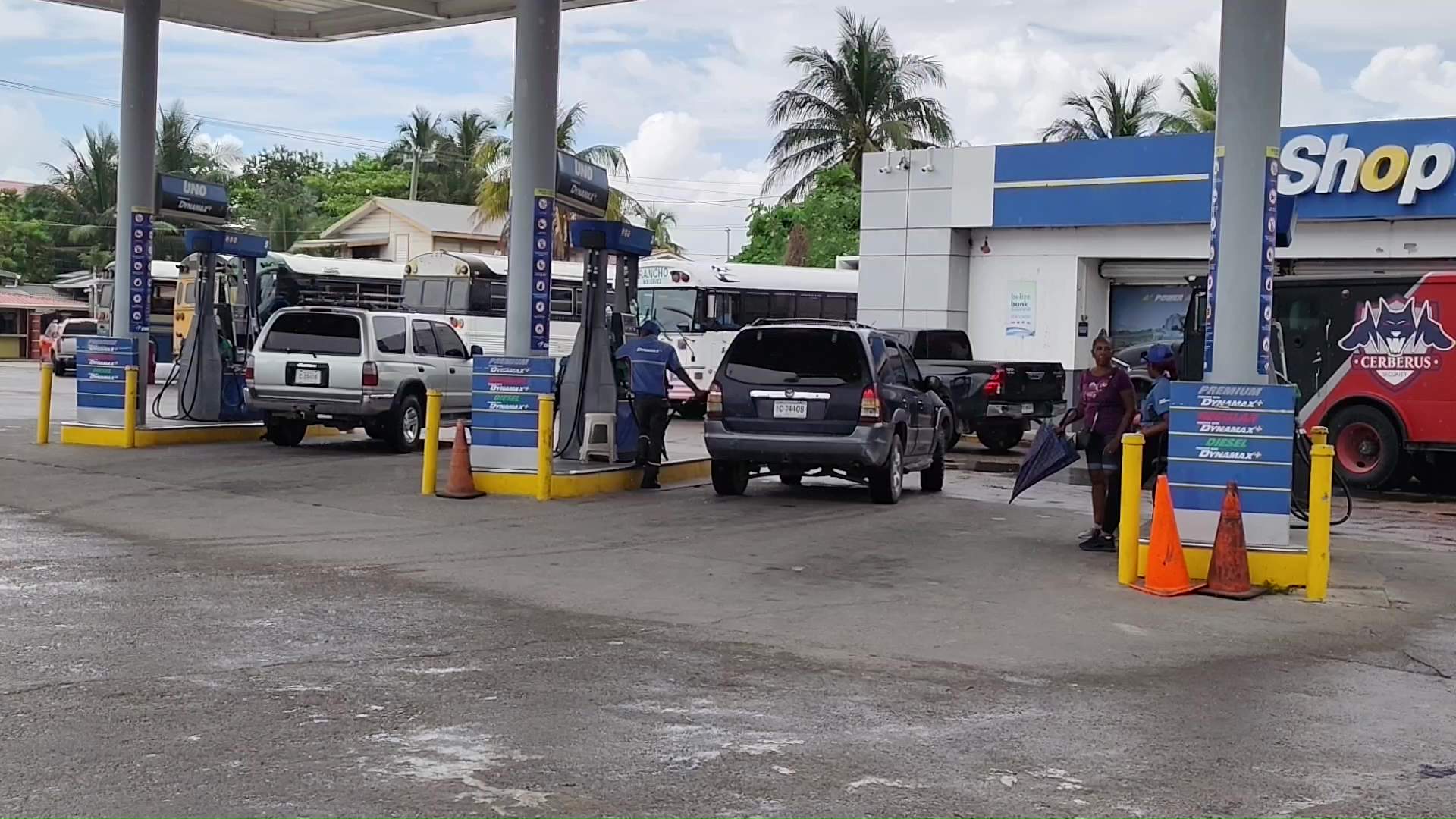
    In a significant policy shift aimed at enhancing road safety and consumer protection, Belizean Prime Minister John Briceño has announced his administration’s consideration of tax reductions for newer vehicles. The proposed fiscal measure seeks to address the dual challenges of vehicle affordability and the proliferation of salvage cars on national roadways.

    During a recent address, Prime Minister Briceño articulated concerns about the current vehicle taxation framework, highlighting systemic weaknesses in Customs valuation processes. This scrutiny follows formal complaints from automotive dealers regarding apparent discrepancies in tax assessments, including one notable case where a dealer allegedly paid substantially more than the amount documented on official Customs documentation.

    While acknowledging he wasn’t previously informed about specific allegations, Briceño emphasized that any claims of procedural irregularities must be substantiated with evidence and formally reported to appropriate authorities. The government has already implemented stricter import documentation requirements, now mandating verifiable proof of actual purchase prices for all imported vehicles.

    “Our objective is to implement tax reductions for newer vehicles that offer greater longevity and reliability for Belizean consumers,” stated Briceño, drawing parallels to regional neighbors who have successfully banned salvage imports. The initiative aims to protect consumers from concealed mechanical defects and exorbitant repair costs associated with rebuilt vehicles.

    The comprehensive reform package envisions creating a more transparent, equitable taxation system that minimizes subjective valuations while ensuring appropriate revenue collection. Prime Minister Briceño confirmed that the Cabinet will undertake a thorough review of existing vehicle tax structures to incentivize the adoption of safer, more durable transportation options across Belize.

  • Ryan Walters: Excessive taxation worsening living costs

    Ryan Walters: Excessive taxation worsening living costs

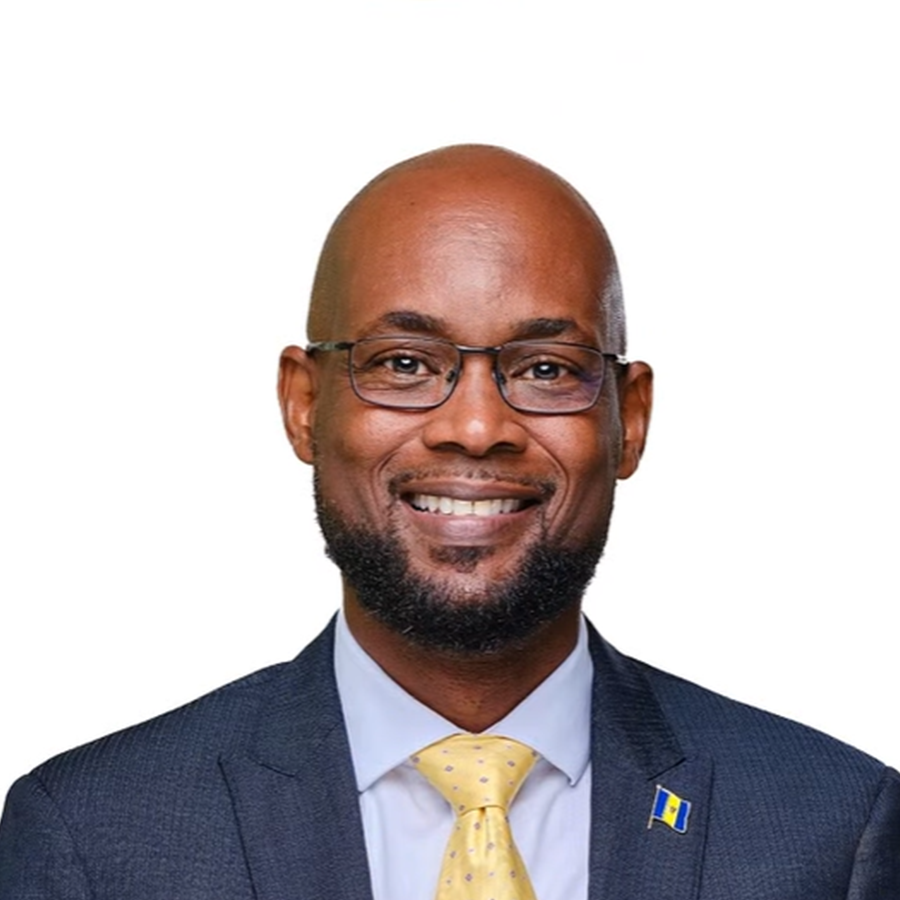
    In a vigorous address to constituents at St Stephen’s Hill, Democratic Labour Party candidate Ryan Walters launched a comprehensive critique against the ruling Barbados Labour Party administration’s fiscal policies. The St Michael North West contender asserted that since assuming power in 2018, the government has systematically diminished workers’ disposable income through multiple revenue-generating measures while failing to honor campaign commitments.

    Waters articulated a direct connection between taxation levels and citizen purchasing power, contrasting current policies with the BLP’s previous stance that nations cannot tax themselves out of economic recession. He particularly highlighted the Health Services Contribution Levy implemented shortly after the party took office, characterizing it as an immediate reduction in take-home pay for all National Insurance Scheme contributors.

    The opposition figure provided substantial financial estimates, claiming the health levy has extracted approximately $530 million from workers between 2018 and 2025. This substantial sum, Walters emphasized, represents missed opportunities for households to address essential needs including groceries, education expenses, and basic survival costs.

    Further criticism targeted the garbage and sewage contribution levy, described as an additional financial burden on both households and small businesses totaling an estimated 570 million Barbados dollars. Walters maintained these combined fiscal measures have significantly exacerbated the cost-of-living crisis while the administration attributes economic challenges solely to global factors.

    The address specifically condemned the government’s unfulfilled manifesto promise to reduce Value Added Tax, noting the rate has remained stagnant at 17.5 percent since May 2018. Walters characterized VAT reduction as the most effective immediate relief mechanism for consumer expenses, particularly regarding supermarket purchases and daily expenditures.

    Concluding with policy alternatives, the DLP candidate pledged his party would implement VAT reduction upon assuming office, positioning this commitment as a central component of their strategy to restore citizens’ spending power and alleviate financial pressures.

  • Grenada considers accepting US deportees amid labour shortages

    Grenada considers accepting US deportees amid labour shortages

    The Grenadian government is currently evaluating a potential memorandum of understanding with the United States that would involve receiving third-country nationals deported from American territory. This strategic consideration emerges as the Caribbean nation confronts persistent workforce deficiencies across critical sectors including construction, agriculture, and hospitality services.

    Prime Minister Dickon Mitchell confirmed during a recent post-Cabinet briefing in St. George’s that his administration has formally expressed interest in accessing workers through the ‘third-country nationals transferee’ framework. This initiative forms part of a broader United States program to relocate individuals who cannot be readily repatriated to their countries of origin.

    Mitchell articulated specific conditions for participation, stating that Grenada would only welcome individuals who are physically capable, possess relevant skills, and maintain clean criminal records—excluding violations of US immigration statutes. The Prime Minister emphatically noted that financial responsibility for transportation and resettlement must rest entirely with the United States government, with Grenada retaining full discretionary authority over final participation decisions.

    Foreign Affairs Minister Joseph Andall further elaborated that any acceptance of transferees would be strictly conditional and grounded in international legal standards. The government insists that all individuals must receive comprehensive protections under international human rights conventions, including safeguards against torture, arbitrary treatment, and discrimination based on race, religion, or other status indicators.

    This development occurs within a broader regional context where Caribbean nations have adopted varied approaches to similar US proposals. While Dominica has established agreements for accepting third-country refugees subject to security vetting, and Antigua and Barbuda have engaged in framework discussions emphasizing stringent controls, Grenada’s cautious deliberation reflects both humanitarian concerns and practical labor market needs.

    The government maintains optimism that carefully vetted skilled workers could alleviate mounting labor pressures, though officials acknowledge the complex humanitarian dimensions involved, particularly for individuals facing potentially dangerous conditions in their home countries.

  • Estimates ‘treading water dangerously and gasping for breath’ – Gonsalves

    Estimates ‘treading water dangerously and gasping for breath’ – Gonsalves

    In a scathing parliamentary address on Thursday, Opposition Leader Ralph Gonsalves delivered a comprehensive critique of the New Democratic Party’s EC$1.89 billion fiscal package for 2026, characterizing the government’s approach as financially perilous and fundamentally inadequate for current economic challenges.

    The North Central Windward MP and former prime minister asserted that the EC$105.5 million deficit contained within the Estimates of Revenue and Expenditure surpasses the combined deficits of four previous years under his administration, despite those periods encompassing extraordinary crises including COVID-19, volcanic eruptions, Hurricane Elsa, and the devastating impact of Hurricane Beryl which destroyed over 90% of structures in the Southern Grenadines.

    Gonsalves dismissed Prime Minister Godwin Friday’s budget presentation as “an underwhelming and laboured performance” filled with “self-congratulation” rather than substantive policy. He warned that the current fiscal approach represents “dangerous treading water while gasping for breath,” particularly criticizing the recurrent budget framework as unsustainable.

    The opposition leader raised serious concerns about the government’s borrowing strategy, noting the EC$200 million in projected local loans represents twice the amount approved for 2025. He highlighted the irony of this approach from a party that previously criticized what it termed “ballooning debt and huge fiscal deficits.”

    Gonsalves presented detailed financial analysis indicating that when accounting for current account deficit, amortization payments, and sinking fund contributions, the government faces a total financial gap exceeding EC$401.4 million before even addressing capital expenditures. He questioned the feasibility of raising EC$573.9 million through external loans, noting that only EC$385 million is allocated to the capital budget while the remainder appears directed toward recurrent spending.

    The former prime minister projected significant implementation challenges, suggesting that local loan financing would not materialize until late March at the earliest due to market constraints. He warned government MPs that community projects promised in the budget would face substantial delays and predicted potential difficulties in meeting monthly salary obligations and essential bill payments.

    Gonsalves concluded that the budget framework is “unsuited to these perilous times” and unlikely to generate meaningful economic growth, characterizing it as a collection of “little bits and pieces with doubtful funding” rather than a coherent economic strategy.

  • Colin Dowe appointed first chairman of NaDMA Board

    Colin Dowe appointed first chairman of NaDMA Board

    Prime Minister Dickon Mitchell, serving in his dual capacity as Minister for the National Disaster Management Agency (NaDMA), has formally appointed the inaugural Board of Directors for the agency in accordance with the provisions of the 2023 Disaster Management Act. This landmark appointment occurs more than two years following the legislation’s enactment.

    The newly constituted board will be chaired by Colin Dowe, with Carlyn Mc Quilkin assuming the role of Deputy Chairman. Additional members include Lazarus Joseph, Jessmon Prince, Samantha Dickson, Andre Charles, Jonell Benjamin, Lydia Browne, and Sylvan Mc Intyre.

    According to an official notice published in the 23 January 2026 Government Gazette and dated 20 January 2026, the board’s mandate will extend for a three-year term commencing 1 February 2026. The selection process, as outlined in the Act, prioritizes individuals demonstrating expertise in emergency mitigation, preparedness, response, and recovery operations, alongside ex-officio office holders with relevant disaster management responsibilities.

    The legislative framework additionally establishes an advisory council, to be chaired by the Prime Minister. This council will serve as a critical coordination platform, bringing together government ministries, statutory bodies, district disaster committees, private sector representatives, non-governmental organizations, relief agencies, and faith-based groups. Its primary function will be to facilitate consultation and collaborative action on all disaster management and risk reduction initiatives, including financial response mechanisms during emergencies.

  • Ex Bolivian President disagrees with US’ priorities in Venezuela, US Secty of State flags Guyana as an alternative investor destination

    Ex Bolivian President disagrees with US’ priorities in Venezuela, US Secty of State flags Guyana as an alternative investor destination

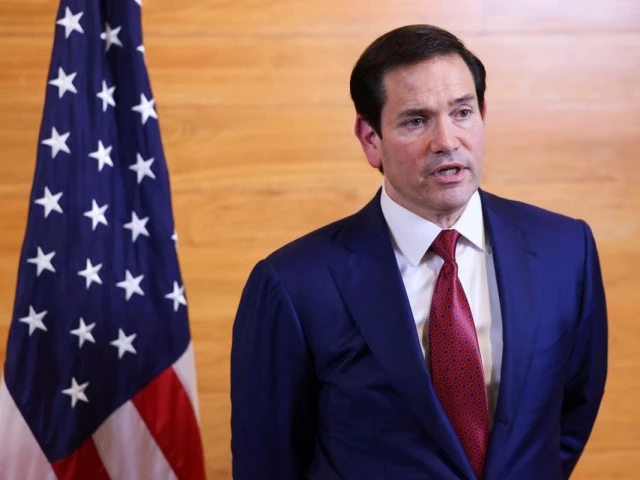
    Significant diplomatic divergence has surfaced regarding the appropriate approach to Venezuela’s political and economic stabilization. Former Bolivian President Jorge Quiroga and U.S. Secretary of State Marco Rubio presented contrasting visions at a World Trade Centre Guyana forum titled ‘Perspectives on Global Trade’ this Wednesday.

    Secretary Rubio emphasized that international oil companies require robust legal security and profit guarantees before returning to Venezuela. He outlined specific prerequisites: protection against asset seizure, enforceable contracts, and judicial certainty. ‘That’s the level of certainty that we’re talking about in terms of security,’ Rubio stated, noting that without these conditions, investment would naturally flow to alternative destinations like Guyana.

    Rubio acknowledged recent hydrocarbon law reforms enacted within weeks of President Maduro’s removal that rolled back Chavez-era restrictions, describing them as ‘extraordinary’ though insufficient. The ultimate U.S. objective, he clarified, remains Venezuela’s transition to a ‘friendly, stable, prosperous and democratic’ nation with free elections, possibly requiring American oversight.

    In stark contrast, former President Quiroga challenged the American sequencing of priorities. He argued that democracy must precede economic normalization, stating: ‘I personally think that the order that the U.S. government is talking about doing things is not quite the right order.’ Quiroga expressed skepticism that oil companies would sign agreements with ‘an interim government that is the remnants of a criminal group’ merely because of U.S. naval presence in the Caribbean.

    Quiroga proposed regional diplomacy led by Latin American powers Brazil, Mexico, and Colombia to facilitate democratic transition through ministerial delegations demanding prisoner releases. He highlighted how Venezuela’s previous oil wealth ($140-150/barrel at 3.5 million barrels/day) had purchased influence through PetroCaribe and ALBA alliances, enabling human rights abuses to go unchallenged in international forums like the OAS.

    The resolution of Venezuela’s crisis, Quiroga suggested, could remove toxic influences and create opportunities for renewed Caribbean-Latin American cooperation on common economic agendas and coordinated foreign policies.