分类: politics

  • House clerk blames robbery for fleet breach

    House clerk blames robbery for fleet breach

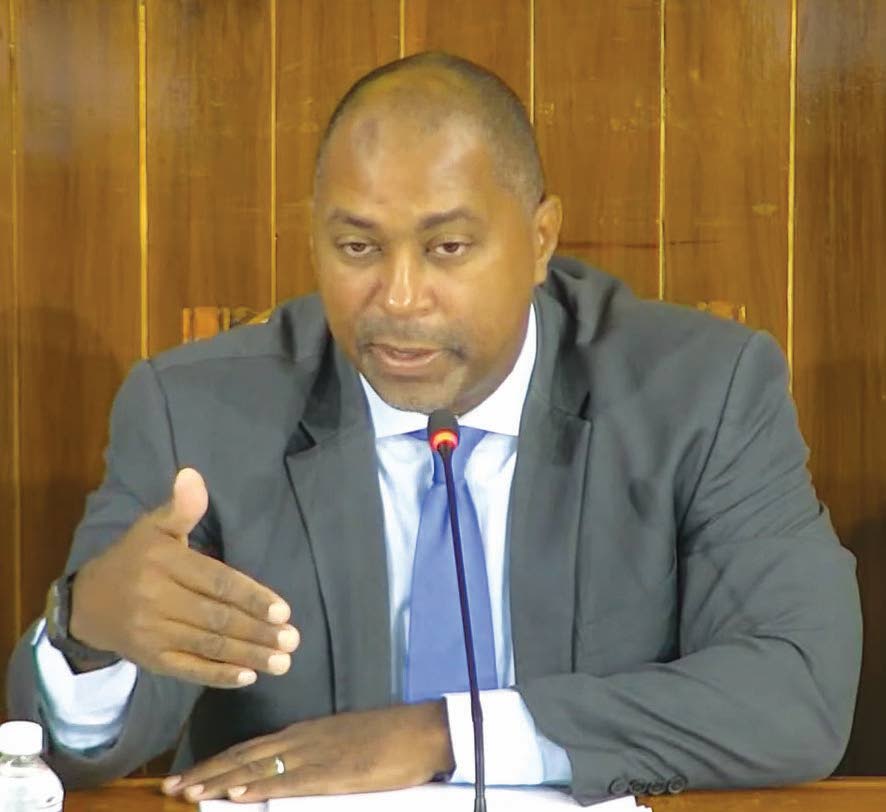
    A parliamentary investigation into the unauthorized off-site use of a government vehicle has revealed extraordinary circumstances involving an employee’s safety following a late-night robbery. During Tuesday’s tense Public Accounts Committee hearing, Clerk to the Houses of Parliament Colleen Lowe disclosed that verbal permission was granted for vehicle retention due to “extenuating circumstances” after the facilities manager was robbed while leaving work late.

    The controversy emerged weeks after Auditor General Pamela Monroe Ellis reported that a 2022 Toyota Prado was kept off parliamentary premises on 173 occasions between June and December 2024 without documented approval. The audit found the vehicle was parked at the employee’s residence overnight on all 173 instances, including weekends and holidays, with log entries frequently listing “meetings” as the purpose.

    Lowe explained the employee, a part-time University of the West Indies student, often worked late and became “the victim of crime” in downtown Kingston. “Permission was granted to him that he could have access to the vehicle to ensure his safety in those extenuating circumstances,” she testified, while emphasizing that no approval was given for personal use or false log entries.

    However, the auditor general’s report presented conflicting evidence, substantiating private use including transportation to university classes. Monroe Ellis expressed surprise at Lowe’s testimony, noting her office had found “no evidence that permission was granted” during their investigation.

    The hearing revealed a critical procedural failure: while the robbery circumstances were reportedly disclosed to auditors, the safety exemption remained undocumented. Lowe acknowledged this weakness, stating “there was no written permission” but maintained that verbal approval was given strictly for security purposes.

    Following the hearing, Parliament’s administration issued a statement committing to transparency and institutional reforms, including establishing an audit committee, improving procurement planning, and implementing stricter fleet management controls under a newly appointed transport manager.

  • Rick fox joins FNM as twelve ratified

    Rick fox joins FNM as twelve ratified

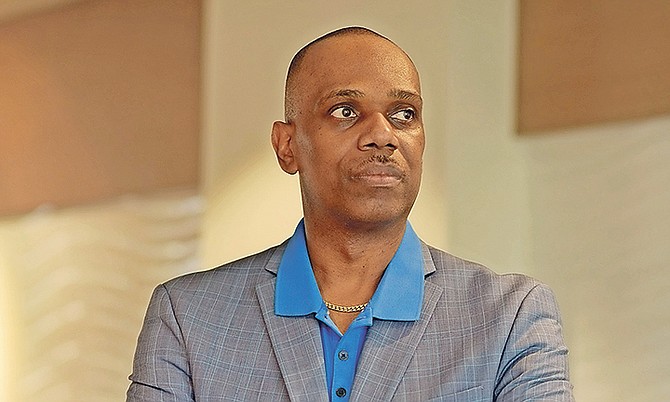
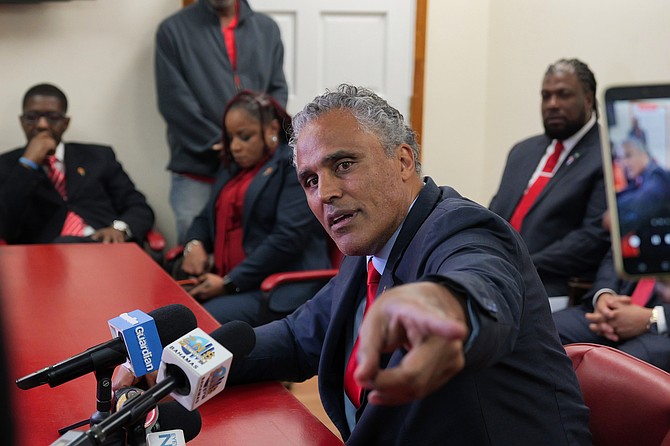
    In a significant political development, former NBA champion Rick Fox has been officially ratified as the Free National Movement’s candidate for Garden Hills constituency, marking a dramatic shift from his previous stance as an outspoken critic of Bahamian politics. The ratification ceremony at FNM headquarters on Mackey Street saw Fox join eleven other candidates as the opposition party solidifies its roster ahead of the next general election.

    The move comes despite Fox’s months of public criticism targeting both major political parties and his earlier considerations of running as an independent candidate. In a revealing disclosure, the former Los Angeles Lakers star confirmed that his three-year contract as ambassador-at-large concluded without renewal in 2024, despite previous resistance to calls for his diplomatic resignation from PLP chairman Fred Mitchell.

    Addressing supporters after his ratification, Fox expressed both overwhelm and gratitude for the opportunity to represent Garden Hills. He cited the pressing struggles faced by Bahamian citizens as his primary motivation for entering frontline politics now rather than later in life. ‘The urgency increased,’ Fox stated. ‘I don’t have time to wait until I’m 65 to maybe entertain the idea of getting into frontline and being part of the policy changes.’

    The former athlete addressed his history of political criticism, clarifying that his remarks targeted systemic issues rather than individuals. ‘It’s about looking at the results we got in the system and realizing that across the board, it’s not an easy system to operate in and to run,’ he explained, acknowledging respect for those who have served in political roles.

    Fox’s nomination surprised some party supporters who had considered longtime aspirant D’Angelo Ferguson the frontrunner for the constituency. Ferguson, who had campaigned extensively in Garden Hills, declined to comment but was photographed with Fox following the announcement.

    The ratification process also saw significant developments in other constituencies, with the FNM denying nomination to Long Island MP Adrian Gibson due to ongoing criminal proceedings, instead selecting former Fort Charlotte MP Dr. Andre Rollins as replacement. Other ratified candidates included FNM deputy leader Shanendon Cartwright for St James and Carlton Bowleg for Bimini and the Berry Islands.

    Initial reactions from Garden Hills residents appeared supportive, with longtime resident Jeffrey Clarke noting willingness to work with whichever candidate the party selected. The political reentry of Dr. Rollins, who described the FNM as his ‘political home,’ and the strategic constituency reassignments signal the party’s comprehensive preparation for upcoming electoral contests.

  • ‘Take responsibility’

    ‘Take responsibility’

    A startling financial discrepancy of $28.96 million has exposed significant governance failures within Jamaica’s parliamentary accounting systems, triggering intense scrutiny during Tuesday’s Public Accounts Committee (PAC) hearing. The controversy centers on a massive credit card transfer that remained undetected for four months, revealing critical weaknesses in financial oversight protocols.

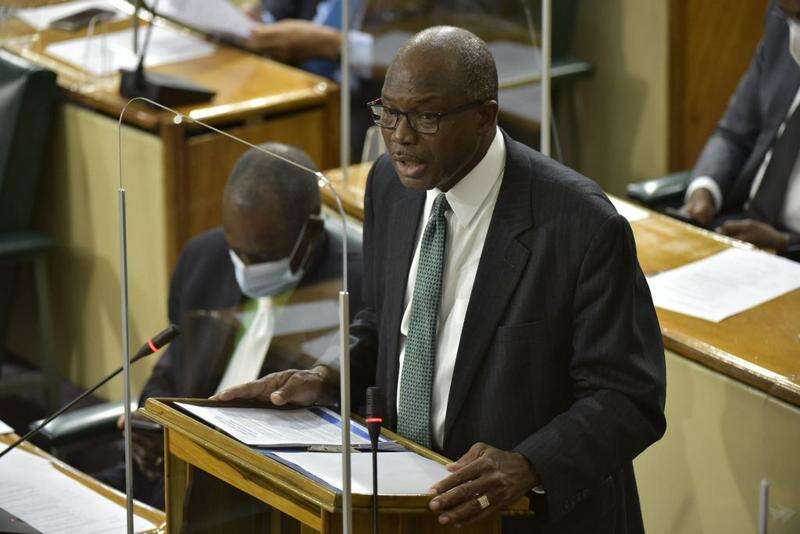
    Manchester Southern MP Peter Bunting spearheaded the criticism, directly challenging Parliament Clerk Colleen Lowe to accept institutional responsibility for what he characterized as a catastrophic breakdown in basic financial controls. Bunting, drawing on his banking background, presented a detailed analysis demonstrating that the error originated entirely from ambiguous wording in Parliament’s own instruction letter to the financial institution.

    The special audit from the Auditor General’s Department, while finding no evidence of personal misuse of government funds, documented concerning deficiencies including poor monitoring mechanisms, delayed reporting procedures, and the extraordinary transfer error that allowed millions to move between accounts without prompt detection. The audit revealed that the $28.96 million withdrawal occurred after Parliament requested a substantially smaller payment related to credit card operations, with the massive overpayment remaining unnoticed for several months before eventual reversal.

    Committee Chairman Julian Robinson pressed Lowe on how such a substantial discrepancy could evade detection, questioning whether regular account reconciliations were consistently performed before the appointment of a new principal finance officer. Lowe conceded that existing systems were inadequate, noting that proper oversight protocols were not consistently maintained.

    The clerk attempted to shift partial blame to the banking institution, highlighting that the credit card had a modest $5,000 limit and questioning how such an enormous transfer could be processed without verification. She referenced standard banking practices where unusual transactions typically trigger confirmation calls to authorized officials.

    However, Bunting systematically dismantled this defense, reading directly from the problematic instruction letter that clearly requested debiting the recurrent expenditure account with a Jamaican equivalent amount to be credited to the US dollar account. He emphasized that any competent banking professional would interpret such wording literally, placing responsibility squarely on Parliament’s administrative leadership for both the erroneous instruction and the subsequent failure to detect the transaction through regular reconciliations.

    The hearing concluded with broader concerns about financial governance standards within Jamaica’s highest legislative body, with committee members demanding immediate implementation of strengthened controls and accountability measures.

  • Man sentenced to life in prison for plotting to kill Trump in 2024

    Man sentenced to life in prison for plotting to kill Trump in 2024

    A federal court has sentenced Ryan Routh to life imprisonment plus seven years for his meticulously planned attempt to assassinate former President Donald Trump during the critical pre-election period of September 2024. The 59-year-old Hawaiian resident was convicted on multiple charges, including attempted assassination of a presidential candidate and assaulting a federal officer, following a dramatic trial that revealed extensive preparation for the violent act.

    US District Judge Aileen Cannon delivered the stern sentence after a comprehensive 90-minute hearing, emphasizing the necessity to safeguard public security from Routh’s demonstrated dangerousness. The judicial proceedings reached their climax when Routh, who elected to represent himself despite lacking legal qualifications, delivered a perplexing 20-page statement that required repeated judicial intervention to conclude.

    The operational details emerged during trial testimonies: Secret Service personnel identified a rifle barrel protruding from vegetation at Trump’s West Palm Beach golf course on September 15, 2024. This observation triggered immediate defensive measures, resulting in Routh’s apprehension after a brief vehicular pursuit. Law enforcement subsequently recovered an AK-pattern rifle equipped with optical targeting technology and additional ammunition at the scene.

    Prosecutor John Shipley characterized the plot as a calculated effort to destabilize American democracy through political violence. The Justice Department, through Attorney General Pam Bondi, condemned the attempt as fundamentally anti-democratic. This incident occurred merely two months after another assassination attempt in Pennsylvania, where a rally attendee died from gunfire that slightly injured Trump’s ear.

    Routh’s courtroom behavior included bizarre requests for exotic trial accommodations and unconventional juror selection criteria, all denied by the court. Following his conviction, he attempted self-harm with a writing instrument, requiring intervention by court security personnel. Although Routh expressed abstract regrets during sentencing, his precise motivations for targeting Trump remain officially undetermined.

  • Pineridge emerging as key election battleground

    Pineridge emerging as key election battleground

    The Pineridge constituency is rapidly emerging as a focal point of electoral intrigue, positioning itself as a quintessential swing district with multiple candidates vying for voter approval. Political dynamics are intensifying as Dr. Charlene Reid anticipates official ratification as the Free National Movement’s candidate, while Ginger Moxey secures her position as the Progressive Liberal Party’s standard-bearer. Adding complexity to the race, former MP Fred McAlpine is mounting an independent campaign, challenging conventional party politics.

    Across the community, residents are expressing a clear preference for practical governance over partisan loyalty. Florence Deveaux emphasized the critical need for representatives who prioritize tangible outcomes over political rhetoric. “We will support a candidate who is really looking out for everybody and not just those in their party,” she stated, highlighting infrastructure deficiencies including homeless shelters, youth centers, and senior recreation facilities as pressing concerns.

    The electoral landscape reveals deep divisions regarding candidate performance and accessibility. Multiple residents reported limited engagement with the incumbent representation, with Tiara Williams noting, “I haven’t seen Ms. Moxey at all in the four years she represented Pineridge, only on TV and on social media.” This perceived absence has fueled support for alternative candidates who demonstrate consistent community presence.

    Dr. Reid’s ground-level activism, including educational donations and constituent meetings, has generated substantial support among those prioritizing visibility and engagement. Conversely, Mr. McAlpine’s independent bid attracts voters valuing legislative experience and willingness to challenge party establishments. Savion Bethel articulated this perspective, noting that challenging party lines “says a lot” about a candidate’s commitment to constituent representation.

    The emerging consensus indicates that electoral success will depend on demonstrating genuine commitment to comprehensive constituency service rather than party affiliation alone, setting the stage for a highly competitive election determined by practical governance over political tradition.

  • House passes legislation to strengthen cybercrime framework

    House passes legislation to strengthen cybercrime framework

    KINGSTON, Jamaica — In a significant legislative move, Jamaica’s House of Representatives has approved comprehensive amendments to its Cybercrimes Act, substantially reinforcing the nation’s digital security infrastructure. The updated legislation aims to enhance protections for vulnerable groups, particularly children, while equipping law enforcement and prosecutors with more robust legal instruments to combat digital offenses.

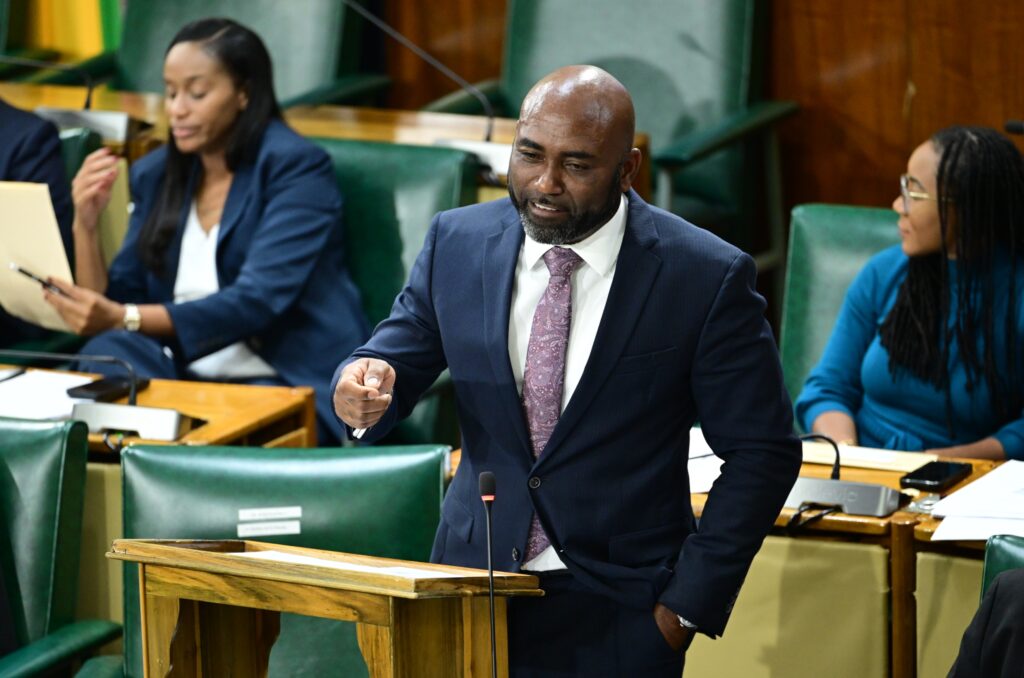
    The parliamentary debate, concluded by Minister Andrew Wheatley from the Office of the Prime Minister (with responsibility for Science, Technology and Special Projects), addressed pointed criticisms from the Opposition regarding the bill’s approach to emerging technologies. Opposition members had expressed concerns that the legislation failed to explicitly address artificial intelligence applications, deepfake technology, forged digital documents, or manipulated video content—potentially creating prosecution challenges.

    Minister Wheatley defended the technologically neutral stance of the legislation, emphasizing its intentional design to remain applicable across evolving digital platforms. “The Cybercrimes Act is crafted to be technologically agnostic,” Wheatley stated. “This neutrality is deliberate, enabling prosecution of offenses irrespective of the specific technology employed, the platform involved, or the method of digital manipulation.”

    The Minister further clarified that “the absence of a specific reference to AI is not detrimental to prosecution efforts. The critical factor remains whether the fundamental elements of the offense exist—whether intimate imagery has been generated or fraudulent data manipulation has occurred through input alteration, deletion, suppression, or other means outlined in the legislation.”

    Concurrently, the Jamaican government has initiated development of a National AI policy through a reconvened National AI Task Force. This body will conduct comprehensive analysis of Jamaica’s existing legal and regulatory frameworks, potentially recommending additional legislation or amendments specific to artificial intelligence applications.

    Recognizing that legislative efficacy depends on public awareness, Minister Wheatley committed to implementing extensive public education initiatives. “Legislation cannot operate in isolation,” he noted. “We have a responsibility to ensure our citizens fully understand these protective measures. Following parliamentary passage, we will launch comprehensive education programs ensuring citizens, institutions, and law enforcement agencies thoroughly understand the Act’s provisions, practical standards, and consequences for violations.”

    The amended legislation now proceeds to Jamaica’s Senate for final review and approval.

  • Clifford Everald Warmington appointed ECJ Commissioner

    Clifford Everald Warmington appointed ECJ Commissioner

    KINGSTON, Jamaica – In a significant development for Jamaica’s electoral governance, Governor-General Sir Patrick Allen has formally appointed Clifford Everald Warmington as Nominated Commissioner to the Electoral Commission of Jamaica (ECJ). The appointment, made on the recommendation of Prime Minister Andrew Holness, becomes effective February 1, 2026.

    Warmington assumes the crucial role previously held by Senator Thomas Tavares-Finson, who concluded his service with the commission on January 31, 2026. This transition marks an important shift in the composition of Jamaica’s primary electoral oversight body.

    The newly appointed commissioner will join Dr. Aundre Franklin as the second Nominated Commissioner representing the Prime Minister’s interests within the commission. Warmington brings considerable political experience to the position, currently serving as Member of Parliament for St Catherine South Western constituency.

    The Electoral Commission of Jamaica maintains a carefully balanced structure comprising nine members. This includes four Selected Commissioners who serve as independent voices, four Nominated Commissioners (with equal representation for both the Prime Minister and Opposition Leader), and the Director of Elections who oversees operational matters. This composition ensures multipartite oversight of Jamaica’s electoral processes, safeguarding the integrity of the nation’s democratic systems.

  • Smith backtracks on Grand Lucayan ‘non-sale’ remarks

    Smith backtracks on Grand Lucayan ‘non-sale’ remarks

    In a significant reversal, West Grand Bahama and Bimini Member of Parliament Kingsley Smith has walked back previous comments that cast doubt on the completion of the Grand Lucayan resort sale, despite official government assertions to the contrary. Serving as parliamentary secretary in the Ministry of Grand Bahama, Smith acknowledged in an official statement that his word selection during a recent media interaction could have been improved to prevent misinterpretation regarding the project’s status. Smith emphasized his unwavering alignment with the government’s position, stating: “My position is, and remains, entirely consistent with the government’s stance. Having been personally present for the execution of the legal documents and the signing of the conveyance, I have no doubt about the reality of the sale.” The controversy emerged following Smith’s Sunday remarks to journalists that “the hotel transaction did not happen at this time” – a statement that directly conflicted with Prime Minister Philip Davis’s confirmation that the resort had been sold and the government awaited the operator’s development plans. Smith attributed the discrepancy to misunderstandings arising during “the heat of a media scrum” amid complex international business negotiations. He vehemently denied any rift with the Office of the Prime Minister, characterizing the incident as a communication issue rather than a policy disagreement. The Davis administration had announced the $120 million sale to U.S.-based Concord Wilshire Capital in May, with the company pledging an additional $827 million investment toward redeveloping the Grand Lucayan property and adjacent 160-acre Reef Golf Course. While visible construction remains absent at the site, Smith maintained that substantial progress is occurring behind the scenes, dismissing opposition claims that the deal had faltered. “Where the opposition is concerned, because they cannot see the internal work being done, they would have the public believe the deal is nonexistent. I refuse to let my words be used to support that lie,” Smith asserted. “A delay in visible activity does not equate to a non-sale.” Concord Wilshire Capital officials had not responded to requests for comment at the time of reporting.

  • Vaz flagged for breaching procurement guidelines in purchase of Starlink devices

    Vaz flagged for breaching procurement guidelines in purchase of Starlink devices

    A damning audit report from Jamaica’s Auditor General has exposed significant procedural violations by Energy, Transport and Telecommunications Minister Daryl Vaz in the procurement of emergency communication equipment following Hurricane Melissa. The investigation, detailed in the ‘Hurricane Melissa Relief Initiative Audit’ tabled in Parliament, reveals Minister Vaz improperly authorized a $12.12 million purchase of 200 Starlink devices without proper authority.

    The equipment was intended for parishes severely affected by October’s hurricane where communications infrastructure had been devastated. However, Auditor General Pamela Monroe Ellis found the procurement was initiated through ministerial instruction from Vaz rather than through the proper channel of the Director General of the Office of Disaster Preparedness and Emergency Management (ODPEM). This direct intervention violated Jamaica’s Public Procurement Act of 2015, which explicitly assigns procurement authority to heads of entities, not ministers.

    According to the audit timeline, Vaz sent written instructions in his capacity as Co-Chair of the Relief and Recovery Oversight Committee on November 13, 2025, directing payment to a specific supplier. Remarkably, the devices were delivered to the Office of the Commissioner of Police on November 14, while ODPEM only began preparing required procurement documentation five days later on November 19.

    The audit further uncovered concerning distribution issues. Of 120 devices distributed among 17 entities, only 86 were confirmed received, and physical inspections revealed 41 devices remained unused and in storage. The report noted a complete absence of documentation justifying the selection of the particular supplier engaged for the purchase.

    Auditor General Ellis emphasized that the sequence of events—particularly the receipt of devices before procurement approval—demonstrated a circumvention of controls designed to ensure transparency, competitive bidding, and fiscal responsibility. ODPEM additionally failed to maintain proper records regarding device conditions, inventory details, or distribution monitoring.

    The real-time audit was conducted to assess transparency and accountability in the hurricane relief initiative, specifically examining whether adequate controls exist to prevent fraud, waste, and abuse of public resources during disaster response operations.

  • FOD manifesto: pension tax breaks, tougher rules for late govt payments

    FOD manifesto: pension tax breaks, tougher rules for late govt payments

    The Friends of Democracy (FOD) political party has unveiled a comprehensive policy platform targeting systemic inequities in Barbados’ public financial systems, featuring significant tax relief for retirees and stringent accountability measures for government payment delays. Party President Karina Goodridge presented the proposals during Sunday’s manifesto launch at Bush Hall, St Michael, framing them as essential corrections to what she termed “long-standing unfairness” in state-citizen relations.

    Central to the FOD’s 2026 election platform is a groundbreaking policy that would impose interest penalties on government entities for delayed payments to citizens and businesses. This measure would apply to outstanding pension payments, gratuities for public servants, vendor and contractor invoices, tax refunds, and National Insurance Scheme reimbursements. Goodridge emphasized the principle of reciprocal accountability, stating that equitable repayment practices must govern both citizens and government institutions.

    In a major welfare initiative, the party proposed exempting 67% of all pension income from taxation, characterizing this as a “golden handshake” for retirees who have contributed decades of service to Barbados’ development. The policy aims to ensure that retirement years remain financially secure rather than burdened by taxation.

    Land tax reform constitutes another pillar of the FOD platform, with presidential advisor Jason Bowen outlining four key objectives: protecting vulnerable homeowners from property loss due to tax burdens, stimulating housing market activity, encouraging land development, and ensuring commercial entities bear their fair tax share. Bowen simultaneously called for eliminating the solid waste tax on properties not connected to sewage treatment systems, arguing that charging for unavailable services constitutes fundamental injustice.

    Additionally, the party proposes replacing the 17.5% Value Added Tax on imported food with a 16% Point of Entry Goods Levy collected at ports, a measure positioned as a cost-of-living reduction strategy for Barbadian consumers. Collectively, these proposals represent the FOD’s vision for establishing what they describe as “mutual respect and accountability” between government and citizens.