分类: politics

  • Politieke transitie, economische uitdagingen en toekomstperspectief

    Politieke transitie, economische uitdagingen en toekomstperspectief

    The year 2025 marked a pivotal turning point for Suriname as the nation underwent significant political transformation, faced persistent economic challenges, and positioned itself for future energy prosperity. The landmark elections resulted in a surprising political configuration, with Jennifer Simons ascending to the presidency through a six-party coalition led by the National Democratic Party (NDP), which secured 18 parliamentary seats. The United Reform Party (VHP), obtaining 17 seats, transitioned to the opposition role, signaling a dramatic shift in the country’s political landscape.

    Economic conditions remained severe for most citizens throughout 2025. Despite the IMF recovery program initiated under former President Chan Santokhi providing macroeconomic stabilization, its March 2025 completion revealed limited improvements in monetary and social conditions. The Suriname Economic Oversight Board evaluations indicated inadequate results, with minimal social impact and negligible improvement in citizens’ economic reality. The Central Bank of Suriname maintained relative exchange rate stability and contained inflation, yet ordinary households continued grappling with soaring food prices, housing costs, and utility expenses.

    Social inequality and poverty persisted as critical concerns, disproportionately affecting low-income groups, single parents, and rural residents. Government support programs offered only fragmented relief, while reports emerged of funds intended for vulnerable populations being misappropriated. Public safety remained compromised despite official statistics showing decreased crime rates, tragically highlighted by the recent Commewijne incident that claimed nine lives, including multiple children.

    Suriname’s sports sector achieved remarkable breakthroughs, particularly in football where the national team neared unprecedented qualification for international finals. This success prompted coaching changes with Henk ten Cate replacing Stanley Menzo, reflecting heightened ambitions for professional advancement.

    The emerging oil and gas sector continued shaping strategic planning, with commercial production anticipated from 2028 onward. While offering economic promise, the sector presents risks of anticipatory oil euphoria without robust governance structures and transparent revenue management.

    President Simons’ New Year address emphasized 2026 as a period of recovery, repair, and foundation-building, underscoring the necessity for transcending ethnic divisions and fostering national cohesion to harness Suriname’s full potential.

  • PM Browne Warns Against Division, Urges Unity and Discipline in 2026 New Year’s Address

    PM Browne Warns Against Division, Urges Unity and Discipline in 2026 New Year’s Address

    In his comprehensive New Year’s address to the nation, Prime Minister Gaston A. Browne of Antigua and Barbuda articulated a powerful vision of national unity and resilient prosperity for 2026. The Prime Minister acknowledged the significant challenges overcome in the previous year while emphasizing the nation’s remarkable progress and strengthened economic position.

    Browne highlighted the people-centered national budget as evidence of the country’s forward momentum, noting that despite global economic pressures including increased U.S. tariffs, Antigua and Barbuda had experienced a ‘year of bounty.’ The address positioned the coming year as an opportunity to transform temporary successes into permanent gains through collective effort and disciplined approach.

    The Prime Minister addressed recent diplomatic concerns regarding U.S. visa restrictions for Antiguans and Barbudans, assuring citizens that all existing visas remain valid while his government works systematically to establish new visa issuance mechanisms. Browne emphasized his administration’s commitment to respectful, persistent diplomacy in protecting national interests while maintaining the valued relationship with the United States.

    Within the Caribbean community, the Prime Minister acknowledged differences among CARICOM members while reaffirming Antigua and Barbuda’s consistent contributions to regional cooperation and development. He stressed the importance of regional unity, quoting Marcus Garvey’s wisdom that ‘a people without unity are a people easily defeated.’

    The address called for a fundamental shift in national discourse, urging citizens to move beyond political divisions and ‘petty quarrels’ toward a shared identity as ‘one family.’ Browne challenged the nation to reject lies and deception in public life and embrace a culture of excellence, discipline, and entrepreneurship.

    Leadership was framed as a responsibility rather than a privilege, with the Prime Minister committing to serve and empower the people. The vision presented involves transforming Antigua and Barbuda into an economic powerhouse through education, skill development, and strategic partnerships with international investors who share the national vision.

    The concluding message emphasized active hope as a daily practice of courage and mutual support. Browne called for citizens to treat their surroundings with respect, invest in nation-building regardless of political differences, and embrace values of equity, truth, and justice. The Prime Minister expressed confidence that with unity and determination, no external force could hinder the nation’s progress toward a prosperous future.

  • Ali, Norton talk up good governance in New Year addresses

    Ali, Norton talk up good governance in New Year addresses

    In their respective New Year addresses for 2026, Guyana’s President Irfaan Ali and opposition leader Aubrey Norton presented competing visions of governance while both emphasizing commitments to democratic principles. President Ali, leading the People’s Progressive Party Civic administration, made a personal pledge to govern with “integrity, discipline, and compassion,” vowing to prioritize national interests and practice attentive leadership. Meanwhile, APNU leader Norton positioned his party as a government watchdog, promising to vigorously challenge any perceived lapses in transparency, accountability, or rule of law. The exchange occurs against a backdrop of corruption allegations against government ministers from We Invest in Nationhood party leader Azruddin Mohamed, which have been denied by Agriculture Minister Zulfikar Mustapha and Tourism Minister Susan Rodrigues. Norton framed the political struggle as a defense against “corruption and dictatorial myopia,” urging citizens to reject the current administration and instead envision a future where oil wealth translates to improved quality of life for all Guyanese, particularly youth, Indigenous communities, and public servants. APNU parliamentary leader Dr. Terrence Campbell reinforced this message in a separate address, calling for enhanced public security and an end to discrimination based on ethnicity, gender, or sexual orientation.

  • Divested bus company ‘won’t interfere’ with pensioners, children

    Divested bus company ‘won’t interfere’ with pensioners, children

    The Barbados government is proceeding with its controversial plan to divest the state-owned Transport Board while simultaneously developing a new mass transit framework, Deputy Prime Minister Santia Bradshaw confirmed Wednesday. The announcement comes despite mounting opposition from various sectors, including the influential Congress of Trade Unions and Staff Associations (CTUSAB).

    Speaking during the arrival of 35 new electric buses at Bridgetown Port, Bradshaw emphasized that the process remains in its consultative phase, with workers’ interests positioned as the central consideration. The government intends to conduct comprehensive dialogues with employees and stakeholders before finalizing any decisions regarding the public transportation overhaul.

    “Multiple meetings are often necessary when engaging stakeholders on major reforms,” Bradshaw stated, adding that she would not prejudice ongoing discussions. The government recognizes the need for thorough, transparent conversations that allow for potential adjustments to initial proposals.

    The Transport Minister underscored the administration’s particular obligation to long-serving employees, many of whom have dedicated decades to the institution. “I feel that we owe it to them first and foremost, along with their representatives, to have conversations without prejudice from opinions in the public domain,” Bradshaw explained, referencing her recent attendance at a ceremony honoring employees’ years of service.

    While Cabinet has already approved preliminary proposals for stakeholder discussion, Bradshaw revealed that the government remains open to modifications based on consultation feedback. The administration has simultaneously committed to protecting vulnerable groups throughout the transition process, assuring continued transportation access for pensioners, school children, and essential service personnel.

    Bradshaw framed the divestment initiative as part of a broader worker empowerment strategy, stating: “While we divest on one hand, our intention is to enfranchise the Transport Board workers who have given committed service for decades.” The government views the divestment process and worker enfranchisement as intrinsically linked components of their transportation reform agenda.

  • Prime Minister Mia Mottley’s New Year message to the nation

    Prime Minister Mia Mottley’s New Year message to the nation

    In a comprehensive New Year’s address marking Barbados’ entry into its Diamond Jubilee year, Prime Minister Mia Mottley articulated a vision of national resilience and progress while acknowledging ongoing challenges facing the Caribbean nation. The speech, delivered on January 1, 2026, blended reflection on past achievements with forward-looking policy directives for the nation’s 60th anniversary of independence and fifth year as a parliamentary republic.

    The Prime Minister emphasized the concept of “Bajan-strong” resilience that has characterized the nation’s response to recent global crises, including pandemics, extreme weather events, and economic turbulence. She highlighted how this collective strength has enabled Barbados to “bend, brace, and build” rather than fold under pressure, drawing parallels between national endurance and diamond formation under duress.

    Significant policy achievements from 2025 were detailed, including a 24% increase in the national minimum wage, introduction of statutory paternity leave, expanded disability benefits, and the creation of price monitoring tools like the Ask Dealia app. The government’s infrastructure investments were noted, with 60 roads assessed for rehabilitation under the Focused Roads Programme and substantial progress on highway expansions.

    Economic milestones received particular attention, with successful completion of BERT 1, BERT 2, and IMF Extended Fund Facility programs leading to the announcement of BERT 3.0—a new initiative designed to enhance national competitiveness. Tourism sector developments were highlighted, including Hotel Indigo’s upcoming opening and record airport traffic exceeding 10,000 passengers daily.

    The address balanced these achievements with candid acknowledgment of persistent challenges, including cost-of-living pressures, healthcare system improvements, and infrastructure demands exacerbated by climate change. Prime Minister Mottley outlined 2026 priorities focusing on digital transformation through FinTech initiatives, enhanced emergency healthcare services, and continued road infrastructure development.

    A substantial portion of the speech addressed societal values and intergenerational responsibility, calling for a national recommitment to service, respect, and character development. The Prime Minister emphasized that technological progress must be balanced with ethical guardrails, particularly regarding AI’s potential misuse for spreading misinformation.

    The address concluded with an invocation of collective responsibility, urging citizens to actively participate in shaping the nation’s future through the “Beacons of Renewal” framework focusing on environmental resilience, social cohesion, and digital transformation. The Prime Minister framed the Diamond Jubilee year as an opportunity to strengthen both institutional foundations and civic values for future generations.

  • Norton wants more oil money for Guyanese, Ali promises lower taxes, higher wages

    Norton wants more oil money for Guyanese, Ali promises lower taxes, higher wages

    Guyana’s political leadership has presented divergent blueprints for the nation’s burgeoning oil revenues in their New Year addresses, setting the stage for a consequential policy debate in 2026. Opposition Leader Aubrey Norton of the People’s National Congress Reform (APNU) advocated for radical redistribution of petroleum earnings, while President Irfaan Ali detailed concrete economic measures including tax reductions and wage enhancements.

    Norton emphasized the urgent need to address Guyana’s alarming poverty rate exceeding 50 percent, arguing that current resource allocation predominantly benefits wealthy elites while exacerbating economic disparities. “The government should change the pattern of allocation of resources from benefitting the few and making the rich richer and the poor poorer,” Norton asserted in his message. He called for a fundamental reorientation toward people-centered policies that would ensure all Guyanese citizens share in the nation’s natural resource wealth.

    The opposition leader, whose party suffered a significant electoral defeat in September 2025, pledged to reinvent his political approach, promising to become “the solid choice for development focused governance” in the coming year. He stressed that the unprecedented oil revenues demand a comprehensive strategic plan specifically designed to benefit ordinary citizens.

    President Ali countered with specific economic commitments for 2026, announcing that national prosperity would directly translate into improved individual and community circumstances. His administration plans to increase disposable income through a three-pronged approach: direct financial support, elevated wages, and reduced taxation. Beyond fiscal measures, Ali outlined ambitious social programs including accelerated housing development to create “a nation of homeowners grounded in security and dignity.”

    The President also revealed plans to bolster the creative sector through investments in artistic and cultural entrepreneurship, terming this initiative the growth of Guyana’s “orange economy.” Additionally, communities nationwide are slated to receive infrastructure upgrades including improved road networks, enhanced lighting systems, recreational playgrounds, and modern sporting facilities.

  • US steps up pressure on Venezuela with further sanctions on Maduro

    US steps up pressure on Venezuela with further sanctions on Maduro

    The Trump administration has escalated its economic campaign against the Venezuelan government through imposing stringent new sanctions targeting entities within the nation’s oil transportation network. On January 1, 2026, the Department of the Treasury’s Office of Foreign Assets Control (OFAC) designated four companies operating in Venezuela’s petroleum sector and identified four associated oil tankers as blocked property.

    According to official statements, these measures specifically target what U.S. officials characterize as a ‘shadow fleet’ that continues to generate substantial revenue for President Nicolás Maduro’s administration. Treasury Secretary Scott Bessent emphasized the administration’s determination to prevent what he described as ‘Maduro’s illegitimate narco-terrorist regime’ from profiting from oil exports while allegedly flooding American markets with illicit drugs.

    The sanctioned vessels include NORD STAR (IMO: 9323596), owned by Corniola Limited and managed by Krape Myrtle Co Ltd; ROSALIND/LUNAR TIDE (IMO: 9277735) owned by Winky International Limited; and both DELLA (IMO: 9227479) and VALIANT (IMO: 9409247) linked to Aries Global Investment Ltd. These tankers have been identified as actively transporting Venezuelan crude despite existing restrictions.

    This latest action represents a continuation of the comprehensive sanctions strategy implemented throughout Trump’s presidency, which has systematically targeted Maduro’s inner circle, family members, and associated organizations. U.S. authorities maintain that the Venezuelan leader maintains connections to narcotics trafficking and criminal organizations including Tren de Aragua.

    The Treasury Department’s release further clarified that these measures complement previous sanctions imposed on PDVSA-linked officials and vessels in mid-December, underscoring the ongoing campaign to exert maximum economic pressure on Caracas.

  • President: 2026 jaar van herstel en voorbereiding op toekomst

    President: 2026 jaar van herstel en voorbereiding op toekomst

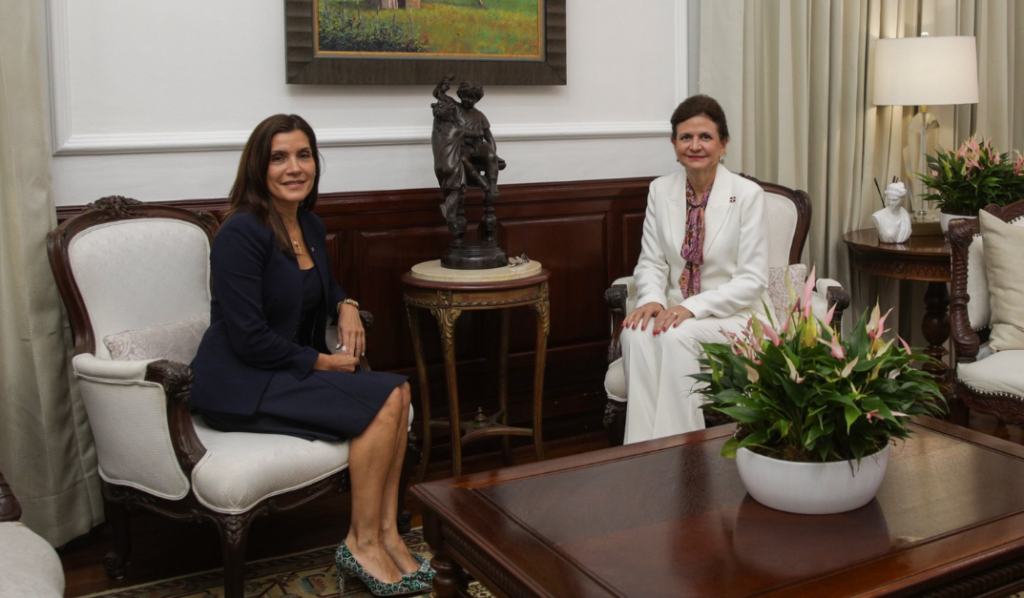
    In her nationally televised New Year’s address, President Jennifer Simons of Suriname reflected on the transformative events of 2025 while charting a comprehensive roadmap for national recovery in 2026. The President’s speech struck a delicate balance between acknowledging recent tragedy and projecting determined optimism for the nation’s future.

    The address began with solemn recognition of the Commewijne tragedy that marked the final days of 2025, with President Simons announcing January 2, 2026, as a National Day of Mourning. ‘We find ourselves immersed in collective grief,’ stated the President, extending solidarity to affected families while emphasizing the government’s commitment to supporting citizens through difficult times.

    Looking forward, the administration unveiled a dual-track approach for 2026 focused on immediate restoration and long-term foundational development. The government will prioritize repairing critical public services including healthcare, education, and social welfare programs, aiming to achieve ‘socially acceptable standards’ by year’s end. Simultaneously, officials will lay groundwork for post-2028 economic development, particularly anticipating future revenue increases.

    President Simons emphasized collaborative governance, revealing that seven to eight specialized working groups—streamlined from approximately ninety committees inherited from previous administrations—will drive implementation based on the governing agreement. The strategy explicitly engages private sector expertise and includes representation from all political organizations in the National Assembly.

    Addressing economic challenges, the administration acknowledged ongoing currency volatility as a primary inflation driver and confirmed intensive collaboration with national and international partners to stabilize exchange rates. Despite economic constraints, the government maintains that digital transformation remains essential for strengthening governance and combating corruption.

    The President concluded with a call for unified national effort: ‘Everything we must accomplish in 2026 requires our collective determination—government supporting citizens, and citizens supporting one another.’ This mutual commitment, Simons asserted, forms the essential foundation for strengthening both economy and governance as Suriname advances toward better tomorrow.

  • Christmas Eve Letter Ends Ombudsman Swazo’s Three-Year Term

    Christmas Eve Letter Ends Ombudsman Swazo’s Three-Year Term

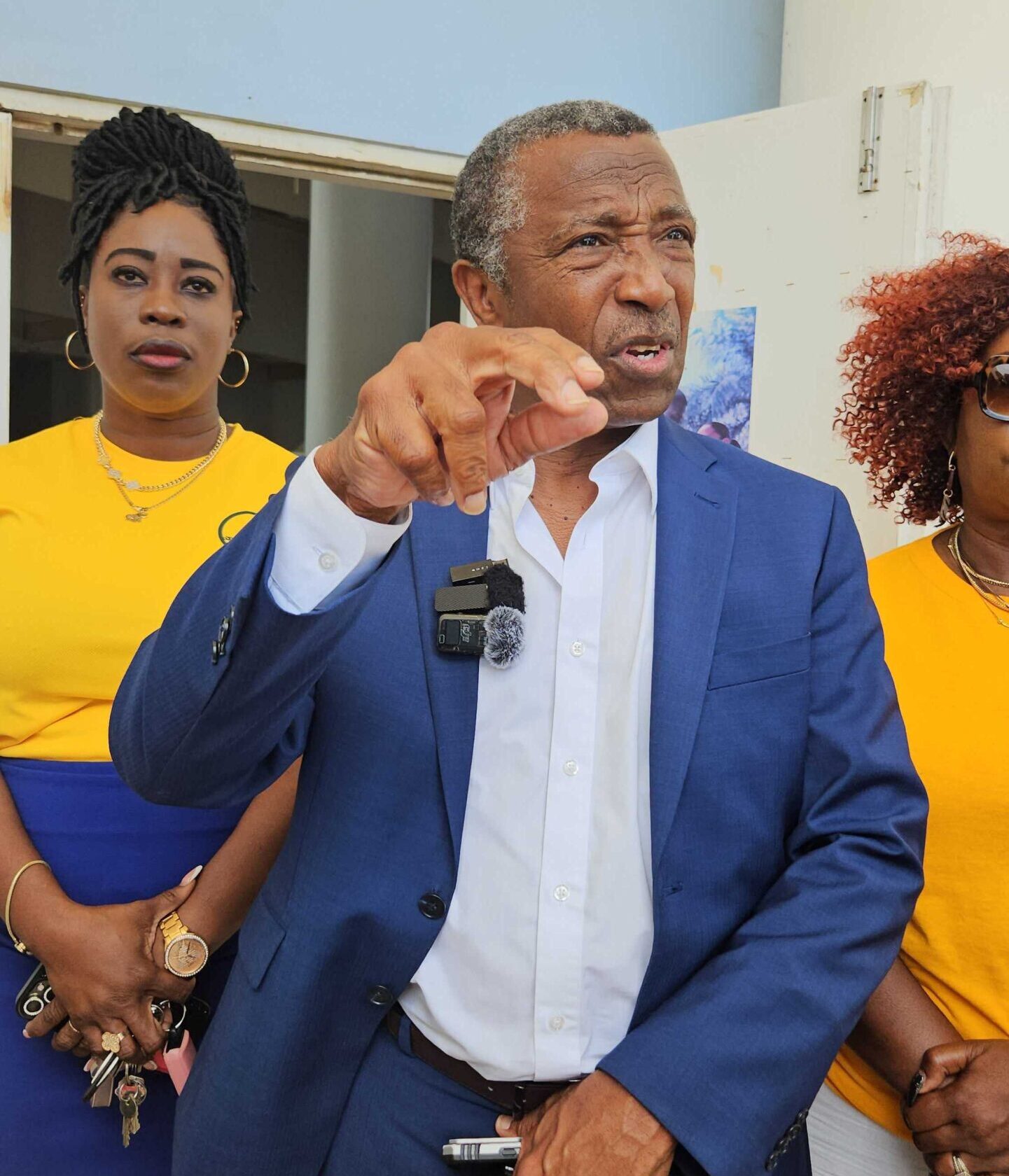
    In a significant political development, Gilbert Swazo concluded his three-year tenure as Belize’s Ombudsman on December 31, 2025, following the government’s decision not to renew his contract. The notification arrived via a Christmas Eve letter, culminating a period of heightened tension between Swazo’s office and the administration.

    The departure follows Swazo’s controversial ruling under the Freedom of Information Act that favored activist Jeremy Enriquez—a decision currently under legal challenge by the government. This ruling reportedly created substantial friction between the Ombudsman and government officials, leading to speculation about the connection between this constitutional standoff and his non-renewal.

    In his final statements, Swazo, a retired Major, emphasized his unwavering commitment to constitutional principles. ‘I took a solemn oath to abide by the Constitution and to do right in all manner of people based on the oath,’ he stated. ‘I operated within the confines of the law, ensuring I abide by the constitution of Belize, the laws of Belize, and the rule of law.’

    When questioned about potential government blacklisting given the administration’s remaining four-year term, Swazo responded with principled defiance: ‘I stand predominant by speaking to my values as an individual, as a Garifuna man, as a Belizean. If I must pay the consequences for being in harmony with my values and the Constitution, I will continue to hold my head very high.’

    The departure marks a notable moment in Belize’s governance landscape, raising questions about the independence of oversight institutions and the balance of power between government branches.

  • Panton Says Ombudsman Ouster Breaches Constitutional Norms

    Panton Says Ombudsman Ouster Breaches Constitutional Norms

    BELIZE CITY – Opposition Leader Tracy Panton has launched a severe critique against the Belizean government’s termination of Ombudsman Gilbert Swazo’s contract, characterizing it as a violation of constitutional norms and established procedures. In a recent interview, Panton expressed profound disappointment with the administration’s approach to filling this crucial oversight position.

    The Office of the Ombudsman represents a fundamental constitutional safeguard within Belize’s governance framework, with clearly defined appointment processes outlined in the nation’s constitution. According to customary practice, the sitting officer should indicate their intention to continue serving three months prior to contract expiration – a step Panton confirms Swazo duly followed through media interviews.

    Panton highlighted the government’s missed opportunities to address the matter through proper legislative channels, noting that both House and Senate meetings occurred before year’s end without any discussion of the Ombudsman’s position. This last-minute handling has left Belize without a key constitutional officer, echoing previous administrative failures such as the nearly two-year vacancy in the Accountant General’s office.

    The Opposition Leader condemned what she described as a pattern of ‘reckless’ management of public offices, emphasizing that government officials serve the people rather than personal interests. Panton called on all public officers to continue acting in Belize’s best interests, operating strictly within legal boundaries, despite the current administration’s approach to governance.