分类: politics

  • PM Browne says his earlier call for peace in the region was never a defense of Maduro

    PM Browne says his earlier call for peace in the region was never a defense of Maduro

    Prime Minister Gaston Browne of Antigua and Barbuda has issued a definitive clarification regarding his recent diplomatic statements on regional stability. Addressing potential misinterpretations, Browne emphasized that his calls for peaceful dialogue and non-intervention in Venezuela were fundamentally mischaracterized if viewed as support for President Nicolás Maduro’s administration.

    The clarification comes amid heightened geopolitical tensions in the Caribbean region, where neighboring nations have adopted varying positions regarding Venezuela’s political crisis. Browne’s original appeal emphasized regional sovereignty and the principle of self-determination, urging Caribbean Community (CARICOM) members to maintain diplomatic neutrality while encouraging peaceful resolution mechanisms.

    Browne articulated that advocating for peaceful conflict resolution should not be conflated with endorsing specific governments or leaders. His statements reflect a broader Caribbean tradition of diplomatic engagement that prioritizes regional stability over alignment with particular political factions. This position maintains the delicate balance required for small nations navigating complex international disputes involving global powers.

    The Prime Minister’s office further elaborated that Antigua and Barbuda’s foreign policy remains committed to constitutional order and democratic principles, while simultaneously advocating for peaceful dialogue between all Venezuelan stakeholders. This nuanced approach characterizes many Caribbean nations’ attempts to maintain regional harmony while respecting international law and governance standards.

  • PM says as a global leader he must be able to speak on behalf of residents or step aside

    PM says as a global leader he must be able to speak on behalf of residents or step aside

    In a powerful address that redefined expectations for international governance, the Prime Minister delivered a compelling critique of contemporary global leadership. The speech emphasized that true international influence must be fundamentally rooted in faithfully representing one’s citizens, proposing that leaders who fail this essential duty should consider relinquishing their positions.

    The Prime Minister’s framework establishes a new paradigm for political legitimacy on the world stage, challenging the conventional metrics of power and economic might. This perspective shifts the focus toward democratic accountability and responsive governance as prerequisites for meaningful global engagement.

    Through specific examples and historical context, the address illustrated how nations that prioritize domestic welfare consistently achieve more sustainable and respected international standing. The Prime Minister contrasted this approach with instances where leaders pursued foreign agendas disconnected from their populations’ needs, ultimately diminishing both domestic stability and global credibility.

    This philosophical stance carries significant implications for international relations, potentially influencing how nations evaluate their participation in global institutions and multilateral agreements. The speech also arrives during a period of heightened scrutiny regarding the effectiveness of international organizations and the quality of leadership within them.

    The address concludes with a forward-looking perspective on how this accountability-centered approach could reshape diplomatic norms and create more stable international partnerships built on genuine popular support rather than temporary political arrangements.

  • PM Browne Responds to Opposition Allegations on Deportees Arrangement

    PM Browne Responds to Opposition Allegations on Deportees Arrangement

    Prime Minister Gaston Browne of Antigua and Barbuda has issued a firm rebuttal against allegations from opposition parties that his administration covertly agreed to accept massive numbers of criminal deportees from the United States. Characterizing the claims as a malicious falsehood, Browne condemned what he described as a politically motivated disinformation campaign designed to undermine public trust.

    The controversy centers on accusations from the United Progressive Party (UPP), which alleged the government secretly consented to receive over 100,000 deportees with criminal backgrounds from the U.S. Browne categorically denied these assertions, labeling them as ‘dastardly political spin’ rooted in falsehoods intended to score cheap political points.

    Clarifying the actual terms of the arrangement, Browne revealed his government had consented to review possibly up to ten non-criminal refugees who possess skills currently in short supply within Antigua and Barbuda. This limited humanitarian initiative, he emphasized, operates under a framework of complete discretion, allowing authorities to accept or reject any individuals recommended by U.S. officials.

    The Prime Minister further explained that the agreement includes provisions for biometric data sharing and criminal background transparency from U.S. authorities. This arrangement forms part of a broader international effort where the United States has invited over 100 nations to assist in alleviating refugee and deportee pressures.

    Browne noted that several Caribbean Community (CARICOM) member states have participated in similar agreements, contrasting their cooperative approach with what he characterized as the opposition’s habitual tendency toward sensationalism and misinformation for political gain.

  • Wie is ‘tsarina’ Delcy Rodriguez, de waarnemend president van Venezuela?

    Wie is ‘tsarina’ Delcy Rodriguez, de waarnemend president van Venezuela?

    Delcy Rodriguez has ascended to Venezuela’s interim presidency following the arrest of Nicolás Maduro by U.S. forces, positioning herself as one of the most formidable figures in the nation’s political landscape. The 56-year-old lawyer, known for her economic orthodoxy and luxury brand preferences, has earned the moniker ‘the tsarina’ through a decade of accumulating significant influence in Venezuelan public life.

    Maduro famously refers to Rodriguez as his ‘tigress’ for her unwavering defense of his socialist administration—a government plagued by severe economic crisis, allegations of torture, arbitrary detentions, and the exodus of approximately 8 million migrants. Her political journey includes serving as vice president since 2018 while simultaneously holding the portfolios of Finance Minister and Oil Minister. Previously, she led the Communications Ministry, Foreign Ministry, and presided over the government-aligned legislative body.

    The Rodriguez political dynasty traces back to their father, Jorge Antonio Rodriguez, a leftist guerrilla founder of the revolutionary Socialist League who died in police custody under circumstances his family attributes to torture. Maduro has celebrated him as a hero of Venezuela’s leftist movement.

    Educated in labor law with nine years spent in France and England for postgraduate studies, Rodriguez maintains an unusually public profile for a Venezuelan official. She frequently participates in table tennis matches with her brother Jorge Rodriguez, current president of the National Assembly, sharing their matches on social media platforms.

    As vice president, Rodriguez implemented orthodox economic policies that successfully reduced hyperinflation from over 100% through government spending cuts, credit restrictions, and a fixed dollar-bolivar exchange rate. Her stewardship maintained Venezuela’s oil production at approximately 1.1 million barrels per day throughout last year, fostering close relationships with international energy companies including Chevron.

    Described by industry leaders as a ‘workaholic,’ Rodriguez actively engages with the private sector—a marked departure from other government officials’ approaches. She represents Venezuela’s most frequent diplomatic traveler to allied nations including China, Russia, and Turkey, reinforcing strategic international partnerships during a period of unprecedented domestic challenges.

  • Abinader reaffirms Dominican support for democracy in Venezuela

    Abinader reaffirms Dominican support for democracy in Venezuela

    SANTO DOMINGO – Dominican President Luis Abinader has declared that his administration is maintaining vigilant oversight of the political situation in Venezuela, while firmly reiterating its longstanding non-recognition of Nicolás Maduro’s contested presidential mandate. The Dominican leader utilized his social media platforms to underscore this diplomatic stance, tracing it back to the nation’s pivotal role in advancing the Santo Domingo Declaration—a regional initiative demanding unequivocal respect for the electoral will of the Venezuelan populace.

    Emphasizing the deep-rooted bonds of solidarity between the Dominican and Venezuelan peoples, President Abinader reaffirmed his government’s readiness to actively support all endeavors directed at reinstating democratic governance, peaceful coexistence, and national reconciliation within the crisis-stricken nation. He vowed that the Dominican Republic would persist in its unwavering defense of democratic principles, asserting that it would invariably align itself with the cause of democracy regardless of the circumstances.

    This official position has, however, elicited a spectrum of reactions from domestic political factions. Miguel Vargas Maldonado, who leads both the Dominican Revolutionary Party (PRD) and the Socialist International Committee for Latin America and the Caribbean, voiced his endorsement for a resolution that is democratic, peaceful, and negotiated through frameworks of international law.

    Conversely, opposition figures and groups—including former prosecutor Guillermo Moreno, the Broad Front coalition, and the Communist Party of Labor—have issued strong condemnations against any potential foreign military intervention. They warned that such actions would constitute a grave breach of national sovereignty and could dangerously destabilize the wider region. Echoing these concerns, international relations analyst Iván Gatón pointed to the escalating geopolitical friction and the concurrent erosion of multilateral diplomatic engagement across Latin America and the Caribbean.

  • Statement from the Bureau of the Conference of CARICOM Heads of Government on military action in Venezuela

    Statement from the Bureau of the Conference of CARICOM Heads of Government on military action in Venezuela

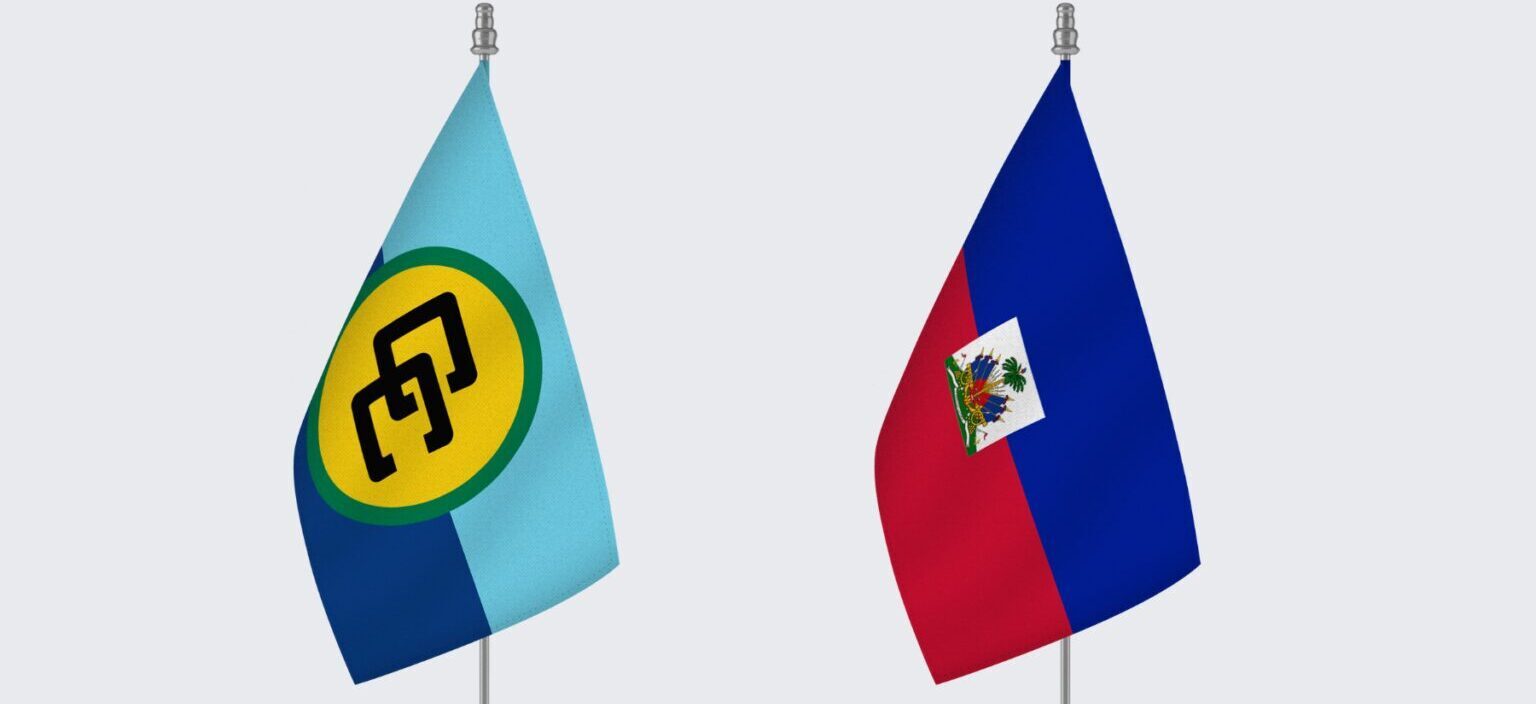
    In response to recent United States military operations in Venezuela, the Bureau of the Conference of CARICOM Heads of Government convened an emergency session on Saturday, January 3rd, 2026. Comprising representatives from Jamaica, Saint Kitts and Nevis, and Saint Lucia, the regional body issued a formal statement reaffirming its unwavering commitment to established international legal frameworks.

    The Caribbean Community emphasized its dedication to core principles enshrined in the United Nations Charter, particularly the sovereignty and territorial integrity of nations and the fundamental respect for human dignity. The regional bloc articulated a firm position against military intervention, instead championing the imperative of peaceful dialogue and diplomatic engagement as the sole legitimate pathway to resolving the Venezuelan crisis.

    CARICOM’s declaration underscored the necessity of achieving lasting stability, democratic governance, and economic prosperity for the Venezuelan populace through non-violent means. Expressing a readiness to actively facilitate and support all diplomatic initiatives, the organization pledged to operate within a framework of international cooperation and mutual respect among nations.

    Concurrently, the Bureau addressed pressing regional security concerns, confirming that comprehensive measures are being implemented to safeguard the well-being of citizens across member states. Officials are continuously assessing the multifaceted repercussions of the escalating situation, with particular attention to potential disruptions in economic sectors, including critical infrastructure such as regional air travel and commerce.

  • Statement from the Leader of the Opposition of St. Kitts and Nevis Honourable Premier Mark A. G. Brantley January 03, 2025

    Statement from the Leader of the Opposition of St. Kitts and Nevis Honourable Premier Mark A. G. Brantley January 03, 2025

    The Caribbean Community (CARICOM) has initiated urgent diplomatic engagements in response to the unprecedented military intervention by the United States in Venezuela, which resulted in the capture of President Nicolás Maduro and his spouse. The development has sent shockwaves throughout the Western Hemisphere, with regional leaders scrambling to assess the situation and formulate a coordinated response.

    Honourable Premier Mark A. G. Brantley, Leader of the Opposition in St. Kitts and Nevis, confirmed having conducted emergency consultations with Prime Minister Dr. Terrance Drew, who currently holds the rotating chairmanship of CARICOM. According to Premier Brantley, the regional body has convened an emergency session of heads of government and is actively monitoring the rapidly evolving situation.

    The opposition leader referenced a concise statement from US Secretary of State Marco Rubio indicating that no additional military actions against Venezuela are anticipated following President Maduro’s apprehension. This development marks a significant escalation in the longstanding political tensions between the United States and the Venezuelan government.

    Premier Brantley emphasized the historical friendship between St. Kitts and Nevis and both nations involved in the conflict, expressing earnest hope for an immediate cessation of hostilities. He advocated for diplomatic channels to address outstanding issues, invoking biblical principles that bless peacemakers and encourage perseverance in well-doing.

    The political leader has pledged his full support to Prime Minister Drew and CARICOM’s efforts to engineer a peaceful resolution to the crisis, underscoring the importance of regional stability and the Caribbean tradition of conflict resolution through dialogue rather than military action.

  • These are not times for half measures, these are times for defining our positions and taking a stand against fascism and imperial barbarism!

    These are not times for half measures, these are times for defining our positions and taking a stand against fascism and imperial barbarism!

    In a fiery address delivered at Havana’s José Martí Anti-Imperialist Tribune, Cuban President Miguel Díaz-Canel delivered a scathing condemnation of what he termed “U.S. military aggression” against Venezuela and the alleged kidnapping of President Nicolás Maduro. The January 3rd speech framed the operation as an act of “state terrorism” that violates international law and threatens regional stability.

    Díaz-Canel characterized the predawn military action as a “cowardly, criminal, and treacherous” attack motivated by imperialist desires for Venezuela’s oil reserves and natural resources. He explicitly rejected the Monroe Doctrine and what he called the “fallacious narrative of narco-terrorism” that U.S. officials had allegedly propagated to justify intervention.

    The Cuban leader drew historical parallels, invoking Fidel Castro’s warnings about U.S. imperialism from two decades prior and comparing current U.S. leadership to Nazi propagandists employing Goebbels’ principle of repeating lies until they become accepted as truth. He further equated the Venezuela operation to “crimes against humanity committed by Israeli Zionism in the Gaza Strip.”

    Díaz-Canel called for international mobilization against what he described as an illegal regime change operation, emphasizing that the threat extended beyond Venezuela to all of humanity. He demanded proof of life for Maduro and his partner Cilia Flores, while asserting that the United States bears responsibility for their physical safety.

    The speech concluded with revolutionary slogans and declarations of solidarity between Cuba and Venezuela, with Díaz-Canel vowing that both nations would defend Venezuelan sovereignty at “a very high price” if necessary.

  • Embassy Expresses Sincere Gratitude for Government of St.Kitts and Nevis Voicing Concern over Taiwan Strait Situation

    Embassy Expresses Sincere Gratitude for Government of St.Kitts and Nevis Voicing Concern over Taiwan Strait Situation

    In a formal statement released on January 1st, 2026, the Taiwanese Embassy extended its profound appreciation to the Government of Saint Kitts and Nevis for its expressed concern regarding recent military exercises conducted by the Chinese People’s Liberation Army (PLA) in the vicinity of the Taiwan Strait. The diplomatic communication, originating from the Embassy, lauded the Caribbean nation’s stance, interpreting it as a firm endorsement of regional peace, stability, and the foundational principles of international law. The Embassy’s communiqué emphasized the deep value Taiwan places on its long-standing fraternal and diplomatic relationship with both the government and citizens of Saint Kitts and Nevis. Reaffirming a mutual dedication to peaceful international engagement, the statement highlighted a shared commitment to pursuing dialogue, exercising restraint, and adhering to responsible state conduct. Looking forward, the Embassy articulated an optimistic vision for enhanced bilateral collaboration throughout 2026, aiming to jointly advance mutual interests in peace, stability, and economic prosperity. The message concluded with cordial New Year’s greetings for the people of Saint Kitts and Nevis. The press release referenced an official statement from the Saint Kitts and Nevis government website, dated December 31st, 2025, which originally voiced apprehension over the escalating military situation in the strategic waterway.

  • Information from the Revolutionary Government on combatants who fell in the line of duty in Venezuela

    Information from the Revolutionary Government on combatants who fell in the line of duty in Venezuela

    Cuba has confirmed the deaths of 32 military personnel in what it describes as a “criminal act of aggression and state terrorism” by the United States government against Venezuelan territory. The incident occurred during early hours of January 3, 2026, when Cuban combatants were reportedly conducting security operations at the request of Venezuelan authorities.

    According to official statements from the Cuban government, the deceased personnel were serving with the Revolutionary Armed Forces and Ministry of the Interior on cooperative defense missions in the Bolivarian Republic of Venezuela. The casualties resulted from both direct combat engagements with American forces and aerial bombardment of military facilities where Cuban troops were stationed.

    The Cuban government emphasized that its personnel demonstrated “dignity and heroism” during what it characterized as fierce resistance against the attackers. Following verification procedures, all affected families have been notified and have received personal condolences from Cuban leadership, including Army General Raúl Castro Ruz and President Miguel Díaz-Canel Bermúdez.

    The Revolutionary Government has announced plans to organize appropriate memorial actions to honor the fallen combatants, whom they describe as having embodied the solidarity principles valued by millions of Cubans. This incident represents a significant escalation in the ongoing geopolitical tensions between Cuba, Venezuela, and the United States.