分类: politics

  • Venezuela, Oil, and Power: Is the Monroe Doctrine Back?

    Venezuela, Oil, and Power: Is the Monroe Doctrine Back?

    Venezuela has reemerged as a focal point of international geopolitical contention, driven by complex factors extending beyond its vast petroleum reserves. The nation confronts escalating scrutiny surrounding President Nicolás Maduro’s administration, which faces serious allegations including narco-terrorism and human rights violations. These developments coincide with a noticeable expansion of United States military and economic influence throughout the Caribbean region.

    Recent events have intensified the situation, including reports of Maduro’s potential extraction to face charges in New York courts. Regional implications became evident when Belize announced a significant debt restructuring agreement concerning its Petrocaribe obligations, reducing its financial burden by approximately $267-327 million. This arrangement, negotiated in 2022, substantially improved Belize’s debt-to-GDP ratio by six percentage points.

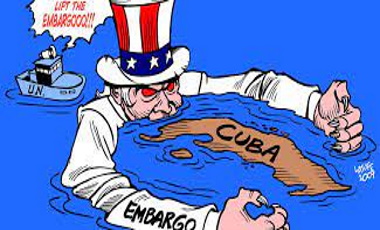
    The United States has demonstrated renewed interest in Venezuela’s energy sector, with former President Donald Trump explicitly advocating for American petroleum corporations to modernize Venezuela’s deteriorated oil infrastructure. This position has sparked debates about potential motivations behind increased U.S. engagement, with some analysts suggesting a contemporary resurgence of the Monroe Doctrine—a nineteenth-century policy asserting American hegemony in the Western Hemisphere.

    Calvin Tucker of Britain’s Morning Star newspaper, having observed four Venezuelan elections including the 2024 contest, characterizes current developments as “new Monroeism,” describing it as a practical manifestation of U.S. military power intended to dominate Latin American affairs. Meanwhile, United Nations officials including Under-Secretary-General Rosemary DiCarlo have expressed concerns about violations of international law and called for respect of Venezuelan sovereignty.

    Belizean officials maintain a cautious diplomatic stance, with Foreign Minister Francis Fonseca emphasizing the nation’s commitment to international law and multilateralism through United Nations frameworks. As geopolitical tensions escalate, the intersection of energy resources, regional sovereignty, and international power dynamics continues to shape Caribbean relations with potentially far-reaching consequences.

  • COMMENTARY: CBI is Dead. Long Live CBI – Premier Mark Brantley of Nevis

    COMMENTARY: CBI is Dead. Long Live CBI – Premier Mark Brantley of Nevis

    In a comprehensive policy statement, Premier Mark Brantley of Nevis has declared the Citizenship by Investment Program (CBI) effectively defunct while outlining an ambitious eleven-point strategy to fundamentally reshape the economy of St. Kitts and Nevis. The Premier’s vision calls for urgent economic diversification to reduce dependency on volatile sectors and build resilience against external economic shocks.

    The cornerstone of Brantley’s proposal involves accelerating renewable energy development, particularly geothermal resources, positioning the federation to become “the Norway of the Caribbean.” This energy transformation would support new industries requiring substantial cheap power, including artificial intelligence centers, while generating employment and reducing energy costs for residents and businesses.

    Agricultural security features prominently in the plan, with initiatives to establish a broiler industry and achieve self-sufficiency in eggs, poultry, and specific crops. The Premier emphasized that “food security is national security,” highlighting how domestic production would buffer against international market fluctuations.

    The proposal further advocates for full cannabis legalization across research, medicinal, and recreational applications, coupled with comprehensive public education programs. Additionally, Brantley calls for maximizing returns from the cruise industry by harmonizing head taxes across the Organization of Eastern Caribbean States to match higher regional standards.

    Creative economy investments would expand through established events like MusicFest and SugarMas, while special economic zones would target technology, AI, hospitality, education, and healthcare sectors. The plan also includes incentives for diaspora investment, small business development, comprehensive tax reform to stimulate local consumption, and growth of offshore education programs to attract international students.

    A particularly critical component addresses demographic challenges, with strategies to increase the national population through targeted migration and diaspora repatriation programs. Brantley noted the impossibility of serious national development with a working population below 30,000 people.

    The Premier concluded that with CBI programs declining and tourism remaining unpredictable, the federation stands at a crossroads requiring collective effort to establish a new sustainable economic paradigm.

  • PM Briceño Agrees to Drop 13th Amendment After Union Talks

    PM Briceño Agrees to Drop 13th Amendment After Union Talks

    In a significant policy reversal, the Belizean government under Prime Minister John Briceño has formally agreed to withdraw the proposed 13th Constitutional Amendment following intensive negotiations with the National Trade Union Congress of Belize (NTUCB). The breakthrough commitment was secured during a high-level meeting convened on December 15, 2025, marking a victory for organized labor and legal professionals who had vigorously opposed the constitutional changes when they were initially proposed for public consultation last year.

    NTUCB President Ella Waight confirmed the government’s commitment to pursue alternative legislative pathways rather than constitutional modification. “The proposed measures will now be implemented through revisions to the criminal code,” Waight stated, emphasizing that this approach “will require states of emergency to receive approval through the National Security Council—a more progressive and inclusive mechanism that properly addresses the matter.”

    The dialogue between government and union representatives extended beyond constitutional matters to address comprehensive campaign finance reform. Waight articulated concerns that unregulated political funding mechanisms perpetuate systemic corruption and undermine the state’s capacity to address workers’ legitimate demands. “The current system allows businesses and wealthy entities to sponsor political parties during elections, creating obligations that must later be repaid through preferential treatment—directly diverting resources that should fund essential worker benefits, including fair salary adjustments,” she explained.

    Additional critical agenda items included electoral redistricting procedures, occupational safety legislation, public sector modernization, and resolving pension payment delays. According to Waight, Prime Minister Briceño committed to completing the redistricting process by December 2026 and established a framework for quarterly meetings with labor representatives to ensure ongoing collaboration.

    The NTUCB characterized this sustained engagement as fundamental to safeguarding worker rights and enhancing accountable governance structures throughout Belize, signaling a new chapter in government-union relations aimed at transparent and equitable policymaking.

  • FLASH : End of TPS, Judge Reyes skeptical and unconvinced…

    FLASH : End of TPS, Judge Reyes skeptical and unconvinced…

    In a significant legal development, Federal Judge Ana C. Reyes has expressed substantial skepticism toward the Trump Administration’s decision to terminate Temporary Protected Status (TPS) for Haitian nationals. During the second day of hearings on January 7, 2026, Judge Reyes ordered the government to produce additional documentation to determine whether the administration’s controversial move was “predetermined” rather than based on thorough policy analysis.

    The court proceedings revealed sharp judicial criticism of the administration’s selective use of a United Nations report to justify ending protections while simultaneously ignoring the same document’s detailed security concerns regarding Haiti’s stability. “You can’t rely on one article for one thing and not for another,” Judge Reyes emphatically stated during the hearing.

    Judge Reyes directly questioned whether Homeland Security Secretary Kristi Noem had conducted a comprehensive analysis of conditions in Haiti and fulfilled her statutory obligation to assess whether circumstances had sufficiently improved to warrant termination of protected status. The administration’s argument rested heavily on a brief email from a State Department official claiming “no foreign policy concerns” about ending TPS—a response sent merely 53 minutes after the initial request on a Friday afternoon.

    The judge noted this unusually rapid response indicated insufficient consultation with subject matter experts or proper review procedures. During an extensive 30-minute exchange, government attorney Dhruman Sampat contended that the term “foreign policy” could reasonably encompass ground conditions in Haiti, but Judge Reyes remained unconvinced, stating the response failed to demonstrate whether Haitian TPS holders could safely return to their home country.

    While no final ruling has been issued, Judge Reyes indicated she would deliver her decision on suspending the TPS termination by February 2, 2026—just one day before protections for Haitian nationals are scheduled to expire. Legal observers suggest that if Judge Reyes suspends the revocation, the government will likely appeal, potentially setting the stage for Supreme Court consideration of this immigration policy matter.

    Background: Judge Ana C. Reyes, nominated by President Biden and confirmed by the Senate in February 2023, made history as the first Latin American woman and first openly LGBTQ+ person to serve as a district judge in Washington, D.C. She brought over two decades of experience from Williams & Connolly LLP, with extensive expertise in international law and representation of asylum seekers.

  • Hanisha Jairam nieuwe Surinaamse ambassadeur in New Delhi

    Hanisha Jairam nieuwe Surinaamse ambassadeur in New Delhi

    The Republic of Suriname has designated Hanisha Jairam as its next extraordinary and plenipotentiary ambassador to New Delhi, India. The Ministry of Foreign Affairs, International Business, and International Cooperation has formally submitted the necessary documentation to Indian authorities to initiate the agrément process—a mandatory diplomatic procedure required before the appointment can be finalized.

    Jairam, a member of the National Democratic Party (NDP), will succeed current ambassador Arun Hardien in representing Surinamese interests in India. She brings substantial administrative and policy expertise from her extensive career in government and educational sectors. Currently serving as district administrator at the Ministry of Regional Development, Jairam has previously held roles as an educator and board member within various organizations.

    Her academic qualifications include a Master’s degree in Business Administration with a finance specialization, complemented by additional training in policy development, leadership, and governance. Jairam also previously served as president-commissioner at Canawaima, further demonstrating her executive capabilities.

    Upon successful completion of the agrément process with Indian authorities, Jairam will be officially sworn in and commence her diplomatic duties as Suriname’s chief representative in India, strengthening bilateral relations between the two nations.

  • Lovell Demands Answers as U.S. Visa Bond Hits Antiguans

    Lovell Demands Answers as U.S. Visa Bond Hits Antiguans

    A prominent opposition figure in Antigua and Barbuda has launched a severe critique against the current administration’s handling of newly imposed U.S. visa bond requirements, alleging governmental secrecy and inadequate communication regarding what he characterizes as a critical national concern.

    Harold Lovell, former Finance Minister and United Progressive Party candidate for All Saints West, voiced his apprehensions during a recent media appearance. He emphasized that the mandate for citizens to secure bonds ranging from $5,000 to $15,000 for U.S. visitor visas universally impacts all passport holders and warrants thorough parliamentary discourse and complete governmental transparency.

    Lovell condemned the administration’s approach, describing it as shrouded in confidentiality and characterized by sporadic information releases that undermine public trust. He recalled that early indications of potential U.S. travel restrictions emerged last year, but were met with dismissive assurances from leadership that fostered a misleading sense of security among the populace.

    Contrary to initial claims of securing special arrangements, Lovell highlighted that Antigua and Barbuda ultimately faced the same stringent conditions as other nations on the U.S. list. He expressed bewilderment that such a significant issue was entirely omitted from recent budget debates in both parliamentary chambers.

    The opposition leader framed the visa bond requirement as a profound foreign affairs challenge demanding structured diplomatic engagement rather than casual exchanges. He pointed to the severe implications for students, medical patients, and business travelers, noting the exorbitant bond cost alone would deter many from seeking entry to the United States.

    Rejecting any partisan interpretation, Lovell insisted the matter transcends political colors and represents a fundamental test of parliamentary democracy. He called for immediate full disclosure from the government, a clear outline of impact mitigation strategies, and concerted efforts to restore national confidence.

  • Temporary electoral system shutdown

    Temporary electoral system shutdown

    The Parliamentary Elections Office (PEO) of Grenada has announced a temporary system-wide shutdown of its voter registration platform following the discovery of a significant software malfunction. The technical failure occurred in the specialized software responsible for processing voter registrations, prompting election authorities to take the entire system offline as a precautionary measure.

    In an official public statement released alongside New Year’s greetings, the PEO extended profound apologies for the disruption and resulting inconveniences to Grenadian citizens. Election officials emphasized their technical teams are working with utmost diligence to diagnose and resolve the underlying software issues. Authorities have projected system restoration by the conclusion of the current week, though this timeframe remains contingent on successful troubleshooting.

    The temporary suspension affects all voter registration services, potentially impacting citizens attempting to register or update their electoral information. The PEO has reassured the public of their commitment to restoring full functionality and maintaining the integrity of the electoral process. Election authorities have expressed gratitude for public patience and cooperation during the technical outage, emphasizing their dedication to providing continuous service to the nation once systems are stabilized.

  • Saint Lucians rally to denounce US actions in Venezuela

    Saint Lucians rally to denounce US actions in Venezuela

    A significant demonstration of regional solidarity unfolded in Castries, Saint Lucia, as citizens gathered at Bideau Park to voice staunch support for Venezuela amidst escalating geopolitical tensions. The rally, orchestrated by the interim Saint Lucia/Venezuela Association, served as a powerful rebuke against recent United States military operations targeting Venezuelan territories.

    The carefully chosen venue held profound historical symbolism, featuring busts of Venezuelan liberator Simón Bolívar and Saint Lucian freedom advocate Jean Baptiste Bideau, whose heroic rescue of Bolívar from drowning centuries ago mirrored the contemporary theme of regional protection.

    Venezuelan Ambassador Leiff Escalona expressed profound gratitude for the overwhelming support from Saint Lucian citizens and diplomatic counterparts, particularly noting the presence of Cuban embassy officials. “From the initial reports of US aerial bombardments targeting four Venezuelan cities, my office received numerous calls from concerned Saint Lucians,” Ambassador Escalona revealed. “This public display of solidarity confirms our shared commitment to peace.”

    Trevor Heath, representing the organizing association, characterized US military maneuvers as “barbaric acts of aggression” that threaten the entire Caribbean basin. Reading from an official statement, Heath condemned “the Trump administration’s blatant attempt to orchestrate regime change against democratically elected President Nicolás Maduro” and denounced the “calculated seizure of Venezuela’s oil resources for American corporate interests.”

    Cuban Ambassador Yenielys Linares amplified these concerns, labeling the January 3rd incidents as “illegal and irrational acts of aggression.” She revealed disturbing repercussions already affecting Caribbean students in Cuba, with one Saint Lucian scholar expressing fear about returning to studies amid regional instability. “Who granted Trump authority to designate which nation follows Venezuela as the next target?” Ambassador Linares posed to the assembled crowd.

    Veteran journalist Earl Bousquet provided crucial historical context, documenting 70 US military interventions in Latin America and the Caribbean between 1947-1983. “The pattern demonstrates alarming consistency—from Grenada in 1983 to Panama in 1989, Haiti in 2004, and now Venezuela in 2026,” Bousquet cautioned. He highlighted the recent reformulation of the Monroe Doctrine into the “Donroe Doctrine” as explicit confirmation of American expansionist intentions.

    Bousquet, dressed in black to memorialize 32 Cuban and 80 Venezuelan casualties from the recent attacks, emphasized that meaningful solidarity requires tangible sacrifice. “The United States demonstrates willingness to spill blood for oil, particularly as Venezuela redirects 68% of its petroleum exports to China, diminishing US energy leverage,” he analyzed.

    The protest concluded with unified demands for President Maduro’s safe return, complete military withdrawal from the region, and immediate resumption of diplomatic negotiations. The collective message resonated clearly: the Caribbean remains determined to preserve its status as a zone of peace against foreign intervention.

  • U.S. defends expansion of visa bond program covering 38 countries, including Dominica and Antigua

    U.S. defends expansion of visa bond program covering 38 countries, including Dominica and Antigua

    The United States has significantly expanded its controversial visa bond initiative, nearly tripling the number of countries whose citizens must post financial guarantees ranging from $5,000 to $15,000 when applying for certain U.S. visas. The State Department confirmed the program will now apply to passport holders from 38 nations, with the latest expansion adding 25 countries effective January 21, 2026.

    This policy enhancement follows previous additions made in 2025 and represents one of the most extensive applications of visa bonds to date. The newly affected nations span multiple continents, including Algeria, Angola, Bangladesh, Cuba, Dominica, Fiji, Nepal, Nigeria, Venezuela, and Zimbabwe, among others. They join earlier additions such as Bhutan, Botswana, and Zambia, which faced implementation dates throughout 2025.

    U.S. authorities defend the measure as an essential mechanism to ensure compliance with visa terms and reduce overstay rates. The program operates under INA Section 221(g)(3) and a Temporary Final Rule, utilizing Department of Homeland Security data tracking B1/B2 visa violations. Officials emphasize that bond payment doesn’t guarantee visa approval but will be refunded if the application is denied or if the holder fully complies with all conditions during their stay.

    The expansion occurs within a broader context of tightened U.S. entry requirements that include mandatory in-person interviews, extensive social media history disclosures, and detailed accounts of applicants’ travel and living arrangements. Critics argue the financial requirements create prohibitive barriers for citizens from affected nations, most of which are developing countries across Africa, Latin America, and Asia. Administration supporters maintain the program represents a necessary safeguard for immigration enforcement.

    Implementation will occur on staggered dates, with most new countries beginning enforcement on January 21, 2026, while earlier additions like Malawi, Zambia, and Tanzania already faced requirements in 2025. This policy shift underscores the administration’s continued focus on restricting immigration pathways through financial deterrence mechanisms.

  • human Rights Watch calls for U.S. departure from prevalent human rights abuses in Venezuela

    human Rights Watch calls for U.S. departure from prevalent human rights abuses in Venezuela

    Human Rights Watch has issued a stark warning that the Trump administration’s aggressive military operations in Venezuela risk precipitating a severe human rights emergency. The alert follows January 3rd operations that resulted in the capture of Venezuelan leader Nicolás Maduro and his wife Cilia Flores, who now face US federal court charges spanning drug trafficking and related criminal allegations.

    Juanita Goebertus, Human Rights Watch’s Americas director, condemned Washington’s approach, stating: “While Venezuelans possess the fundamental right to self-determination, the United States appears to be instrumentalizing Venezuela’s oppressive infrastructure to advance its own geopolitical and economic agendas.”

    The escalation began when President Trump declared the US would effectively “run” Venezuela indefinitely without specifying operational parameters. US officials have since indicated cooperation with Delcy Rodríguez, formerly Maduro’s vice president and recently installed as interim president on January 5.

    According to HRW documentation, American strategy involves manipulating oil embargo mechanisms in the Caribbean region combined with threats of additional military action to compel Venezuelan compliance with US demands. These include privileged access for American energy corporations and suppression of gang violence.

    The January 3rd strikes reportedly targeted military facilities, killing dozens of personnel including at least two civilians. The Cuban government—a historical ally of Venezuela—confirmed 32 Cuban officers among the casualties and strongly denounced the attacks.

    This intervention follows earlier extrajudicial US operations in Caribbean and Pacific waters that eliminated至少115 individuals accused of narcotics trafficking. Secretary of State Marco Rubio subsequently outlined demands for Venezuelan cooperation on oil investments, criminal group suppression, and severed ties with Iran and Hezbollah. President Trump reinforced these demands with threats of “a second strike” if Venezuela fails to “behave.”

    Despite Trump’s reference to overseeing a “judicious transition,” HRW observers note absent clarification regarding electoral processes, political prisoner releases, or human rights reforms. This ambiguity persists despite Venezuela’s July 2024 elections where independent analysts reported opposition candidate Edmundo González winning majority support, though official results declared Maduro victorious.

    The post-electoral period witnessed intensified repression including protestor fatalities, arbitrary detentions, and enforced disappearances targeting opposition figures, activists, and foreign nationals. Currently, over 860 political prisoners remain incarcerated according to legal aid organization Foro Penal, with the ICC Prosecutor’s Office investigating crimes against humanity allegations dating to 2014.

    Venezuela’s decade-long humanitarian crisis continues featuring critical shortages of food and medicine, prompting approximately 7 million citizens to flee while 14.2 million require urgent humanitarian assistance. Human Rights Watch urges global leaders—including Latin American, European, and Canadian counterparts—to advocate for democratic transition, prisoner releases, and accountability for human rights violations. The organization specifically calls upon the US to uphold its obligations under international human rights and humanitarian law.

    Goebertus emphasized: “The international community must prioritize protecting Venezuelans who have endured a decade of suffering under Maduro. Trump’s decapitation strike has merely exposed them to further systemic abuse.”