分类: politics

  • ‘Blue’ Johnson to run as independent candidate for Freetown

    ‘Blue’ Johnson to run as independent candidate for Freetown

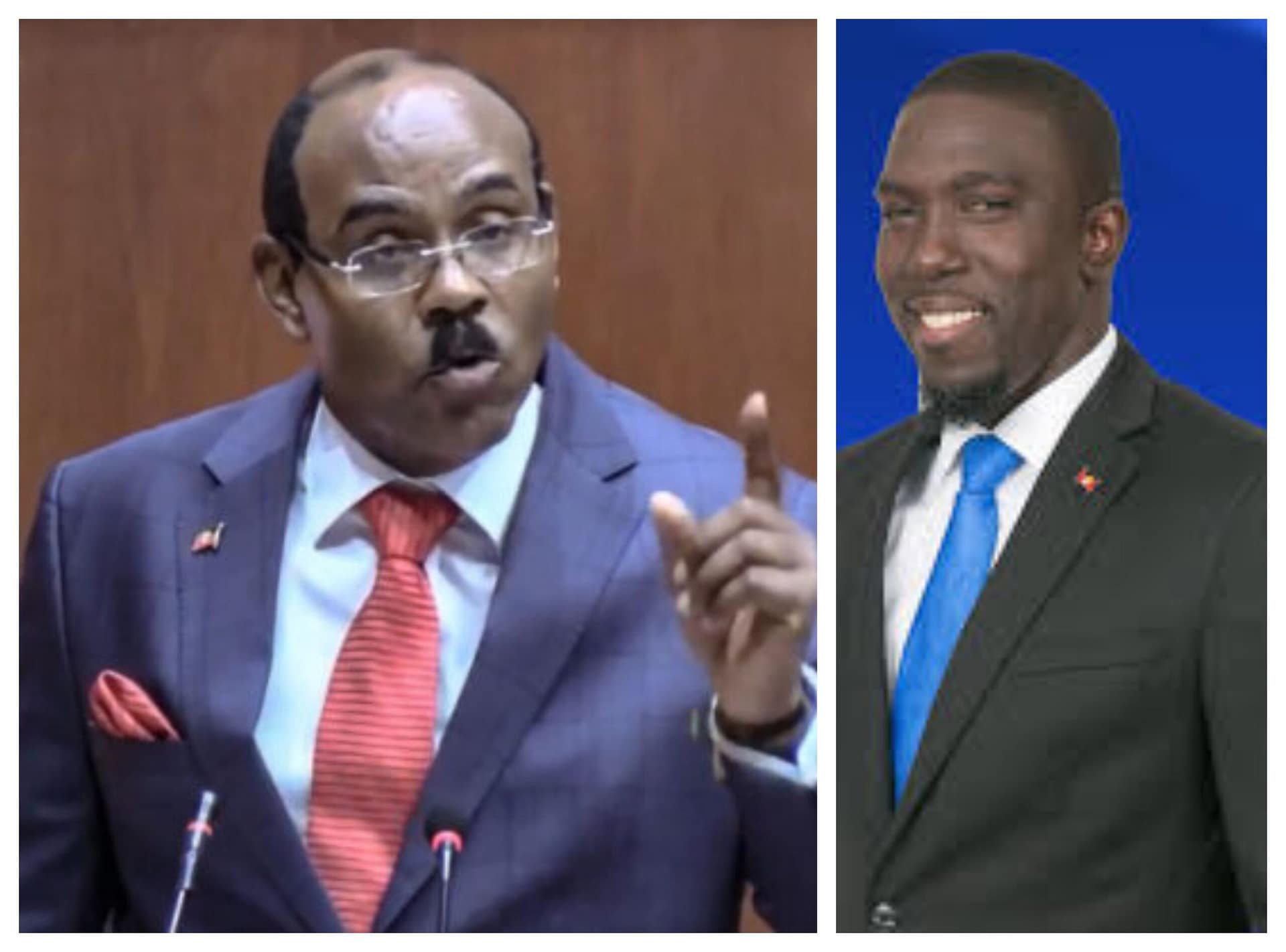
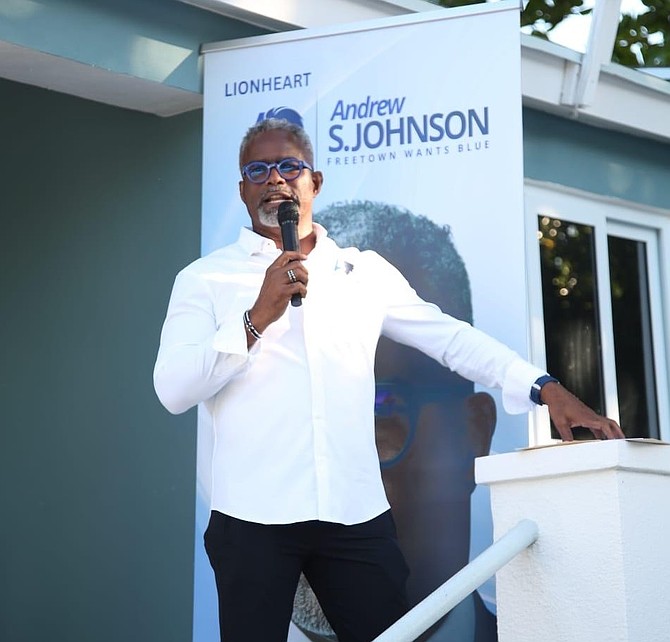
    In a significant political development, Andrew ‘Blue’ Johnson has officially declared his independent candidacy for the Freetown constituency in the upcoming general election. This decision comes months after the Free National Movement (FNM) opted not to nominate him as their representative.

    Mr. Johnson’s campaign launch on Saturday revealed intriguing cross-party dynamics, with former Prime Minister Dr. Hubert Minnis making an unexpected appearance and Progressive Liberal Party MP Leroy Major opening the event with a prayer. This unusual show of support from figures across the political spectrum highlights the unpredictable nature of the upcoming election.

    The independent candidate has invested approximately $400,000 of personal funds to establish his constituency office in a barbershop formerly owned by his late father. Johnson has already demonstrated his commitment to the community through substantial grassroots initiatives, including repairing over 50 roofs, clearing properties, removing abandoned vehicles, providing school uniforms, and distributing food vouchers to residents.

    When questioned about his political affiliations, Johnson emphasized his primary loyalty lies with Freetown’s constituents rather than any political organization. ‘I am a, most of all, supporter of Free Town and its people,’ he stated, adding that he holds no opposition toward FNM, PLP, or COI parties but remains focused on serving his community’s needs.

    Political analysts suggest Johnson’s independent bid could significantly influence the electoral outcome in Freetown, potentially drawing votes from both major parties and altering the traditional political landscape in the constituency.

  • Kamla slams ‘malicious’ PNM over Couva Hospital —  $100m in equipmentnow useless

    Kamla slams ‘malicious’ PNM over Couva Hospital — $100m in equipmentnow useless

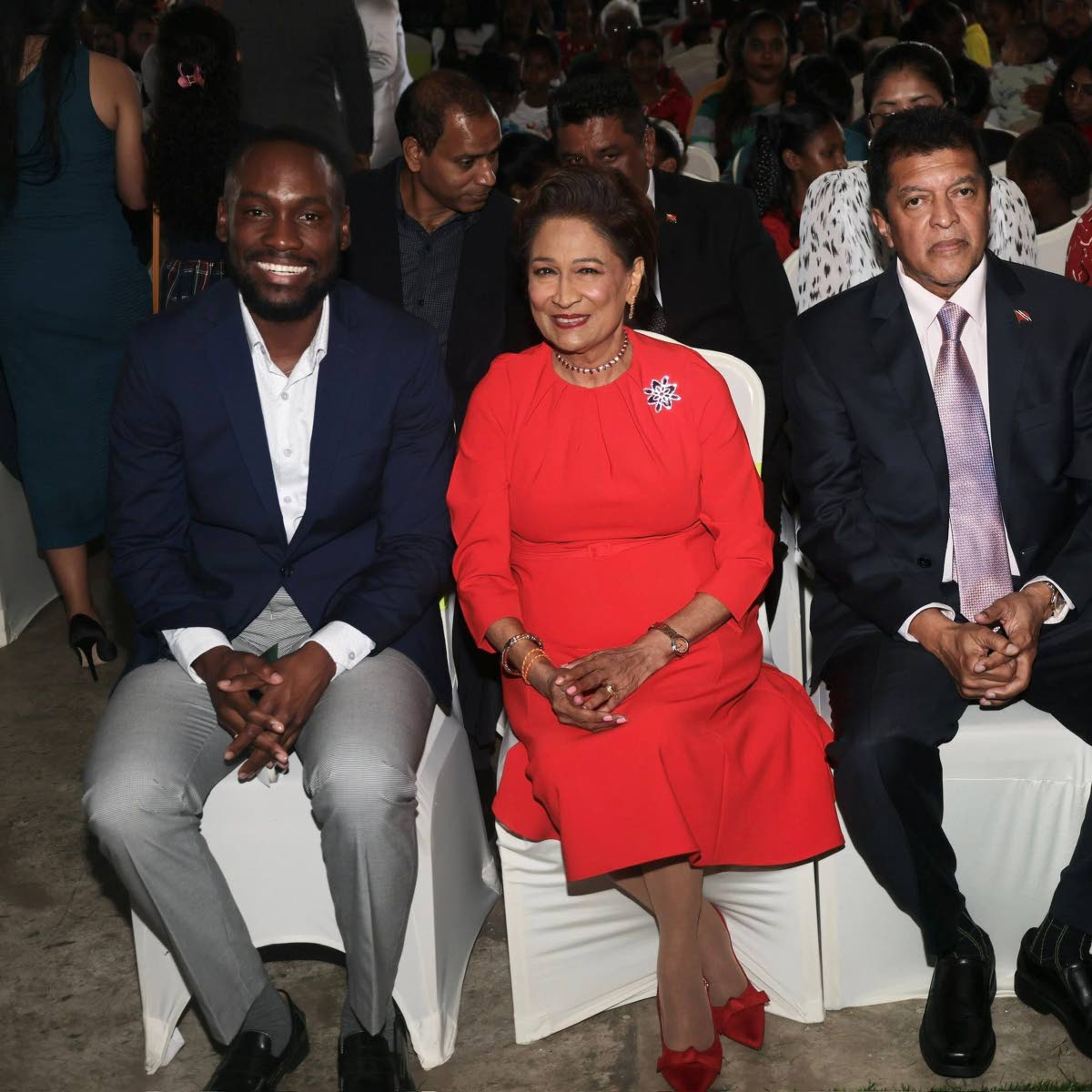
    Prime Minister Kamla Persad-Bissessar has publicly condemned the former PNM administration for what she characterized as “malicious neglect” regarding the Couva Children’s Hospital. Speaking at a re-dedication ceremony on Sunday, the Prime Minister revealed that the previous government maintained the state-of-the-art facility shuttered for an entire decade while allowing approximately $100 million worth of medical equipment to deteriorate into obsolescence.

    According to an initial assessment conducted after her administration assumed office, the squandered resources included 217 unused medical devices valued at over $20.68 million still confined to their original packaging. Additionally, ten major radiology systems—featuring advanced 3T MRI and 64-slice CT scanning technology—worth more than $33.5 million had expired beyond functionality. The inventory of losses further encompassed 45 medical items valued at $14.2 million that became obsolete and 225 critical diagnostic and sterilization systems valued at $31.9 million rendered non-functional.

    “This represents not mere bureaucratic delay but deliberate malicious neglect,” Persad-Bissessar asserted. “These resources, funded by taxpayers, could have provided life-saving treatment to countless children throughout these lost years.”

    The legacy of this neglect continues to burden the nation financially. A recent Urban Development Corporation (Udecott) assessment estimates that taxpayers must now allocate $78.2 million to repair and replace the compromised medical equipment and address structural deficiencies identified in a September 17 report. The facility requires comprehensive mechanical, plumbing, electrical, architectural, and structural remediation.

    Despite these challenges, the government has initiated partial operations at the 230-bed hospital. Since November 28, surgical teams from all four regional health authorities have performed 86 same-day procedures, including fistula repairs, varicose vein ablations, breast mass removals, lump extractions, and complex hernia repairs. These initial interventions begin addressing waiting lists that exceed 11,300 cases, including more than 4,600 delayed ophthalmology procedures.

    The hospital has also launched Paediatric Specialist Clinics since December 1, providing care to 16 children who otherwise would have required overseas treatment in specialties including neurology, rheumatology, neonatal care, endocrinology, and cardiology.

    In a significant regional development, Persad-Bissessar announced a partnership with Guyana’s government during the ceremony attended by Keoma Griffith, Guyana’s Minister of Labour and Manpower Planning. This collaboration will facilitate the recruitment of approximately 50 Trinidadian doctors to address staffing needs in Guyana’s expanding healthcare system.

    The South West Regional Health Authority has commenced recruiting 40 additional nurses specifically for the Couva facility. The government plans to gradually introduce full MRI and CT imaging services, cataract and ophthalmology surgeries, and expanded endoscopies in coming months while continuing specialist staff recruitment.

    The re-dedication ceremony also featured acknowledgments of corporate and individual donors, including Trinclean Ltd’s contribution of 60 wheelchairs and Inovaar Marketing Consultancy Agency Limited’s donation of 58,000 medical-grade masks with an additional 8,000 pledged.

    This development occurs against the backdrop of recent revelations before a parliamentary committee that $80 million worth of pharmaceutical drugs expired at Nipdec’s central stores over the past decade, further highlighting systemic issues in the nation’s healthcare infrastructure management.
  • EU losses due to sanctions on Russia estimate at 1.6 trillion euros

    EU losses due to sanctions on Russia estimate at 1.6 trillion euros

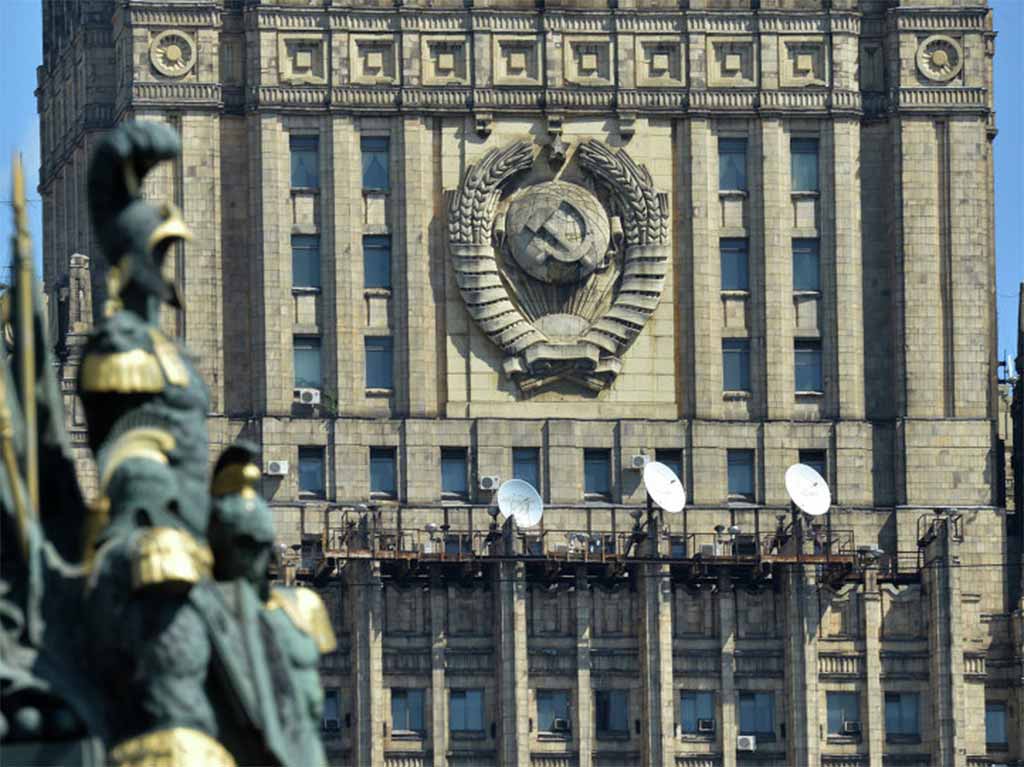
    In a strongly-worded declaration published on its official portal, Russia’s Foreign Ministry has characterized the extensive economic sanctions imposed by Western nations as fundamentally counterproductive instruments of neocolonial policy. While acknowledging unprecedented economic pressures, the Ministry asserted that Russia has demonstrated remarkable economic resilience and maintained growth trajectories despite these external challenges.

    The diplomatic communique presented a detailed economic assessment, claiming that anti-Russian restrictions alone would inflict approximately €1.6 trillion in losses upon European economies between 2022 and 2025. This projection underscores the Ministry’s central argument that unilateral coercive measures ultimately harm their initiators more than their intended targets.

    Beyond economic considerations, the statement framed these sanctions within a broader geopolitical context, alleging they represent deliberate attempts to undermine the emergence of a multipolar world order. The Ministry accused Western powers of employing restrictive measures as tools to maintain global dominance while deliberately constraining the development of major nations outside their sphere of influence.

    In response to these challenges, Russia announced its commitment to collaborating with like-minded international partners to combat what it termed ‘illegitimate restrictive measures’ and other manifestations of neocolonialism. The Ministry emphasized its determination to establish a more equitable global architecture free from what it described as the dictates of sanction-based diplomacy.

  • US Peace Plan for Ukraine needs radical changes

    US Peace Plan for Ukraine needs radical changes

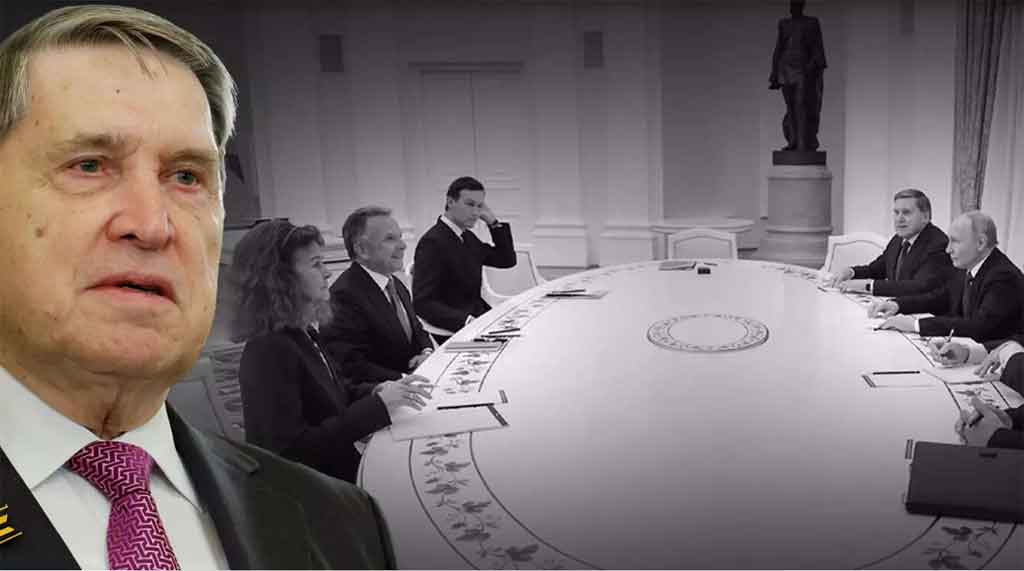
    Russian Presidential Advisor Yuri Ushakov has indicated that ongoing diplomatic discussions with the United States require substantial revisions to American proposals, describing the necessary changes as “radical” in nature. In an interview with Rossiya 1 television journalist Pavel Zarubin, Ushakov revealed that American documents presented during negotiations “are constantly changing and being prepared,” suggesting a fluid negotiation process.

    The high-ranking Kremlin official reported improved bilateral understanding following the recent Moscow visit of US Special Envoy Steve Witkoff. “Undoubtedly, now the Americans better understand the logic of our position,” Ushakov asserted, indicating a potential shift in diplomatic alignment between the two nations.

    Regarding the possibility of a summit between Russian President Vladimir Putin and US President Donald Trump, Ushakov clarified that this specific topic remained outside recent discussion parameters. “That specific topic wasn’t even discussed,” the presidential advisor noted, dampening speculation about an imminent leadership meeting.

    The diplomatic exchanges occurred during a December 2 meeting at the Kremlin where President Putin received both Special Envoy Witkoff and Jared Kushner, Trump’s son-in-law and founder of Affinity Partners. These discussions centered on the White House’s peace proposal for Ukraine, which reportedly divides 27 negotiation points into four distinct packages for separate consideration.

    Ushakov characterized the Kremlin talks as “very substantive” and confirmed that contacts between Russia and the United States would continue. Notably, the advisor highlighted that Russia’s military achievements in conflict zones have positively influenced both the progression and character of the negotiations, suggesting battlefield developments directly impact diplomatic leverage.

  • Barbados’ diplomat remembers Cuba-CARICOM anniversary

    Barbados’ diplomat remembers Cuba-CARICOM anniversary

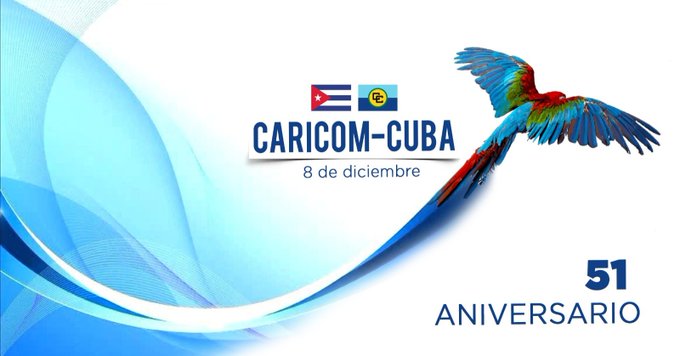
    CARICOM member states are preparing to mark a significant anniversary this December 8, celebrating what diplomatic officials characterize as one of the most courageous foreign policy decisions in Caribbean history. The commemoration honors the landmark 1972 joint declaration that defied hemispheric isolation policies against Cuba.

    Ambassador David Comissiong, in a recent social media statement, emphasized that the upcoming observance revitalizes the spirit of the historic October 1972 proclamation. During that pivotal Conference of Heads of Government in Chaguaramas, the prime ministers of four newly independent Caribbean nations—Barbados’ Errol Barrow, Jamaica’s Michael Manley, Trinidad and Tobago’s Eric Williams, and Guyana’s Forbes Burnham—collectively announced their sovereign decision to establish diplomatic relations with Cuba.

    This bold move, described by historians as ‘speaking truth to power,’ represented a direct challenge to the Organization of American States (OAS)-led isolation regime imposed on Cuba. The four youngest independent states in the Western Hemisphere demonstrated remarkable diplomatic autonomy by rejecting external pressures and asserting their right to independent foreign policy.

    The 1972 declaration explicitly affirmed the nations’ ‘sovereign right to establish relations with any other sovereign state’ and articulated their determination to ‘achieve meaningful and comprehensive economic cooperation among all Caribbean countries.’ This principle of regional cooperation and non-alignment continues to inform CARICOM’s foreign policy approach today.

    Ambassador Comissiong recalled Prime Minister Barrow’s seminal 1973 speech in Toronto, where the Barbadian leader declared that the decision ‘demonstrates that developing nations can take initiative. We cannot stand idly by in the Caribbean and expect our strategy to be dictated by the prejudices of people in other countries.’ This statement encapsulated the assertion of Caribbean agency in international relations that continues to resonate through regional diplomacy.

  • Cuba reiterates policy of confronting drug trafficking

    Cuba reiterates policy of confronting drug trafficking

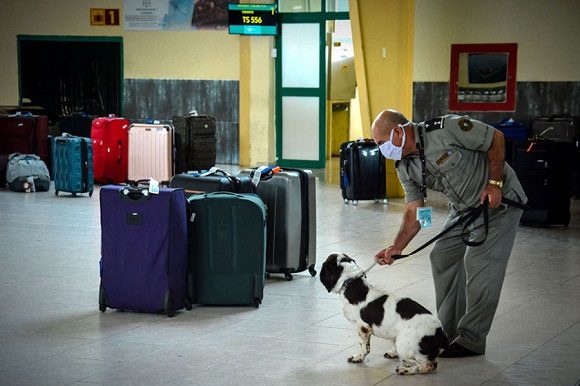
    Cuban Foreign Minister Bruno Rodriguez has publicly reaffirmed his nation’s vigorous and systematic campaign against narcotics trafficking, while simultaneously leveling criticism at the United States for allegedly undermining bilateral cooperation. Through a statement on the social media platform X, Rodriguez detailed Cuba’s comprehensive governmental strategy designed to combat drug-related crimes through multi-faceted approaches. The minister highlighted that Cuba has entered into numerous intergovernmental agreements, demonstrating a steadfast commitment to fulfilling both these bilateral pacts and its obligations under international multilateral frameworks. Rodriguez specifically noted that such cooperative instruments include partnerships with various regional nations, explicitly mentioning the United States. However, he expressed profound regret, accusing the US—which he identified as the primary source of drugs reaching Cuban shores—of making a deliberate decision to halt and obstruct this crucial collaboration and the associated bilateral exchanges on narcotics control. This declaration underscores a significant diplomatic friction point between the two nations concerning a shared regional security challenge.

  • Turnout, results, rejected ballots: How Saint Lucians voted

    Turnout, results, rejected ballots: How Saint Lucians voted

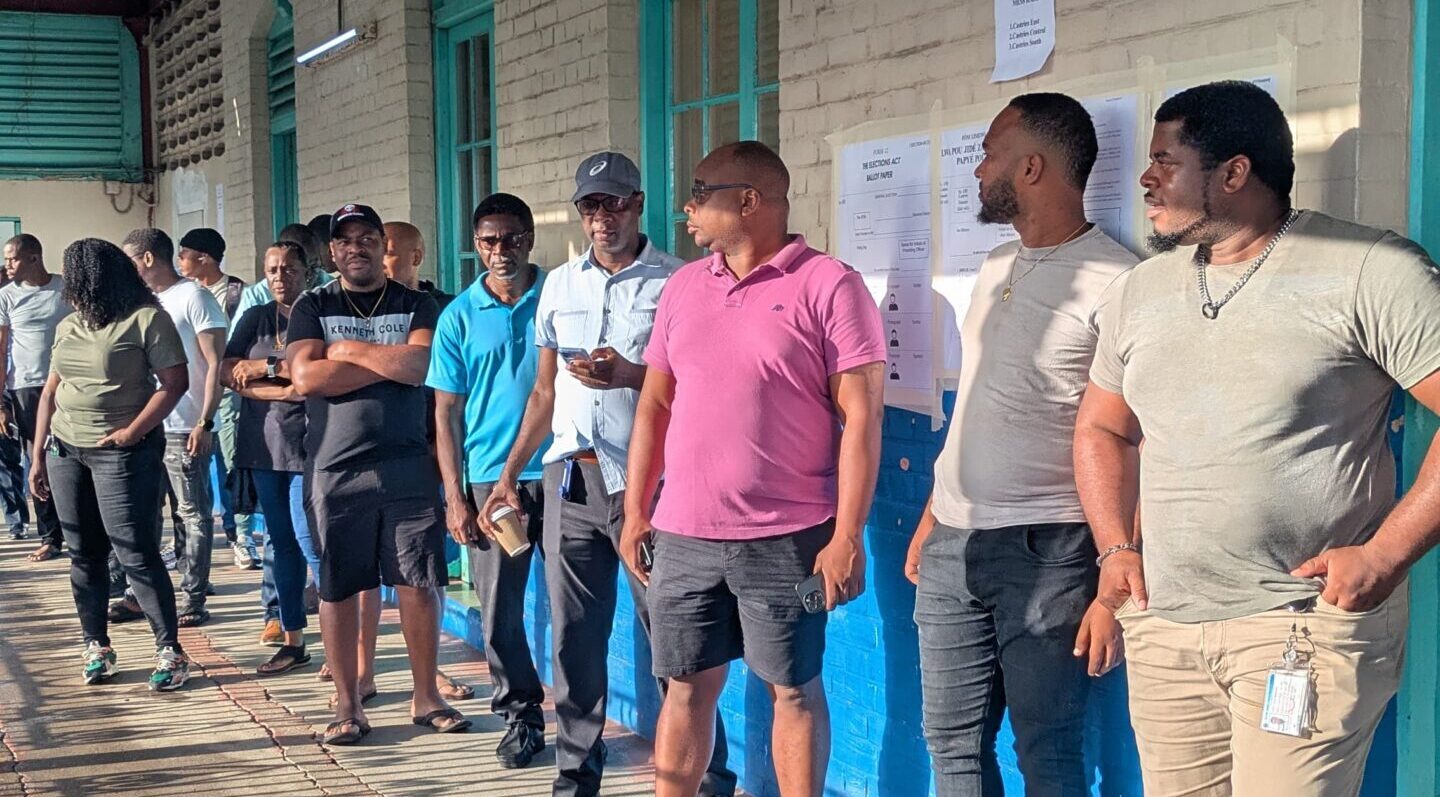
    The Saint Lucia Labour Party (SLP) has achieved a commanding victory in the December 1 general election, capturing 14 of the 17 parliamentary seats according to preliminary results released by the Electoral Department. The United Workers Party (UWP) managed to secure just one seat, while two independent candidates successfully retained their positions.

    Voter participation data reveals that 89,448 registered electors exercised their democratic rights out of a total electorate of 184,654. However, election officials have expressed serious concern over a significant increase in rejected ballots, which climbed to 1,980 compared to 1,694 during the previous electoral process.

    Herman St. Helen, head of the Electoral Department, characterized the situation as particularly troubling during a press briefing. “This is too many, way too many,” St. Helen stated, referencing the rejected ballots. He suggested that reverting to voting stamps instead of current marking methods could substantially reduce the number of invalidated votes in future elections.

    Constituency-level analysis demonstrates several notable electoral outcomes. In Gros Islet, the nation’s largest voting district, SLP incumbent Kenson Casimir secured a decisive victory with 8,175 votes against challenger Marcella Johnson’s 3,861 votes. This constituency also recorded the highest number of rejected ballots at 314.

    The Castries North constituency witnessed independent incumbent Stephenson King successfully defend his seat with 3,485 votes (66%) against four challengers. Meanwhile, SLP leader Philip J. Pierre achieved a landslide victory in Castries East, capturing 77.8% of the vote.

    Micoud South emerged as the sole constituency where UWP leader Allen Chastanet maintained his party’s presence in parliament, defeating SLP candidate Shanda Harracksingh by 673 votes. The closest contest occurred in Dennery South, where SLP incumbent Alfred Prospere retained his seat by a narrow margin of just 59 votes following a recount.

    Electoral participation varied significantly across constituencies, with turnout rates ranging from 40% in Castries Central to 56% in Dennery South. The overall election results signal a substantial political realignment in Saint Lucia’s parliamentary landscape.

  • Polls conducted in 8 constituencies show swing towards ABLP ahead of the next general election

    Polls conducted in 8 constituencies show swing towards ABLP ahead of the next general election

    Recent polling data collected across eight strategic constituencies indicates a significant political shift favoring the Antigua and Barbuda Labour Party (ABLP) in the lead-up to the nation’s next general election. The comprehensive surveys reveal a notable swing in voter sentiment that could substantially alter the electoral landscape.

    The findings suggest that the ABLP has successfully gained traction among undecided voters and made inroads in constituencies previously considered competitive or leaning toward opposition parties. This surge in support appears to be driven by multiple factors, including recent policy initiatives, economic developments, and strategic campaigning efforts that have resonated with the electorate.

    Political analysts note that the timing of this swing is particularly crucial, as it comes during the critical pre-election period when voter opinions typically crystallize. The data demonstrates changing demographic patterns and geographic distributions of support that could prove decisive in determining the election outcome.

    While opposition parties continue to maintain strongholds in certain regions, the polling suggests the ABLP has successfully expanded its coalition, potentially putting several additional constituencies within reach. The party’s messaging on economic stability, social programs, and infrastructure development appears to be connecting with voters across diverse demographic groups.

    These polling results provide the most current snapshot of the evolving political landscape as the nation moves closer to election day, offering valuable insights into voter behavior and potential electoral outcomes.

  • Honduran ruling party analyzes US interference in elections

    Honduran ruling party analyzes US interference in elections

    The Honduran political landscape is reeling from what leaders are calling an unprecedented act of foreign intervention, prompting an emergency meeting of the LIBRE party’s National Coordinating Committee. Former Honduran President Manuel Zelaya (2006-2009), who currently leads the left-wing LIBRE party, convened the urgent session in Tegucigalpa to formulate a response to what he characterized as deliberately hostile acts by former U.S. President Donald Trump.

    The crisis stems from multiple interventions during Honduras’s recent presidential elections. Seventy-two hours before polls opened, Trump published three separate messages endorsing Nasry Asfura, the presidential candidate of the right-wing National Party (PN). In a more direct intervention, Trump explicitly urged Honduran voters to reject LIBRE’s candidate, Rixi Moncada, and threatened to cut U.S. economic aid to Honduras if voters supported the left-wing party.

    The situation escalated further when Trump announced on December 1st the pardon of former Honduran President Juan Orlando Hernández (2014-2022), who had been convicted by a New York court and sentenced to 45 years in prison for trafficking more than 400 tons of cocaine into the United States. This pardon, combined with the electoral interference, has been condemned as a direct attack on Honduran sovereignty.

    Zelaya, communicating through his X account on December 3rd, asserted that these actions constituted serious harm to the Honduran people and demanded a firm, decisive, and patriotic response. The LIBRE party is now considering appropriate political, legal, and diplomatic actions to defend national dignity, democratic processes, and the integrity of the popular vote in Honduras.

  • Young voters hopeful, demanding more

    Young voters hopeful, demanding more

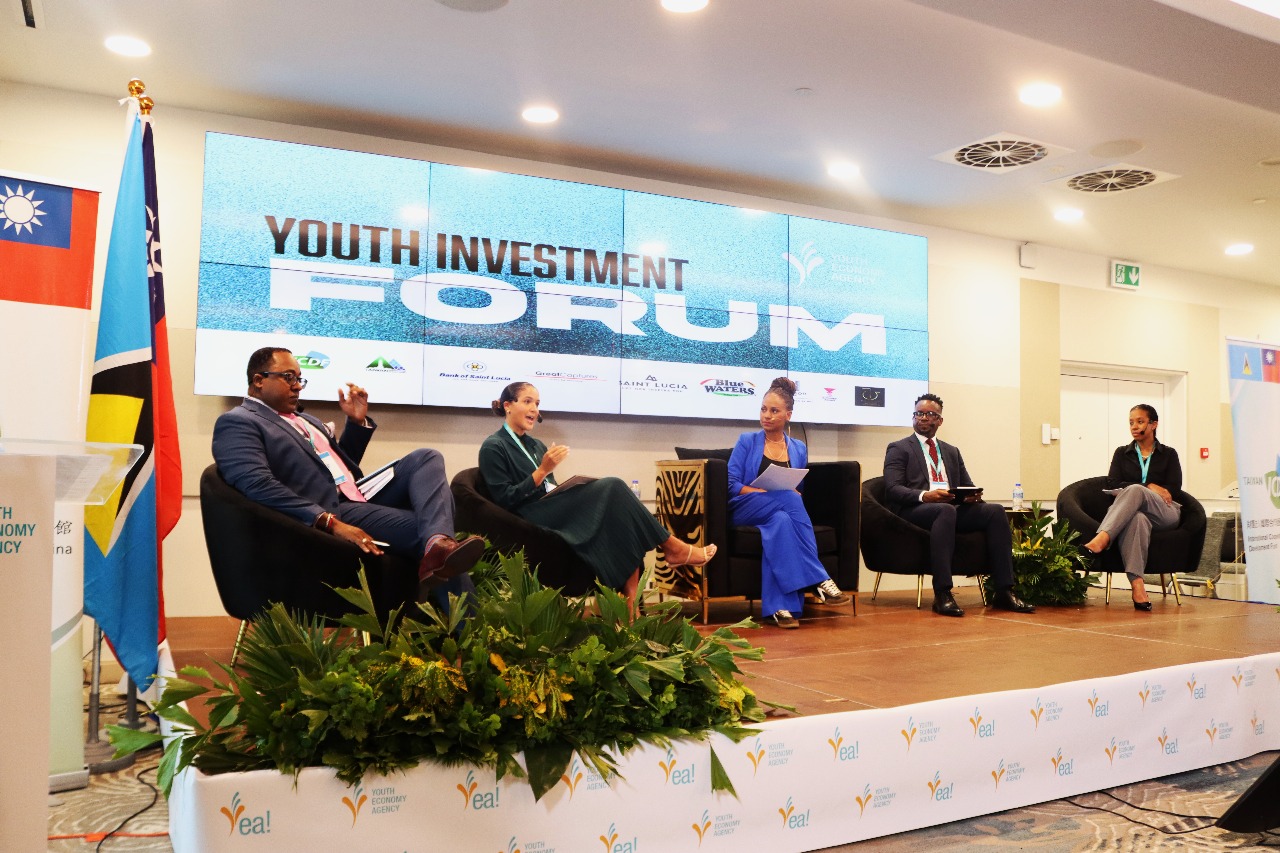
    Following a historic electoral triumph that secured the Saint Lucia Labour Party (SLP) an unprecedented second consecutive term, the nation’s youth have immediately articulated their expectations for the incoming administration. Young citizens across constituencies including Castries, Vieux Fort, Dennery, and Gros Islet are actively engaging through traditional and social media platforms to evaluate previous governmental performance and outline priority areas requiring attention.

    The Youth Economy Agency (YEA) emerges as a cornerstone achievement from the previous term, having distributed grants, training, and business development support to thousands of young entrepreneurs. Kadeem Charles, a 23-year-old photographer, credits the program with transforming his professional trajectory: “The Youth Economy initiative fundamentally reshaped my mindset and enabled self-employment.” However, he and others advocate for expanded program accessibility, particularly addressing application processing delays that have prevented many from receiving support.

    Parallel acclaim has been accorded to the Semi-Professional Sports Programme, which has provided structured income and professional validation for athletes. Footballer Renee John, 19, emphasizes how the program has elevated sports from recreational pastime to legitimate career path: “We’re now receiving compensation, professional training, and serious recognition.” Participants are advocating for enhanced infrastructure, coaching resources, and expanded sporting opportunities.

    Despite celebrating record-low unemployment rates, young citizens identify violent crime as a persistent concern. University students and young professionals emphasize that economic gains must be complemented by strengthened community safety initiatives. Recommendations include violence prevention programs, youth community centers, and targeted interventions in high-risk neighborhoods.

    Employment quality represents another critical focus area. IT graduate Jonathan Auguste, transitioning from a YEA internship, articulates a widespread sentiment: “While grateful for employment opportunities, we seek sustainable careers with competitive compensation and growth potential rather than temporary placements.” Youth are urging government investment in digital economy expansion, creative industries, and specialized tourism sectors that offer long-term professional development.

    Underpinning these policy-specific requests is a fundamental demand for inclusive governance. Youth advocate Liyanna Paul, 21, stresses: “Meaningful consultation requires our genuine inclusion in decision-making processes. We possess firsthand experience of contemporary challenges including crime, housing affordability, and cost-of-living pressures.”

    The SLP’s electoral mandate provides a robust platform for policy continuation and expansion. Yet as young voter Kadeem Charles summarizes: “We reaffirmed our support through voting based on demonstrated progress. Now we anticipate accelerated advancement across all sectors affecting our futures.”