When reviewing the submitted news content for processing, only social media sharing prompts, an image link, and no actual text-based core news information were provided. Without the full, substantive details of the news report that is meant to be analyzed and rewritten, it is impossible to carry out the required comprehensive processing including core point sorting, narrative reconstruction, and content rewriting. This incomplete submission leaves no actionable material to work with for the requested news processing task. Recipients of this submission require the full text of the original news to complete the analysis and rewriting work as requested.
分类: other
-
Farmer calls for upfront rebates to tackle water crisis, gets MP’s support
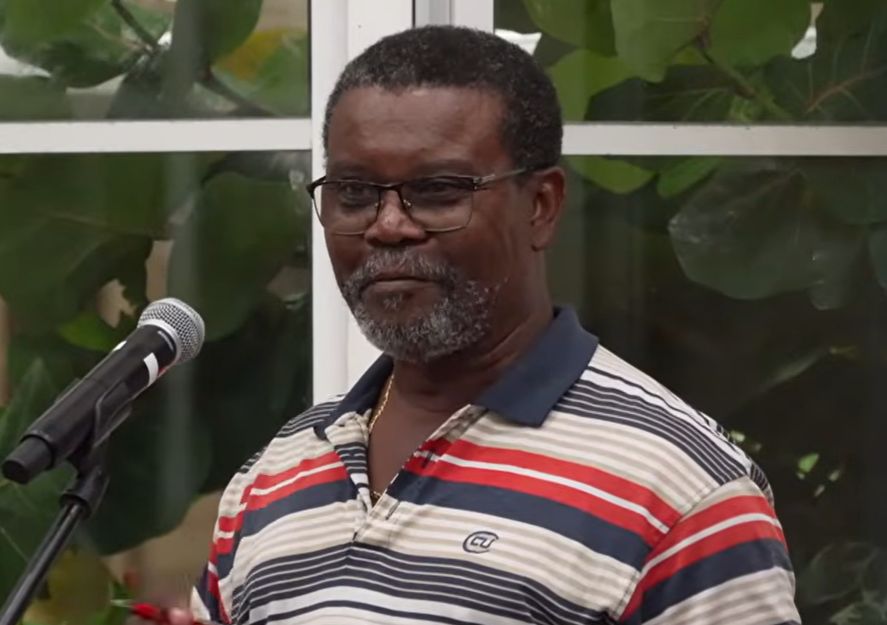
Farmers in the eastern parish of St. Philip, Barbados, are facing a persistent and crippling crisis: a total lack of reliable irrigation water that has brought commercial agricultural operations to a near-standstill for months. Leading the call for urgent government intervention is local farmer Francis Ifill, who laid out the severity of the situation and proposed a actionable short-term solution during Monday night’s St. Philip Ideas Forum, hosted at Princess Margaret Secondary School. Ifill’s appeal has earned the open backing of his local Member of Parliament, Indar Weir, a former Minister of Agriculture who has thrown his weight behind the proposal.
Ifill emphasized that water access remains the single most devastating barrier to productivity for small-scale and commercial farmers across the St. Philip region. The long-standing Sanford irrigation network, he argued, has long failed to meet the needs of local producers, a issue he has raised repeatedly with authorities in past years. While the government has announced plans for a long-term fix — constructing a new tertiary water treatment plant and laying new pipeline infrastructure to deliver irrigation water to the parish — Ifill stressed that these projects offer no immediate relief to farmers whose livelihoods hang in the balance. To date, no official timeline for the completion of these infrastructure works has been released, and no local farmer knows when the long-promised solution will materialize. “We have to act right now, because lives and livelihoods are on the line,” Ifill stated, noting that he personally has not been able to plant any commercially viable crops since March.
For farmers who rely entirely on agriculture to cover essential costs including mortgages, land taxes and household expenses, consistent irrigation is not a luxury — it is a basic requirement to stay in business. To address the urgent gap before long-term infrastructure is completed, Ifill is calling on the government to revise the existing rebate program administered by the Barbados Agricultural Development and Marketing Corporation (BADMC), switching from a post-purchase reimbursement model to front-loaded rebates for water storage equipment.
The core of Ifill’s proposal centers on empowering farmers to harvest rainwater on their own properties as an interim solution. Even with the limited rainfall Barbados has received in recent months, capturing and storing whatever rain falls would provide a critical buffer for irrigation, he argued. The current BADMC rebate system requires farmers to pay the full cost of storage tanks, guttering, pumps and other rainwater harvesting equipment upfront, then wait months to receive their rebate. For many cash-strapped farmers, this up-front expense is simply unmanageable. Ifill says switching to a front-loaded model would remove this barrier: “It is far easier for a farmer to cover half the cost upfront than to pay the full amount and wait months to recoup half of it.” If the government provides these rebates in advance, farmers can quickly install the infrastructure they need to harvest rainwater, ramp up production, and continue contributing to Barbados’ national economy, he added.
Weir, the MP for St. Philip South and a former agriculture minister, quickly endorsed Ifill’s proposal, calling it a common-sense, reasonable solution that the government should adopt immediately. Rather than waiting for large-scale public dam construction to address water shortages, Weir noted that local farmers can deploy distributed rainwater harvesting right away by capturing runoff from farm building roofs — and the request for up-front rebates is far from unreasonable. Weir explained that rebate funding is already allocated to the Ministry of Agriculture each financial year, so the only barrier to adopting the policy is a small adjustment to existing government policy, not a need for new funding. Weir also highlighted other existing support programs farmers can leverage to boost productivity, including BADMC’s contract growing initiative, which was designed to fix the longstanding industry issue of overplanting the same crops during overlapping seasons by coordinating planting schedules across producers.
Under the contract growing program, BADMC works with farmers to grow a strategically balanced mix of priority crops, and provides subsidized input supplies. After harvest, the cost of inputs is deducted from farmers’ payout for crops supplied to BADMC’s packing facility. Weir added that new digital tools, including online reporting systems and farmer WhatsApp groups, have made it far easier to coordinate planting schedules, share data on what is planted when harvest is expected, and keep government and BADMC officials updated on sector needs. He also committed to addressing gaps in agricultural extension services, noting that any farmer who does not know their assigned extension officer will be connected promptly for on-farm support. At its core, Weir reiterated, the only major policy change required to deliver immediate relief to St. Philip’s farmers is a decision to approve up-front rebates for on-farm water storage infrastructure.
-

Disasters And You with the Office of Disaster Management July 21st 2026
The content submitted for news processing only contains social media sharing prompts including “Share”, “Tweet”, and “Pin”, with no complete core news text included. Without the full context, key facts, background details, and core arguments of the intended news story, it is impossible to carry out a comprehensive in-depth analysis, structural reconstruction, or accurate rewriting of the material. News processing relies on complete factual information to maintain the accuracy, authority, and journalistic value of the final output, so no substantive reporting can be generated from the current incomplete input.
-

Antigua and Barbuda Students Take Part in Art Exchange with Jersey
A groundbreaking collaborative cultural and artistic exchange between two island nations is now underway, bringing three young student artists from Antigua and Barbuda to the shores of Jersey to build cross-cultural connections through creativity. The three emerging talents — Joyce Murray-Watkins, Trinity Hughes and Tse Pigott — represent the Antigua and Barbuda College of Advanced Studies (ABCAS), and they are accompanied by Mark Brown, head of ABCAS’s Department of Fine Arts and Creative Studies, for the first phase of the two-part exchange.
Centered around the unifying theme “Safe Haven Across the Sea”, the young Antiguan and Barbudan creators are working side-by-side with Jersey-based artists to paint a large-scale public mural at Elizabeth Marina. Running from July 19 to 24, this initial phase of the project blends collaborative mural creation, immersive cultural exchange activities and direct engagement with local Jersey communities, laying the groundwork for long-term people-to-people ties between the two island groups.
The exchange will continue this coming October, when a cohort of Jersey artists will travel to Antigua and Barbuda to create a second complementary mural. This second phase of the project will be completed ahead of two major upcoming events: the 2026 Commonwealth Heads of Government Meeting (CHOGM) and Antigua Art Week. At its core, the exchange is designed to nurture artistic growth for young creators on both sides, deepen cross-cultural understanding, and explore shared themes of collective identity, community connection, belonging, and the unique experience of island life.
This artistic initiative is far more than an isolated project: it represents the latest expansion of a decades-long deepening partnership between Antigua and Barbuda and Jersey that already spans multiple sectors, including education, skills development, sports and culture. Previous collaborative efforts stretch back to 2022, when the two jurisdictions launched a hospitality work and training partnership. This was followed by the Leadership and Entrepreneurship Accelerator Programme (LEAP), which supports young women from Antigua and Barbuda to access leadership and entrepreneurship training in Jersey. Other existing links include two youth cricket exchange tours to Jersey, as well as musical exchanges that brought young musicians from the Jersey Music Service to Antigua and Barbuda to perform alongside the Antigua and Barbuda Youth Symphony Orchestra (ABYSO).
The formal foundation of this expanding partnership was reinforced most recently in November 2024, when Antigua and Barbuda’s Education Minister Daryll S. Matthew and Jersey’s former Minister for Sustainable Economic Development, Deputy Kirsten Morel, signed a new Memorandum of Understanding during a ceremony in Jersey.
Speaking on the launch of the art exchange, Minister Matthew emphasized the transformative power of international creative collaboration. “Education flourishes when it is enriched by culture, creativity, and collaboration,” he said. “This partnership between ABCAS and Jersey demonstrates our shared commitment to preparing the next generation through meaningful international engagement and artistic excellence. I am delighted to see Joyce, Trinity and Tse represent our country through their creativity.”
Mark Brown, who is accompanying the three students for the first phase of the exchange, highlighted the transformative opportunities the project offers for emerging young creators. “This collaboration offers our students an exceptional opportunity to engage with fellow young artists, broaden their creative perspectives and build meaningful international connections,” Brown explained. “We are proud to represent Antigua and Barbuda and look forward to sharing our culture while learning from the rich artistic heritage of Jersey.”
James Tyson, head of programme at ArtHouse Jersey, the local arts organization leading the initiative on Jersey’s side, welcomed the exchange as a natural next step in the growing friendship between the two island communities.
The landmark cross-cultural project would not have been possible without the combined support of a broad coalition of institutional and private partners, including ArtHouse Jersey, the Government of Jersey, the Government of Antigua and Barbuda, the Antigua and Barbuda Tourism Authority, ABCAS, the Antigua and Barbuda High Commission in London, Ambassador Sami Al-Mufleh, Ann Chapman-Daniel and Shiri Daniel of the Galleon Foundation, and the JCG Foundation.
-

DOMLEC: Geothermal energy helps cut July fuel surcharge to 33 cents
Dominica’s primary electricity provider, Dominica Electricity Services Ltd (DOMLEC), has announced that its July 2026 fuel surcharge will be set at 33 cents per kilowatt-hour, a reduction made possible by the rapid scaling of geothermal energy integration into the island’s national power grid, according to the company’s Public Relations Officer Ayeola George.
In an official statement released to the public, George outlined the sharp, steady growth of geothermal energy’s share in Dominica’s renewable generation mix over the first half of 2026. Back in March, geothermal contributed just 6 percent of the country’s total renewable power output. By April, that share had jumped nearly four and a half times to 26 percent. When combined with the existing hydroelectric power capacity, total renewable energy penetration across the national grid reached 51 percent that month.
This upward trajectory continued through the spring, George confirmed, with total renewable penetration climbing to 58 percent in May. By the end of June, the milestone figure of 68 percent was reached, marking renewables as the dominant source of electricity generation for the island nation.
This shift away from fossil fuel-dependent generation has delivered immediate tangible benefits for both DOMLEC and its customers, George explained. As renewable energy output grows month over month, the country’s reliance on diesel for power generation has fallen dramatically. From January’s consumption level of 373,000 gallons of diesel, the monthly usage dropped by almost half to just 194,000 gallons by June 2026.
While DOMLEC has no ability to influence global or regional diesel pricing, the reduced reliance on the fossil fuel has drastically cut its impact on overall electricity generation costs. “The cost-benefit of expanding geothermal energy is significant — not just for DOMLEC as a company, but for every single one of our customers,” George emphasized.
Without the integration of geothermal capacity into the grid, George noted, the July 2026 fuel surcharge would be nearly double the current rate, coming in at 63 cents per kilowatt-hour instead of the 33 cents that customers will see on their upcoming bills. “This is the true, tangible impact of investing in geothermal,” she said.
George also acknowledged that customers experienced a number of power outages across June, but highlighted that even with those operational challenges, DOMLEC still achieved the landmark 68 percent renewable penetration rate. She thanked the Dominican public for their patience and understanding as the company and its partner organizations continue the ongoing work of integrating more renewable energy resources into the national grid.
The achievement of 68 percent renewable penetration through geothermal and hydro power is being hailed as a major milestone for Dominica’s energy transition, positioning the island as a growing leader in Caribbean renewable energy adoption.
-
Casa del Cordón welcomes 150 archaeology and history experts from 25 countries
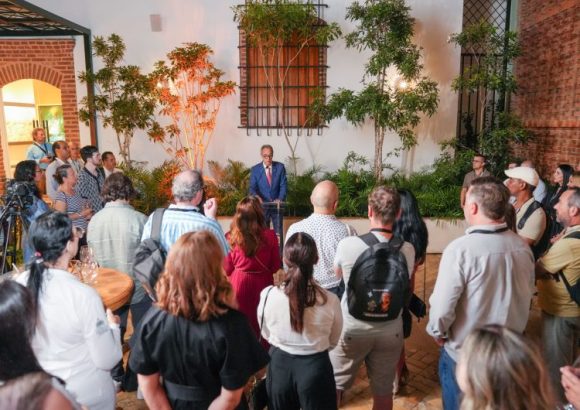
The Dominican Republic’s capital of Santo Domingo has become the global hub for Caribbean heritage research this week, as the XXXI International Congress of Caribbean Archaeology kicked off with an official welcome reception hosted by the Taíno Cultural Center Casa del Cordón. Backed as an initiative by Banco Popular Dominicano, the venue brings together over 150 leading professionals spanning archaeology, anthropology, history, and cultural preservation, with attendees traveling from 25 countries across the globe to take part in the event.
As a key co-sponsor of the week-long academic gathering, Banco Popular welcomed participating researchers ahead of the launch of the congress’s packed schedule of lectures, working sessions, and collaborative workshops. During the opening welcome ceremony, José Mármol, executive vice president of Corporate Communications, Reputation and Responsible Banking at Grupo Popular, highlighted the critical role that cultural and archaeological preservation plays in driving long-term, meaningful sustainable development for communities across the region. Mármol emphasized that anchoring development in a clear understanding of shared heritage creates stronger, more connected societies rooted in their own history.
The venue for the opening reception, the Taíno Cultural Center Casa del Cordón, holds deep significance for the event’s mission. The center hosts a permanent public exhibition of archaeological artifacts sourced from the García Arévalo Foundation, curated to highlight the rich legacy of the Taíno people – the first known inhabitants of the island that now holds the Dominican Republic and Haiti. Beyond displaying historic objects, the center works year-round to expand public awareness of the Dominican Republic’s indigenous roots and the enduring impact of Taíno culture on modern national identity.
Scheduled to run from July 13 to 18, the congress stands as one of the Caribbean’s most prestigious and long-standing academic forums dedicated to archaeological research. Beyond sharing new findings and cutting-edge analysis, the core goals of the 2024 gathering include strengthening cross-border collaborative research networks, facilitating open exchange of innovative methodologies, and advancing collective action to protect the Caribbean’s at-risk archaeological and cultural heritage for future generations.
-

Triple murder shatters Laventille peace
A wave of brutal violence shattered months of hard-won calm in one of Trinidad and Tobago’s most persistent crime hotspots on Thursday morning, when heavily armed assailants stormed a busy Laventille gas station and opened fire, leaving three local men dead.
The attack unfolded just after 9 a.m. at the Unipet gas station, located at the high-traffic intersection of Eastern Main Road and Morvant Old Road. The triple killing pushed the country’s total murder count for the year to 209, according to official police data.
Law enforcement has formally identified the three victims as 56-year-old Selvon Jack, a resident of Lot 60 Chinapoo, Morvant; 29-year-old Makal Campbell, of 13 Poui Street, Morvant; and 23-year-old Malique Akhil Williams, who lived on Erica Street in Laventille. Witness accounts collected by the *Sunday Express* paint a chaotic picture of the assault: one victim was in the process of refueling his vehicle when the gunmen entered the station and began shooting, a second victim was seated inside a car at a neighboring pump, and the third was crossing the station’s parking lot when he was struck by gunfire. After carrying out the attack, the gunmen fled the scene in a stolen white Nissan Tiida, according to initial police reports.
In an exclusive interview with the *Sunday Express*, Senior Superintendent Raymond Thom, head of the Port of Spain Police Division, voiced deep frustration over the attack, which came during an extended period of reduced violence in Laventille tied to a local community peace accord. “Port of Spain has been quiet for over a month. We are disappointed that during this peace accord that is supposed to exist, that this can happen,” Thom said. “Some people are not holding to the order that was established, but we are doing what we have to do to maintain law and order.”
Multiple specialized law enforcement units responded to reports of what witnesses initially described as a loud explosion shortly after 9:15 a.m., including officers from the Port of Spain Division, the Inter-Agency Task Force, the Guard and Emergency Branch, and the North Eastern Division. When first responders arrived, they found the three victims’ bodies on the gas station compound. Investigators are still working to confirm whether only one of the three men was the primary target of the attack, Thom said, noting that an innocent bystander who happened to be refueling may have been an unintended casualty.
“On arrival they observed the bodies of three persons lying on the compound of the gas station. Two of the persons were residents of Morvant, and one was from Laventille,” Thom said. “It appears that someone not involved who was just fuelling their vehicle might have been a casualty. That possibility does exist.”
As of Friday morning, investigators have already located a vehicle that persons of interest in the case are believed to have used following the attack. Thom issued a public appeal for community cooperation, urging local residents to reject gang-related violence and assist law enforcement in solving the case. He added that police are moving quickly to prevent any cycle of retaliatory violence that could follow the triple killing.
The attack comes amid an ongoing state of emergency declared to address the country’s persistent violent crime crisis, which Thom said police have been using to target known gang leaders and high-risk criminal figures. Under the current state of emergency, no curfew or movement restrictions are in place, but authorities have been granted expanded powers to issue preventive detention orders for known criminal suspects. To date, the Port of Spain Division has executed more than 90 such detention orders, Thom said, and most major gang leaders in the area are currently incarcerated. Even so, he acknowledged, remaining criminal elements are still active in the area, carrying out gang rivalries and reprisal attacks.
“However, there are still elements that we are looking for and there are still persons involved in criminality and carrying out gang activities and reprisals,” Thom said.
A multi-unit investigative task force comprising detectives from the North Eastern Division, Port of Spain Division, the Homicide Bureau, and regional intelligence units has been assembled to uncover the motive for the attack and apprehend the responsible suspects, with a goal of bringing the assailants to court as quickly as possible.
-
Postal Service Launches “Celebrating Belize” Stamp Collection
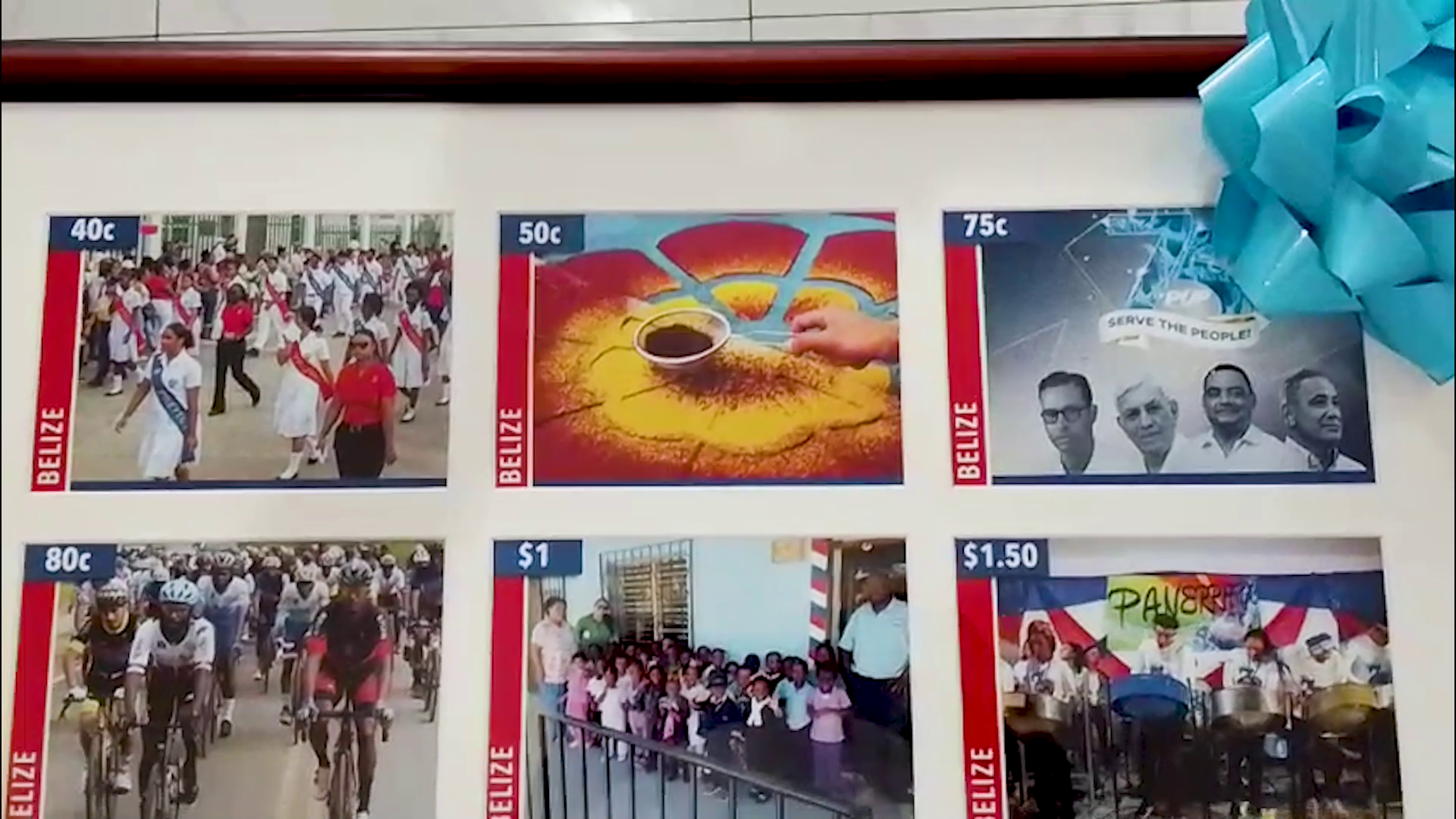
On July 17, 2026, Belize took a creative step to share its unique national story with the global community, launching a brand-new definitive stamp collection that turns ordinary mail into moving miniature portraits of the nation. Organized under the evocative theme “Celebrating Belize”, the 11-stamp series from the Belize Postal Service weaves together the diverse threads of Belizean life, capturing iconic people, beloved landscapes, and defining cultural moments that shape the country’s collective identity. For the next half decade, these stamps will serve as Belize’s official postage, doubling as unexpected cultural ambassadors that carry Belizean spirit to every corner of the globe via international mail.
The project, which has been more than 12 months in development, involved a collaborative planning process that brought together a cross-sector committee to brainstorm and refine the collection’s content. Postmaster General Dr. Marsha Price explained that the team deliberately set out to create a product distinct from previous definitive stamp issues, prioritizing breadth and freshness to reflect the full spectrum of modern Belize. “We gathered a committee to pool different perspectives on what elements of Belize deserved to be highlighted,” Price noted in remarks at the launch ceremony. “It took time to reconcile everyone’s vision, but we ultimately landed on a selection that feels new, different, and entirely representative of our country. We wanted something grand for 2026, and that’s what we’ve delivered.”
The collection spans every core pillar of Belizean society, from education, agriculture, and sports to music, religion, and national celebrations, capturing the vivid energy and color of daily life across the nation. One of the most personal inclusions is the portrait of Samantha Ramirez, the current reigning Queen of the Bay, who called her selection a profound honor. For Ramirez, the stamps are far more than just printed paper for postage: they are tangible representations of Belize’s shared cultural heritage and national identity. She used the moment to encourage young Belizean women to embrace national cultural opportunities, noting that her participation in the Queen of the Bay pageant opened unprecedented doors, including the chance to feature on a stamp that will circulate globally.
Logistics Minister Michel Chebat, who spoke at the launch event, echoed the framing of the collection as a global outreach effort for Belize. “These stamps act as ambassadors for our country, sharing our story and preserving moments of national pride for audiences both here at home and across the world,” Chebat said. Walking through the collection’s imagery, he highlighted how the range of subjects – from the historic Ruta Maya route to traditional woven tapestries to portraits of Belizean children – accurately captures the breadth of Belizean life and community interaction. “The bright, bold colors really lift the spirit,” he added. “At a time when we all need a little light, this collection is exactly that bright spot.”
Alongside the celebration of traditional heritage, Chebat noted that the Belize Postal Service is also adapting to meet the demands of the digital age, rolling out modern upgrades including digital mail tracking, expedited delivery services, and new regional service hubs to remain relevant for 21st century users. The report from News Five’s Britney Gordon, who attended the launch event, brings this milestone cultural initiative to audiences across Belize.
-
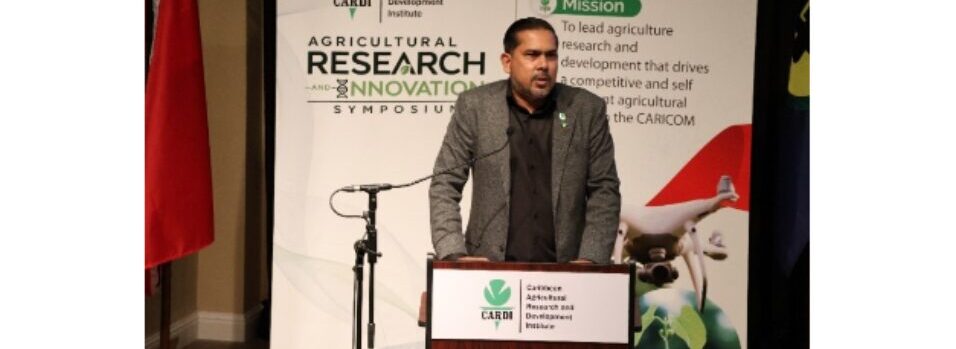
CARDI showcases research and innovation at first regional agriculture symposium
Against a backdrop of growing climate uncertainty, shifting global food markets and rising import dependence, the Caribbean Agricultural Research and Development Institute (CARDI) has kicked off its first-ever Agricultural Research and Innovation Symposium (ARIS), a landmark regional gathering that unites cross-sector stakeholders to reimagine the future of Caribbean agriculture.
Opening its doors on July 8 in Chaguanas, Trinidad and Tobago, the three-day event operates under the overarching theme “Advancing Agricultural Innovation for Sustainable and Climate-Resilient Food Systems”, designed to serve as a collaborative hub where lab-based research can connect directly with the farmers, policymakers and industry leaders who will put those findings into practice.
In his opening remarks, Hon. Lennox Andrews, Chairman of CARDI’s Board of Governors and Grenada’s Minister of Agriculture, framed the symposium as a critical response to the cascading challenges facing the region’s agricultural sector. “Climate change, evolving pest and disease pressures, and global market disruptions demand that we embrace science, innovation and collaboration as essential tools for securing the future of Caribbean agriculture,” Andrews said. He emphasized that the research on display at ARIS underscores CARDI’s core mission to develop practical, on-the-ground solutions that boost farm productivity, reinforce regional food systems, and protect the livelihoods of smallholder and commercial farmers alike. Andrews also called for sustained investment in the institute, noting that delivering consistent, impactful solutions requires adequate long-term resourcing.
For CARDI Executive Director Ansari Hosein, the inaugural symposium marks the start of a new, more accessible tradition for the regional research body. “It brings together our scientists from across the region to share the results of research conducted over the last 2 years in our Member States and, more importantly, to engage directly with farmers, policymakers, development partners and the private sector,” Hosein explained. Outlining CARDI’s core mandate, he added, “Our objective is to ensure that research moves beyond the laboratory and delivers tangible benefits for food and nutrition security, climate resilience and agricultural competitiveness throughout the Caribbean.”
Speaking on behalf of Trinidad and Tobago’s Minister of Agriculture and Fisheries, Ministerial Advisor Ravi Pooran Maharaj lauded the symposium for filling a critical gap as a regional coordination platform. “The Caribbean’s future food security depends upon our collective ability to transform research into action,” Maharaj said. “This Symposium provides an important platform where researchers, policymakers, innovators, and practitioners can exchange ideas, strengthen partnerships, and accelerate the adoption of technologies that will help transform agriculture across Trinidad and Tobago and the wider Caribbean.” He echoed calls for greater adoption of climate-smart practices, noting that modern regional agriculture must lean into improved crop varieties, precision farming techniques and sustainable production methods to build resistance to shocks.
Michelle Anne Thomas, Permanent Secretary in Trinidad and Tobago’s Ministry of Agriculture and Fisheries, echoed Maharaj’s praise, emphasizing that cross-sector collaboration is non-negotiable for solving the Caribbean’s most pressing agricultural challenges. “The challenges facing Caribbean agriculture require strong partnerships between researchers, policymakers and producers,” Thomas said. “By creating opportunities to share knowledge and practical solutions, initiatives such as this Symposium help ensure that scientific research informs policy, strengthens national agricultural programmes and delivers meaningful benefits for farmers and consumers across the Region.”
The symposium featured three targeted technical sessions that spotlight two years of CARDI research across its 14 member states, covering the region’s highest-priority agricultural challenges. A core focus of the event was reducing the Caribbean’s heavy reliance on imported food and feed: researchers shared findings from feasibility and productivity studies on commercially growing white potatoes in Grenada, tropical wheat in Belize, as well as improved varieties of lettuce, corn, silage, dasheen and black-eyed peas tailored to regional growing conditions.
Digital agriculture and emerging technology also took center stage at ARIS. Discussions and presentations covered a range of forward-looking topics, including strategies to attract younger generations to agricultural careers, digital management platforms for livestock feed, AI-powered tools for rapid crop disease diagnosis, and upgraded digital extension services designed to give farmers real-time data to make more informed production decisions.
In closing, CARDI reaffirmed its long-term commitment to delivering science-backed, practical solutions that strengthen regional food and nutrition security, lift farmer incomes, and boost the global competitiveness of Caribbean agricultural products. The institute announced plans to make the ARIS symposium a recurring event to continue advancing collaborative innovation across the region.