分类: other

  • Prescod proposes structured state support for young Barbadian writers

    Prescod proposes structured state support for young Barbadian writers

    Barbados’ cultural and literary community is pushing for systemic government intervention to address longstanding financial barriers that have stifled the growth of homegrown creative talent, with the country’s Minister of Pan-African Affairs and Heritage Trevor Prescod leading the call for direct public funding to compensate emerging young authors for their work.

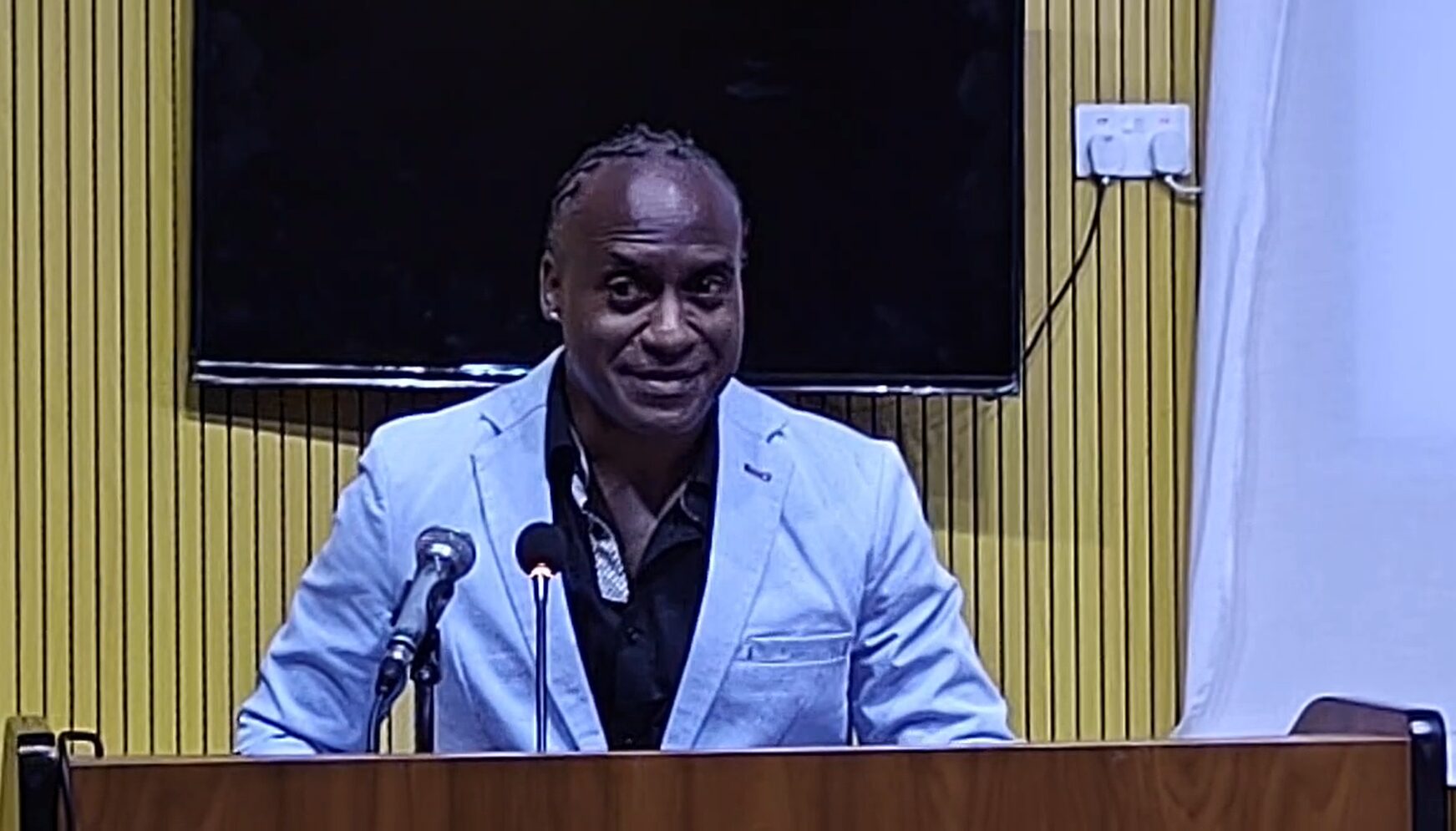
    Prescod laid out his proposal during a recent public event marking the launch of *Meet Tommy*, the ninth published book from veteran Barbadian author Mario Herbert. In a direct address to local creators in attendance, the minister stressed that nurturing the island’s next generation of literary voices depends on more than just informal encouragement—it requires building structured financial pathways that allow writers to build sustainable, long-term careers from their craft.

    At the core of Prescod’s plan is a policy shift that would see state institutions, particularly public primary education bodies, formally procure creative works from local authors to integrate into school resources. This institutional demand would create a reliable, consistent income stream for writers, eliminating the uncertainty that has forced many local creatives to abandon their literary work to pursue more financially stable careers.

    “The ministry and the primary schools across this country must be able to say to Mario, ‘From this term, we want you to send books to the Ministry of Education or allocate them to the individual primary schools across Barbados. Send your invoices to the Ministry of Education,’” Prescod illustrated, framing the proposal as a small but transformative change to how public institutions approach procurement for the cultural sector. He emphasized that consistent state-backed demand would not only create immediate income for working writers but also secure long-term career viability for young people entering the literary field, adding, “We will not only talk about young people writing and selling this material within the primary school system, but we will make sure that you can continue on this journey for a long, long time.”

    The launch event, which also drew attendance from Minister of People Empowerment and Elder Affairs Adrian Forde, offered Herbert a platform to highlight the very struggles Prescod’s proposal seeks to solve. Even with nine published works to his name, Herbert detailed the steep challenges that face Barbadian authors at every stage of their careers, starting with extremely limited retail access for local titles.

    “Make no mistake, though; despite this joy, I have to say that being an author in Barbados is not easy,” Herbert shared. “Local bookstores don’t look at local authors. If not for the UWI (University of the West Indies) bookshop, most of us would have zero avenues for discovery, cultural impact, and preservation of heritage.”

    Herbert also opened up about the creative process behind *Meet Tommy*, his newest children’s book centered on an eight-year-old protagonist. He explained that crafting a compelling, relatable story for young readers required authors to step fully into the perspective of their characters: “As an author, you have to develop the art of becoming a character. That is the only way you are going to make their dramatic journey believable and relatable. Many of the things we take for granted as grown-ups are actually major problems for an eight-year-old, and I have to say that was an enjoyable sandbox to play in.”

    Despite the systemic barriers he faces, Herbert remains optimistic about his work, driven by the reward of seeing young readers connect with his physical books. He already has plans to expand the *Meet Tommy* series, following the title character through his journey from primary school to secondary education, continuing his contribution to Barbados’ growing literary heritage.

  • COMMENTARY: A review of Jerome A. Robinson’s memoir – ‘A Time of Rapid Change in Dominica’

    COMMENTARY: A review of Jerome A. Robinson’s memoir – ‘A Time of Rapid Change in Dominica’

    In early 2026, I acquired a newly released memoir that shines a long-overdue spotlight on one of Dominica’s most important unsung nation builders. Titled *A Time of Rapid Change in Dominica* and published by Micotrin Press in 2025, the work brings to life the legacy of Jerome A. Robinson, the first Dominica-born Crown Surveyor and Commissioner of Lands. The memoir was brought to publication through the dedicated work of his family, most notably his daughter Dr. Jean-Marie Lawrence, a Professor of Technology Systems at East Carolina University.

    Before the generation of architects who built modern Dominica fades from collective memory, documenting and sharing their stories is a critical act of national preservation. Jerome A. Robinson stands indisputably among these foundational figures, and his memoir is far more than a chronicle of one man’s life—it is an irreplaceable addition to Dominica’s official historical record. Deep gratitude is owed to his daughters Lena Bellevue and Dr. Jean-Marie Lawrence for safeguarding his experiences, achievements and observations for coming generations.

    ## The Robinson Family: A Century-Long Legacy of Public Service
    For anyone raised in Dominica, the Robinson name is synonymous with distinguished contribution across nearly every sector of national life. The family built its reputation on excellence across education, skilled trades, construction, business and public administration.

    Joffre Robinson was a widely respected educator. Cephas Robinson was a pioneering builder who oversaw construction of iconic Dominican landmarks including local churches, banana boxing plants, sections of Melville Hall Airport, and the original Vick’s Supermarket, now known as Lindo Mart. Belgrave Robinson served with distinction as Chief Education Officer. Edgar Robinson earned acclaim as a skilled welder, while Ken Robinson emerged as one of Dominica’s most innovative entrepreneurs: he operated a local supermarket, launched the island’s first tire-retreading business, founded a music recording studio, and ran a successful bakery and mini-mart alongside his wife Eileen.

    During my years at Dominica Grammar School, our woodworking instructor at the Technical Wing was Ernest Alfred “Robo” Robinson, a disciplined, patient and meticulous educator who traveled to Los Angeles, California, to complete advanced training in vocational woodworking education. In my third year of study, I had the privilege of learning English literature from Robinson’s niece, Ianthe Robinson. As a cadet with the Dominica Grammar School Cadet Corps, I also worked closely with the late Edmund Robinson, our Company Sergeant Major who like many Robinsons was affectionately nicknamed “Robo.” A sharp, disciplined leader, he later became my colleague when we both taught at the school.

    The Robinson family embodies Dominica’s rich, mixed cultural heritage, with ancestry tying together Scottish-Irish, African and Kalinago roots. During the colonial era, thousands of Scottish-Irish migrants arrived in the British West Indies as indentured servants, and many went on to rise to leadership roles as estate managers, clerks, surveyors and colonial administrators.

    ## Jerome Robinson’s Early Journey: From Childhood to Academic Excellence
    Jerome Robinson was born August 22, 1934, the youngest child of Ellis and Florisca Robinson (née Joseph). He was the grandson of Alexander “Ellick” Robinson, who also served in colonial administration. Scholarly work on Kalinago history by Peter Hulme even makes reference to “Mr. Robinson, who is the government man coming among the Caribs,” underscoring the Robinson family’s multi-generational ties to public service in Dominica.

    Robinson’s memoir opens with vivid recollections of his childhood during the turbulent years of World War II, when German U-boats sank more than 400 ships across the Caribbean. These events are explored in greater depth in Dominican author Clement “Baba” Richards’ work *Seawolves in Warm Waters*, but Robinson offers personal, on-the-ground accounts of encounters with wartime refugees, Marigot police patrols targeting smugglers, and beloved childhood travels across the island alongside his father Ellis. Encouraged by his mother to prioritize education, Jerome first attended school in Laudat, where his brother Joffre served as village schoolmaster. He excelled academically and earned admission to the prestigious Dominica Grammar School.

    A striking historical detail connects Robinson directly to the school’s origins: the institution’s first campus was once the private residence of his paternal grandfather, Alexander Robinson. That historic structure still stands today at Piper’s Step, on what was then Queen Mary Street—now renamed Independence Street—in the capital Roseau. While studying at the Grammar School, Robinson’s sharp academic skills caught the attention of legendary headmaster Victor A. A. Archer, who recommended he pursue a career in surveying, setting the course for his lifelong legacy.

    ## Breaking Barriers: Mapping Dominica Through Harsh Conditions
    For young Dominicans today, it is important to contextualize Robinson’s achievements: it was only after World War II that native Dominican professionals gradually began to take on senior leadership roles in the colonial public service. Before that shift, almost all senior department heads were British expatriates or other European transplants. When the author was growing up, the post of Crown Surveyor was held by Karol Winski, a Polish surveyor who preceded Robinson. Robinson spoke warmly of Winski’s mentorship, crediting his guidance with giving him the skills to eventually rise to the top role in the Survey Department.

    In July 1954, at just 20 years old and after 18 months working as a pupil surveyor in the field, Robinson earned a scholarship to study surveying in Trinidad. He completed the three-year program in 1957, passed the rigorous examinations of the Royal Institution of Chartered Surveyors (RICS), and was awarded the prestigious Michael Dixon Prize for his outstanding academic performance.

    Returning home, Robinson took on the grueling work of surveying one of the Caribbean’s most mountainous island terrains. His memoir details grueling expeditions: climbing the slopes of Morne Diablotin while carrying fragile, heavy surveying equipment, fording rain-swollen rivers while protecting his precision theodolite, and spending weeks at a time working in remote, uninhabited forests. He explains that the Royal Engineers had placed metal survey markers on Dominica’s highest peaks in 1945, and his team was tasked with re-locating and verifying these markers to prepare for the publication of a new national map in 1961.

    Robinson also recounts the extraordinary challenges of conducting aerial survey photography in Dominica, where constant cloud cover over the island’s steep mountains and deep valleys repeatedly derailed efforts to capture accurate map data. Long before satellite technology revolutionized surveying work, Robinson and his team set up base camps deep in the interior, living in tents for days on end while enduring meager rations, constant rainfall and extremely primitive living conditions. Still, they pushed through to complete their work.

    These firsthand accounts reveal not just the technical difficulties of mid-20th century surveying, but also the extraordinary dedication, discipline and resilience of the pioneers who literally mapped out the modern Dominican nation against overwhelming odds.

    ## A Landmark Achievement: The First Native-Born Crown Surveyor
    In 1962, Robinson took the initiative to pursue postgraduate studies, traveling to Glasgow to attend the Royal College of Science and Technology. After successfully completing his program, he returned to Dominica and was officially appointed Crown Surveyor and Commissioner of Lands—making history as the first native-born Dominican to hold this senior position.

    Robinson’s breakthrough was far more than a personal career milestone: it stood as a powerful symbol of the gradual rise of local leadership within the colonial civil service, proving that Dominicans had the skill, discipline and professionalism to govern their own country ahead of full independence.

    ## A Personal Connection: Robinson’s Impact On My Own Education
    I had the rare privilege of taking introductory surveying classes taught by Jim Robinson during the 1977–1978 academic year, shortly before Dominica gained full independence. At the time, I was a Sixth Form student in Form 6B at Dominica Sixth Form College, preparing for the Cambridge University Advanced Level examinations scheduled for mid-1979. When our Geography teacher Alfred Leevy was reassigned to other duties, our cohort lost access to A-Level Geography instruction, and the exam was ultimately canceled for our group. Even so, Jim Robinson volunteered his time to teach the surveying component of our geography curriculum, coming in fully prepared to every class, showing endless patience, and committed to making sure every student understood both the theoretical science and practical application of surveying work. I have remained grateful for his contribution to my education ever since.

    Beyond my time as his student, I have a deeper family tie to the Robinsons: I am married to his niece, Joan Robinson, daughter of builder Cephas Robinson and his wife Ernestina. Joan is an active member of the Marigot History Working Group alongside Dr. Peter Alfred, Deborah Blackman, Sandra Green and Alvin Abrahm, where she works to document and preserve the family history of communities in Marigot.

    ## A Memoir That Belongs In Every Dominican Home And School
    One of the greatest strengths of *A Time of Rapid Change in Dominica* is that it explores a critical, under-taught chapter of Dominican history: the story of how the island was surveyed, measured, mapped and organized for modern administration. The 177-page volume is richly illustrated, adding vivid authenticity to the narrative, with photos ranging from Robinson’s survey team setting up a makeshift camp in the island’s interior to portraits of Robinson during his studies in the United Kingdom. If the work has one small shortcoming, it is that it devotes relatively limited space to Robinson’s immediate family, all of whom have gone on to achieve great things in their own right.

    This memoir deserves a permanent place on the shelf of every Dominican school library. It teaches young Dominicans that the nation they inherited was built through the sacrifices of dedicated public servants, who worked with limited resources but unlimited determination. Their work was rooted in integrity, professional excellence and an unshakable sense of duty to the public good.

    Dr. Jean-Marie Lawrence has provided an invaluable service to the Dominican people by preserving her father’s legacy. Her work should serve as a call to action for other Dominican families to document the lives of their parents and grandparents before those irreplaceable memories are lost forever.

    Jerome Robinson also built a rich family life that sustained his commitment to public service. He and his wife Annette Robinson (née Butler) raised seven daughters—Jean-Marie, Esther, Denise, Carol, Lena, Anthea, and Elizabeth—whose own achievements reflect the same values of education, discipline and service that defined their father’s extraordinary career.

    As a nation, we must celebrate this generation of Dominicans, who accomplished so much with so little. Their stories remind us that nation-building is rarely glamorous. It is forged through decades of quiet sacrifice, consistent professional excellence and faithful service to the public good.

    For these reasons, I strongly encourage Dominican educational authorities to add this memoir to school and public library collections across the island, and I urge every Dominican family to support similar efforts to preserve our shared national memory.

    History is not made only by politicians and world-famous leaders. It is also made by surveyors, teachers, engineers, nurses, builders, civil servants and countless ordinary citizens, whose daily work quietly laid the foundations that modern Dominica stands on today. Jerome A. Robinson was exactly one of these foundational nation builders. Thanks to this thoughtful, well-researched memoir, future generations will know his story.

  • Tropical Weather Outlook:  Tuesday, 23 June 2026 (8 am)

    Tropical Weather Outlook: Tuesday, 23 June 2026 (8 am)

    The Meteorological Services under the Maurice Bishop International Airport (MBIA) and the Grenada Airports Authority (GAA) have released an active tropical weather update for the tropical North Atlantic Ocean, Caribbean Sea, and Gulf of Mexico, covering a designated area of special interest spanning 10–20°N latitude and 40–65°W longitude. As of the latest advisory, two distinct tropical waves are currently moving westward across the Atlantic basin, with varying levels of convective activity and forecast impacts for the region.

    The first system, labeled Tropical Wave 1, is a disturbance originating in the central Atlantic. Its center is positioned along the 58°W meridian, stretching southward from 16°N latitude. The wave is progressing westward at a steady speed of approximately 15 knots. Meteorological observations show scattered moderate convection, with isolated strong thunderstorm activity concentrated between 06°N and 10°N latitude, and between 53°W and 60°W longitude. Based on its current forward momentum, forecasters project the core axis of Tropical Wave 1 will pass over the island nation of Grenada between later this evening and Wednesday. As the wave moves across the island, residents can expect an increase in overall cloud cover and scattered shower activity through the period.

    The second system, Tropical Wave 2, is located further east across the tropical Atlantic, centered near the 46°W meridian and extending southward from 15°N latitude. This wave is moving slightly faster than its central Atlantic counterpart, tracking west at speeds between 15 and 20 knots. Scattered moderate convective activity has been observed for this system, confined between 06°N and 09°N latitude between 44°W and 52°W longitude. Unlike Tropical Wave 1, current meteorological modeling and conditions do not support the development of tropical cyclone activity from this system over the next 48 hours.

    This official advisory notes that the next scheduled update on the activity of these tropical waves will be issued to the public at 2 pm.

    This weather advisory is published in partnership with NOW Grenada, which notes that it holds no liability for opinions, statements, or third-party contributor content included in public advisories. Users may report any inappropriate content related to these updates through official reporting channels.

  • This Day in History: 23 June 1831

    This Day in History: 23 June 1831

    On June 23, 1831, a rare and destructive hurricane made an unexpected landfall across the southern Caribbean, bringing widespread devastation to the islands of Trinidad, Tobago, and Grenada while upending long-held local knowledge of Atlantic storm season patterns. Every child growing up in Grenada learns a traditional rhyme that outlines the expected window of hurricane risk: “June, too soon / July, stand by / August, a must / September, remember / October, all over!” This 1831 storm shattered that conventional wisdom, arriving far earlier than any major hurricane in living memory, and striking well south of the typical Atlantic hurricane belt that historically has been the primary zone of storm activity.

    Residents of Grenada awoke on the morning of Thursday, June 23 to a series of unsettling, unseasonable signs that something extraordinary was unfolding. The sea grew unusually turbulent, emitting a low, unnerving roar that clashed sharply with the dead stillness of the surrounding air, leaving locals with a vague, unexplainable sense of dread. The sky overhead was heavy and dark from dawn, but the full force of the hurricane did not begin to build until close to midday. The storm reached its peak intensity between 3 and 4 o’clock in the afternoon, before gradually weakening and moving off the island. While the damage to infrastructure, agriculture, and property across Grenada was crippling, historical accounts note that only one life was lost on land during the event.

    The storm’s fury was far more dangerous for vessels caught at sea off the Grenada coast. Captain Charles Cooper, commander of the mail schooner *Friends*, which operated a regular route between Trinidad, Grenada, and St. Vincent, recorded that his ship encountered a catastrophic gale just five leagues south of Grenada. The storm raged without pause for five full hours, forcing the vessel almost onto its beam ends at the height of the tempest. On board were Captain J. M‘Gregor of the British Royal Regiment, along with multiple other passengers. Cooper later reported that every person on the vessel—passengers, master, and crew alike—fully expected to be swallowed by the churning, foaming ocean and perish at sea.

    Across Grenada, the hurricane wiped out nearly all standing crops and family provision grounds, including agricultural holdings at the Lataste Estate in the island’s northern St. Patrick Parish. At the time, the estate depended on enslaved labor, and the destruction of food supplies left enslaved people in a state of desperate hunger. Historical records note that with no other food available, enslaved workers were forced to eat unripened crops, which caused widespread illness, and ultimately left them dependent on overpriced rations of imported grain to survive.

    Contemporary observers across the region recorded that the 1831 hurricane was the most severe storm to hit the southern Caribbean since the devastating Great Hurricane of October 1780, one of the deadliest Atlantic hurricanes in recorded history. While rarely hit by hurricanes, Trinidad sustained only minor damage from the 1831 storm, but neighboring Tobago suffered extensive destruction, with particularly severe damage to ships anchored in Scarborough Bay. The nearby island of St. Vincent also escaped with only minimal harm, leaving Grenada and Tobago to bear the brunt of the unprecedented early-season storm.

    This report was originally published as part of the A-Z of Grenada Heritage series by John Angus Martin, with content attribution to the contributor and disclaimer of editorial responsibility by NOW Grenada.

  • Summer arrives with high temperatures and rain: Indomet explains what will happen today

    Summer arrives with high temperatures and rain: Indomet explains what will happen today

    The Dominican Republic’s national weather authority, the Dominican Institute of Meteorology (Indomet), has released a detailed forecast for this Sunday, outlining a day of shifting weather conditions driven by two key atmospheric factors: a passing tropical wave and lingering Saharan dust. According to the agency’s official update, Sunday morning will be dominated by a muted, grayish, opaque sky across the country, a visual effect caused by high concentrations of wind-carried Saharan dust particles lingering in the upper atmosphere. As the day progresses, the approaching tropical wave will trigger dramatic weather shifts in the afternoon, bringing heavy downpours, sudden thunderstorms, and gusty wind conditions to a wide swathe of national territory. Hard-hit areas will include the capital metropolitan region of Greater Santo Domingo, as well as the eastern and central provinces of La Altagracia, El Seibo, La Romana, Hato Mayor, San Pedro de Macorís, Monte Plata, San Cristóbal, Monseñor Nouel, and Sánchez Ramírez, with adjacent localities also expected to see severe weather activity. Beyond the immediate daily forecast, Indomet also reminded the public that June 21 marks the official start of summer in the Northern Hemisphere – the astronomical event that brings the longest period of daylight and shortest night of the calendar year. Compounding the weather conditions, Indomet confirmed that unusually high temperatures will persist across most of the Dominican Republic, driven by both the seasonal shift to summer and the insulating effect of lingering Saharan dust in the atmosphere. To help residents avoid heat-related illness, the institute has issued public health guidance, urging people across the country to maintain consistent hydration, wear loose, light-colored lightweight clothing that reflects sunlight, and limit prolonged exposure to direct sunlight, particularly during the peak heating window between 11:00 a.m. and 4:00 p.m.

  • We are trying to reach the following persons as a matter of urgency. Are you listed below? Do you have information as to their whereabouts or how to contact these persons?Then contact 464-1977/ 464-1238

    We are trying to reach the following persons as a matter of urgency. Are you listed below? Do you have information as to their whereabouts or how to contact these persons?Then contact 464-1977/ 464-1238

    A pressing public call has been issued by authorities or organizers seeking to urgently locate a group of people that have not been named in the initial announcement. The appeal directly asks two critical questions of anyone reading or hearing the notice: first, whether the individual seeing the message is among the group being sought, and second, whether any member of the public holds details about the current location or accessible contact information for the people the organizers are trying to reach.

    No additional context about why these individuals are being sought, how many people are on the list, or what the nature of the matter requiring contact is has been released alongside the urgent appeal. The notice emphasizes that establishing connection with these people is a time-sensitive matter, meaning a prompt response from anyone with relevant information is requested. It remains unclear whether the search is related to a legal matter, a public safety issue, a family notification, or another type of urgent inquiry, as the originating body has only released the basic appeal for information to date.

  • CDB launches regional initiative to explore Caribbean renewable energy grid integration

    CDB launches regional initiative to explore Caribbean renewable energy grid integration

    The Caribbean Development Bank (CDB) has officially launched a groundbreaking regional technical assistance initiative designed to transform the Caribbean’s energy landscape by scaling up renewable energy adoption and integrating national electricity grids across neighboring nations. Dubbed the Caribbean Regional Electricity Grid Interconnection and Renewable Energy Scaling Technical Assistance Project (CREGI-RES), the effort marks a critical turning point in the region’s decades-long fight to break free from costly, carbon-intensive dependence on imported fossil fuels.

    At the project launch ceremony, key stakeholders including Dr. Sherine Ibrahim, Sustainable Energy Specialist at CDB, and Kyle Farnum, Energy Programme Manager for the European Union, gathered to mark the start of what planners hope will become a blueprint for sustainable energy transition across the small island developing states of the Caribbean. L. O’Reilly Lewis, Director of CDB’s Projects Department, emphasized that collective regional action is the only viable path to solving shared energy challenges that no single nation can tackle alone. “Regional cooperation through this Technical Assistance unlocks opportunities individual countries cannot achieve alone. The potential benefits could be significant and now must be tested through rigorous analysis,” Lewis noted at the event.

    For years, Caribbean nations have faced some of the highest retail electricity prices in the world, a burden directly tied to their overwhelming reliance on imported petroleum and coal to meet domestic power demand. Despite the region holding enormous untapped renewable energy potential—including abundant geothermal reserves, strong offshore wind resources, consistent solar irradiation, and viable hydropower sites—clean energy currently makes up only a small fraction of the region’s total installed generation capacity. CREGI-RES was developed specifically to address this gap by laying the groundwork for coordinated regional action.

    Over the course of the project, technical teams will conduct a comprehensive feasibility assessment of a range of integrated energy solutions. Key areas of analysis include the potential for cross-border submarine electricity interconnections, targeted upgrades to aging transmission infrastructure, and strategies to speed up the deployment of utility-scale renewable energy technologies across the region. The assessment will also quantify how integrated regional energy systems could deliver tangible benefits to consumers, including lower monthly electricity bills, more reliable power supply, reduced vulnerability to volatile global fossil fuel price swings, and strengthened resilience to extreme climate events that increasingly threaten small island energy infrastructure.

    To guide the initiative, CDB will appoint a dedicated full-time Grid Interconnection and Renewable Energy Scaling Advisor, who will lead the development of a detailed actionable regional roadmap. The roadmap will address core barriers to progress, including inconsistent regulatory frameworks, gaps in institutional capacity, and challenges in building competitive regional power markets. The project will also establish cross-cutting thematic working groups and host a series of inclusive stakeholder engagement activities, including regional workshops and country-level dialogue sessions, to identify and resolve regulatory and policy barriers that have historically deterred clean energy investment. A central priority of these efforts is to create an enabling policy and market environment that can attract large-scale long-term private sector financing for renewable energy and grid projects.

    Total funding for the $1.5 million technical assistance project comes from multiple global development partners, aligned around shared climate and energy goals for the Caribbean. CDB is contributing core financing through its Special Funds Resources, with additional support coming from the European Union Caribbean Investment Facility (EU-CIF) Geothermal Risk Mitigation Programme, France’s Agence Française de Développement, and the Government of Canada through its Sustainable Renewable Energy Generation (SuRGE) programme. Implementation of the project is scheduled to run through early 2028, with the first draft of the comprehensive regional roadmap expected to be released for public consultation in 2027.

    CDB officials note that the ultimate success of the initiative will depend on the findings of rigorous technical, environmental, financial, and social assessments, as well as subsequent buy-in and investment commitments from participating Caribbean governments and international funding partners. If realized, the project’s recommendations are expected to deliver widespread benefits including expanded renewable generation capacity, reduced regional carbon emissions, more affordable electricity for households and businesses, improved climate resilience, and new job opportunities in the fast-growing clean energy sector.

    CREGI-RES is a flagship initiative under CDB’s Accelerated Sustainable Energy and Resilience Transition 2030 (ASERT-2030) Framework, and aligns directly with the development bank’s core strategic priority of expanding green energy investment across all its Borrowing Member Countries. The project also aligns with the broader energy transition agenda of the Caribbean Community (CARICOM) and supports the region’s collective climate commitments under the Paris Agreement, reinforcing the Caribbean’s ambition to take a leading role in the global transition to low-carbon sustainable energy systems.

  • LIVE: Conversation on the The Liturgy of Domestic Church Life

    LIVE: Conversation on the The Liturgy of Domestic Church Life

    The current submission for news processing only includes social media sharing buttons, an image link dated June 16, 2026, and no substantive text content of the original news story. Without the core reporting text, background details, key statements, or event context that make up a complete news piece, it is impossible to conduct a full structured rewrite, in-depth analysis, or accurate fact-checking. The provided image link cannot be accessed or parsed to extract relevant news content through text-based processing workflows. For a complete processing task, submitters need to provide the full text of the original news alongside any supporting links or materials.

  • Dominican Republic hosts regional culture ministers for CECC/SICA Meeting

    Dominican Republic hosts regional culture ministers for CECC/SICA Meeting

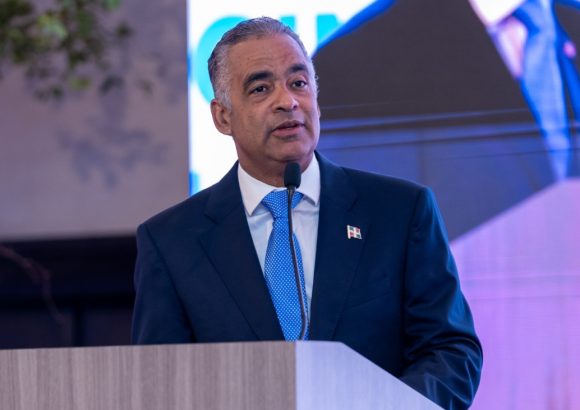
    On Tuesday, the capital city of Santo Domingo opened its doors to top cultural leaders from across Central America and the Caribbean, kicking off the 39th Ordinary Meeting of the Council of Ministers of Culture under the Central American Educational and Cultural Coordination of the Central American Integration System (CECC/SICA). The opening ceremony was led by Dominican Republic’s Culture Minister Roberto Ángel Salcedo, marking the start of days of targeted dialogue and collaborative planning focused on advancing regional cultural progress.

    This high-level gathering brings together senior cultural decision-makers from all CECC/SICA member states, with a core mission to deepen cross-border partnerships and move forward a shared strategic agenda centered on three key pillars: inclusive cultural development, systematic preservation of shared and national heritage, and sustainable expansion of regional creative economies. Unlike informal regional exchanges, this meeting is designed to turn collective discussion into actionable cooperation that addresses shared challenges facing cultural sectors across Central America and the Caribbean.

    In his opening address to delegates, Minister Salcedo underscored the critical role of cross-national collaboration in positioning culture as a core driver of three foundational regional goals: long-term sustainable development, deeper regional integration, and stronger social cohesion. He stressed that no single nation in the region can effectively address evolving challenges in the cultural space alone, making shared experience exchange and joint problem-solving essential to building a more resilient, vibrant cultural ecosystem across the region.

    Organizers have structured the meeting’s agenda around six priority areas identified through prior consultations with member states. These priorities include expanding and protecting the legal and economic rights of artists and cultural workers, developing more robust frameworks for safeguarding intangible and tangible cultural heritage, upgrading national cultural data and statistics systems to better track sector impact, advancing the decentralization of cultural management to expand public access to cultural resources, addressing emerging issues of digital rights and artificial intelligence’s impact on copyright, and strengthening the competitiveness of regional cultural and creative industries.

    Delegates from Belize, Costa Rica, El Salvador, Guatemala, Honduras, and Panama took active part in the first day of deliberations, each presenting successful local initiatives and public policies that have advanced goals ranging from supporting working artists to protecting centuries-old cultural traditions, and improving the accuracy and accessibility of national cultural information systems.

    Two widely cited initiatives stood out during the sharing session: Costa Rica’s targeted legislative and policy work to strengthen legal protections for cultural workers facing labor and economic insecurity, and the Dominican Republic’s innovative ARTSECURE project, which was created to provide targeted support and professional protection for working artists and cultural managers. Beyond these programs, delegations exchanged actionable insights on heritage preservation practices and methods for building cultural statistics frameworks that accurately measure the cultural sector’s full contribution to national economic growth and social progress.

    In addition to sharing existing successful programs, the Dominican delegation put forward new proposals for expanded regional cooperation in cultural innovation. Delegates also held preliminary discussions on upcoming joint initiatives tied to the Ibermedia Program, a leading fund for Ibero-American audiovisual production, and the XII Ibero-American Museum Meeting, which will bring together museum leaders from across the region next year.

    By the close of the meeting, delegates are expected to vote on and approve a series of binding cooperation agreements aimed at strengthening cultural ties across the region. These agreements will also establish permanent, ongoing collaboration mechanisms for CECC/SICA member countries, reaffirming the regional bloc’s shared commitment to positioning culture as a foundational tool for sustainable development, deeper regional integration, and the preservation of a shared regional identity.

  • Barbados firm wins top prize at 2026 Climate Smart Summit Investor forum competition

    Barbados firm wins top prize at 2026 Climate Smart Summit Investor forum competition

    On Tuesday, a groundbreaking climate solution that turns two regional environmental challenges into a source of energy took home the top honor at the 2026 Climate Smart Summit Investor Forum pitch competition, held in Bridgetown, Barbados. Dr. Legena Henry, a Trinidadian-born mechanical engineer and renewable energy lecturer at the University of the West Indies Cave Hill Campus, claimed the $5,000 grand prize for her Barbados-founded startup Rum and Sargassum Incorporated.

    Six climate-focused founders from across the Caribbean competed in the event, each allocated seven minutes to present their ventures to a panel of five judges drawn from leading regional and international financial institutions. Second place and a $2,500 award went to Dr. Judlyn Telesford-Checkley of Grenada-based GrenadaGrows, while Jamaica’s Teka Smith of Cristeek Gold rounded out the top three, taking home $1,500.

    Henry’s enterprise is a climate infrastructure firm built on an innovative circular model: it converts invasive sargassum seaweed—an increasingly devastating threat to Caribbean coastlines—and wastewater from local rum distilleries into usable renewable natural gas. The project traces its origins back to 2019, when Henry gathered a group of students to explore pathways for Barbados to decarbonize its transportation sector, a gap she noticed remained underaddressed in regional climate transition planning.

    “As a mechanical engineer with three degrees in the field, I realized there was very little conversation around how the transportation sector would actually transition away from fossil fuels here,” Henry explained during her pitch. “I gathered students to explore what a fossil-free transport future for Barbados could look like, and that’s how this project was born.”

    For Henry, the project addresses far more than just the environmental crisis of sargassum blooms. Massive annual sargassum influxes choke coastal marine ecosystems, destroy coral habitats, drive away tourists that form the backbone of many Caribbean economies, and release toxic fumes as the seaweed decomposes on shorelines. Beyond solving this ecological threat, Henry argues that homegrown solutions like hers are critical to building long-term energy security for Caribbean nations, which remain overwhelmingly dependent on imported fossil fuels.

    Against a backdrop of global energy market volatility driven by geopolitical conflict and rising fuel prices, Henry emphasized that regional self-reliance is non-negotiable. “When you look at tensions in key energy chokepoints like the Straits of Hormuz and the ongoing global energy uncertainty, we simply cannot rely on imported energy forever,” she said. “We need to develop our own local energy products here in the Caribbean. No one is going to solve our energy challenges for us. Right now, we’re seeing countries face water shortages and blackouts directly tied to global conflicts in the oil and gas sector. Even plastic prices are climbing, because the entire industry is linked to fossil fuels.”

    Early progress for the startup has already been supported by key backers, starting with seed backing from the Inter-American Development Bank, followed by a $100,000 investment from an angel investor secured after Henry presented the project at a United Nations climate event. The $5,000 grand prize from the Bridgetown competition will go toward completing the company’s first pilot natural gas station project in Barbados, which is already 85% finished.

    The pitch competition is a core component of the inaugural Climate Smart Summit, which is being held in Bridgetown from June 16 to 17. The summit brings together policymakers, investors, and innovators for high-level dialogue, investment matchmaking, and cross-regional collaboration all aimed at scaling up climate-smart solutions across the Caribbean.

    On the opening day of the summit, Racquel Moses, CEO of the Caribbean Climate-Smart Accelerator, announced a bold new commitment to support regional climate founders: the organization is working to mobilize $11.5 million in total capital for participating entrepreneurs, and will publicly track and report on progress and outcomes over the next 18 months, creating greater transparency and accountability for climate investment in the region.