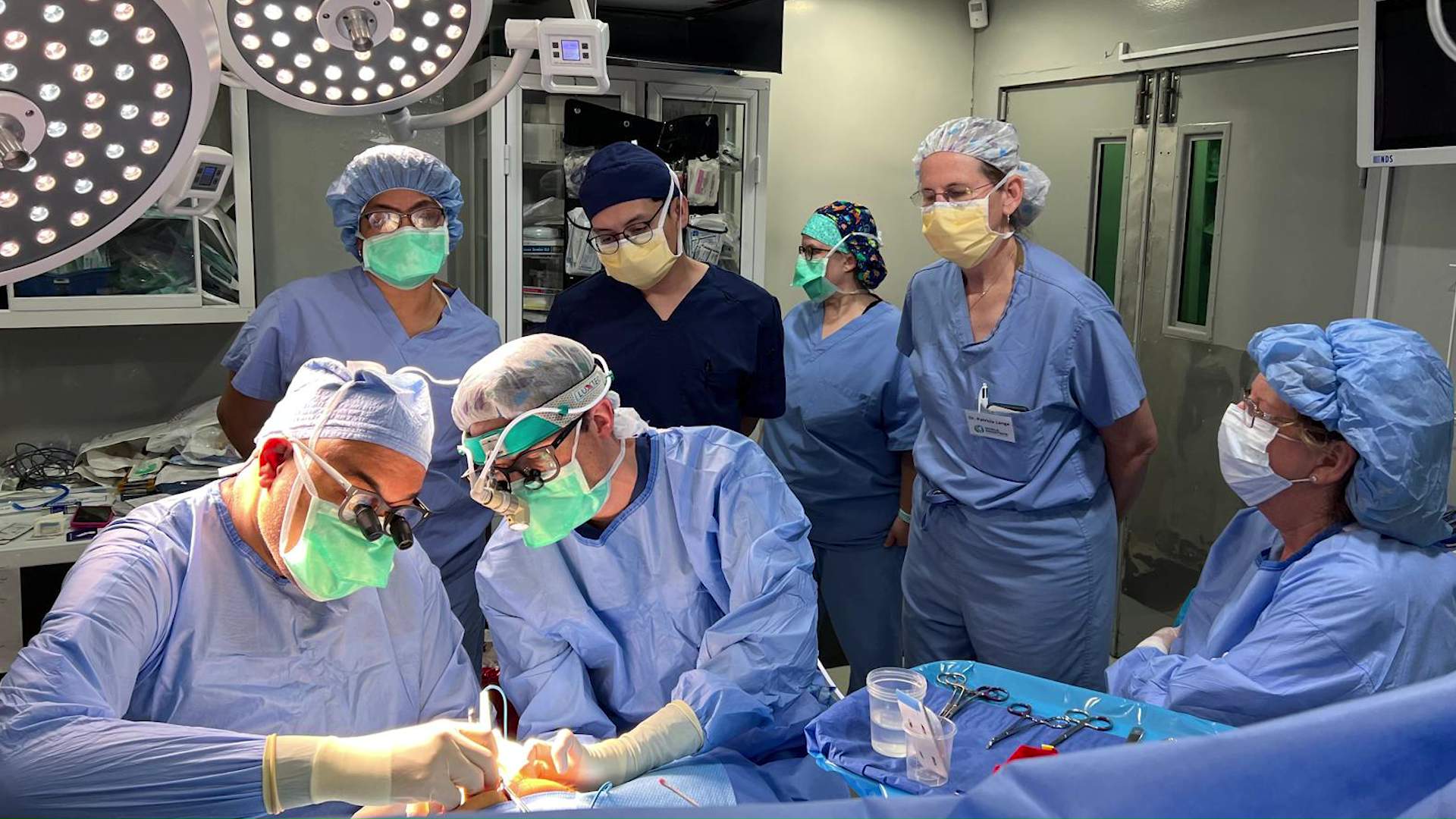
In a remarkable collaboration, World Pediatrics Belize and Belize Specialist Hospital have launched their annual Pediatric Surgery Mission, offering life-saving medical procedures to children who might otherwise lack access to such care. This year, the initiative screened approximately sixty young patients, with nearly half undergoing critical surgeries. The program, which focuses on complex pediatric cases, has become a beacon of hope for Belizean families grappling with the high costs of specialized healthcare. Tragically, the need for such initiatives was underscored by the recent deaths of two infants, Emiliano Flores and Victoria Olivares, whose families struggled to secure adequate medical treatment. World Pediatrics Belize, in partnership with local hospitals, is addressing these challenges by providing essential surgeries for conditions such as renal biopsies, bowel obstructions, gallstones, Hirschsprung disease, and gastroesophageal reflux. The Belize Specialist Hospital, operational since 2008, has significantly expanded its services over the past five years and is now hosting these surgeries. Additionally, the hospital is organizing a blood drive on October 25, open to all willing donors. Robson Moreira, CEO of Medical Services Corporation, highlighted the emotional impact of the initiative, noting that the partnership was initially planned for a single day but was extended to a week due to the overwhelming need. This mission exemplifies how global and local healthcare efforts can unite to transform lives and communities.
分类: health
-

OPINION: Mental Health is the New Economic Imperative
As the world observes Mental Health Awareness Month each October, the focus often remains on awareness rather than actionable change. However, mental well-being is not merely a health concern but a critical economic imperative. The mental wellness of a population directly influences a nation’s capacity for growth, innovation, and sustainable development. Without it, policies, investments, and technological advancements fall short of their potential. Globally, over one billion people live with mental health conditions, with depression and anxiety alone costing the world economy an estimated $1 trillion annually in lost productivity, according to the World Health Organization (WHO). The International Labour Organization (ILO) adds that 12 billion working days are lost each year due to mental distress, undermining productivity and economic stability worldwide. For small island developing states like Antigua and Barbuda, the impact is even more severe. These nations rely heavily on human capital, particularly in tourism, education, and service industries. When mental health falters, economies stall. The Organisation for Economic Co-operation and Development (OECD) estimates that in some countries, the cost of mental ill-health exceeds 4% of GDP, surpassing education budgets. This underscores that the mental health crisis is not just a moral issue but an economic emergency. Antigua and Barbuda is now at a pivotal moment. The government is set to introduce a groundbreaking Mental Health Bill, replacing the outdated Mental Treatment Act of 1957, which reflected an era of confinement and stigma rather than compassion and science. Developed with technical support from the Pan American Health Organization (PAHO), the new legislation aligns with international human rights standards, ensuring voluntary care, protecting against discrimination, and expanding access to mental health services. In September 2025, PAHO engaged government officials, healthcare professionals, and civil society in finalizing the bill, emphasizing a shift from institutional care to community-based, rights-oriented models. This reform is not just about health; it’s an economic strategy. Timely and dignified mental health care enables individuals to work, create, and contribute to national growth. Reducing stigma fosters inclusive and productive workplaces, while accessible care strengthens families and social systems. Antigua and Barbuda’s collaboration with PAHO through the Multi-Country Cooperation Strategy (MCCS) marks a critical shift in prioritizing mental health, equity, and primary-care integration. The nation also co-hosted the hemispheric event “Uniting the Americas for Mental Health: From Commitment to Action” during the OAS General Assembly, setting a regional agenda that positions mental wellness as central to sustainable development. The Caribbean’s unique challenges—economic uncertainty, climate-related disasters, and colonial trauma—make this reform especially urgent. The ILO warns that precarious work and job insecurity are leading psychosocial risk factors, with nearly half of Caribbean workers experiencing these conditions. However, evidence shows that investment in mental health yields remarkable returns: for every $1 invested, the WHO finds an average return of $2 or more in better health and productivity. Antigua and Barbuda’s reform serves as a model for small island states, aiming to modernize care, deinstitutionalize treatment, and strengthen community services. Effective implementation can enhance workforce participation, reduce dependency ratios, and foster innovation. However, the law alone is insufficient. Investment in human resources, data systems, and public education is crucial. Training more community health professionals, equipping primary care centers, and teaching emotional literacy in schools are essential steps. Currently, mental health spending in many low- and middle-income countries accounts for less than 2% of total health budgets, a figure Antigua and Barbuda must surpass to set a regional benchmark. Cultural change is equally vital. Normalizing conversations around mental wellness and prioritizing psychological safety in homes, schools, and workplaces fosters emotional resilience, enabling populations to respond to shocks and build sustainable livelihoods. Antigua and Barbuda’s mental health reform is both timely and transformative, demonstrating that mental health is not a cost but a catalyst for progress. As the nation prepares to adopt the new Mental Health Bill, it has the opportunity to lead by example, building a society where dignity, inclusion, and care are seen not as luxuries but as economic strategies. Ultimately, there can be no real development without well-being and no lasting prosperity without peace of mind.
-

Government pharmacies to shut down on October 17
The Ministry of Health, Wellness, and Elderly Affairs has announced a temporary closure of all government pharmacies on October 17 to allow staff to participate in a departmental training session. In an official press release, the ministry urged the public to plan ahead and refill their medications prior to the closure to prevent any disruptions in their healthcare routines. For urgent pharmaceutical needs during this period, individuals are advised to seek assistance at their nearest health facility. The ministry assured the public that normal pharmacy operations will resume on October 20, following the completion of the training. This initiative underscores the government’s commitment to enhancing the skills and efficiency of healthcare professionals, ensuring better service delivery in the long term.
-
AFD blijft partner in verbetering gezondheidszorg oosten land
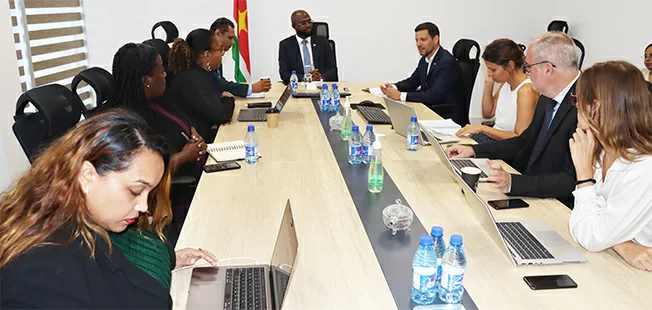
In a significant move to bolster healthcare services, Suriname’s Minister of Health, Welfare, and Labour, André Misiekaba, met with a delegation from the French Development Agency (AFD) on Monday. The discussions centered on evaluating the progress of the Marwina Regional Hospital in Albina and exploring further collaborative opportunities. The hospital, operational since 2017, has been pivotal in providing healthcare services in eastern Suriname and is now expanding its capabilities. Key attendees included Director Rakesh Gajadhar Sukul and Project Manager Grätl Petrisie-Blokland. The meeting highlighted persistent challenges such as a shortage of medical specialists and modern equipment, alongside the need for sustainable staffing policies. Minister Misiekaba proposed several recommendations for improvement, including the appointment of a pediatric dentist, expansion of the dialysis center, recruitment of doctors and specialists, and investments in transport facilities between Paramaribo and Albina. The AFD has been actively collaborating with Suriname on projects aimed at epidemic prevention and healthcare in border regions with French Guiana. These joint efforts are enhancing epidemiological control in these areas. The visit underscores the importance of continued cooperation and investment in healthcare to improve service quality, particularly in the country’s interior.
-
Puntacana Group partners with Ministry of Health to promote voluntary blood donation
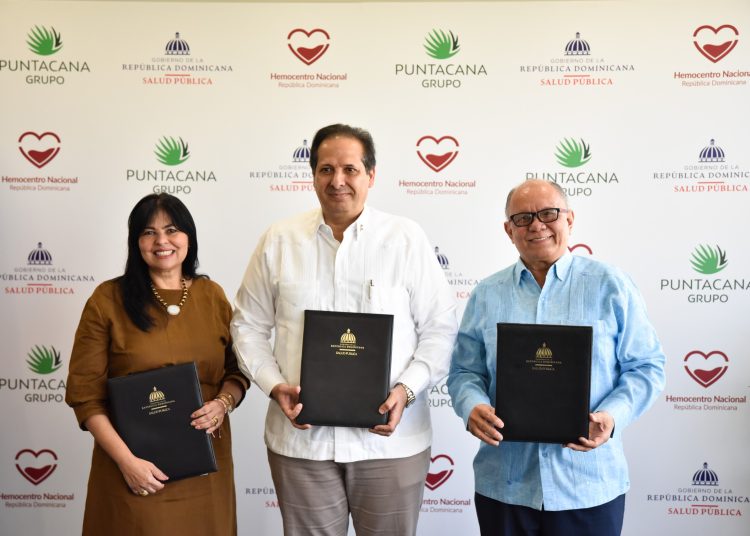
In a significant move to address critical healthcare needs, the Puntacana Group has joined forces with the Dominican Republic’s Ministry of Health and the National Blood Center to enhance voluntary blood donation efforts. This collaboration, formalized through a three-year agreement, aims to strengthen community outreach and improve access to blood donation services in the eastern region, home to over 1.3 million residents. The initiative will organize regular blood drives across Puntacana Group’s subsidiaries and affiliated companies, coupled with awareness campaigns to emphasize the importance of consistent and voluntary donations. Additionally, the program will upgrade donation facilities to ensure a seamless and positive experience for donors. Registered voluntary donors under the National Blood Center program will gain access to blood components for immediate family members, while Puntacana employees can activate this benefit in emergencies by providing a substitute donor. This partnership highlights the vital role of corporate social responsibility in fostering solidarity, saving lives, and promoting collective well-being in underserved areas.
-
Health ministry continues to improve vector-control programme
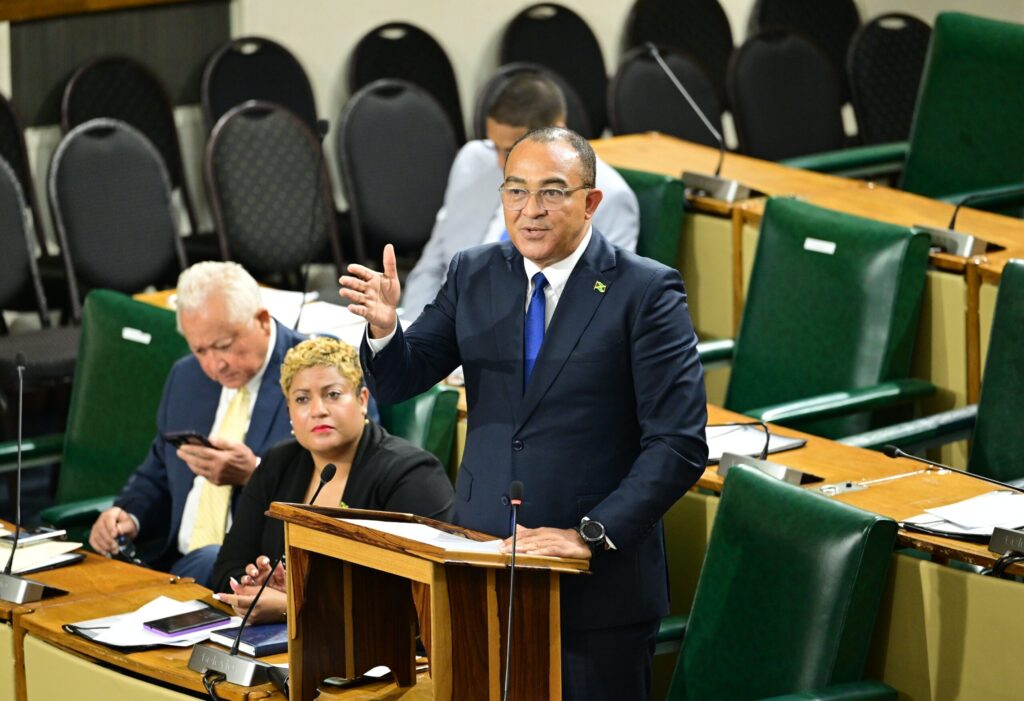
KINGSTON, Jamaica — The Ministry of Health and Wellness has significantly bolstered its vector-control initiatives in response to a surge in mosquito populations and the heightened risk of vector-borne diseases. Portfolio Minister Christopher Tufton provided a detailed update to the House of Representatives on October 15, outlining the government’s comprehensive strategy to combat the issue.
-

Engineers honour excellence at annual awards dinner
The newly inaugurated Geriatric Hospital at Waterford, St. Michael, has been crowned Project of the Year by the Barbados Association of Professional Engineers (BAPE) at its Annual Engineering Awards and Dinner. The accolade was accepted by Engineer Orson Alleyne on behalf of Steinbok Management Services Inc., the project management firm behind this groundbreaking healthcare facility. The hospital, celebrated for its innovative design, sustainable features, and compassionate care, stood out among notable contenders, including the Digital Innovation and Health Tech Hub at Newton and the Oceana Innovation Hub at Bay Street. Alleyne expressed profound gratitude, emphasizing that the award underscores the collective efforts of a multidisciplinary team comprising engineers, architects, environmental scientists, contractors, and client representatives. He highlighted the hospital’s unique integration of renewable energy, such as a 350-kilowatt photovoltaic system, a tertiary water reclamation plant, and environmentally responsive architecture, as a testament to engineering’s potential to drive social transformation. The project, a collaboration with design and technical partners like Archis Design Group, Spencer Thorne Consultants, and CO Williams Construction Ltd., was envisioned as more than just a building—it is a cornerstone for the future of healthcare in Barbados, designed to serve the nation’s most vulnerable citizens. Alleyne also extended thanks to Steinbok Management Services for their dedication and professionalism, as well as to the Barbados Tourism Investment Inc. and the Ministry of Health and Wellness for their leadership. The ceremony also honored Akeem Nurse with the BAPE President’s Award for revamping the organization’s website, while Karen Walkes and Richard Edghill were recognized as Fellows. Keith Best, a longstanding member of the Barbados National Standards Institute, was acknowledged as an honorary member. Outgoing President Sandra Mason, in one of her final acts as head of state, presented the awards and received a gift from the association as her tenure concludes.
-
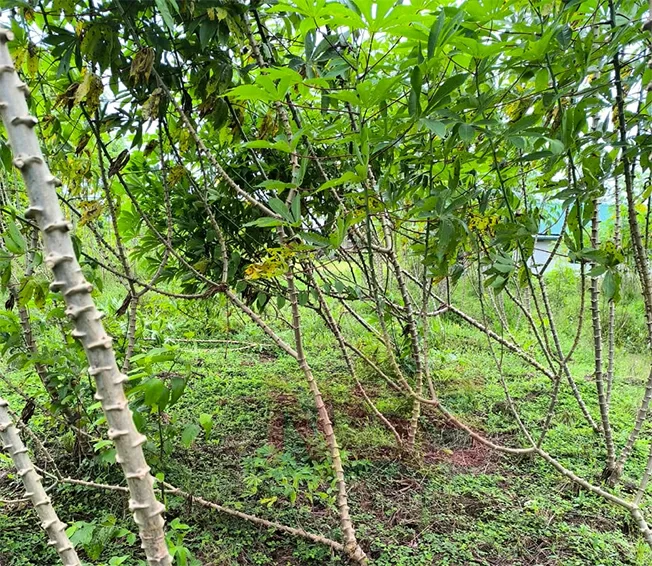
Nationale aanpak tegen nieuwe cassaveziekten
The Directorate of Agricultural Development Inland (DAOB), under the Ministry of Regional Development, has reported new cases of cassava diseases in several agricultural regions, including Marowijne, Brokopondo, and Sipaliwini. The diseases identified include Frog Skin Disease and a suspected new strain known as Witches’ Broom. These outbreaks are particularly concerning as cassava is a staple food and a vital income source for many farmers in both inland and coastal areas. Similar issues were reported last October, and neighboring regions like French Guiana and Brazilian states Amapá and Pará have also faced emergencies due to these diseases. To combat the spread, DAOB has initiated a collaborative effort involving the Ministry of Agriculture, Livestock, and Fisheries, CELOS, local cooperatives, farmer organizations, and international partners. The national strategy focuses on early detection, laboratory research, farmer surveys, education on disease prevention, and the protection of healthy cultivation zones. The approach aligns with the One Health framework, emphasizing the interconnectedness of human, animal, and environmental health. DAOB urges farmers and organizations to participate in ongoing research and surveys to develop a targeted action plan aimed at enhancing the resilience and sustainability of the cassava sector. The project is coordinated by Deputy Director Cyrano Asoiti under the leadership of Director Hermien Pavion. Suriname aims to mitigate the impact of plant diseases and secure agricultural production through this unified effort.
-
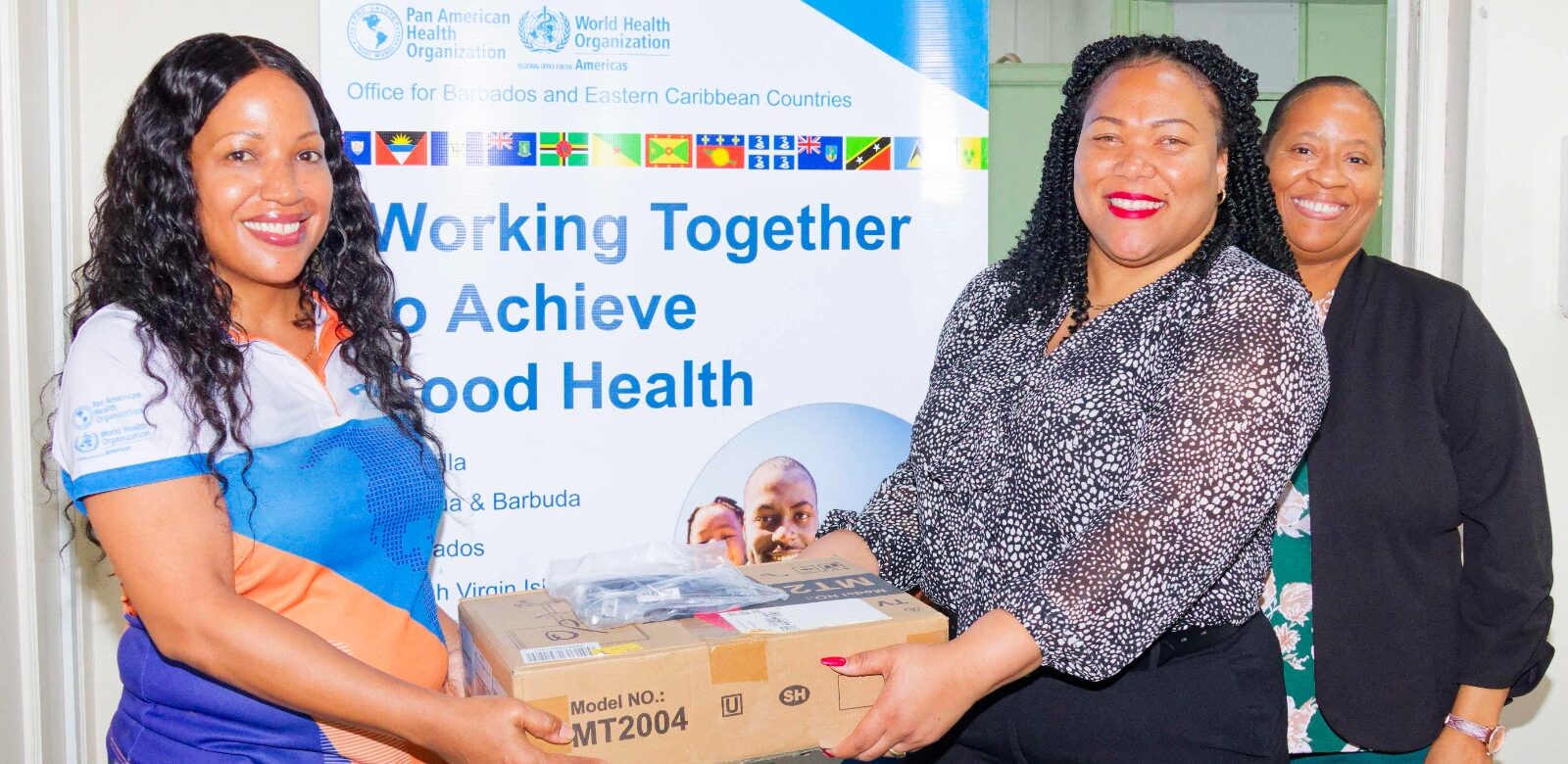
PAHO makes donation to bolster health education in Dominica
The Pan American Health Organization (PAHO) has made a significant contribution to Dominica’s Ministry of Health, Wellness, and Social Services (MOHWSS) by donating a 40-inch Vizio Smart TV and a mobile stand. This initiative, announced in a recent media release, aims to strengthen health education, raise public awareness, and support community outreach programs across the island. The donation highlights PAHO’s dedication to delivering essential health information directly to local communities.
The official handover ceremony occurred on October 8, 2025, with Nicole Slack-Liburd, PAHO Country Programme Specialist, presenting the equipment to Dr. Kyra Paul-L’Homme, Permanent Secretary of the MOHWSS. Mignon Rolle-Shillingford, Coordinator of the Health Promotion Unit, also attended the event. Slack-Liburd emphasized the importance of community-centered healthcare, stating, ‘A core principle of the primary healthcare approach is meeting people where they are.’ She added that the mobile stand ensures the device can be utilized not only in health facilities but also in various community locations.
The donation is expected to bolster the Ministry’s Expanded Programme on Immunization (EPI) and other public health initiatives. Additionally, PAHO continues to support Vaccination Week in the Americas (VWA) 2025 by distributing educational materials and extending vaccination service hours at the Fond Cole Health Centre and surrounding areas.
The new equipment will enable health professionals to display educational content, health messages, and awareness videos during outreach events, school visits, and health fairs, fostering improved health literacy and community engagement. Dr. Paul-L’Homme expressed gratitude for PAHO’s unwavering partnership, noting that the donation will significantly enhance the Ministry’s ability to deliver effective and accessible health education to all citizens.
PAHO’s collaboration with the Dominican government remains focused on creating healthier communities through innovative approaches, improved accessibility, and empowerment.
-

Mental Health Awareness Month: No one is exempt from mental health issues
October marks Mental Health Awareness Month, a time dedicated to fostering understanding and support for mental health issues. Clinical and organisational psychologist Kelly Mc Farlane underscores the significance of this observance, noting that mental health challenges can affect anyone, whether through stress, loss, or anxiety. These issues impact individuals, families, workplaces, and communities in both positive and negative ways. Mc Farlane emphasizes that understanding mental health is the first step toward protecting it, and global observances like World Mental Health Day on October 10 provide opportunities for collective reflection and practical change. This year’s theme, ‘Access to Services – Mental Health in Catastrophes and Emergencies,’ is particularly relevant in the Caribbean, where natural disasters and the COVID-19 pandemic have left lasting emotional scars. Mc Farlane highlights the need for increased awareness of available mental health resources, including public sector clinics and hospital mental health departments. She acknowledges that while stigma around mental health is decreasing, it remains a significant barrier to care. Social support, she notes, plays a crucial role in recovery, and she advocates for more campaigns and education to reduce stigma. Mc Farlane also points to encouraging trends, such as increased openness to mental health conversations among younger people and men. For those hesitant to seek help, she advises starting the conversation with someone they trust or a mental health professional. Dietitian Dana Chong adds that nutrition plays a vital role in mental health, with foods like green leafy vegetables, fatty fish, and walnuts boosting brain health. She warns against the negative effects of poor nutrition and processed foods, recommending a balanced diet rich in probiotics and prebiotics. Chong also stresses the importance of hydration and cautions against excessive caffeine and sugar intake. As Mental Health Awareness Month continues, both Mc Farlane and Chong urge individuals to prioritize their mental and physical well-being.