分类: health

  • Saint Kitts and Nevis Records Zero Maternal Deaths in 2026 Thus Far

    Saint Kitts and Nevis Records Zero Maternal Deaths in 2026 Thus Far

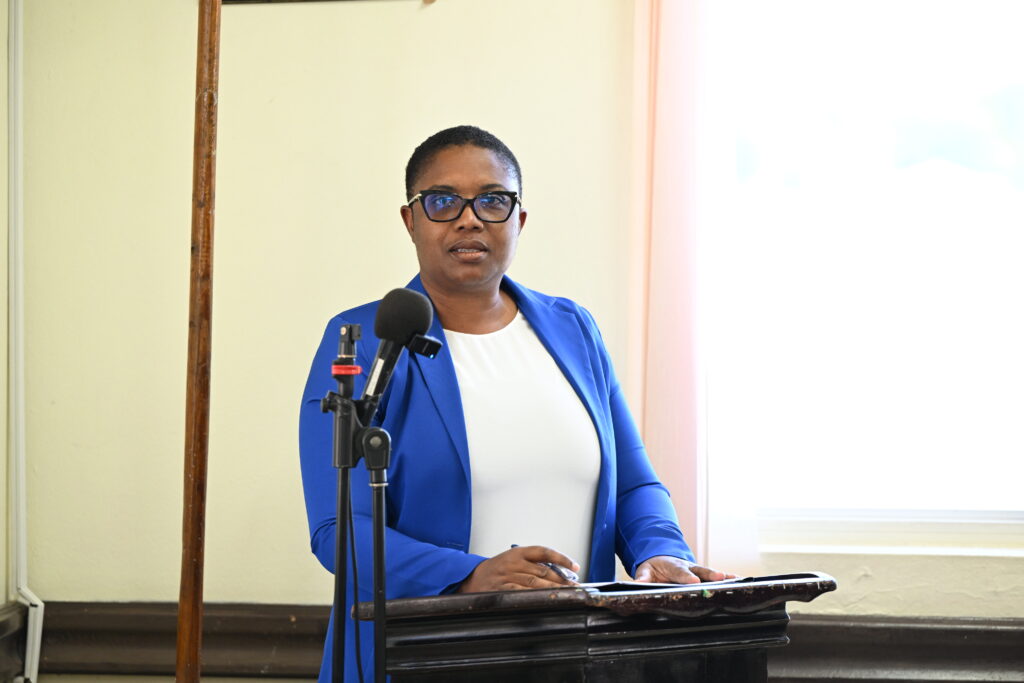
    The Federation of Saint Kitts and Nevis has achieved a remarkable public health milestone with zero maternal deaths recorded throughout the first six weeks of 2026. Prime Minister Hon. Dr. Terrance Drew, who also serves as Health Minister, announced this significant achievement on February 12th, characterizing it as a definitive indicator of the nation’s robust and responsive healthcare infrastructure.

    During his official address, Prime Minister Drew emphasized the profound significance of this accomplishment: ‘Not one pregnant woman who carried life within her has died.’ He elaborated that maternal mortality rates are universally recognized by global health organizations as a critical metric for evaluating the effectiveness of a nation’s healthcare system.

    The Prime Minister attributed this success to the exceptional dedication of medical professionals including physicians, nursing staff, midwives, and allied health workers. He further highlighted strategic governmental investments in enhanced maternal care services, comprehensive prevention initiatives, and substantial strengthening of public health systems as key contributing factors.

    Beyond celebrating this achievement, Dr. Drew urged citizens to embrace healthier lifestyle choices, noting that a healthcare system capable of protecting its most vulnerable populations—pregnant women—demonstrates exceptional strength and resilience.

    The current administration’s deliberate health strategy encompasses multiple components including declining overall mortality trends, expanded pediatric support through the Children’s Medical Fund, and significant infrastructure investments in healthcare facilities. The Prime Minister unequivocally stated that this progress results from intentional policy-making, strategic resource allocation, and the unwavering commitment of healthcare professionals rather than accidental circumstances.

  • US Radiologist donates mammogram equipment to General Hospital

    US Radiologist donates mammogram equipment to General Hospital

    In a transformative development for women’s healthcare, Grenada has achieved a medical milestone with the installation of its first mammogram equipment featuring integrated biopsy capability at the General Hospital. This advanced diagnostic technology was formally donated by prominent US radiologist Dr. Randy Becker, marking a significant upgrade to the nation’s public healthcare infrastructure.

    The donation addresses a critical health priority in Grenada, where breast cancer represents the predominant cause of cancer-related mortality among women. The sophisticated machinery promises to revolutionize early detection capabilities, enabling radiologists to conduct comprehensive breast examinations with real-time precision and manage complex diagnostic procedures more effectively.

    During the handover ceremony last Friday, Health Minister Hon. Philip Telesford characterized the acquisition as an historic achievement in the nation’s healthcare evolution. Minister Telesford emphasized the government’s unwavering commitment to rebuilding Grenada’s medical landscape with technology that directly addresses citizens’ most pressing health needs, noting this equipment exemplifies their vision for transformative healthcare delivery.

    Dr. Becker explained the clinical significance of the technology, highlighting its capacity to enhance diagnostic accuracy and streamline patient management. The initiative substantially improves accessibility to essential women’s health screening services, representing a major advancement in preventive healthcare for Grenadian women.

    The Ministry of Health has endorsed this development as a cornerstone in its ongoing efforts to modernize medical services and reduce breast cancer mortality through early intervention and state-of-the-art diagnostic capabilities.

  • Dominica increases lab capacity under the Pandemic Preparedness Initiative

    Dominica increases lab capacity under the Pandemic Preparedness Initiative

    In a significant boost to regional health security, six Eastern Caribbean nations have received state-of-the-art laboratory equipment valued at approximately $85,000 through a multi-organizational partnership. The donation, formally handed over to Dominica’s National Laboratory, represents a critical component of the regional initiative “Strengthening Prevention, Preparedness and Response to Emerging Health Threats in the Eastern Caribbean.”

    The collaborative effort involves Antigua and Barbuda, Dominica, Grenada, Saint Lucia, St. Kitts and Nevis, and St. Vincent and the Grenadines, with support from the Pan American Health Organization/World Health Organization (PAHO/WHO), the Food and Agriculture Organization (FAO), and the World Bank. Funding was provided through the Pandemic Fund, established in 2022 specifically to enhance pandemic preparedness in low- and middle-income countries, with additional backing from the Fleming Fund.

    At the heart of the donation is the VITEK 2 compact system—a sophisticated microbiological instrument described by Senior Laboratory Technologist Craig Henry as a “nuclear weapon” in the fight against antimicrobial resistance (AMR). The comprehensive equipment package also includes a vertical freezer, PCR consumables, pipette kits, a microcentrifuge, and various specialized laboratory supplies designed to significantly elevate diagnostic capabilities across the region.

    Henry emphasized the transformative impact of the new technology: “The laboratory can now routinely identify organisms to species level, and for the first time, fungal susceptibility is done routinely. This means clinicians can receive antibiotic treatment options more quickly, greatly enhancing patient outcomes.”

    The equipment’s integrated patient data management system and ability to generate antibiograms will further strengthen antimicrobial stewardship efforts at the Dominica China Friendship Hospital and nationwide. The timing coincides with high-level discussions under the Pandemic Fund, including a recent February 5 meeting between PAHO/WHO, health ministry officials, and development partners.

    Dr. Amalia Del Riego, PAHO/WHO Representative for Barbados and the Eastern Caribbean, highlighted the strategic importance of the initiative: “This launch marks a major milestone for the Eastern Caribbean region. By embracing a One Health approach and reinforcing our systems together, we are building a future where countries can detect, respond to, and prevent emerging threats more effectively.”

    The project adopts the One Health framework, recognizing the interconnectedness of human, animal, and environmental health. For Dominica and its regional partners, this equipment donation represents a substantial advancement in national health security infrastructure, better positioning the region to prevent, detect, and respond swiftly to future public health emergencies.

  • Dominica ratifies PAHO/WHO Multi-Country Cooperation Strategy 2026–203, prioritizing regional cooperation in healthcare

    Dominica ratifies PAHO/WHO Multi-Country Cooperation Strategy 2026–203, prioritizing regional cooperation in healthcare

    In a significant advancement for regional public health, the Commonwealth of Dominica has formally endorsed the Pan American Health Organization/World Health Organization’s (PAHO/WHO) Multi-Country Cooperation Strategy (MCCS) for the period 2026–2031. This ratification positions Dominica alongside fellow Eastern Caribbean states in a unified effort to reinforce healthcare infrastructures through a framework built on solidarity, equity, and resilience.

    The comprehensive strategy, designed to serve Antigua and Barbuda, Barbados, Dominica, Grenada, Saint Kitts and Nevis, Saint Lucia, and Saint Vincent and the Grenadines, functions as a medium-term roadmap for health promotion and sustainable development. Its formulation followed extensive dialogues with member states, regional bodies, development allies, and civil society organizations, crystallizing a shared vision to confront emerging health crises while championing inclusive and equitable healthcare.

    Dr. Kyra Paul L’Homme, Permanent Secretary at Dominica’s Ministry of Health, Wellness and Social Services, emphasized the strategy’s critical importance during the official signing ceremony. She outlined that the MCCS will catalyze the strengthening of Dominica’s health system via several key pillars: bolstering primary healthcare, enhancing emergency readiness, expanding the health workforce, driving digital transformation, and intensifying the fight against both communicable and noncommunicable diseases (NCDs). Dr. L’Homme highlighted the strategy’s role in fortifying national resilience and ensuring equitable access to quality health services amidst a volatile global landscape marked by supply chain disruptions and health security threats.

    This collaborative initiative is particularly vital for the Caribbean, a region navigating a complex health environment. Challenges include a high prevalence of NCDs, persistent infectious disease risks, and the escalating impacts of climate change and natural disasters. Health systems are further strained by workforce shortages and financial constraints, which often result in significant out-of-pocket costs for patients.

    In response, Eastern Caribbean governments are pursuing reforms focused on reinforcing primary care, advancing national health insurance, integrating health information systems, and investing in climate-resilient infrastructure. Dominica is already realizing benefits from PAHO’s Smart Hospitals Initiative, with completed upgrades to facilities in LaPlaine, Grand Bay, and Portsmouth, and future projects planned for Mahaut and Wesley.

    Grounded in the core principles of equity, resilience, and sustainability, the MCCS will utilize established regional platforms like the Organisation of Eastern Caribbean States (OECS) and CARICOM to foster cooperation. The Government of Dominica has expressed its commitment to ongoing collaboration with PAHO/WHO and regional partners to transform this strategic blueprint into actionable measures, aiming to achieve substantial health improvements for its citizens and the wider Eastern Caribbean community.

  • Condom purchases fall by 30%; promotion campaigns drop by up to 50%

    Condom purchases fall by 30%; promotion campaigns drop by up to 50%

    KINGSTON, Jamaica — A critical shortage in funding and condom accessibility is jeopardizing decades of progress in combating HIV and sexually transmitted infections worldwide, according to alarming new data. The Joint United Nations Programme on HIV/AIDS (UNAIDS) Global AIDS Update 2025 reveals that international condom procurement plummeted by approximately 30% between 2016-2022 compared to the 2010-2016 period.

    Concurrently, condom promotion initiatives in low and middle-income nations have collapsed by nearly 50% since 2010, severely undermining both availability and educational outreach in vulnerable communities. This disturbing trend emerges as the AIDS Healthcare Foundation (AHF) prepares to observe International Condom Day on February 13, with urgent appeals for governments to guarantee widespread condom distribution and for individuals to practice correct usage.

    In Jamaica, where approximately 28,000 citizens live with HIV, condom access remains fundamental to prevention strategies. Despite achieving a 35% reduction in new infections since 2010 and eliminating mother-to-child transmission of HIV and syphilis in 2024, the nation confronts persistent challenges including stigma, discrimination, and high adolescent sexual activity rates.

    The Caribbean and Latin American region faces particularly severe consequences, with HIV infections surging by 13% between 2010-2024. Young people aged 15-24 account for over one-quarter of new infections, reflecting the devastating impact of neglected prevention measures. Between 2020-2022 alone, cases among adults aged 15-49 in the Americas region skyrocketed by more than 30%, according to Pan American Health Organization (PAHO) data.

    With a third of Latin America and Caribbean residents living below the poverty line—a figure that rises to nearly 50% among youth—the AHF emphasizes the imperative for free, stigma-free condom availability in public health centers and entertainment venues. Health experts stress that sustaining HIV progress doesn’t require new technologies but rather policy decisions ensuring affordable access to those most in need.

    Dr. Patricia Campos, AHF Bureau Director for Latin America and the Caribbean, warned: ‘Rising STI rates, particularly syphilis, demonstrate that prevention systems are failing. Condoms remain effective, accessible protection tools, but unequal access and persistent stigma create dangerous barriers. Governments must treat condoms as public health necessities rather than personal luxuries.’

  • Cuban scientists continue to deliver good news

    Cuban scientists continue to deliver good news

    In a significant scientific gathering at Havana’s Palace of the Revolution, Cuban President Miguel Díaz-Canel Bermúdez convened with the nation’s leading health experts to review groundbreaking progress in pneumococcal vaccine development. The meeting revealed extraordinary outcomes from Cuba’s vaccination initiatives, particularly noting that incidence rates among children aged one to four years have plummeted to zero since 2019.

    Dagmar García Rivera, Deputy Director of Research and Development at the Finlay Institute of Vaccines (IFV), presented compelling data demonstrating how Streptococcus pneumoniae remains the primary cause of bacterial infectious diseases in children under five globally. Despite existing vaccination programs, millions continue to die from pneumonia and related complications worldwide.

    The Cuban scientific team has developed an innovative approach to multivalent vaccines targeting multiple pneumococcal serotypes. Their research has produced a 7-serotype vaccine, an advanced 11-serotype candidate currently in clinical trials, and a pioneering 16-serotype vaccine in preclinical development.

    Dr. Yury Valdés Balbín, Director General of IFV, emphasized the unique capacity of Cuba’s healthcare system to conduct sophisticated clinical trials within primary care settings rather than hospitals. “Only a political system like ours has the capacity to coordinate all stakeholders,” Balbín stated, acknowledging the efforts of healthcare workers across Havana, Cienfuegos, and Santiago de Cuba.

    The most compelling evidence came from Project Leader María Eugenia Toledo Romaní, who revealed that after vaccinating over 90% of children aged 1-5 in Cienfuegos province, invasive disease rates dropped from 3.1-9.1 per 10,000 children to absolute zero. Notably, all pneumococcal cases occurring after 2019 were exclusively among unvaccinated children.

    The data further demonstrated that unvaccinated children face 3.48 times greater risk of ICU admission for severe pneumonia compared to vaccinated children. Vicente Vérez Bencomo, President of Finlay Vaccines S.A., concluded that despite these achievements, Cuban science continues to pursue technological leaps beyond even their 16-serotype vaccine, maintaining Fidel Castro’s principle: “We have to compete with the best.”

  • PAHO denies claims of new HIV epidemic in the Dominican Republic

    PAHO denies claims of new HIV epidemic in the Dominican Republic

    SANTO DOMINGO – The Pan American Health Organization (PAHO) has moved to correct widespread misinformation circulating on social media and in certain local media outlets, explicitly stating that it has not declared a new HIV epidemic in the Dominican Republic.

    From an epidemiological standpoint, PAHO provided a detailed clarification, noting that HIV has been globally categorized as a persistent epidemic for over forty years, a status that inherently includes the Dominican Republic. This long-standing classification is founded on the disease’s extensive scale, its enduring presence across decades, and its continual transmission, especially within key demographic groups and vulnerable communities. The organization underscored that this designation is not indicative of a novel announcement or a recent public health alert.

    Throughout the Americas region, substantial advancements have been achieved in the battle against HIV, yet considerable obstacles persist. Current estimates from UNAIDS for 2024 indicate around 170,000 new HIV infections and 38,000 fatalities related to AIDS across the region.

    Within the Dominican Republic, national health authorities are persistently enhancing their comprehensive strategies for HIV prevention, patient care, and epidemic control. These initiatives are focused on broadening diagnostic capabilities, ensuring improved access to antiretroviral therapy, curbing the rate of new infections, and achieving higher rates of viral suppression among those living with the virus.

    Reiterating its dedication to the cause, PAHO confirmed its ongoing support for the country’s health officials, championing methodologies that are rooted in robust scientific evidence, the principles of human rights, and the goal of universal access to high-quality healthcare services. The organization also issued an appeal to both the general public and media personnel to consult and disseminate information solely from official, verified sources to guarantee precision in reporting on HIV and other critical public health matters.

  • Ministry of Health investigates tuberculosis cases

    Ministry of Health investigates tuberculosis cases

    Health authorities in Grenada have launched a comprehensive investigation into multiple tuberculosis cases, with particular concern over pediatric infections. The Caribbean nation, which typically records just 2-3 annual TB cases, has already confirmed three active infections this year, signaling a potential public health anomaly.

    Medical officials confirm all diagnosed patients are currently in isolation receiving specialized antibiotic treatment. Tuberculosis, a chronic bacterial infection primarily targeting the lungs, transmits through airborne respiratory droplets when infected individuals cough or sneeze. Transmission typically requires prolonged close contact, making household and close community interactions particularly significant for disease spread.

    The Ministry of Health emphasizes the critical distinction between latent and active TB infections. Latent TB infection (LTBI) occurs when bacteria remain dormant without causing symptoms or contagiousness. Active disease emerges when compromised immune systems—often due to other illnesses or malnutrition—allow bacterial multiplication. Symptomatic active TB manifests through persistent productive cough, fever, fatigue, and unexplained weight loss.

    Standard treatment involves a six-month antibiotic regimen that achieves full cure when completed. Left untreated, tuberculosis can prove fatal. The ministry’s protocol mandates thorough contact tracing for every diagnosed case, with exposed individuals receiving testing and preventive treatment for latent infections to dramatically reduce activation risks.

    Health officials are urging full public cooperation with contact investigations as they work to contain transmission. The ministry’s response highlights the ongoing challenges of managing communicable diseases in small population centers, where each case represents a significant epidemiological event.

  • Health official renews call for Jamaicans to get early screening for cancers

    Health official renews call for Jamaicans to get early screening for cancers

    KINGSTON, Jamaica – Dr. Carol Hamilton, Assistant Medical Officer of Health for St. Elizabeth parish, has reinforced the critical importance of early cancer detection during a World Cancer Day observance at the Southfield Health Centre on February 4. Emphasizing that timely screening significantly increases survival rates, Dr. Hamilton urged citizens to utilize Jamaica’s public health resources for preventive care.

    The event, held under this year’s global theme “United by Unique,” provided attendees with comprehensive education on cancer prevention, varieties of cancers, and screening protocols. Participants received free health services such as pap smears, mammogram referrals, dental check-ups, prostate-specific antigen (PSA) tests, digital rectal examinations, and blood pressure and glucose screenings.

    Presentations covered prostate, breast, cervical, and oral cancers, as well as the roles of nutrition and physical activity in cancer risk reduction. Dr. Hamilton highlighted that cervical cancer remains the second most fatal cancer among Jamaican women, primarily caused by the Human Papillomavirus (HPV). She strongly advocated for HPV vaccination, available free of charge to boys aged 9–14 and girls aged 9–26 within the public health system.

    Dr. Hamilton underscored that screenings should begin before symptoms emerge to maximize treatment efficacy and improve health outcomes. The event served as both an educational platform and a practical health service opportunity, aligning with worldwide efforts to reduce cancer mortality through awareness and proactive healthcare.

  • Fruits and vegetables are non-negotiable for children

    Fruits and vegetables are non-negotiable for children

    The Grenada Food and Nutrition Council (GFNC) has issued comprehensive guidance addressing the widespread challenge of children’s resistance to consuming fruits and vegetables. Recognizing that nutritional needs extend beyond protein to essential vitamins, minerals, and protective compounds, the council emphasizes that these food groups must remain dietary staples despite common rejection behaviors.

    Scientific research reveals that children’s aversion typically stems from multiple factors including flavor sensitivity, neophobia (fear of new foods), limited exposure, and texture discomfort. The council acknowledges these challenges while maintaining that except for medically confirmed allergies, elimination of fruits and vegetables from children’s diets is nutritionally unacceptable.

    The GFNC outlines evidence-based strategies for overcoming these barriers:

    1. **Flavor Adaptation**: Studies published in the Journal of the American Dietetic Association demonstrate that pairing vegetables with familiar flavors significantly increases acceptance. Research involving 152 preschool children revealed that serving broccoli with dipping sauce over a 7-week period resulted in 80% consumption without complaint. This approach can be adapted using local produce combinations like eggplant with tomatoes or callaloo with pumpkin.

    2. **Parental Modeling**: Children’s eating behaviors are profoundly influenced by observation. Research in Public Health Nutrition indicates that children consume more fruits and vegetables when parents consistently eat them, provide them as snacks, and maintain home availability. Parental consumption normalizes these foods and establishes them as regular dietary components.

    3. **Texture Modification**: For children sensitive to specific textures, the council recommends culinary creativity through grating, blending, or incorporating vegetables into familiar dishes. Studies on optimal exposure frequency indicate that varied preparation methods significantly enhance acceptance rates.

    The council provides crucial guidance on distinguishing between preference and allergy, detailing symptoms that warrant medical consultation including oral itching, skin reactions, swelling, and severe anaphylaxis. Only medically confirmed allergies justify elimination of specific fruits or vegetables.

    The GFNC positions consistent fruit and vegetable consumption as fundamental to healthy development and lifelong nutritional habits, urging parents to implement these strategies with patience and persistence.