分类: health

  • OECS Commission joins Brenda Stafford Foundation to launch regional eye health initiative

    OECS Commission joins Brenda Stafford Foundation to launch regional eye health initiative

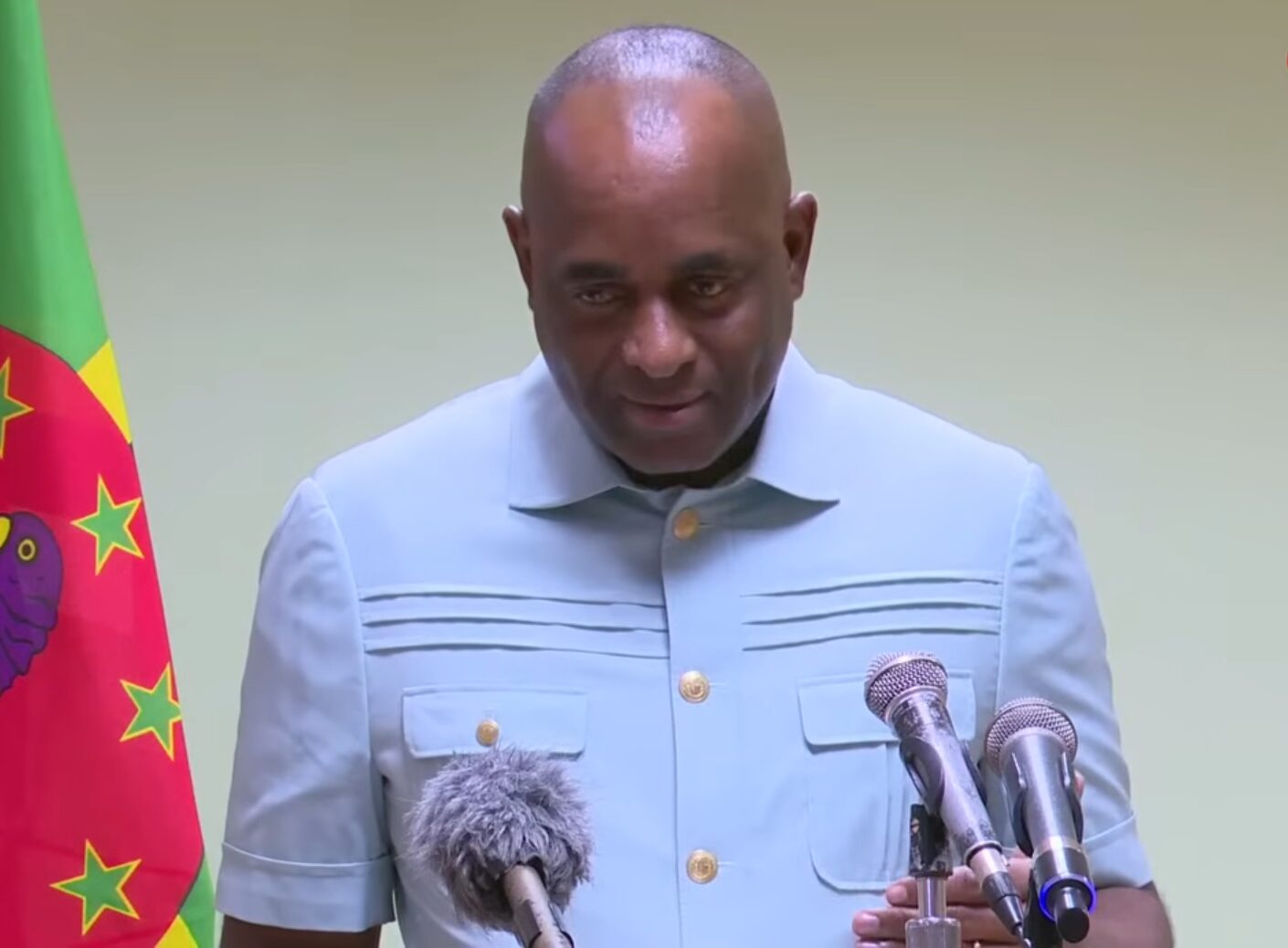
    On October 23, 2025, the Organization of Eastern Caribbean States (OECS) Commission, in collaboration with the Brenda Strafford Foundation (BSF) and the International Agency for the Prevention of Blindness, unveiled the Regional Eye Health Strategic Plan Initiative during the 11th Council of Ministers: Health meeting. This landmark initiative, sponsored by the BSF, aims to address critical eye care needs across the Caribbean by establishing Centers of Excellence in healthcare, as directed by OECS Heads of Government. The project seeks to overcome resource limitations, enhance access, and promote equity in health services across member nations. A comprehensive assessment conducted by the OECS Commission, with support from the BSF, identified prevalent eye conditions, vulnerable populations, and priority areas for intervention. Drawing inspiration from the World Health Organization’s “Eye Care in Health Systems: Guide for Action,” the initiative will develop an evidence-based strategy aligned with regional and national health priorities. By leveraging detailed epidemiological data, the plan aims to optimize resource allocation and improve health outcomes across the Caribbean. Honourable Philip Telesford, Grenada’s Minister of Health and incoming Chair of the OECS PPS Board, endorsed the project, describing it as a “blueprint for action” that fosters equity and shifts towards a unified, patient-centered approach. Mrs. Sisera Simon, Head of the Human and Social Division at the OECS Commission, emphasized the initiative’s role in strengthening long-term health resilience, calling it a roadmap for measurable goals and collaborative action. Mr. Tony Weeks, President and CEO of the BSF, highlighted the partnership’s four-decade commitment to eye health, noting the region’s determination to eliminate preventable blindness. The initiative aligns with Sustainable Development Goal 3 and OECS Strategic Priority 5, promoting equity and inclusion. Its findings will be presented at the 2026 Global Summit for Eye Health in Antigua and Barbuda.

  • Parottee residents plead for mental health support

    Parottee residents plead for mental health support

    In the wake of Hurricane Melissa, which devastated the southwestern region of Jamaica on October 28, residents of Parottee in St Elizabeth are urgently seeking mental health assistance for their community. The category five storm has left not only physical destruction but also deep emotional scars among the populace. Petulia Evans, a local resident, shared her distress, noting the loss of personal belongings and the onset of physical symptoms like hypertension and dizziness. She also observed that many neighbors are visibly traumatized, with some losing weight and others talking to themselves due to the stress and grief. Fisherman Ronnie Bennett highlighted the severe impact on mental health, emphasizing that while relief efforts have provided essential supplies like food and water, psychological support remains critically lacking. Bennett himself suffered significant losses, including his boat and home, which were destroyed by the storm surge. Health authorities have acknowledged the long-term psychological effects of the disaster. Dr. Christopher Tufton, Minister of Health and Wellness, has announced plans to deploy field officers to identify communities in need of psychosocial support, in collaboration with the Pan American Health Organization. Additionally, the Jamaica Psychiatric Association and the Jamaica Psychological Society are mobilizing volunteers to assist in the hardest-hit areas. Dr. Saphire Longmore, a consultant psychiatrist, explained that many Jamaicans are experiencing grief over various losses, including homes, livelihoods, and a sense of security. She described the natural stages of grief that individuals may go through, emphasizing the need for comprehensive mental health support to help the community recover.

  • Daily pill helps people lose 10% of weight in 18 months — study

    Daily pill helps people lose 10% of weight in 18 months — study

    A groundbreaking study published in The Lancet reveals that a new oral weight loss medication, orforglipron, developed by Eli Lilly, could revolutionize obesity treatment. Unlike current injectable GLP-1 agonists such as Ozempic and Mounjaro, this daily pill offers a more convenient and cost-effective alternative. The study, involving over 1,500 adults across 10 countries with obesity and type 2 diabetes, demonstrated that participants taking the highest dose of 36 milligrams lost approximately 10% of their body weight over 72 weeks, compared to just 2% in the placebo group. This aligns with earlier findings showing similar weight loss in non-diabetic individuals. However, the pill’s efficacy still falls short of the 22% weight loss achieved with injectable Mounjaro. Common side effects included nausea, vomiting, constipation, and diarrhea, particularly at higher doses. Lead author Deborah Horn of UTHealth Houston emphasized the potential of this oral medication, which could be available by 2026 at a significantly reduced cost. Injectable GLP-1s currently cost over $1,000 monthly in the U.S., prompting calls for affordable generic versions in low-income countries. Obesity-related illnesses claimed over 3.7 million lives globally in 2021, surpassing deaths from malaria, tuberculosis, and HIV combined. GLP-1 drugs, initially developed for diabetes, are now being explored for their potential to address a broader range of health issues, including heart disease and addiction.

  • Gov’t intensifying support for pregnant and lactating women to safeguard mothers and newborns

    Gov’t intensifying support for pregnant and lactating women to safeguard mothers and newborns

    The Jamaican Government is ramping up its initiatives to bolster maternal and child health, ensuring that pregnant and lactating women receive comprehensive care, essential supplies, and vital guidance for safe pregnancies and the healthy development of newborns. Krystal Lee, State Minister in the Ministry of Health and Wellness, announced these efforts during a handover ceremony for WaterStep Bleach Makers at the Office of Disaster Preparedness and Emergency Management (ODPEM) headquarters in New Kingston on Tuesday.

  • Cuba battles virus outbreak despite shortages of food, medicine

    Cuba battles virus outbreak despite shortages of food, medicine

    Cuba is currently grappling with a severe outbreak of the chikungunya virus, compounded by an unprecedented economic crisis that has led to shortages of essential resources such as clean water, food, fuel, and medicine. The viral disease, which causes debilitating fever and joint pain, has spread across all 15 provinces of the island nation, affecting millions of residents. Elderly citizens like 81-year-old Pilar Alcantara are particularly vulnerable, with many left to endure the illness without access to basic medical care. The situation is exacerbated by concurrent outbreaks of other mosquito-borne diseases, including dengue, Zika, Oropouche, and yellow fever. Francisco Duran, head of epidemiology at Cuba’s public health ministry, reported that over 47,000 cases of chikungunya were diagnosed in a single week, doubling the previous week’s figures. The economic crisis, worsened by U.S. sanctions and the collapse of the tourism sector during the COVID-19 pandemic, has crippled the country’s healthcare system and mosquito control programs. In Havana’s Jesus Maria neighborhood, garbage piles up on the streets due to fuel shortages, while the eastern regions, recently devastated by Hurricane Melissa, face even more dire conditions. Despite Cuba’s historical expertise in medical and pharmaceutical fields, the current outbreak has spiraled out of control due to poor hygiene, accumulated waste, and inadequate water storage practices. As of Thursday, 20 Cubans were reported to be in critical condition due to chikungunya.

  • Movember: Unmasking the silence for men

    Movember: Unmasking the silence for men

    In a powerful call to action, Dr. Margaret Nakhid-Chatoor, a psychologist and educator, addresses the silent struggles of men in Trinidad and Tobago and beyond. For generations, men have been conditioned to ‘man up,’ to shoulder familial responsibilities, and to mask their vulnerabilities. This societal expectation, while intended to foster resilience, has instead perpetuated a culture of silence, leaving many men to grapple with mental health issues alone.

    Movember, an initiative that began in Australia in 2003, serves as a catalyst for change. What started as a playful act of growing moustaches in November has evolved into a global movement aimed at transforming men’s health. The moustache is more than a symbol; it’s a conversation starter, a way to break the silence surrounding prostate cancer, testicular cancer, mental health, and suicide prevention. When someone asks, ‘Why the moustache?’, it opens the door to discussions about health, struggles, and the weight of unspoken pain.

    In Trinidad and Tobago, the pressure to remain stoic in the face of unemployment, relationship breakdowns, and loneliness has driven many men to the brink of despair. Rising male suicide rates underscore the urgent need for open dialogue. One young man shared his harrowing experience with anxiety and depression, describing it as a ‘demon inside his head.’ His story is not unique; it reflects the silent battles countless men face daily.

    Dr. Nakhid-Chatoor emphasizes that true strength lies not in enduring suffering in silence but in the courage to seek help. ‘Strength is about how much courage it takes to let go of the mask you put on and say, ‘I need help,’’ she writes. Acknowledging pain and vulnerability is not a sign of weakness but an act of bravery. Informal, peer-led spaces, such as gatherings with friends, can be more effective than clinical settings in fostering connection and support.

    The message is clear: no one should fight their battles alone. Movember serves as a reminder that every life matters, every voice deserves to be heard, and every pain deserves acknowledgment. Reaching out to men means meeting them where they are—whether in social settings, on the field, or in faith spaces—and reframing mental health as a source of strength and resilience. Simple practices like deep breathing, meditation, and grounding exercises can help manage anxiety and stress, making mental fitness a more acceptable concept.

    Dr. Nakhid-Chatoor concludes with a heartfelt plea: ‘The mask of silence has cost too many lives. It’s time to unmask. Take care.’

  • Nieuw informatiesysteem versterkt Surinames bewaking van diergezondheid

    Nieuw informatiesysteem versterkt Surinames bewaking van diergezondheid

    Suriname has taken a significant leap forward in animal disease monitoring and control with the development of a state-of-the-art Information System on Animal Health. This initiative, supported by Chilean expert José Ignacio Gomez, a specialist in surveillance systems, aims to significantly enhance the nation’s ability to track and manage animal diseases. A dedicated team from the Directorate of Livestock has recently completed training in data analysis, epidemiological assessment, and disease management, equipping them with the necessary expertise to operate the new system effectively. Dr. Gomez highlighted the team’s transformation from novices to experts, stating, ‘The surveillance team had no prior experience but is now fully proficient.’

    A robust surveillance program is critical for any country, not only facilitating cross-border trade in animal products but also safeguarding the economy. The outbreak of animal diseases can lead to skyrocketing food prices and substantial economic losses, making early detection and expert intervention essential. The urgency to remain vigilant has grown as exotic animal diseases edge closer to Suriname. Three severe diseases—Avian Influenza in poultry, African Swine Fever in pigs, and Foot and Mouth Disease in cattle—are already present in various Caribbean, South, and Central American countries. In response, Dr. Gomez and the surveillance team have developed a national emergency plan to address potential outbreaks swiftly.

    Additionally, the team has crafted a comprehensive preparedness plan for critical animal diseases. The implementation of the new animal health and disease surveillance information system marks a significant milestone, with Dr. Gomez noting that only a few well-developed countries possess similar systems. ‘The system is implemented, operational, and user-friendly,’ he emphasized. The platform can be updated anytime, from any location, and is accessible exclusively to authorized users.

    With these advancements, Suriname is leading the Caribbean region in modern animal disease surveillance, bolstering its readiness to combat potential outbreaks effectively.

  • A Baby’s Fight to Survive, Celebrating World Prematurity Day

    A Baby’s Fight to Survive, Celebrating World Prematurity Day

    On November 17, 2025, the Karl Heusner Memorial Hospital’s Neonatal Intensive Care Unit (NICU) was adorned in purple to mark World Prematurity Day, a global observance honoring the strength of premature infants and their families. The event highlighted the remarkable journeys of babies who have overcome immense challenges, showcasing their resilience and the unwavering support of healthcare professionals. Among the stories shared was that of Jonathan Villanueva, who, two years ago, weighed just 1.5 pounds when born at six months. His father, Jonathan Villanueva Sr., recounted the harrowing experience of watching his son fight for survival in the NICU. Despite ongoing health complications, Jonathan’s progress has been a source of inspiration for his family. The hospital’s dedicated staff, particularly the NICU nurses, played a pivotal role in his recovery. Rocio Brown, a NICU nurse, emphasized the comprehensive care provided to these vulnerable infants, from monitoring vital signs to ensuring their gradual transition off ventilators. Another story of triumph was that of eight-month-old Avyannah Slusher, who spent a month in the NICU. Her mother, Nia Thompson, expressed profound gratitude for the hospital’s compassionate care. The NICU operates on three levels, with Level 3 catering to the most critical cases. Nurse Brown described the emotional reward of seeing babies thrive and return home. Currently, 17 infants remain in the NICU, each fighting for a chance at a future. World Prematurity Day serves as a reminder of the importance of specialized care and the resilience of these tiny warriors.

  • Antigua and Barbuda to Host First Public HIV Awareness Symposium As Cases Rise

    Antigua and Barbuda to Host First Public HIV Awareness Symposium As Cases Rise

    Antigua and Barbuda is set to hold its inaugural public HIV symposium on November 26, as health authorities aim to tackle a concerning uptick in new infections. The event, organized by the AIDS Secretariat, carries the theme “Overcoming Disturbances, Transforming the AIDS Response,” and seeks to enhance public awareness and reinforce prevention strategies. This initiative follows the detection of approximately 25 new HIV cases earlier this year, signaling a worrying reversal after years of declining infection rates. Dr. Maria Pereira, Clinical Care Coordinator, emphasized that the symposium will foster open dialogue. “We’re going to be engaging directly with the public. They’ll have the opportunity to ask questions and receive answers on any concerns they may have,” she stated. This marks a significant departure from previous years, where such sessions were exclusively tailored for healthcare professionals. Dr. Pereira attributed the recent surge in infections to unprotected sexual activity and urged residents to undergo regular testing. She highlighted that HIV testing is accessible daily at the AIDS Secretariat or through private providers, with a quick and straightforward pinprick procedure taking just 15 to 20 minutes. Appointments can be scheduled by calling 462-5975. Dr. Pereira also underscored the importance of sustained educational efforts, particularly among younger demographics, to reverse the current trend. The symposium will convene at the Multipurpose Centre and will feature presentations from leading healthcare practitioners.

  • Parents, guardians urged to store household chemicals properly

    Parents, guardians urged to store household chemicals properly

    In the aftermath of Hurricane Melissa, Gerald Miller, the Health Promotion and Education Officer for Westmoreland, Jamaica, has issued a stern warning to parents and guardians regarding the safe storage of household chemicals. With many schools still closed, children are spending more time at home, increasing the risk of accidental poisoning. Miller emphasized the importance of keeping sanitizing products and other hazardous substances out of children’s reach to prevent health crises. ‘We are asking parents to be extremely careful to secure these chemicals, as accidental ingestion could place immense strain on our already overburdened health facilities,’ he stated. Miller acknowledged the challenges faced by families in securing storage spaces but urged them to improvise solutions, even if it means hiding chemicals in unconventional places. The call for vigilance comes as the health sector grapples with the added pressures of hurricane recovery efforts.