
In a heartfelt letter addressed to the Prime Minister and Minister of Health, a senior doctor at Milton Cato Memorial Hospital (MCMH) in St. Vincent and the Grenadines has sounded the alarm on the dire state of the nation’s primary healthcare institution. The letter, penned by Dr. Vox Medicus, highlights three critical issues plaguing the hospital: severe staffing shortages, inequitable compensation, and deteriorating working conditions. These challenges are not only undermining patient care but also pushing the hospital’s dedicated staff to their breaking point. The doctor’s appeal underscores the urgent need for government intervention to address these systemic failures and ensure the sustainability of healthcare services in the country. The letter raises pressing questions about the future of healthcare in St. Vincent and the Grenadines, particularly as the nation prepares to open a new referral hospital. Dr. Medicus calls for immediate action to rectify these issues, emphasizing that healthcare workers are not seeking luxury but rather the basic resources and respect necessary to provide safe and quality care.
分类: health
-
My problems with MAID
During a dinner conversation with friends, the topic of Medical Assistance in Dying (MAID) surfaced, sparking a profound discussion on the ethical, medical, and societal implications of this controversial practice. My friends, echoing the sentiments of advocacy groups like Dying with Dignity Canada, argued that MAID is fundamentally a human rights issue—every individual deserves the freedom to choose a dignified death. However, as a practicing geriatrician, I found their perspectives overly simplistic and detached from the nuanced realities of end-of-life care. Having spent years in palliative care, I’ve witnessed the profound complexities of predicting death and understanding the wishes of those nearing the end of their lives. My friends’ black-and-white view of MAID suggested a lack of firsthand experience with the dying process. When asked if I would ever perform MAID, I responded with a resolute no. The act of intentionally delivering a lethal dose contradicts the very essence of why I entered medicine—to heal and comfort, not to hasten death. One friend argued that individuals with mental health issues should have the right to end their lives with dignity, especially as Canada plans to expand MAID eligibility to include those suffering solely from mental illness by 2027. Yet, I questioned how one could differentiate between suicidal ideation and a genuine desire for a dignified death. Another friend expressed a desire for MAID if they were to develop dementia, but I countered that such decisions are often made without truly understanding the lived experience of dementia. What troubled me most was their ideological framing of MAID as a human rights issue, devoid of the medical uncertainties inherent in such decisions. Medicine thrives on uncertainty, and reducing MAID to a slogan undermines its complexity. Furthermore, the term ‘medical assistance in dying’ is misleading. MAID is not about assisting the dying process but about facilitating death—a distinction that carries significant ethical weight. Palliative care, which focuses on comfort and natural death, is fundamentally different from MAID, which actively hastens death. The lack of robust social supports and palliative care access in Canada raises questions about whether legalized MAID is a medical solution or a Darwinian ideology in disguise. As a physician, I believe our focus should be on improving palliative care and supporting vulnerable individuals rather than prematurely embracing assisted death.
-

Occupational therapy association aims to expand services in local healthcare
As World Occupational Therapy Day approaches on October 27, the Trinidad and Tobago Occupational Therapy Association (TTOTA) reflects on 20 years of transformative work under this year’s theme, ‘Occupational Therapy in Action.’ Khamara-Lani Tarradath, TTOTA’s chairman, emphasizes the importance of focusing on shared humanity and strengths rather than differences, advocating for inclusive and accessible environments where everyone can thrive. Occupational therapy, a healthcare profession dedicated to helping individuals of all ages engage fully in daily activities, has evolved significantly since TTOTA’s inception in 2004. Founded by four pioneers—Lesley Garcia, Neela Ojar, Rosemary Green, and Margaret Hussain—the association has grown into a national force, influencing health policies and promoting accessibility, rehabilitation, and community inclusion. Over the years, TTOTA has achieved milestones such as launching the first master’s degree in occupational therapy at the University of the Southern Caribbean, hosting regional conferences, and initiating community projects like Team HOPE, which raised over $200,000. Despite these successes, challenges remain, including financial barriers, limited public sector positions, and public misunderstanding of the profession. Shaianne Pemberton, TTOTA’s public relations officer, highlights the need for increased government funding, expanded public sector roles, and greater public education to strengthen the impact of occupational therapy. The association continues to advocate for its members while advancing national healthcare goals, focusing on improving access to therapy services and enhancing health literacy. To mark its 20th anniversary, TTOTA will host its first-ever awards ceremony on November 26, celebrating outstanding contributions to the field. Additionally, the association is supporting a Caregiver Health Fair at St Ann’s Psychiatric Hospital on November 1, empowering caregivers of individuals with disabilities. Looking ahead, TTOTA envisions a future where occupational therapy is widely recognized, accessible, and integrated across health, education, and community services, with growth in non-traditional roles such as corporate wellness, disaster relief, and sports rehabilitation. The public is encouraged to support the field by engaging with TTOTA’s outreach events, attending awareness sessions, or contributing through donations and volunteerism.
-

Maternal deaths drop 10% in the Dominican Republic: significant progress, challenges remain
The Dominican Republic has reported a significant reduction in maternal mortality, with 126 deaths recorded through early October, marking a 10% decrease compared to the same period last year. According to the National Epidemiological Surveillance System (Sinave), this represents 14 fewer deaths than in 2024, when 140 cases were reported. Despite this positive trend, two maternal deaths occurred in epidemiological week 40 (September 28 to October 4), underscoring persistent challenges in equitable access to maternal health services, particularly in rural and vulnerable areas. The recent data also shows improvements in weekly performance, with 14 deaths reported in SE-37–40 of 2025 compared to 18 in 2024. Key factors contributing to this decline include enhanced prenatal care coverage, strengthened obstetric emergency services, ongoing health personnel training, and increased availability of essential medical supplies. These measures aim to improve care quality during pregnancy, childbirth, and postpartum periods. Analysis by nationality reveals a reduction in deaths among both Dominican and Haitian women, though migrant populations continue to face barriers in accessing timely care. While urban areas like Santo Domingo and San Cristobal show lower death rates, provinces such as La Vega and La Altagracia have seen increases, highlighting the need for targeted interventions. Maternal mortality, defined by the WHO as deaths during pregnancy or within 42 days postpartum, remains a critical public health indicator. Globally, maternal mortality has decreased by 40% since 2000, with a 19% reduction in the Americas between 2020 and 2023. While the Dominican Republic’s progress is encouraging, sustained efforts are essential to further reduce maternal deaths and ensure equitable access to healthcare.
-

FLASH : Do not consume the 100% Haitian seasoning mix «Pam Pi Gou»
The Quebec Ministry of Agriculture, Fisheries and Food (MAPAQ) has issued a public health warning urging consumers to avoid the 100% Haitian seasoning mix ‘PAM PI GOU.’ The product, which was sold in Quebec until October 17, 2025, was not prepared or packaged in a manner that ensures its safety, potentially fostering the growth of the dangerous bacterium Clostridium botulinum. This bacteria can produce a toxin that leads to severe health complications, including facial paralysis, vision and speech issues, and even death in extreme cases. The seasoning mix was sold in Mason-type glass jars and stored refrigerated, with its label prominently displaying the name ‘PAM PI GOU.’ The manufacturer has initiated a recall and collaborated with MAPAQ to issue this precautionary alert. Consumers in possession of the product are advised not to consume it and to either return it to the point of purchase or dispose of it immediately. Although no cases of illness linked to the product have been reported to date, the potential risks underscore the importance of this warning. MAPAQ emphasizes that even if the product appears normal and lacks any signs of spoilage or unusual odor, it could still be contaminated. This alert serves as a critical reminder of the importance of food safety standards and the need for vigilance in food consumption.
-

Guyana closer to 100 percent treated water
Guyana is making significant strides toward achieving universal access to treated water, with hundreds of thousands of coastal residents now closer to receiving fully treated water. This progress was highlighted during the commissioning of a GY$1.3 billion water treatment plant at Cummings Lodge, Greater Georgetown, on Saturday, October 18, 2025. President Irfaan Ali announced that by the end of 2026, the country aims to achieve nearly 100% treated water coverage along the coast, benefiting homes, schools, hospitals, and businesses. The Cummings Lodge plant, with a daily capacity of 12 million liters, will serve nearly 10,000 people in areas like Tucville, Stevedore, South Ruimveldt, and Heroes Highway. Additionally, plans are underway to construct the largest coastal water treatment plant at Bachelor’s Adventure, East Coast Demerara, with a capacity of 20 million liters per day. Funded by the Caribbean Development Bank (CDB), five new treatment plants are expected to boost Guyana’s treated water coverage to 95% by 2026. In remote hinterland areas, access to potable water is projected to increase from 92% to 96% next year. Nationally, 98.4% of Guyana’s population now has access to potable water, one of the highest rates in the Caribbean. The government has laid over 200 kilometers of new pipelines, built seven large treatment plants, upgraded 13 others, and constructed 18 small community systems. President Ali emphasized that these investments reflect the government’s commitment to caring for its citizens, even in economically challenging areas.
-

Find your cow
In the whirlwind of life’s challenges, finding effective coping mechanisms is essential for maintaining mental well-being. While some turn to traditional methods like therapy, exercise, or gardening, others discover solace in unconventional activities. For me, swimming has become a sanctuary—a place where I feel most like myself, even if my strokes resemble those of a beluga whale. It’s not about grace or competition; it’s about finding peace in the water. This personal reflection underscores the importance of identifying what works uniquely for you, whether it’s a long drive, painting a fence, or baking cookies. However, not all coping strategies are created equal. While some, like indulging in cake or other comfort foods, may offer temporary relief, they can lead to long-term harm if overused. The key is to find healthy, sustainable ways to manage stress without losing yourself in the process. For some, this might involve problem-focused techniques, while others may benefit from emotion-focused or spiritual approaches. The journey to mental wellness is deeply personal, and there’s no one-size-fits-all solution. As I reflect on my mother’s serene moment bathing a borrowed cow, I’m reminded that serenity can be found in the most unexpected places. Ultimately, the goal is to discover your own ‘cow’—a practice that brings calm without causing harm. And remember, seeking professional guidance from a doctor or therapist can provide valuable insights tailored to your unique needs.
-
ChequéateRD’ program reaches 124,000 cancer screenings in four years
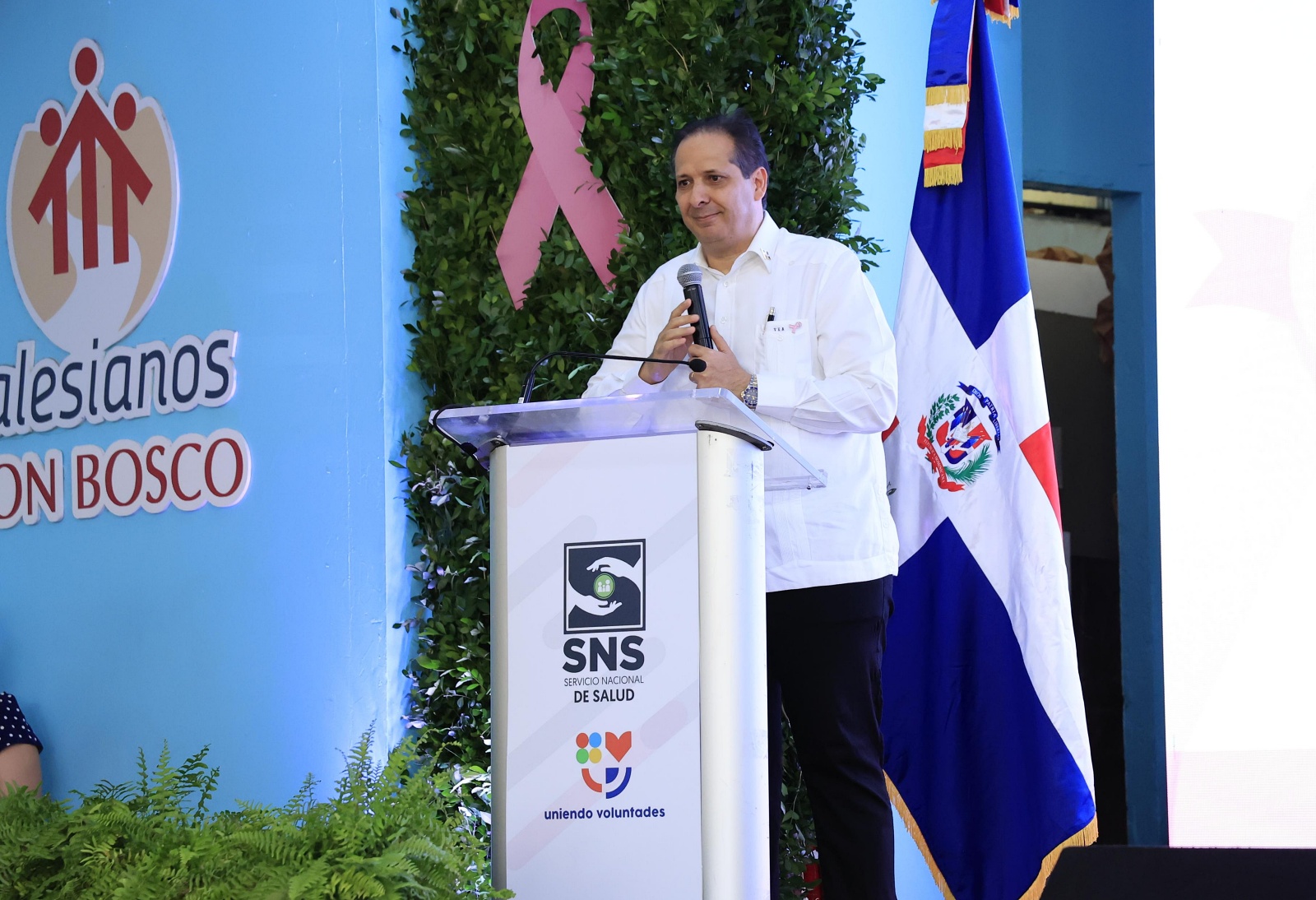
The Dominican Republic’s national cancer screening initiative, ChequéateRD, has achieved a significant milestone by conducting 124,000 screenings since its inception in 2021. The program, which focuses on the early detection of breast, cervical, and prostate cancers, is set to continue its operations through September 2025. This collaborative effort between the National Health Service (SNS) and the First Lady’s Office has been instrumental in providing free diagnostic and preventive services nationwide. Utilizing a network of 13 prioritized hospitals and 512 mobile health campaigns, ChequéateRD has successfully delivered critical medical care to underserved communities. At the program’s fourth-anniversary celebration, First Lady Raquel Arbaje reaffirmed her dedication to expanding the initiative, emphasizing its mission to bring life-saving opportunities to those in greatest need. Dr. Mario Lama, Director of the SNS, underscored the program’s success in reducing cancer mortality, noting that early detection through mammography can identify breast cancer up to two years before it becomes palpable. To date, the program has screened 89,153 women and 34,603 men, with 354 cancer diagnoses confirmed via biopsy and 276 patients currently receiving treatment, highlighting the program’s crucial role in timely intervention.
-
New Tobacco Control Bill Targets Ads, Packaging, and Smoke-Free Spaces
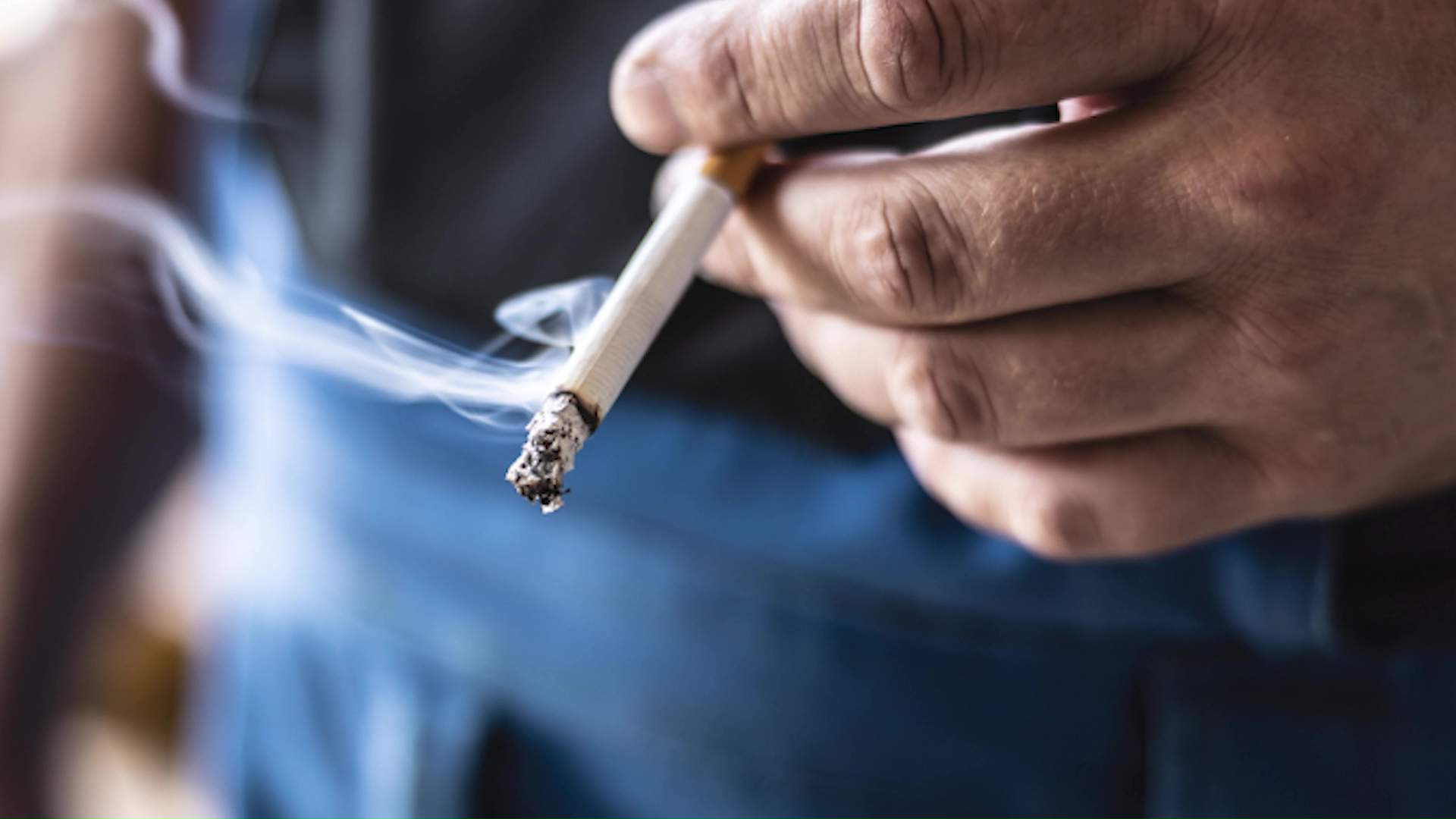
In a significant step toward public health reform, Belize’s Minister of Health and Wellness, Kevin Bernard, has introduced a groundbreaking Tobacco Control Bill to parliament. The legislation, designed to align with the World Health Organization’s Framework Convention on Tobacco Control (FCTC), seeks to address the long-standing issues of tobacco use and secondhand smoke exposure in the country. The bill focuses on several key areas, including the implementation of smoke-free public spaces, strict advertising restrictions, and standardized packaging rules to deter tobacco consumption. Additionally, it proposes the establishment of a national coordinating body to oversee tobacco control efforts and ensure compliance. Minister Bernard emphasized the bill’s goal of protecting current and future generations from the harmful effects of tobacco, particularly by preventing youth addiction and raising public awareness about the risks of smoking. Despite Belize ratifying the FCTC in 2005, the country has lacked comprehensive enforcement mechanisms until now. The introduction of this bill raises questions about the delay in action and the strategies for monitoring and enforcing the new regulations. The move has garnered support from health stakeholders, including the Pan American Health Organization (PAHO) and the Ministry of Health & Wellness, while also involving opposition members in the legislative process.
-
CARPHA rep highlights Caribbean variables to global audience at World Health Summit
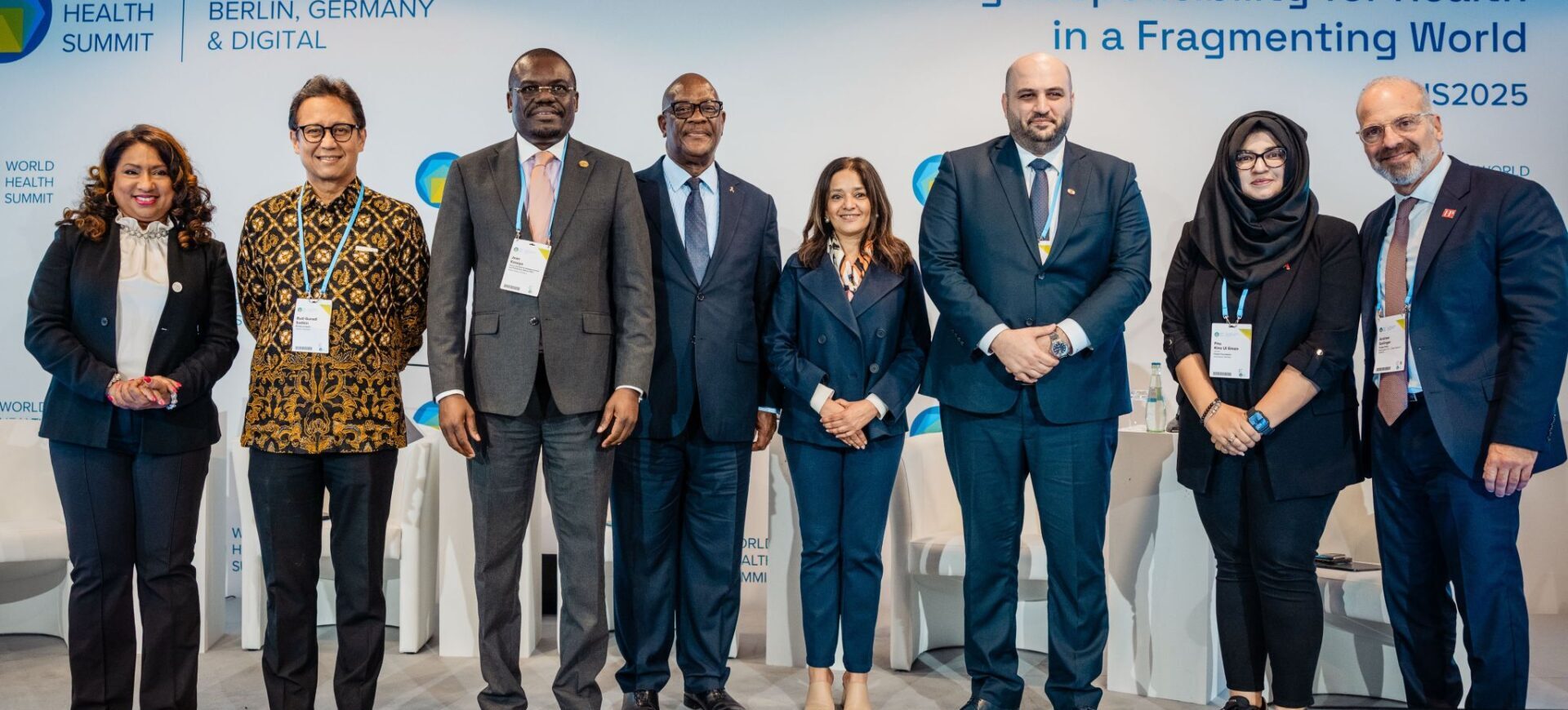
The Caribbean Public Health Agency (CARPHA), the leading public health authority within the Caribbean Community (CARICOM), played a pivotal role at the World Health Summit (WHS) 2025, held in Berlin, Germany, from October 12 to 14, 2025. The summit, themed ‘Taking Responsibility for Health in a Fragmenting World,’ attracted over 4,000 on-site delegates from 144 countries and more than 40,000 virtual participants. With over 400 speakers, the event boasted balanced gender representation, according to a CARPHA statement. Representing the Caribbean, CARPHA’s Executive Director, Dr. Lisa Indar, was the sole regional speaker, shedding light on the distinct public health challenges faced by Small Island Developing States (SIDS) in the Caribbean. Dr. Indar emphasized the region’s vulnerabilities, including small geographic sizes, interconnected networks, porous borders, fragile healthcare systems, reliance on tourism, and susceptibility to natural disasters and climate change. She underscored the necessity for tailored health strategies to mitigate the rapid spread of infectious diseases both within and beyond the region. Dr. Indar highlighted CARPHA’s initiatives, such as developing early warning systems, enhancing laboratory capabilities, workforce training, and fostering partnerships for pandemic prevention and response, supported by the Pandemic Fund grant. She also addressed critical issues like mental health, climate change, antimicrobial resistance (AMR), and the aging population. Her participation extended to high-profile sessions, including discussions on global health emergencies, pandemic resilience, and mental health action. Additionally, Dr. Indar engaged in side meetings with international collaborators, focusing on integrating climate services into health systems and collaborative surveillance. CARPHA lauded the summit as a crucial platform for strengthening global health partnerships and addressing pressing public health challenges.