
The Dominican Society of Infectious Diseases has issued an urgent call to the Ministry of Public Health, emphasizing the need for immediate action following the detection of a cholera outbreak in neighboring Haiti. The organization has highlighted the critical importance of bolstering epidemiological and environmental surveillance, particularly at border crossings and other high-risk zones, to curb the potential spread of the disease into Dominican territory.
分类: health
-
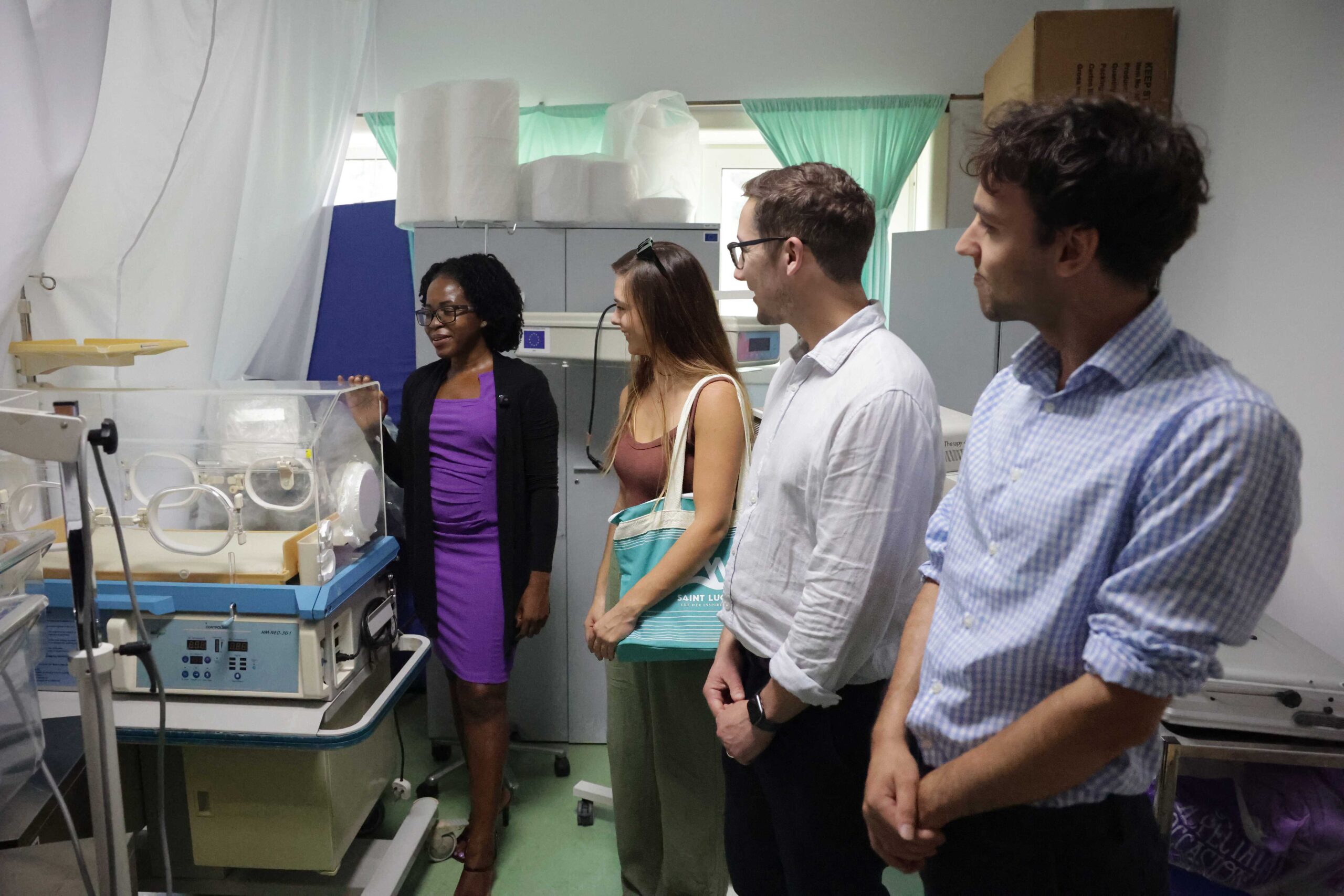
UK athletes visit Special Care Baby Unit ahead of historic island challenge
The World Health Organization highlights that the first 28 days of a newborn’s life are the most critical, with the highest risk of mortality. Lifesaving equipment to address complications from infections or preterm birth is essential for survival and recovery. This reality was brought home for 30 UK residents who visited the Special Care Baby Unit (SCBU) at the Millenium Heights Medical Complex on October 16. Organized by the Sandals Foundation, the group, alongside six local athletes, will undertake a demanding series of physical challenges, including a half marathon, a 12km rainforest trek, a 10km sea kayak, and a hike up Gros Piton, to raise £100,000 for vital neonatal equipment. The 2025 Sandals Foundation Island Challenge, running from October 17 to 20, demonstrates the power of tourism networks to bring hope and tangible change. The fundraiser aims to acquire essential equipment such as a neonatal ventilator, nesting system, infant warmer, incubator, infusion pump, jaundice meter, and infant blankets, all backed by a one-year warranty. This equipment will significantly enhance the capabilities of the island’s largest public health facility to save lives. Valerie Baptiste, a mother whose premature baby received life-saving care at the SCBU, shared her gratitude. Dr. Lashorn Christian, head of the pediatric department, emphasized the importance of the ventilator and infusion pump in neonatal care, noting their critical role in survival and recovery. UK donor Tiger Whiteley, deeply moved by his visit, expressed his commitment to the cause, inspired by personal loss. Now in its third year, the Island Challenge has become a beacon of hope, supporting pediatric health across the Caribbean. Tessa Inglis, acting CEO of the Millenium Heights Medical Complex, and Karen Zacca, director of operations at the Sandals Foundation, both highlighted the global and local partnerships that make this initiative possible, underscoring the collective effort to strengthen neonatal care in Saint Lucia.
-
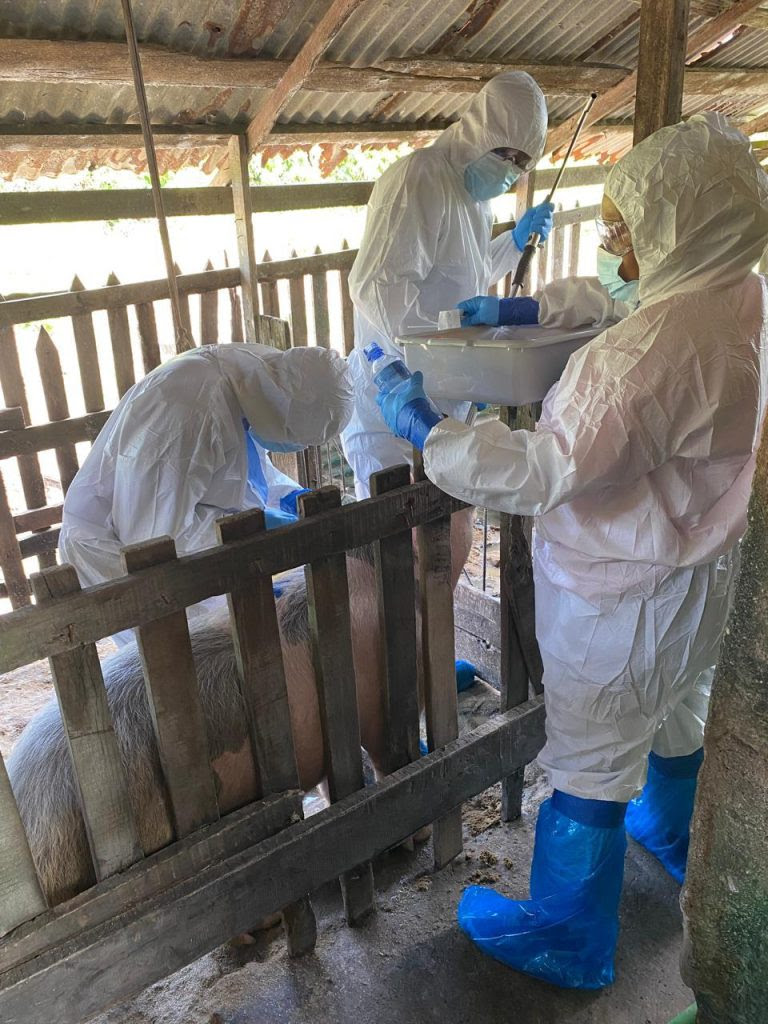
Guyana free of African Swine Fever, Suriname conducting survey
Guyana has been officially declared free of African Swine Fever (ASF) following comprehensive testing conducted in 2025, while neighboring Suriname has initiated a nationwide survey to assess the disease’s potential threat. Agriculture Minister Zulfikar Mustapha confirmed the results, stating that data from national tests conducted in the first half of the year were submitted to international organizations for validation. ASF, a highly contagious viral disease affecting both domestic and wild pigs, poses significant risks to the agricultural sector due to its rapid spread and high mortality rate. To bolster its defenses, Guyana has equipped its Livestock Development Association’s laboratory with advanced test kits and established partnerships with reference centers in the United States and Brazil. Additionally, the country has created a serum bank for future reference and enhanced surveillance at all ports of entry. The Ministry of Agriculture has also prioritized staff training and capacity-building initiatives in collaboration with the U.S. Department of Agriculture and the International Institute for Cooperation in Agriculture. Meanwhile, Suriname has launched a pilot survey to map ASF risks, collecting 100 blood samples from pigs across several districts for overseas analysis. This effort is part of a broader USDA-funded project aimed at strengthening ASF surveillance and response capabilities in the Caribbean, Central America, and the Andean region. The reintroduction of ASF to the Americas since 2021, coupled with its resurgence in Europe, Asia, and Africa, highlights the urgent need for improved preparedness and management strategies.
-
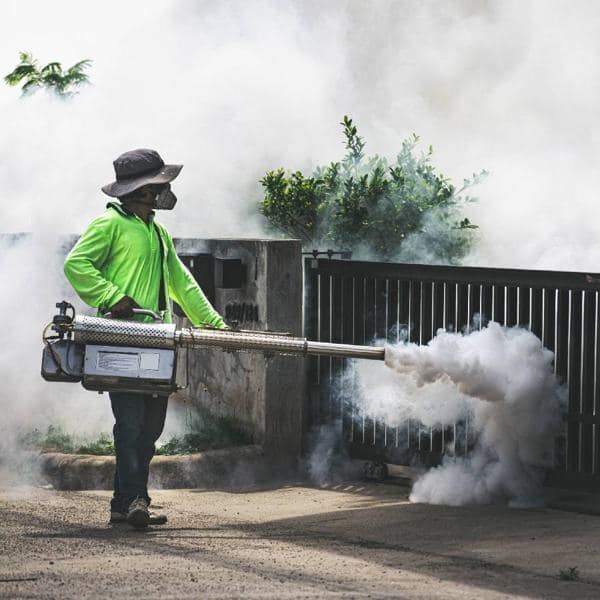
CBH Releases Weeklong Mosquito Fogging Schedule
The Central Board of Health (CBH) in Antigua has rolled out an extensive mosquito fogging initiative as part of its national vector control program. The campaign, targeting the Aedes aegypti mosquito—known for transmitting dengue, chikungunya, and Zika viruses—will run from October 20 to 24, 2025. Fogging operations are scheduled twice daily, at 4:30 a.m. and 4:30 p.m., across multiple communities. Morning sessions will cover areas such as Upper Gambles, Carnival Gardens, and Sutherlands on Monday, while Clarehall and Johnsons Village will be addressed on Tuesday. Cassada Gardens and Skerritts Pasture are slated for later in the week. Afternoon sessions will focus on Gunthorpes, Bendals, Cashew Hill, and Golden Grove, with no fogging planned for Friday afternoon. Residents are advised to take precautions, including staying indoors if they have respiratory conditions and driving cautiously in fogged areas. The CBH also emphasizes the importance of household efforts in mosquito prevention, such as eliminating stagnant water and maintaining clean surroundings. In case of adverse weather conditions like rain or strong winds, fogging will be postponed and rescheduled. For additional details, the public can contact the Vector Control Unit at (268) 764-4327.
-

National Eye Clinic in Saint Lucia resumes surgeries
The Ministry of Health, Wellness, and Elderly Affairs in Saint Lucia has announced the resumption of surgeries at the National Eye Clinic, marking a pivotal step in restoring comprehensive eye care services within the public health sector. This development follows a temporary halt in surgical procedures in March 2023 due to infrastructural challenges. The recommencement of surgeries began on October 8, 2025, with 17 successful pterygium cases already completed and cataract surgeries scheduled to follow shortly.
A thorough assessment of the previous facility led to a phased enhancement program, resulting in significant upgrades to the clinic. These improvements include infrastructural advancements such as the identification of an alternative space, redesigning and retrofitting the area, and installing additional lighting and air conditioning units. The upgraded facility now features an operating theatre, a preoperative room, a recovery room, three examination rooms, a small pharmacy, and a sterilisation room.
The clinic is now equipped with cutting-edge technology, including an ophthalmic surgical system for cataract and retina procedures, a phaco-emulsifier, an anesthesia machine, an eye surgical microscope, and laser machines. A highly skilled team, comprising three ophthalmologists, an optometrist, a medical internist, and five nurses, has been trained to operate the new equipment and ensure efficient patient flow and infection control.
Since its commissioning on December 2, 2024, the clinic has been serving approximately 60 to 70 patients daily. The Ministry of Health has expressed gratitude to the Caribbean Public Health Agency (CARPHA) for their support in ensuring the safety of the operating theatre through environmental testing.
The National Eye Clinic offers a wide range of services, including diabetic retinopathy screening and treatment, general eye examinations, surgeries for pterygium and cataracts, internal medicine services, and community outreach programs. Eye care services are available Monday to Friday, with surgeries conducted Monday to Thursday and outpatient visits on Mondays, Wednesdays, and Fridays.
The public is encouraged to contact the clinic for appointments, and those on the waiting list for surgeries will be notified about their preoperative procedures and surgery dates. The Ministry has reaffirmed its commitment to delivering high-quality services through the National Eye Clinic.
-

Occupational therapy association aims to expand services in local healthcare
As World Occupational Therapy Day approaches on October 27, the Trinidad and Tobago Occupational Therapy Association (TTOTA) is marking its 20th anniversary with a celebration of progress, inclusion, and advocacy. Under the theme “Occupational Therapy in Action,” the association is highlighting the transformative power of the profession in fostering independence and wellbeing for individuals of all ages.
-

Cancer, Tek Weh Yuhself!
Breast Cancer Awareness Month, widely known as #Pinktober, is more than just a time to wear pink. It’s a global movement aimed at raising awareness about breast cancer, encouraging early detection, advocating for better access to care, and celebrating the resilience of those who have faced the disease. This year’s theme, ‘Every Story is Unique, Every Journey Matters,’ underscores the deeply personal nature of each breast cancer diagnosis and the individual stories behind them.
-
OCHA warns of resurgence of cholera in Haiti
The United Nations Office for the Coordination of Humanitarian Affairs (OCHA) has issued a stark warning regarding the resurgence of cholera in Haiti’s Quest Department, exacerbated by the ongoing gang violence plaguing the Caribbean nation. Over the past month, health authorities have reported new cases in Pétion-Ville, marking a concerning end to an 11-week period without any reported infections. Between October 5 and 11 alone, 139 suspected cases were recorded, including over 20 laboratory-confirmed instances, with five fatalities reported. Pétion-Ville and parts of Port-au-Prince, including Cité-Soleil, remain on high alert due to fears of cholera spreading among internally displaced populations. In response, Haiti’s Ministry of Health, supported by the Pan American Health Organization (PAHO) and humanitarian partners, has intensified disinfection campaigns, community awareness initiatives, and the distribution of chlorine, safe water, and hygiene kits in the most affected areas. OCHA also highlighted the broader impact of conflicts in countries like Sudan, Kyrgyzstan, and the Democratic Republic of Congo (DRC), which are severely straining their respective health sectors.
-

Failure to implement national breast cancer screening leaves Bahamian women at risk
The Bahamas faces a critical health challenge as the absence of a national breast cancer screening policy continues to expose women to the risks of late diagnoses, warns Consultant Surgical Oncologist Dr. Wesley Francis. Despite some stabilization in recent years, the country still records some of the highest breast cancer rates in the region. Dr. Francis’s remarks coincide with Breast Cancer Awareness Month in October, which highlights the urgent need for early detection and intervention. Data from the Bahamas National Cancer Registry reveals that the incidence rate peaked at 103.6 per 100,000 in 2018 and 101 in 2019, before dropping to 71 in 2020 due to reduced screenings during the COVID-19 pandemic. Rates have since stabilized between 65 and 77 per 100,000. Dr. Francis emphasized that while the registry’s data collection has improved, breast cancer screening in the Bahamas remains opportunistic, with no formal guidelines mandating mammograms at specific ages. This lack of policy leaves many women unscreened until they discover lumps, shifting the focus from prevention to diagnosis. Dr. Francis called for stronger public education and a nationwide screening program to ensure earlier detection, particularly as breast cancer in the Bahamas tends to affect younger women, often between 40 and 50 years old, compared to 60 to 70 in the United States. He attributed this trend to genetic factors prevalent in the country. A survival analysis of 960 cases diagnosed since 2018 revealed a median age of diagnosis at 57, with 68% of patients over 50. At the time of review, 22% of patients had died, with an average survival of 62 months and a five-year survival rate of 74%. The study underscored that while breast cancer remains a significant national concern, improving early detection and treatment access could enhance outcomes.
-

Fight against breast cancer in the west
Breast cancer continues to be a leading cause of death among women in Jamaica, particularly in the western region where Westmoreland has the highest incidence. The Western Regional Health Authority (WRHA) is spearheading efforts to combat this crisis through prevention campaigns, enhanced awareness, and improved diagnostic resources. Health officials across the island emphasize that early detection is critical to saving lives, a message reinforced by Dr. Christopher Tufton, Jamaica’s Minister of Health and Wellness. He has urged women to prioritize early screening to ensure the disease is caught at its most treatable stage. In Westmoreland, the situation is dire, with many patients presenting at advanced stages, limiting treatment options. Dr. Lincoln Cox, a general surgeon at Savanna-la-Mar Public General Hospital, highlighted the challenges of inadequate diagnostic tools and the financial burden of accessing radiological investigations in Montego Bay. The Misty Blue Foundation, supported by the Sandals Foundation, has been pivotal in driving awareness and providing screenings. Their efforts have expanded to include health education in schools, aiming to empower the next generation with knowledge about prevention and early detection. The recent Faith Gifford Breast Cancer Symposium, endorsed by the Ministry of Health and Wellness, underscored the importance of aligning national policies with local action to address this public health crisis. As Breast Cancer Awareness Month is observed in October, Jamaica remains committed to reducing mortality rates through education, accessible screening, and timely treatment.